8 Plants Restricted or Banned in South Carolina
A flowering tree sold at countless garden centers for decades became illegal to sell here in October 2024. Clemson’s plant regulators called it a plant pest, which sounds wild for something with such pretty spring blossoms.
Some banned plants hide in ponds, while others creep through pastures and roadside ditches without anyone noticing at first. A few are so sneaky that state and federal inspectors track them like escaped houseguests who refuse to leave.
I’m the first to admit I once swapped plant cuttings with friends without a single thought about the law. Truth is, moving the wrong plant across South Carolina can spread trouble faster than any weed whacker can manage.
Which green troublemakers made the list, and could one be growing near your mailbox right now? I found a few surprises, and one of them has fooled gardeners in South Carolina for years.
1. Callery Pear
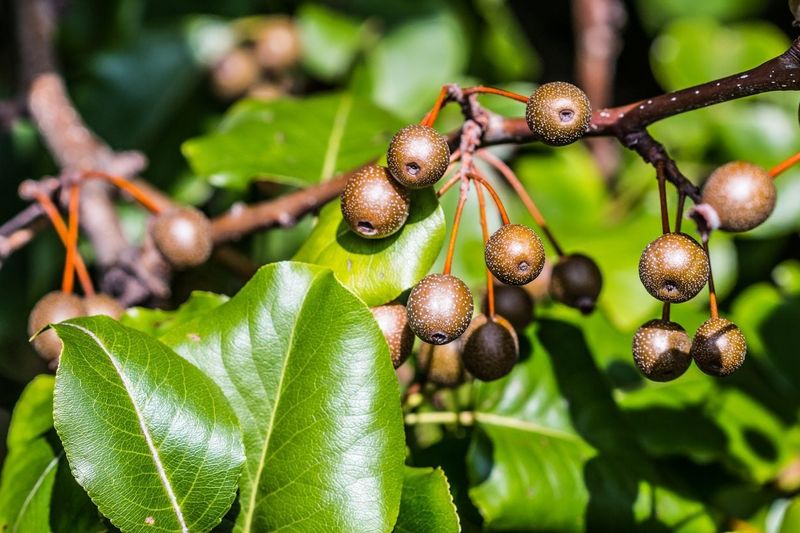
Every March, those clouds of white blossoms smell a bit like old fish, and I learned that firsthand. Callery pear, Pyrus calleryana, includes the famous Bradford pear, and it charmed suburban neighborhoods for over fifty years.
Clemson’s Department of Plant Industry added the tree to the state regulated plant pest list in recent years. Nurseries were barred from selling it starting October 1, 2024, though trees already growing in yards are not affected by the ban.
Why the fuss over a pretty street tree that seemed harmless to most homeowners for so long? Different cultivars cross-pollinate, and birds carry the small fruits into fields where thorny wild pears form dense thickets.
Those wild offspring sport long, sharp thorns that can puncture tractor tires and crowd out native trees nearby. Weak branch angles also make older Bradford pears split during storms, which adds headaches for many homeowners.
If you already have one, removal is encouraged, and some programs have offered free native trees as replacements. Clemson Extension has run swap events that traded cut pears for natives like serviceberry or redbud in recent years.
Cut the trunk low and treat the fresh stump right away, since these trees resprout with surprising enthusiasm. Late fall and winter make the job easier because bare branches show the whole tree structure clearly.
For spring flowers that please pollinators without the odor, try native serviceberry or a flowering dogwood instead. Your neighbors will thank you, and so will the songbirds hunting caterpillars on those native branches.
2. Cogongrass
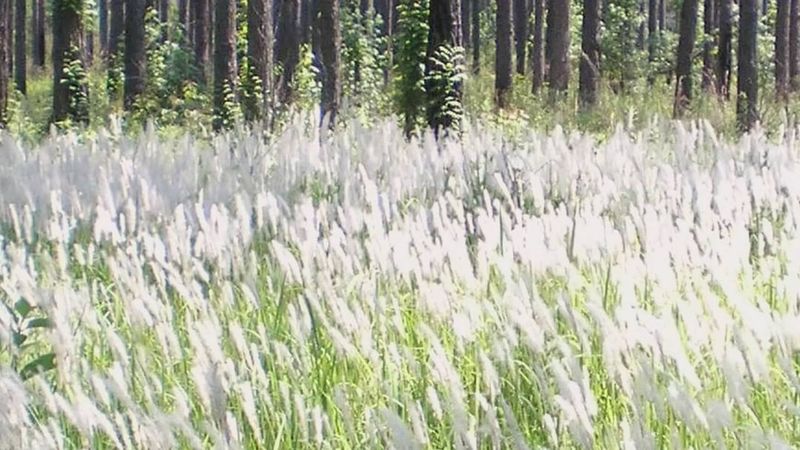
Cogongrass looks like a harmless clump of ornamental grass until you notice the off-center white stripe on each blade. Imperata cylindrica ranks among the worst weeds on the planet, and patches have been found in a limited number of South Carolina counties.
Federal law lists it as a noxious weed, and the state plant pest rules also restrict moving it. That means you cannot sell, share, or haul any part of it without proper approval from inspectors.
The real mischief happens underground, where sharp, white rhizomes spread outward and can even pierce other plant roots. Fluffy white seed heads in spring drift on the wind, and soil on equipment carries root bits elsewhere.
I get a little nervous whenever someone buys cheap fill dirt or pine straw from an unknown source. Contaminated soil and hay remain common pathways, so ask suppliers where their materials came from before buying anything.
Wildfires burn especially hot in cogongrass stands, which can harm pine trees that usually handle gentler, low fires. Dense mats also leave little room for the native grasses and wildflowers that quail and pollinators depend on.
Spot a suspicious patch, and the smartest move is reporting it to Clemson’s Department of Plant Industry quickly. Mowing or digging alone tends to spread fragments, so experts usually recommend repeated herbicide treatments over several seasons.
One cultivar called Japanese blood grass belongs to the same species and was once sold for its red leaves. Skip it entirely, and choose native little bluestem or purple muhly when you crave a showy grass.
3. Tropical Soda Apple
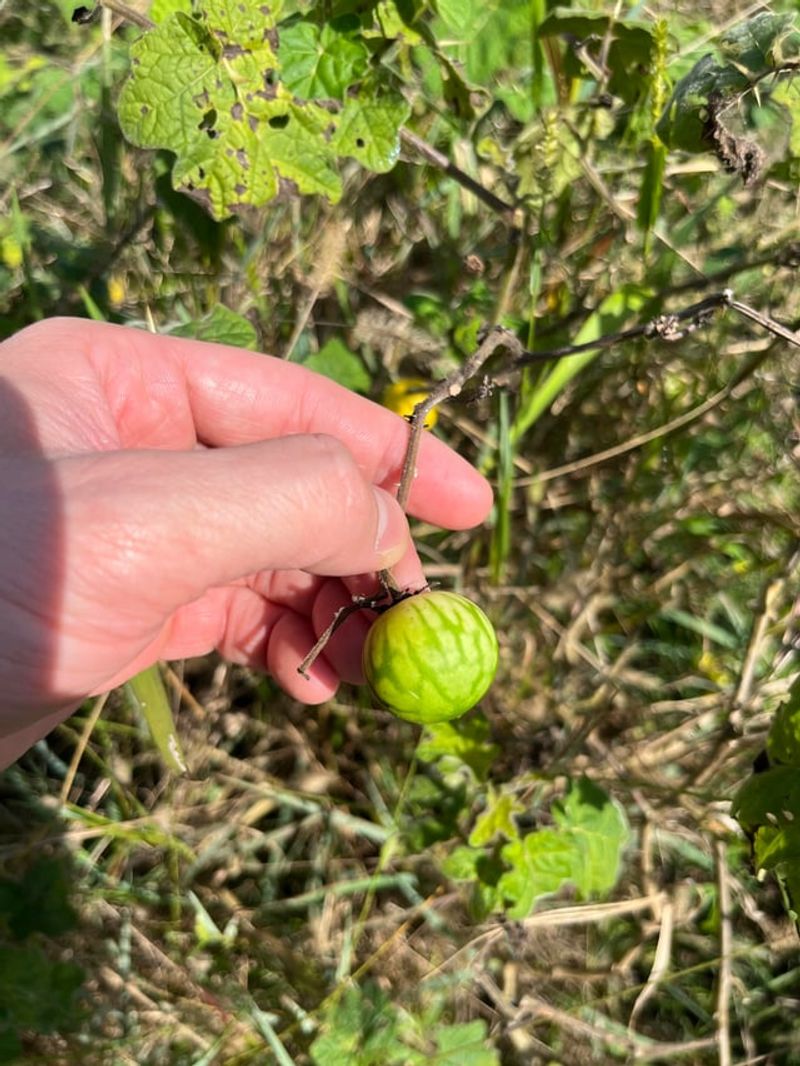
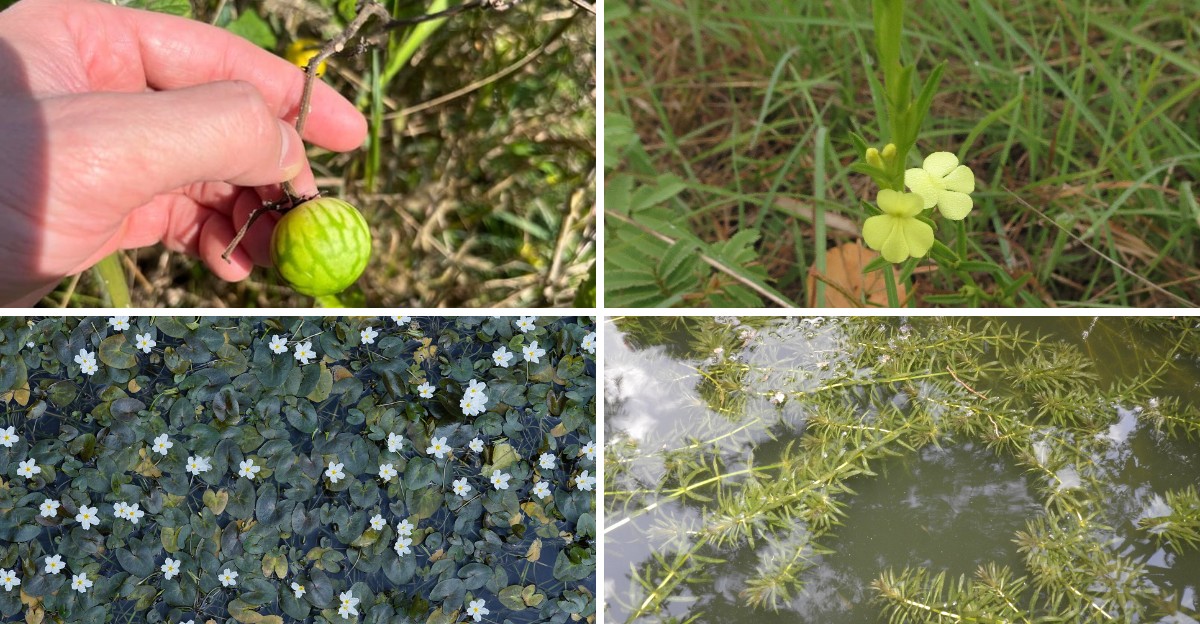
Tropical soda apple produces little striped fruits that look like tiny watermelons, which honestly seems adorable at first. Then you meet the thorns, which line the stems and even the leaves, and the charm fades fast.
Solanum viarum comes from South America and was first found in Florida during the late 1980s. It has since moved into neighboring states, and it shows up most often in cattle pastures and field edges.
Cows munch the ripe yellow fruits, then spread seeds in their manure as they wander to new pastures. Deer and birds can also carry seeds across fences and along wooded trails to new places.
A single plant can hold dozens of fruits, and each fruit may carry a few hundred seeds inside. No wonder it lands on the federal noxious weed list and the state plant pest rules as well.
Moving any part of the plant requires inspector approval, so please skip bringing that odd fruit home for crafts. Hay and livestock purchased from infested areas deserve a careful look before they reach your farm or garden.
It also hosts several crop viruses and pests that bother tomatoes and peppers, which hits close to home. Gardeners who grow vegetables near pastures should watch field edges for prickly plants with mottled green fruits.
Pull small plants with thick gloves before they fruit, and bag the fruits instead of tossing them on compost. Your local Clemson Extension office can confirm the identity, since a few native nightshades look somewhat similar.
4. Witchweed
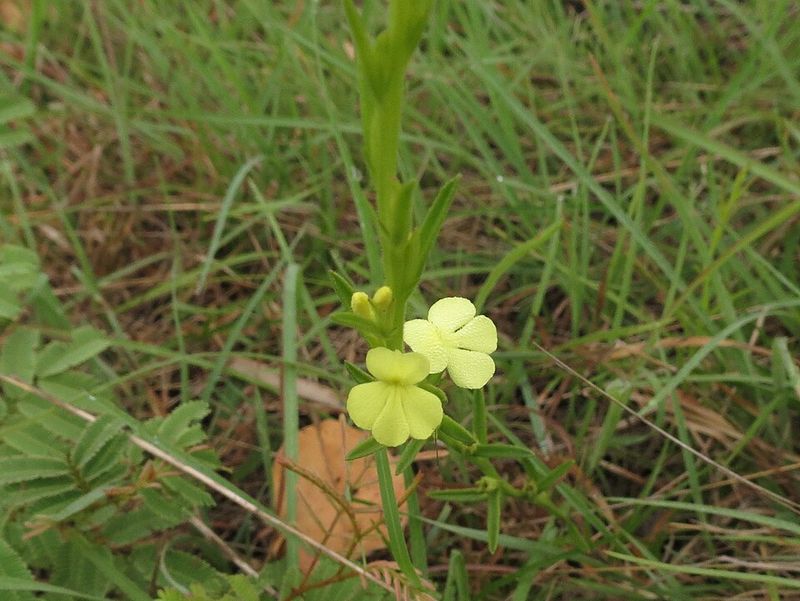
Witchweed sounds like a storybook villain, and its tiny red blossoms hide a truly sneaky lifestyle underground. Striga asiatica is a parasite that taps into the roots of corn and other grassy crops for nourishment.
Witchweed was discovered in the Carolinas in the mid-1950s, and a long federal and state program followed. Crews spent decades treating fields, and the infested area has shrunk dramatically from its original size.
Each plant can release tens of thousands of dust-like seeds that may stay viable in soil for many years. Those seeds wait until they sense chemicals from a host root, then sprout and latch onto it quickly.
Infected corn looks stunted and yellow, almost like it suffered a drought, even when rain has been plentiful. Much of the harm happens before the witchweed even breaks through the soil surface, which makes spotting it tricky.
Federal and state quarantines limit moving soil or farm equipment from regulated areas without proper inspection first. Rules like these feel strict, but they helped keep this parasite from reaching the huge Midwest corn belt.
Most backyard gardeners will rarely see witchweed, since remaining cases sit in a few regulated farm areas. Still, a borrowed tiller from a farming area deserves a good scrub to remove clinging soil before use.
I find it oddly inspiring that steady teamwork pushed such a tough parasite toward the edge of eradication. If you ever spot bright red flowers on short stems among corn, call Clemson’s plant regulators right away.
5. Crested Floating Heart
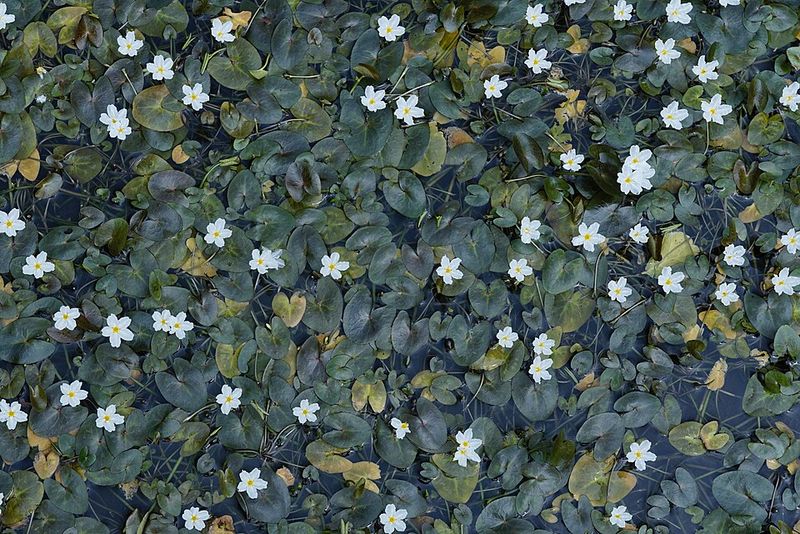
Crested floating heart looks like a mini water lily with ruffled white flowers, and pond lovers find it irresistible. Nymphoides cristata hails from Asia, and it now covers large patches of Lake Marion and Lake Moultrie.
The state lists it as an illegal aquatic plant, so buying, selling, or possessing it is prohibited. Even tossing an aquarium or water garden cutting into a creek can start a fresh infestation somewhere new.
Small fragments break off and float away, and tiny clusters of roots called ramets sprout new plants easily. Dense mats then shade the water below, which lowers oxygen and crowds out native plants that fish need.
Boaters notice the problem first, since thick leaves tangle propellers and make favorite fishing spots hard to reach. Lake managers have spent large sums on control, and the work continues each summer when growth peaks.
Before leaving any boat ramp, pull plant bits off the trailer and drain the live well thoroughly. Letting gear dry for a few days also helps, since many aquatic fragments struggle once they lose moisture.
Water gardeners should double-check online orders, because similar floating hearts sometimes get mislabeled or shipped by mistake. I’m a sucker for water lilies, so I now inspect every shipment before it touches my pond.
Lovely native alternatives exist, including the American white water lily and little floating heart, Nymphoides cordata. Both offer that dreamy floating look without sending your neighbors on a costly cleanup mission later.
6. Hydrilla
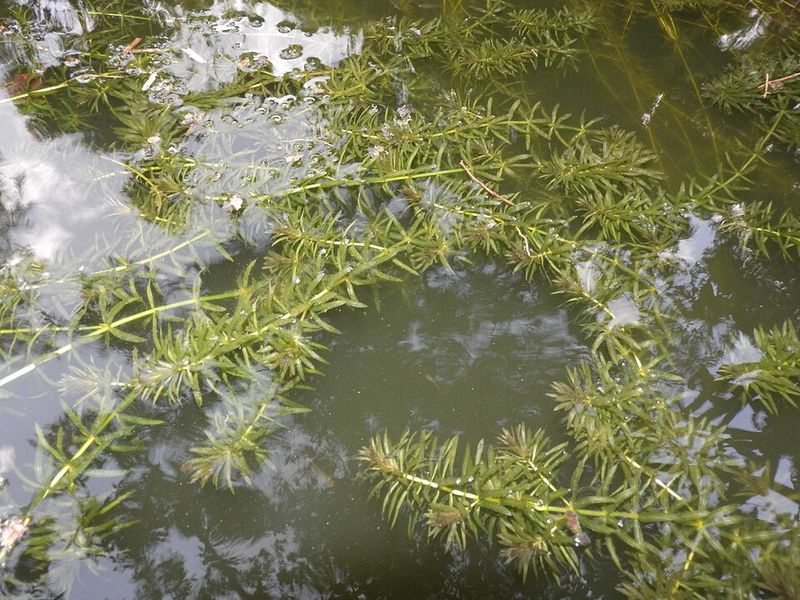
Hydrilla can grow about an inch a day, which sounds impressive until it chokes your favorite swimming hole. Hydrilla verticillata arrived from Asia through the aquarium trade, and it spread across southern lakes during the late 1900s.
The state bans possessing or selling hydrilla, and it also appears on the federal noxious weed list. Fishing and boating pull stems along, so a tiny sprig on a trailer can seed an entire new reservoir.
Look for small, pointed leaves arranged in whorls of about five around the stem, with tiny teeth on edges. Underground tubers can stay dormant in mud for several years, which makes control a patient, long-term project.
Lake Marion once had tens of thousands of acres infested, and managers stocked sterile grass carp to graze it. Those plant-munching fish helped a great deal, though they need careful balancing so native plants still thrive.
My favorite habit is simple, and it means draining and drying every piece of gear before heading home. Check anchors and paddles closely, since hydrilla likes wrapping around anything that dangles below the surface.
Aquarium owners should seal unwanted plants in a bag and toss them in the trash instead of local waters. It closely resembles native common waterweed, Elodea canadensis, so a quick expert check can settle any confusion.
Healthy lakes need some underwater plants, and natives like eelgrass offer shelter for young fish and insects. Choosing native submerged plants for ponds keeps the fun going without inviting an unwelcome green monster.
7. Giant Salvinia
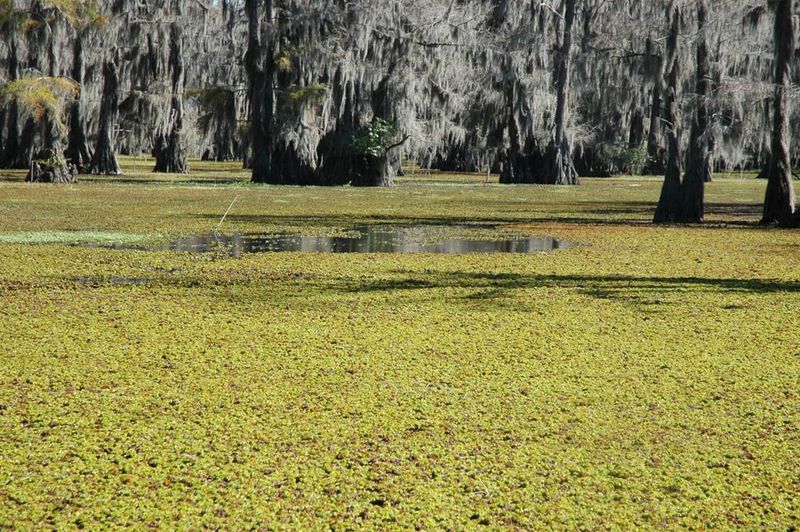
Giant salvinia is a floating fern with fuzzy leaves covered in tiny egg-beater hairs that repel water beautifully. Salvinia molesta deserves its scientific name, since molesta loosely translates to annoying, and boy, does it earn it.
Mats can double in size within about a week under warm conditions, according to federal researchers. Thick layers then block sunlight and oxygen, leaving ponds stagnant and unhealthy for fish and frogs below.
The state lists giant salvinia as an illegal aquatic plant, and federal rules restrict it as a noxious weed. Possessing or moving it is prohibited, even in a backyard tub where it seems tucked safely away.
Giant salvinia was found in Lake Marion in 2017 and has since become a serious problem for lake managers. Fast action matters, because a few overlooked leaves can rebuild a whole mat by the next summer.
Water gardeners sometimes buy common salvinia species online, yet sellers occasionally mix up these lookalike floating ferns. Check for hairs that join at the tips in a cage shape, which points toward the giant species.
I’m guilty of loving tidy floating plants, so I now stick with trustworthy native nurseries for pond supplies. Native duckweed and mosquito fern can provide surface cover, though they still need occasional thinning in small ponds.
If you spot suspicious floating ferns, snap a photo and contact the state natural resources department for guidance. Bag any sample tightly and avoid composting it, since even small fragments can regrow surprisingly fast.
8. Tropical Spiderwort
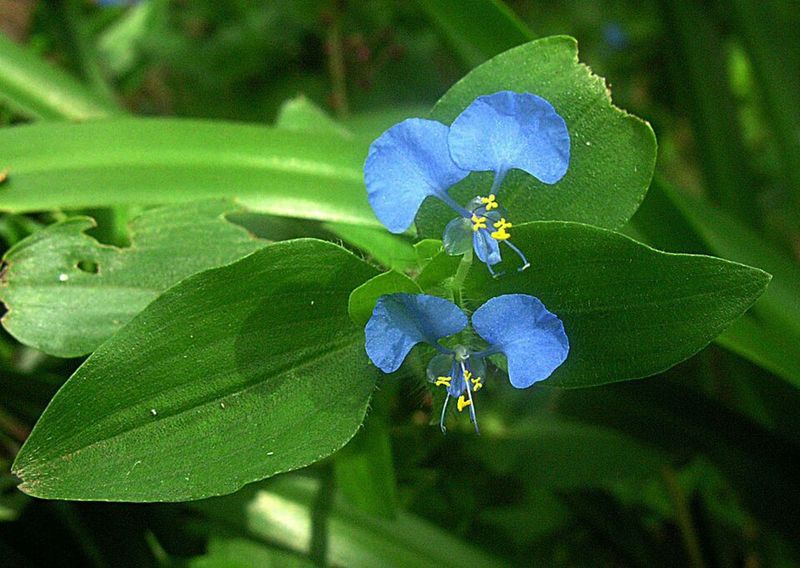
Tropical spiderwort blooms with sweet little blue flowers, and honestly, it fooled me into thinking it was harmless. Commelina benghalensis, also called Benghal dayflower, is a federal noxious weed that now troubles southern cotton and peanut fields.
Its sneakiest trick involves underground flowers that make seeds below the soil surface, out of sight from farmers. Those hidden seeds plus regular seeds from above give it two ways to spread, which keeps growers busy.
Pulled stems can reroot on moist ground, so tossing weeds on the soil often backfires quickly. Bagging pulled plants works better, especially during summer when growth takes off in warm, humid weather.
It shows tolerance to glyphosate, a common herbicide, which helped it spread through crop fields across Georgia. Movement of this weed is restricted under federal rules, and state inspectors watch for it in nursery stock.
Gardeners can accidentally carry it in potted plants or soil, so inspect new purchases closely before planting them. Look for hairy sheaths where leaves wrap the stem, often with reddish hairs near the top edge.
Native dayflowers, like Virginia dayflower, look quite similar and are welcome in most shady woodland gardens. When in doubt, bring a sample to your county Extension office, since experts can tell them apart quickly.
I’ll say this much, a cute blue flower taught me to slow down before sharing plants with friends. Checking identities first keeps your garden generous and lawful, and it protects local farms from costly surprises.