Why Hemlocks Are Struggling Across Ohio – and the Shade Evergreens Replacing Them
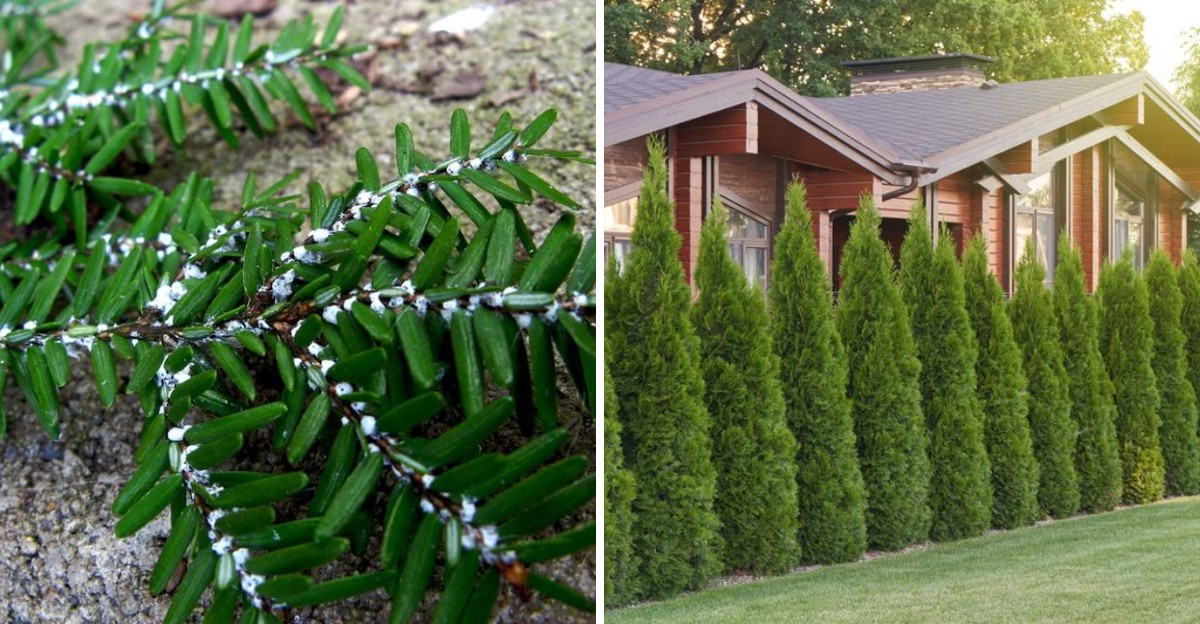
A bug smaller than a sesame seed reached a wild forest in southeast Ohio in 2012, and our coolest, shadiest ravines have not been the same since. It hides under tiny puffs of white fluff that look like someone dusted the branches with cotton.
I first noticed it on a gray winter walk. The tree looked fine from the trail, but up close the twigs told a different story.
The target is a graceful native evergreen that can live for centuries and keeps creek water cool for trout. One sap-sipping invader from Asia has slowly thinned these trees across the Appalachians, and now it is creeping north.
You may have one of these trees shading your porch right now. Do you know what the undersides of its branches look like?
I think a quick peek this season could save you years of worry, and it might change what you plant next.
Those Cottony White Dots on Hemlock Twigs Mean Trouble
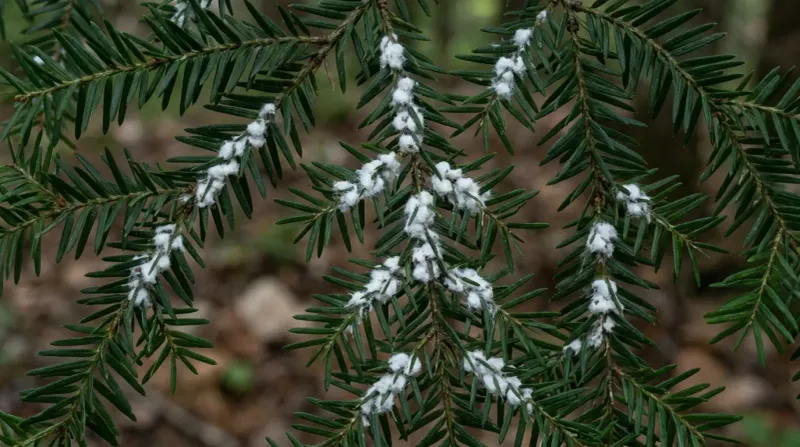
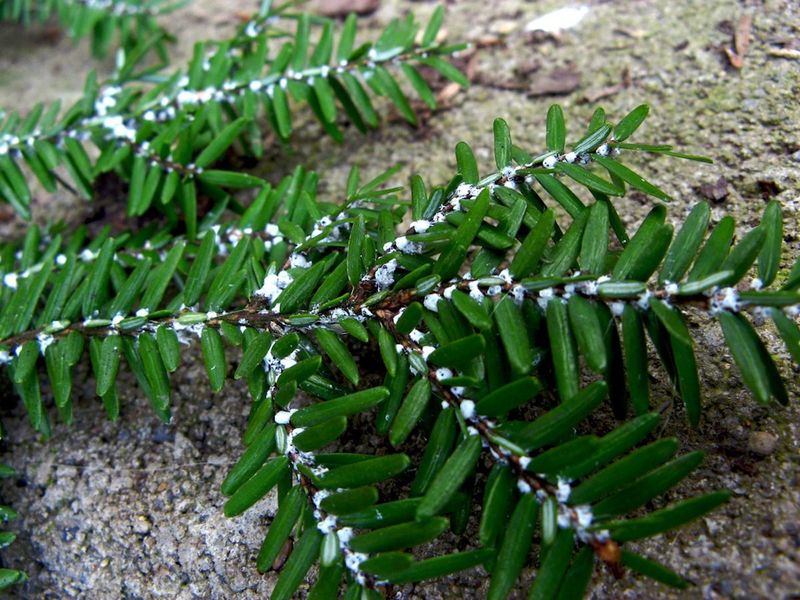
Flip a hemlock branch over in winter and you might spot tiny white puffs clinging where the needles meet the twig. Those puffs belong to the hemlock woolly adelgid, an aphid-like insect from Asia that reached the eastern United States in the 1950s.
The adelgid was first confirmed in a natural Ohio hemlock stand in Meigs County in 2012. Since then, the Ohio Department of Agriculture and Ohio Department of Natural Resources have tracked it across many southern and eastern counties, with newer finds in the northeast part of the state.
Each insect is barely visible without a hand lens. The woolly coating is wax the bug makes to protect itself and its eggs, so the fluff is the easiest clue you will ever get.
Here in Ohio, the insects feed on stored starches at the base of the needles. Over time, that steady feeding starves the tree of energy it needs for new shoots.
Both eastern hemlock and Carolina hemlock are vulnerable. Ohio regulates the movement of hemlock nursery stock and logs from infested areas through a quarantine, so check with the state before moving plants or wood.
One small sighting is worth reporting, because early records help managers respond faster.
Grayish Hemlock Needles Signal a Tree Running Low on Energy
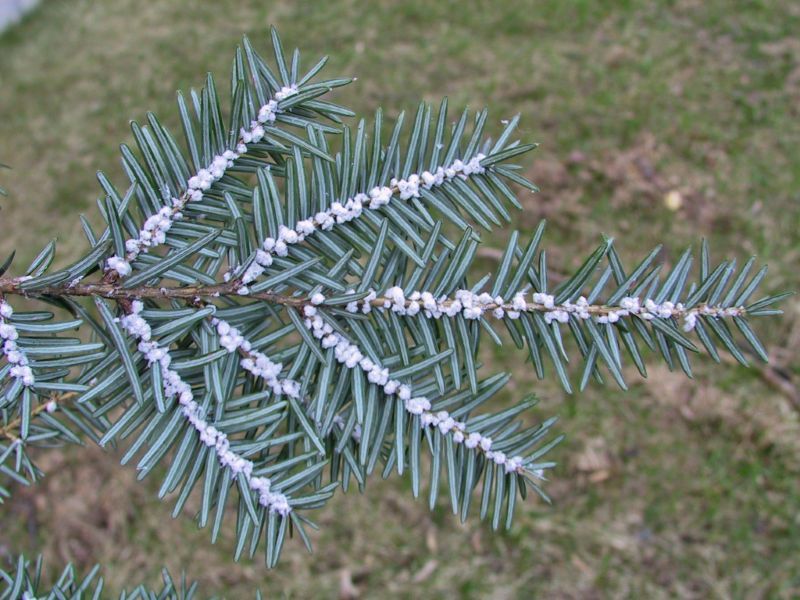
Healthy hemlock needles are a deep, glossy green with two pale stripes underneath. When the adelgid moves in, that rich color fades to a dull grayish green, almost like the tree needs a nap.
Watch the new spring growth too. Infested trees often push out few fresh shoots, or none at all, because the insects have drained the stored food that fuels them.
Needles may drop early, and the crown starts to look see-through. Bare, failing twigs often show up first on lower branches and work their way upward over several seasons.
Timing helps your detective work. The white wool is easiest to see from late fall through early summer, roughly November into May, so winter is a great time to inspect with a magnifying glass.
A tree can decline within 4 to 10 years once heavily infested, though some hang on longer. Weather, soil moisture, and other pests all affect the pace.
I like snapping a photo of the same branch each winter. Comparing pictures side by side makes slow thinning much easier to notice before it becomes serious.
Saving a Backyard Hemlock With Oils and Systemic Treatments
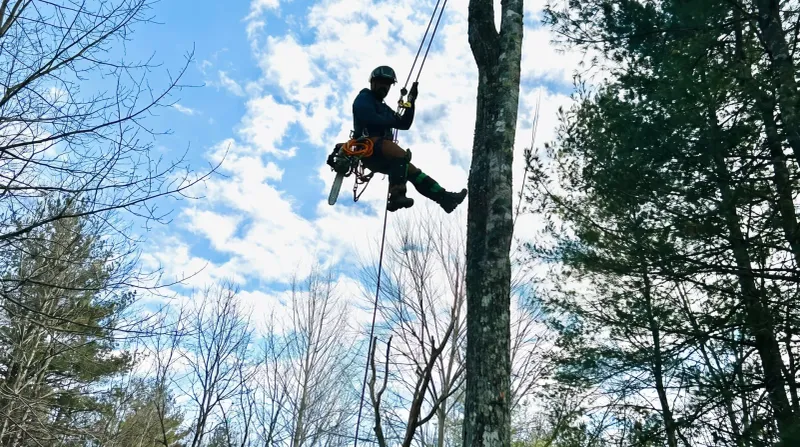
Plenty of landscape hemlocks can be protected, and that still surprises people. Ohio State University Extension and other university sources describe several proven options.
For small trees you can reach, horticultural oil or insecticidal soap works by smothering the insects. Coverage matters, so every twig needs a thorough soaking, and repeat sprays are often needed.
Bigger trees usually call for systemic products such as imidacloprid or dinotefuran. These move through the tree’s tissues and reach insects you could never spray.
Imidacloprid is slow to act but can protect a tree for several years. Dinotefuran works faster, which helps when a tree is already badly thinned, though its protection fades sooner.
Treat when the tree is actively moving water, typically spring or fall. Skip treatments during drought or soggy soil, because uptake drops off.
Read every label, and keep soil treatments away from streams, ponds, and wet spots, since these chemicals can harm aquatic life. For tall trees, a certified arborist has the right equipment and licenses.
Personally, I think a treated old hemlock is worth the effort. A mature tree gives shade that a new planting needs decades to match.
Elongate Hemlock Scale and Borers Often Pile On
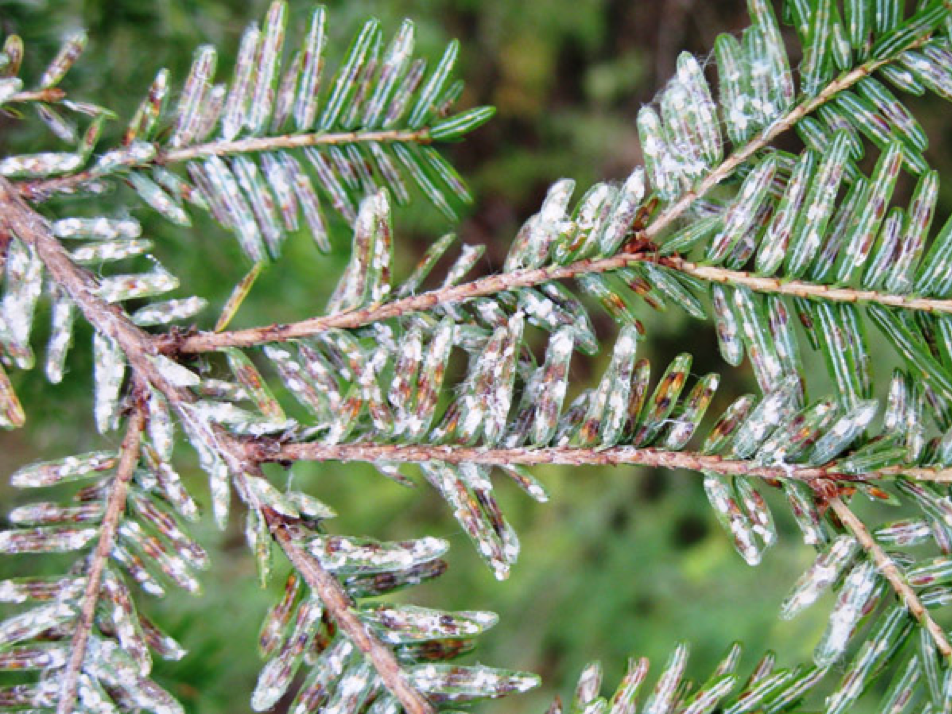
Trouble rarely travels alone with hemlocks. Elongate hemlock scale is another invasive sap-feeder, and it often shows up on trees already hosting the adelgid.
You can spot it as tiny brown or whitish flecks stuck to the undersides of needles. The tops of affected needles may look yellow and blotchy.
Scale is harder to control than the adelgid in some cases, since imidacloprid does a poor job against it. Dinotefuran or horticultural oil usually works better, so correct identification really pays off.
Then there is the hemlock borer, a small metallic beetle. It mostly targets trees weakened by drought, pests, or poor growing conditions rather than vigorous ones.
Borer damage shows up as thinning branches and small oval exit holes in bark. By the time you see it, the tree is usually under heavy stress.
Fun fact: hemlocks can grow in very deep shade, and seedlings may wait decades under a forest canopy for a gap to open. That patient lifestyle, though, leaves little energy reserve when several pests attack together.
Keeping stress low is your best defense against these secondary invaders.
Hot Sun and Dry Summers Make Hemlocks Easier Targets
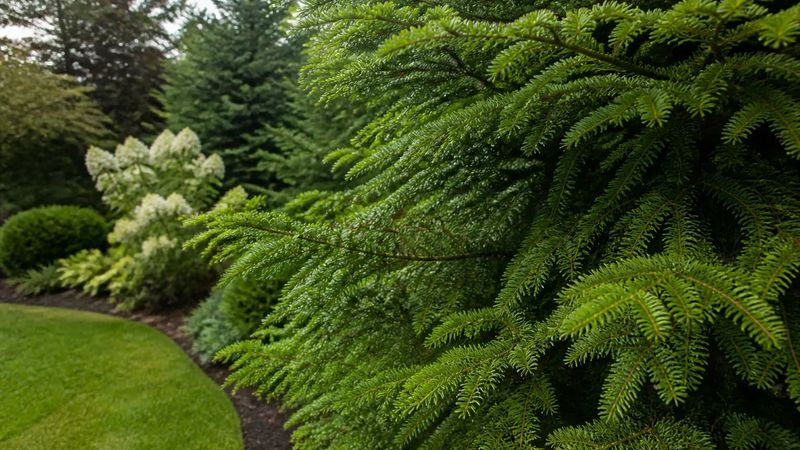
Hemlocks are fussy about where they live, and honestly, I respect that. In the wild, they favor cool ravines, north-facing slopes, and moist, acidic soil.
Plant one in a hot, open lawn and it often struggles. Needle scorch, browning tips, and slow growth are common in full sun and drying winds.
Drought is a big stressor. Hemlock roots are shallow, so a dry August can hit them hard, especially in heavier clay soils in central and western parts of the state.
Soggy, poorly drained ground causes problems too. Roots need air, and constantly wet soil can lead to root decline.
Planting depth matters more than many people realize. Burying the root flare invites trouble, so the spot where trunk widens into roots should sit at or slightly above soil level.
A few simple habits help a lot:
Water deeply every week or two during dry spells. Spread 2 to 3 inches of mulch, keeping it off the trunk.
Go easy on fertilizer, since extra nitrogen can actually help adelgids thrive.
Healthy trees respond better to treatments and resist secondary pests far longer.
Native Canadian Yew and American Holly Love Those Dim Corners

Ready to rethink a shady spot? Native evergreens are my first stop, because they feed local wildlife and suit our conditions.
Canadian yew, Taxus canadensis, is a low, sprawling shrub that grows naturally in cool, shaded woods. It rarely tops 3 to 6 feet, which makes it great under trees.
Deer find it very tasty, though. Plan on fencing or repellents if browsers wander through your yard.
American holly, Ilex opaca, brings glossy spiny leaves and bright red berries. It handles part shade, and birds happily eat the fruit in late winter.
Remember that hollies need a male nearby for female plants to fruit. Ask your nursery to label plants by sex.
Inkberry, Ilex glabra, is another native holly with small dark leaves and black berries. It tolerates wetter soils and makes a soft informal hedge.
One caution: yews are toxic to people, pets, and livestock if eaten, so place them thoughtfully around kids and animals.
Native choices rarely give the tall towering look of a hemlock. They do, however, add layered greenery that helps a shady garden feel full all year.
Arborvitae, Spruce, and Broadleaf Shrubs Can Fill the Hemlock Gap
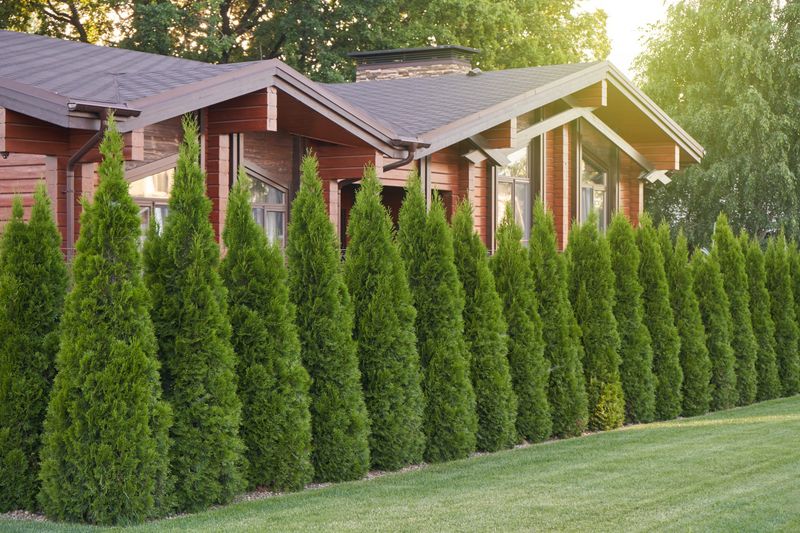
Many hemlocks were planted as screens, so losing one can suddenly reveal your neighbor’s patio. Replacing that privacy takes a little planning.
Native northern white cedar, often sold as arborvitae, handles part shade fairly well and keeps a tidy shape. It prefers some sun to stay dense, so give it at least a few hours of light.
White spruce and Norway spruce handle light shade in youth and grow tall. Norway spruce isn’t native, but it is widely planted and not considered invasive in the state.
For true shade, broadleaf evergreens shine. Rhododendrons and mountain laurel, a native beauty, like the same acidic, moist soil hemlocks enjoy.
Drooping leucothoe, Leucothoe fontanesiana, is native to the southern Appalachians and adds arching glossy leaves. It looks lovely along a shaded path.
Japanese pieris offers spring flowers and reddish new growth in part shade. Boxwood also works in light shade if you want something formal.
Mixing two or three species gives you insurance. When one plant has a bad year, the others keep the screen looking full.
Avoid Japanese barberry and burning bush, which are invasive in Ohio.
Checking and Reporting Hemlocks Helps Every Shady Ravine
Small actions really add up with this pest. Birds, deer, wind, and people move adelgid eggs, so anyone can help slow the spread.
Inspect your hemlocks each winter, checking lower branches on several sides. If you find white wool, report it to the Ohio Department of Agriculture or ODNR, especially in counties without confirmed infestations.
Hiking near hemlock groves? Brush off clothing and gear afterward, and avoid hanging feeders near hemlocks from late winter into early summer, when crawlers move easily on birds.
Biological control offers hope too. Researchers have released predatory beetles and silver flies from the Pacific Northwest that feed on adelgids, and Ohio has been part of these efforts.
These helpers will not solve the problem quickly. Still, paired with targeted treatments in key forests, they buy precious time.
If your tree is too far gone, plan a replacement before removal so the spot never sits bare. Fall is a lovely time to plant evergreens, giving roots weeks to settle in.
Personally, I keep one healthy treated hemlock and a few new shade lovers. That mix feels like the smartest way to honor the past while planting for tomorrow.