How To Overwinter Mandevilla In Michigan As A Houseplant Or A Dormant Pot
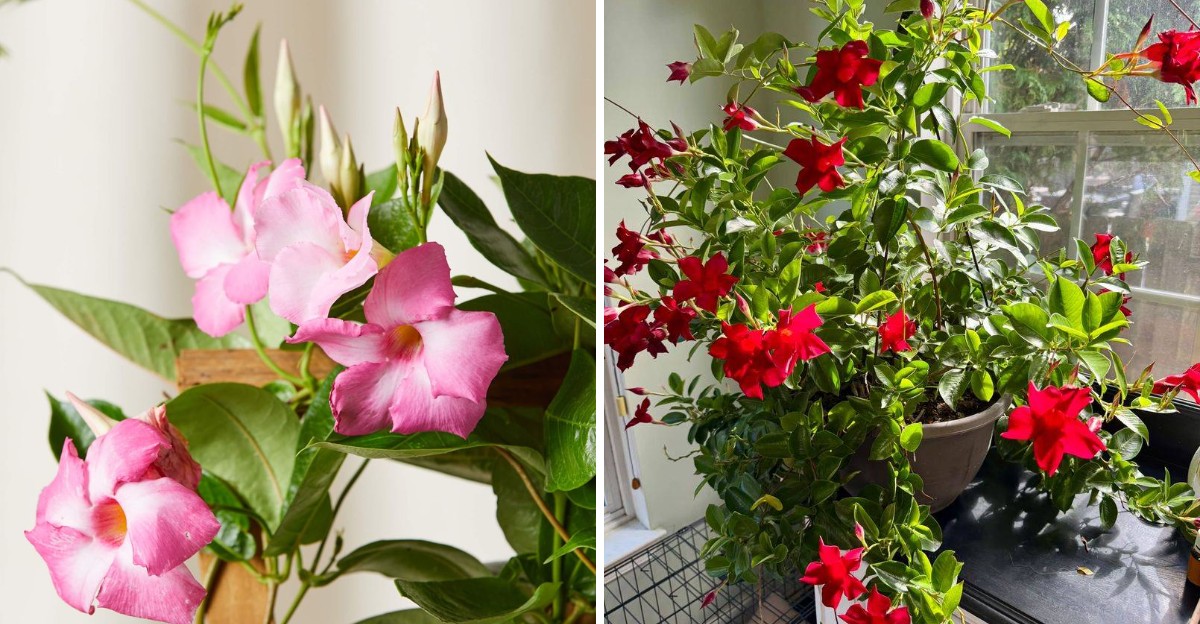
A single night in the 40s can make a certain tropical vine sulk for weeks, long before any frost shows up. Its leaves can yellow, drop, and stall out while the rest of the garden still looks perfectly fine.
I learned the hard way that waiting for the first frost warning is waiting too long. One October, I left my favorite pink bloomer on the porch a few extra nights. By the time I hauled it inside, it looked like a sad bundle of sticks.
Truth is, these vines come from warm forests in Central and South America. Michigan falls feel like a shock to them, and our winters are a firm no.
Still, I get it. Paying for a brand new vine every May adds up fast. So what if last summer’s climber could come back bigger, fuller, and earlier than anything at the garden center?
That Glossy Mandevilla Vine Is Feeling The Chill Sooner Than You Think
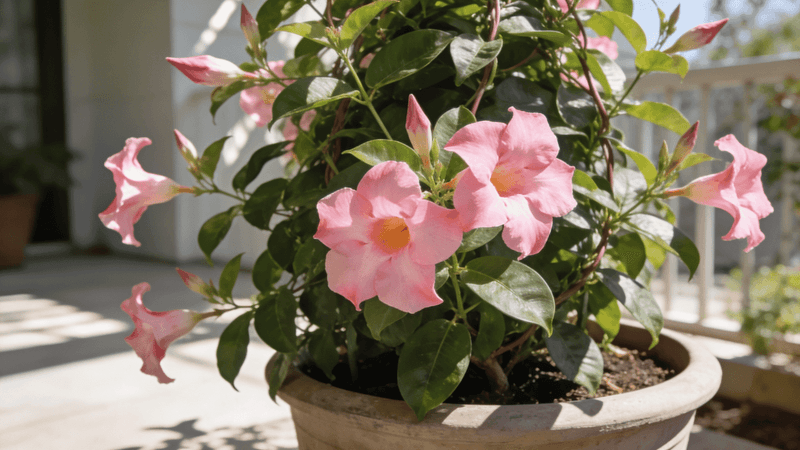
Most gardeners watch for frost, but mandevilla starts complaining well before that. Nights below about 50 degrees Fahrenheit can trigger yellow leaves, leaf drop, and stalled growth.
These vines are tender tropical perennials, hardy only in roughly USDA zones 10 and 11. Michigan sits mostly in zones 5 and 6, with a few colder pockets up north. That gap is huge, so there is no outdoor survival plan here.
Timing matters more than most of us expect. In southern Michigan, cool nights usually settle in by mid to late September. Up in the Upper Peninsula and northern Lower Peninsula, that chill can arrive even earlier.
My rule is simple. Once the forecast shows nights dipping toward 50 degrees, the vine starts moving indoors. Waiting for an official frost warning often means the plant has already taken a hit.
Watch the leaves for early hints. Pale yellow patches or a sudden drop in flowers on a cool week tell you the plant is stressed. Catching it at this stage makes the whole winter easier, because a healthy plant handles the indoor move far better than a chilled one.
So keep one eye on those nightly lows from Labor Day on.
Two Winter Paths For Your Mandevilla, Sunny Window Or Cool Basement
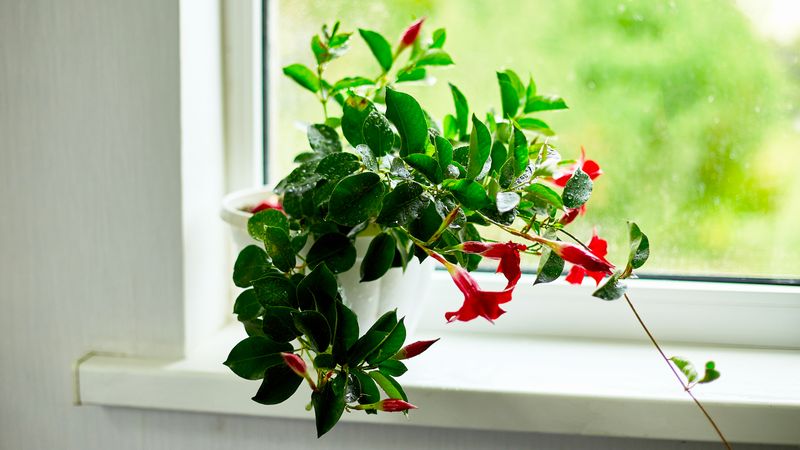
Here is the heart of the whole plan. You can keep your mandevilla growing as a houseplant, or you can let it rest as a dormant pot.
The houseplant route needs a bright spot, ideally a south or west window. Room temperatures of about 60 to 70 degrees work well. The plant stays green, though it often slows down and sheds some leaves.
The dormant route suits folks with little window space. You cut the vine back hard and store it somewhere cool, dark, and frost free, around 50 to 60 degrees. It basically naps until spring.
Which one wins? Honestly, it depends on your house. I keep one vine in my sunroom because I love seeing green in January. A second one snoozes in the basement with almost zero fuss.
Houseplant vines usually rebound faster in spring since they never fully stop. Dormant pots need a bit more time to wake up, but they take up less room and attention.
Either way, the steps before moving inside are the same. Clean the plant, check for pests, and trim it to fit. Pick the path that matches your light and your patience, and you are halfway there.
Check Every Mandevilla Leaf For Sneaky Hitchhikers First
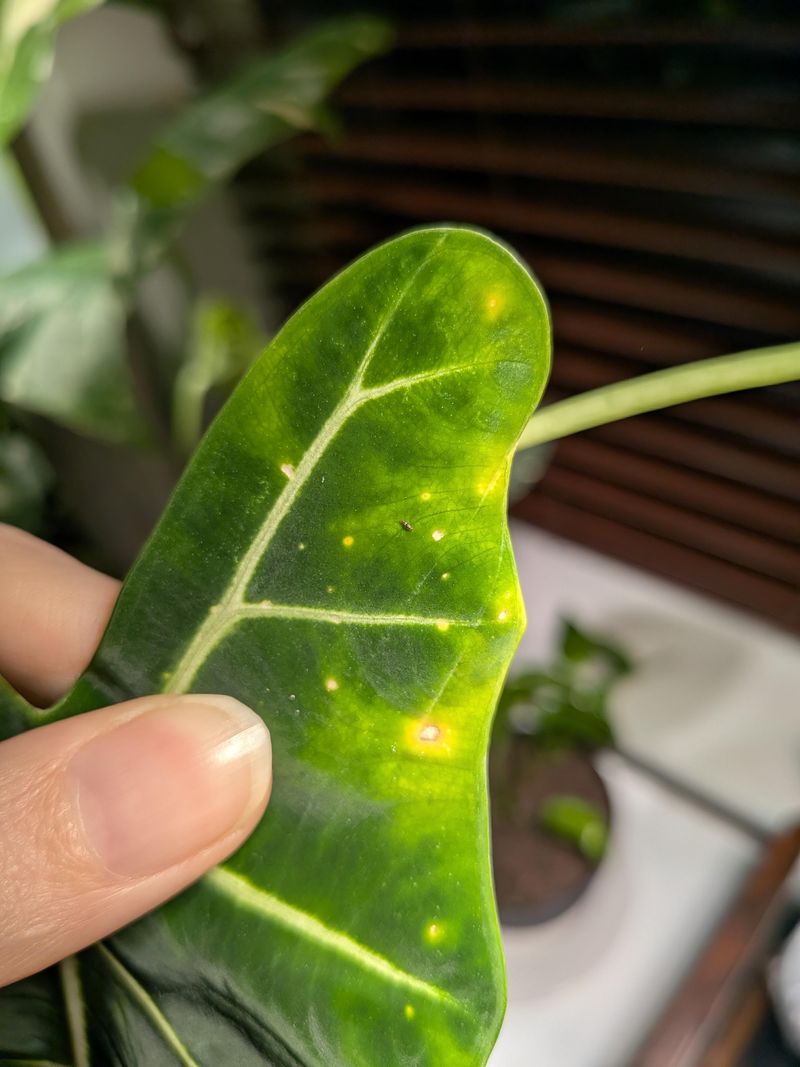
Nobody wants a winter full of spider mites. Sadly, those tiny pests love warm, dry indoor air even more than your vine does.
Before the pot crosses your doorway, flip over plenty of leaves. Look for fine webbing, speckled leaves, white cottony clumps, or sticky spots. Those clues point to spider mites, mealybugs, aphids, or whiteflies.
A strong spray of water from the hose knocks off many pests. Follow up with insecticidal soap or a horticultural oil like neem, coating both sides of the leaves. Always read and follow the label, and test a small area first.
Don’t skip the soil and pot. Slugs, earwigs, and ants sometimes hide underneath or along the rim. I like to lift the pot, peek at the drainage holes, and wipe the outside clean.
Some gardeners keep the vine in a garage or spare room for a week or two as a quarantine. It’s a smart move if you own other houseplants you care about.
Fair warning, a few pests may still sneak in. Check the vine every couple of weeks all winter. Early spotting keeps a small problem from spreading across your whole plant collection.
Trim Those Long Mandevilla Tendrils To A Size Your House Can Handle
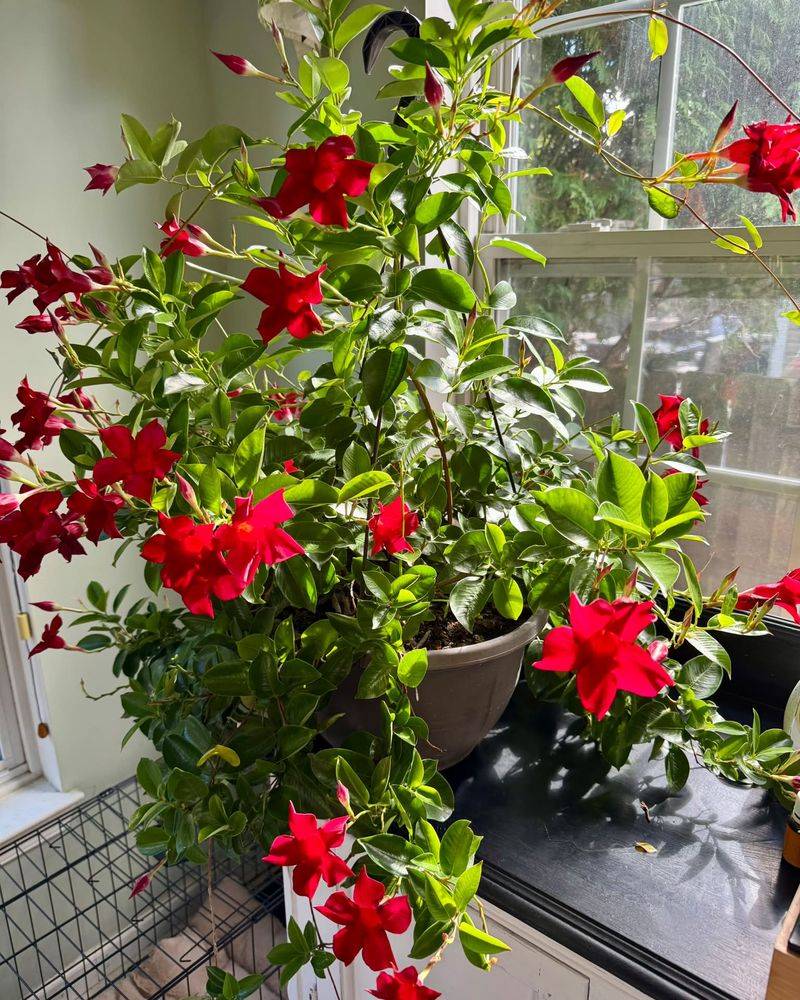
Mandevilla vines can stretch several feet by September, often wrapped tightly around a trellis. Hauling that tangle indoors is a recipe for broken stems and leaves everywhere.
For houseplant vines, a moderate trim works best. Many gardeners cut the plant back by about a third to a half. Keep enough leafy growth so it can still soak up light from the window.
Dormant pots get a tougher haircut. Cut stems to around 8 to 12 inches above the soil. That sounds harsh, but the vine handles it well and regrows from those stubs in spring.
Use clean, sharp pruners and make cuts just above a leaf node. Wear gloves, because mandevilla oozes a milky sap that can irritate skin. Keep the trimmings away from pets and kids too.
Unwinding the vine from its trellis takes patience. I usually snip it into sections instead of tugging, which saves both my temper and the stems.
Don’t toss healthy trimmings right away. Soft green tips sometimes root in moist potting mix with a bit of rooting hormone. It’s a fun experiment, and you might end up with a bonus plant by spring.
A Mandevilla In A South Window Needs Less Water Than You Expect
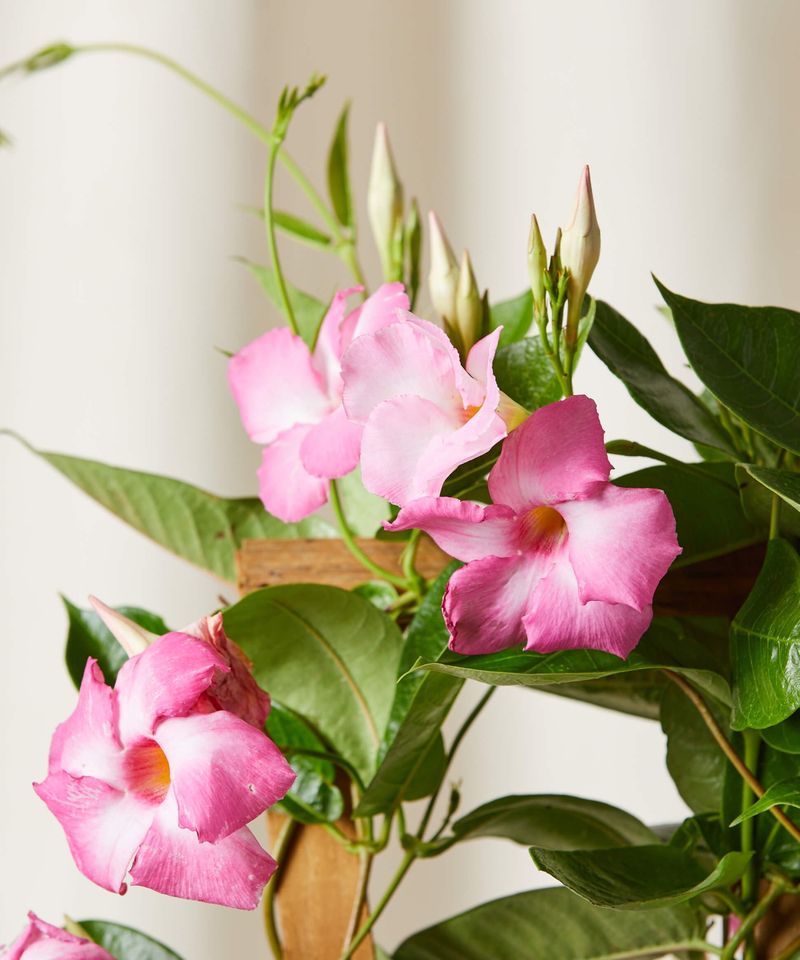
Winter sun in Michigan is weak and short. Your houseplant mandevilla will notice, so give it the brightest window you have, ideally facing south.
No great window? A simple LED grow light or shop light placed close above the plant helps a lot. Running it about 12 to 14 hours a day keeps leaves greener.
Keep the room around 60 to 70 degrees. Avoid spots near heat vents, radiators, or drafty doors, since sudden blasts of hot or cold air stress the foliage.
Watering is where most of us slip up. Let the top inch or two of soil dry before watering again. Soggy roots in a cool, dim room lead to rot quickly.
Skip the fertilizer through winter. The plant is resting, not racing, and extra feeding just encourages weak, spindly growth.
Dry indoor air can bother the leaves and invite spider mites. A small humidifier or a tray of pebbles and water under the pot adds helpful moisture.
Don’t panic over some yellow leaves or a lack of blooms. That’s a normal reaction to less light. As long as the stems stay firm and green, your vine is doing just fine.
Your Cut Back Mandevilla Pot Can Snooze In A Cool Basement
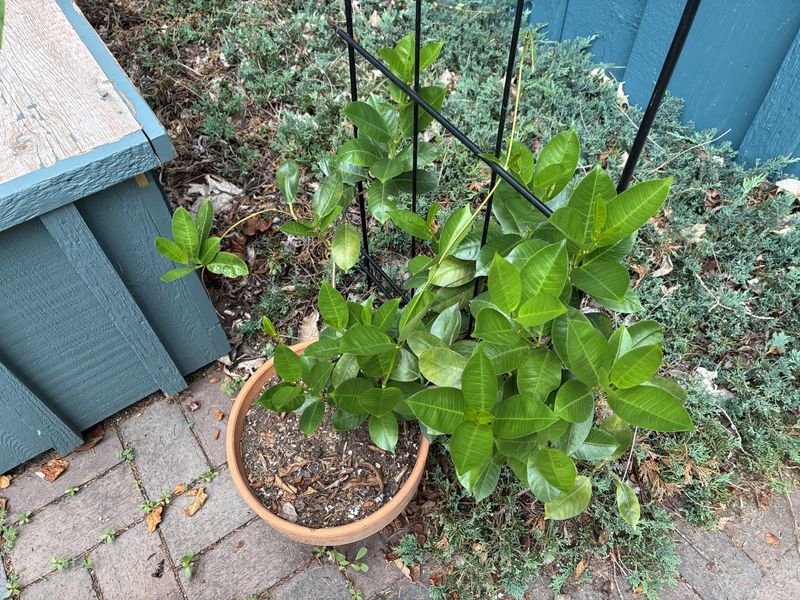
Call me lazy, but the dormant method is my favorite winter shortcut. Once the vine is trimmed and pest free, it mostly takes care of itself.
Find a cool, dark, frost free spot that stays around 50 to 60 degrees. Many Michigan basements fit the bill nicely. An attached garage can work too, but only if it reliably stays above freezing.
Place a cheap thermometer nearby and check it during cold snaps. Unheated garages in northern Michigan can plunge below freezing in January, which would end your experiment fast.
Water sparingly, maybe every three to four weeks. You only want to keep the roots from drying out fully, not to push new growth. A light splash is plenty.
No light or fertilizer is needed during this rest. The plant may drop its remaining leaves, and that’s expected.
Scratch a stem gently with your fingernail now and then. Green tissue underneath means the vine is alive and resting. Brown and brittle stems all the way down signal trouble.
I check mine about once a month while grabbing canning jars or holiday boxes. It’s the easiest plant care of the entire year.
Fresh Mandevilla Shoots Are Your Signal To Wake The Plant Up
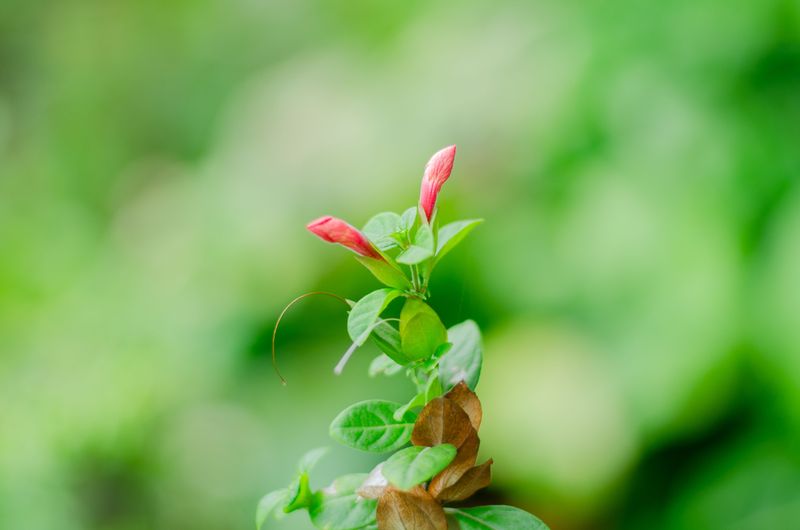
Late winter brings a little thrill when tiny green shoots poke out of those bare stubs. That’s your cue to start the wake up routine.
Around March, move dormant pots into a brighter, warmer spot. A sunny window or grow light works well. Slowly increase watering as new leaves unfold.
This is a great time to repot if roots are circling or poking out the bottom. Choose a container just one size larger with fresh, well draining potting mix.
Once active growth begins, start feeding. A balanced liquid fertilizer every few weeks keeps things moving. Many growers switch to a bloom booster later in spring for more flowers.
Houseplant vines need the same treatment, just with less waiting. Pinch back any long, floppy stems to encourage a bushier shape.
Be patient with dormant plants. Some take several weeks to show strong growth, which can test your nerves. I once nearly tossed a pot in April, only to spot new buds a week later.
Not going to lie, seeing those first glossy leaves after a long gray winter feels like a small victory. It’s proof the whole effort paid off.
Harden Off Your Mandevilla Slowly Before It Climbs Outdoors Again
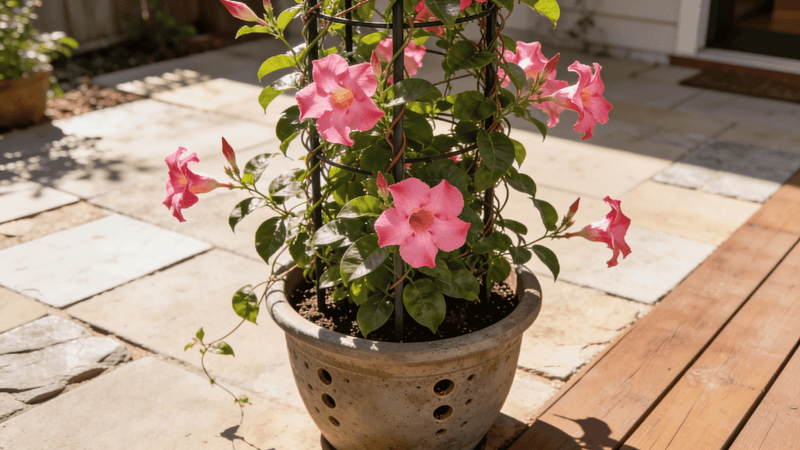
Rushing outside on the first warm April afternoon is tempting. Trust me, your mandevilla wants you to wait.
Hold off until frost danger has passed and nights stay above roughly 55 to 60 degrees. In southern Michigan, that’s often late May or early June. Northern regions may need to wait until mid June.
Hardening off makes the move smooth. Start with an hour or two outdoors in shade, then add a bit more time and sun each day. After about one to two weeks, the vine can stay out full time.
Skipping this step can scorch leaves that grew soft under indoor light. Strong wind can also snap tender new stems.
Once settled, give it at least six hours of sun and a sturdy trellis to climb. Water regularly in summer heat, and feed every couple of weeks.
Overwintered vines often bloom earlier and grow larger than new nursery plants. That’s the real reward for all your winter babysitting.
Jot down your dates and methods in a notebook. Next fall, you’ll know exactly when to haul it in, and each year gets easier.