The Louisiana Citrus Mistake That Could Cost You Your Satsumas This Winter
A frozen citrus fruit can look flawless on the branch for days, then turn dry and stringy inside once you peel it. I learned that the hard way one January in Louisiana, holding a bright orange fruit that tasted like cardboard.
The culprit was not the cold alone. It was a tidy little habit I thought was helping my tree, and plenty of Louisiana gardeners share it.
These easy-peel favorites are tougher than most citrus, shrugging off temperatures in the low 20s once they settle in for winter. Still, a few small choices in your yard can decide whether that toughness holds up or quietly slips away.
You might notice your neighbor’s tree sailing through a cold snap while yours drops leaves. Usually there is a reason, and it often starts right at ground level. What’s hiding under your tree right now could be the very thing costing you the harvest.
That Mulch Ring Under Your Satsuma Tree Might Be Working Against It
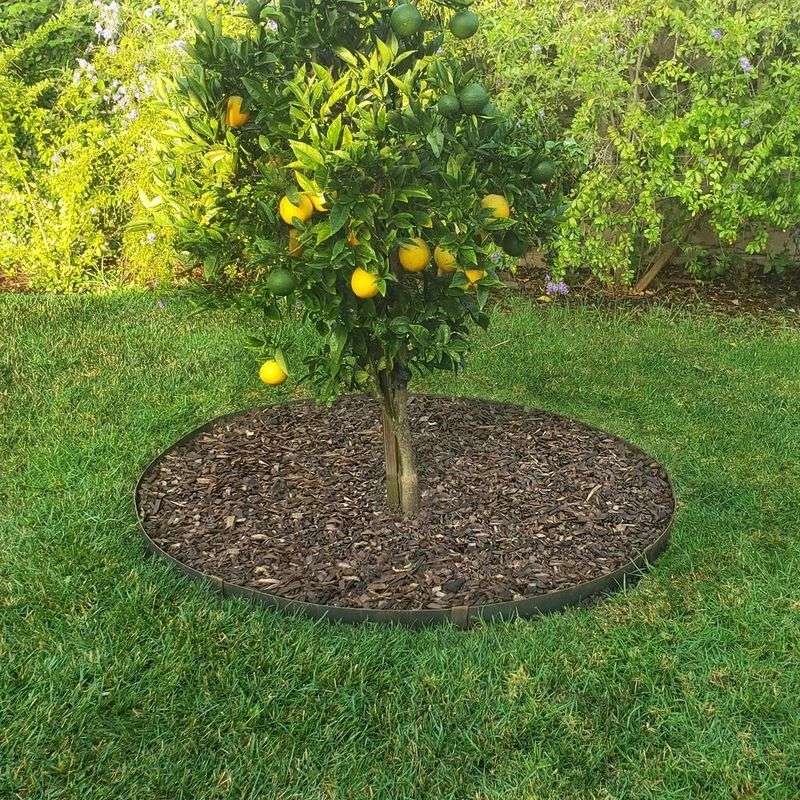
Mulch feels like a cozy blanket, so I piled it thick under my satsuma every fall. Turns out that blanket worked more like a lid.
LSU AgCenter horticulturists point out that bare, firm, moist soil soaks up sunshine during winter days. After dark, that stored warmth rises back into the canopy and can keep the air around low branches a degree or two warmer.
Mulch, weeds, and turfgrass block that exchange by insulating the ground from the sun in the first place.
A degree or two sounds tiny. On a 25-degree night, though, it can be the gap between a few nipped leaves and split bark on the trunk.
Before the first cold front, rake mulch back to the edge of the canopy and pull any grass growing under the branches. A loose ring of mulch beyond the drip line is fine, and you can spread it back in spring when the danger passes.
Keep the cleared area smooth rather than freshly tilled. Loose, fluffy soil holds air pockets, and air is a poor heat battery compared with packed, damp earth.
That one chore takes maybe twenty minutes, and it may be the simplest freeze insurance your tree ever gets.
Pick Ripe Satsumas Before Temperatures Slide Into The Mid-20s
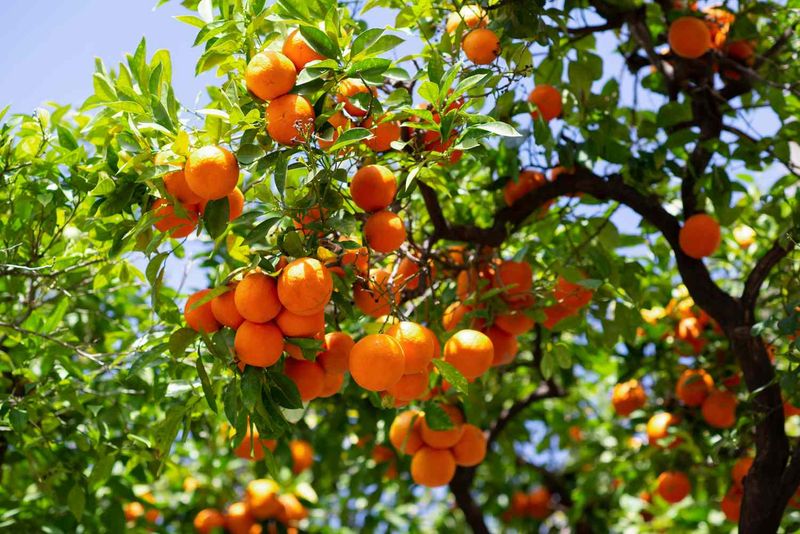
Satsuma season in south Louisiana usually runs from October into December, which puts ripe fruit right in the path of the first hard freezes.
The fruit is more delicate than the tree. Extension specialists note that satsuma fruit can start freezing in the mid- to upper 20s if the cold lasts for several hours.
Damage hides well, too, since the peel may look normal while the juice sacs inside slowly dry out over the next few weeks.
My rule now is simple. When the forecast calls for the mid-20s or lower, I pick every fruit that has color, even if a few are slightly tart.
Satsumas do not keep ripening after harvest, so timing matters. Luckily, they often taste sweet while the skin still shows patches of green, so try a quick taste test instead of waiting for full orange color.
Picking helps the tree as well. A heavy fruit load drains stored energy, and young trees carrying lots of fruit tend to handle cold more poorly.
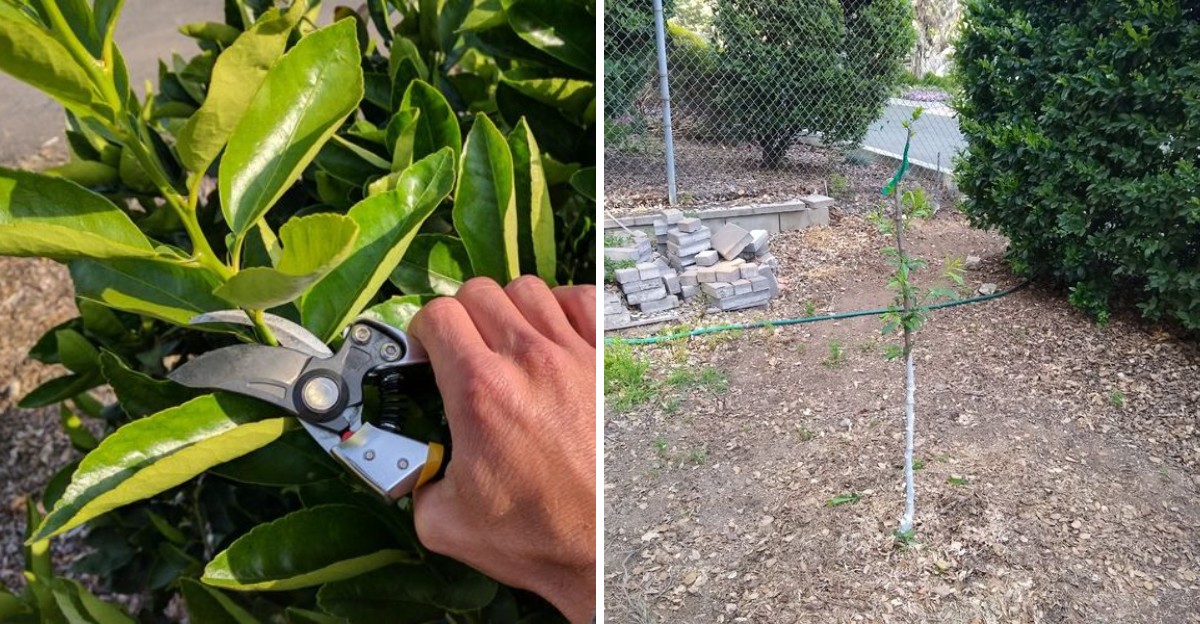
Clip stems with hand pruners rather than yanking, which can tear the peel. Stored in the refrigerator, your harvest can last a couple of weeks, plenty of time for snacking and sharing.
A Frost Cloth Draped All The Way To The Ground Makes A Real Difference
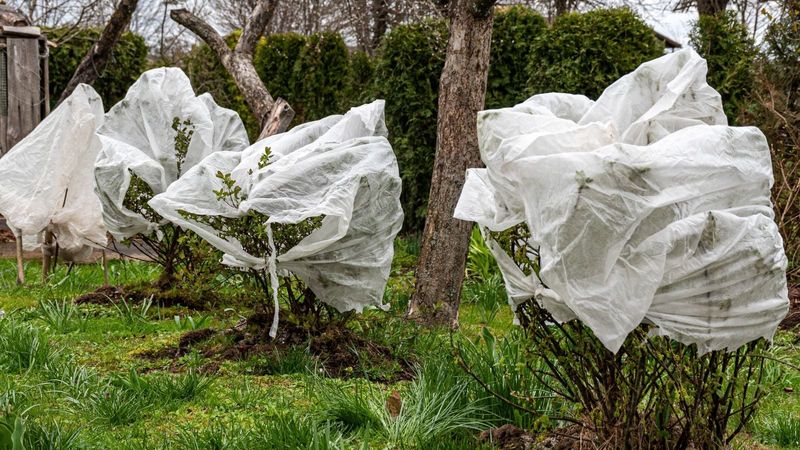
A bedsheet tossed over the top of a citrus tree looks protective, but it barely helps. Cold air slips underneath, and the heat released by the ground drifts away.
Plenty of Louisiana gardeners learn this one the hard way. The trick is a cover that reaches the soil on every side. Picture it as a tent rather than a hat.
When fabric touches the ground, it traps the warmth rising from that bare, damp earth you prepared earlier.
Frost cloth, old blankets, or heavy quilts work well. Plastic can be used if it does not touch the leaves, since cold passes right through it.
Pin the edges down with bricks or soil so wind cannot peel them up, because a Louisiana cold front often arrives with gusts that can strip off a loose cover.
For extra heat, string old-style incandescent Christmas lights through the branches before covering. LED bulbs look festive, but they give off almost no warmth.
Covering small trees is easy. Larger satsumas may need a simple frame of PVC pipe or stakes to hold the fabric up and keep it from crushing branches.
Once the sun comes out and temperatures climb above freezing, pull the covers off. Leaving them on through a sunny afternoon can overheat the tree, and that stress adds up quickly during a long cold spell in Louisiana.
Fall Fertilizer Pushes Tender Citrus Shoots Into Harm’s Way
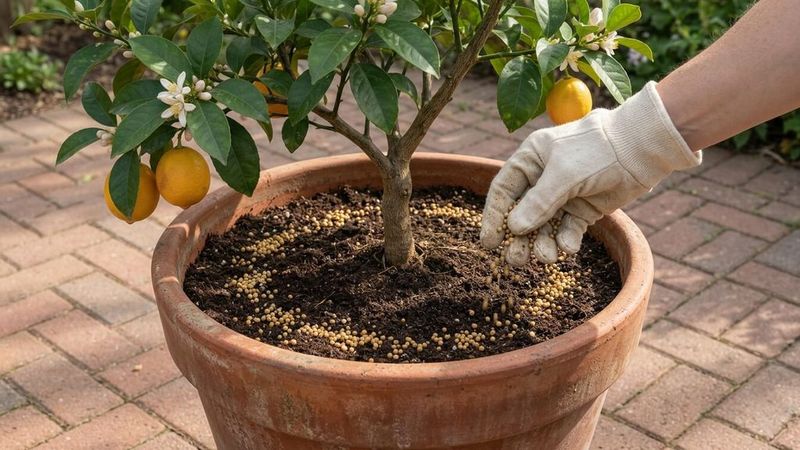
Feeding a tree in fall seems generous. Your satsuma takes it as a signal to grow. Nitrogen applied in late summer or autumn pushes out soft, pale green shoots. Those new leaves have not had time to harden, so even a light freeze can scorch them.
On top of that, the tree spends energy on fresh growth instead of settling into its slower winter rhythm.
Citrus naturally toughens up as days cool. That process, called cold acclimation, works best when the tree is not being nudged to keep growing.
The LSU AgCenter recommends making the main fertilizer application in late January or early February, just ahead of the spring growth flush.
A citrus fertilizer or a general product like 8-8-8 works fine when spread evenly under the canopy and out past the drip line, then watered in. Follow the label rate based on tree age.
Some gardeners add a light follow-up feeding in late spring if trees need it. After midsummer, put the fertilizer bag away. Already fed your tree this fall? No need to panic.
Watch for tender shoots during cold snaps and give those branches extra cover, then circle February on next year’s calendar.
A Deep Watering Before A Freeze Helps Your Citrus Tree Hold Heat
Dry roots and frosty nights make a rough pair. A thirsty satsuma has fewer reserves to handle cold stress, and drought-stressed leaves tend to sustain more damage.
Moist soil helps in a sneaky way, too. Water holds heat far better than dry, airy dirt, so damp ground soaks up more warmth during the day and gives more back at night.
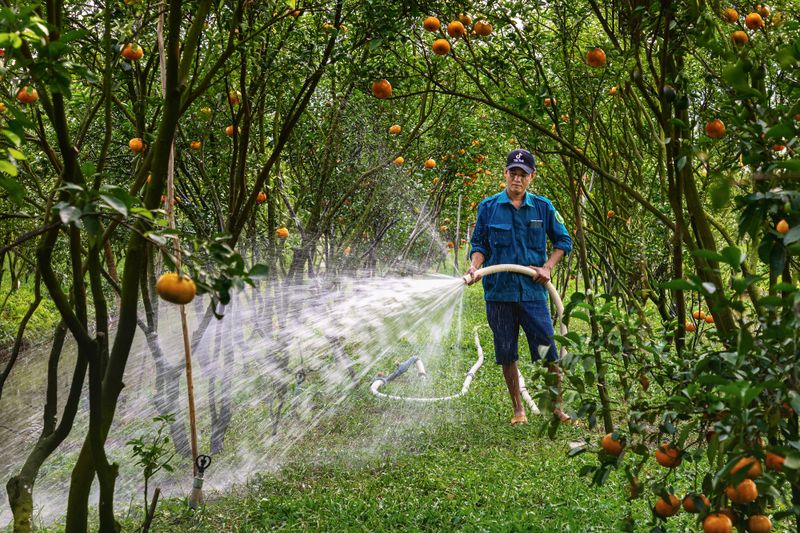
When a hard freeze shows up in the forecast and your soil feels dry a couple of inches down, water deeply a day or two ahead. A slow soak from a hose at the base lets moisture reach the root zone instead of running off.
Skip this step if the ground is already wet. Winter rains in much of the state can leave soil soggy for days, and citrus roots dislike standing water. Waterlogged roots struggle to breathe, which creates a whole different set of problems.
Sprinkling the leaves during a freeze is a separate technique used by commercial growers, and it is tricky to do right.
At home, heavy ice can snap branches, so stick to watering the soil. One quick finger test before every cold front tells you most of what you need to know.
Young Satsuma Trunks Need Extra Wrapping Until They Toughen Up
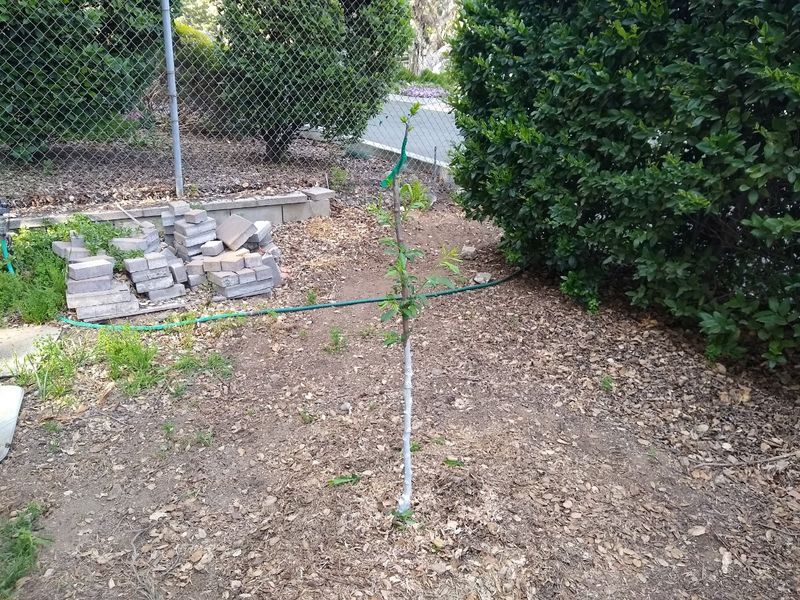
Satsumas under about four or five years old lack the thick bark and stored energy of mature trees. LSU AgCenter guidance notes that these youngsters are much more likely to sustain serious freeze damage.
The most important spot to protect is the graft union, the slightly bumpy area low on the trunk where your satsuma joins its rootstock. Most Louisiana satsumas grow on trifoliate orange roots, which add cold tolerance.
If the top freezes back but the wood above the graft survives, the tree can regrow true satsuma branches.
Wrap the trunk from the soil line up to the lowest branches with foam pipe insulation, burlap, or a commercial tree wrap. Some gardeners also mound clean soil around the base before a freeze, then pull it away afterward.
Remove trunk wraps once the cold passes. Wraps left on through humid weather can hold moisture against the bark and invite rot or insects.
Keep an eye on sprouts below the graft, as well. Rootstock growth looks different, often with three-part leaves and sharp thorns, and it will not produce good fruit. Snip it off whenever it appears so the satsuma top gets all the energy.
Potted Citrus Trees Need A Different Winter Game Plan
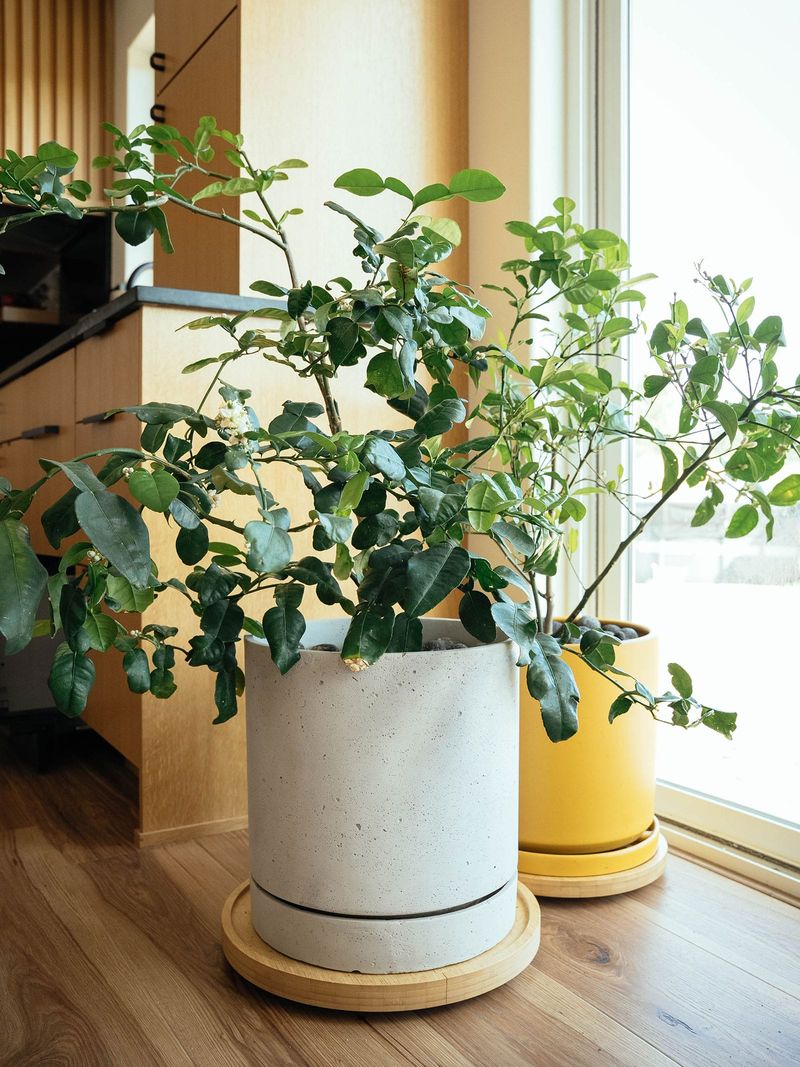
Container satsumas are wonderful for small yards, patios, and gardeners in north Louisiana, where winters bite a little harder. They come with one big catch.
Roots in a pot sit above ground, surrounded by air instead of insulating soil. They get cold much faster than the roots of a tree planted in the yard, so a temperature a planted satsuma handles with ease can harm a potted one.
Before a freeze, roll or carry containers into a garage, shed, or enclosed porch. Bright light is helpful, but a few days in a dim garage will not hurt the tree during a short cold spell. A plant dolly makes moving heavy pots much easier on your back.
When moving is not possible, cluster pots against the south side of your house, wrap the containers in old blankets or bubble wrap, and cover the canopy to the ground.
Indoors, keep the tree away from heating vents that dry the leaves. Water sparingly, since growth slows way down in winter.
Bring the pot back outside once nights stay above freezing. A few days in light shade helps the leaves adjust before full sun returns.
Hold Off On Pruning Those Brown Satsuma Branches Until Spring
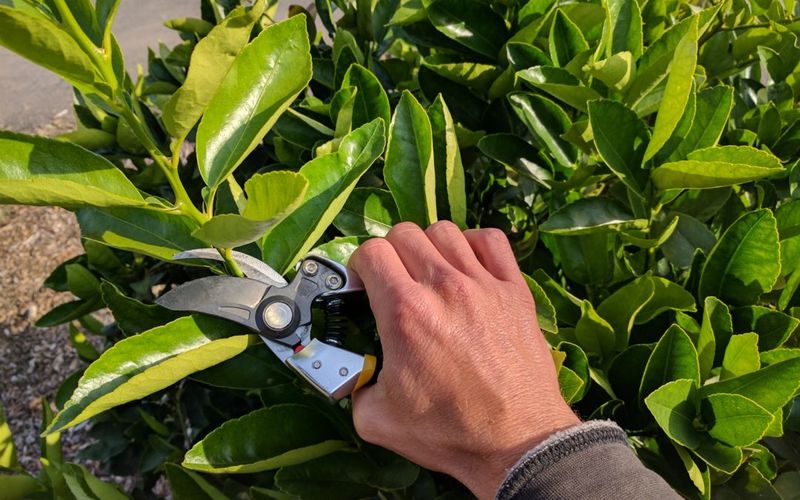
Brown, crispy branches after a freeze are hard to look at. My first instinct was to grab the loppers right away.
Waiting is the smarter move. Freeze damage often takes weeks or months to show its full extent, and some branches that look rough in January leaf out nicely in spring. Others push weak growth that fades later.
The LSU AgCenter suggests holding off until new spring growth has fully emerged, often by late spring or early summer. At that point, the line between living and damaged wood is easy to spot.
Scratch the bark with a thumbnail, and if you see green underneath, the tissue is still alive. Cut back to healthy wood just above a strong bud or side branch. Wipe pruners with a household disinfectant between cuts, especially when removing larger damaged limbs.
Meanwhile, keep caring for the tree normally. Water during dry spells and fertilize on schedule in late winter so it has fuel for recovery.
Satsumas are surprisingly resilient, and many trees bounce back stronger than you expect. A little patience, paired with smart prep before the next cold front, gives you the best shot at sweet fruit next fall and for many seasons after that.