The Real Reason Creeping Charlie Always Grows Back In Virginia Lawns
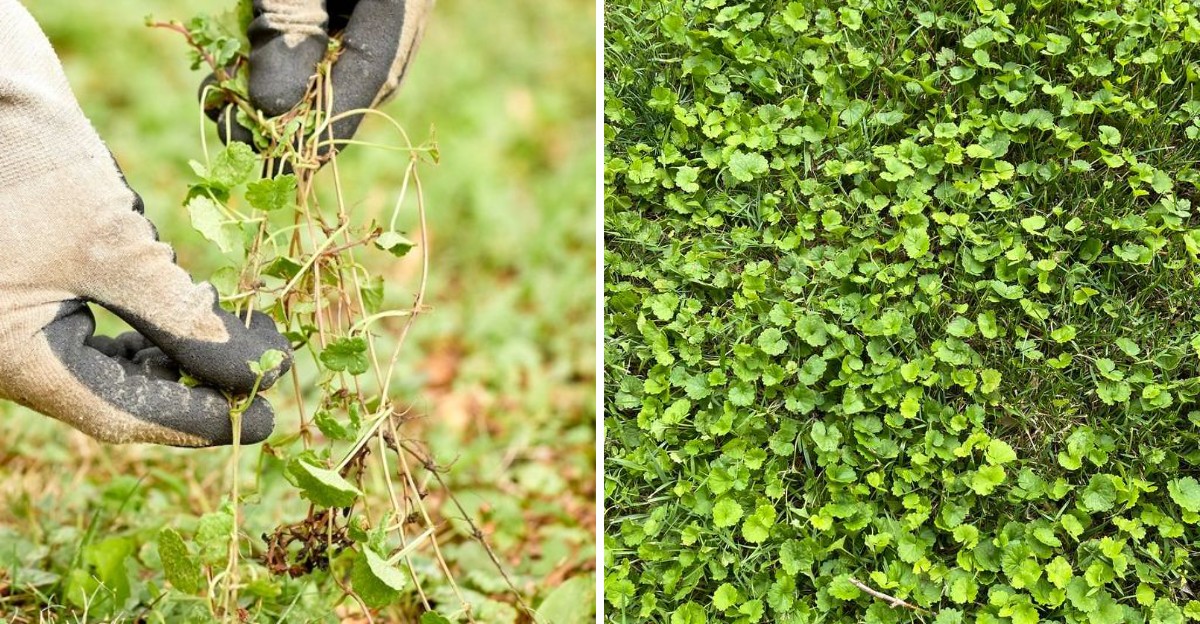
A single leftover stem node can grow into a brand new plant. I learned that the hard way after hours on my knees in my Virginia yard, pulling what I thought was every last runner.
Two weeks later, the same patch looked fresher than before. Square stems, scalloped leaves, and a minty smell gave the culprit away.
My shady side yard in Virginia had turned into its favorite hangout. You might notice it first near tree roots or soggy corners. Those spots are no accident. The weed reads your lawn like a map and moves straight toward the weak places.
I used to blame my weeding skills. After digging into extension research, I found the real story is about biology, timing, and conditions you can actually change. Pulling it feeds it, and here’s exactly why.
Those Creeping Charlie Runners Root Every Few Inches
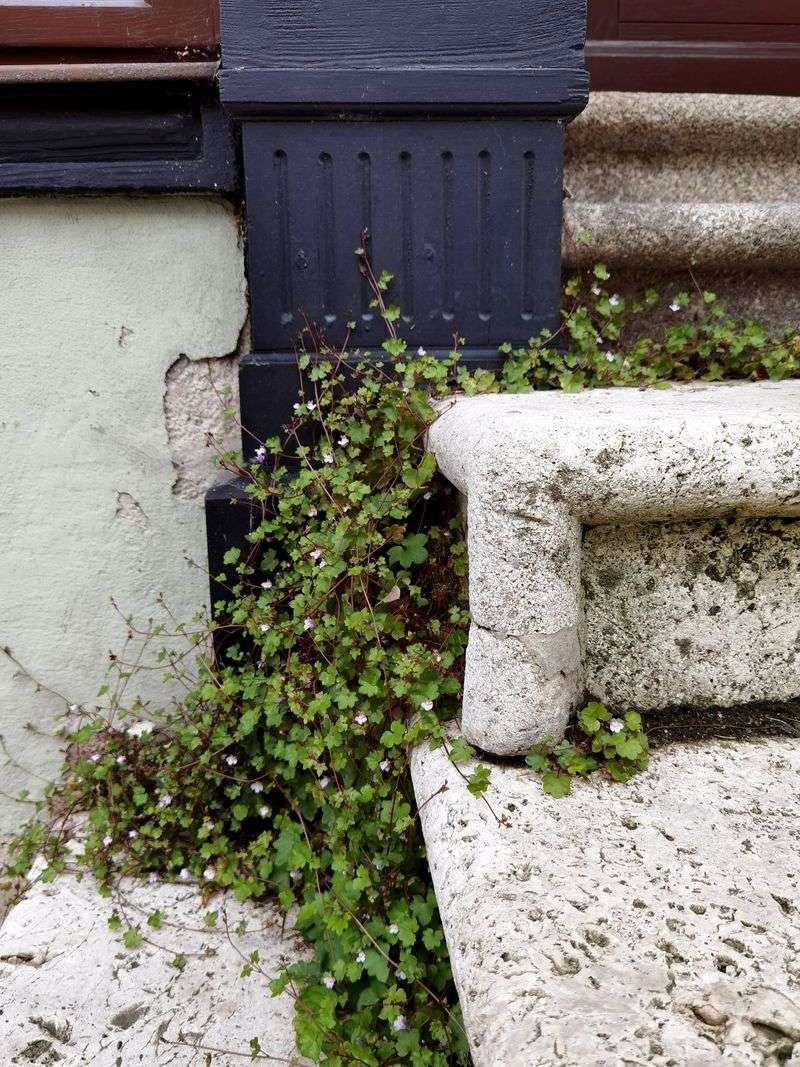
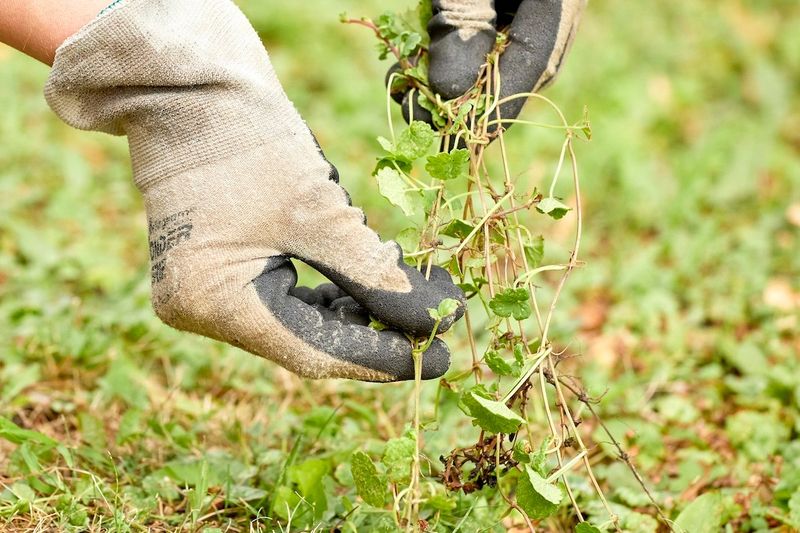
Lift one strand of ground ivy, and you will see tiny white roots hanging from the stem joints. Each joint, called a node, can anchor itself and start a fresh plant.
The plant, known to botanists as Glechoma hederacea, spreads mostly by these creeping stems, or stolons. They slide across the soil surface and dig in as they go. One plant can quickly turn into a wide, tangled mat.
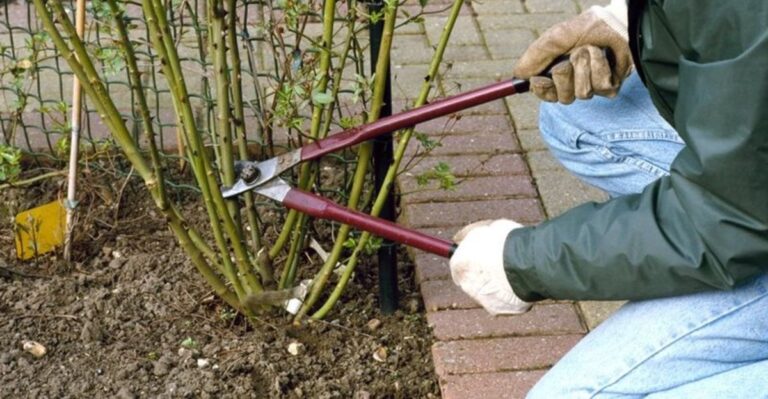
Hand-pulling often snaps the stems at these weak points. The piece in your hand comes out, but rooted bits stay hidden under the grass. A few weeks later, those leftover sections push out new leaves like nothing happened.
Penn State and other extension services point out that broken fragments easily regrow. So that tidy weeding session may have quietly planted dozens of new starts.
A better habit is to loosen the soil first with a hand fork. Then follow each runner slowly back toward its center and lift the roots along the way. Work after a soaking rain, when the ground lets go more easily.
Fun fact for your next garden chat. European settlers brought this mint family plant over for its use in brewing and folk remedies.
Shady, Damp Lawn Spots Roll Out A Welcome Mat For Ground Ivy
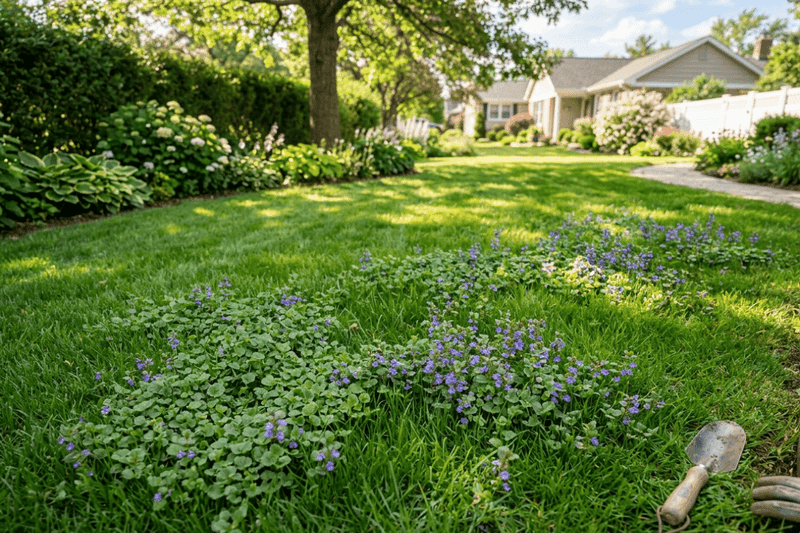
My worst patch sits right under an old oak. The grass there looks thin and tired, while the ground ivy looks thrilled.
Creeping Charlie handles shade far better than most turfgrass. Tall fescue, the most common lawn grass across much of Virginia, needs a decent dose of sun to stay thick.
When trees block the light, grass thins out and leaves open soil behind. Moisture makes things even cozier for the weed. Low spots, poorly drained clay, and areas near downspouts stay damp longer.
Ground ivy loves that steady moisture, while stressed grass struggles with it. Compacted soil adds another layer to the problem. Heavy foot traffic squeezes out air, and grass roots stay shallow.
The creeping weed does not seem to mind much. So the plant is not really beating healthy grass head to head. It is filling gaps your turf already left behind.
Walk your yard and mark where it shows up first. Those spots tell you exactly where to improve light, drainage, or soil.
Pruning lower tree limbs can let in more sun. Redirecting a downspout can dry out a soggy corner surprisingly fast.
Fall Weed Spraying Hits Creeping Charlie Where It Hurts
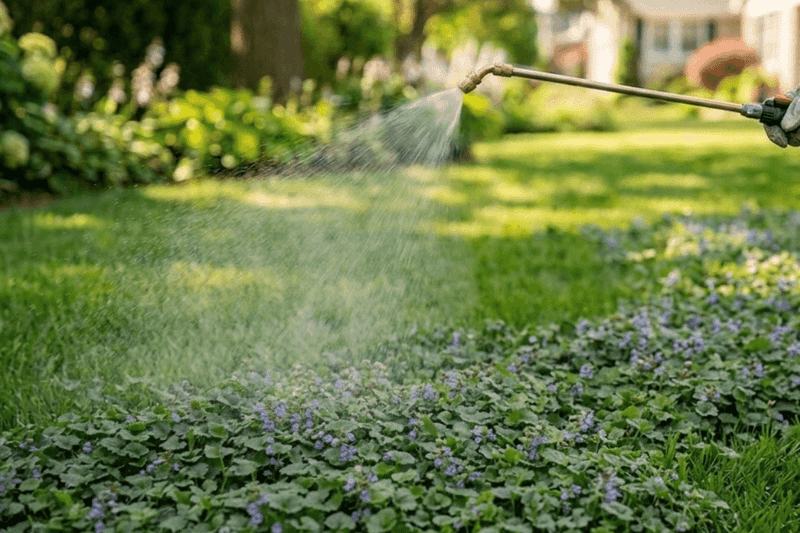
Timing turned out to be my biggest mistake. I used to spray in summer, when the weed looked its worst, and wondered why it bounced back.
Extension specialists often recommend fall treatment for ground ivy. In autumn, perennial weeds send sugars down into their roots and stems to prepare for winter. A systemic herbicide applied then gets carried along with that flow.
That means the product travels deeper into the plant network. Spring treatment around bloom time can help too, but fall usually delivers stronger results.
In most of Virginia, aim for late September through early November while the plant is still green and growing. Cooler mountain areas may need a slightly earlier window. Coastal yards can sometimes go a bit later.
Many experts suggest two applications. One in early fall and another a few weeks later often works better than a single round.
Skip spraying during summer heat. Hot, dry weather stresses the plant and slows uptake, and it can harm nearby grass.
Check the forecast for mild days without rain right after application. A calm morning gives you the best shot at keeping spray where it belongs.
Waxy Ground Ivy Leaves Shrug Off The Wrong Herbicide
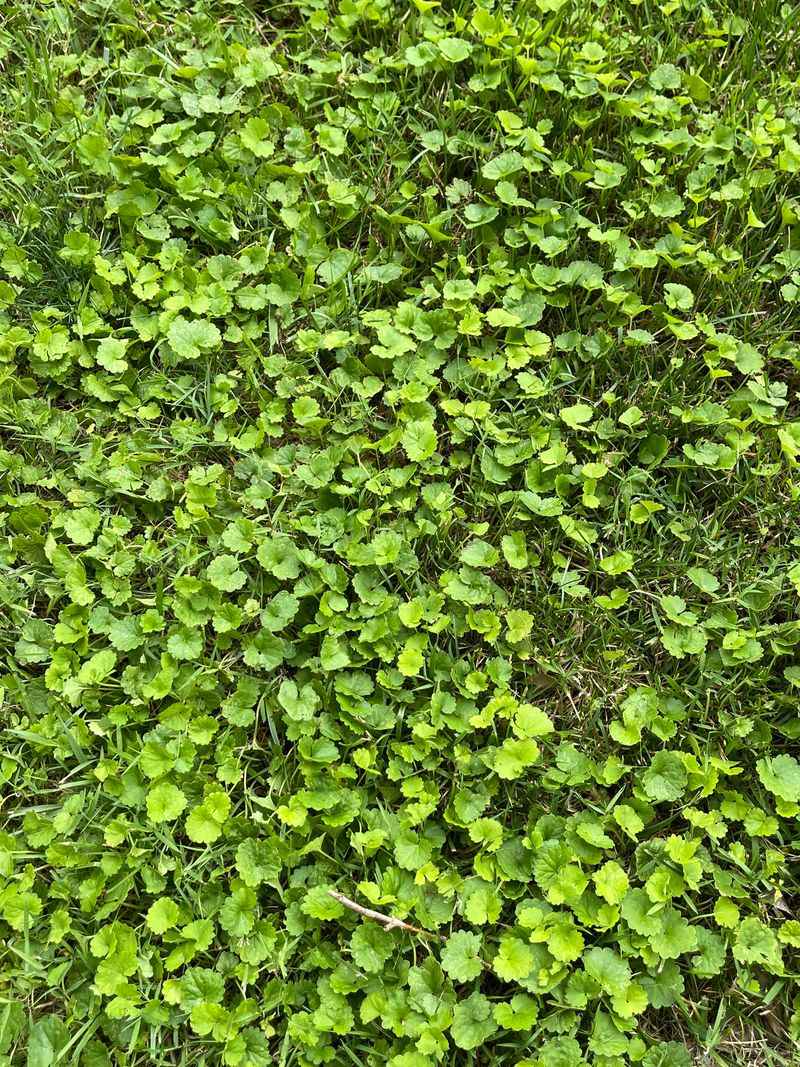
Ever notice how water beads up on those round leaves? That leaf surface may help the plant resist many basic lawn weed products.
Plenty of general broadleaf sprays give creeping Charlie only a mild setback. The leaves may curl or yellow, then recover in a few weeks. Frustrating, right?
Extension guides commonly point to products containing triclopyr for better control. Some combination products with dicamba or fluroxypyr are listed as helpful too. Look for ground ivy on the label before buying.
Read every word of the directions. Labels tell you which grass types the product is safe on, how much to use, and how long to keep kids and pets off the lawn.
Spot treating usually beats blanket spraying. You use less product and protect more of your turf and nearby flowers.
Those old borax remedies you may hear about deserve caution. Universities studied them years ago, and the results were inconsistent. Too much boron can harm grass and build up in soil.
If chemicals are not your style, smothering small patches with cardboard for several months can work. Just plan to reseed the bare spot right afterward.
Thick Tall Fescue Leaves Little Room For Creeping Charlie
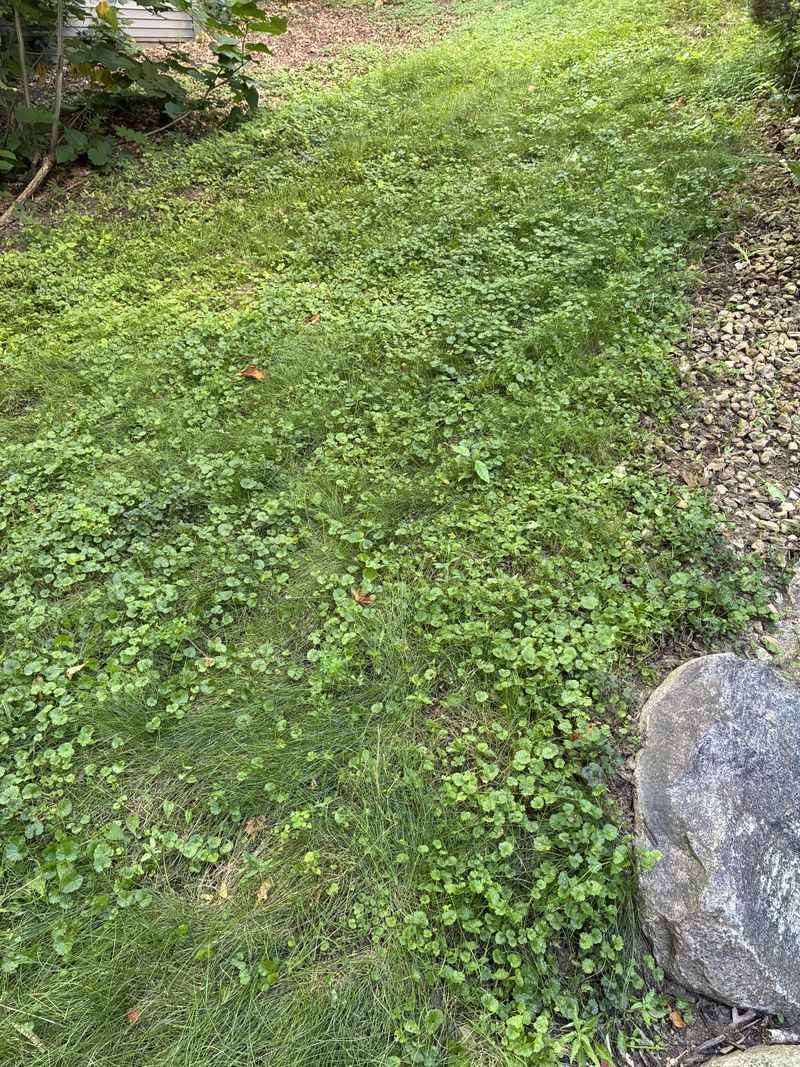
Picture-perfect turf is not just pretty. A dense lawn works like a crowded bus, with no empty seats for weeds.
Mowing higher was the easiest change I made. For tall fescue, many experts suggest about three to four inches. Taller blades shade the soil and make it harder for low runners to find light.
Feeding matters too, but guessing can backfire. A soil test through Virginia Cooperative Extension shows what your lawn really needs. Fall is the main feeding season for cool-season grasses across most of the state.
Core aeration helps loosen packed soil so roots can grow deeper. Early fall is a smart time to aerate fescue lawns. Overseeding right after fills in thin patches before winter.
Warm-season grasses like zoysia or Bermuda, found more in southeastern areas, follow a different schedule. Those lawns prefer care during late spring and summer.
Water deeply and less often rather than with frequent light sprinkles. Constant shallow watering keeps the surface damp, which the weed enjoys.
In deep shade where grass refuses to thrive, consider a native groundcover or mulched bed instead. Sometimes the smartest move is letting go of turf there.
Your Lawn Mower May Be Spreading Ground Ivy Pieces
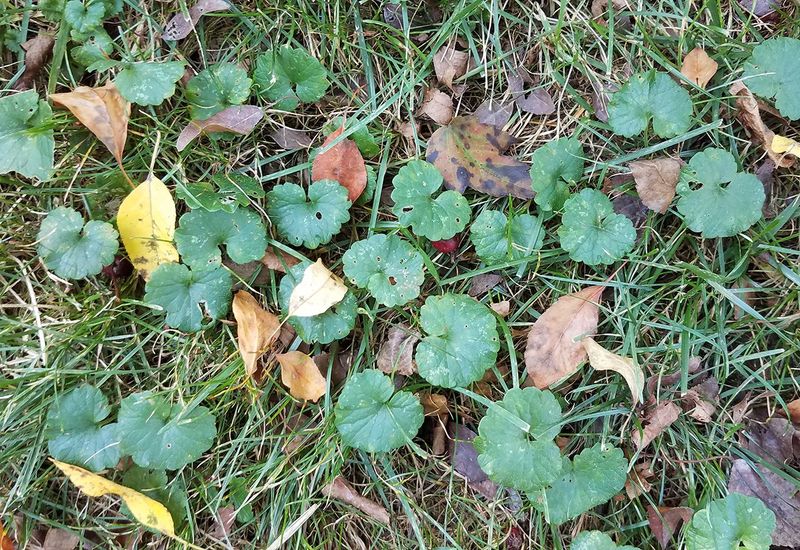
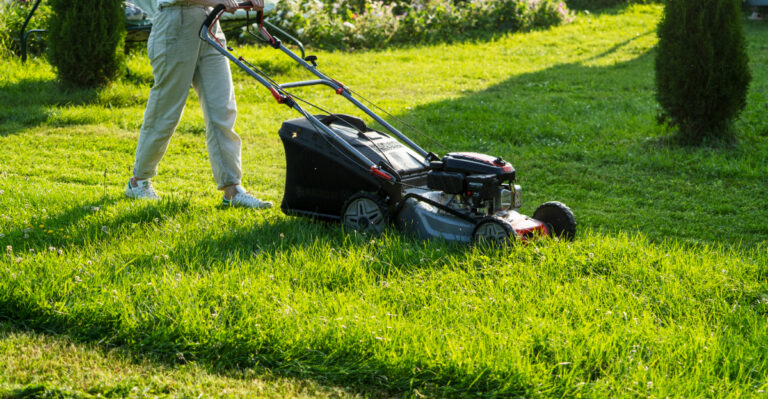
Here is a sneaky one I overlooked for years. Every pass of the mower over an infested patch can scatter chopped stem bits across the yard.
Since ground ivy roots from stem nodes, some of those fragments may settle into bare soil and start growing. Mowing is not the main way it spreads, yet it can add to the problem.
Bagging clippings from weedy areas offers a simple fix. Mow those sections last, so you are not carrying pieces into clean turf.
Toss the bagged clippings in yard waste pickup rather than a backyard compost pile. Home piles rarely get hot enough to stop every fragment from rooting.
Give your mower deck a quick brush off afterward. Clumps stuck under there can drop into other parts of the lawn next week.
The same idea applies to string trimmers along fences and beds. Those edges are prime real estate for creeping runners.
Once your weedy patches are under control, go back to leaving clippings on the lawn. Grass clippings return useful nutrients to the soil. Think of bagging as a short-term step, not a forever rule.
Controlling Creeping Charlie Takes More Than One Season
Patience became my secret tool. The first fall treatment knocked my patch back hard, but a few sprigs still showed up next spring.
That is normal. Hidden stem pieces survive, and the plant also makes seeds, though runners do most of the spreading.
Expect follow-up work for at least two seasons. A simple yearly plan keeps things manageable. Spot pull small sprigs in spring while the soil is soft.
Fix drainage and shade issues during summer. Treat stubborn areas and overseed thin turf in fall.
Keep a quick photo log of problem spots. Seeing progress month by month helps you stay motivated and shows which tactics really work.
Check your borders, too. Patches creeping in from a neighbor’s yard or a wooded edge can reinvade. A friendly chat or an edging strip along the property line may help.
On a brighter note, the little purple spring flowers do feed early bees. Some gardeners leave a few patches in out-of-the-way spots for pollinators.
Your real goal is control, not perfection. Fix the conditions it loves, act at the right time, and your grass gradually takes the lead.