Bird Flu Season Is Here For Virginia Backyard Flocks. Don’t Overlook This Carrier
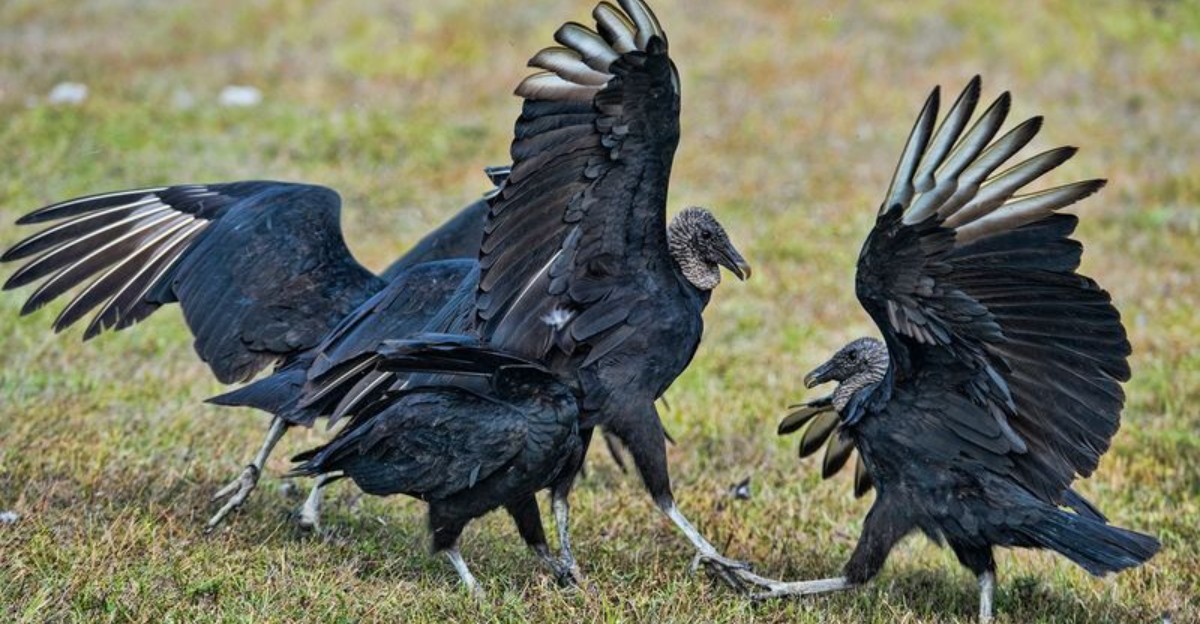
Vultures circling over a pasture usually mean nature’s cleanup crew is on the job. Last fall, those big dark birds sent a very different signal.
Groups of black vultures were found lifeless across Virginia, and testing pointed to bird flu. With migration season underway again, backyard flock owners have good reason to pay attention.
If you keep a few hens for fresh eggs, that news can make your stomach drop a little. Small, simple habits can make a big difference for your flock, though.
You don’t need a fancy farm or a big budget to build strong defenses. A few changes to your coop, your shoes, and your feed bin can keep trouble at a distance.
Most of these steps take just minutes to start this week. Your hens will be glad you did.
Bird Flu Has Been Detected In Virginia Vultures
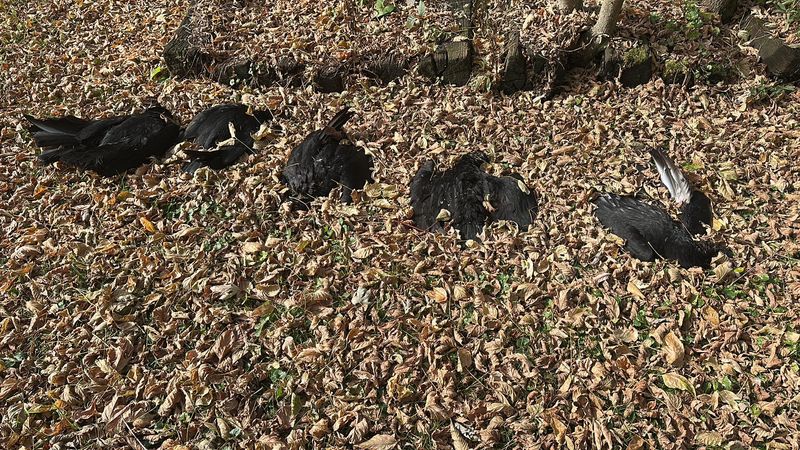
Picture a group of vultures resting on a fence, looking oddly sleepy and refusing to fly. Wildlife workers in Virginia have spotted exactly that scene more than once lately.
Tests confirmed highly pathogenic avian influenza, known as H5N1, in vultures from many counties. Southwest Virginia has seen many cases, and Loudoun County has reported them too.
Losing vultures to bird flu is fairly new for the state. Experts were surprised, since these scavengers usually handle germs from their meals quite well.
So how are they catching it? Researchers believe vultures pick up the virus by eating carcasses of other infected wild birds.
Sick vultures often look slow, weak, or partly paralyzed. Many cannot stand or will not take off, even when people come close.
Here is a helpful tip for your next walk. If you find a sick or lifeless vulture, do not touch it with bare hands.
Instead, report it to the Virginia Department of Wildlife Resources. Your report helps scientists track where the virus is moving across the region.
Why should a chicken keeper care about vultures? The same virus can travel from wild birds into your backyard flock with surprising ease.
Fun fact: vultures have super strong stomach acid that destroys most germs. Bird flu, sadly, seems able to slip past that tough defense.
Knowing the virus is nearby is your first line of protection. Awareness turns worry into action, and action keeps your hens safer.
Fall Migration Raises The Risk For Backyard Flocks
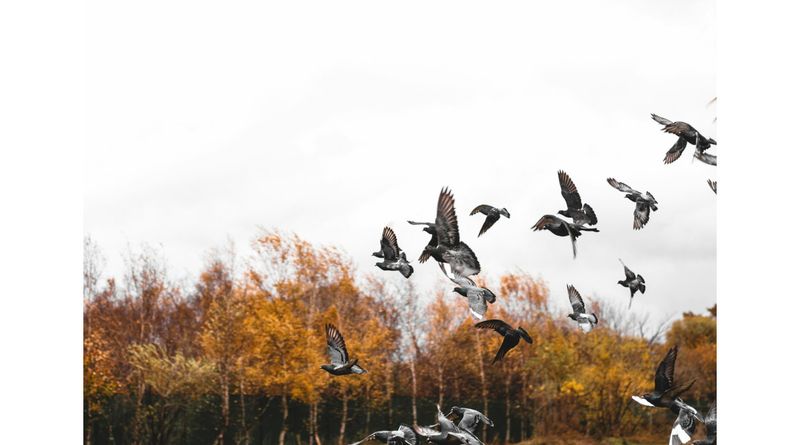
Every autumn, the sky turns into a busy highway of honking geese and quacking ducks. Those travelers look lovely, but they can carry unwanted passengers.
Wild waterfowl are natural carriers of bird flu. Many of them show no signs of illness while spreading the virus wherever they land.
The virus leaves their bodies through droppings, saliva, and nasal fluids. A single goose stopping by your yard can leave germs behind on grass or puddles.
Your hens do not need to touch a wild bird to get sick. Contaminated water, feed, boots, or tools can carry the virus right inside.
Fall is when many backyard keepers relax a bit. The summer rush is over, and chores can start to feel routine.
Your Virginia Garden Changes Every Week. Your Plan Should Too.
Gardening in Virginia changes quickly throughout the season. Every Friday you’ll receive a simple weekly plan showing exactly what to plant, prune, fertilize, harvest, and protect so you never miss the right timing.
Try the opposite approach during migration months. Tighten your habits from September through early spring, when traffic overhead is heaviest.
A handy trick is to mark migration season on your calendar. Set reminders to check fencing, netting, and feeders every couple of weeks.
Watch local news and state alerts too. Officials often share outbreak updates that tell you when risk is climbing nearby.
Spring migration brings a second wave of risk. Treat both seasons as times for extra care rather than letting your guard down.
Think of it like flu season for people. A little extra caution during busy months goes a long way toward keeping everyone healthy.
Keep Chickens Away From Vultures And Wild Birds
Chickens are curious little busybodies who love meeting new friends. Unfortunately, the friends that drop from the sky can bring bird flu along.
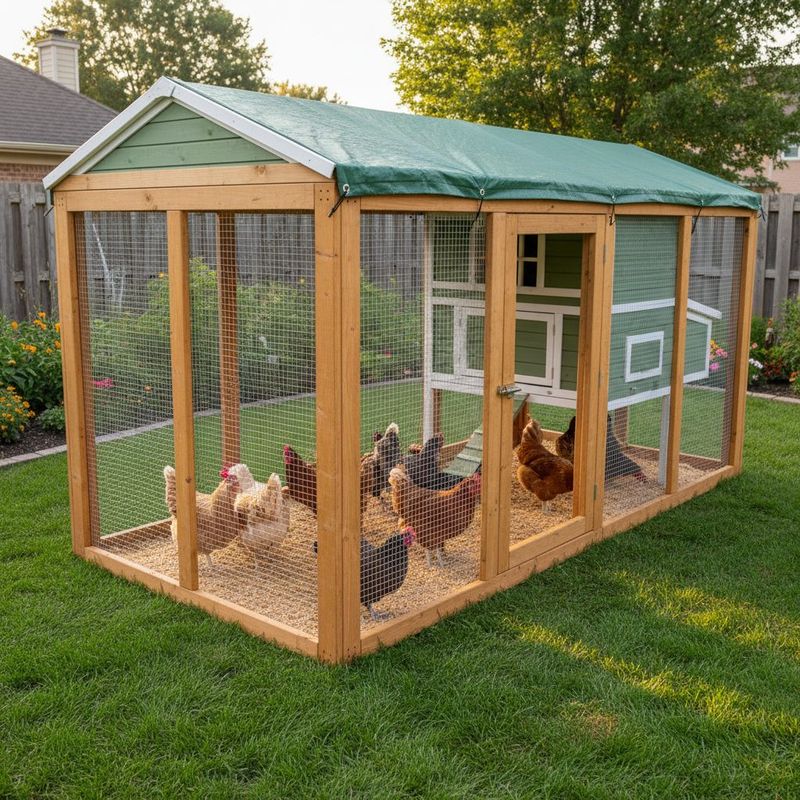
Free ranging feels wonderful for hens, and many keepers love it. During outbreaks, however, a secure coop or enclosed run is the safer choice.
Hardware cloth works better than standard chicken wire for this job. Its small openings stop sparrows and starlings from squeezing through to grab snacks.
Those tiny visitors matter more than you might think. Small birds can leave droppings in feed and water, spreading germs quietly.
Take a look around your yard for anything that invites wild birds. Bird feeders and birdbaths near the coop act like a welcome sign.
Move them far away or put them in storage until risk drops. Your songbirds will find food elsewhere, and your hens stay better protected.
Vultures may also wander close if they spot a carcass nearby. Clean up any animals struck by cars or lost on your property quickly and safely.
Keep an eye out for gaps along roof lines and doors. A quick weekly walk around the coop can catch holes before birds find them.
Shiny tape or reflective spinners near the coop may scare away some visitors. They are cheap, easy to hang, and add a bit of sparkle.
Your hens may grumble about staying inside for a while. Toss in some leafy greens or a pumpkin to keep them busy and happy.
Keep Flocks Away From Ponds Used By Waterfowl
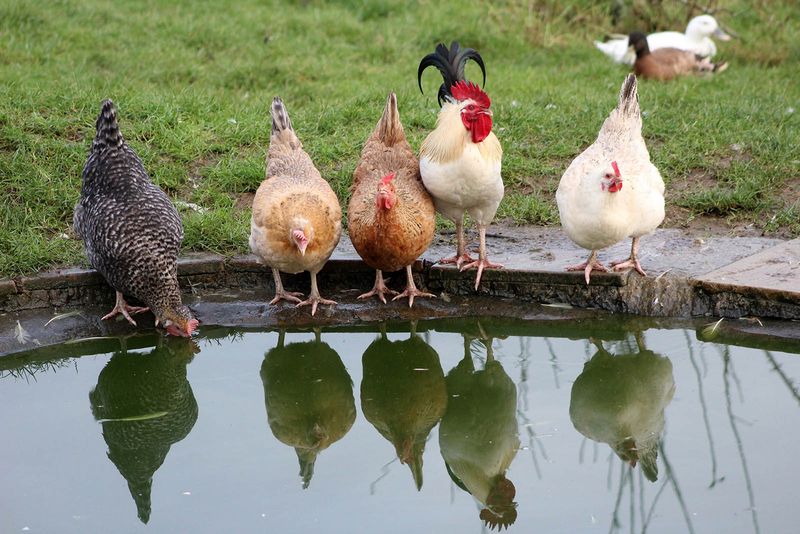
A farm pond sparkling in the morning sun looks like paradise for ducks. For your chickens, though, that pretty water can be a hidden hazard.
Wild ducks and geese gather on ponds, especially during migration. Even healthy-looking birds can shed bird flu into the water they share.
Hens that drink from or wander near those ponds face real risk. The virus can survive in cool water for quite a while.
The fix is simple but important. Fence your flock away from ponds, creeks, and any standing water where wild birds like to splash.
Puddles count too, believe it or not. After a heavy rain, fill low spots or block them so hens cannot sip from them.
Give your birds clean water from a municipal line or a well. Skip untreated surface water, even if it is close and convenient.
Change waterers daily and scrub them often. Fresh water keeps hens healthy and gives germs fewer chances to build up.
Do you keep pet ducks with your chickens? Consider giving them a covered kiddie pool rather than letting them visit the pond.
Many properties have small ponds or farm ditches nearby. Walk your land and spot any wet areas your flock could reach.
Here is a quick bonus tip. Place waterers inside the coop or under a roof so wild bird droppings cannot fall in.
Wear Separate Shoes And Clothes In The Coop
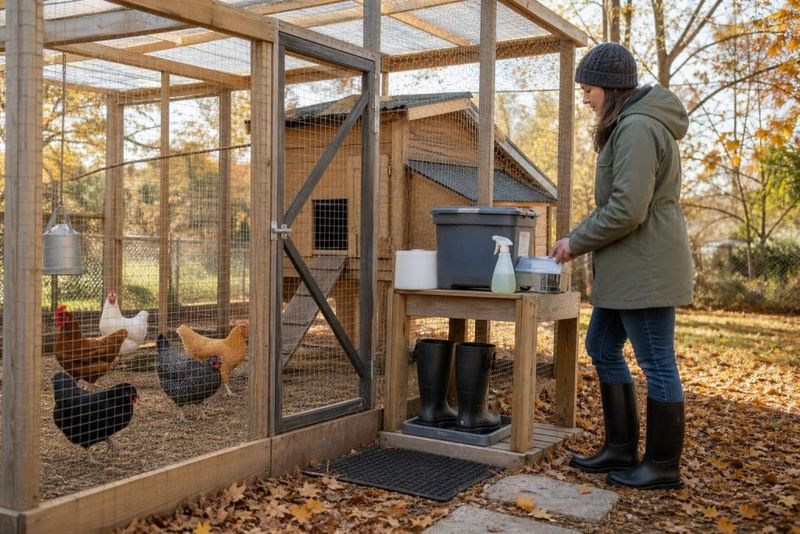
Your favorite sneakers have traveled to the grocery store, the park, and maybe a neighbor’s farm. Imagine everything they carried home on their soles.
Shoes and clothing can bring bird flu straight into your coop. You might never see the germs, but they ride along quietly.
Keep a pair of rubber boots just for chicken chores. Leave them by the coop door and use them nowhere else.
A simple old jacket or coverall works great as coop clothing. Wash it often in hot water, separate from your everyday laundry.
Gloves are a smart addition when handling birds or scooping bedding. Eye protection also helps when dust flies during a big cleanout.
Handwashing matters before and after every visit. Use soap and warm water, and scrub for about twenty seconds each time.
Some keepers set up a boot dip with disinfectant at the coop entrance. Change the solution regularly, since dirt makes it less effective.
Visitors should follow the same rules. Friends who own chickens could carry germs from their birds to yours without realizing it.
Offer guests disposable boot covers, or simply ask them to admire your hens from outside the fence. Most people understand once you explain.
It may feel a bit fussy at first. After a week, swapping boots becomes a habit as easy as tying your laces.
Cover Runs To Block Wild Bird Contact
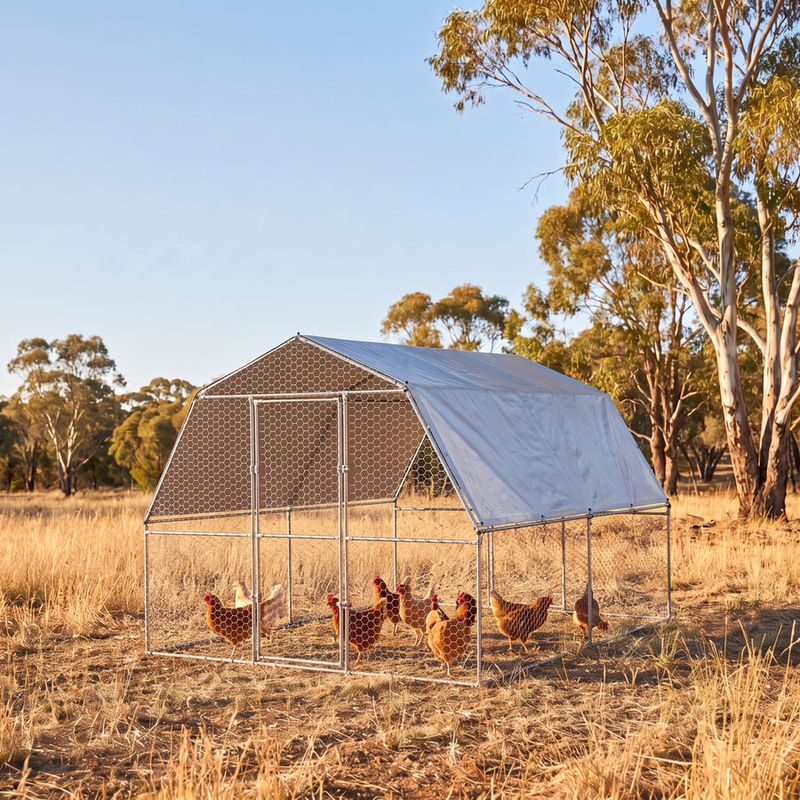
Look up from your chicken run and ask a simple question. What is stopping a wild bird from dropping in for lunch?
An open run lets wild birds land, eat, and leave droppings behind. Those droppings can carry the bird flu virus right onto the ground.
A cover solves that problem nicely. Netting, hardware cloth, or a solid roof can all keep winged visitors out.
Each option has strengths. Netting is cheap and light, while hardware cloth lasts longer and handles snow a bit better.
Solid roofs, like metal panels, work best of all against droppings. Nothing can fall through, so the ground below stays cleaner.
Even a partly covered run offers real benefits. Hens get a dry, shady spot, and their feed and water stay protected.
Here is a bonus perk many keepers love. Covers also guard against hawks and owls that like snacking on chickens.
Check your cover after storms and heavy winds. Sagging netting or loose panels can open gaps you might not notice right away.
Winters can bring wet snow that weighs down soft netting. Brush it off quickly or add supports to keep things sturdy.
Building a cover can be a fun weekend project with family. Your hens get a safer home, and you get peace of mind.
Store Feed Where Wild Birds Can’t Reach It
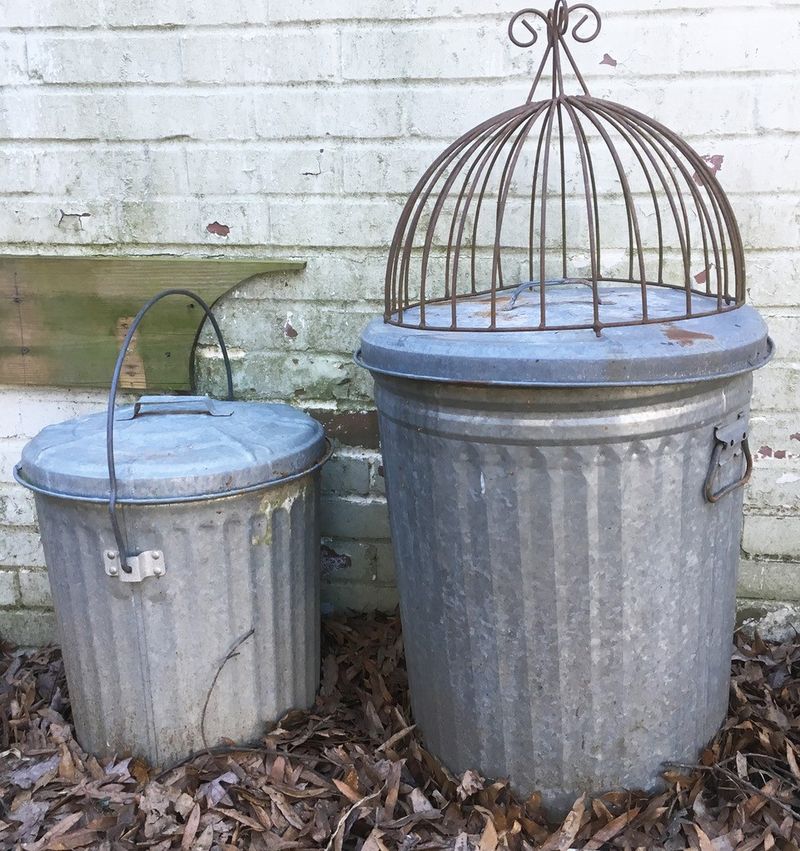
Spill a little chicken feed outside, and watch how fast the neighborhood sparrows show up. Word travels quickly in the bird world.
Feed is a magnet for wild birds, mice, and rats. Any of them can leave germs behind, including bird flu from infected birds.
A galvanized metal trash can with a tight lid makes a great feed bin. Critters cannot chew through it, and it keeps feed dry.
Plastic bins work in a pinch, but rodents sometimes gnaw holes. Check them often for chew marks or cracks.
Keep feeders inside the coop or covered run. Wild birds have a much harder time stealing a bite there.
Spilled feed should be cleaned up quickly. A small broom and dustpan near the coop makes the chore fast and easy.
Treadle feeders are another clever tool. Hens step on a pedal to open the lid, while lightweight wild birds usually cannot.
Buy feed in amounts you can use within a month or so. Fresh feed stays healthier and attracts fewer pests.
Store your bins off the ground if possible. A simple pallet keeps moisture away and makes pests easier to spot.
Small steps like these add up to a tidier, safer setup. Your feed lasts longer too, which saves money over time.
Report Sudden Flock Losses To The State Veterinarian
Walking out one morning to find several hens gone overnight is heartbreaking. It is also a moment when fast action really counts.
Sudden losses, especially several at once, can signal bird flu. Other warning signs include swelling, purple combs, coughing, or a sharp drop in eggs.
In Virginia, call the State Veterinarian’s Office at (804) 692-0601. You can also email [email protected] with your concerns.
The USDA runs a toll-free line too. Reach them at (866) 536-7593 to report a suspected case.
Reporting does not mean you are in trouble. Officials want to help, and early reports protect flocks across your whole community.
Keep the remaining birds separated and avoid moving them. Also skip visiting other poultry owners until you hear back.
Before disposing of any birds, ask officials whether they want them for testing.
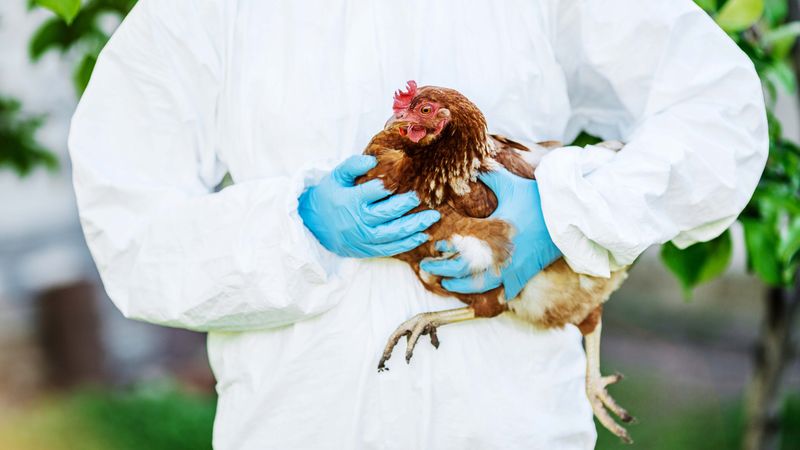
If you need to handle a lost bird yourself, protect yourself first. Wear gloves, a mask, and eye protection during the job.
Place the bird in two sealed plastic bags. You can then bury it deeply or put it in household trash, following local rules.
Write down what you noticed, including dates and symptoms. Clear notes help experts figure out what happened more quickly.
Save those phone numbers in your phone today. Having them ready means one less thing to worry about on a stressful day.