Spider Plant Benefits Go Beyond Cleaner Air, Here’s What Virginia Homeowners Should Know
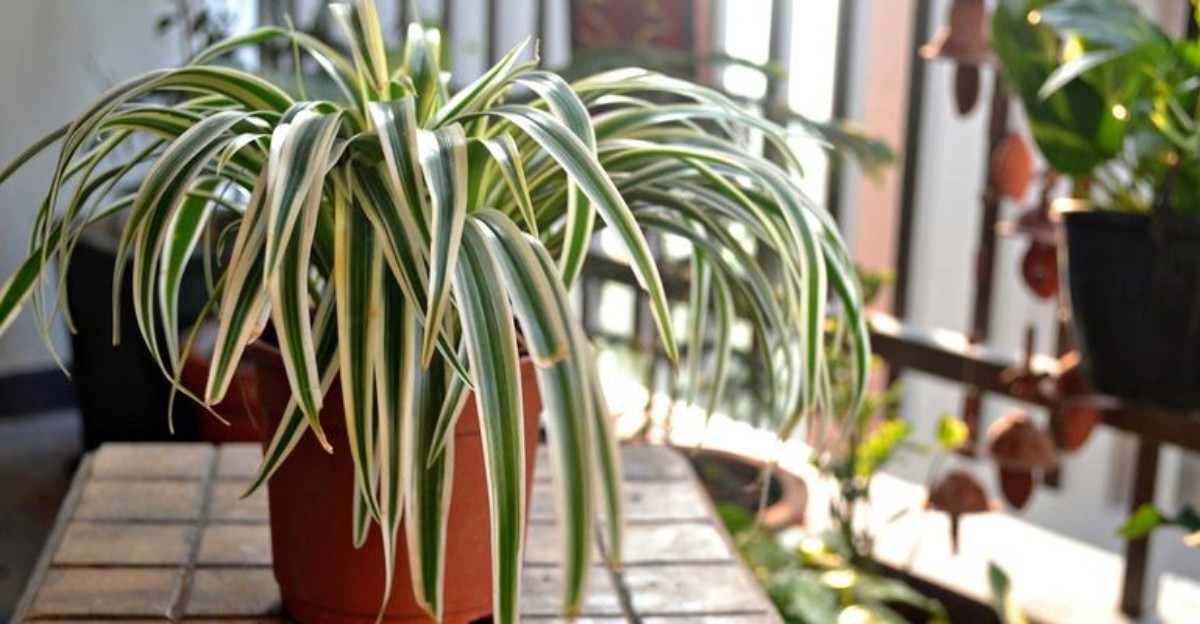
That spider plant on your shelf probably isn’t cleaning your air the way you think. Its real superpowers are far more surprising, and a lot more useful.
Plenty of Virginia homeowners pick one up after hearing it scrubs indoor air like a living filter. That idea traces back to a 1989 NASA experiment done in sealed chambers, not real living rooms.
Science points to perks that have little to do with air at all. Calmer moods and sharper focus sit near the top of the list.
Pet owners, busy parents, and apartment dwellers each have their own reasons to take notice. Even dry winter heat can’t slow this tough plant down.
It forgives forgetful watering, fits nearly any room, and shares endless baby plants dangling like little ornaments. Before you bring one home, find out what it can really do for you.
1. The Air-Purifying Claim Is Mostly A Myth
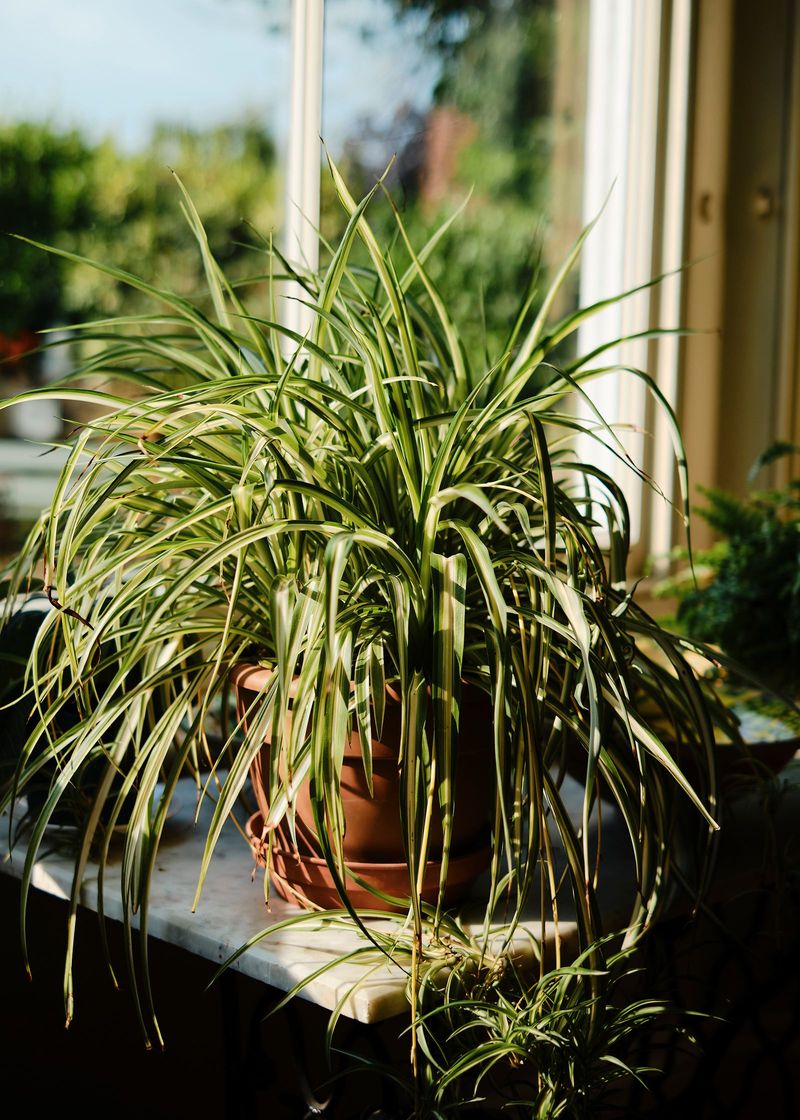
Back in 1989, a NASA study made houseplants famous almost overnight. Researchers found that spider plants could pull chemicals like formaldehyde and benzene from the air.
The catch is that those tests happened inside small, sealed lab chambers. Your living room in Richmond or Roanoke is far bigger and lets air move in and out.
Later scientists did the math on a normal home. They found you would need hundreds, maybe thousands, of plants to match the lab results.
Picture a house so packed with leaves that you could barely find the couch. Even then, the cleaning effect would be small compared to a simple fan or open window.
Plants do absorb a little bit of pollution, so the claim is not total fiction. The effect just shrinks to almost nothing in a real home setting.
For cleaner air, focus on proven tools first. Open windows on mild days, run kitchen and bathroom fans, and change your HVAC filter often.
A portable air purifier with a HEPA filter works well in bedrooms. Many Virginia homes also benefit from a dehumidifier during sticky summer months to limit mold.
So should you skip the spider plant? Not at all, because the plant has plenty of other gifts to share.
Think of the air myth as a doorway rather than a roadblock. The real benefits, from mood to pet safety, are where this plant truly shines.
Keep reading, and you may like this plant even more than before.
2. Indoor Plants Can Help Lower Stress
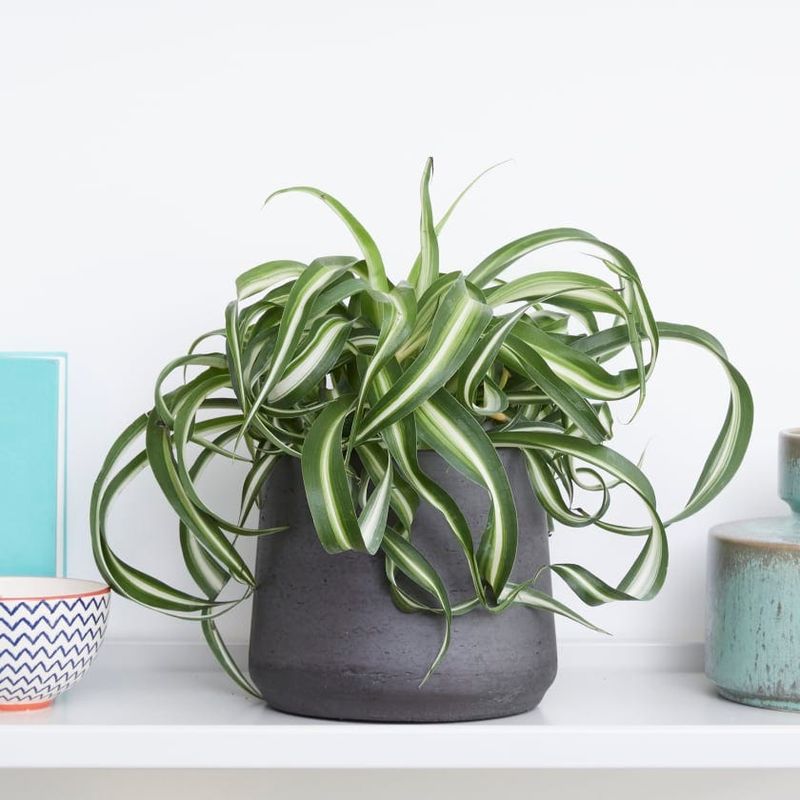
Ever notice how your shoulders drop a little when you step into a garden? Your body may be reacting to greenery in ways you barely notice.
Researchers in Korea and Japan asked young adults to repot plants or do computer work. After the plant task, people felt calmer, and their blood pressure dipped slightly.
Scientists linked the calm feeling to a quieter nervous system. Your body shifts away from its fight-or-flight mode when you handle living plants.
Many experts point to an idea called biophilia. It suggests humans carry a natural pull toward living things and green spaces.
Your Virginia Garden Changes Every Week. Your Plan Should Too.
Gardening in Virginia changes quickly throughout the season. Every Friday you’ll receive a simple weekly plan showing exactly what to plant, prune, fertilize, harvest, and protect so you never miss the right timing.
Caring for a spider plant can become a tiny daily ritual. Checking the soil and trimming a brown tip takes just a minute or two.
Those small moments act a lot like mindfulness practice. Your brain gets a short break from emails, news, and endless to-do lists.
Try placing your plant where you pause often, like near the coffee maker. Each glance becomes a little reminder to slow down and breathe.
Gray February days can feel long and heavy. A bright green plant on the table adds a welcome splash of life during that stretch.
You do not need a jungle to feel the difference. One or two healthy plants in the rooms you use most can lift the mood.
Pair your plant with a cozy chair and soft light. Suddenly, a plain corner turns into your own small retreat.
3. Greenery May Help You Focus
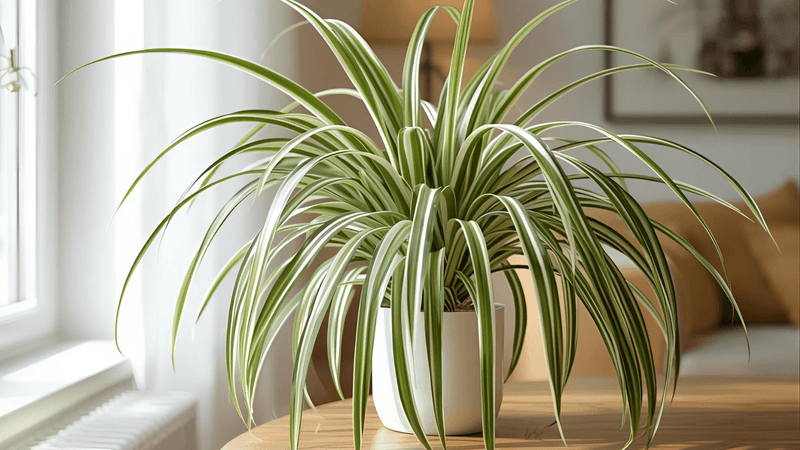
Here is a fun number to chew on: up to 20 percent. A University of Michigan study found attention scores rose by about that much after time with nature.
Bringing a bit of that nature indoors seems to help too. Studies link desk plants to better memory, sharper focus, and more creative thinking.
One study tested elementary students looking at real plants. Their brain waves showed signs of calmer, more focused attention afterward.
Experts call this idea attention restoration. Staring at screens wears out your focus, while green leaves give your eyes and brain a soft reset.
A spider plant makes a great desk buddy for this job. Its striped leaves are interesting to look at but not distracting.
Set it just beyond your screen, slightly off to one side. When your eyes need a break, glance at the leaves for twenty seconds.
Remote workers across Northern Virginia spend long hours on video calls. A plant within view can make a home office feel less like a box.
Students can benefit as well during homework time. A small plant at the study table may help them settle in and stay on task.
Keep the plant healthy so it does not become a guilt magnet. Droopy brown leaves can pull your mind away instead of helping it rest.
Pick a spot with bright, indirect light near your work area. Your plant stays happy, and your brain gets its green break.
4. Spider Plants Are Safe Around Cats And Dogs
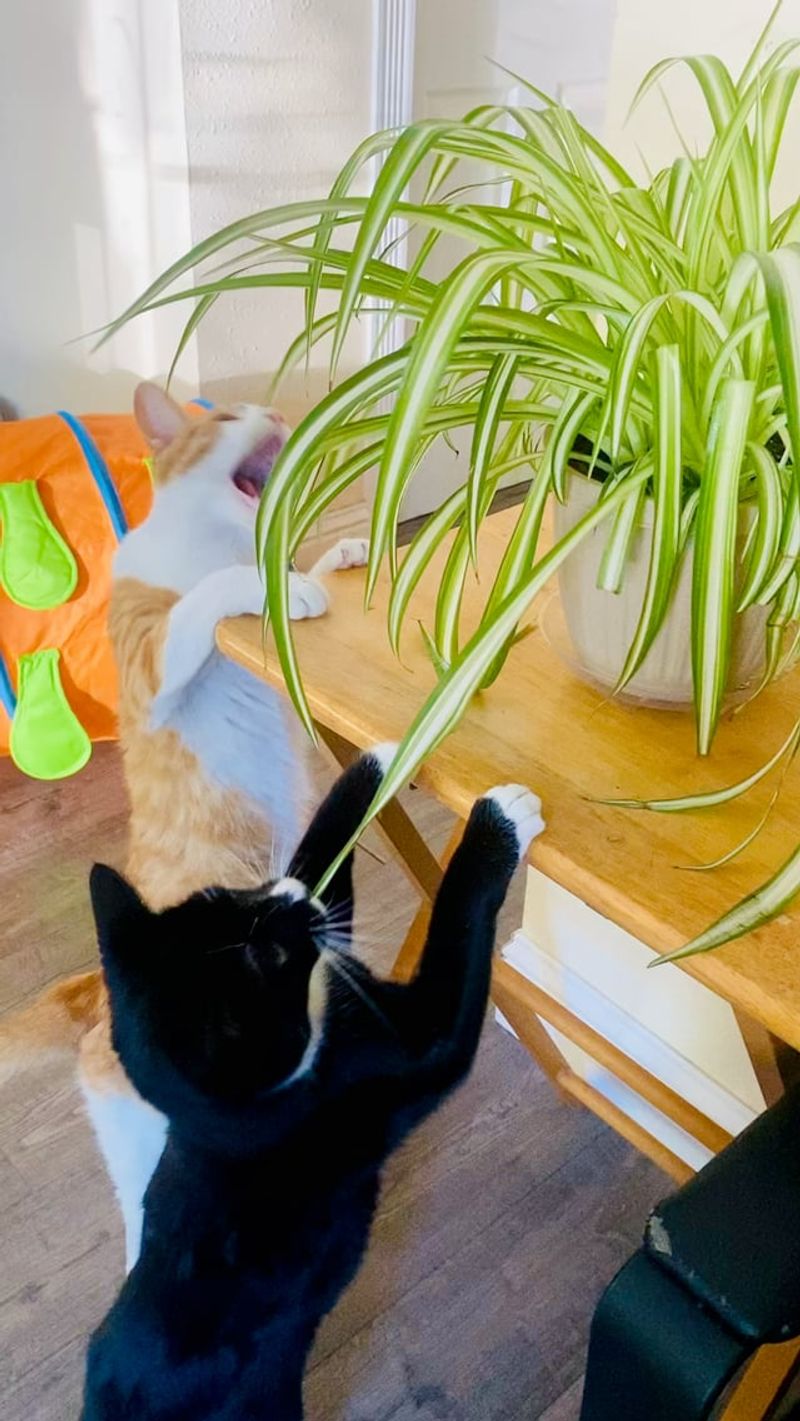
Cat owners know the feeling of finding chewed leaves on the floor. With many houseplants, that sight means a worried call to the vet.
Good news arrives with the spider plant. The ASPCA lists Chlorophytum comosum as non-toxic to both cats and dogs.
That means the plant lacks chemicals that harm organs or poison the body. It is a big relief compared to lilies, pothos, or sago palms.
Still, too much of a good thing can upset a tummy. A pet that eats lots of leaves may vomit or have loose stools for a short time.
Cats seem oddly obsessed with these plants. Some experts think the leaves give a mild buzz, a bit like catnip.
Fun fact: some owners call spider plants kitty salad. The dangling babies look like toys, which makes them even more tempting.
To protect both pet and plant, hang it out of reach. A high hook or shelf keeps those swinging stems safe from playful paws.
Watch what goes into the soil, too. Virginia homeowners should skip chemical pesticides and rinse off store plants before bringing them home.
Some fertilizers can bother pets if licked or eaten. Choose a gentle, pet-friendly formula and store it well away from curious noses.
Offering cat grass nearby may also help. Your cat gets a safe snack, and your spider plant keeps its leaves.
5. They Forgive Forgetful Watering
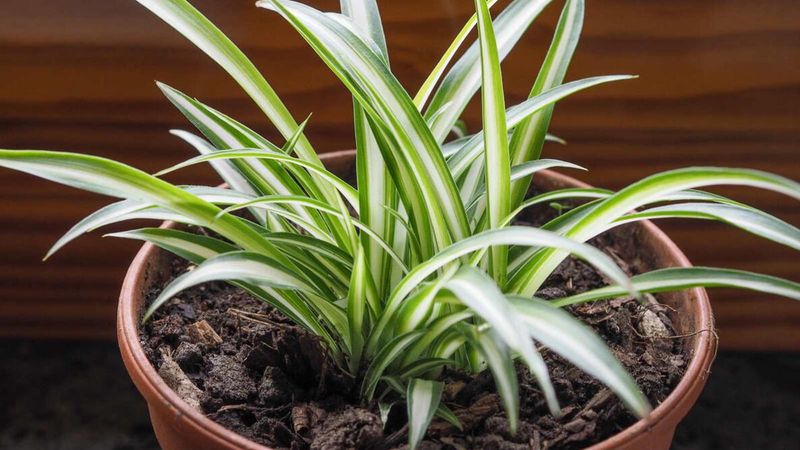
Confession time: plenty of us have left a plant thirsty for two weeks. Most houseplants sulk badly, but the spider plant mostly shrugs it off.
Its secret hides under the soil. Thick, fleshy roots store water like tiny canteens for dry spells.
Those roots let the plant ride out a missed watering or a busy week. Once you water again, the leaves usually perk back up fast.
So when should you water? Push a finger into the soil, and water when the top inch or two feels dry.
In warm summers, that might mean once a week. During cooler months, every ten to fourteen days often works fine.
Too much water is the bigger danger here. Soggy soil can cause root rot, which is much harder to fix than thirst.
Choose a pot with drainage holes in the bottom. Empty the saucer after watering so roots are not sitting in a puddle.
Pale, limp leaves and mushy roots point to overwatering. Crispy, curled leaves usually mean the plant simply needs a drink.
Brown tips can also come from fluoride and salts in tap water. Rainwater or distilled water helps keep tips green, since letting water sit out only clears chlorine.
Busy families, frequent travelers, and new plant parents all find relief here. This plant lets you learn without punishing every small mistake.
6. One Plant Gives You Endless Free Babies
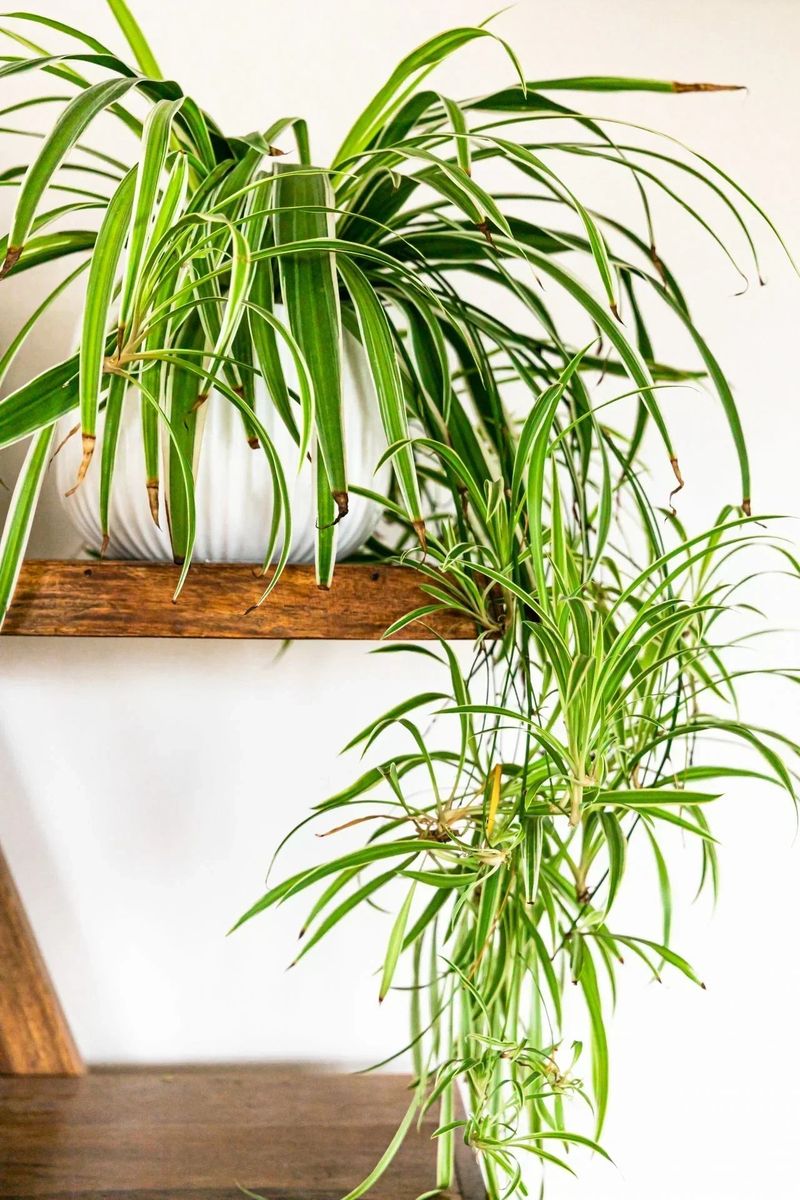
Imagine buying one plant and ending up with twenty. Spider plants make that happen by growing little babies on long, arching stems.
Gardeners call these spiderettes or plantlets. Each one is a tiny copy of the mother plant, ready to start a new life.
Look for babies about two to three inches wide with small root bumps. Those nubs tell you the plantlet is ready for its own home.
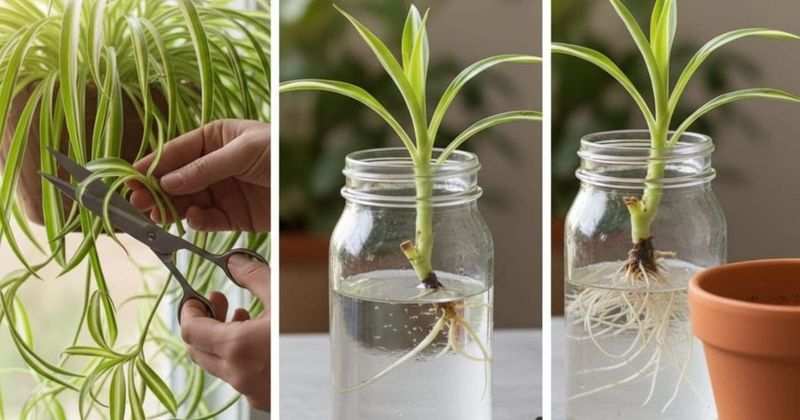
For water rooting, snip the baby with a short piece of stem. Set the base in a small jar of water, keeping the leaves dry.
Roots usually appear in one to two weeks. Once they reach about an inch long, move the baby into potting soil.
You can also skip the water step entirely. Press the plantlet into moist, well-draining soil and keep it lightly damp.
Another trick lets the baby stay attached to mom. Pin it into a nearby pot with a bent paper clip until roots form, then cut the stem.
Spare babies make thoughtful, budget-friendly gifts. Neighbors, teachers, and coworkers across the state will likely be happy to adopt one.
Try potting several in small mugs or thrifted cups. Add a handwritten tag, and you have a charming present that costs almost nothing.
Fun fact: mature, slightly snug plants often produce the most babies. A little root crowding seems to push them to multiply.
7. They Handle Dry Winter Heat Better Than Most
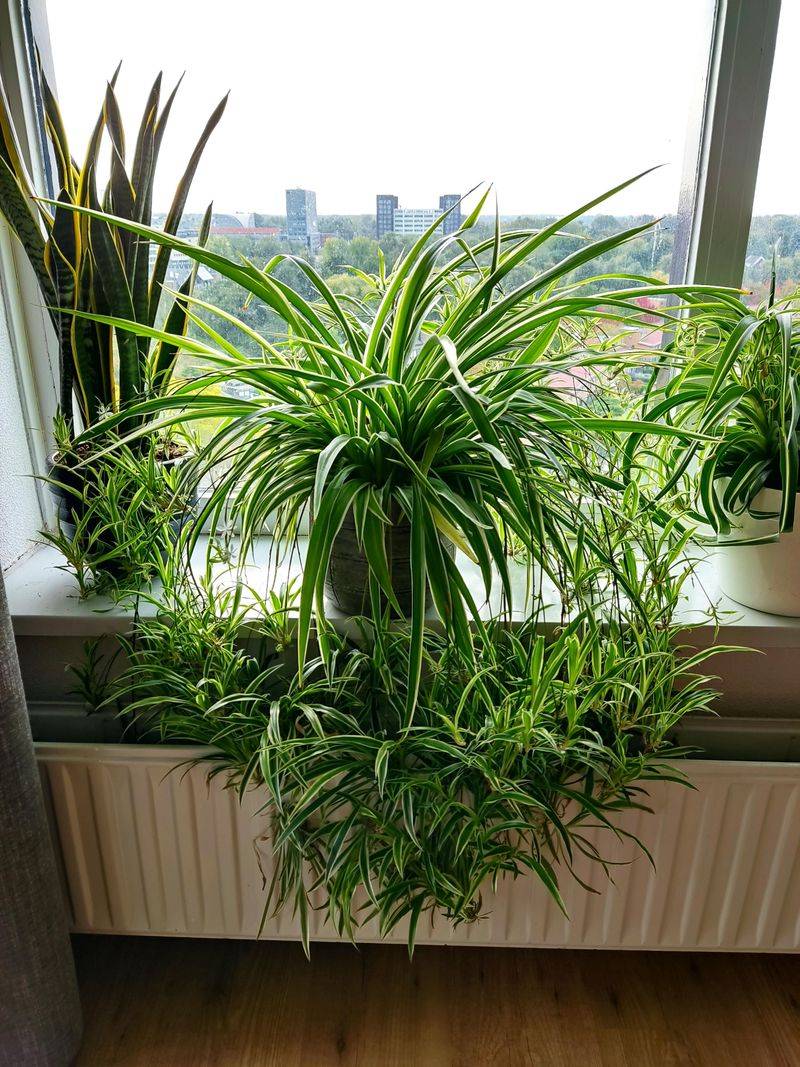
Once the furnace kicks on in November, Virginia homes can feel like a desert. Indoor humidity often drops low, and many tropical plants start to struggle.
Spider plants handle these conditions better than a lot of their leafy cousins. They prefer humidity between 40 and 60 percent but adapt to average household air.
That does not mean they love it. When humidity falls below about 30 percent, brown, crispy tips often show up.
Brown tips look a bit sad but rarely signal serious trouble. You can trim them with clean scissors, following the leaf’s natural shape.
A few easy habits help a lot. Group your plants together so they share moisture and build a mini humid zone.
Setting the pot on a tray of pebbles and water also works. As water evaporates, it adds a bit of moisture around the leaves.
Misting now and then can offer a short boost. A small humidifier nearby helps even more, and your skin may thank you too.
Keep the plant away from heating vents and drafty doors. Blasts of hot or cold air dry leaves out faster than anything else.
Winter is also a time to ease up on watering and fertilizer. Growth slows down, so the plant needs less from you.
By spring, your spider plant should bounce back with fresh, bright growth. It is a tough little survivor through those chilly months.
8. Hanging Baskets Save Space In Small Homes
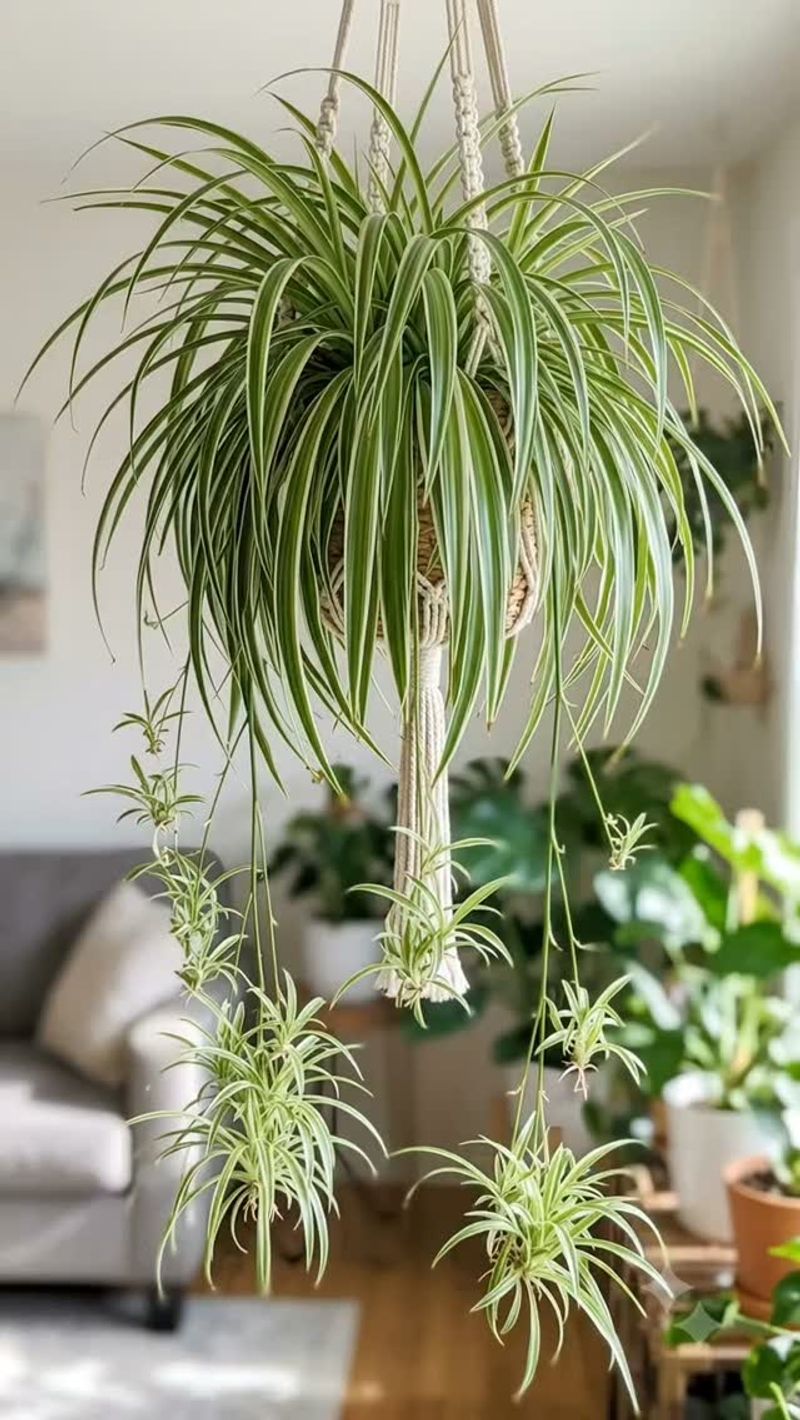
Floor space is precious in a tiny apartment or condo. Luckily, spider plants look their best when they hang above it all.
Their arching leaves spill over the edges like a green waterfall. The dangling babies add extra movement and charm to the whole display.
Hanging a plant puts empty vertical space to work. Shelves and tables stay clear for books, lamps, and everyday stuff.
Renters in Arlington, Alexandria, and other busy areas often deal with snug layouts. A ceiling hook or wall bracket adds life without crowding the room.
Macrame hangers bring a relaxed, retro vibe. Simple metal or ceramic hanging pots offer a cleaner, modern look.
Choose a spot with bright, indirect light for the best stripes. Spider plants can handle lower light, though their colors may fade a bit.
Kitchens, bathrooms, and bedroom corners all work well. Just avoid harsh afternoon sun, which can scorch the leaves.
Watering a hanging pot takes a little planning. Use a long-spout watering can, or take the plant down to the sink once a week.
Make sure your hook is strong and anchored into a ceiling joist. A freshly watered basket weighs more than you might expect.
Renters can try tension rods or sturdy adhesive hooks rated for weight. That way, no damage stands between you and your deposit.
9. Kids Can Grow Them With Almost No Help
Hand a child a cactus and you might get pokes and tears. Hand them a spider plant, and you may spark a lifelong love of growing things.
Few houseplants are easier for young gardeners. The plant handles missed waterings, odd light, and plenty of curious poking.
Safety matters to parents, and here the news is good. Spider plants are non-toxic to kids and pets, so small accidents are not scary.
The babies are the real star for children. Kids love watching tiny plantlets form and dangle like little green spiders.
Let your child snip a baby and place it in a clear cup of water. Seeing roots appear within a week or two feels like a small science magic trick.
A simple chart can turn care into a fun routine. Kids can mark watering days, measure leaves, and draw new babies as they grow.
These little jobs teach patience and responsibility. Children also learn how plants grow, drink, and reproduce in a hands-on way.
Many schools include plant projects in science lessons. A home spider plant can give kids a head start and fresh classroom ideas.
Consider giving each child their own pot to decorate. Paint, stickers, and name tags make the plant feel truly theirs.
When the plant makes babies, kids can share them with friends. It is a sweet way to pass along kindness and a growing hobby.