8 Low-Water Plants Arizona Homeowners Use Instead of Grass
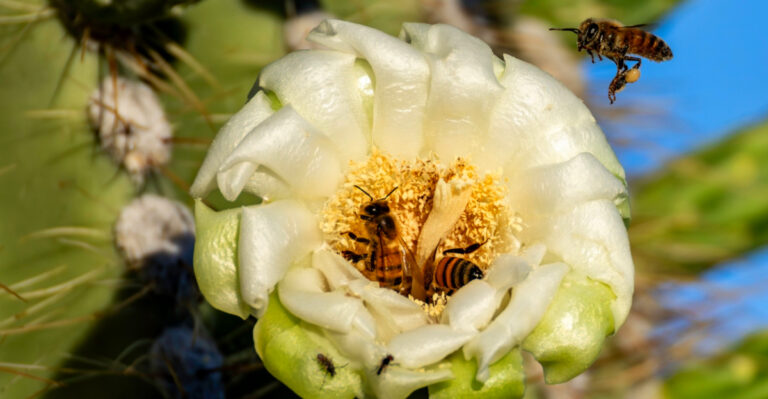
Roadrunners will gulp down scorpions whole, and they often hunt where shrubs offer shade and quick hiding spots. That speedy desert bird is one reason I started looking at my thirsty lawn with fresh, slightly guilty eyes.
Across Arizona, landscape watering makes up a large share of household water use, especially during scorching summer months. Grass soaks up a surprising amount of that water, yet it offers very little shelter for birds or bees.
I love how a few tough desert plants can bring hummingbirds zipping past the patio before my morning coffee cools. You need fewer mower trips too, which feels like a gift when October finally cools Arizona mornings.
Fall happens to be prime planting season in the low desert, since roots settle in before spring heat returns. So which eight plants are neighbors swapping in for turf, and which one surprised me most?
1. Trailing Rosemary
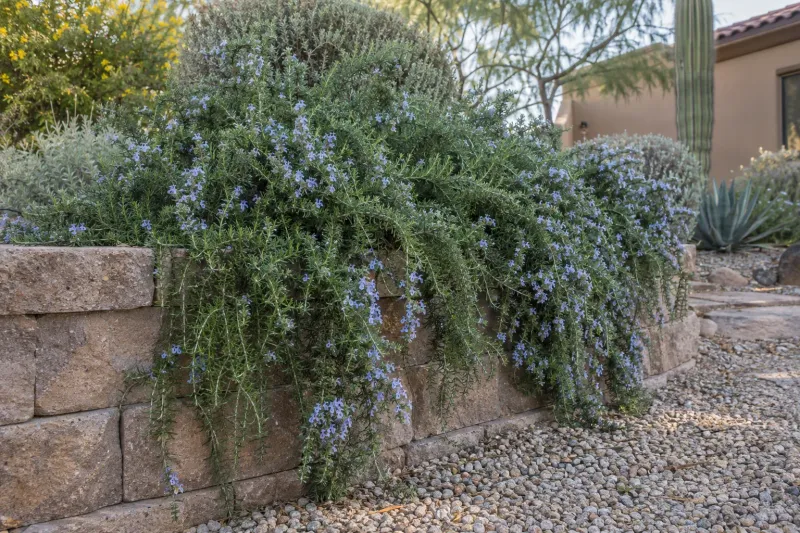
Brush past a patch of trailing rosemary and your whole front walk suddenly smells like a cozy kitchen. I like how this low herb turns an ordinary slope into a fragrant, evergreen carpet with almost no fuss.
Botanists now call it Salvia rosmarinus, and the prostrate form spreads wide while staying only about a foot tall. Small blue flowers usually show up from late winter into spring, and bees visit them on cool sunny mornings.
You need full sun and fast-draining soil, because soggy roots are the quickest way to make rosemary sulk. Once it settles in, deep watering every couple of weeks in cooler months is often plenty for healthy growth.
Deer and rabbits mostly leave it alone, thanks to those strongly scented oils packed into every needle-like leaf. Personally, I enjoy snipping sprigs for roasted potatoes, which makes this groundcover feel useful well beyond simple good looks.
October planting gives roots several mild months to stretch out before the next round of fierce summer heat. Tuck young plants along walls or rocky edges, then let them tumble over the stones in their own relaxed way.
2. Red Yucca
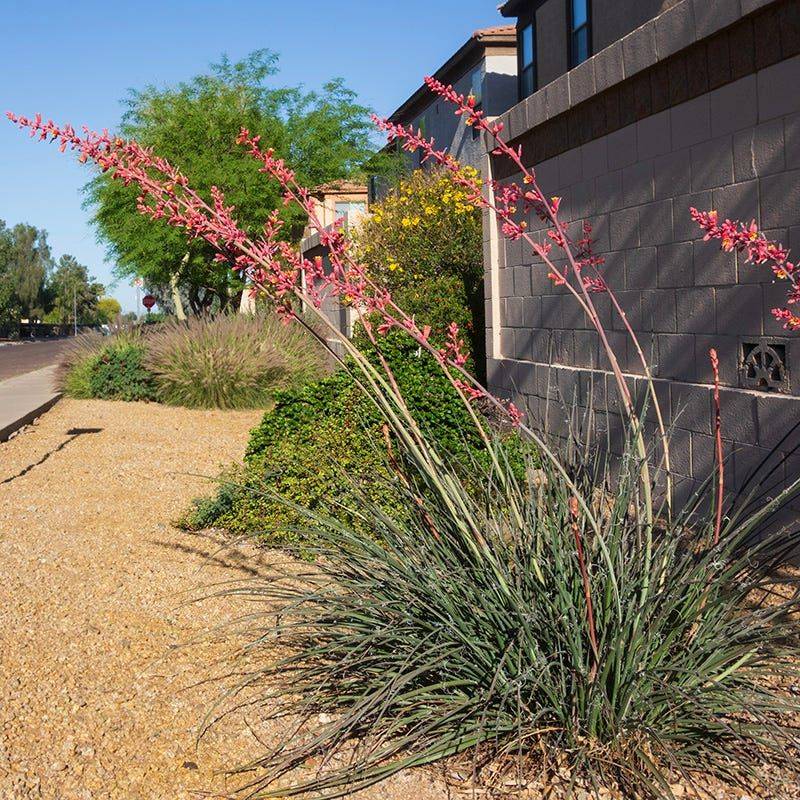
Funny thing about red yucca is that it is not a true yucca, and its leaves carry no sharp tips. That makes it a friendlier choice near sidewalks, where kids and dogs tend to brush past plants without looking.
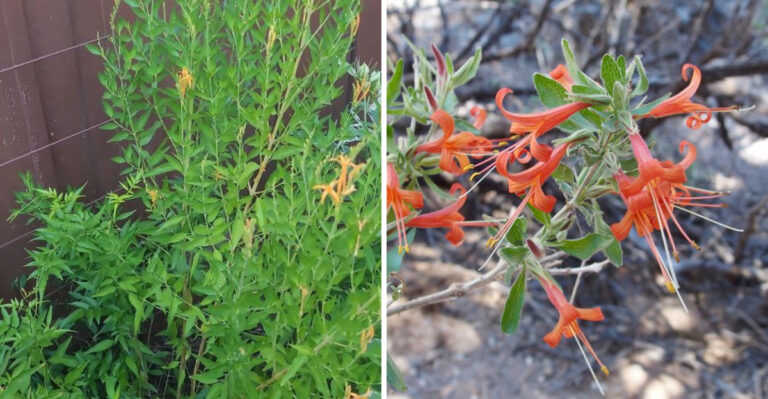
Hesperaloe parviflora grows in grassy clumps of leathery leaves, often with curly white threads along the edges. Tall stalks of coral flowers rise in spring and keep going for months, sometimes reaching five feet above the foliage.
Hummingbirds treat those tubular blooms like a roadside snack bar, and I love watching them hover from flower to flower. You might notice orioles and bees stopping by too, which makes a small yard feel surprisingly lively.
Plant it in full sun with gritty soil, and water deeply but rarely once the roots get established. Overly wet ground can lead to rot, so drip lines should run near the clump rather than right at its base.
Care mostly involves cutting old flower stalks back to the base after they finish and turn brown. A few clumps spaced along a driveway create steady structure, replacing a fussy grass strip with something far more interesting.
3. Trailing Lantana
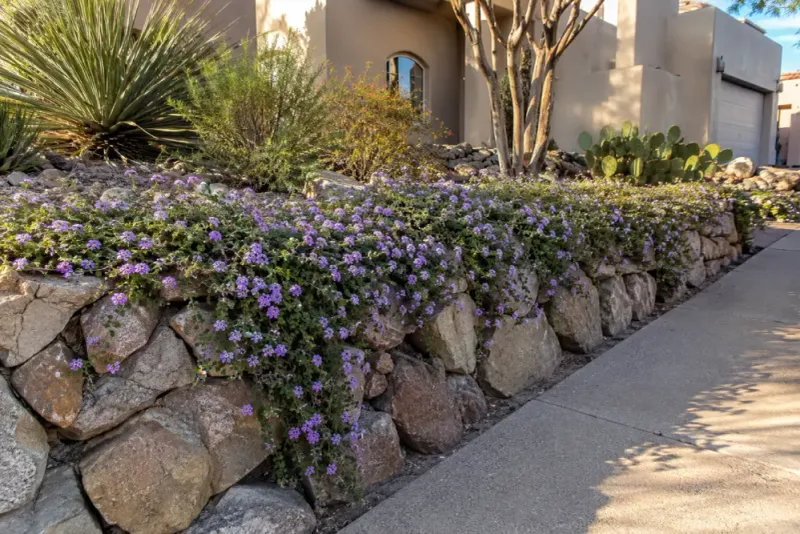
Butterflies seem to find purple trailing lantana within days of planting, as if someone sent them a personal invitation. I have to admit that watching a painted lady settle on those flower clusters still makes me grin.
Lantana montevidensis spreads into a low mat several feet wide, covered in small purple or white flower clusters. It blooms for long stretches through warm weather, and the crushed leaves give off a sharp, earthy scent.
Unlike some aggressive lantana relatives, this trailing species is a popular landscape choice in low desert neighborhoods. You need full sun and decent drainage, and it handles reflected heat from walls better than most flowering groundcovers.
Frost can brown the stems in colder spots, though plants usually push fresh growth once warm weather returns. Hold off on heavy pruning this fall, since leftover stems help shield the crown during chilly winter nights.
Water deeply about once a week during heat, then stretch the schedule as temperatures ease into cooler months. Personally, I use it to soften the hard edges of gravel beds, where its color feels like a welcome mat.
4. Desert Marigold
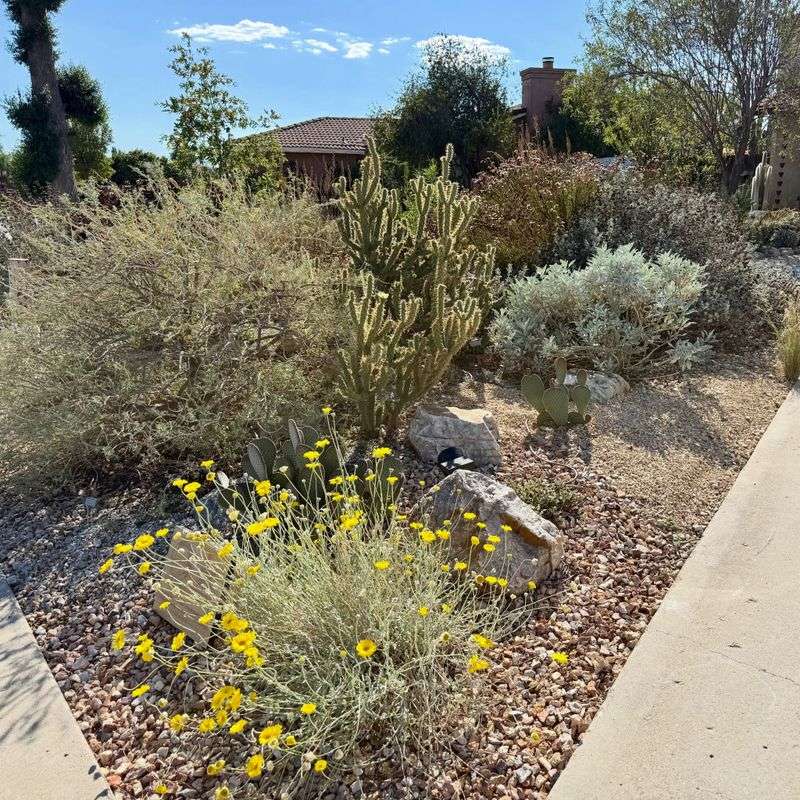
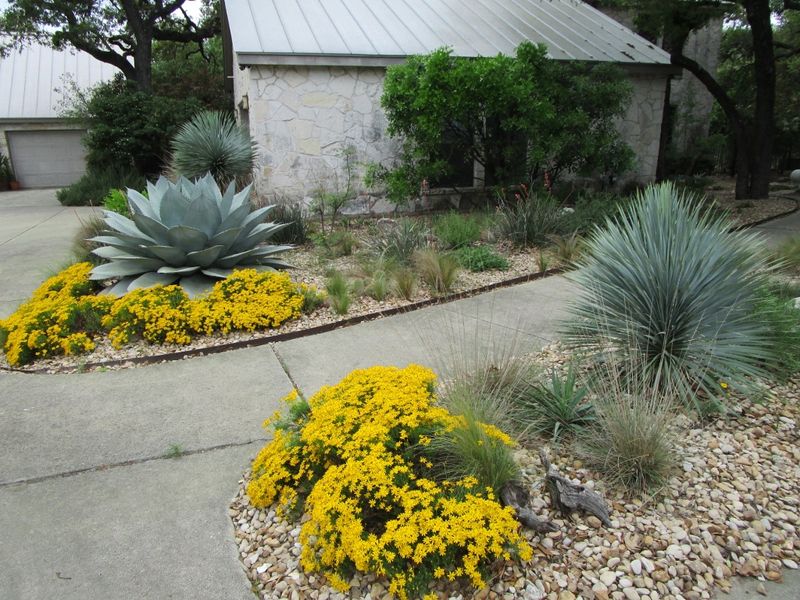
Drive along almost any desert roadside in spring and you will spot cheerful yellow buttons waving above silvery leaves. Desert marigold grows wild across much of the Southwest, so it settles into yard gravel like it owns the place.
Baileya multiradiata forms soft, woolly mounds about a foot tall, with flowers floating on slender stems above them. Blooms can appear for many months, and in mild years you might spot fresh flowers during nearly every season.
Here is a quirky bit of trivia: ranchers know this plant as toxic to sheep, so grazing animals tend to avoid it. In a home yard, that mostly means rabbits and other nibblers leave the plants looking tidy and untouched.
Gravelly, fast-draining soil suits it best, and too much water often shortens its already brief lifespan. Each plant may only last a couple of years, though dropped seeds usually sprout new ones nearby without any help.
October is a great time to scatter seed or set out small plants before winter rains arrive. I love how a few starter plants can turn a bare corner into a sunny patch within one growing season.
5. Baja Fairy Duster
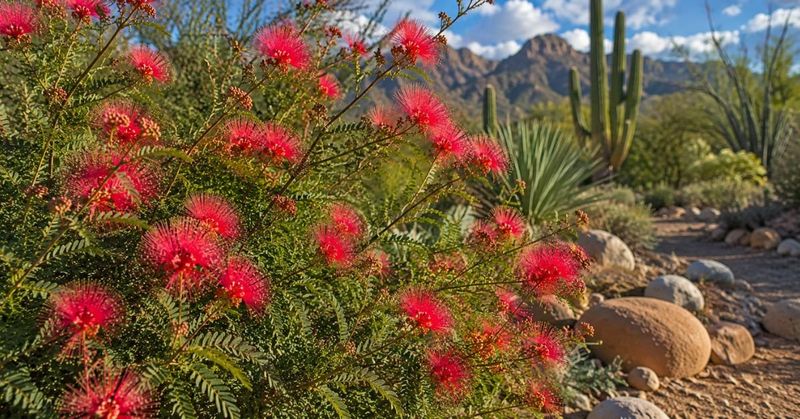
Bright red puffs that look like tiny feather dusters cover this shrub, and hummingbirds defend them with surprising attitude. I can’t imagine a better seat in the yard than one facing a blooming fairy duster on a warm afternoon.
Calliandra californica comes from Baja California, where it handles blazing sun and lean, rocky soil without complaint. It usually grows three to five feet tall, with fine, fernlike leaves that give the shrub a soft, airy texture.
Flowers can show up through much of the year, often peaking during spring and again as fall temperatures ease. You might notice a fresh flush right now in October, which makes this a fun season to shop for one.
Full sun and reflected heat suit it nicely, though it prefers protection from hard freezes in higher elevation towns. Once established, occasional deep watering keeps it blooming, and light shaping after flowering keeps the form neat.
Its small leaflets drop very little mess, so it works well beside pools and patios where cleanup matters. Several shrubs along a block wall create a living screen that feels far livelier than a strip of struggling lawn.
6. Damianita
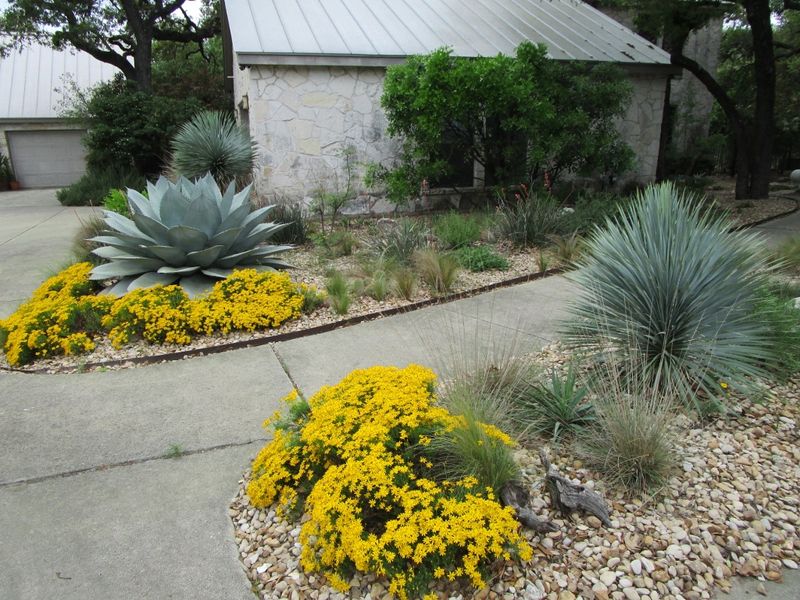
Few plants pack so much sunshine into such a small mound as damianita, a tidy shrub with strongly scented foliage. Crush a leaf between your fingers and you get a resin-like aroma that some gardeners compare to citrus.
Chrysactinia mexicana grows wild from west Texas into Mexico, so heat and poor soil feel perfectly normal to it. Mounds typically stay around a foot tall and slightly wider, which makes them handy for edging walkways and borders.
Golden daisy flowers cover the plant in spring, and another round often appears as late summer cools into fall. Personally, I love tucking it near boulders, where those bright blooms pop against warm brown rock and gravel.
Cold rarely troubles it, since damianita tolerates temperatures dipping close to zero in many reports from Southwest growers. Excellent drainage matters far more than rich soil, and it can even handle rocky ground with a caliche layer below.
Water deeply while it establishes this fall, then cut back to occasional drinks once the roots spread out. A quick shearing after the main bloom keeps the mound dense, so it looks freshly groomed with almost no effort.
7. Parry’s Penstemon
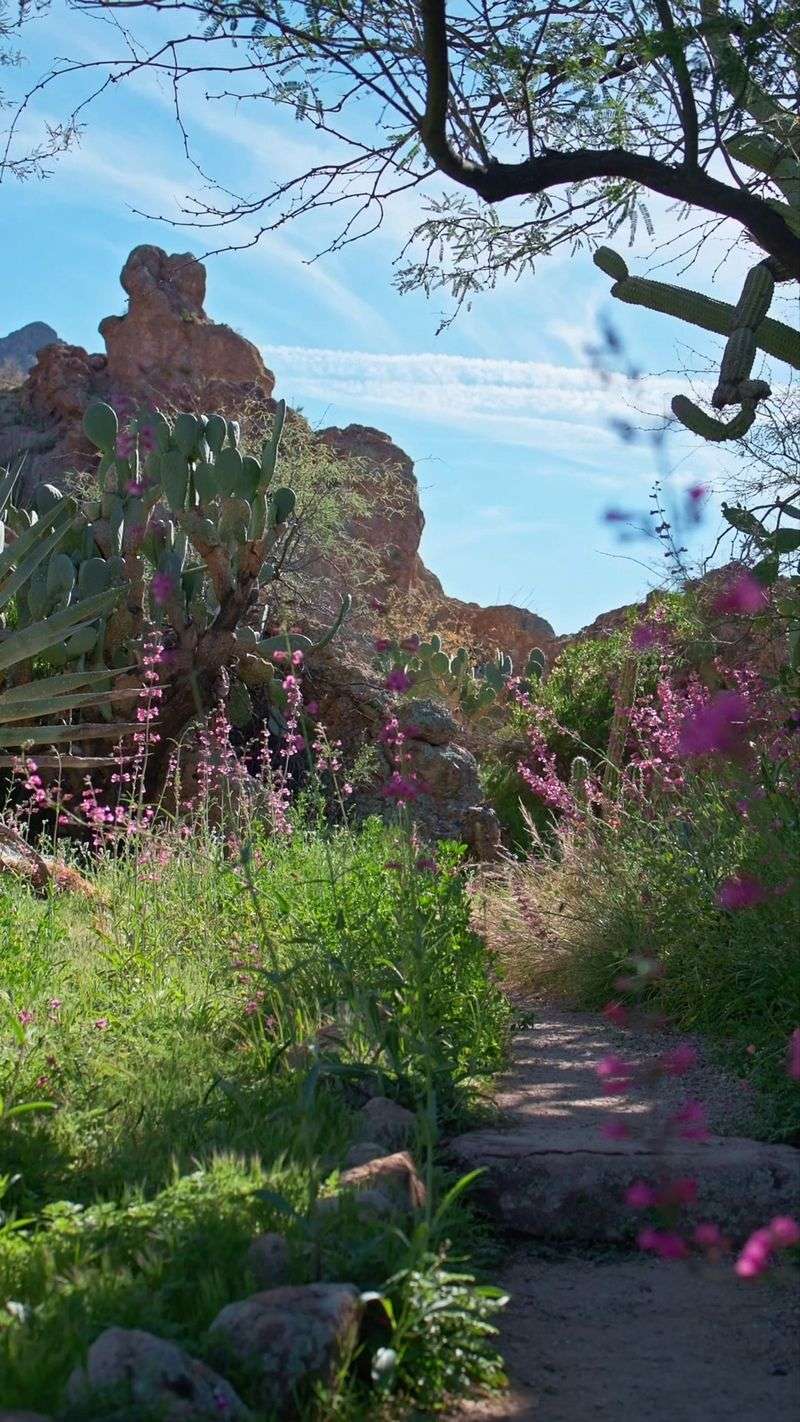
What surprises me most about Parry’s penstemon is how a plain rosette suddenly launches tall pink flower spikes. One week you have a quiet clump of leaves, and the next week hummingbirds are lining up for breakfast.
Penstemon parryi is a true Arizona native, growing naturally on rocky slopes and washes in the Sonoran Desert. Flower stalks often reach two to four feet tall, glowing bright pink from late winter into the middle of spring.
Those tubular blooms fit hummingbird beaks perfectly, and native bees crawl inside them for pollen as well. You might also notice finches picking through the dried seed heads once the flowering season wraps up in late spring.
October is the ideal time to plant seedlings or scatter seed, since cool months help young roots get established. Choose lean, gravelly soil in full sun, because rich soil and extra water usually make this wildflower flop over.
Individual plants are often short-lived, yet they reseed readily and pop up in fresh spots each year. I like letting a few volunteers stay where they land, which gives the yard a loose, natural wildflower look.
8. Blackfoot Daisy
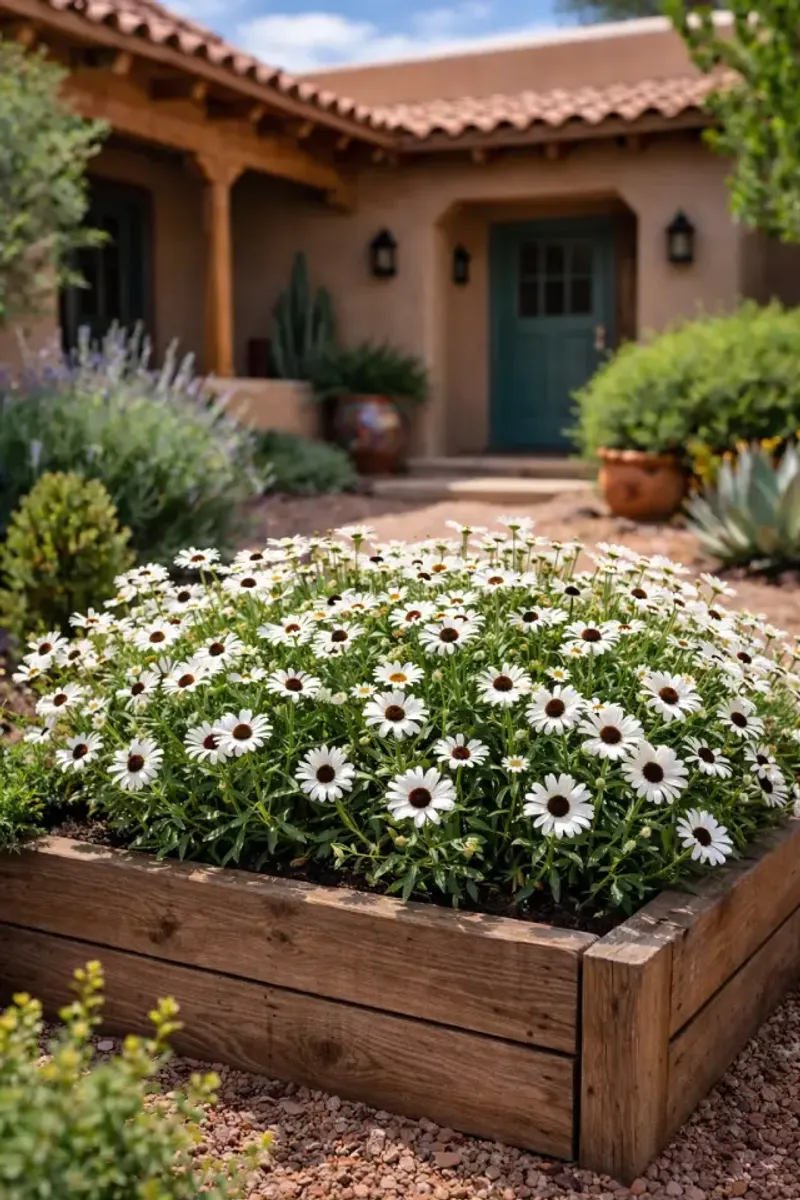
Lean close to a blooming blackfoot daisy on a warm day and you may catch a sweet, honey-like fragrance. I love how this tiny native packs so much charm into a mound that barely reaches my knees.
Melampodium leucanthum grows wild across rocky deserts and grasslands in the Southwest, including many hillsides here in Arizona. White petals surround cheerful yellow centers, and flowers often keep coming from spring through fall in sunny spots.
Bees and butterflies visit the blooms steadily, and the low mounds give ground-dwelling lizards a shady place to rest. Those lizards happily snack on insects, so a few clumps can quietly support a little natural pest control.
Drainage is everything for this plant, and too much water is the most common reason it fades early. Gravel mulch suits it better than bark, since dry stems near the crown help prevent rot during cooler months.
Plant it this fall in full sun, water while it roots in, then back off to occasional deep soaks. A light trim in late winter keeps the mound compact, giving you a crisp white border with very little work.