9 Most Dangerous Plants Growing in Arizona Yards
A hedge shrub lining countless Phoenix freeways carries heart-disrupting compounds in every leaf and every drop of its sticky sap. Even the smoke from burning its clippings can irritate your lungs, so tossing trimmings into a fire pit is risky.
Arizona yards are packed with handsome plants that quietly hide toxins in their seeds or milky sap. Some arrived as nursery favorites, while others sneak in as weeds along washes and disturbed backyard corners.
I have to admit that I grew a couple of these for years before learning what they could do. You might notice your dog sniffing around one right now, especially as cooler October mornings invite longer backyard walks.
Fall is a smart time for cleanup, since Arizona temperatures finally make yard work feel pleasant again. So which familiar faces in your garden deserve a closer look before the kids and pets head outside?
1. Oleander
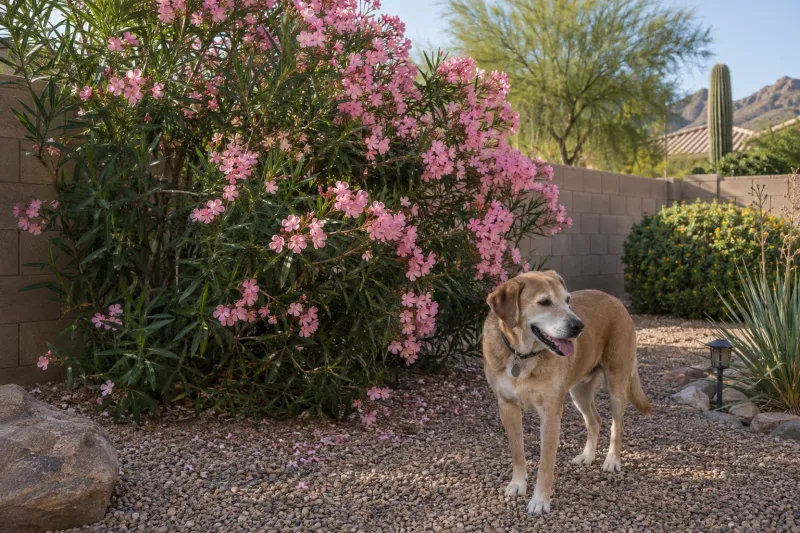
Few shrubs shrug off desert heat as gracefully as oleander, which keeps pushing out pink and white blooms for months. I love how tough it is, but I respect it like a hot stove, because every part contains cardiac glycosides.
The main compound, oleandrin, disrupts heart rhythm, and even a small amount chewed by a pet can be serious. Vomiting and an irregular heartbeat are common warning signs, so call your vet or poison control right away.
Sap can irritate skin, which makes gloves and long sleeves smart choices whenever you prune these leathery evergreen hedges. Burning clippings is a bad idea too, since the smoke carries irritating compounds that you really should not breathe.
October is a comfortable month for light pruning, and bagging the trimmings for the trash keeps curious dogs safe. Rake up fallen leaves under the hedge as well, since dried foliage stays toxic long after it drops.
Lower desert gardeners should also watch for oleander leaf scorch, a bacterial disease that browns leaf edges over time. If you want a safer screen, desert-friendly options like hopbush or Texas ranger offer evergreen privacy with far less worry.
2. Castor Bean
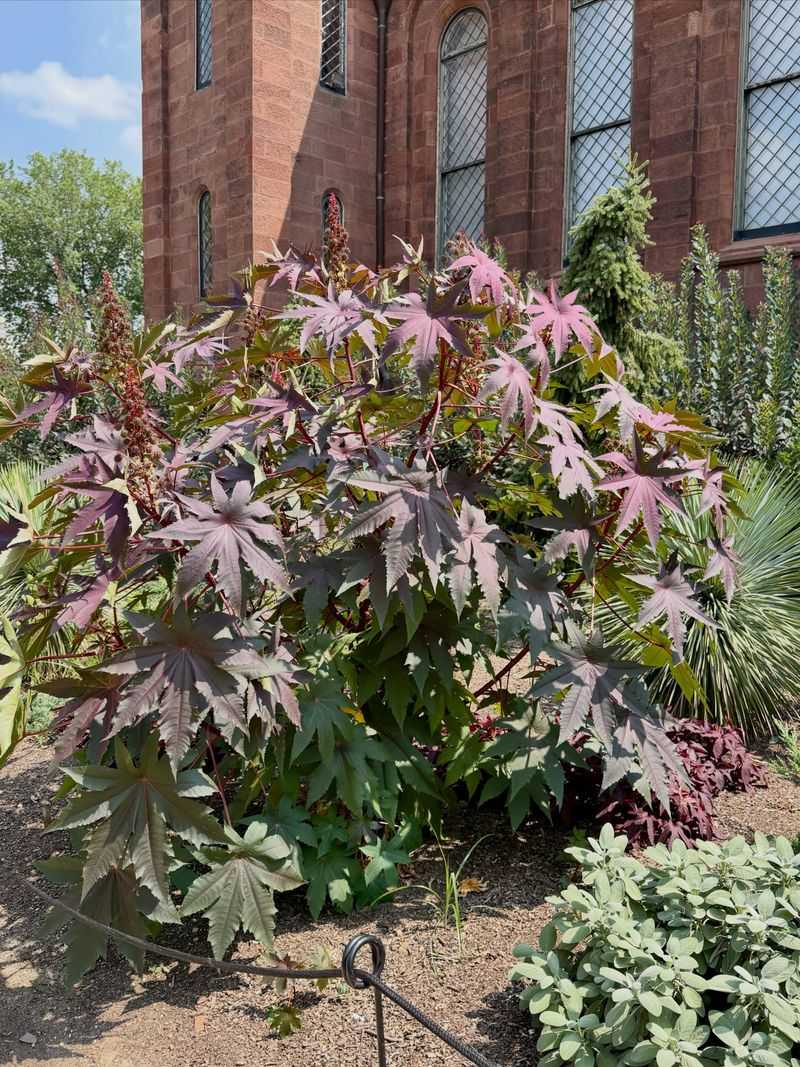
Those glossy mottled seeds look like polished jewelry, which is exactly why castor bean worries poison control experts so much. Each seed holds ricin, a protein so potent that chewing just a few can seriously harm an adult.
A single chewed seed can cause serious trouble for a small child, so kids and these pods should stay apart. Symptoms include vomiting and severe stomach pain, and they may show up hours after someone swallows the crushed seeds.
The plant itself is striking, with huge star-shaped leaves in green or reddish purple and spiky seed capsules. It shoots up quickly, often reaching six to fifteen feet along moist washes and neglected corners of yards.
Personally, I treat any volunteer seedling as a weed, since castor bean spreads aggressively in disturbed desert soils. Pull young plants while the ground is soft after watering, and wear gloves because handling the foliage can irritate skin.
Fall is a key moment, because many plants are still holding ripe capsules that can split and scatter seeds. Clip the seed heads into a bag before they open, then send them out with the regular household trash.
3. Jimson Weed
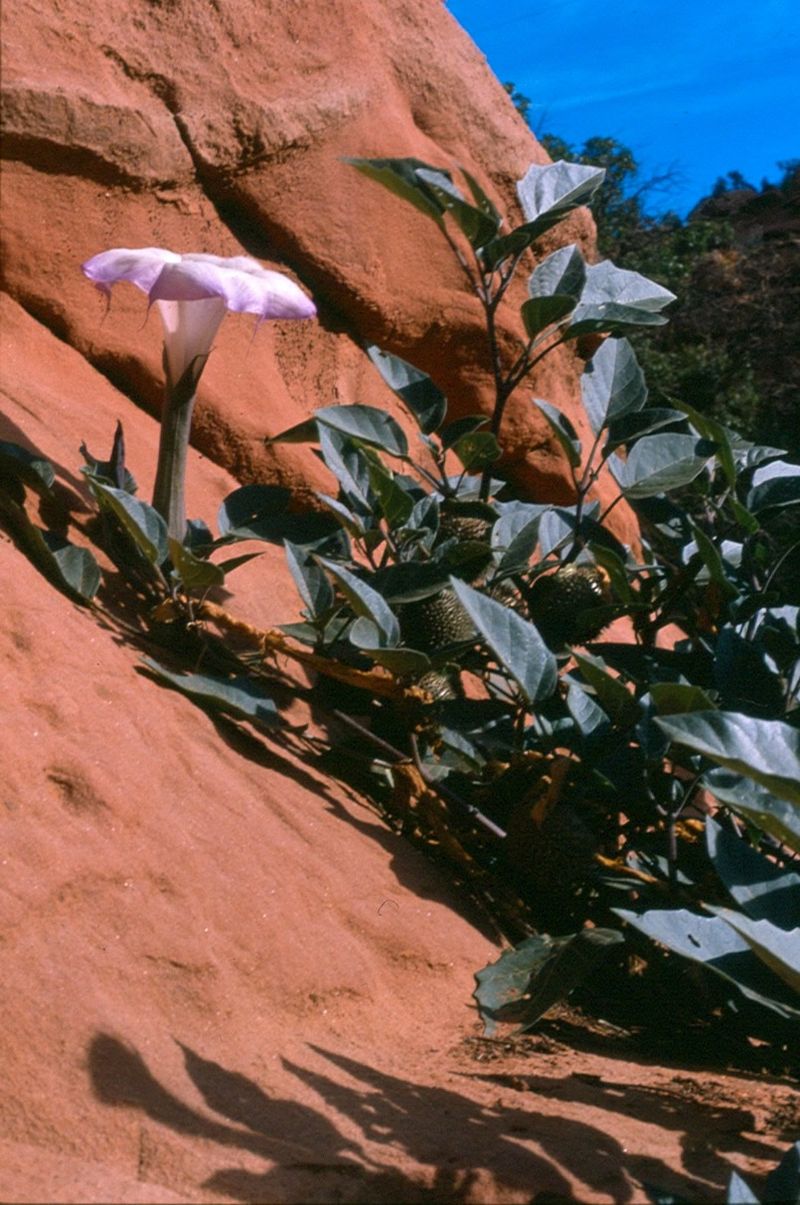
Moonlit trumpet flowers glowing at dusk sound romantic, yet jimson weed hides some of the strongest plant toxins around. Every part contains tropane alkaloids like scopolamine and atropine, which scramble the nervous system in unpredictable ways.
Swallowing even small amounts can bring delirium and a racing heart, so emergency care becomes essential very quickly. Historical records even describe children harmed after making whistles from the hollow stems and blowing through them.
You can spot it by the spiny seed pods, which look like tiny green sea urchins clinging to stems. Crush a leaf and you will notice a rank, unpleasant odor that most gardeners recognize right away.
Jimson weed is a non-native weed, though the desert also hosts a native cousin, sacred datura, that is also toxic. Both thrive in disturbed soil, so fresh construction areas and bare yard patches often sprout surprise seedlings.
Many plants are still blooming and setting pods this month, which makes October a smart time for removal. Wear gloves and bag the whole plant before pods split, especially in patches close to play areas.
4. Candelabra Tree
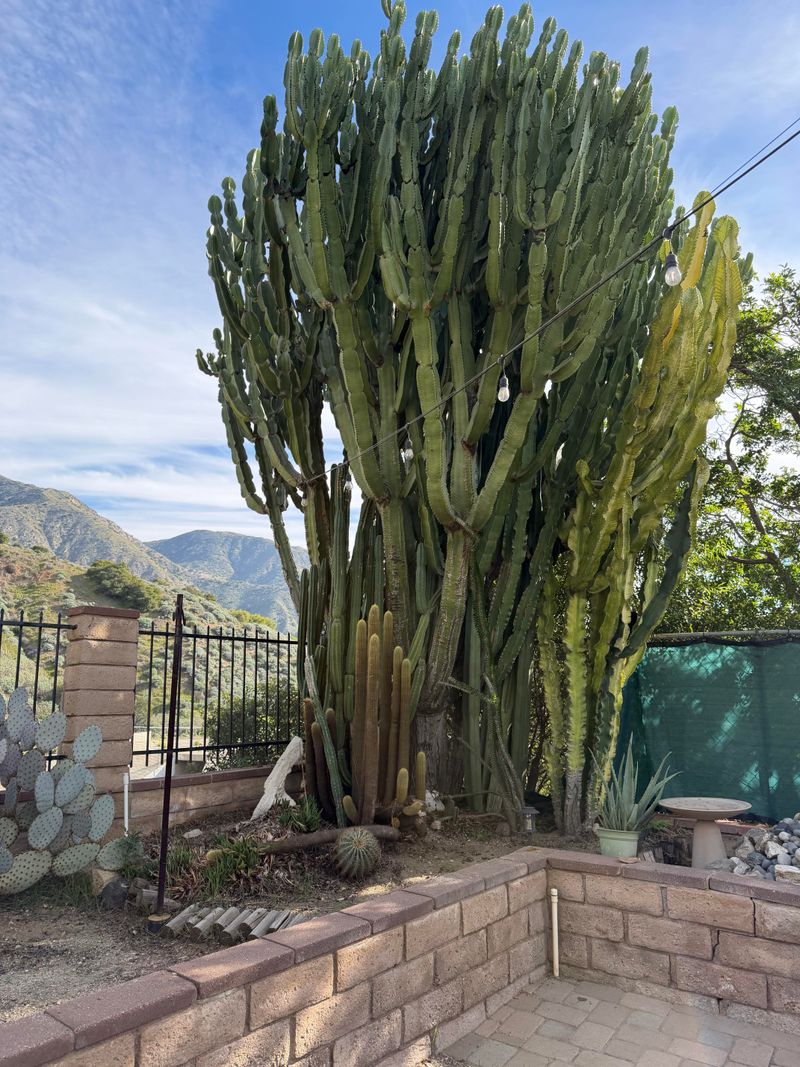
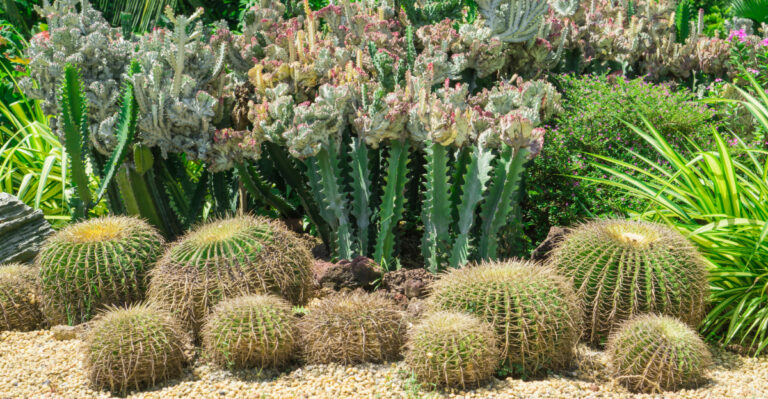
Visitors often call it a cactus, but the candelabra tree is actually a euphorbia with a nasty milky secret. Snap a branch and white latex oozes out, and that sap is a serious irritant to skin and eyes.
I believe the eye risk surprises people most, because a splash during pruning can cause painful injury and swelling. Safety glasses and thick gloves are smart gear whenever you trim, and rinsing tools afterward helps a lot.
Native to Africa, Euphorbia ingens can grow into a towering tree, though potted specimens stay far more manageable. Its ridged, angular branches carry short paired spines, and it may show small yellowish green flowers in cooler months.
Frost is its biggest weakness, so chilly desert nights around freezing can scar tender stems or damage the growing tips. As October nights cool, plan now where potted plants will go or how you will cover them.
Keep it away from walkways and play spaces, where kids or dogs might bump stems and release sap. Swallowing any part can upset the stomach badly, so a quick call to poison control makes sense after any nibble.
5. Poison Hemlock
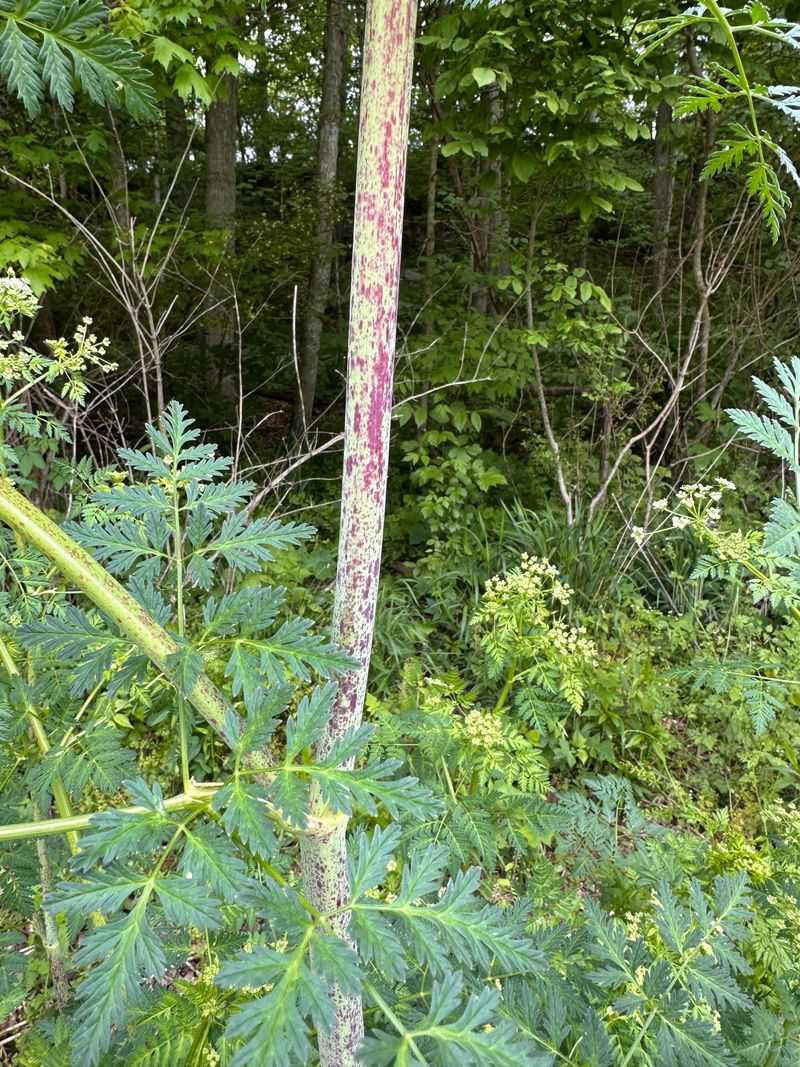
Socrates is famously linked to hemlock, and the same plant still pops up in moist corners across parts of Arizona. Poison hemlock looks frustratingly similar to wild carrot or parsley, which explains why accidental poisonings still happen.
All parts contain coniine and related alkaloids that can paralyze muscles and shut down breathing in people and livestock. Drying does not neutralize the toxins, so hemlock mixed into hay or yard clippings remains a real hazard.
Look for smooth, hollow stems with purple blotches, which is one of the most reliable identification clues you have. The leaves are finely divided and lacy, and the white flowers form flat umbrella-shaped clusters in summer.
It loves irrigation ditches and shady damp spots, so leaky drip lines or soggy beds can invite it in. Crushed foliage gives off a musty smell, though I recommend skipping the sniff test and keeping your face away.
In fall, many plants are biennial rosettes, which means October removal can stop them before they flower next year. Wear gloves while digging out the taproot, then bag the plant rather than burning or composting it.
6. Texas Mountain Laurel
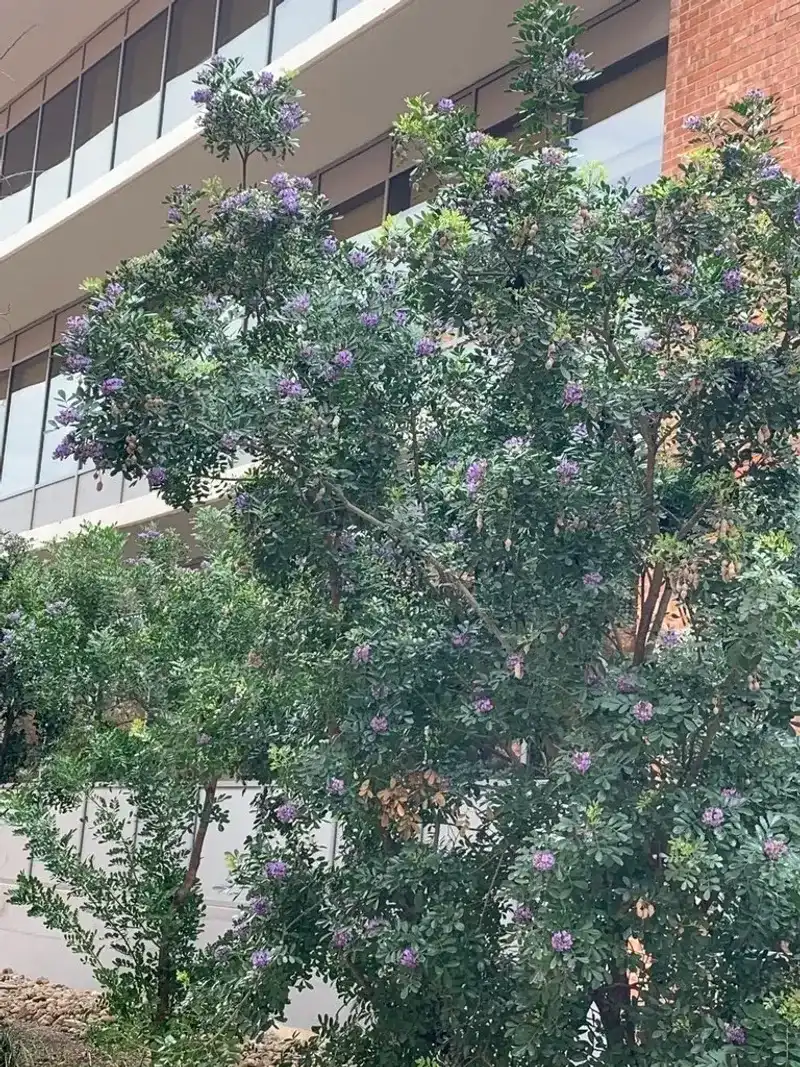
Every spring, its purple blooms smell remarkably like grape soda, and I can’t imagine a sweeter scent in a desert yard. That charm comes with a catch, because the bright red seeds inside the silvery pods are seriously toxic.
The seeds contain cytisine and related alkaloids, and chewing them can cause vomiting, tremors, or even seizures. Their hard coat often lets swallowed seeds pass through intact, but crushed or chewed seeds are a different story.
Honestly, the tree earns its popularity, handling reflected heat and rocky alkaline soil with remarkable ease once established. It grows slowly into a small evergreen tree, and bees and hummingbirds visit the flowers in late winter.
By October, many seed pods have matured and may already be splitting on the branches above your patio. Clip the pods now and toss them, especially where kids play, since the shiny seeds look like candy.
You may also spot chewed leaves from genista caterpillars, a common pest that can strip foliage during warm months. Hand-picking or a targeted Bt spray handles them well, and the tree usually bounces back with fresh growth.
7. Sago Palm

Despite its name, the sago palm is a cycad, an ancient plant more closely related to conifers than palms. Dog owners need to know this one well, because sago poisoning is one of the scariest pet emergencies vets handle.
Every part contains cycasin, and the seeds carry the highest concentration, which can trigger severe liver failure in dogs. Vomiting and weakness may appear within hours, so call your vet immediately if you suspect any chewing.
Female plants produce fuzzy golden heads holding orange red seeds, and those seeds are the real danger zone. Male plants form tall cones instead, but leaves are toxic on both, so neither should be considered safe.
In the low desert, sagos prefer filtered shade, because harsh afternoon sun can scorch the stiff glossy fronds. They need well-drained soil and occasional deep watering, which makes them tidy accents near shaded entries and patios.
October is a perfect time to inspect female plants for ripening seeds and remove them before they drop. If your dog loves to chew, consider fencing off the plant or trading it for a safer shade-loving container choice.
8. Dumbcane

That old nickname, dumbcane, comes from the way a single bite can swell the mouth and make speaking difficult. I love its bold speckled leaves, yet I keep mine on a high shelf where curious paws cannot reach.
Dieffenbachia cells hold needle-shaped calcium oxalate crystals that fire into soft tissue when leaves or stems are chewed. The result is intense burning and swelling, and in rare cases the swelling can make breathing harder.
Sap rubbed into the eyes can also cause painful irritation, so wash your hands after pruning or repotting. Pets usually drool heavily or paw at their mouths, which gives you an early clue something went wrong.
Most desert households grow it indoors, though some move pots to shady patios when the weather stays warm. Cooler October nights are your cue to bring outdoor pots back inside before temperatures dip below about fifty degrees.
Indoors, it likes bright filtered light and evenly moist soil that drains well between thorough waterings. If you share space with toddlers or nibbling cats, a parlor palm offers lush leaves with far less worry.
9. Lantana
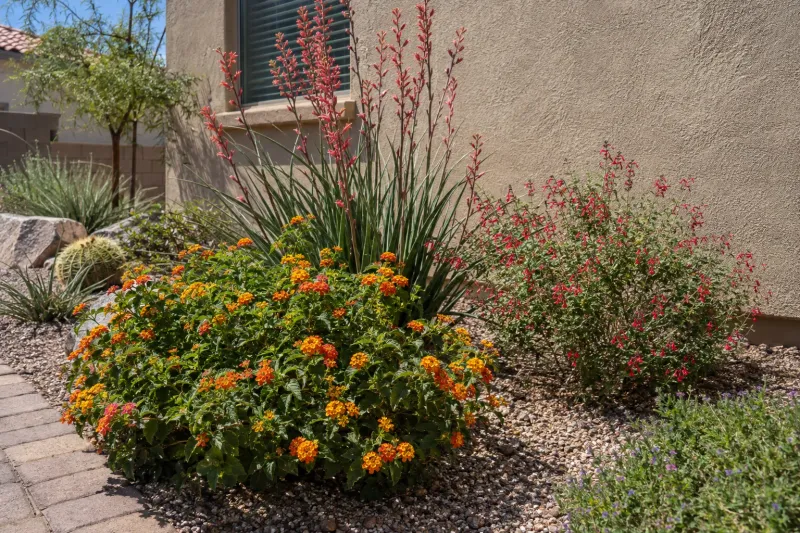
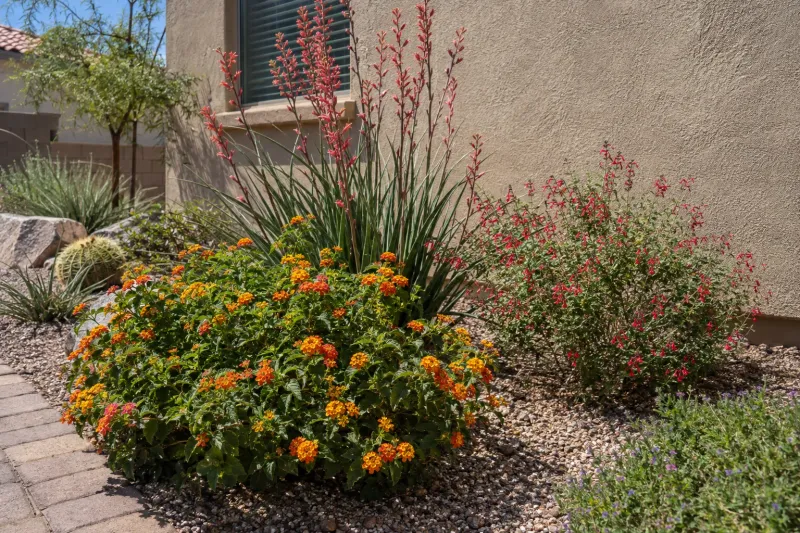
Butterflies swarm lantana all through fall, and honestly the bright multicolored clusters make it hard to resist. Behind that cheerful show, the leaves and especially the unripe green berries carry compounds that can harm pets and livestock.
The main troublemakers are pentacyclic triterpenoids, which can upset the stomach and, in larger doses, damage the liver. Grazing animals face the highest risk, although dogs and cats can also get sick after eating the berries.
Some animals develop sensitivity to sunlight after poisoning, which is rough news in a place with sunshine this intense. For most families, though, lantana remains manageable with a little awareness and a few simple habits around the yard.
Lantana thrives in full sun with minimal water once established, which explains its popularity across desert landscapes. Tip pruning or trimming off spent clusters in October reduces berry production and keeps the shrubs looking tidy.
Frost can brown the foliage in colder pockets, but plants usually regrow from the base when spring returns. Hold off on heavy pruning until after the last freeze, since leftover stems help shield the crowns from cold.