Native Arizona Plants That Thrive Along Shaded Walls And Fences
Sunny spots usually get most of the attention when people talk about Arizona landscaping. Bright flowers, colorful desert plants, and sun-loving shrubs often take center stage.
Meanwhile, the areas along walls and fences can be much harder to figure out.
They may receive only a few hours of direct sunlight, or they may stay shaded for much of the day, leaving homeowners wondering what will actually grow there.
Those spaces often end up becoming overlooked parts of the yard. A bare fence line or an empty wall can make an otherwise beautiful landscape feel unfinished.
Finding plants that are both attractive and well-suited to those conditions is often more challenging than expected.
Fortunately, shade does not have to limit your options. Many native plants have adapted to a wide range of growing conditions and can perform surprisingly well in protected areas with less direct sun.
Whether you are trying to soften a wall, fill an empty border, or add more life to a shaded corner, a number of native plants are well-equipped for the job.
1. Canyon Ragwort Tolerates Partial Shade In Desert Landscapes
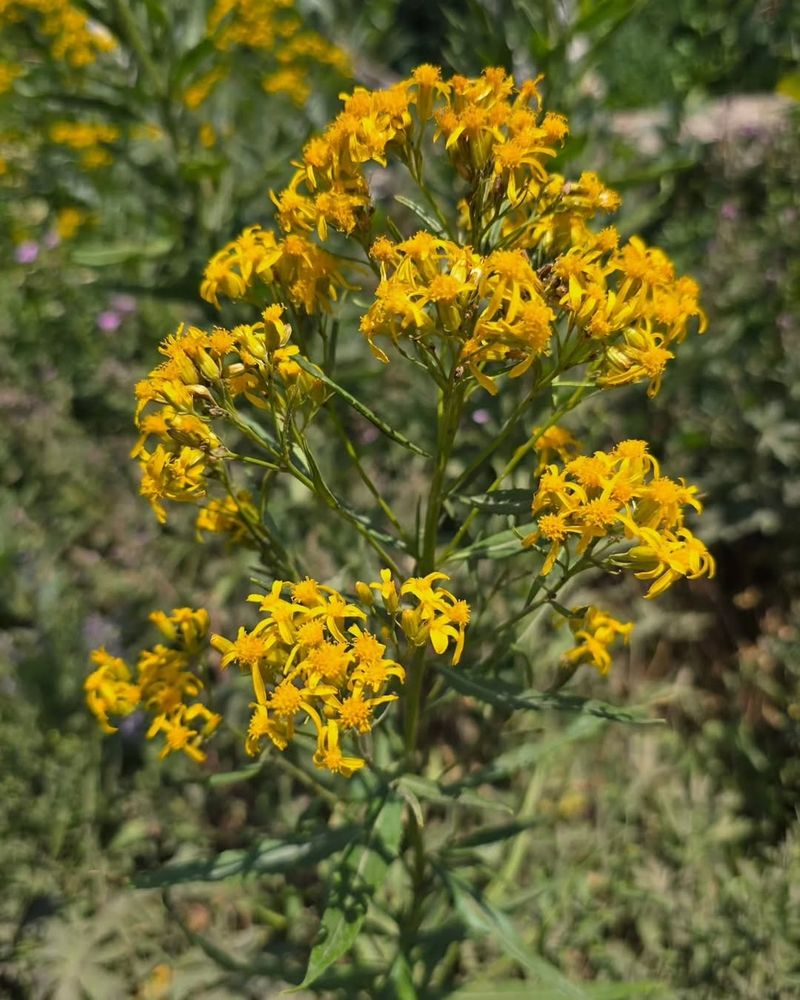
Bright yellow flowers in a shaded corner sound unlikely, but canyon ragwort pulls it off without complaint. Native to rocky slopes and canyon walls across the Southwest, it naturally grows where sunlight is filtered through larger plants or cliffs.
That background makes it a strong candidate for the shaded side of block walls and wooden fences.
Canyon ragwort blooms in late winter through spring, which is earlier than most desert plants. Yellow daisy-like flowers cluster at the tips of stems and attract native bees right when pollinators need food most.
After blooming, it settles into a low-key green mound that holds its own without much attention.
Water needs are minimal once established. A deep soak every couple of weeks during dry spells is usually enough.
Soil drainage matters more than irrigation frequency, so avoid spots where water pools after rain. Well-draining rocky or sandy soil keeps roots healthy.
Pruning after bloom keeps the plant tidy and encourages fresh growth. It spreads slowly by seed, so you may find a few seedlings nearby over time.
Spacing plants about two feet apart along a fence gives each one room to fill in naturally. Canyon ragwort stays compact, usually under two feet tall, which makes it easy to layer with taller native shrubs behind it.
2. Arizona Grape Ivy Adapts Well To Partial Shade
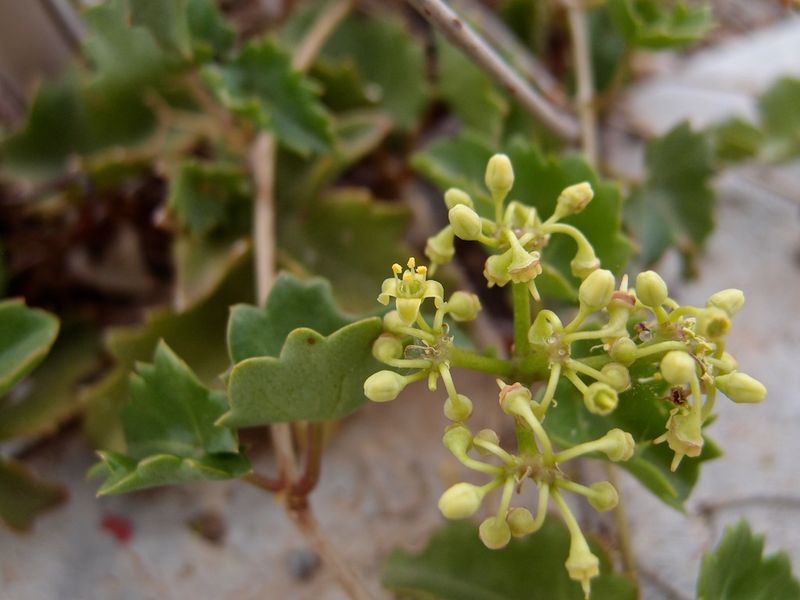
Vines that actually want shade are rare in the desert, which makes Arizona grape ivy genuinely useful.
Native to canyon drainages and rocky slopes across the region, it naturally climbs through shrubs and over boulders in spots that receive only a few hours of direct sun each day.
Along a fence or wall, it grabs hold with small tendrils and spreads steadily without becoming aggressive. Growth rate is moderate, so it fills in a fence line over a season or two rather than overwhelming nearby plants overnight.
Small clusters of dark berries appear in fall and attract birds looking for late-season food.
Your Arizona Garden Changes Every Week. Your Plan Should Too.
Gardening in Arizona changes quickly throughout the season. Every Friday you’ll receive a simple weekly plan showing exactly what to plant, prune, fertilize, harvest, and protect so you never miss the right timing.
Watering needs shift with the seasons. During the hottest months, a weekly deep soak supports healthy growth.
Once temperatures cool in fall, you can scale back to every two or three weeks. Established plants handle dry spells better than young ones, so consistent watering during the first year sets a strong foundation.
Partial shade is where this vine performs best. Full shade slows growth and reduces berry production.
Full sun in low desert areas can stress the foliage, especially during summer. A spot that gets morning light and afternoon shade hits the sweet spot.
Leaf color stays a rich green through most of the year, fading slightly in winter before rebounding with new growth in spring.
3. Chuparosa Benefits From Afternoon Shade In Hot Climates
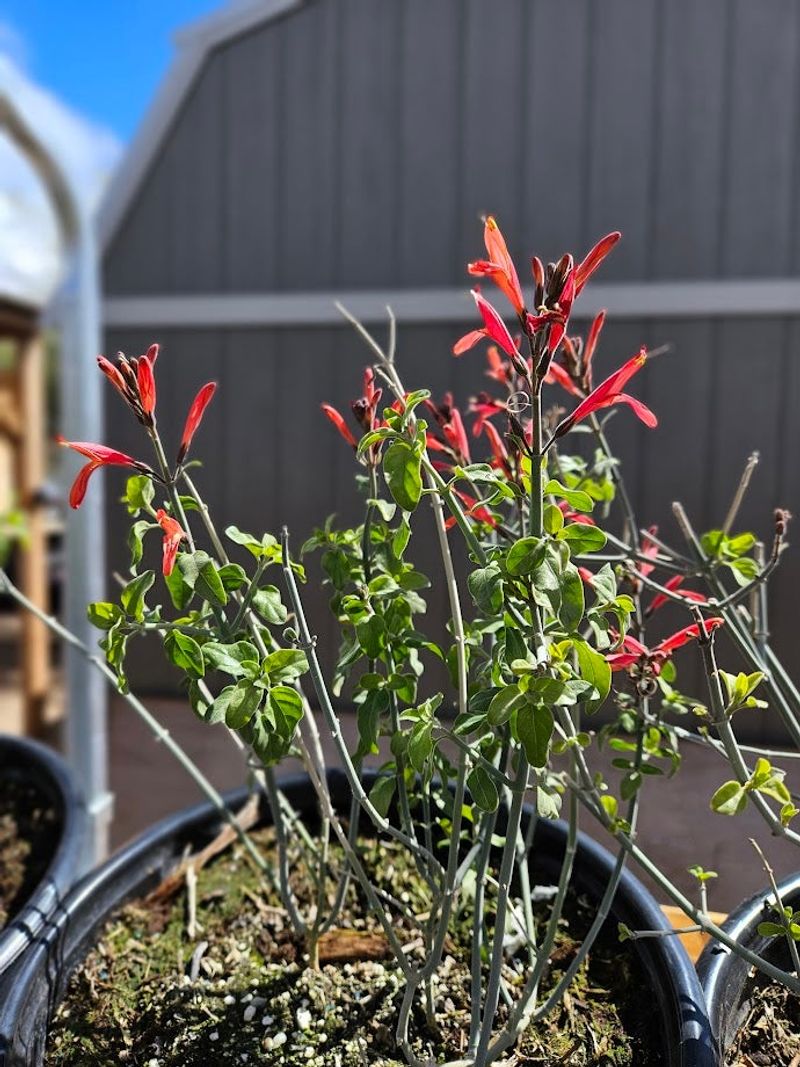
Chuparosa is a hummingbird magnet, and placing it near a shaded wall might actually improve its performance during peak summer heat.
In open desert, chuparosa handles full sun well, but in low desert areas where temperatures regularly hit triple digits, some afternoon protection reduces stress on stems and flowers.
Red tubular flowers bloom heavily in late winter and spring, then again after monsoon rains arrive in summer.
That two-season bloom cycle makes it one of the more reliable flowering shrubs for a fence or wall planting.
Leafless stems during dry periods look sparse, but the plant bounces back quickly once moisture returns.
Size stays manageable, usually three to five feet tall and wide. Near a wall, it naturally leans slightly toward available light, which can create an interesting layered look when paired with lower ground covers in front.
No staking or training needed since stems are woody enough to hold their shape.
Watering once established is straightforward.
Every ten to fourteen days during dry months keeps the plant active and blooming.
During monsoon season, skip supplemental irrigation unless rainfall is unusually low. Root rot is a risk in heavy clay soils, so amending planting areas with gravel or coarse sand helps drainage.
Native bees, butterflies, and of course hummingbirds visit regularly, making chuparosa a wildlife-friendly anchor for any shaded fence planting.
4. Arizona Rosewood Performs Well Near Walls And Boundaries
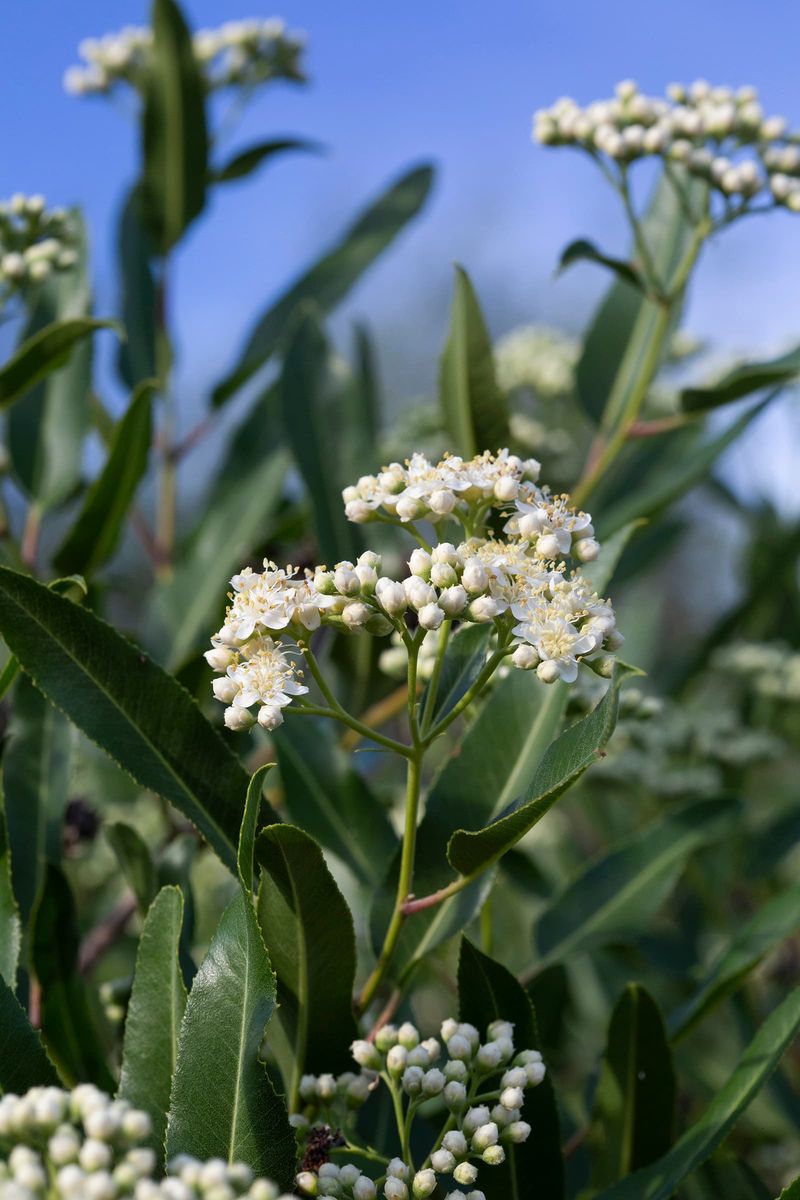
Not every plant gets talked about at the garden center, but Arizona rosewood deserves more attention.
Vauquelinia californica is a tough, upright shrub that works well as a screen or backdrop along walls and property boundaries. It stays evergreen, which means year-round structure without any gaps in coverage.
White flower clusters appear in late spring and carry a mild fragrance.
After blooming, woody seed capsules develop and stay on the plant for months, adding winter texture when other plants look bare.
Birds occasionally pick through the capsules for seeds, so wildlife activity continues even after the flowers fade.
Height can reach eight to fifteen feet over many years, making it a solid choice for taller walls or fences where you want a living screen.
Growth rate is slow to moderate, so patience pays off.
Planting in partial shade near a wall slows growth slightly compared to full sun, but the trade-off is a denser, more compact form.
Water needs are low once established, similar to other native shrubs in the region.
Monthly deep watering during dry seasons keeps the plant healthy without encouraging excessive growth. Soil type matters less than drainage, and it tolerates rocky or caliche-heavy ground reasonably well.
Minimal pruning is needed beyond removing crossing branches or shaping the lower canopy to clear pathways near a fence line.
5. Jojoba Tolerates Conditions Near Buildings And Fences
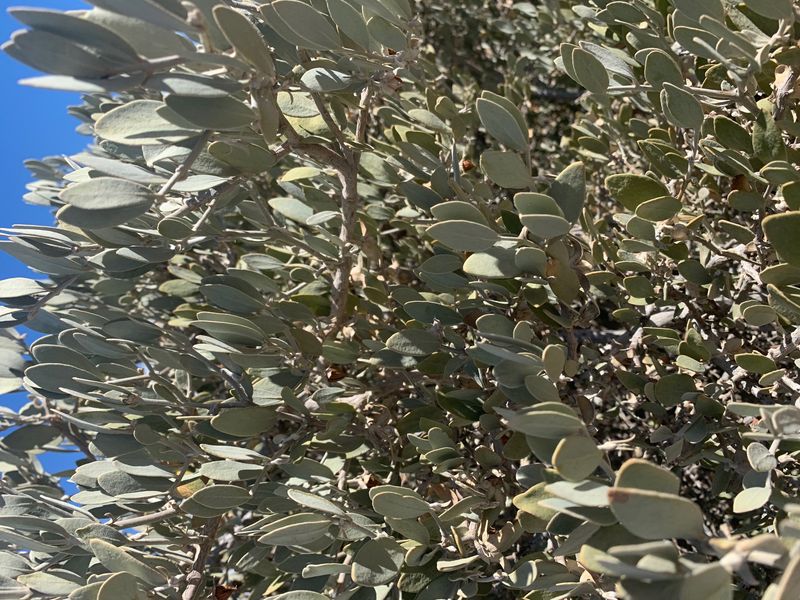
Jojoba is one of the toughest native shrubs you can plant, and it handles the microclimate near buildings and fences better than most.
Reflected heat from walls, dry soil near foundations, and irregular watering are all conditions jojoba manages without much visible stress.
That durability makes it a practical anchor plant for difficult spots.
Simmondsia chinensis grows naturally across the low and middle desert elevations of the Southwest. Leathery, blue-green leaves reduce moisture loss even during the hottest weeks of summer.
Male and female plants are separate, and only females produce the waxy seeds jojoba is known for. Planting a mix ensures seed production if that matters to you.
Height ranges from three to eight feet depending on water and soil conditions. Near a fence, it can be shaped lightly into a hedge or left to grow in its natural rounded form.
Either way, it provides solid coverage and a clean look throughout the year without dropping leaves seasonally.
Watering once established is minimal, perhaps monthly during dry stretches and less during cooler months. Overwatering is a more common problem than underwatering with jojoba.
Well-draining soil is essential, and planting on a slight slope or in a raised area near a fence helps prevent water from pooling around the base.
Wildlife, including quail and small mammals, forage for the seeds, adding unexpected activity to a fence-line planting.
6. Snapdragon Vine Brings Color To Lightly Shaded Spaces
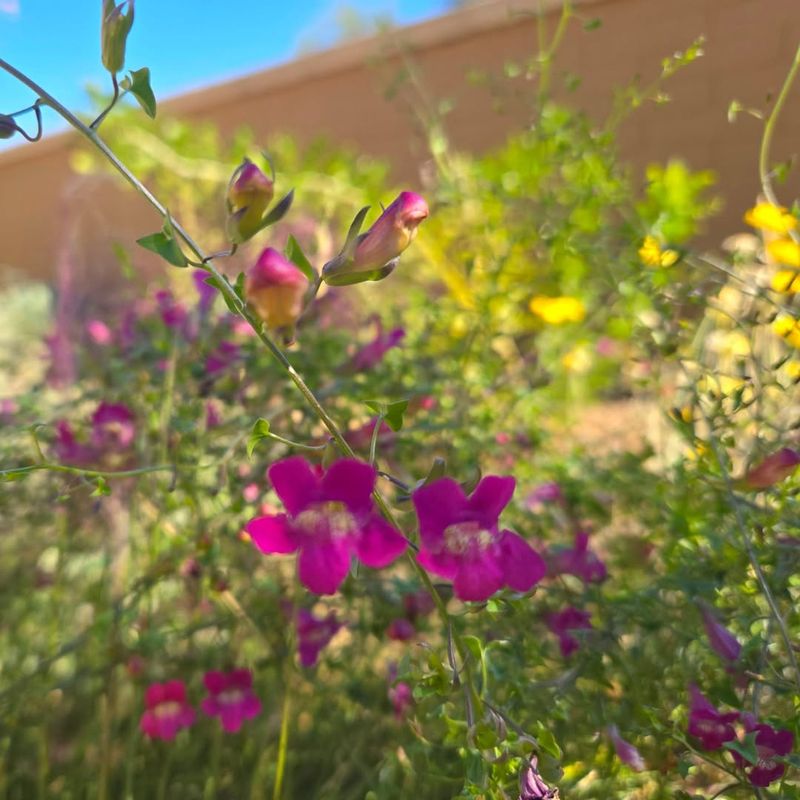
Snapdragon vine is one of those plants that surprises people every time it blooms.
Maurandella antirrhiniflora produces tiny snapdragon-shaped flowers in shades of purple, pink, or red, and it threads itself through fence slats and wire with slender twining stems that barely seem strong enough to hold all that color.
Native to rocky desert slopes and canyon edges, it naturally grows through shrubs and over low walls where light is filtered rather than direct.
Lightly shaded spots near a fence or wall are close to its natural habitat, which explains why it performs so well in those conditions without extra coaxing.
Growth is delicate but persistent.
Stems reach six to ten feet over a season, covering a modest section of fence without overwhelming the structure. It pairs well with larger shrubs planted nearby since it uses them for support the same way it would in the wild.
No aggressive spreading or invasive tendencies to worry about.
Watering every week or so during dry periods keeps the plant actively blooming. It tolerates some drought once established but responds noticeably to consistent moisture with more flowers and fuller coverage.
Soil needs are flexible as long as drainage is decent.
Blooms appear from spring through fall, often peaking during cooler stretches in spring and after monsoon rains ease summer temperatures. Pollinators, especially small native bees, visit the flowers regularly throughout the bloom season.
7. Velvet Ash Grows Well In Areas With Partial Shade
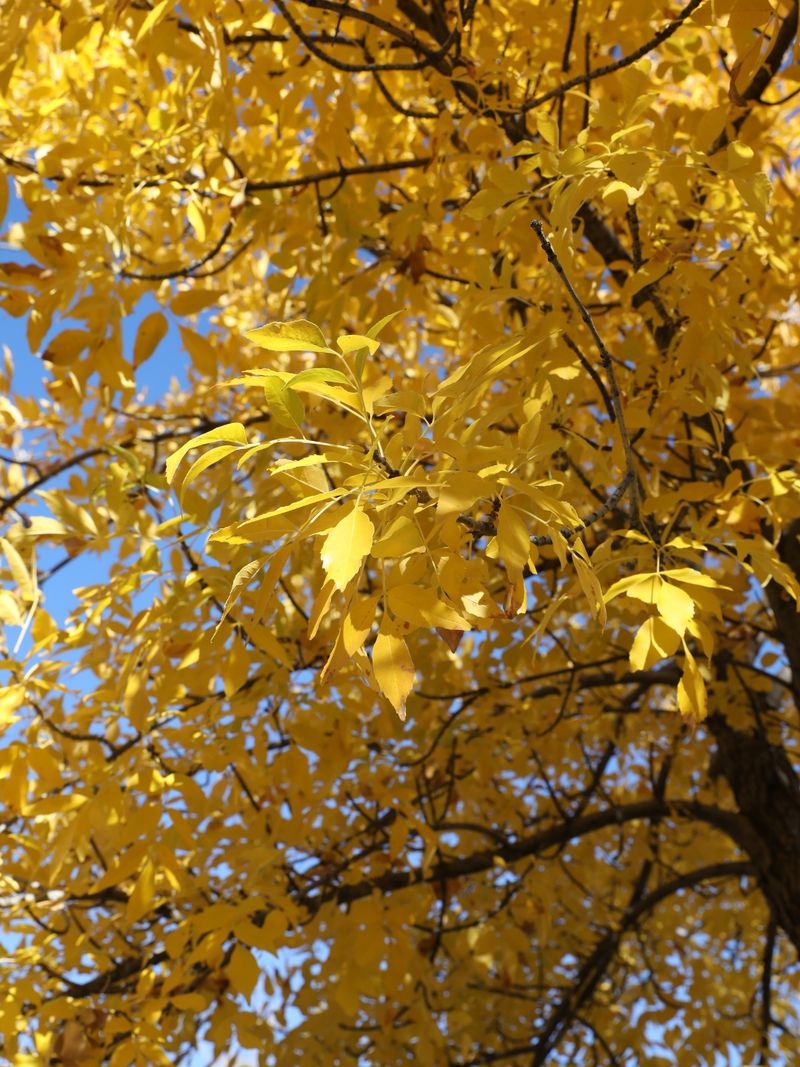
Velvet ash brings something most desert gardens lack: genuine shade and seasonal change.
Fraxinus velutina is a native deciduous tree that turns golden yellow in fall before dropping its leaves, giving the yard a rhythm that feels connected to the seasons. Near a wall or fence, it provides filtered shade for smaller plants growing underneath.
Soft, slightly fuzzy leaflets give the tree its common name. New spring growth comes in a fresh light green that deepens through summer.
Mature trees develop a broad canopy that spreads well beyond a fence line, so placement matters. Planting ten to fifteen feet away from a wall gives roots room without crowding the structure over time.
Water needs are moderate compared to most natives. During the first two years, consistent deep watering every week or two supports root establishment.
Mature trees handle dry periods better, though they benefit from monthly deep soaks during summer in low desert areas.
Leaf drop in late fall signals dormancy, and watering can be reduced significantly through winter.
Height at maturity ranges from twenty to forty feet, making velvet ash a long-term investment rather than a quick fix. Growth rate is moderate, adding a few feet per year under good conditions.
Partial shade near a north-facing wall suits it well in hotter areas since it reduces afternoon stress during peak summer months. Birds nest in the canopy and forage for insects among the branches throughout the year.
8. Desert Honeysuckle Adds Color To Partly Shaded Areas
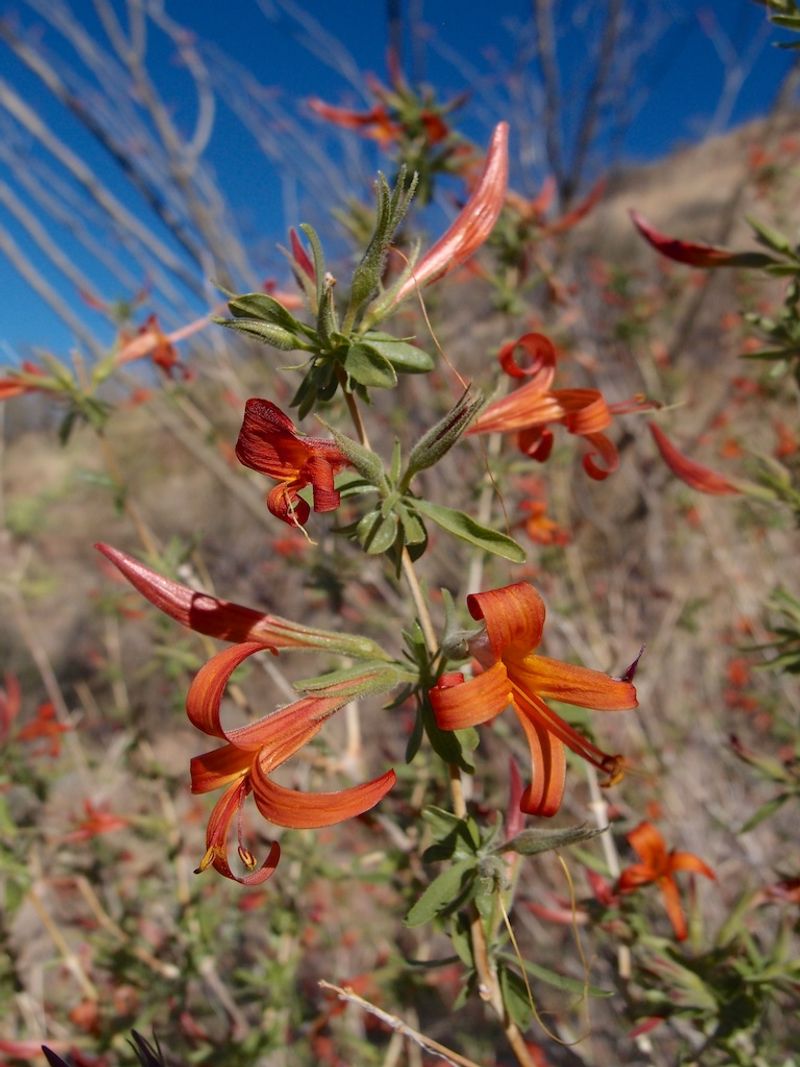
Few native shrubs put on a color show quite like desert honeysuckle.
Clusters of tubular flowers in shades of orange and red appear from spring through fall, and hummingbirds track them down like clockwork.
Along a shaded wall, the blooms practically glow against the neutral tones of stone or stucco.
Anisacanthus thurberi, its botanical name, grows naturally in rocky desert washes and canyon edges where afternoon shade is part of the deal.
It handles partial shade without losing much flower production, which sets it apart from many other flowering natives that sulk without full sun.
Height ranges from three to five feet depending on water and soil conditions.
Near a wall, it tends to stay a bit more upright and can be shaped lightly after a bloom cycle to keep it tidy. Hard pruning in late winter encourages a flush of new stems and better flowering through the season.
Water requirements are low once the plant is established, typically after its first full growing season.
During summer monsoon months, natural rainfall often covers most of its needs in areas that receive average precipitation. Supplemental irrigation every ten to fourteen days during dry stretches keeps it looking its best.
Sandy or loamy soil with good drainage works well, and it tolerates caliche layers better than many plants.