7 Things Arizona Homeowners Should Know Before Moving a Saguaro
A single cactus in your yard can need its own state tag, almost like a license plate for a plant. That tag comes from Arizona officials, and the giant wearing it may have stood for a century or more.
These desert giants grow painfully slowly, sometimes adding only an inch or two in their first decade. Their pleated skin swells with stored water after rain, which turns a mature one into a surprisingly heavy load.
I have to admit, my first thought about moving one was a shovel and a free Saturday afternoon. You might feel that same pull when a new pool suddenly puts your prickly neighbor in the way.
October brings cooler air across Arizona, yet the soil still holds enough warmth to tempt plenty of homeowners. So what should you know before that towering green neighbor leaves the spot it has claimed for generations?
1. Saguaro Permits And Native Plant Law Come First
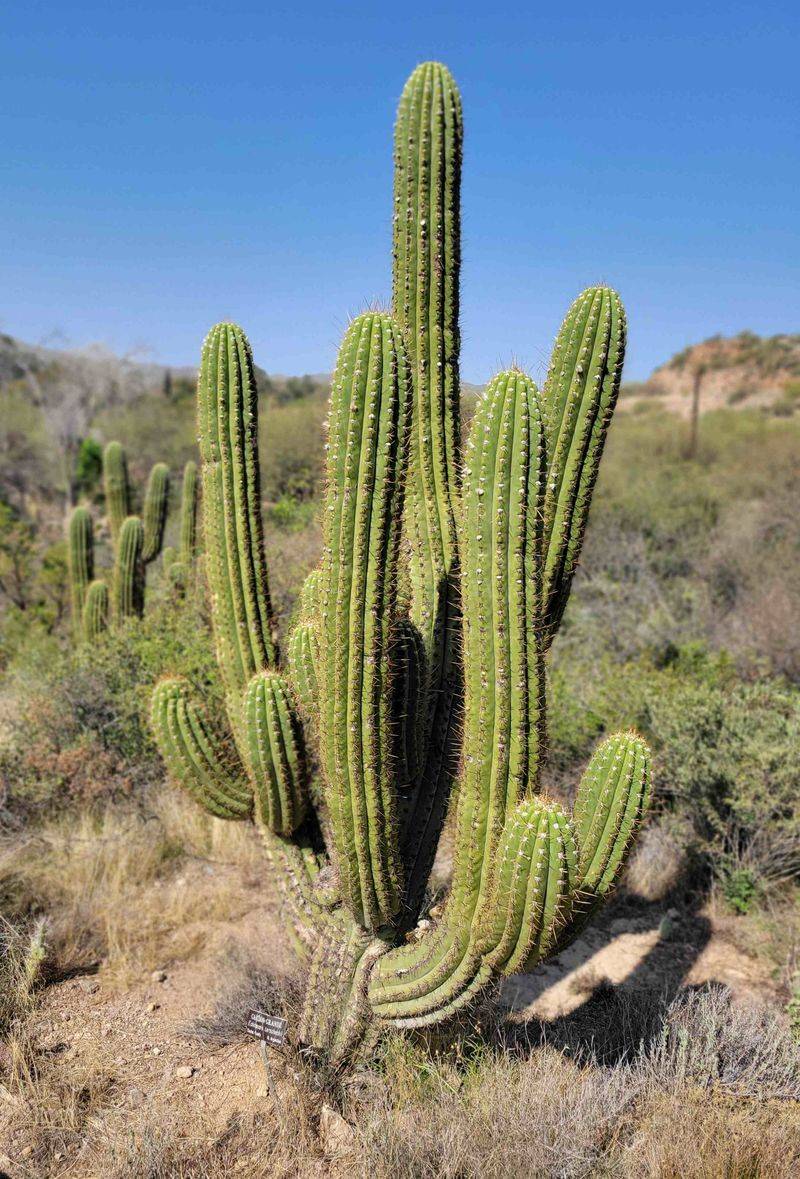
Few backyard plants carry legal paperwork, but a saguaro ranks among the most protected natives around. I love that our desert icons earn that kind of respect even inside a private yard.
The Arizona Native Plant Law is enforced by the Department of Agriculture, which oversees saguaro removal and transport. Landowners generally must file a notice of intent with the agency before removing protected plants from their property.
If your cactus is leaving for another address, it typically needs official permits and a special saguaro tag. Those tags travel with the plant and show buyers and inspectors that it was moved through legal channels.
Shifting a saguaro to a new spot on the same property usually skips the state permit process. City rules can still apply, and towns such as Scottsdale have their own native plant ordinances worth checking.
Personally, I would call the city planning office and my HOA before anyone touches a shovel or crane. A quick phone call costs nothing, while fines or a seized plant can sting far longer than spines.
Keep copies of every permit and email in one folder, since future buyers may ask about the cactus. Rules can change, so confirm current requirements with the agency instead of relying on old advice.
2. Warm Soil Makes October A Smart Saguaro Moving Window
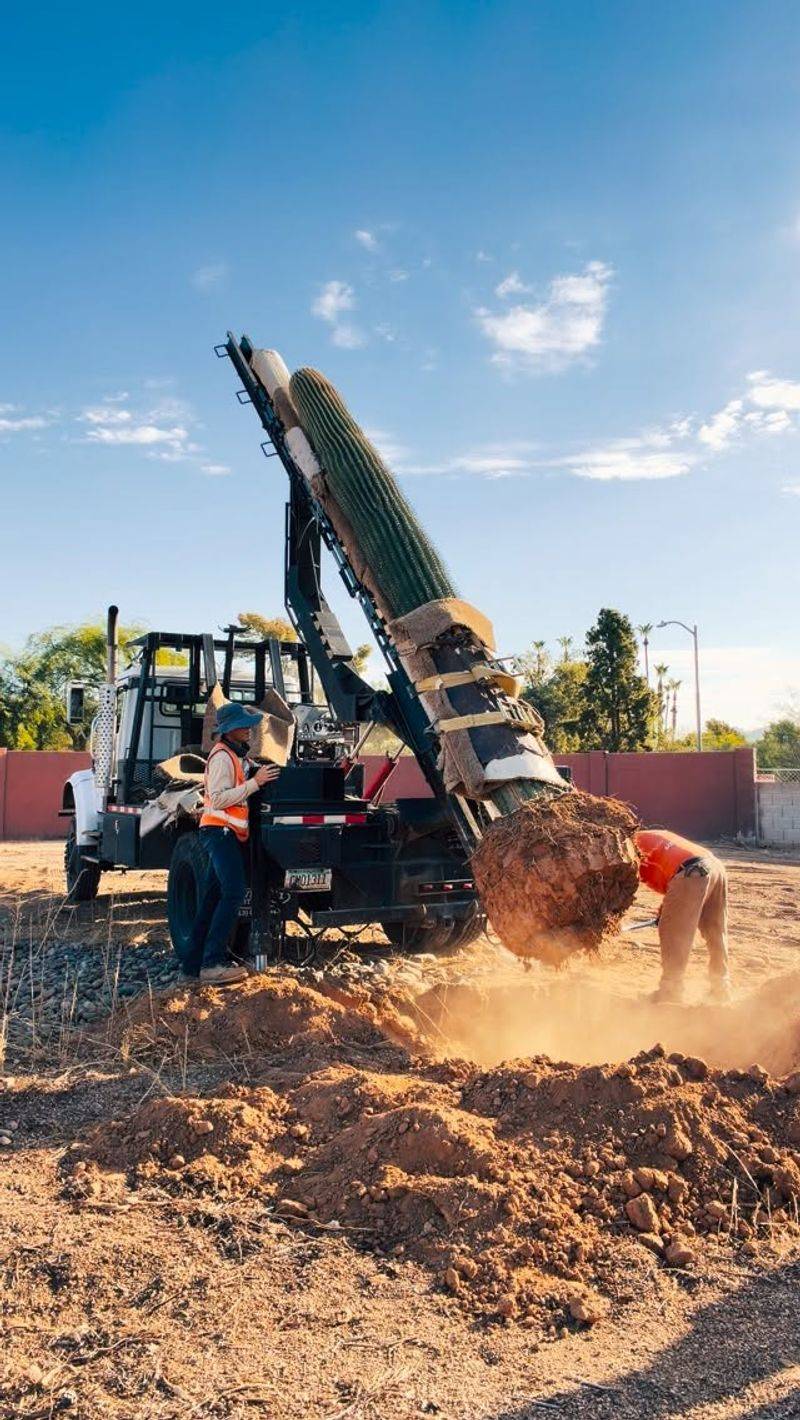
Saguaro roots heal best when the ground feels warm under your palm, not chilly like a winter morning. Warm soil encourages fresh root growth, and that new growth anchors a moved cactus far sooner.
University of Arizona experts generally favor late spring and early summer for transplanting, before the monsoon rains arrive. Early fall can work too in the low desert, since October soil often keeps much of summer’s heat.
I like how October gives you a gentler window, with fewer scorching afternoons and soil that feels toasty. Move early in the month, though, so the roots get several warm weeks before nights turn cold.
Cooler foothill towns at higher elevations chill quickly, so their homeowners may prefer waiting for late spring. Cold soggy soil around fresh root cuts invites rot, which is the last thing a stressed cactus needs.
Watch the forecast closely and skip any week with heavy storms or a sudden cold snap on the way. Many professional movers also like warm nights, roughly in the sixties, when scheduling a big relocation.
Personally, I treat the calendar like a recipe ingredient, because the right timing quietly does half the work. Plan your October move now, and your saguaro gets a calmer start than a rushed summer job.
3. Mark The Sunny Side Before Moving Your Saguaro
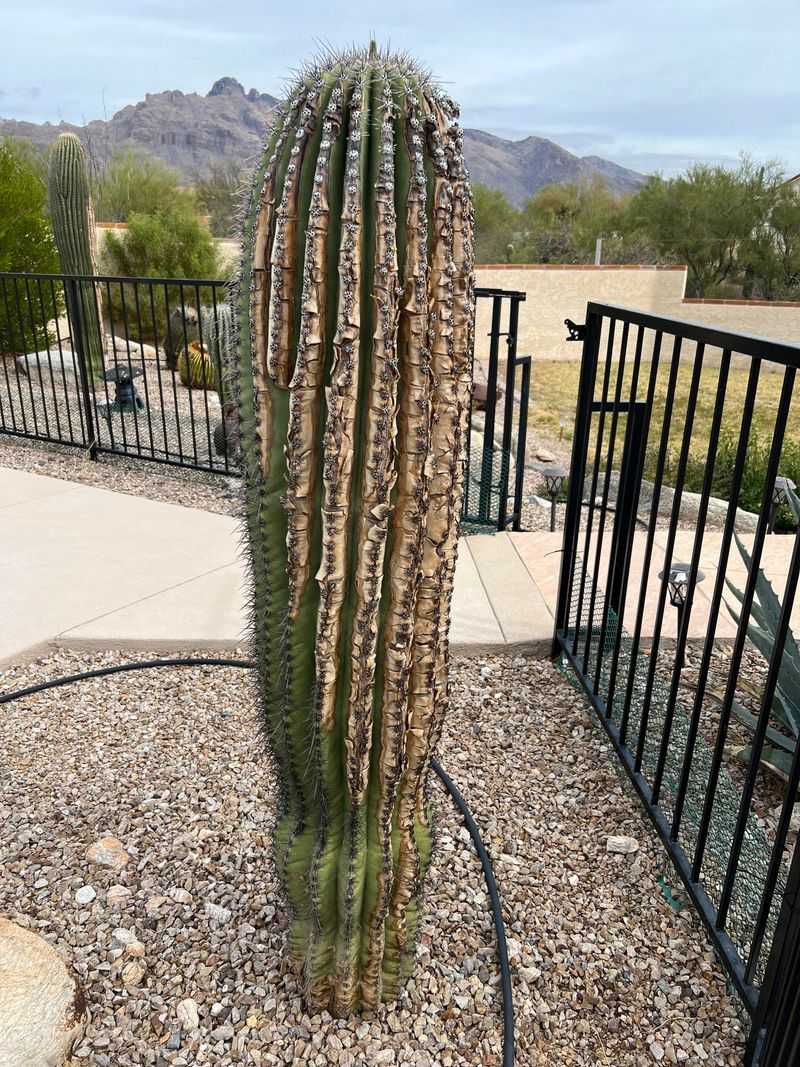
Decades of desert light have trained every side of a saguaro to handle a very specific amount of sun. The south face grows tough and sun-hardened, while the north side stays softer and far more tender.
Spin that cactus around in its new home, and the shy north skin suddenly faces blazing afternoon rays. Sunburn shows up as yellow or pale patches that can scar the plant and weaken it for years.
You need to mark the south side before digging, using paint or a strip of tape. Many pros mark the north face instead, and either approach works as long as the mark stays visible.
I also snap a few phone photos from every angle, which helps settle any arguments later. Helpers get tired and distracted, so a clear mark keeps everyone lined up when the cactus goes down.
Pay attention to the old site too, since a cactus raised in shade may lack sun tolerance. Moving it into full western exposure can shock its skin even when the orientation matches perfectly.
What surprises me most is how a simple paint mark can protect a plant that took decades to grow. Lining it up correctly costs a few extra minutes, and the payoff shows in healthy green skin.
4. Shallow Saguaro Roots Spread Wider Than You Expect
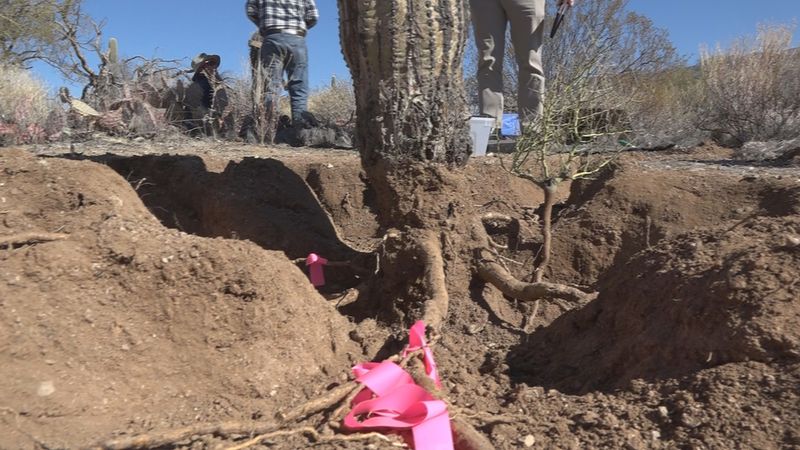
Underneath that towering trunk hides a root system acting more like a wide net than a deep anchor. Most saguaro roots sit just a few inches below the surface, perfectly placed to grab quick desert rains.
Those lateral roots can stretch outward roughly as far as the cactus is tall, sometimes even farther. A single taproot usually reaches only about two or three feet down, which surprises plenty of first-time diggers.
Start digging at least a foot from the trunk on small plants, and work gently with hand tools. You want to save as many lateral roots as possible, because every lost root reduces its water supply.
Trim torn or ragged ends cleanly with sharp, sanitized pruners so the wounds can seal properly. Many experts suggest letting cut roots dry in shade for several days before the cactus returns to soil.
I have to admit, when I first saw those shallow roots, I wondered how the giant stayed upright. That wide spread is the answer, and it explains why careless digging leaves a moved cactus wobbly.
Replant at the same depth it grew before, using the native soil you removed without fancy amendments. Buried too deep, the trunk stays damp against moist soil, and that slow soaking can trigger rot.
5. Heavy Saguaro Trunks Need Professional Lifting Gear
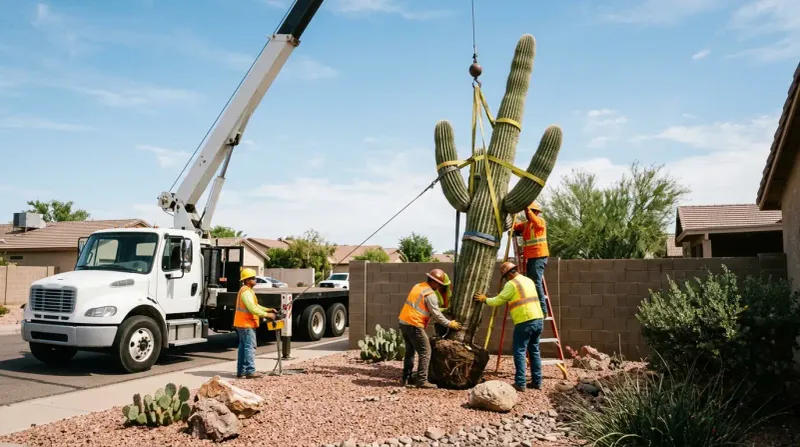
A mature saguaro can soak up hundreds of gallons after a good rain, which adds serious weight. Large specimens can weigh well over a ton, so moving one feels closer to hauling a car.
Surprisingly, all that bulk rests on a fairly delicate inner structure of woody ribs and soft, watery tissue. Lay a big one down carelessly, and its own weight can bruise or crush tissue that later rots.
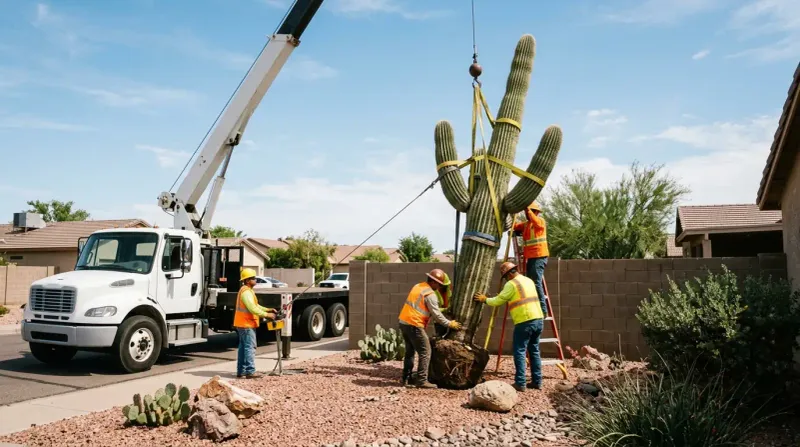
Professional movers wrap trunks in thick padding and lift with wide slings that spread the load evenly. Larger plants often get boxed with soil around the roots, then hoisted carefully by crane onto a truck.
I can’t imagine wrestling a fifteen-foot saguaro with a borrowed dolly and a couple of brave neighbors. Spines aside, a falling trunk can seriously injure people, which makes this job a poor weekend project.
Small saguaros, roughly knee-high or shorter, are usually manageable for careful homeowners with thick gloves and patience. Once a cactus passes about four or five feet, or grows arms, hiring experienced cactus movers makes sense.
Ask any company about their success rate and aftercare plans before signing anything or paying a deposit. Survival odds drop as saguaros get taller, so honest movers will tell you when a move is risky.
6. Woodpecker Holes And Bat Visitors Turn Saguaros Into Wildlife Hotels
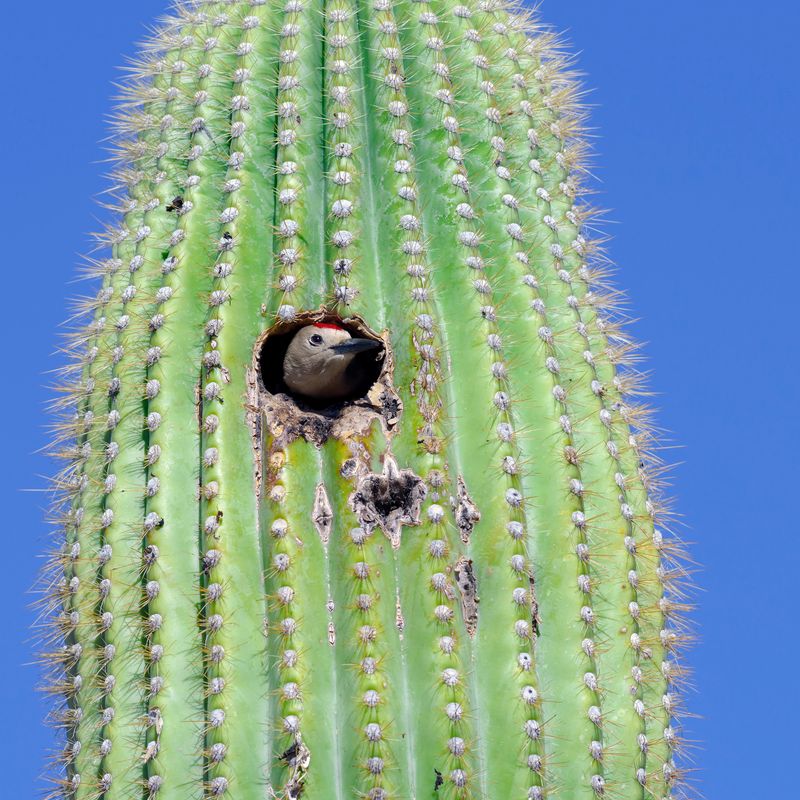
Those round holes in an older saguaro are usually front doors carved by Gila woodpeckers or gilded flickers. The cactus seals each cavity with a callus, often called a saguaro boot, that keeps the interior dry.
Once the original builders leave, tiny elf owls and purple martins may claim those snug apartments for nesting. I love how one cactus can quietly shelter several bird families over a single breeding season.
Its creamy spring blossoms also feed nectar-loving bats, including the lesser long-nosed bat, which helps pollinate the flowers. Many backyard birds drawn to saguaros also snack on insects, giving your yard some free natural pest control.
Federal law protects native birds and their active nests, so moving an occupied cactus can create legal trouble. October timing helps here, because most cavity nesters in the low desert finished raising chicks months earlier.
Still, take a slow walk around the trunk and listen for chirps or rustling before work begins. Cavities weaken the trunk a bit, so tell your movers where they sit before any slings go on.
Personally, I think a saguaro full of holes is a badge of honor for a wildlife-friendly yard. Keep it close to native shrubs after the move, and those feathered neighbors are likely to return.
7. Shade Cloth And Patient Watering Help A Moved Saguaro Settle In
The hardest part of aftercare is resisting the hose, because a thirsty-looking transplant usually wants to stay dry. Most experts suggest waiting several weeks before the first watering, giving damaged roots time to heal and callus.
Cooler fall weather slows drying, so an October transplant may need a month or more before water. After that, water deeply but rarely, and let the soil dry out fully between each soaking.
Supplemental watering through the warm months often continues for a few years while new roots spread outward. I believe a simple calendar reminder beats guessing, especially when monsoon storms already handle some of the work.
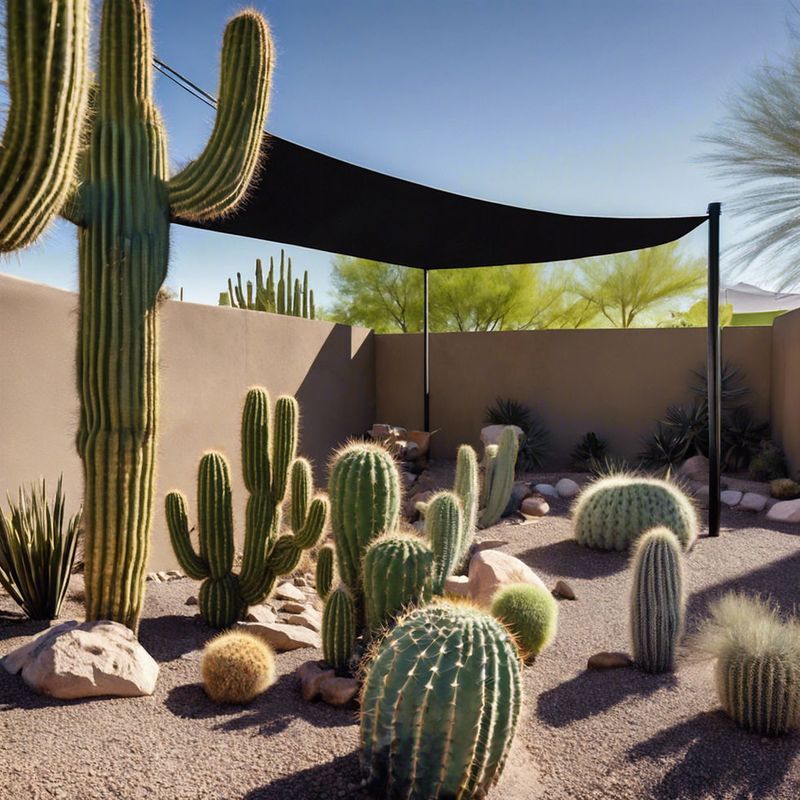
Shade cloth rated thirty to fifty percent protects tender skin while the plant adjusts to its new home. An October move gives you time to install it before next summer’s harsh afternoon sun returns.
Tall or multi-armed saguaros may need temporary bracing for a couple of growing seasons until the roots grip firmly. Pad every contact point carefully, because rough straps can rub wounds into skin that heals very slowly.
Watch for oozing black spots or soft patches, since those can signal bacterial necrosis or other rot problems. Catch trouble early with help from a cactus-savvy arborist, and your desert giant can settle in for decades.