Roadrunners Patrol Arizona Yards For Scorpions — Here’s How To Bring Them In
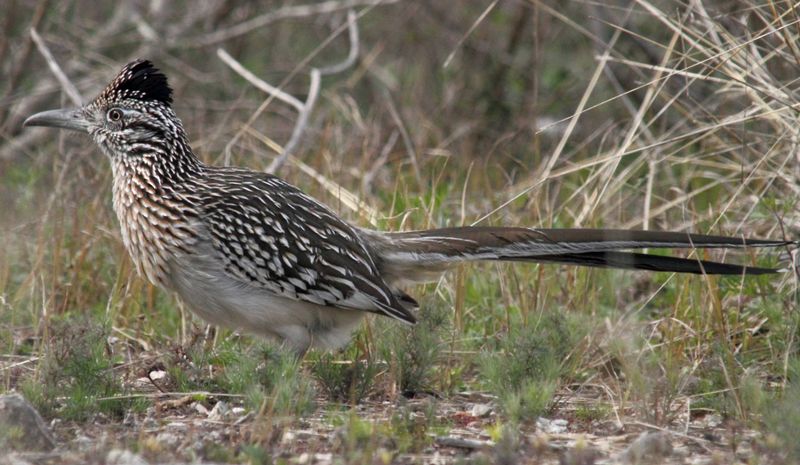
Spotting a Greater Roadrunner sprinting across a Tucson or Phoenix yard feels like a small desert miracle. These birds do eat scorpions, which is exactly why so many Arizona homeowners wonder whether a resident roadrunner could lighten their scorpion load.
The honest answer is more complicated than the idea suggests, and getting it right can actually help you do two useful things at once: support a remarkable native bird and make your home less hospitable to scorpions.
Roadrunners eat scorpions, but they do not replace scorpion prevention
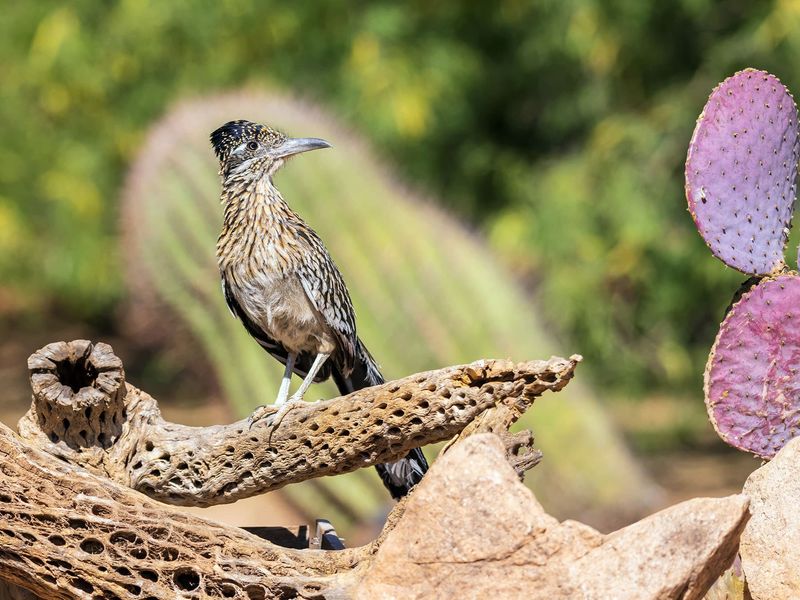
Greater Roadrunners really do eat scorpions. The Arizona-Sonora Desert Museum’s Greater Roadrunner fact sheet lists scorpions alongside insects, lizards, snakes, rodents, spiders, centipedes, and other birds as part of the bird’s wide-ranging, opportunistic diet.
Scorpions are one item on a long menu, not the bird’s main target.
What the reviewed research does not show is any reliable reduction in scorpion numbers around a particular home because a roadrunner passed through. Scientists have documented what roadrunners eat and which habitats they prefer, but that dietary record does not translate into a measurable pest-control effect on a residential lot.
A roadrunner may hunt across your yard on a Tuesday and never return for a month.
That distinction matters for how you plan your yard. Habitat improvements can make occasional visits more likely, and a visiting bird may snap up a scorpion or two.
Preventing scorpions from entering your home, though, depends on physical barriers, debris removal, and routine inspections rather than on whether a roadrunner decides to show up. Think of any scorpion the bird eats as a welcome side effect, not a service you can count on.
Create the kind of connected desert habitat roadrunners use
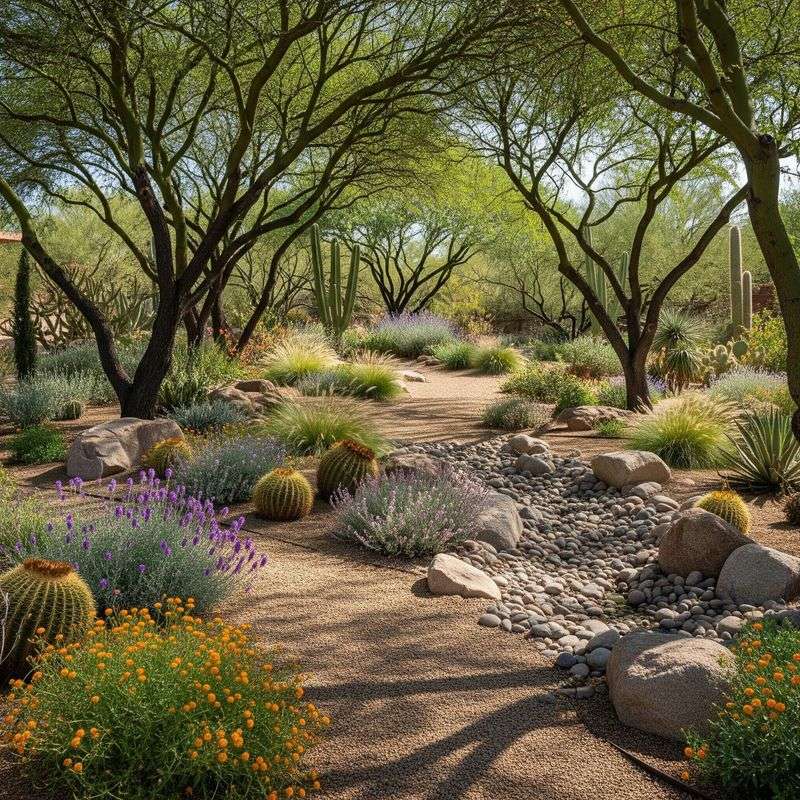
Roadrunners do not treat a single potted saguaro as a destination. According to Tucson Audubon’s Greater Roadrunner habitat guide, these birds need patches of native desert plants and trees, dense thorny cover for nesting, open dirt for foraging, leaf litter, and a functioning insect-and-lizard food web.
A single manicured lot surrounded by turf grass and gravel is unlikely to draw one in.
Research on urban and suburban roadrunner distribution in Arizona suggests the birds are more common along desert edges and in areas where multiple wildlife-friendly properties sit next to each other. A neighborhood where several adjacent yards share native plantings, open ground, and minimal pesticide use offers far more usable habitat than one isolated lot.
If you live in a Phoenix or Tucson neighborhood where a few neighbors are already planting natives, coordinating even loosely can make a real difference.
Open bare ground is as important as the plants themselves. Roadrunners forage on foot and need clear sightlines to spot prey.
A mix of dense shrub cover for shelter and open dirt or gravel for hunting mimics the desert-edge conditions the bird naturally prefers. Removing non-native grass and replacing it with native groundcover or decomposed granite moves a yard meaningfully closer to that target.
Use native plants and varied ground structure instead of one magic tree
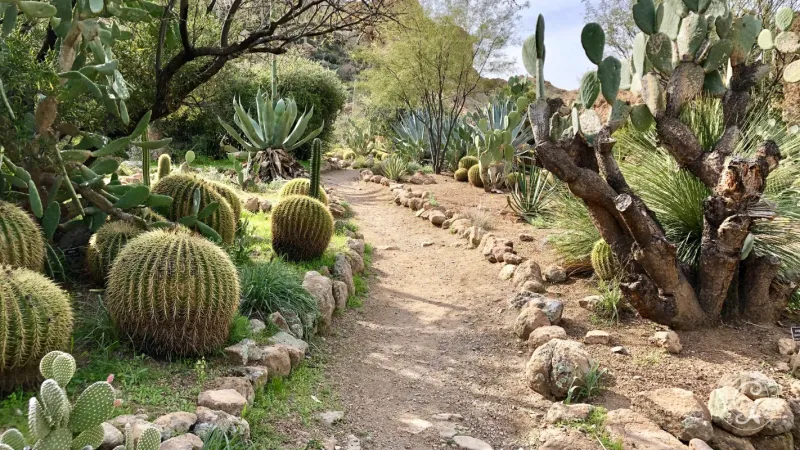
No single plant species guarantees a roadrunner will move into your yard. What the bird responds to is a combination of cover, structure, and prey, so the goal is building a layered mix rather than hunting for one magic tree.
Your Arizona Garden Changes Every Week. Your Plan Should Too.
Gardening in Arizona changes quickly throughout the season. Every Friday you’ll receive a simple weekly plan showing exactly what to plant, prune, fertilize, harvest, and protect so you never miss the right timing.
Tucson Audubon’s habitat guide specifically mentions desert hackberry, cholla, ironwood, creosote bush, prickly pear, and graythorn as plants that provide the dense thorny cover and wildlife value roadrunners need.
Mesquite and palo verde can also contribute shade and structure. University of Arizona Cooperative Extension identifies both as drought-tolerant desert landscape trees with real wildlife value, but neither is maintenance-free.
Mesquite in particular can require more irrigation than palo verde or ironwood in certain landscape situations, and its canopy spreads wide at maturity. Before planting any large tree, check the mature size, root behavior, thorns, fire-clearance requirements, and how much supplemental water it will actually need in your specific soil.
Drainage and soil type shape what will thrive on your lot. Low-desert Phoenix and Tucson soils are often alkaline and may contain caliche layers that block root growth and hold water in ways that stress some species.
Mixing tree and shrub cover with open patches of bare ground, decomposed granite, and natural rock creates the varied ground structure that supports lizards and insects, which in turn supports the food web a roadrunner depends on. Aim for variety across layers rather than density in just one spot.
Protect the prey base while weighing the wildlife tradeoffs
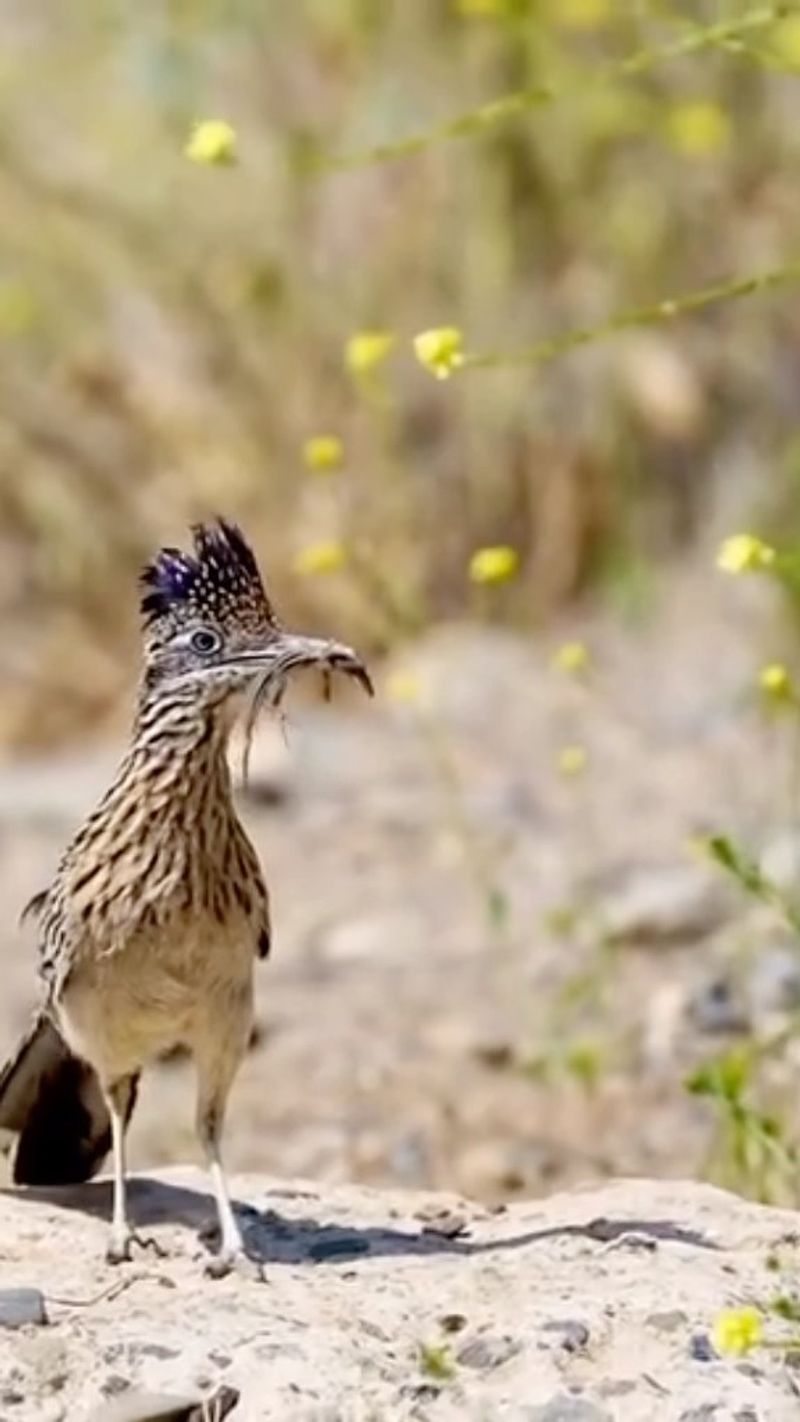
Insects and lizards are not yard pests in a roadrunner habitat; they are the food web that makes the habitat worth visiting. Tucson Audubon explicitly recommends avoiding insecticides when creating roadrunner-friendly spaces, and the reason is straightforward: spray the insects, and you remove a key part of what draws the bird in.
Pesticides can also move up the food chain, exposing lizards, snakes, and birds to chemicals through the prey they eat.
Cats are a separate and serious concern. An outdoor cat can clear a yard of lizards, skinks, and small snakes faster than almost any other factor, which undercuts the food web you are trying to build.
Keeping cats indoors or using a secure outdoor enclosure protects both the prey base and the cats themselves from desert hazards.
Roadrunners are generalist predators, and that cuts both ways. The same bird that eats a scorpion may also take a lizard you were hoping to keep, raid a nest box, or pick off a songbird at a feeder.
Cornell Lab of Ornithology notes that roadrunners are capable of taking birds from backyard feeders or nest boxes. If you maintain nest boxes for cavity-nesting birds or keep a feeder for finches and doves, a resident roadrunner may occasionally create conflict.
Knowing that tradeoff in advance lets you decide whether the overall habitat design fits what you want from your yard.
Separate wildlife habitat from the home’s safety zone
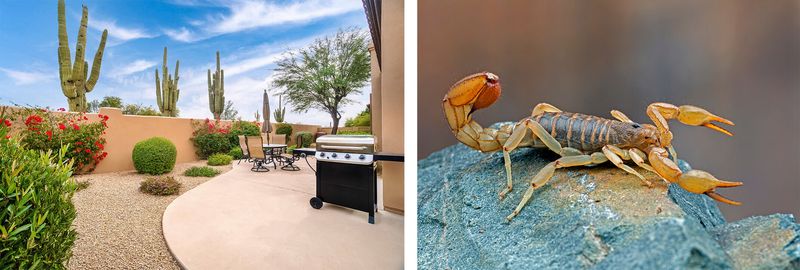
Physical separation between wildlife habitat and your living spaces is the design rule that holds the whole plan together. Brush piles, rock features, leaf litter, stacked wood, and dense vegetation can shelter the insects and lizards that support roadrunners, but those same structures also give scorpions excellent hiding spots.
Place any habitat elements well away from foundations, exterior doors, patios, bedroom walls, and play areas.
University of Arizona Cooperative Extension’s scorpion guidance is direct: move loose boards, woodpiles, rocks, and debris away from the home, and remove vegetation that creates hiding places next to structures. That advice and the roadrunner habitat plan are not in conflict as long as you treat them as two separate zones.
The habitat zone can be toward the back or perimeter of the property; the safety buffer around the house stays clear.
Inside that safety buffer, focus on the measures that actually reduce indoor scorpion encounters. Install tight door sweeps and weather-stripping on every exterior door.
Screen attic vents, weep holes, and any gap where pipes or conduit enter the wall. Trim tree branches and shrubs so they do not touch the roofline or walls, since Arizona bark scorpions climb and can use branches as a bridge.
Check shoes, towels, and clothing left on the floor before putting them on, particularly during warm months when scorpion activity peaks. These steps address the entry points that let scorpions move from the yard into the home.
Plant in the documented low-desert window and match the site
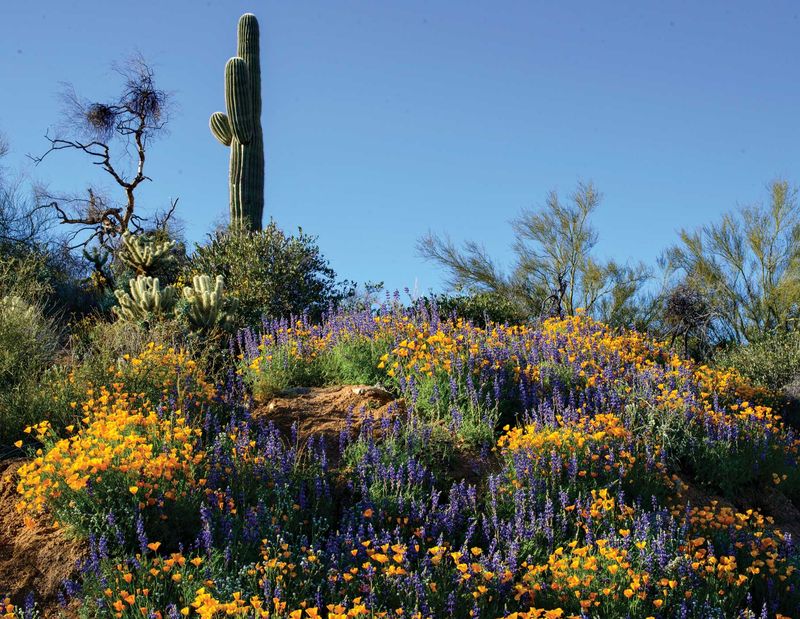
Timing a planting in the low desert around the calendar rhythms of Chicago or Atlanta is a reliable way to lose plants. For Pima County and the broader Tucson metro area, University of Arizona Cooperative Extension’s October gardening guide for Pima County recommends planting trees and shrubs early in October.
Roots established through fall and winter have months to spread before the following summer’s heat arrives, which dramatically improves survival rates for native species.
Phoenix-area gardeners generally follow a similar fall planting logic, though the specific timing can shift by a few weeks depending on whether monsoon moisture has lingered and how quickly overnight temperatures drop. The core principle holds across the low desert: fall planting gives woody plants the best start.
Low-desert advice does not transfer automatically to higher elevations. Flagstaff, Prescott, and other communities above roughly 4,500 feet face hard frosts, shorter growing seasons, and different soil conditions that require entirely different plant palettes and planting windows.
Even within the Phoenix and Tucson metros, elevation changes, cold air drainage into low spots, caliche layers that impede drainage, and microclimates along walls or under shade structures can change what thrives on a specific lot. Before you plant, check your soil for caliche, confirm drainage, and choose species rated for your local frost exposure rather than defaulting to what worked for a neighbor across town.
Treat a roadrunner visit as a bonus, not a pest-control result
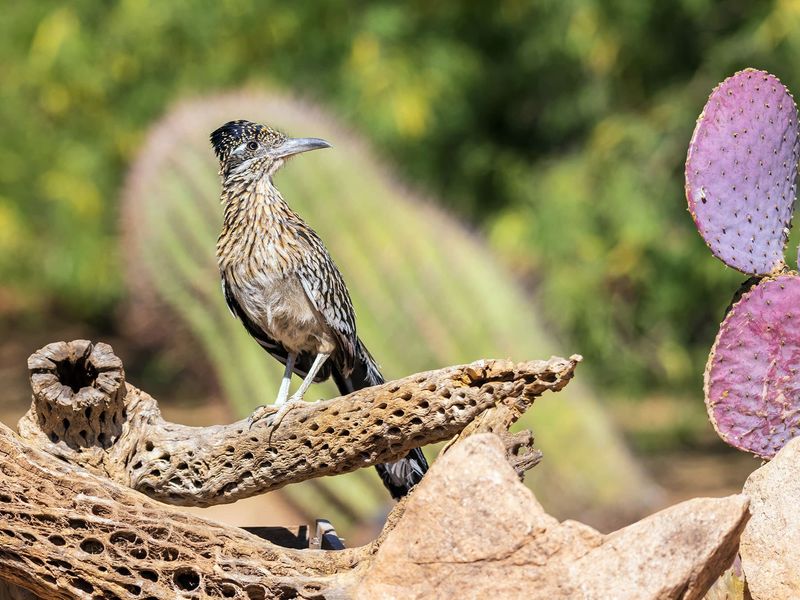
Building a native, pesticide-free habitat zone is genuinely worthwhile for its own sake. A yard with ironwood, desert hackberry, cholla, open ground, and a healthy lizard population supports roadrunners, cactus wrens, Gambel’s quail, pollinators, and dozens of other Sonoran Desert species.
That ecological value does not depend on whether a roadrunner ever shows up.
What the habitat zone cannot do is replace the safety buffer around your home. Keep brush, rock piles, and dense vegetation set back from foundations and entry points, and maintain the exclusion practices described earlier: tight door sweeps, screened openings, trimmed branches, and routine checks of shoes and gear.
Those measures address indoor scorpion encounters in ways that no visiting predator can match.
Greater Roadrunners are protected under the Migratory Bird Treaty Act, which means capturing, possessing, transporting, or intentionally harming them or their nests is a federal offense. Do not attempt to bait roadrunners with meat, live insects, live scorpions, or any other food to encourage them to stay.
Habitat is the appropriate invitation. If a roadrunner does pass through your yard and happens to eat a scorpion along the way, that is a genuine desert moment worth appreciating.
The scorpion it missed, though, is still your responsibility to keep out of the house.