Eastern Bluebirds In Georgia Start Looking For Winter Roosting Spots Before December
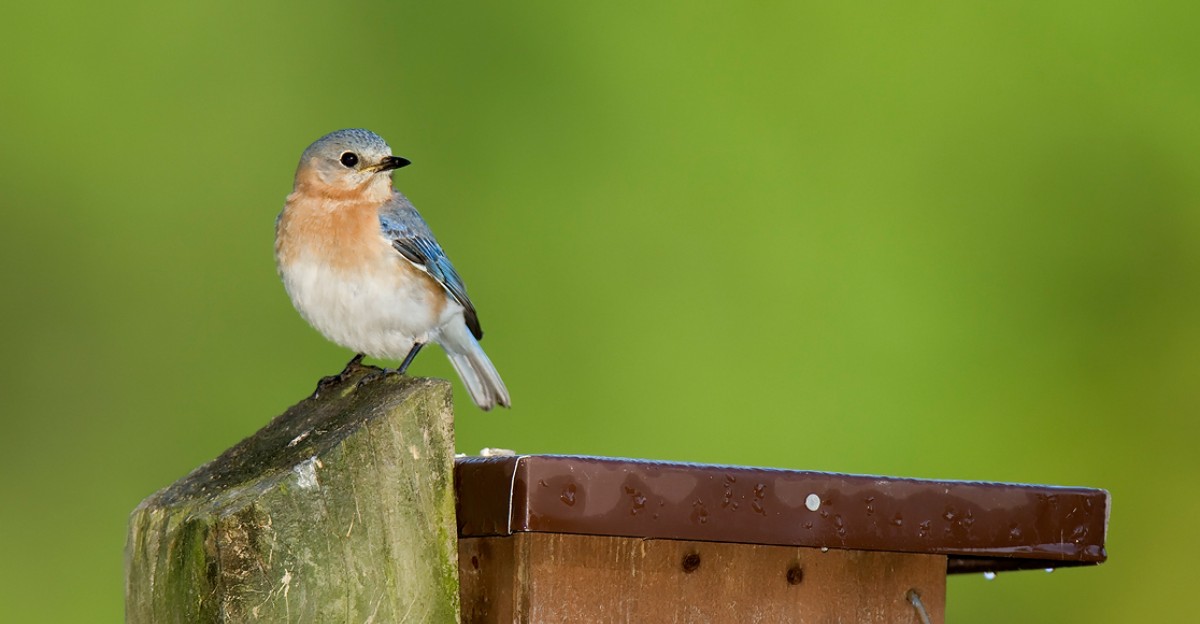
Researchers have found more than a dozen small songbirds packed into one wooden box on a frosty night. They stack up like feathered pancakes, sharing body heat until sunrise.
In Georgia, this huddling habit starts long before the first hard freeze. Many of these birds stay put all year, and fall is when they begin checking out hollow trees and empty boxes for cold-weather shelter.
I love that a backyard nest box can do double duty. It holds eggs and chicks in spring, then turns into a cozy group bedroom once the nights grow long.
You can help with just a few small changes before December arrives. Some of them cost nothing at all, and one simple tweak to an old box could turn it into the warmest spot on your street.
The right setup might make your backyard the place these little blue visitors choose when winter nights turn cold.
1. Those Blue Birds Peeking Into Your Nest Box This Fall Have a Plan
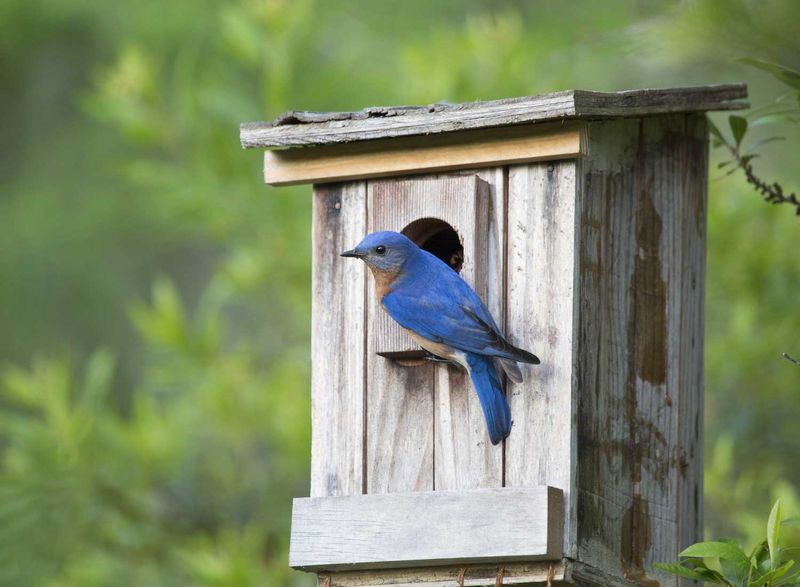
Spotting a bluebird poking its head into a nest box in November feels a little odd. Nesting season ended months ago, so what is going on?
The short answer is shelter shopping.
Eastern bluebirds that live in the Southeast year-round start scouting cavities in fall, and the Cornell Lab of Ornithology notes they often roost together in boxes and tree holes during cold weather.
Family groups and small flocks travel together after summer. As days shorten, they test different spots, peek inside, and sometimes linger at the entrance hole like guests touring an apartment.
You might notice this behavior most on chilly mornings or just before sunset. Birds may land on the roof, flutter to the hole, then pop back out.
Is this a sign of something unusual? Not at all.
It is a normal, well-documented seasonal pattern, and it tends to pick up as temperatures drop through late fall.
I find it one of the sweetest surprises of the season. A box that sat quiet since July suddenly has visitors again.
Keep your binoculars handy near a window. Watching which box gets the most attention can tell you a lot about what your local flock prefers.
2. Huddling Bluebirds Stay Warm by Sharing One Cozy Cavity
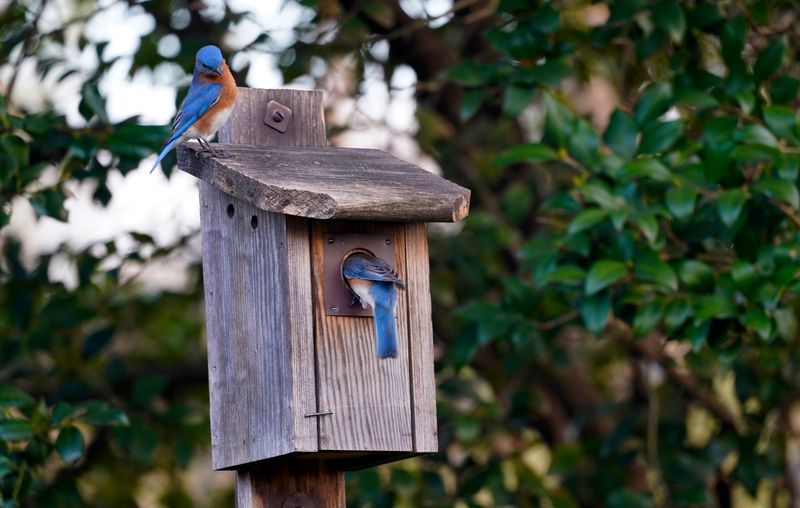
Body heat is the secret weapon. A bluebird weighs about an ounce, so it loses warmth fast on a cold night.
Packing together solves that problem.
Ornithologists have documented groups of bluebirds crowding into a single cavity, sometimes with heads tucked toward the center and tails pointed out.
Their feathers help too. Each bird fluffs up, trapping a layer of air that works like a puffy jacket, and the shared space keeps that warmth from drifting away.
Small, enclosed spaces matter for this trick. An open perch in a tree leaves birds exposed to wind and rain, while a snug box blocks breezes and holds heat.
That is why fall scouting is so useful for them. Finding a reliable spot before the coldest weeks can mean less energy spent each night just staying warm.
Here is a fun detail I love. Bluebirds can also lower their body temperature slightly overnight, a mild energy-saving state that helps stretch their reserves until breakfast.
So when you see several birds slipping into one box at dusk, you are watching a clever survival plan in action. It is teamwork, plain and simple.
3. Give Your Old Bluebird Box a Quick Winter Makeover
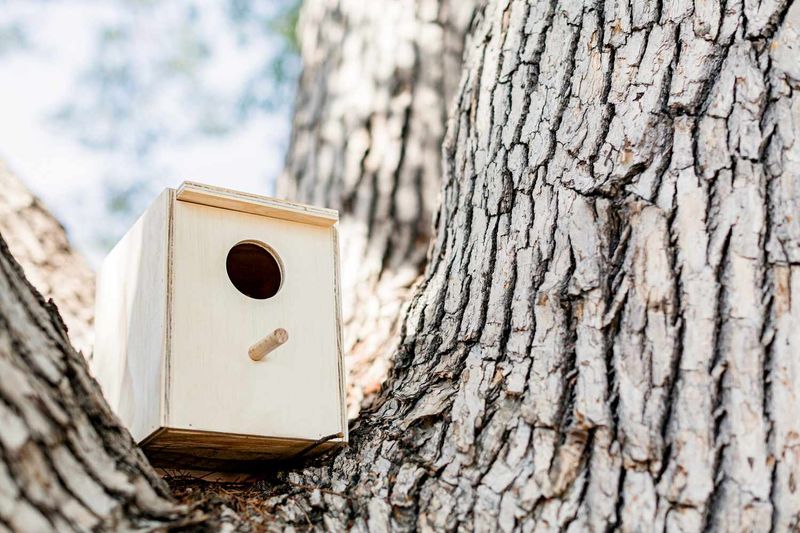
Grab some gloves and a putty knife. A ten-minute cleanout can turn a summer nest box into prime winter real estate.
Start by removing old nesting material once breeding season is clearly over.
Old nests can hold mites and debris, and a clean floor gives roosting birds more room to huddle.
Next, check for gaps. Many guides from groups like the North American Bluebird Society suggest closing or plugging ventilation holes in winter to cut down drafts.
Some folks place a little dry grass or wood shavings in the bottom. Skip cotton or dryer lint, since those fibers can tangle feet and stay damp.
Look at the roof and hinges too. A leaky top lets rain soak inside, and wet birds lose heat quickly.
Personally, I make this a late October or November chore. Doing it before December gives birds time to find the box during their scouting trips.
Finally, leave the box up all year. Taking it down in fall removes a shelter right when local birds are hunting for one, and that would be a real missed chance.
4. A Roosting Box Looks a Lot Different From a Nesting Box
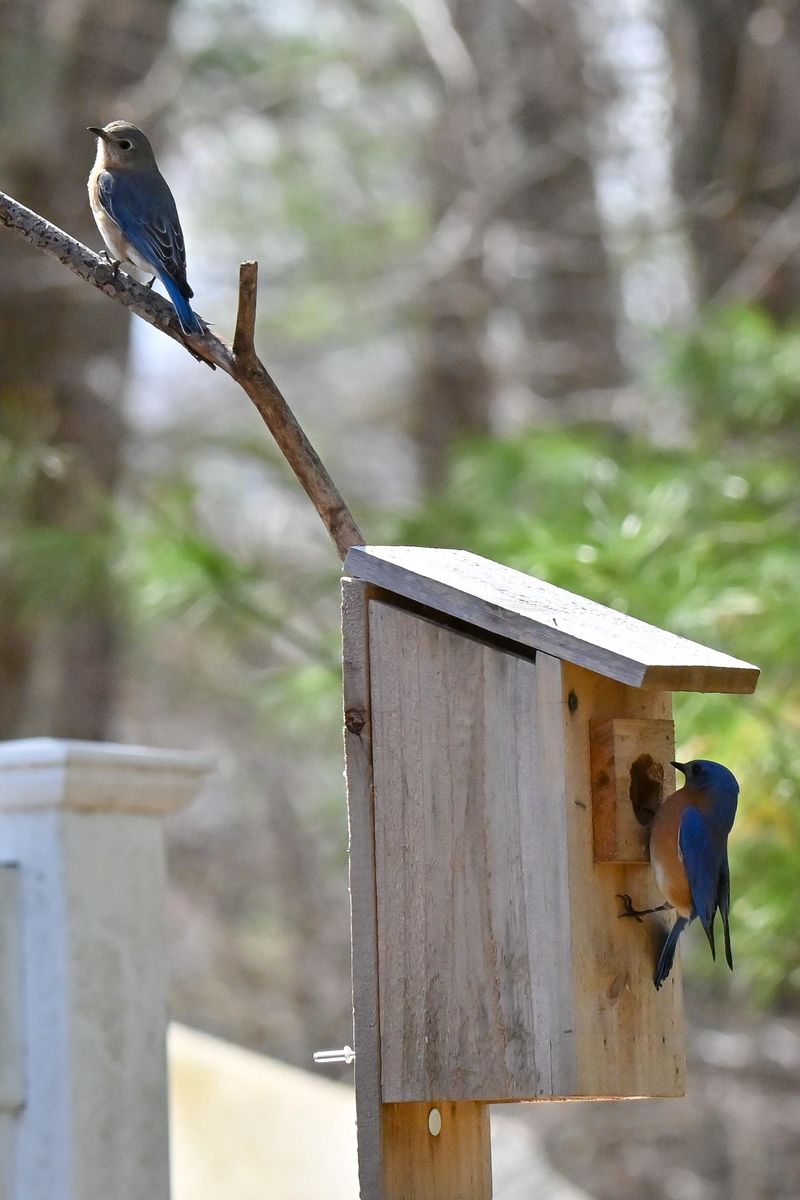
Flip a nesting box upside down in your mind. That is basically a roost box.
Roosting boxes are built for cold nights, not raising babies.
The entrance hole sits near the bottom, so warm air rises and stays trapped at the top where the birds gather.
Inside, you will usually find several small perches or dowels staggered on the walls. That setup lets a whole group settle in at different levels.
These boxes are also taller and roomier than standard bluebird houses. Some have no ventilation holes at all, which keeps winter drafts from sneaking in.
Not handy with tools? Many wild bird stores and online shops sell ready-made versions, and some extension offices share simple plans.
Mount the box on a pole with a baffle, about five or six feet high. Face the opening away from the cold north and west winds.
I like adding one near my regular boxes rather than replacing them. Birds get more choices, and you get a bonus chance to see them settling in at dusk.
Who knew a few planks could make such a difference?
5. North Georgia Mountains and Coastal Plains Offer Bluebirds Different Winters
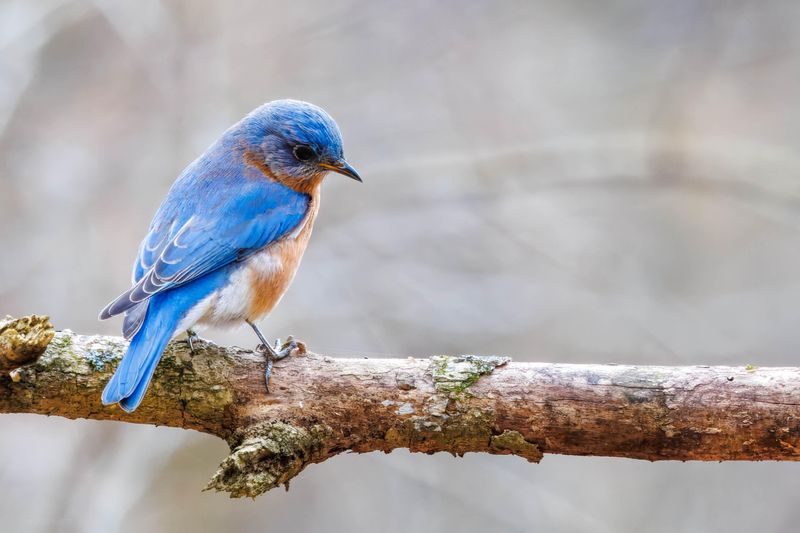
Winter in Blairsville and winter in Valdosta are hardly the same season. Bluebirds feel that difference.
Up in the North Georgia mountains, nights can dip well below freezing in December.
Birds there often rely more heavily on group roosting and sheltered cavities.
Down in the Coastal Plain, cold snaps are shorter and milder. Bluebirds still roost in boxes, though you may see the behavior on fewer nights.
The Piedmont, home to Atlanta, Athens, and Macon, lands in between. Frosty mornings are common, so a weather-ready box is a smart idea for most of the state.
Bluebird numbers can also shift in winter. Some birds from farther north drift south, joining resident Georgia flocks, which means your yard may host new faces.
Timing your prep to your region helps. Mountain gardeners might ready boxes by late October, while folks near the coast have a bit more wiggle room into November.
Either way, aim to finish before December. Fall scouting happens ahead of the cold, and a ready shelter has the best shot at being chosen.
6. Berry-Loaded Native Shrubs Keep Winter Bluebirds Fueled Up
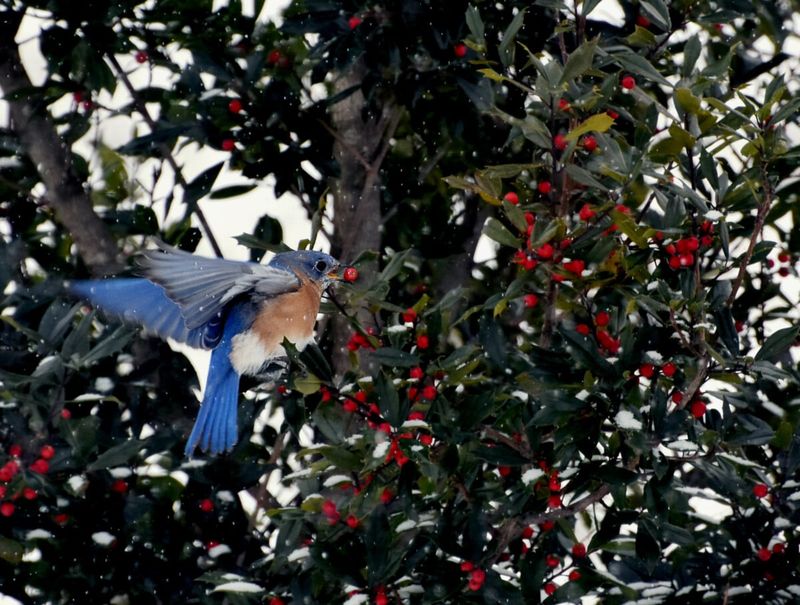
Insects get scarce when the weather turns. That is when bluebirds switch much of their diet to fruit.
A warm roost only helps if birds have enough fuel to burn overnight. Planting berry producers near your boxes gives them dinner close to bed.
Georgia natives are excellent choices.
American holly, yaupon holly, eastern red cedar, flowering dogwood, American beautyberry, and sumac all offer fruit that bluebirds eat.
Wax myrtle and Virginia creeper are also good picks. Many of these hold berries into winter, which stretches the menu through the leanest weeks.
Please skip invasive plants like Chinese privet and nandina. Nandina berries can harm birds, and privet crowds out native habitat.
You can also offer mealworms in a shallow dish. Dried ones work, but soaking them briefly in warm water makes them more appealing.
Fall is planting season across much of the state, so your timing is perfect. Roots settle in during the cool months, and you will enjoy colorful berries plus bright blue diners for years.
7. Fresh Water in a Birdbath Matters More Than You Might Expect
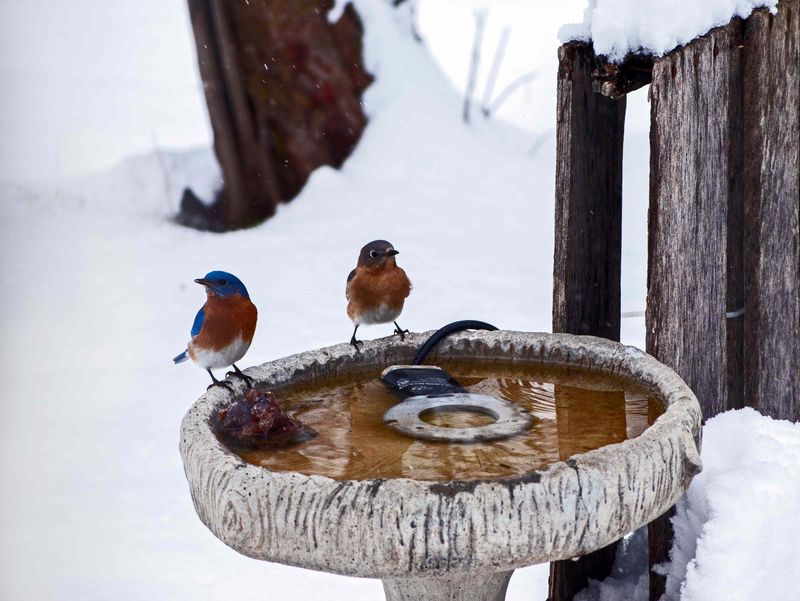
Bluebirds love a good splash. Even on chilly days, they will hop into shallow water and flutter around.
Clean water helps with drinking and with feather care.
Well-groomed feathers trap air better, which keeps birds warmer on those long roosting nights.
Keep the bath shallow, around one to two inches deep. A rough surface or a flat stone gives tiny feet better grip.
Freezing mornings can turn a birdbath into an ice rink, especially in North Georgia. A heated birdbath or a small de-icer keeps water open without making it hot.
Refresh the water every few days. Scrubbing out algae and droppings helps reduce the spread of germs among visiting birds.
Placement matters too. Set the bath near shrubs or trees so birds can escape quickly if a hawk swoops by, but not so close that cats can hide nearby.
I keep mine within sight of my kitchen window. Few things brighten a gray December morning like a flash of blue feathers shaking off droplets in the sunshine.
8. Your Bluebird Box Can Become a Year-Round Haven With Small Habits
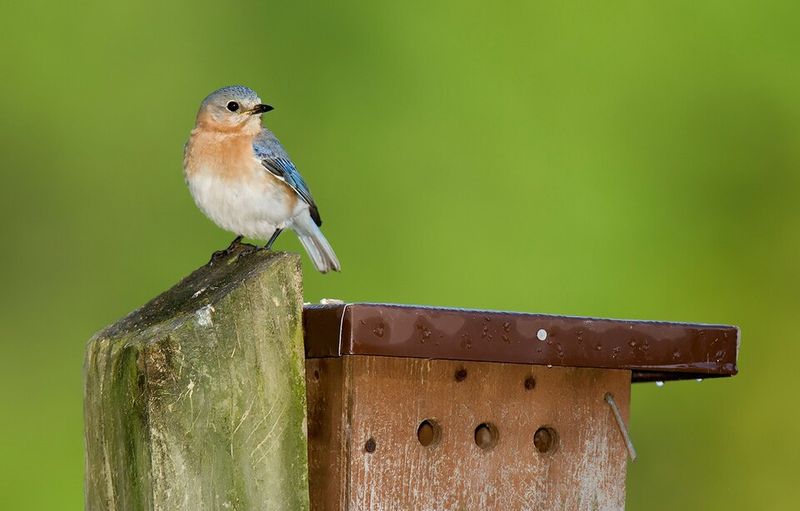
Helping bluebirds through winter is surprisingly simple. A few steady habits go a long way.
Leave boxes up all year and add a predator baffle to each pole. Snakes, raccoons, and cats rarely take a break, so protection matters in every season.
Keep boxes in open areas with scattered trees, which bluebirds favor.
Short grass nearby gives them easy hunting ground for insects on warmer days.
Cut back on pesticide use around your yard. Bluebirds depend on beetles, caterpillars, and other bugs, especially as spring nesting approaches.
Watch quietly at dusk now and then. Counting birds entering a box is fun, but avoid opening it during cold nights since that lets warmth escape and disturbs the group.
Consider joining a citizen science project like Project FeederWatch or the Great Backyard Bird Count. Your sightings help researchers track how bluebirds are faring.
Here is my favorite payoff. Birds that roost in your yard all winter often stick around and nest there in spring, so the shelter you offer in November can welcome baby bluebirds a few months later.