10 Fast-Growing Perennials That Thrive In Georgia’s Red Clay
Georgia’s famous red clay gets its color from iron oxide, which is basically the same stuff that turns old nails into rust. Your backyard is slowly rusting under your feet, and it has quietly been doing that for thousands of years.
That sticky soil holds water after big storms, then bakes into something close to brick during a long August drought.
Many tender plants sulk in it, and plenty of new gardeners give up after one frustrating summer of hard digging.
I have to admit my first shovel bounced off the ground like it hit a parking lot. You need plants with tough roots and big appetites for sunshine, and luckily that crowd is bigger than most people expect.
Some of my favorite clay busters fill an empty bed within one season and come back stronger every single spring. Which of these tough, quick bloomers will earn the sunniest spot in your own yard this coming year?
1. Black-Eyed Susan
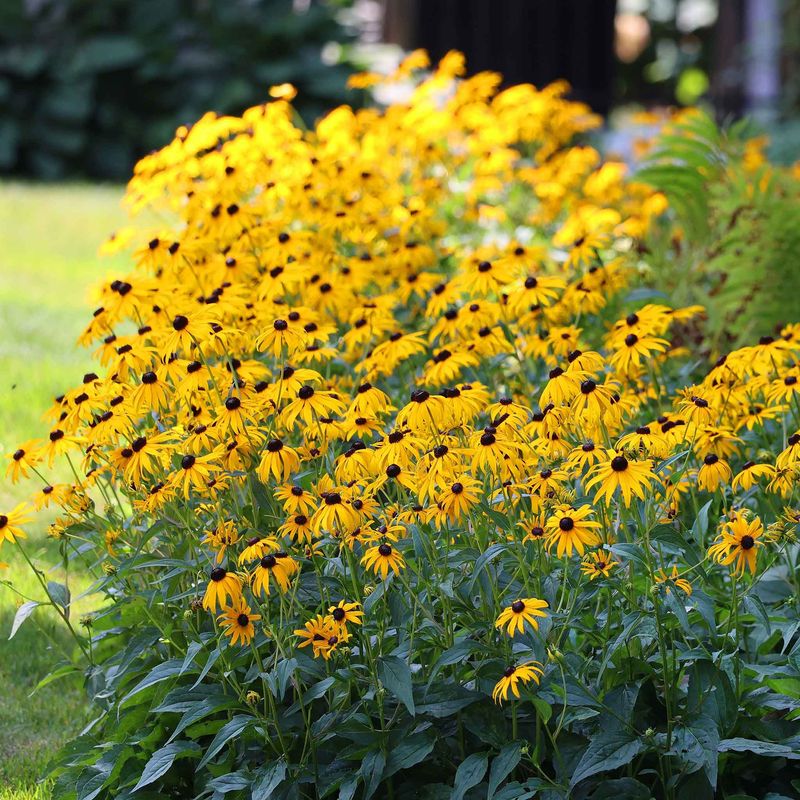
Golden petals with chocolate centers pop up along Georgia roadsides every summer, often growing straight out of hard red clay. If a wildflower can bloom happily beside a highway ditch, I figure it can handle the toughest corner of your yard.
Two species usually share this common name, Rudbeckia hirta and Rudbeckia fulgida, and both are native to the eastern United States.
Hirta often acts like a short-lived perennial, while fulgida spreads steadily by roots and returns faithfully for many years.
Plants usually reach one to three feet tall, and blooms start in early summer before lasting well into the fall season. I love how a single small nursery pot can turn into a wide golden patch by its second growing season.
Full sun brings the best show, so give them at least six hours of direct light on most days. Clay soil works fine, though mixing a few inches of compost into the planting hole helps young roots settle in faster.
Water deeply during the first summer, then ease back once the plants look settled and start pushing out fresh new growth. Hirta reseeds freely, so pull extra seedlings in spring if they wander into a spot you planned for other flowers.
Leave a few seed heads standing in autumn, because goldfinches love picking through them on cool and quiet mornings in the garden.
2. Purple Coneflower
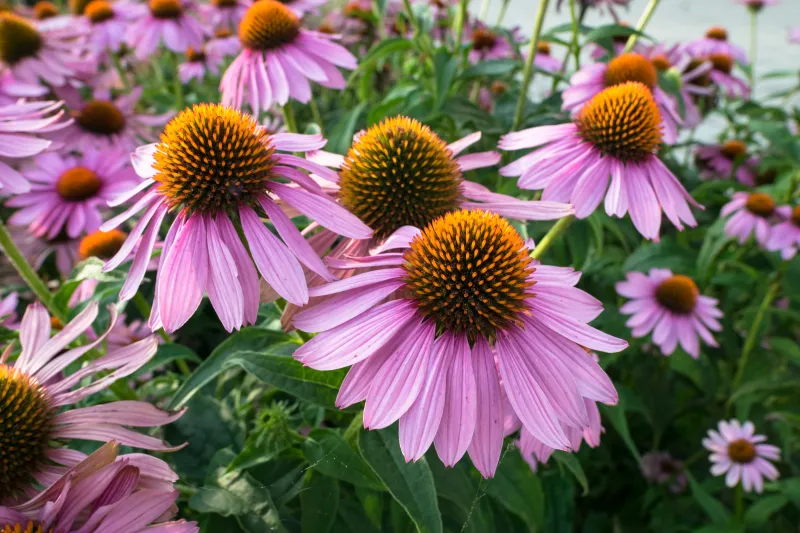
Run your fingers over a coneflower center and you will feel tiny stiff spines, which explains the name Echinacea, from the Greek word for hedgehog. That prickly dome sits inside a skirt of drooping pink-purple petals that butterflies seem to find impossible to resist.
Echinacea purpurea is native to the eastern half of the country and grows comfortably across USDA zones 3 through 8.
Plants typically reach two to four feet tall, forming sturdy clumps that look full and settled by their second summer.
Personally, I think this flower shows off best when you skip the fussing and simply let it soak up the sunshine. Six or more hours of direct sun keeps the stems strong, though a little afternoon shade helps during scorching heat waves.
Heavy clay is acceptable as long as water does not puddle around the crown after a big summer thunderstorm. Planting on a gentle slope or a slightly raised mound gives roots the drainage they need to stay healthy year after year.
Snipping faded blooms in midsummer encourages a fresh wave of flowers, which keeps the show going into early autumn. Later in the year, stop trimming and let the seed heads ripen, since songbirds happily pick through them in colder months.
Deer usually leave these plants alone, likely because of the rough leaves and those bristly centers.
3. Daylily
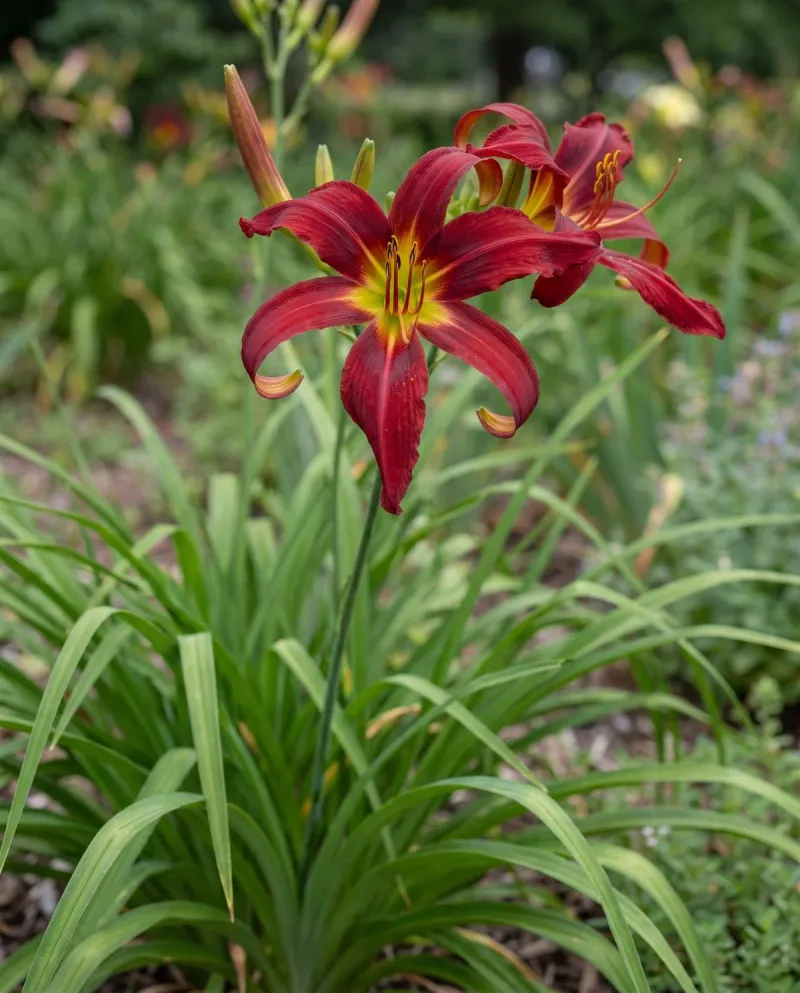
Each daylily bloom opens for roughly one single day, yet a healthy clump can keep flowering for several weeks without a break.
That clever trick comes from packing many buds onto every stalk, so a fresh flower replaces yesterday’s bloom each morning.
Hemerocallis hybrids come in thousands of named varieties, from tiny yellow types to huge ruffled blooms in deep red and peach. Most grow one to four feet tall, with arching leaves that form a soft fountain shape along borders and walkways.
I have yet to meet a more forgiving plant for beginners who are nervous about planting in heavy clay. Daylilies tolerate clay, loam, and sandy ground well, though they bloom best with at least six hours of direct sun.
Thick fleshy roots store water, which helps them push through dry August weeks with surprisingly little help from your hose. A deep soak during long droughts keeps the foliage greener and the next round of buds plumper and more colorful.
Crowded clumps can slow down after a few years, so dig and divide them every three or four years in early fall or spring. You will end up with extra plants to tuck along a slope, where their roots help hold loose soil in place.
Hummingbirds and butterflies visit the trumpet-shaped flowers, adding movement to sunny beds on warm summer afternoons.
4. Scarlet Sage
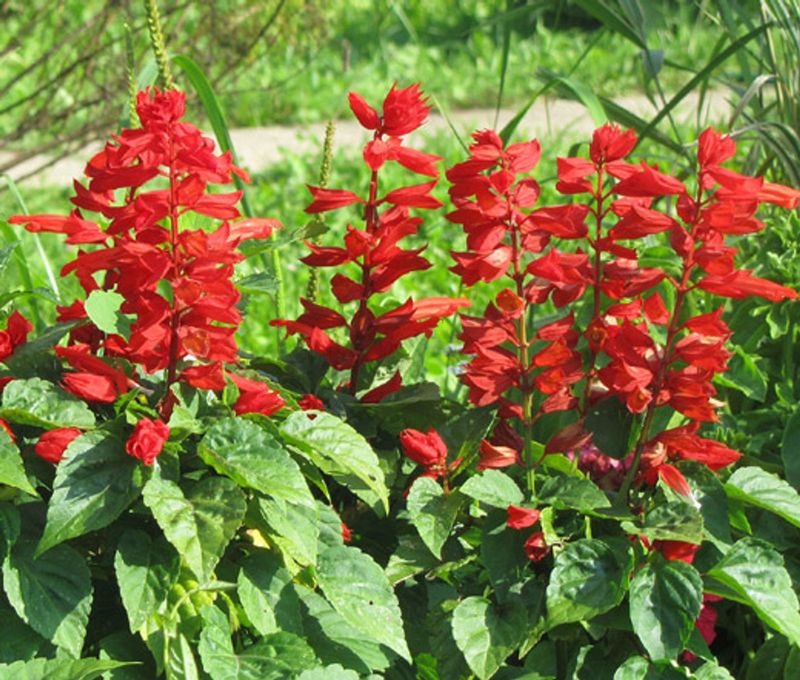
Hummingbirds treat scarlet sage like a roadside snack stand, zipping between the tubular red flowers dozens of times a day.
Salvia coccinea is native to the Southeast, so it fits right into local gardens and feels at home in the summer heat.
Plants grow quickly from seed and usually reach two to three feet tall within a single growing season. I love how one plant can scatter enough seeds to fill an empty bed with fresh seedlings by the following summer.
Scarlet sage acts as a short-lived perennial in warmer areas and often returns from seed in cooler parts of the state. Either way, you get a reliable supply of new plants without buying replacements at the garden center every spring.
Full sun to light shade suits it well, though plants grown in deep shade tend to flop and bloom less. Clay soil is fine when drainage is decent, so loosen the planting area and work in compost before you set plants out.
Once roots settle, this sage handles dry spells with grace, needing only an occasional deep drink during long hot stretches. Pinch the stem tips in early summer, and the plants respond with bushier growth and many more flower spikes.
Besides the classic red, you can find soft pink and coral varieties that look lovely beside white flowers.
5. Common Yarrow
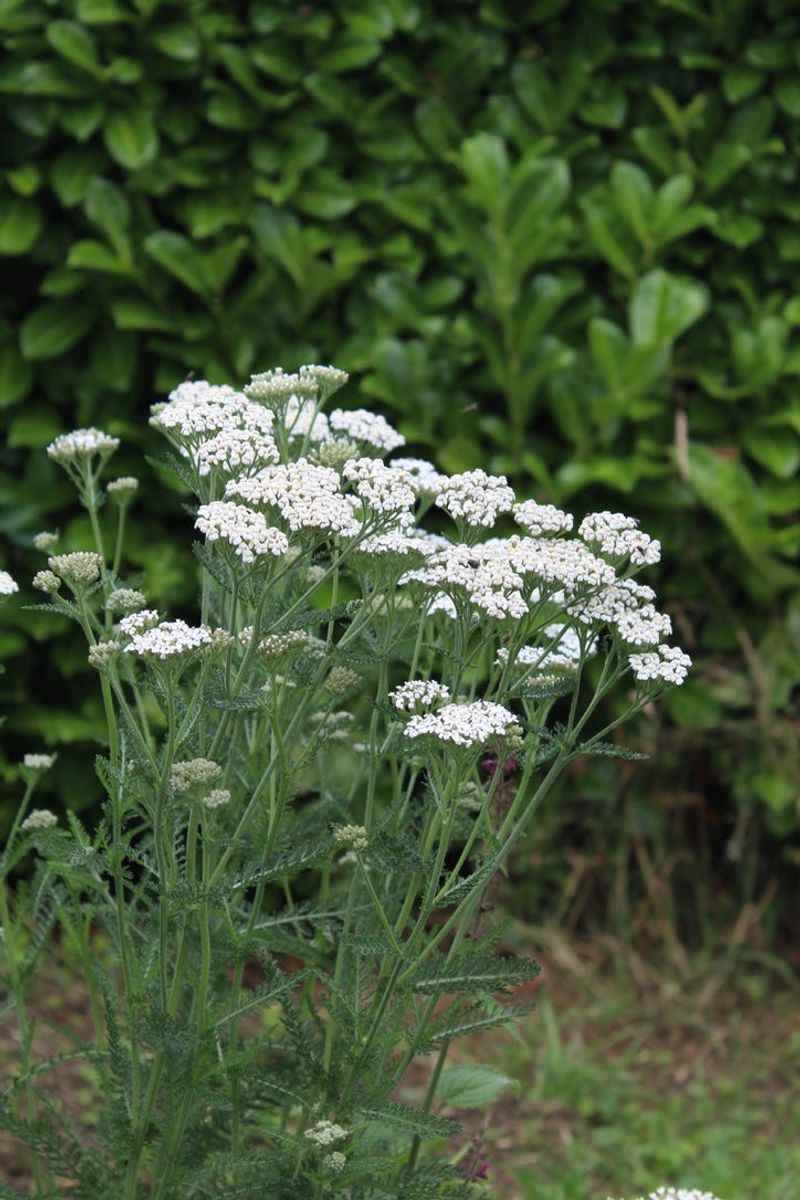
Brush your hand across yarrow leaves and a sharp herbal scent rises up, a little like crushed sage mixed with fresh pine.
The botanical name Achillea honors the Greek hero Achilles, who legend says used the plant on wounded soldiers’ injuries.
Achillea millefolium has feathery, fernlike leaves that look soft enough to pet, along with flat flower clusters held on wiry stems. Plants usually grow one to three feet tall and spread by underground stems, so a small start widens fast.
Yarrow thrives on lean soil, which makes it a natural partner for clay that has not been heavily fertilized. Rich soil and extra feeding often produce floppy stems, so I suggest skipping the fertilizer bag for this easygoing plant.
Full sun is the key ingredient, along with decent drainage so roots are not sitting in soggy ground after storms. Plant on a slope or a raised edge if your clay tends to hold water for days after heavy spring rain.
Snip faded flower heads to encourage more blooms and to limit the plant’s habit of seeding itself around the garden. If the clump spreads farther than you want, slice off sections with a spade in spring and share them with friends.
Small bees and hoverflies crowd the tiny flowers, which makes yarrow a helpful neighbor for vegetable gardens nearby.
6. Bee Balm
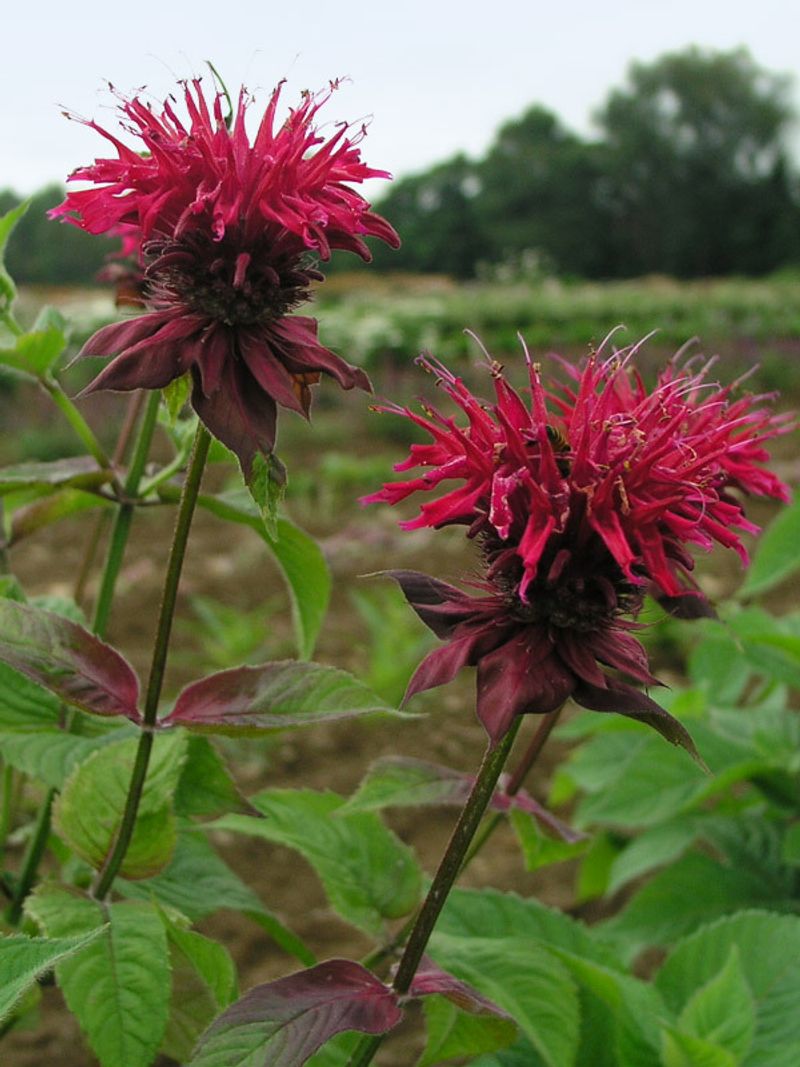
Bee balm flowers look like tiny shaggy fireworks frozen in midair, and hummingbirds seem to agree they are worth a closer look. The leaves smell like a minty citrus blend, which explains why early settlers brewed them into a homemade tea.
Monarda belongs to the mint family, and like its cousins it spreads quickly through underground stems called rhizomes.
Most plants grow two to four feet tall, filling a bare patch with lush green leaves within one or two seasons.
Personally, I find bee balm happiest in the cooler, moister corners of the yard where clay holds onto a little water. Full sun to partial shade works, and afternoon shade helps plants cope during the hottest stretch of a southern summer.
Powdery mildew can coat the leaves with a gray film when air circulation is poor and summers are humid. Give each plant room to breathe, and choose mildew-resistant varieties like Jacob Cline or Raspberry Wine for cleaner foliage.
Water regularly during the first year so roots can push deep into heavy soil before facing their first drought. After that, a thick layer of shredded leaves or bark helps the clay stay evenly moist on scorching summer days.
Dig up and divide clumps every three or four years to keep them vigorous and to control their wandering habit.
7. Autumn Joy Sedum
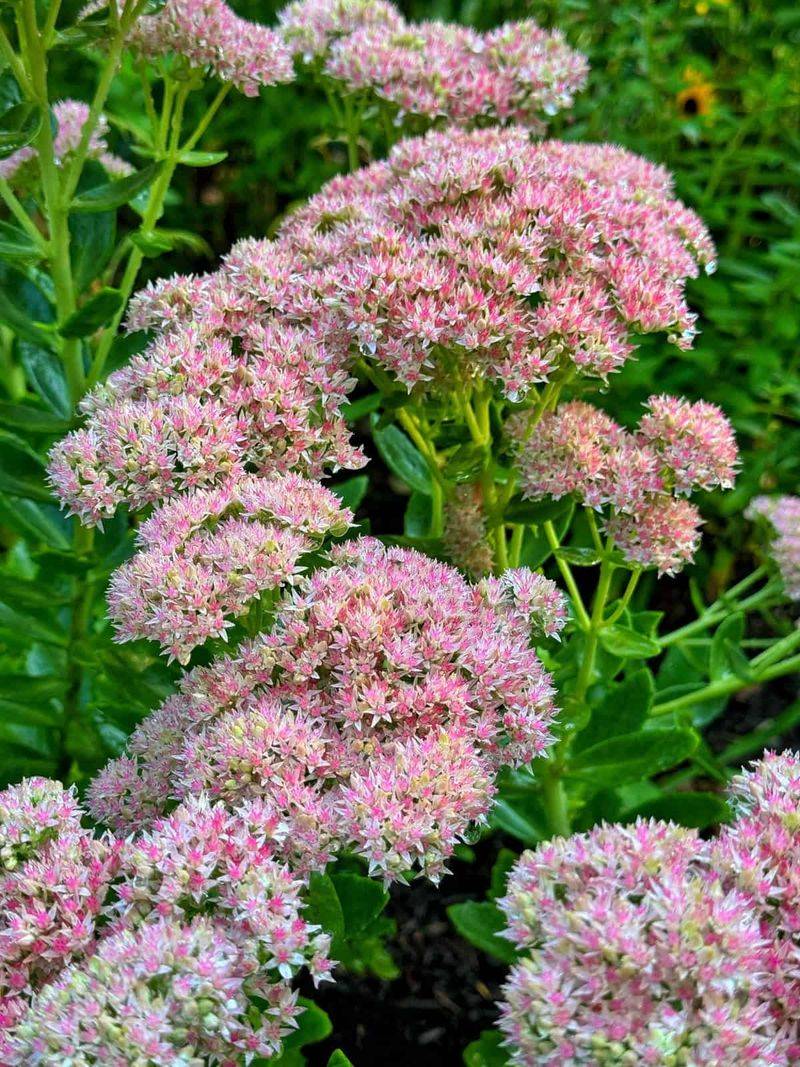
Squeeze an Autumn Joy leaf and you will feel how plump and juicy it is, like a tiny water balloon. Those thick leaves store moisture, letting this succulent cruise through dry spells that leave thirsty neighbors wilting by noon.
Botanists now list this popular variety as Hylotelephium, though most garden centers still sell it simply as sedum.
Clumps grow about two feet tall and wide, filling out quickly once roots settle in during the first growing season.
Flower heads begin as pale green broccoli-like buds in summer, then shift to soft pink before deepening into rusty red. I like leaving the dried flower heads standing through winter, because frost on those domes looks surprisingly pretty on cold mornings.
Drainage matters more than anything for this plant, since soggy roots lead to rot faster than you might expect. Mix in coarse grit or plant on a raised mound if your clay stays wet for days after heavy rain.
Skip the fertilizer, because rich feeding makes the stems stretch and flop open in the middle of the clump. Pinching the stems back by half in early summer creates a sturdier plant with slightly smaller but more numerous blooms.
Butterflies and late-season bees crowd the flowers in early fall, when many other plants have finished blooming for the year.
8. Joe Pye Weed
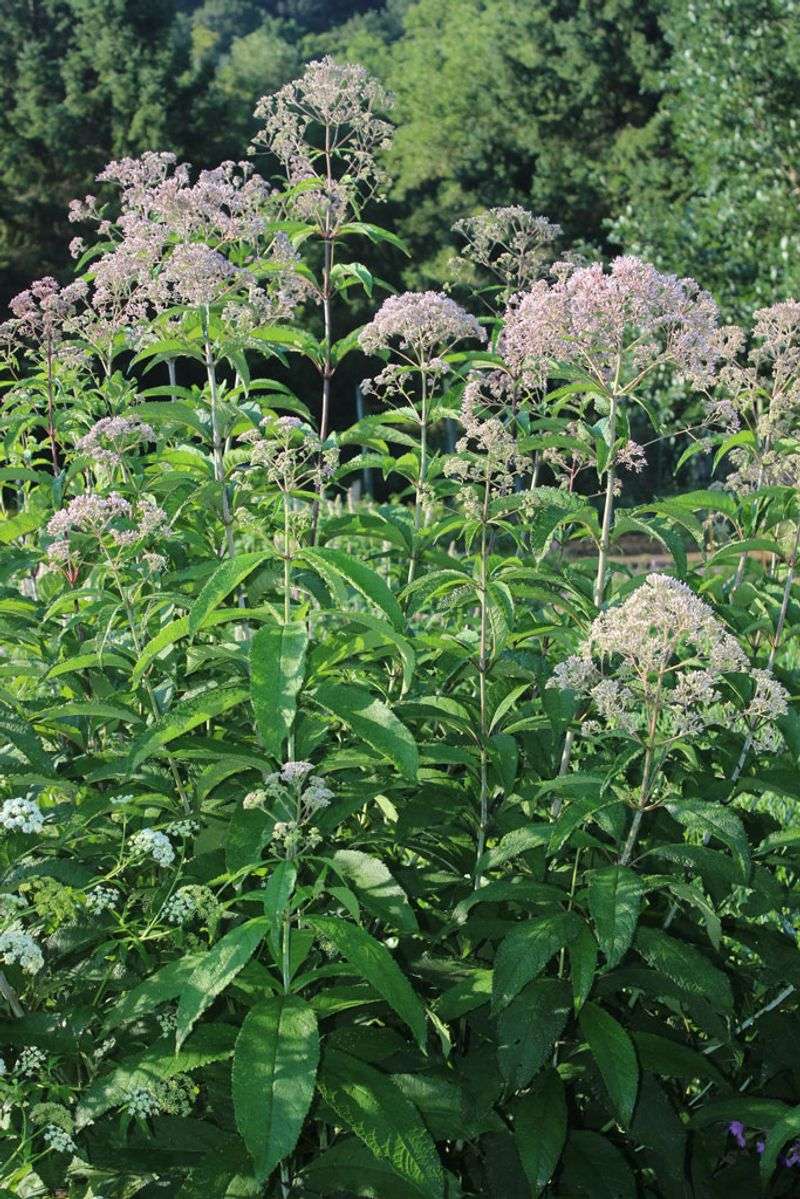
Joe Pye weed can tower above your head by late summer, with some plants stretching seven feet or more in moist soil. Swallowtail butterflies land on the huge mauve flower domes like they found the best buffet in the entire neighborhood.
Eutrochium fistulosum is native across the eastern United States, including wet meadows and stream banks throughout Georgia.
Hollow purple stems carry whorls of long leaves, giving the plant a bold, almost tropical look along garden edges.
Clay that stays damp after rain is a gift here, since this plant loves moisture that many other perennials dislike. I think it shines brightest in that soggy low spot where nothing else seems willing to grow without complaining.
Full sun produces the biggest flower heads, though partial shade is tolerated with somewhat fewer blooms each year. Avoid dry, hot corners, because this plant needs consistent moisture and wilts quickly during long stretches without rain.
Gardens with limited space can try compact varieties like Little Joe or Baby Joe, which stay closer to four feet tall. Cut the stems back in late winter, before new shoots appear, to keep the clump looking neat and fresh.
Bees and butterflies visit the vanilla-scented flowers from midsummer into early fall, when nectar sources start to run low.
9. False Sunflower
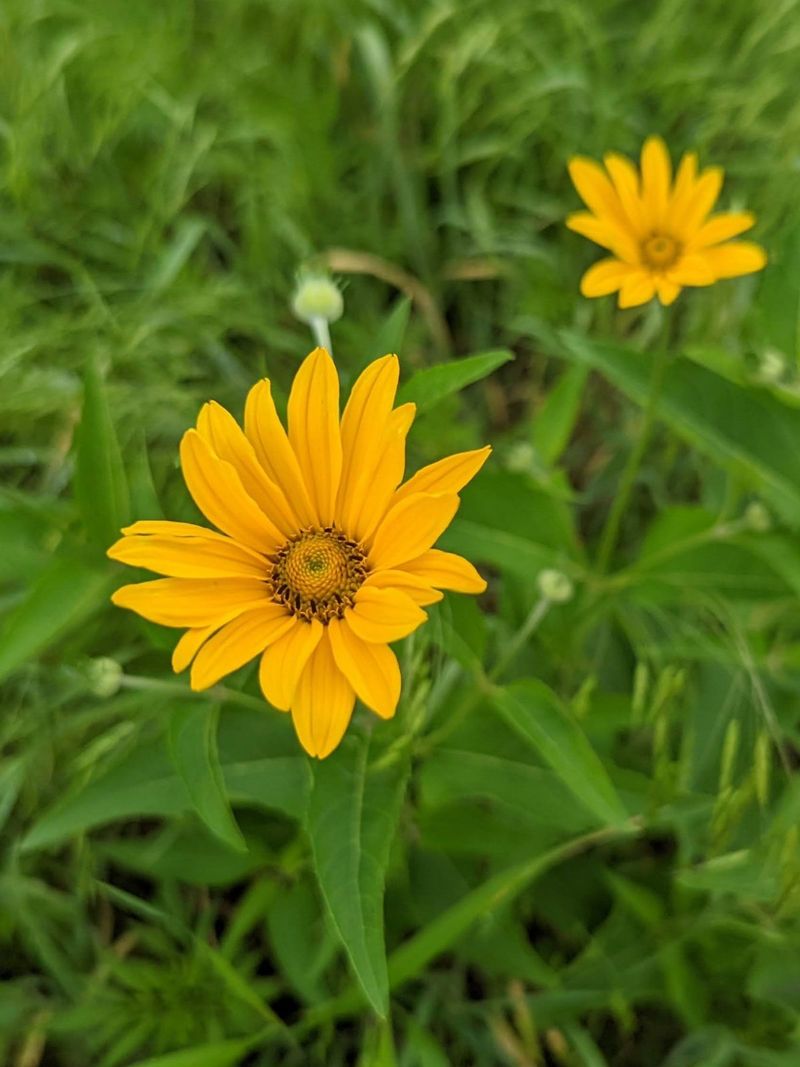
From across the yard, false sunflower fools nearly everyone into thinking a giant patch of sunflowers moved in overnight. Get closer, though, and you will spot smaller golden daisies on bushy plants that return every year without replanting.
Heliopsis helianthoides is a native perennial found across much of eastern North America, including scattered spots across the Southeast.
Plants usually grow three to five feet tall and bulk up fast, often blooming well in their very first summer.
Flowers appear from early summer and keep coming for two months or more, especially if you snip spent blooms. I love tucking a handful into a mason jar on the kitchen table, since the cut stems last nicely indoors.
Full sun keeps the stems sturdy and upright, while too much shade can cause them to lean and sprawl. Clay is perfectly acceptable for this tough native, provided water drains away within a day after a heavy summer downpour.
Once established, plants handle short dry spells, though regular water during droughts keeps the flowers coming strong. Cutting the stems back by about a third in late spring creates shorter, bushier plants that rarely need staking.
Bees and butterflies stop by all season, and goldfinches sometimes pick at ripening seeds in late summer.
10. Blue False Indigo
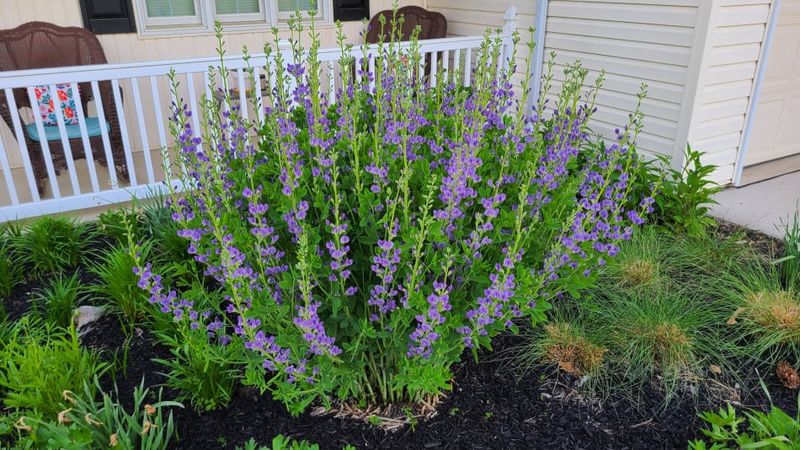
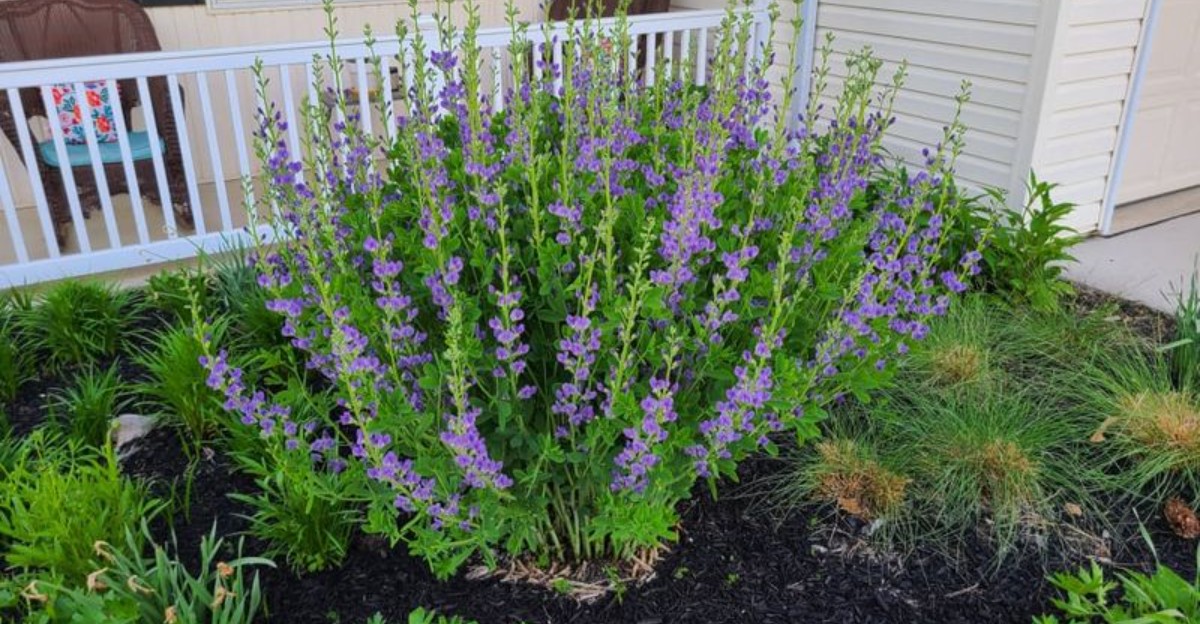
Early settlers soaked blue false indigo leaves to make a blue dye when true indigo was too expensive to buy. Today the plant earns its place for a different reason, sending up spikes of blue pea-shaped flowers each spring.
Baptisia australis is a native legume that grows into a shrub-sized mound about three to four feet tall and wide.
Top growth can feel slow at first, but roots dig deep quickly, which is why it handles heavy clay so well.
Fair warning, this plant follows the classic pattern of sleeping its first year and creeping its second before it leaps. By the third spring, I promise you will wonder how such a small nursery pot turned into a bushy giant.
Full sun keeps the stems strong and the flowers plentiful, while too much shade can leave the mound floppy. Like other legumes, it partners with soil bacteria to capture nitrogen, so extra fertilizer is rarely needed in clay soil.
Choose the planting spot carefully, because the deep taproot makes moving an older plant very difficult later on. Once settled, it shrugs off drought and rarely needs water beyond what normal rainfall provides in most summers.
Bumblebees love the flowers, and the leaves feed caterpillars of several butterflies, including the wild indigo duskywing.