What To Do If Your Georgia Hibiscus Shows Frost Damage Right Now
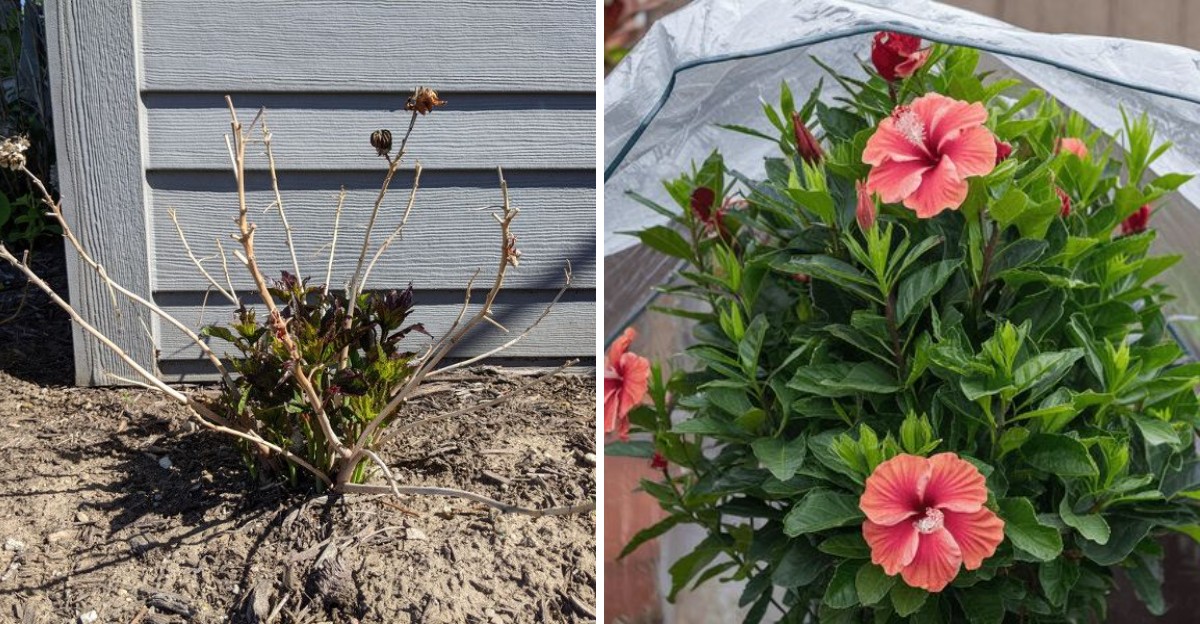
Ice crystals can form inside a leaf and burst its cells like tiny water balloons. That explains why a plant that looked glossy at sunset can look like wet, dark tissue paper by breakfast.
I felt my stomach drop the first time I saw it happen in my own yard.
Those blooms had been showing off since June, and one clear, still November night in Georgia undid all of it.
I learned that the ugly part above the soil is often only half the story. Roots, crowns, and lower stems can hold on quietly while the top looks hopeless.
Those limp, darkened leaves might look beyond saving, but what happens next depends on more than the damage you can see. One small detail could help you decide whether to act now or give your plant more time.
1. Those Blackened Hibiscus Leaves Are Telling You Something Specific
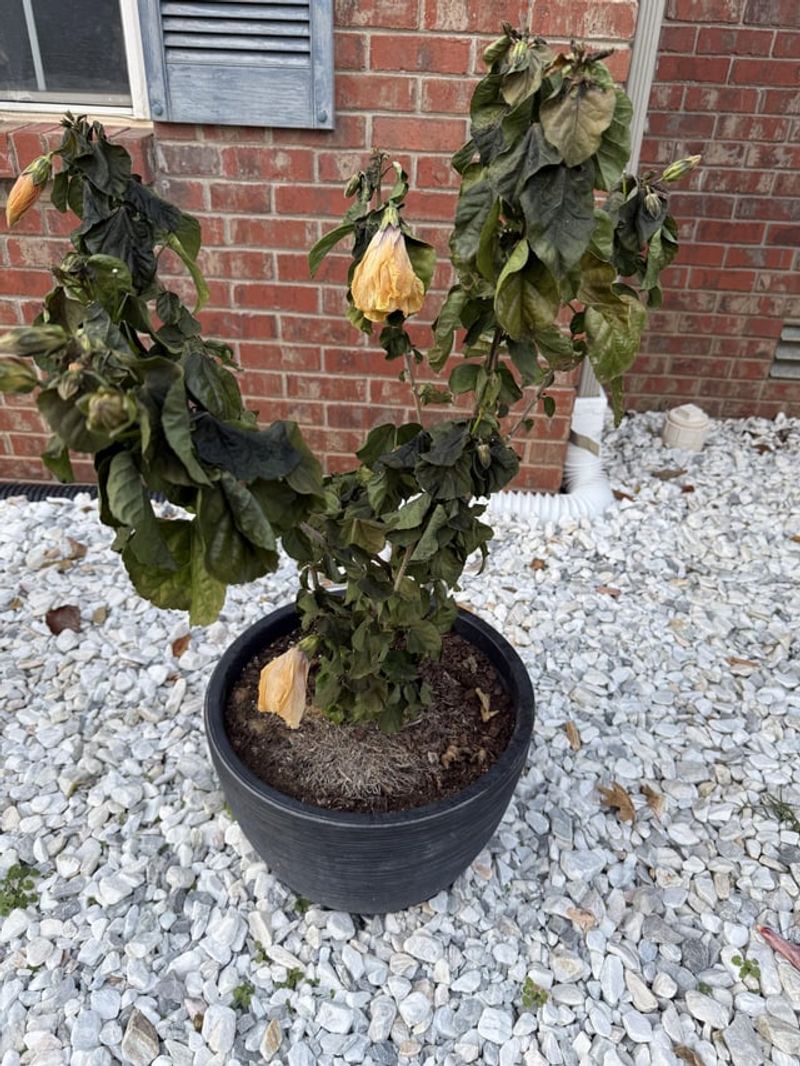
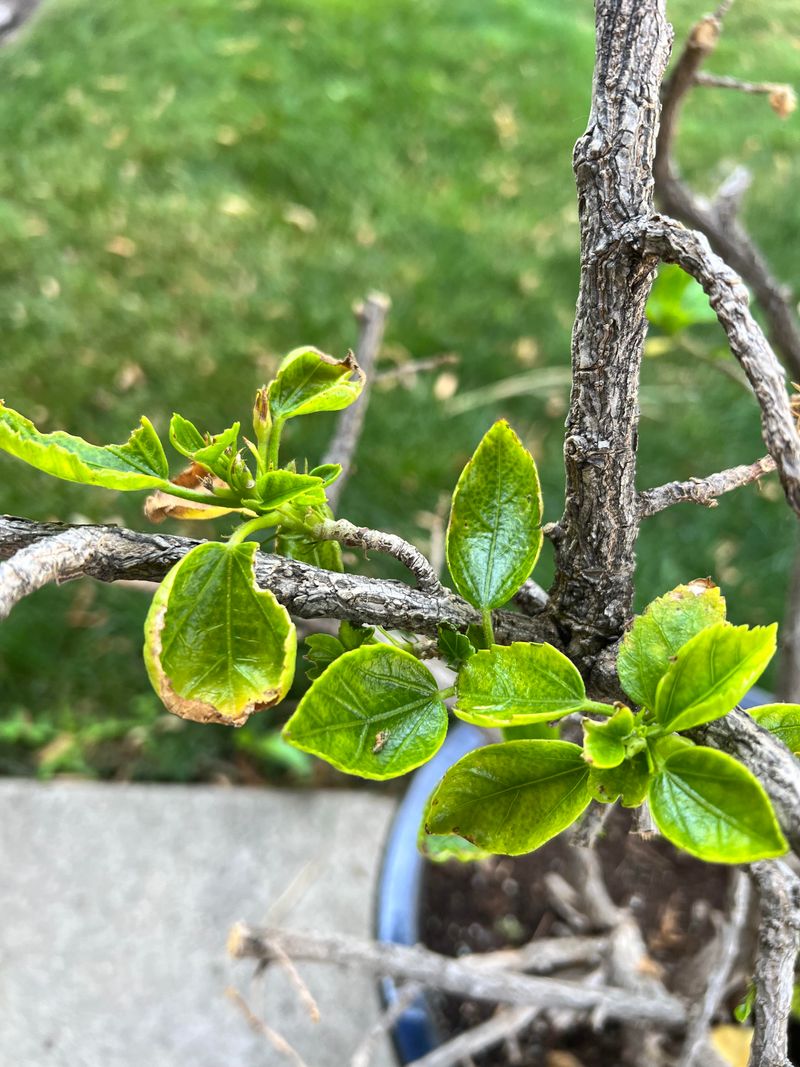
Frost-bitten leaves follow a pretty predictable pattern. First they look water-soaked and slightly see-through, then they turn limp, and within a day or two they darken to brown or black.
Here is what’s happening inside. Water in the plant cells freezes, the ice crystals expand, and the cell walls rupture.
Once the leaf thaws, that tissue collapses because it can no longer hold water the way it used to.
Leaves at the top and outer edges usually take the worst hit. Cold air settles, but open, exposed foliage loses heat fastest on clear, calm nights.
Leaves tucked closer to the house or under an overhang often look much better.
Soft, mushy stems are a more serious sign than crispy leaves. Leaves can be replaced, but a stem that feels squishy has likely lost its living tissue in that spot.
Take a slow walk around the plant and simply look. Note which parts are dark and which still show green.
You don’t need to touch anything with shears yet. This quick check sets you up for every smart decision that follows, and it keeps panic from making those decisions for you.
2. Tropical Or Hardy Hibiscus Changes The Whole Recovery Plan
Which hibiscus do you actually own? That one question matters more than anything else on this list.
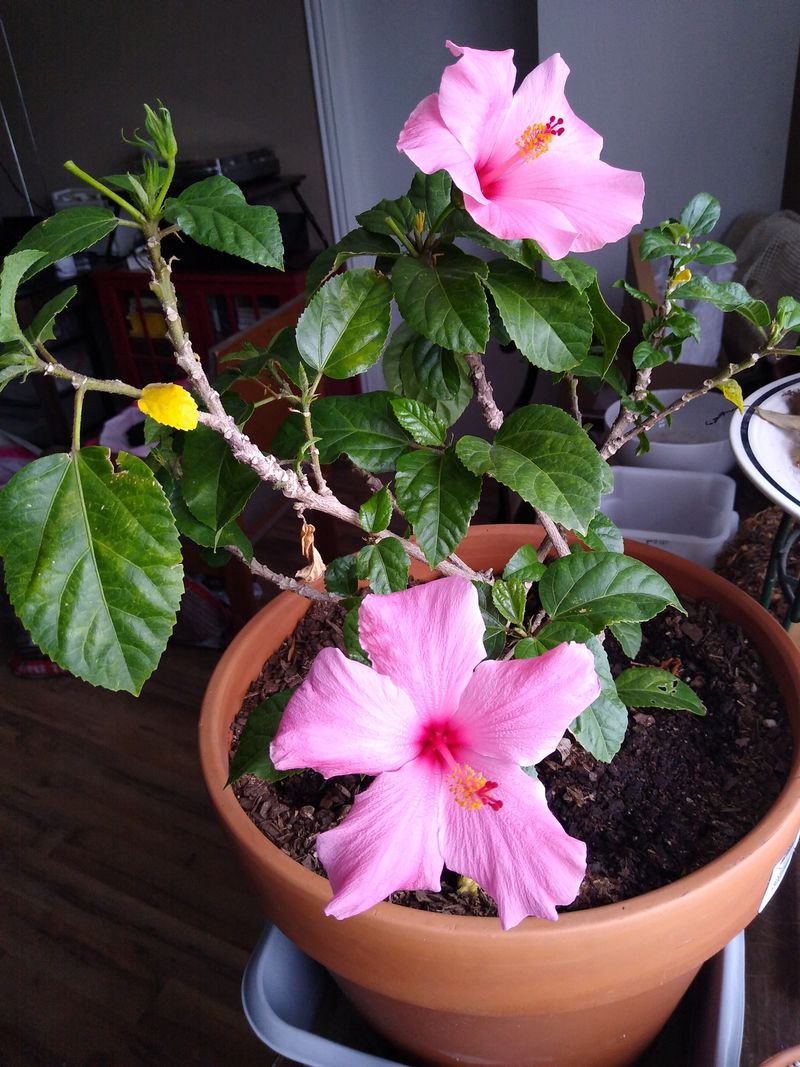
Tropical hibiscus, Hibiscus rosa-sinensis, has shiny, dark green leaves and flowers in salmon, peach, orange, yellow, or bold reds. It’s suited to USDA Zones 9 through 11.
Georgia ranges from about Zone 6b in the northern mountains to Zone 9a along the coast, so most of the state is too cold for it to stay outside year-round.
Hardy hibiscus is a different story. Varieties of Hibiscus moscheutos and its relatives have duller, often heart-shaped leaves and huge dinner-plate blooms in white, pink, or red.
Several are native to the Southeast, including the swamp rosemallow found in Georgia wetlands.
Hardy types are herbaceous perennials. Their stems naturally brown and collapse after frost, and the roots rest underground until warm weather returns.
Seeing that happen in November is normal behavior, not an emergency.
Fun fact: hardy hibiscus is famously late to wake up in spring. If you have this type, you can relax a bit.
If yours is tropical, the next few steps deserve your full attention, especially if it’s planted in the ground.
3. Put Those Pruning Shears Down For Now
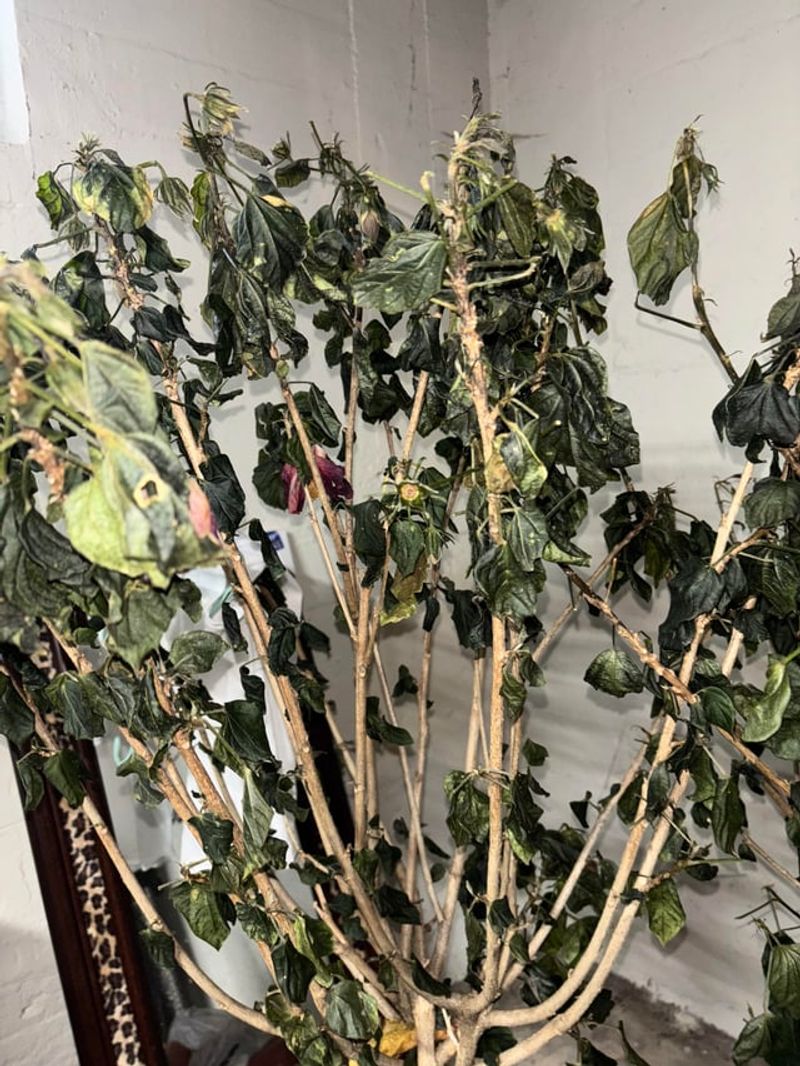
My hands practically itch to tidy up a frosted shrub. Still, cutting it back right now is one of the most common mistakes gardeners make.
Those ugly leaves and stems act like a loose blanket. They help shield buds and living tissue lower down from the next cold night.
Georgia winters often bring several freezes from November into March, so another one is likely on the way.
Pruning also signals the plant to push out fresh shoots. That tender new growth is very easy for cold to injure, which can set the shrub back even further.
Extension experts generally recommend waiting until spring growth begins before removing damaged wood.
Instead, give the soil a deep drink if it’s dry. Moist soil holds and releases heat better than dry soil, and well-watered roots handle cold stress more easily.
Water in the morning on a day above freezing.
The one exception is mushy, collapsing tissue on a potted plant you’re bringing inside. You can trim off soggy leaves so they don’t rot indoors.
Otherwise, let the mess stay put for a while. Patience here does more good than any tool in your shed.
4. Potted Tropical Hibiscus Belong Indoors Before The Next Freeze
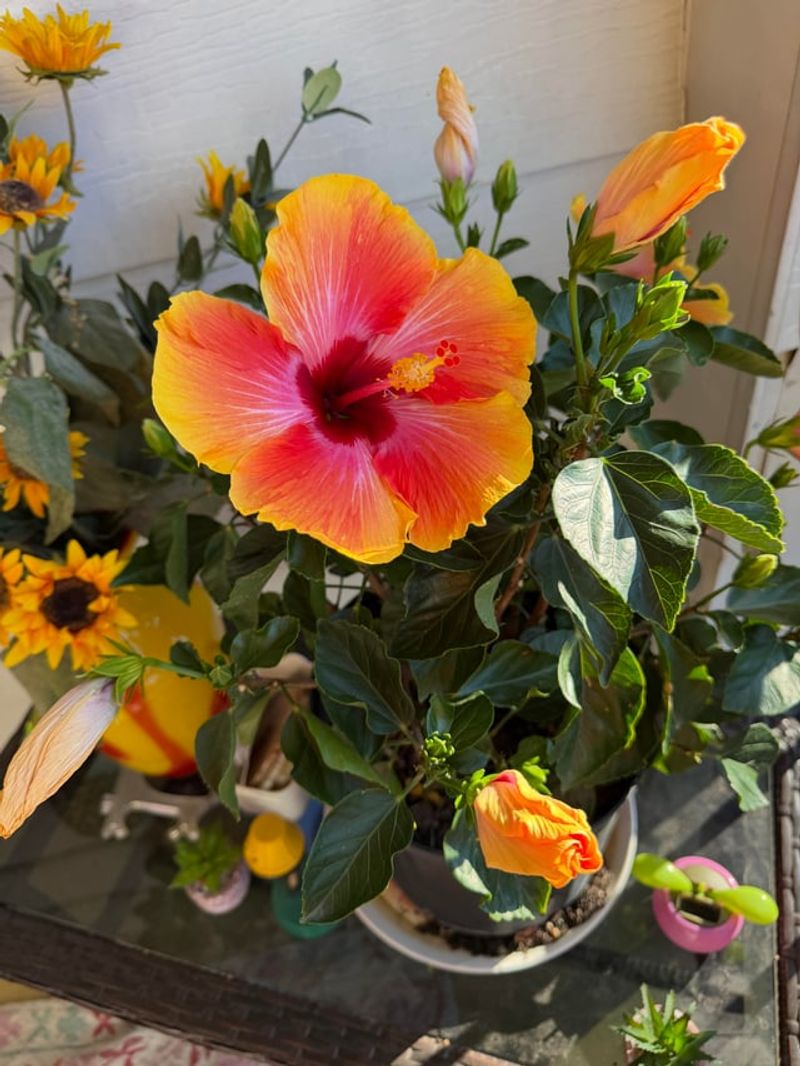
Lucky you if your tropical hibiscus lives in a pot. You can simply move it out of harm’s way.
Tropical types start to suffer when temperatures drop into the 30s, and freezing temperatures can seriously injure them. Bring containers inside before the next cold night.
A bright window, sunroom, or heated garage with good light works well.
Before moving it, check the plant closely for pests. Aphids, whiteflies, and spider mites love to hitch a ride indoors, where they can multiply fast in warm, dry air.
A firm spray of water on the leaves, including the undersides, helps knock many of them off.
Expect some yellow leaves to drop after the move. That reaction is a normal adjustment to lower light, so don’t panic.
Keep the room roughly between 55 and 75 degrees, away from heating vents.
Water less often in winter. Let the top inch of soil dry before watering, since soggy pots in cool rooms invite root rot.
Skip fertilizer until spring, when longer days return.
In mild coastal spots, some folks move pots into an unheated garage only on cold nights. That approach works too, as long as it stays above freezing.
5. Mulch And Frost Cloth Can Shelter In-Ground Hibiscus
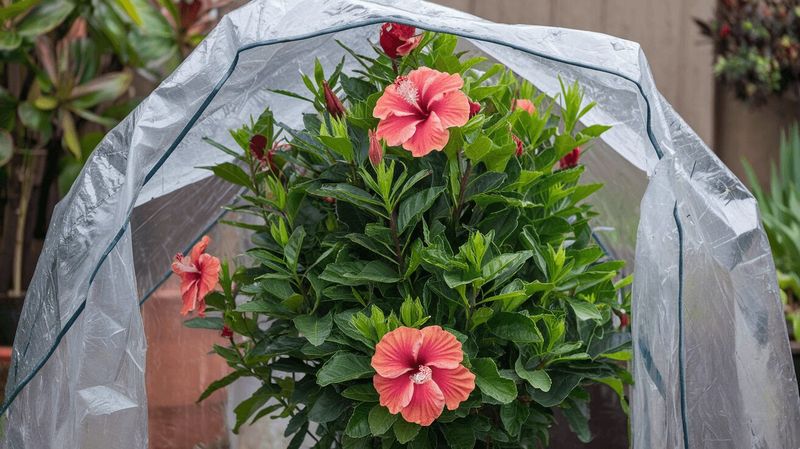
Planted your tropical hibiscus right in the ground? You still have some solid options for the rest of the winter.
Start with mulch. A 3 to 4 inch layer of pine straw, shredded leaves, or pine bark over the root zone helps keep soil temperatures steadier.
Pull it back an inch or two from the main stem so moisture doesn’t sit against the bark.
When a freeze is forecast, cover the shrub with frost cloth or an old blanket. Let it reach all the way to the ground, because the warmth you’re trapping rises from the soil.
Remove it the next morning once temperatures climb, so the plant doesn’t overheat in sun.
Skip plastic sheeting touching the leaves. It conducts cold right into the foliage and can cause more damage.
Some gardeners string old-style incandescent holiday lights under the cover for a little extra heat. Modern LED strands give off very little warmth, so they won’t help much.
Gardeners in coastal and far south Georgia often get tropical hibiscus to regrow from the roots after a typical winter. In the Piedmont and mountains, though, in-ground tropical plants often struggle to come back, so protection matters more there.
6. A Quick Fingernail Scratch On Hibiscus Stems Reveals What Survived
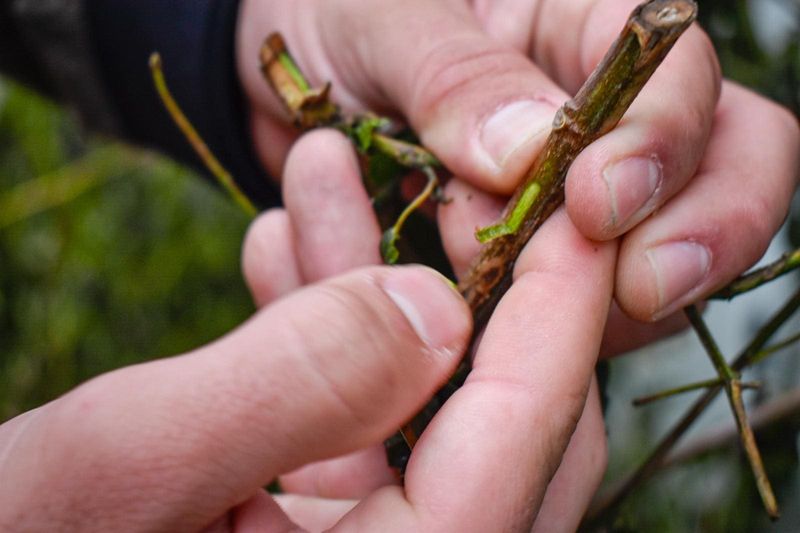
Want to know what’s still alive without guessing? Your fingernail is the only tool you need.
Pick a stem and gently scrape a tiny patch of outer bark near the tip. Bright green tissue underneath means that section is still living.
Brown, tan, or dry tissue means that part didn’t make it.
Work your way down the stem, testing every few inches. At some point you’ll likely hit green, and that spot marks where you’ll eventually cut in spring.
Mark it with a twist tie if your memory is anything like mine.
Soft, mushy wood is a clear sign of rot. That section won’t recover and will need to come off later.
Wait a week or two after the freeze before you test. Damage keeps showing up for several days, and a stem that looks fine on day one may brown later.
Testing again in late winter gives you an even clearer picture.
For hardy hibiscus, skip the stem test entirely. Those stems are meant to brown out each year.
Instead, check the crown at soil level in spring for fresh pinkish or green buds pushing up from the base.
7. Spring Pruning Brings Frosted Hibiscus Back To Life
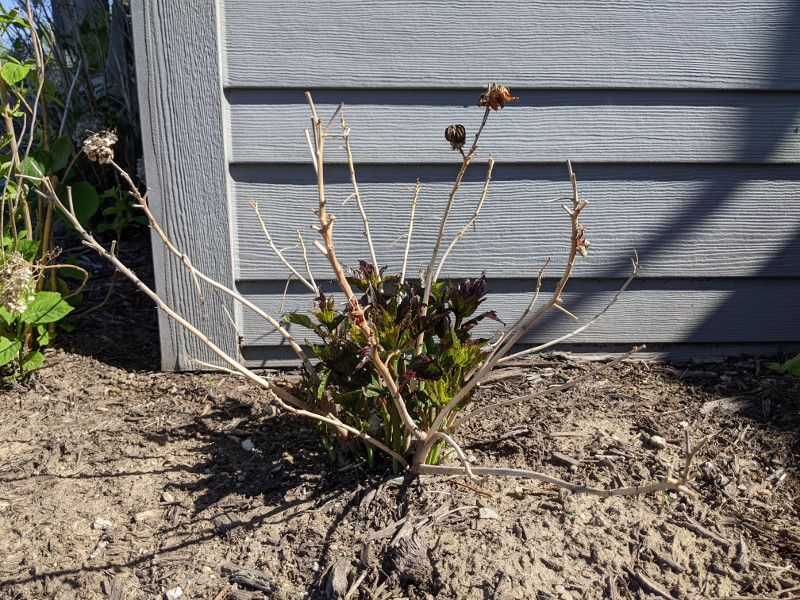
Spring is when all that waiting finally pays off. Once the last frost date passes and new buds swell, it’s time for those shears.
Timing varies across the state. Coastal and south Georgia often see the last frost in early to mid March, while Atlanta and the Piedmont usually wait until early April.
Mountain counties can stay frosty until late April or even early May.
For tropical hibiscus, cut damaged branches back to healthy green wood. Make each cut about a quarter inch above a leaf node or bud, ideally one facing outward.
That simple choice helps the plant grow into a fuller, more open shape.
Use clean, sharp pruners. Cleaning the blades thoroughly between plants helps reduce the spread of disease.
Hardy hibiscus needs an even simpler routine. Cut old brown stems down to a few inches above the ground, taking care not to nick new shoots.
Many folks leave a short stub so they remember where the plant is.
Don’t give up on a hardy type too early. These plants often wait until late spring, when soil warms up well, before showing any growth.
Some gardeners wrongly dig them out in April.
8. Feeding Your Hibiscus At The Right Time Fuels A Strong Comeback
Fertilizer feels like a kind gesture after a rough winter. Right now, though, it can actually work against you.
Feeding a frost-stressed plant in late fall or winter pushes out soft new growth. That tender foliage is easy for the next cold snap to damage, so hold off until spring.
Start feeding once you see steady new leaves and warm weather has settled in. For most of Georgia, that means mid to late spring.
A slow-release or balanced fertilizer works well, applied according to the label.
Tropical hibiscus enjoys light, regular feeding through the growing season. Many growers choose a formula with moderate phosphorus and higher potassium, since too much phosphorus can build up in soil over time.
Hardy hibiscus is less demanding. A light spring application and good compost usually keep it happy, especially in rich, moist soil.
Keep a little notebook of what happened this year. Write down your freeze dates, which plants struggled, and what covers worked.
Next fall, you’ll know exactly when to move pots and grab the frost cloth. Honestly, that habit has saved more of my plants than any product ever has.