7 Ways to Pick the Freshest Christmas Tree at a Virginia Tree Farm or Lot
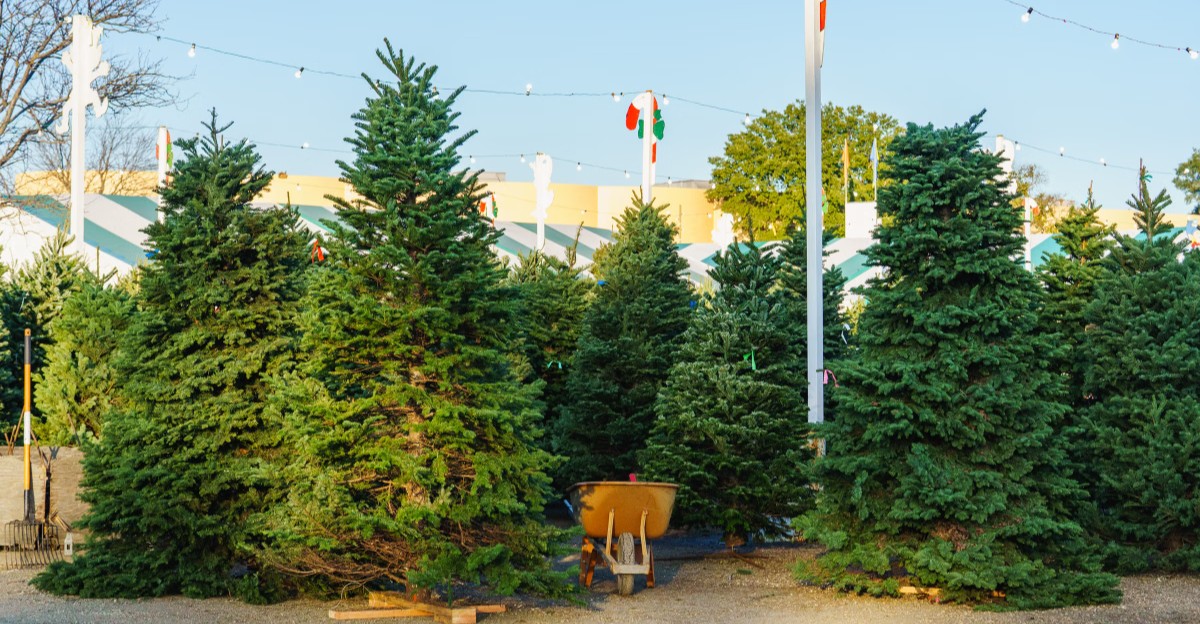
Fraser fir grows wild on only a handful of high Appalachian peaks, including Mount Rogers in Virginia. Growers in nearby Grayson County now raise that same mountain fir for living rooms all across the country.
Most farm trees need seven to ten years in the field before anyone brings a saw near them. Yet a tree that sits on a lot too long can fade well before the holidays arrive.
I know this from hauling home a gorgeous tree that shed needles like a husky in July. By New Year’s Day, my living room carpet looked greener than the poor branches above it.
Since then, I have learned that a fresh tree drops plenty of honest clues on farms and lots alike. So which clues matter most when you are standing on a chilly Virginia lot with cash in hand?
1. Bend A Single Needle Between Your Fingers
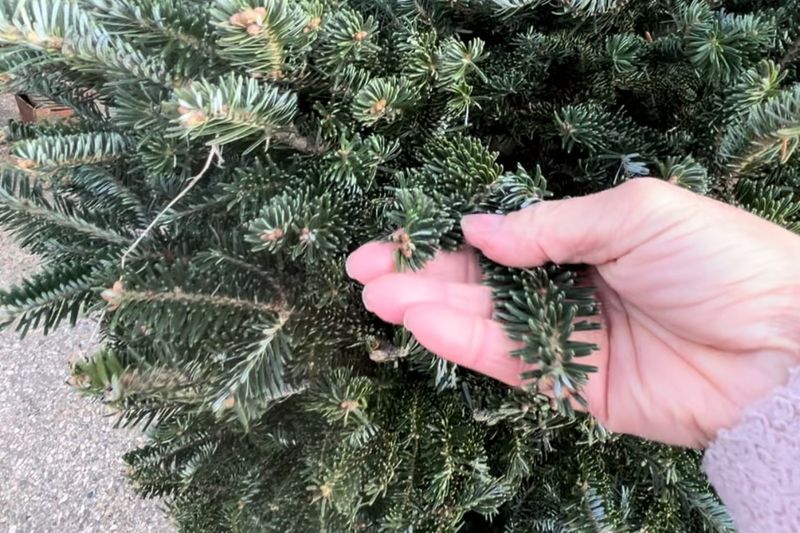
A fresh Fraser fir needle breaks with a crisp little snap, a lot like a carrot stick. Funny thing is, that tiny sound tells you more than the price tag or the perfect cone shape.
Pinch one needle near the branch tip and fold it in half between your thumb and finger. On firs and spruces, a clean snap usually points to needles that still hold plenty of moisture.
Pines play by different rules, so do not expect the same result from a white pine. Their long, soft needles should bend and flex without breaking when the tree is still fresh.
Mixing up those two reactions is easy, and I have done it myself on a cold afternoon. Ask the grower which species you are holding before you judge a single needle too quickly.
Brittle needles that crumble into flakes are a different story, no matter which species you picked. Crumbly foliage usually means the tree has already lost a big share of its stored water.
Try the test on needles from a few spots, since one shady branch can fool you. Inner needles near the trunk often feel different from the bright new growth at the tips.
For what it’s worth, this quick check takes about five seconds and costs you nothing at all. Growers rarely mind, as long as you treat their trees kindly and skip yanking off branches.
Pair this check with the others below, since one clue rarely tells the whole story. Together, they paint a clearer picture of how long that tree has been off its roots.
2. Give The Tree A Gentle Bounce On The Ground
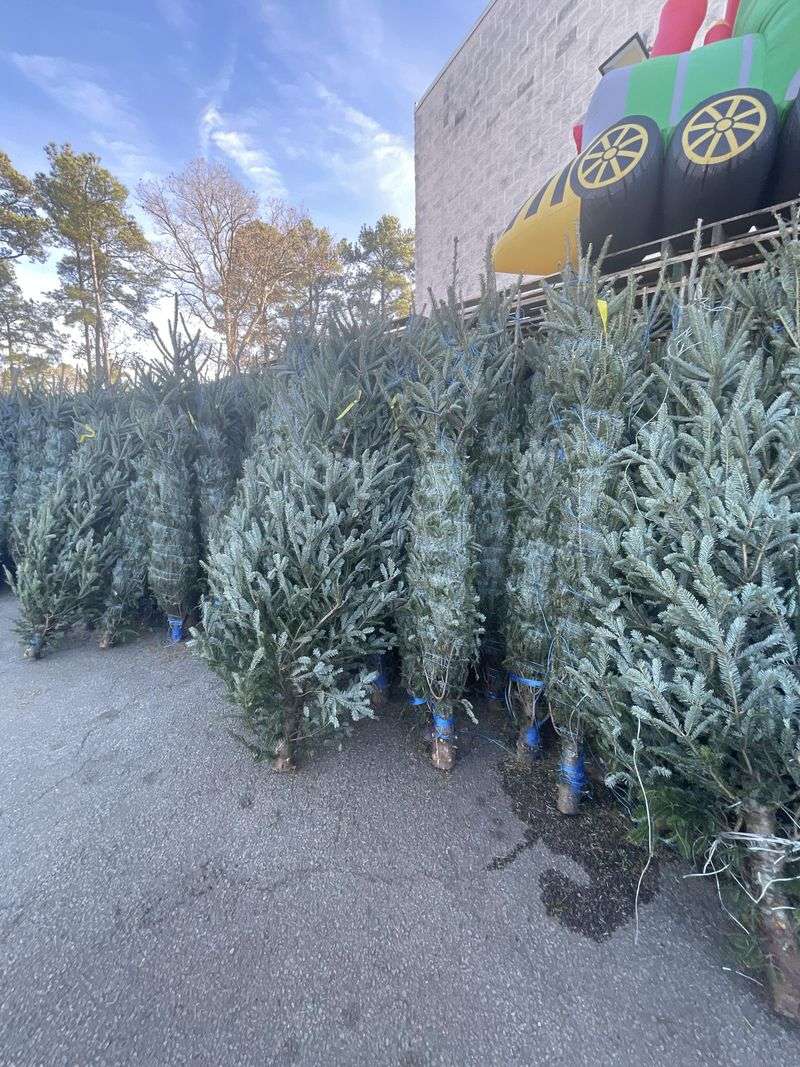
Nothing exposes a thirsty tree faster than a little bounce on frozen ground. Let’s just say I learned this trick after a very green, very prickly week of vacuuming.
Lift the tree a few inches by its trunk, then let the cut end tap the ground firmly. Watch closely as it lands, because the falling needles will show you its true condition.
A few brown needles from deep inside the tree are perfectly normal and nothing to worry about. Evergreens shed older inner needles each year, and those usually tumble loose during harvest and shaking.
Green needles raining down from the outer branches are the real warning sign you want to notice. That kind of shower often means the tree has dried out while waiting on the lot.
Many farms run trees through a mechanical shaker before netting, which clears out most loose debris. So a tree that still drops plenty of green needles afterward deserves a second, careful look.
Try another quick move by running your hand gently along a branch toward yourself. Fresh needles should cling to the twig instead of piling up in your palm like confetti.
Wear gloves for this part, since spruce needles can feel surprisingly sharp against bare skin. A thin pair of work gloves also protects your hands from sticky sap and rough bark.
If you ask me, this bounce test is the most satisfying check on the whole list. It feels a bit silly, yet it reveals plenty about freshness in just a couple of seconds.
3. Look For Deep Green Color On Every Branch
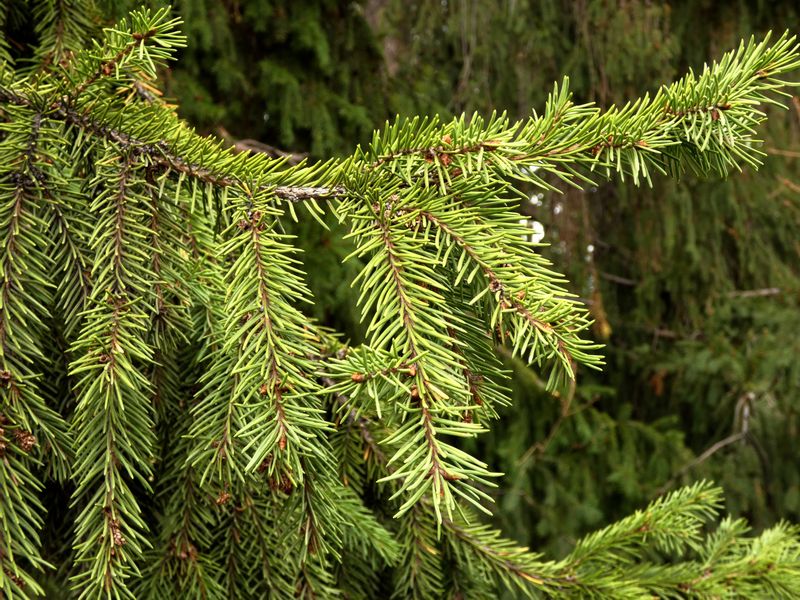
Color is the first thing your eyes grab, and it can tell an honest story about moisture. A healthy fir glows a rich, steady green that almost looks polished under winter sunlight.
Step back about ten feet and study the whole tree from top to bottom before deciding. Pale patches, yellow tips, or a washed-out gray tint often hint that the tree is losing water.
Here’s what caught my attention years ago while shopping at a busy roadside lot near town. Trees parked in full sun on the south side looked duller than the shaded ones nearby.
Sun and wind pull moisture from cut trees quickly, especially on mild, breezy December days. Lots that keep trees in shade or under cover usually offer foliage with better color and feel.
Some species naturally wear lighter or bluer shades, so do not judge every tree by one standard. Colorado blue spruce and concolor fir carry a silvery tint that is normal and quite lovely.
Brown needles scattered on the outside branches are worth a closer look before you pay. A few spots can come from insects or weather, but widespread browning is a stronger warning sign.
Also check the lower branches, which sometimes dry out first after sitting on concrete for days. Fading low limbs can be hidden once the tree stands upright and leans against a fence.
Between you and me, good color is easy to love but tricky to judge alone. Use it as an early clue, then confirm your hunch with the hands-on checks.
4. Check The Cut Trunk For Sticky Fresh Sap
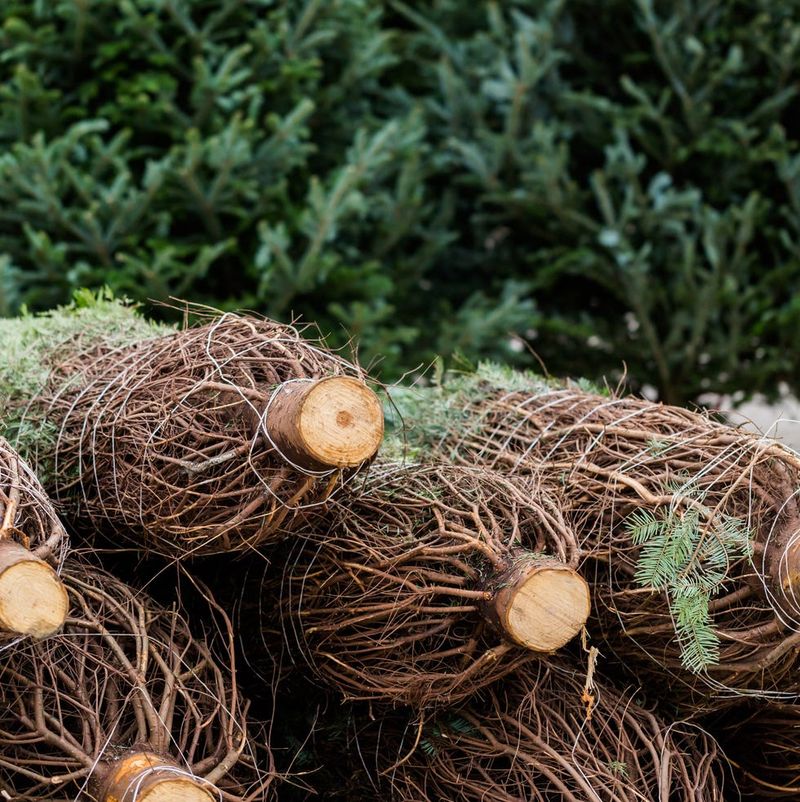
Sticky fingers are a sign of success in this particular test. A freshly cut trunk often oozes clear, fragrant sap that clings to your gloves for the rest of the afternoon.
Tip the tree slightly or crouch down so you can see the cut end of the trunk. Pale, moist wood with beads of sap suggests the tree was harvested recently and stayed protected.
A darkened, cracked, or bone-dry stump tells a different tale about how long ago it was cut. That surface may have sealed over with dried resin while the tree waited for a buyer.
Penn State and North Carolina State extension experts say that sealed resin can block water from moving upward. That is why most growers recommend trimming a fresh slice off the base before setting it up.
Ask the farm or lot to cut about half an inch from the trunk right before you leave. Many sellers do this for free, and it opens fresh wood that can soak up water again.
Get that tree into a stand full of water within several hours of the fresh cut. Once the new surface seals with resin, you would need to trim it again to restore water flow.
Looking back, I should have asked for that trim on my first tree hunt years ago. My stand barely needed refilling, which should have been a giant clue that something was wrong.
Feel the bark near the base as well, since fresh bark often feels slightly soft and cool. Dry, peeling bark around the cut can point toward a tree that has waited far too long.
5. Bend A Branch And Watch It Spring Back
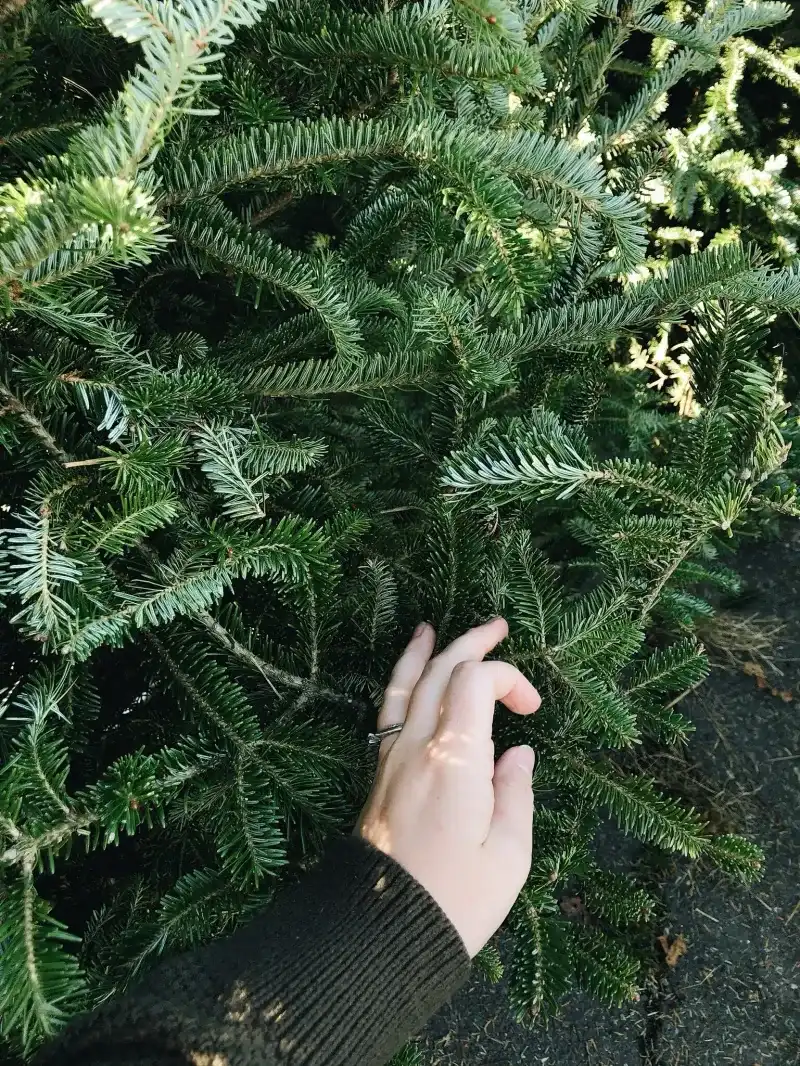
Branches on a fresh tree act a little like a springy fishing rod in your hand. Bend one gently outward, let go, and it should bounce right back into its natural position.
Choose an outer branch about pencil thickness instead of yanking on a thick limb near the trunk. Thin branches show moisture loss sooner, so they give you a quicker and more useful reading.
Brittle twigs that crack with a light bend are the kind of red flag worth respecting. Those snapping branches usually belong to a tree that has gone without water for quite a while.
In my own yard, I’ve noticed the same pattern with pruned evergreen clippings left on the porch. After a week of sun and wind, they snap instead of flexing, just like tired lot trees.
Flexible branches matter for more than freshness, since they also need to hold your favorite ornaments. Fraser fir is famous for stiff, sturdy branches that support heavier decorations without drooping much.
White pine branches are naturally softer and floppier, so they are better suited to lighter ornaments. That soft bend is normal for pines and should not be mistaken for a struggling tree.
Test branches on more than one side of the tree before you settle on a final choice. One side may have faced the sun or wind longer while it stood waiting on the lot.
Take a moment with this check, especially if your family loves heirloom glass ornaments. A springy, healthy branch gives those treasured pieces a much safer perch through the season.
6. Sniff The Branches For A Strong Evergreen Scent
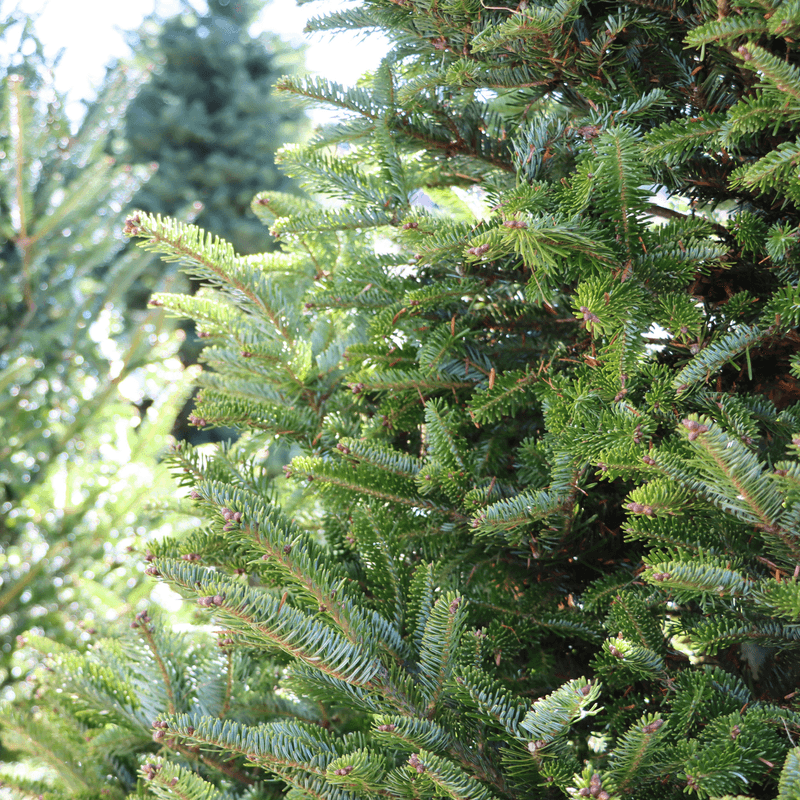
Crush a few needles between your fingers and take a slow, deep breath. That bright burst of forest scent is one of the happiest moments of the entire tree hunt.
Fresh needles hold aromatic oils that release a strong smell when you rub or bruise them. A faint or flat scent can suggest the tree has been sitting around for quite some time.
Funny thing is, my kids treat this test like a contest every single year at the farm. They march down the rows sniffing branches like tiny detectives searching for the strongest smelling tree.
Different species carry their own signature scents, which makes comparing trees a lot of fun. Fraser fir and concolor fir often smell especially sweet, while some pines offer a lighter, cleaner aroma.
Concolor fir sometimes earns a citrus comparison, with many shoppers noticing a hint of orange peel. Fraser fir smells more like the classic holiday forest that most of us picture from childhood.
Spruce can be a different story, since some types give off a sharper odor when needles are crushed. That smell is normal for the species and does not mean the tree is past its prime.
Use scent as a supporting clue rather than the final decision on freshness alone. Cold air can mute fragrance outdoors, so a tree may smell stronger once it warms up indoors.
For what it’s worth, a fragrant tree makes your whole home feel more festive. A good sniff costs nothing and adds plenty of joy to the family outing.
7. Ask The Lot Staff When The Trees Were Cut
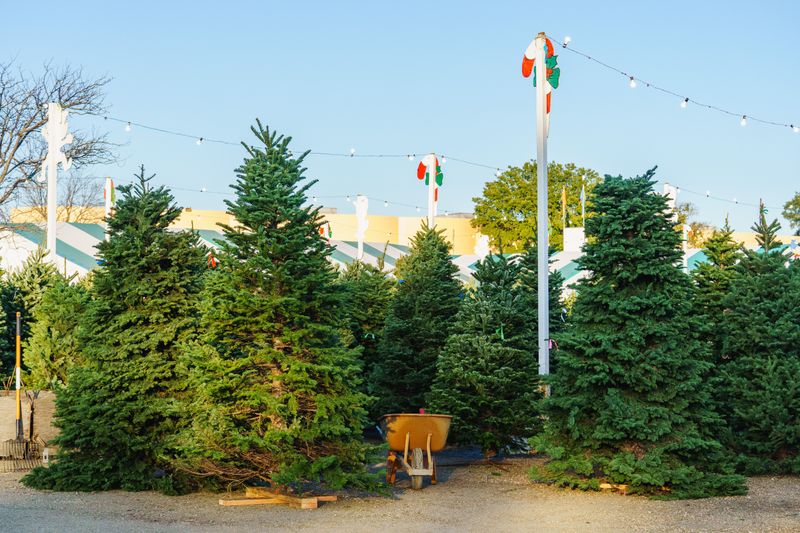
Sometimes the best freshness test is simply asking a friendly question at the checkout tent. Most lot workers know exactly when their latest truckload arrived from the farm.
Many trees sold at city lots are cut weeks before they reach the parking lot. Some travel from mountain farms in Virginia or North Carolina, which adds extra time between harvest and home.
Choose-and-cut farms remove that guesswork, since your tree comes straight off its roots that day. You also get a fun outing, and many farms provide saws, wagons, and help with netting.
If you shop at a lot, look at how the trees are stored before you buy one. Shade, protection from wind, and buckets of water all help cut trees hold their moisture longer.
Trees lying flat on hot pavement in bright sun are losing water faster than you might expect. A lot that stands its trees upright in water usually takes freshness more seriously.
Don’t make my mistake of buying on the first weekend, then waiting days before setting it up. Store your tree in a cool, shady spot with its trunk sitting in a bucket of water.
Once indoors, keep the stand topped off, since a fresh tree can drink surprising amounts daily. Extension experts suggest about one quart of water for each inch of trunk diameter every day.
Place the tree away from heat vents and fireplaces to slow drying through the season. With a little care and good questions, your tree should stay lovely well into the New Year.