What Maryland Law Says About A Neighbor’s Dog Leaving Waste In Your Yard
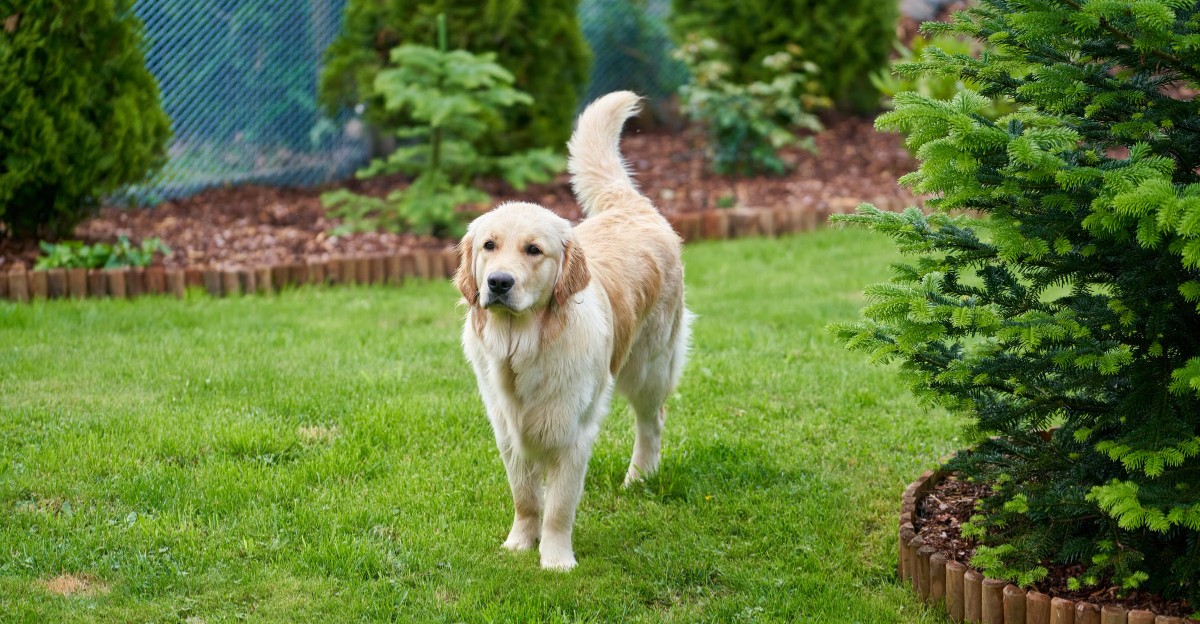
In parts of Maryland, a dog that keeps leaving messes on your lawn can be labeled a public nuisance under county code. That label can lead to real fines for the owner.
I learned this after one too many surprise steps near my tomato bed. Truth is, I assumed the law stayed quiet on backyard business.
Rules here mostly live at the county and city level, not in one big statewide law. That means your address shapes your options more than you might guess. Some counties spell out cleanup duties on private property in plain words.
I get it, nobody wants a feud over the fence. Still, knowing the rules gives you calm confidence before that awkward talk. So what can you actually do when a furry visitor treats your flower border like a rest stop?
That Pile On Your Lawn Is Usually The Owner’s Legal Problem
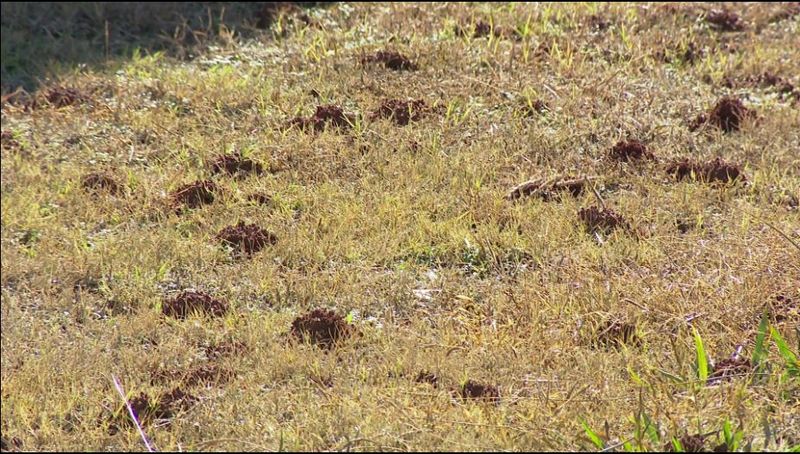
Fair warning, the dog is not the one breaking the law. Under local rules across much of Maryland, the person walking or keeping the dog carries the duty to clean up.
Many counties and towns have pet waste ordinances. They typically require owners to remove waste right away from any property they do not own, and that includes your private yard. Some places also require walkers to carry a bag or scooper.
The wording varies a lot from one jurisdiction to the next. A few codes focus mostly on public spaces like sidewalks and parks, while others clearly cover private land too. That difference matters when you decide what to do next.
You can usually find your local code online in a few minutes. Search your county name plus animal control code, or browse your county code on the official government website. Town codes can add their own rules on top.
Here is my honest take. Knowing the exact wording helps you speak calmly and accurately, rather than guessing. A neighbor tends to listen more when you can point to a real rule instead of a hunch.
That small bit of homework sets up every step that follows, from a friendly chat to a formal report.
Your County Animal Control Code Sets The Real Rules
Call me a nerd, but reading county codes taught me more than any neighborhood gossip ever did. Each county in Maryland writes its own animal rules, and the details can surprise you.
Montgomery County, for example, has an animal control law that addresses animals causing a nuisance, including waste on property not owned by the pet owner. Garrett County’s ordinance lists repeated waste on another person’s private property as a public nuisance. Baltimore County and others have their own pet waste and nuisance sections too.
Fines are not one size fits all. Amounts depend on the county, the specific violation, and whether it is a first or repeat offense. Some online sources quote specific dollar figures, but those can change, so check the current code or call animal control directly.
Incorporated towns may layer extra rules on top of county law, while Baltimore City, which is not part of any county, has its own code.
A quick phone call to your local animal services office can save hours of reading. Ask which section covers waste on private property and how complaints are handled.
Write down the code section number once you find it. You will want it handy if the problem keeps coming back.
A Wandering Dog In Your Garden Bed May Count As Running At Large
Don’t laugh, but I once thought only people could trespass. Turns out many Maryland counties have rules about dogs roaming off their owner’s property without control.
These are often called at large or leash rules. In many areas, a dog off its owner’s land must be leashed or under the owner’s effective control. A dog trotting alone into your yard to do its business may break that rule, even before any mess appears.
Some county codes also treat an animal that repeatedly enters private property without permission as a nuisance. The exact language differs, so read your local version.
Why does this matter? A leash rule can be easier to enforce than a waste rule, because roaming is visible and ongoing. Animal control officers handle loose dog complaints all the time.
Keep an eye on patterns. Note whether the dog arrives alone, with a walker, or slips through a gap in a fence. Each scenario points to a different fix and a different section of code.
A loose dog may also face hazards like traffic. Reporting it can actually protect the pet as much as your peppers and petunias.
Dog Waste In Your Vegetable Patch Is A Health Concern

Gross but true, dog waste is not fertilizer. Unlike composted cow manure, fresh dog waste can carry bacteria and parasites such as roundworms, hookworms, and E. coli.
Roundworm eggs can stay in soil for a long time. That is a real worry in vegetable beds, sandboxes, and spots where kids play barefoot.
Most of Maryland sits in the Chesapeake Bay watershed, and state and local agencies often point to pet waste as a source of bacteria in streams. Rain washes it into storm drains that flow toward local waterways. That bigger picture helps explain why so many communities take cleanup seriously.
So what should you do with an unwanted deposit? Wear gloves, scoop it into a bag, and toss it in the trash. Skip the compost bin, since home piles rarely get hot enough to break down those pathogens.
Wash hands well afterward, even if you wore gloves. If waste landed right on edible plants, many gardeners choose to toss nearby produce rather than risk it.
Leafy greens and low-growing strawberries deserve extra caution. Raised beds or a small border fence can give those crops a cleaner home.
Photos And A Simple Log Make Animal Control Complaints Stick
Animal control officers cannot act on hunches. They need details, and you are the best person to gather them.
Start a simple log. Write the date, time, what you saw, and whether the owner was present. A notes app works fine, though I like a notebook kept by the back door.
Photos and short videos help a lot. Capture the dog, the location, and if possible the owner nearby, while staying on your own property. A doorbell camera or a cheap trail camera aimed at the problem spot can do the watching for you.
Identification matters most. Many ordinances require knowing whose dog it is before any citation goes out.
Once you have a pattern, contact your local animal services agency. Some counties take complaints online, while others want a phone call or a sworn statement. Police non-emergency lines can also point you in the right direction.
Be ready for a warning first. Many agencies start with education or a notice, then move to fines if problems continue. Patience and a steady paper trail usually carry the day.
A Low Garden Fence And Dense Shrubs Keep Curious Pups Out

I’m a sucker for pretty border fences. It turns out they also send a clear message to dogs and their walkers.
Even a short decorative fence or edging along the sidewalk side of your yard can redirect traffic. Dogs tend to sniff the first open patch of grass they meet, so blocking that easy spot helps.
Dense plantings work too. Shrubs like native inkberry holly or low-growing junipers make a tidy barrier that dogs often skip. Mulch with rough texture or a strip of river rock can also feel less inviting than soft lawn.
Motion-activated sprinklers startle visiting dogs harmlessly and work well in warm months. Turn them off before freezing weather arrives.
Scent repellents and citrus peels get mixed reviews. Some dogs ignore them, and many need reapplying after rain. Avoid homemade mixes with cayenne or mothballs, since those can harm pets, wildlife, and kids.
A friendly sign near the sidewalk can help as well. Something like Please Keep Pets Off The Garden often nudges polite walkers without sounding grumpy.
None of these replace the law, but they cut down on how often you need it.
A Friendly Chat Over The Fence Often Solves Dog Messes Fastest
Truth is, most of my neighbor problems ended with a smile, not a citation. Plenty of owners have no idea their dog is visiting your hostas.
Pick a calm moment, not right after you step in something. Keep it light and specific, like mentioning you have found waste near your veggie bed a few mornings this week.
Offer easy solutions. Suggest a different walking route, or mention that you keep a trash can by the curb they are welcome to use. Small gestures make cooperation feel natural.
If your dog-owning neighbor brushes it off, you can mention local cleanup rules gently. Frame it as wanting to help them avoid a fine, which takes the sting out.
Homeowner associations may have their own pet rules too. An HOA notice can sometimes do the nudging so you do not have to.
Keep your own notes after the talk. If the problem continues, you have shown good faith, and animal control will appreciate that history.
A clean yard and a friendly street are both worth protecting. Start kind, stay calm, and lean on the law only when kindness runs out.