Maryland Homeowners Who Fertilize Their Lawns Now Could Be Breaking State Law
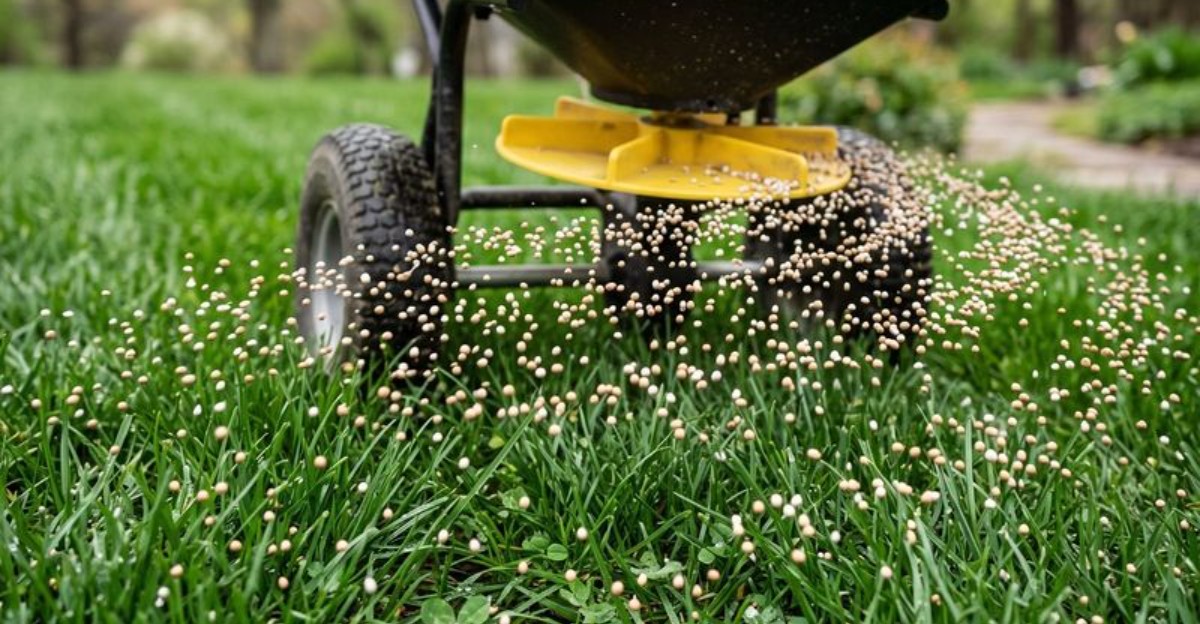
A bag of lawn food in your garage could turn you into a lawbreaker after mid-November. I didn’t see that coming the first time I read the rules, and I’ve been feeding grass for years.
Guilty as charged, I used to think a late feeding tucked my lawn in for winter like a warm blanket. Cold soil had other plans. Grass roots slow way down when temperatures drop, so much of that fertilizer just sits there waiting for the next hard rain.
Maryland treats that leftover fertilizer as a real threat to the Chesapeake Bay. The law spells out dates, amounts, and even where granules can land. Some of the details surprised me, like the rule about sweeping your driveway.
But what happens if your spreader is already loaded and the calendar says late November? And why do the pros get a slightly different deal than you do?
That Spreader Full Of Fertilizer Has A Calendar Problem

Mid-November is when a lot of us get the itch to give the lawn one last snack. I get it, the weather is crisp and the spreader is sitting right there.
Under Maryland’s Lawn Fertilizer Law, homeowners cannot apply fertilizer containing nitrogen or phosphorus from November 16 through March 1. That is not a friendly tip from a garden center. It is a statewide rule that took effect in 2013, and it covers every county.
The reasoning is simple once you think about grass biology. Cool-season lawns like tall fescue slow their growth as soil temperatures drop, so they take up far fewer nutrients. Whatever the roots don’t grab can wash off during winter rains or snowmelt.
Frozen ground makes things worse, since water can’t soak in and simply runs across the surface. That runoff heads to storm drains, then creeks, then the Bay.
So if today’s date lands inside that window, park the spreader and close the bag tightly. Store it somewhere dry and off the floor so moisture doesn’t turn it into a brick. Your lawn will be just fine sitting tight until spring, and you’ll be on the right side of the rules.
Algae Blooms In The Chesapeake Bay Start On Our Lawns
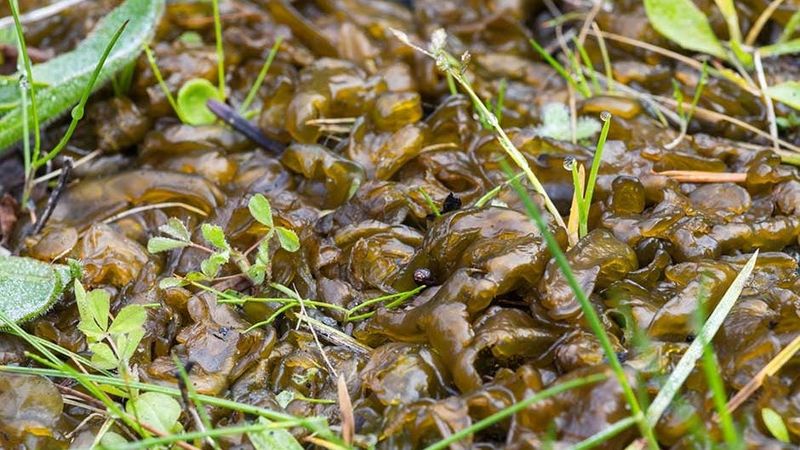
Green, soupy water in a tidal creek tells a story that often begins miles away in somebody’s backyard. Nitrogen and phosphorus are the two nutrients at the heart of the problem.
When too much of either reaches the Chesapeake Bay, algae grows fast. Thick blooms block sunlight from underwater grasses, which young crabs and fish use for shelter. As the algae breaks down, bacteria use up oxygen in the water, creating low-oxygen areas that fish, crabs, and oysters struggle to survive in.
Farms and wastewater plants get a lot of attention, and they matter. Still, the Chesapeake Bay Program points out that runoff from developed land, including lawns, is a meaningful and growing source of nutrients. With millions of people living in the watershed, small habits add up.
That’s why the law zeroes in on these two elements and leaves potassium alone. Potassium doesn’t fuel algae the same way.
Here’s a fun detail I love sharing at cookouts. Underwater grasses in the Bay have been making a comeback in recent years, partly thanks to cleaner water. Every bag of fertilizer kept off frozen ground gives those grass beds a slightly better shot.
Check The Middle Number On Your Fertilizer Bag
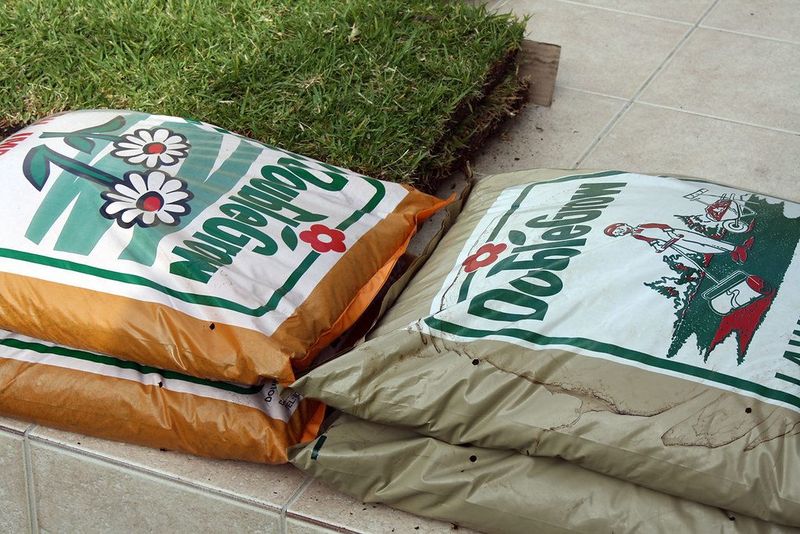
Grab your fertilizer bag and look for three numbers separated by dashes, like 24-0-11. Those stand for nitrogen, phosphorus, and potassium, always in that order.
In Maryland, that middle number on lawn maintenance products should usually be zero. The law limits phosphorus because most lawns in the state already have plenty of it in the soil. Adding more doesn’t make grass greener, and the extra can wash away attached to soil particles.
There are two important exceptions. You can use phosphorus if a soil test shows your lawn actually needs it. You can also use it when establishing a new lawn or repairing patches with seed or sod.
A soil test is cheap and genuinely eye-opening. The University of Maryland Extension Home and Garden Information Center lists approved labs, and results usually arrive in a couple of weeks.
I was shocked by my first report, which showed phosphorus levels far above what my grass needed. I’d been paying for nutrients the yard didn’t want for years. Now I shop with the label in mind, and my wallet is happier too. Late winter is a smart time to mail in a sample before spring feeding.
Nitrogen Limits Keep Your Grass From Overeating
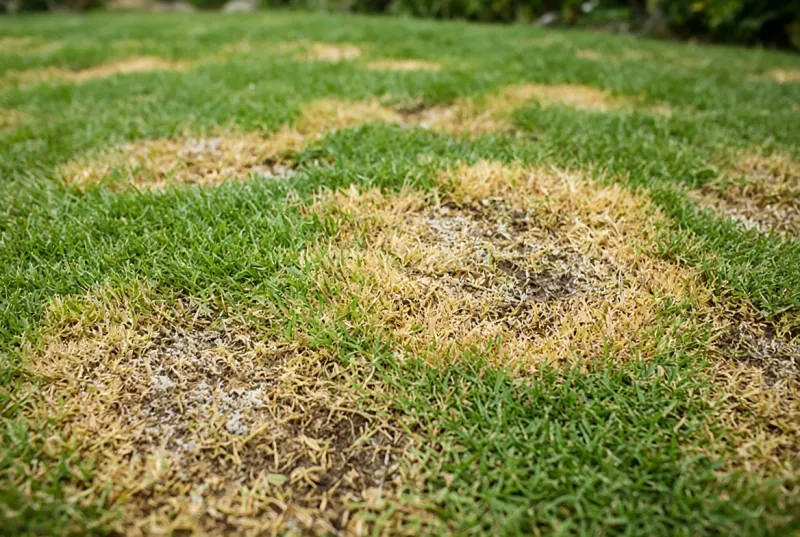
More fertilizer feels like more love, but grass doesn’t see it that way. Maryland caps how much nitrogen you can put down in one go.
A single application can’t go over 0.9 pounds of total nitrogen per 1,000 square feet. At least 20 percent of that nitrogen must be slow-release, which feeds grass gradually instead of all at once. Quick-release nitrogen alone can flush through soil, especially before a storm.
Annual totals follow University of Maryland Extension recommendations, which depend on your grass type. Tall fescue and Kentucky bluegrass have different needs than warm-season zoysia, which some folks grow on the Eastern Shore and in southern counties.
The math sounds intimidating, but it isn’t bad. Measure your lawn with a tape or a measuring wheel, then check the bag for the coverage rate and spreader setting. Most product labels in Maryland are already designed to stay within the legal limit when used as directed.
My tip is to calibrate your spreader once a season. I once ran mine wide open and left bright green stripes across the yard for weeks. Lesson learned, and the neighbors still tease me about my zebra lawn.
Sweep Those Fertilizer Granules Off Your Driveway
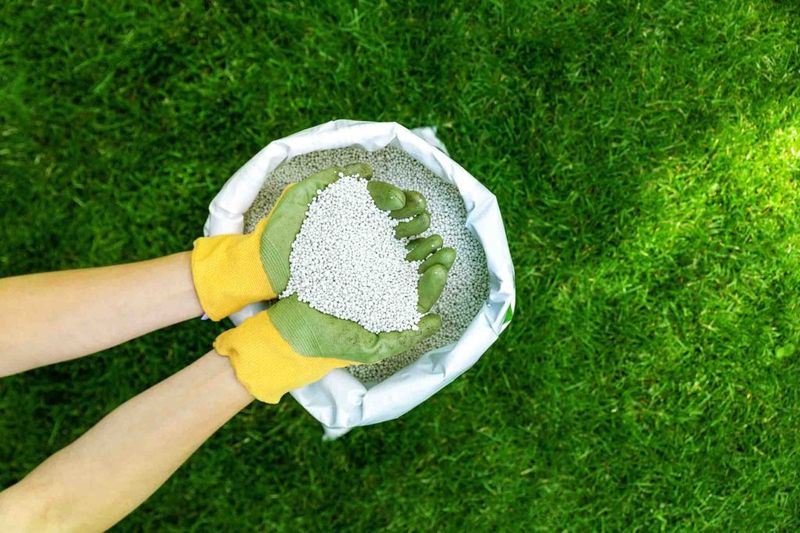
Those little blue pellets bouncing onto your driveway seem harmless. Under state law, though, you are required to clean them up.
Any fertilizer that lands on sidewalks, driveways, or streets must be swept back onto the lawn. Hard surfaces send water straight to storm drains, and in Maryland most storm drains flow untreated to local streams. A few granules per house multiplied by a whole neighborhood adds up fast.
Distance from water matters too. Fertilizer must stay at least 10 feet from streams, ponds, and other waterways, or 15 feet when using a regular broadcast spreader. A drop spreader or a spreader with a deflector shield lets you work closer to that edge.
Weather is part of the deal as well. Don’t apply fertilizer on frozen ground or when heavy rain is expected, since both send nutrients running downhill.
One more rule caught me off guard. Using fertilizer as a de-icer on walkways is prohibited, even though some products melt ice. Stick with proper ice melt products instead.
Keep a stiff push broom near your spreader. A quick sweep takes two minutes and feels oddly satisfying.
Missed The Fall Feeding Window? Your Lawn Will Bounce Back
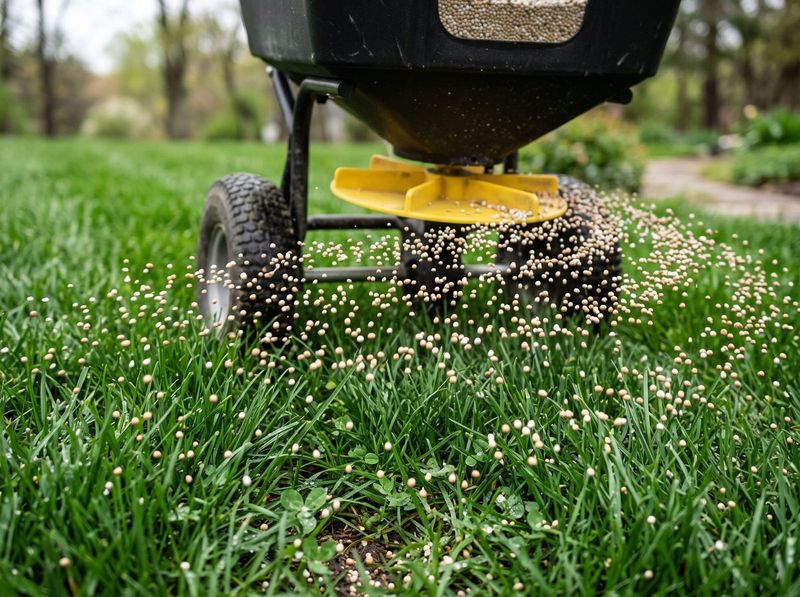
Relax, skipping a late feeding is not a lawn emergency. Plenty of healthy yards cruise through winter with nothing extra.
For cool-season grasses common in Maryland, the University of Maryland Extension stresses early fall, roughly September and October, as the most valuable feeding time. That timing helps roots grow and recover from summer stress. If you fed then, your grass is already well stocked.
Missed fall entirely? You can resume on March 1, as long as the ground isn’t frozen and heavy rain isn’t on the way. Many experts suggest waiting until the grass is actively growing and you’ve mowed once or twice.
A light spring feeding is plenty for cool-season lawns. Heavy spring nitrogen can push soft top growth that struggles during summer heat and invites disease.
Warm-season grasses like zoysia follow a different schedule. They prefer feeding in late spring and summer once they green up fully.
Winter isn’t wasted time either. Rake matted leaves off the grass, keep foot traffic down when the lawn is frosty, and sharpen your mower blades. Your yard will thank you when April rolls around.
Certified Lawn Care Pros Get A Short Extra Window
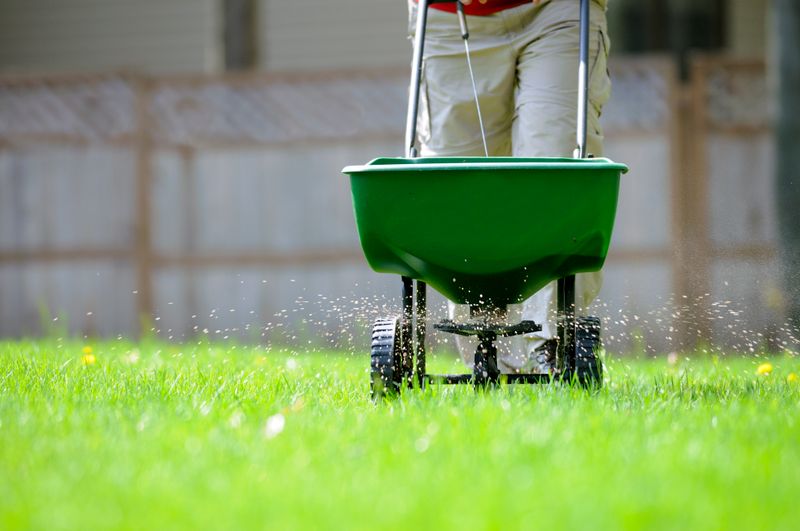
Saw a lawn service truck in your neighbor’s driveway in late November and wondered if they’re breaking the rules? Probably not.
Professionals certified and licensed by the Maryland Department of Agriculture have a slightly longer season. From November 16 through December 1, they may apply up to 0.5 pounds of nitrogen per 1,000 square feet. After December 1, the blackout covers everyone until March 1.
The extra time reflects their training. Certified applicators have learned about nutrient management, soil conditions, and runoff risks, and they must keep records of their applications.
If you hire a company, ask to see their certification. A legit business will happily share it, and you can look up licensed firms through the Department of Agriculture.
Homeowners shouldn’t try to piggyback on the professional window. The extension belongs to certified pros only, so your own spreader still rests after November 15.
I like asking my lawn service what they’re putting down and why. Good technicians enjoy explaining it, and I usually learn something new about my soil. Fines can apply to anyone who ignores the law, and pros who break the rules risk their license.
A Healthier Lawn Can Mean Less Fertilizer And A Cleaner Bay

My favorite lawn trick costs nothing at all. Leave the grass clippings on the lawn after you mow.
Clippings break down quickly and return nitrogen to the soil, which can trim your fertilizer needs over a season. Mowing tall, around three to four inches for tall fescue, also shades out weeds and grows deeper roots that hold water better.
Fall leaves can work the same way. Run a mower over them so the pieces fall between grass blades instead of smothering the lawn.
Consider shrinking the lawn a little, too. Native plants like black-eyed Susan, switchgrass, and mountain mint need no fertilizer once settled and feed pollinators. A rain garden in a low spot can catch runoff before it reaches the street.
Several Maryland counties offer rebates for rain gardens, rain barrels, and conservation landscaping. Check your county or local watershed group, since programs change from year to year.
Here’s my takeaway after all this digging. Following the law is the baseline, but feeding smarter makes the biggest difference. Mark November 15 and March 1 on your calendar, get a soil test, and let your lawn pull its weight.