What Maryland Gardeners Should Do For Blueberry Bushes After July Harvest
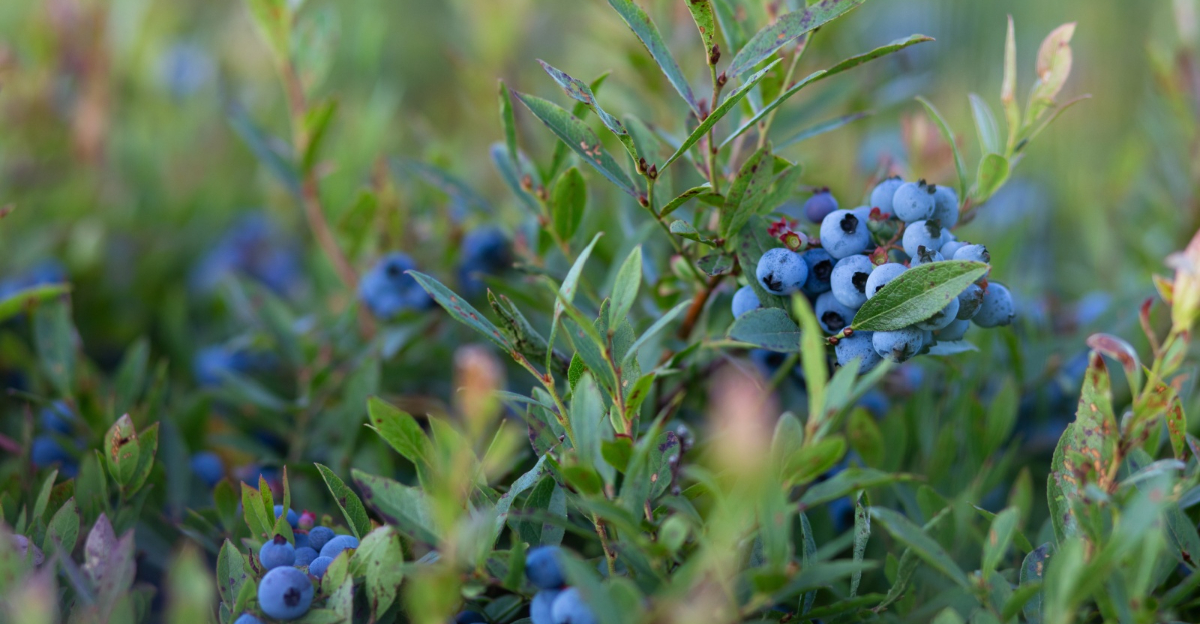
The blueberry bushes across Maryland backyards just finished their busiest month. Buckets got filled, hands got stained purple, and the branches finally went quiet.
But quiet doesn’t mean done. What happens in the weeks right after harvest decides whether next July brings another heavy crop or a disappointing trickle of berries.
Most gardeners walk away the moment the last berry drops. That’s the mistake. Your bushes spent June and July pouring energy into fruit, and now they’re running on empty reserves right when they need to rebuild for next season.
Skip the aftercare, and you’ll notice it: smaller berries, weaker growth, maybe even a bush that struggles the following spring.
This post breaks down exactly what your blueberry bushes need once picking season wraps up.
A little attention now, while the Maryland heat still lingers, sets the stage for a bush that comes back stronger and hungrier to produce.
1. Prune Out Damaged, Weak, Or Diseased Canes Promptly
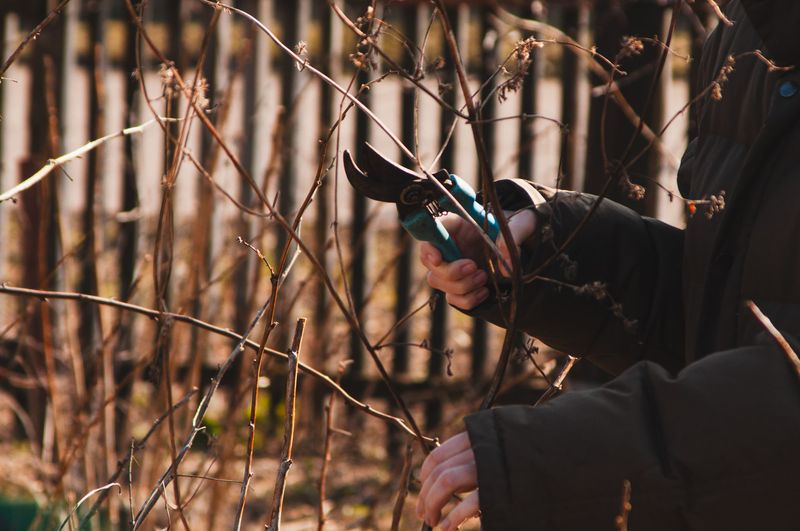
Grab your shears and take a good look at your bushes. Right after harvest, damaged canes stand out clearly against healthy growth.
Blueberry plants push a lot of energy into fruiting, and some canes take a beating during the season. Diseased wood can spread problems fast if left in place.
Look for canes that appear grayish, shriveled, or spotted with unusual marks. Snap a small piece off a suspect cane and check if the inside looks brown instead of white or green.
Any cane that looks off should come out completely, cut right at the base. Never leave a stub behind because stubs invite fungal problems.
Clean your pruning shears between cuts using rubbing alcohol on a rag. Cross-contamination between canes is a real risk that many gardeners overlook.
After removing problem canes, step back and assess the overall shape of the bush. You want an open, airy structure that lets light reach the center.
Bag up all removed material and toss it in the trash rather than the compost pile. Composting diseased plant matter can spread pathogens back into your garden soil.
Prompt pruning now sets your blueberry bush checklist after July harvest off on the right foot. Healthy canes this fall mean bigger, sweeter fruit next summer.
2. Remove Weak, Spindly Growth To Improve Airflow
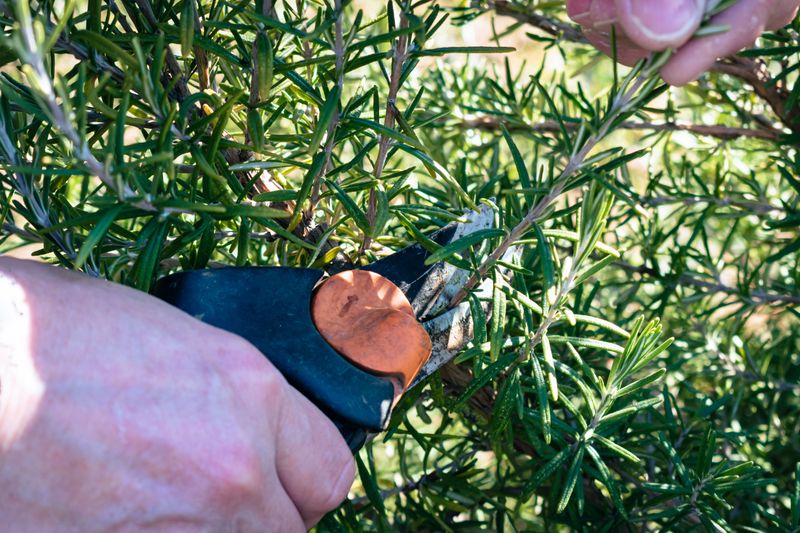
Thin, pencil-width twigs contribute little to fruit production while still consuming the plant’s resources. These twigs are easy to spot once you know what to look for.
Spindly growth tends to cluster near the base or shoot up randomly from older wood. These weak shoots rarely develop into productive canes, no matter how much you hope they will.
Removing them is one of the fastest ways to improve airflow inside the canopy. Good airflow is a blueberry’s best defense against powdery mildew and botrytis fruit rot.
Maryland summers bring high humidity, and dense bushes trap moisture easily. Opening up the plant lets wind move through and dry out wet foliage quickly after rain.
Your Maryland Garden Changes Every Week. Your Plan Should Too.
Gardening in Maryland changes quickly throughout the season. Every Friday you’ll receive a simple weekly plan showing exactly what to plant, prune, fertilize, harvest, and protect so you never miss the right timing.
Focus on growth thinner than a standard pencil diameter first. Then look for shoots crossing through the center of the plant and crowding productive canes.
Use bypass pruners rather than anvil-style tools for cleaner cuts. Cleaner cuts heal faster and leave less exposed tissue for pathogens to colonize.
After thinning, the bush might look a little bare in spots. Trust the process because open space now means vigorous new growth by fall and winter.
A well-thinned plant channels nutrients directly into the strong, productive wood you want. Following this step in your blueberry bush checklist after July harvest pays off when bud development kicks in during autumn.
3. Apply Mulch To Retain Moisture And Suppress Weeds
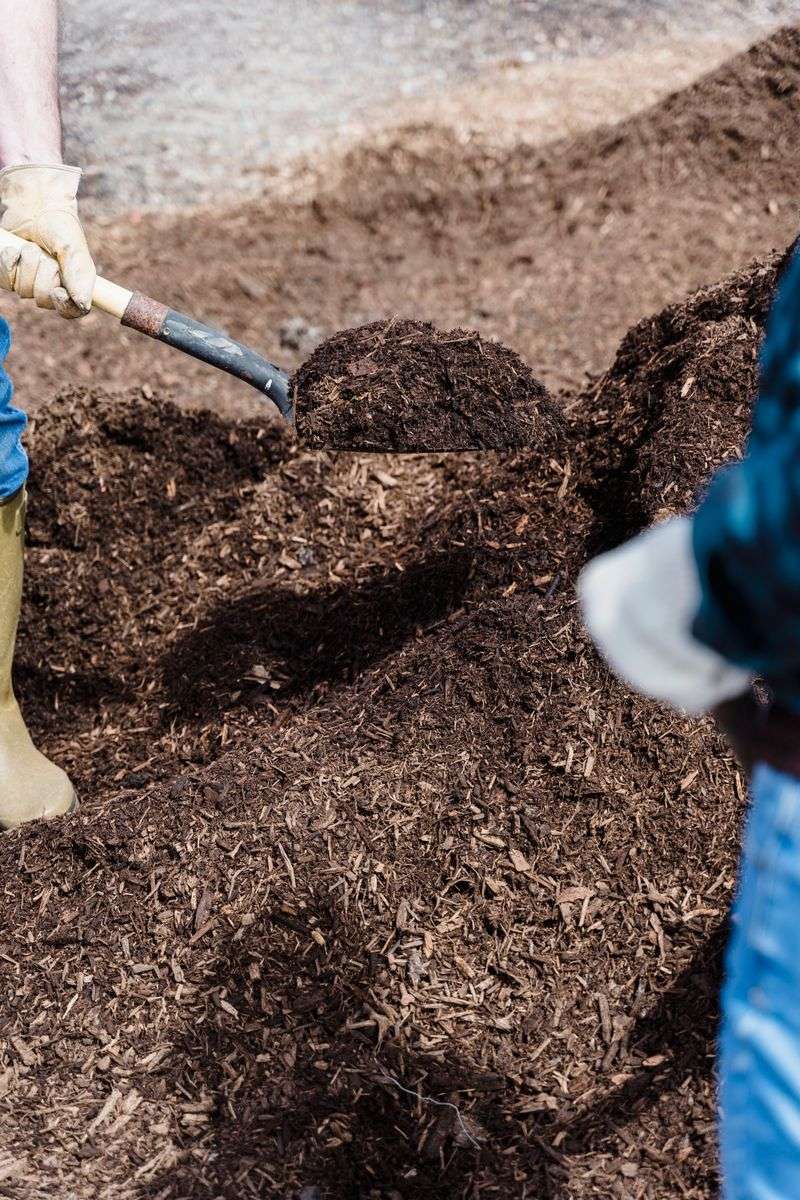
Fresh mulch after harvest gives the root zone valuable protection and support. It does more quiet work than most gardeners realize.
Blueberries have shallow, fibrous root systems that sit close to the soil surface. Those roots are vulnerable to heat stress, drought, and physical damage from foot traffic or tools.
A three to four inch layer of pine bark mulch or wood chips does triple duty. It holds soil moisture, keeps roots cool, and blocks weed seeds from germinating below.
Weeds are not just annoying aesthetically. They compete directly with blueberry roots for water and nutrients during the critical post-harvest recovery period.
Pine bark mulch has the added bonus of slightly acidifying the soil as it breaks down. Blueberries need acidic conditions to absorb nutrients properly, so this mulch choice works double duty.
Spread mulch in a wide ring extending to the drip line of the bush, not just around the trunk. Blueberry roots spread outward, not just downward, so coverage matters.
Keep mulch a couple of inches away from the main stem to prevent crown rot. Mulch piled against the stem traps moisture against the wood and creates a rot-friendly environment.
Refreshing mulch is a small effort with outsized rewards on your blueberry bush checklist after July harvest. Your roots will stay happy through the rest of summer and into fall.
4. Water Deeply During Dry Summer Stretches Ahead
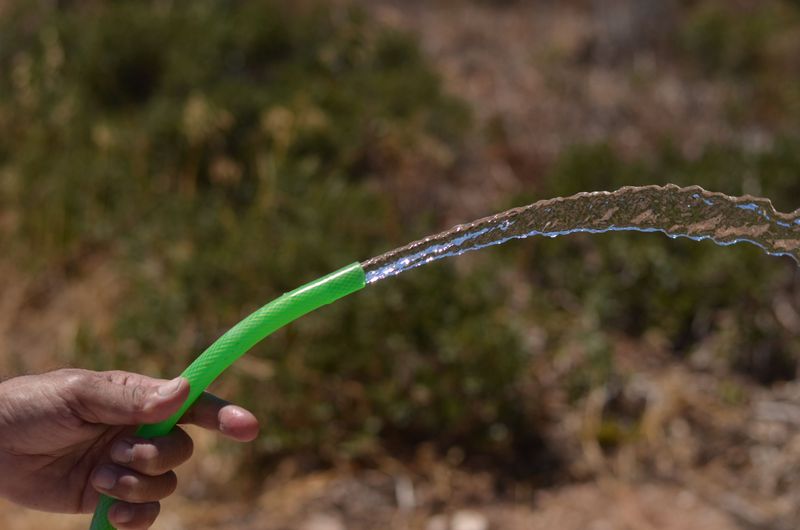
Post-harvest blueberries need consistent moisture, and Maryland summers can turn very dry without warning.
After fruiting, blueberry plants immediately shift energy toward bud development for the following year. Those buds need consistent moisture to form properly during late summer and early fall.
Deep watering means soaking the soil to a depth of at least eight to ten inches. Shallow sprinkling encourages surface roots that are fragile and easily stressed by heat.
A slow, deep soak once or twice a week beats daily light sprinkles every time. Let the water penetrate slowly rather than running off the surface before it can absorb.
Drip irrigation is the gold standard for blueberry watering. It delivers moisture directly to the root zone without wetting the foliage, which reduces fungal disease pressure significantly.
If you use a hose, place it at the base of the plant and let it run on low for twenty minutes. Move it around to different spots under the canopy for even coverage.
Check soil moisture by pushing a finger two inches into the ground near the roots. If it feels dry at that depth, the plant needs water today, not tomorrow.
Consistent hydration after harvest is a cornerstone of the blueberry bush checklist after July harvest. Healthy buds formed now are the direct source of next year’s fruit.
5. Fertilize Lightly To Support Next Year’s Buds
Post-harvest fertilizing gives the bush light, targeted support for recovery. A light feeding now fuels bud development without pushing excessive leafy growth.
Heavy nitrogen applications after harvest can actually cause problems. Too much nitrogen late in the season forces tender new shoots that get damaged by early frost.
Blueberries prefer fertilizers formulated for acid-loving plants, such as those labeled for azaleas or rhododendrons. These products contain the right nutrient ratios and often include sulfur to support soil acidity.
A light application in late July or early August is generally the right timing for Maryland’s climate. After that window, hold off on feeding until early spring to avoid frost damage risk.
Sprinkle granular fertilizer evenly around the drip line rather than piling it near the stem. Even distribution encourages uniform root uptake across the full root zone.
Water the fertilizer in thoroughly right after application. Dry granules sitting on the soil surface can burn shallow roots if they contact them directly without moisture dilution.
Read the label and use half the recommended rate for established bushes. Post-harvest feeding is about gentle support, not aggressive pushing of new growth.
Skipping this step means your plant heads into fall with depleted nutrient reserves. A small investment in fertilizer now pays back handsomely on your blueberry bush checklist after July harvest.
6. Test Soil pH And Adjust For Acidity Needs
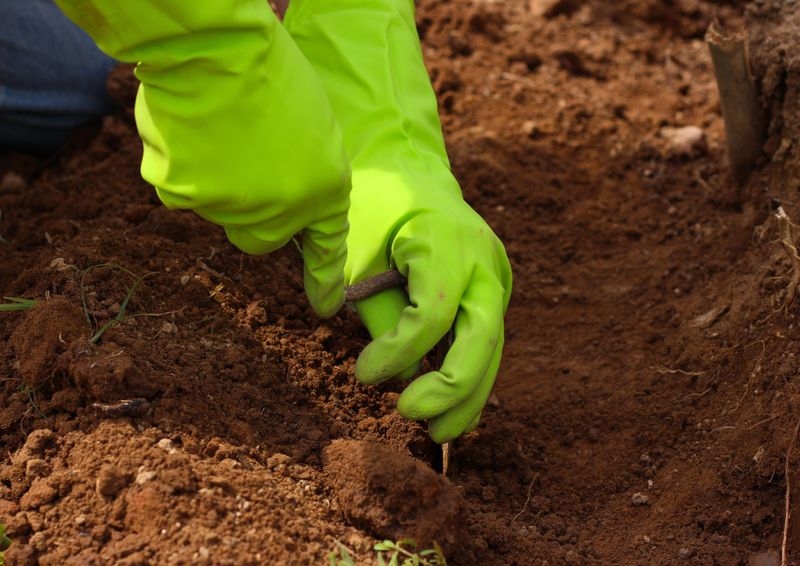
Blueberries are particular about soil pH. Without the right acidity level, even a well-fed plant will struggle to absorb nutrients effectively.
The ideal soil pH for blueberries sits between 4.5 and 5.5. Many Maryland soils tend to run higher than that, which is why regular testing is an important part of good care.
Inexpensive home soil test kits from garden centers work fine for basic pH readings. For a more detailed analysis, send a sample to the University of Maryland Extension lab for thorough results.
If your pH reads above 5.5, sulfur is the standard amendment to bring it down. Granular sulfur works slowly, so applying it now gives it time to work before next spring.
Follow the soil test recommendations carefully for sulfur application rates. Over-acidifying is a real risk that can cause nutrient lockout just as surely as soil that is too alkaline.
Mix sulfur into the top few inches of soil around the drip line without disturbing roots. Blueberry roots are delicate and do not appreciate aggressive digging or turning.
Re-test your soil every one to two years to track changes. pH can drift back up over time, especially if you are using water with a high mineral content for irrigation.
Soil pH management is a foundational piece of the blueberry bush checklist after July harvest. Get this right and every other care step works better.
7. Watch Closely For Pests Like Spotted Wing Drosophila
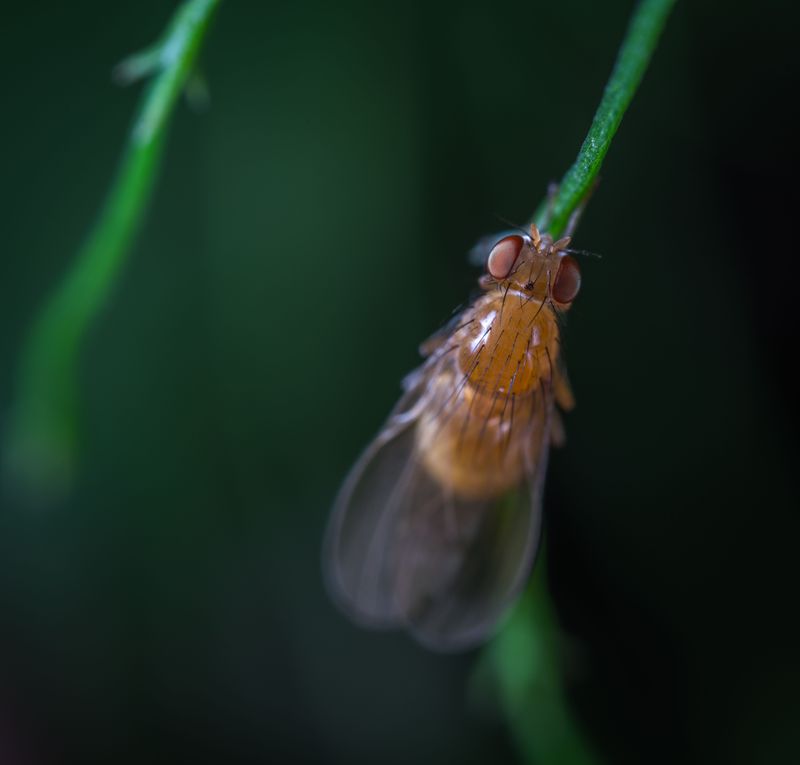
Spotted wing drosophila, or SWD, is a sneaky pest that has become a serious problem for Mid-Atlantic berry growers. Unlike most fruit flies, it targets ripe and nearly ripe fruit rather than decaying produce.
Even after harvest, SWD adults remain active through late summer and can damage any late-ripening berries you may have missed. They also lay eggs in soft, overripe fruit left on the ground.
Monitoring traps are cheap and easy to make at home. Fill a small container with apple cider vinegar and a drop of dish soap to catch adult flies and assess population levels.
Hang traps at shoulder height within the bush canopy and check them weekly. A sudden spike in catch numbers signals that intervention may be needed before populations grow out of control.
Row covers can physically exclude SWD if populations are high. Fine mesh netting draped over bushes before remaining fruit ripens creates a simple and effective barrier.
Keeping the area around your bushes clean is another line of defense. SWD breeds in fallen and overripe fruit, so removing dropped berries frequently breaks the pest cycle.
Kaolin clay sprays applied to foliage can deter adult flies from landing on plants. This organic option creates a gritty coating that makes surfaces unattractive to laying females.
Staying alert to SWD activity is an important point on the blueberry bush checklist after July harvest. Catching problems early helps prevent small infestations from turning into significant crop losses.
8. Clear Fallen Fruit And Debris Around The Base
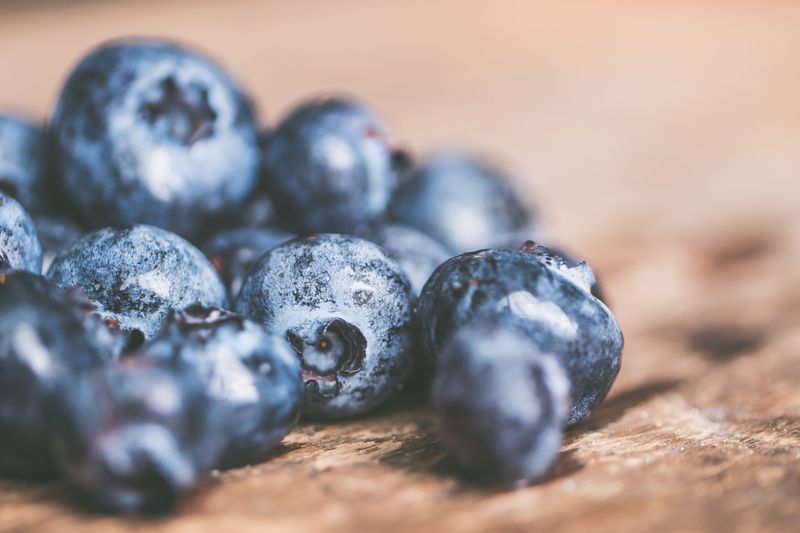
Rotting fruit on the ground attracts pests and encourages disease. Post-harvest cleanup around your bushes is unglamorous but absolutely essential.
Fallen blueberries ferment quickly in summer heat and attract fungus gnats, SWD adults, and various beetles. Each pest that breeds in that debris is a potential problem for next season.
Walk the perimeter of your bushes after every harvest session and pick up any dropped fruit. A small hand rake helps gather debris without disturbing the mulch layer underneath.
Leaf litter and fallen twigs that accumulate around the base also harbor fungal spores. Botrytis and anthracnose overwinter in plant debris and re-infect plants when conditions turn wet and warm again.
Rake out the debris carefully and bag it for trash rather than composting. This one habit reduces a major source of recurring disease pressure season after season.
Check under the canopy specifically, since debris tends to collect in the shadiest spots. Those shaded pockets stay moist longest and create ideal conditions for fungal growth.
Once the ground is cleared, consider refreshing your mulch layer to create a clean, tidy surface. A fresh mulch top-dressing also covers any remaining fungal spores hiding in the topsoil.
Ending your blueberry bush checklist after July harvest with a thorough cleanup sends your plants into late summer on the strongest possible foundation. A clean garden today is a productive garden tomorrow.