7 Key Things Kentucky Homeowners Should Know Before Taking Possums Out Of Their Yard
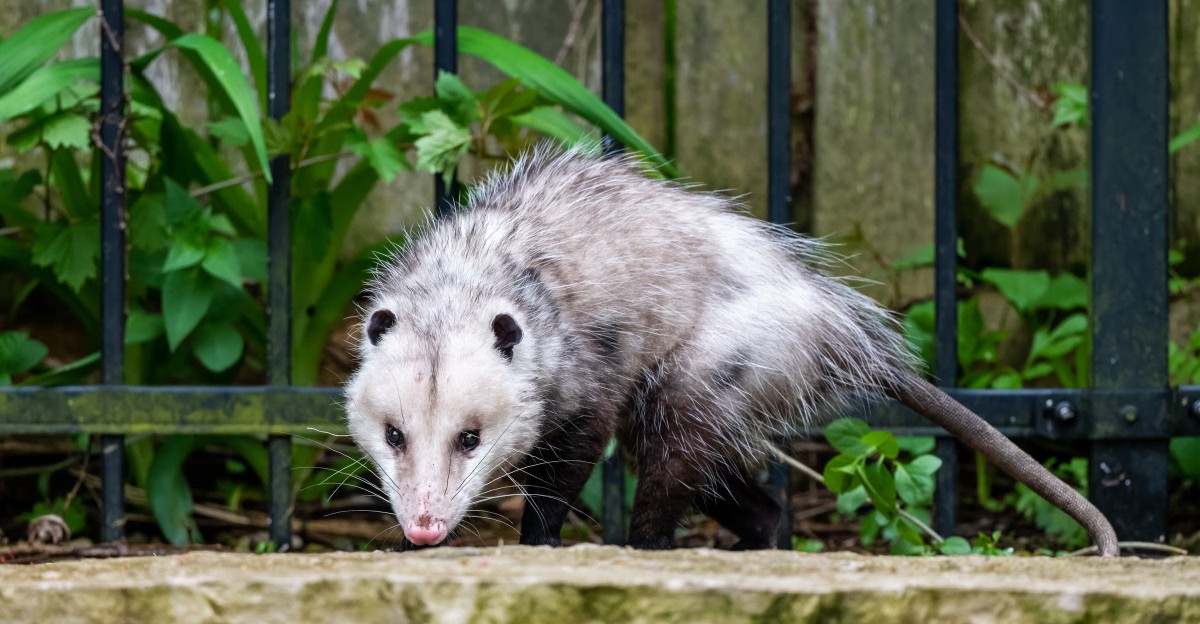
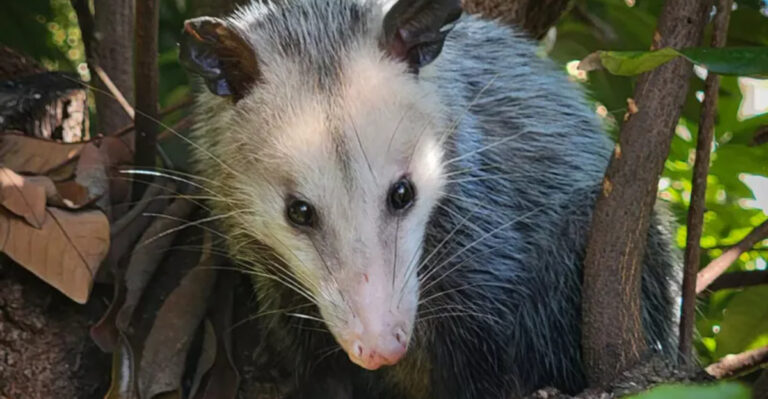
A mother of one backyard visitor can carry up to thirteen babies, each about the size of a honeybee at birth. That shuffling, gray critter near your Kentucky compost pile is also the only marsupial found north of Mexico.
I used to grab a trap the moment anything rattled my plastic garbage cans after dark. Truth is, I had no idea that state wildlife rules shape what you can do next.
You’d think a hissing, drooling visitor would be dangerous, but most of that drama is pure bluff. These night shift wanderers also eat slugs and beetles, which makes them handy guests for many vegetable gardeners.
Fair warning, a few facts surprised me so much that I rethought my whole approach to backyard visitors. Then again, before you set that trap, are you sure you know who is living under your porch?
1. Kentucky Wildlife Rules Decide Where A Trapped Opossum Can Go
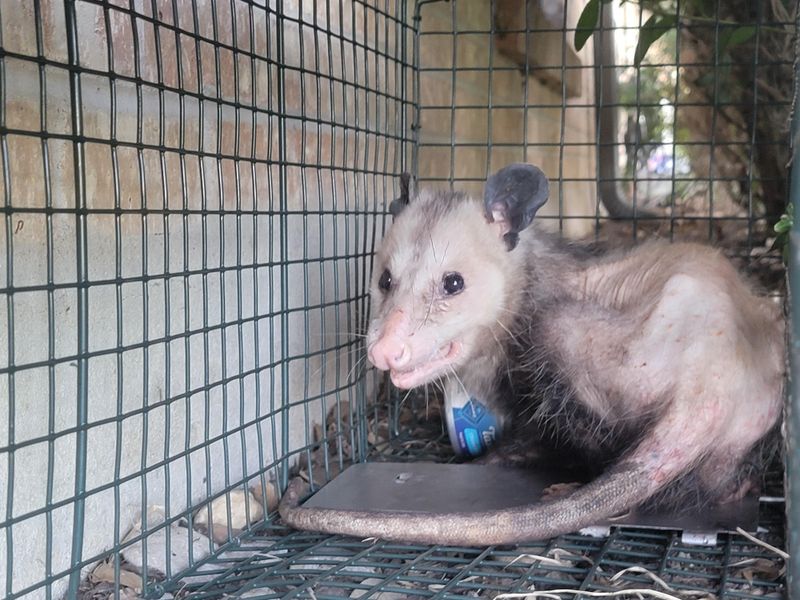
Kentucky lets homeowners handle nuisance wildlife on their own land, yet the fine print surprised me the first time I read it. Opossums are classified as furbearers here, so state Fish and Wildlife rules apply to them like any other regulated animal.
Trust me, the old habit of driving a trapped critter to some faraway park causes more trouble than it solves. State guidance generally says a captured nuisance animal must stay on the same property or be handled another lawful way.
Moving wildlife can spread disease and parasites into new areas, and stressed newcomers often struggle to find food or safe shelter. A relocated animal also lands in another animal’s territory, which rarely ends well for the confused stranger.
Dropping an animal on public land or a neighbor’s property can bring fines, so check the current rules before acting. Regulations change from time to time, and city ordinances in places like Louisville can add extra layers to consider.
Licensed nuisance wildlife control operators know these rules well and can manage a stubborn visitor without any legal headaches. They usually charge a fee, but the peace of mind may be worth every penny to a busy homeowner.
No poisons are approved for opossums, and setting one out could harm pets and hungry hawks hunting nearby. A quick call to your regional Fish and Wildlife office clears up questions before you buy any kind of trap.
I keep their phone number taped inside my garden shed, right beside the seed packets and a roll of twine. It saved me a real headache last spring, and it might spare you one this year too.
2. Opossums Gobble Slugs And Beetles Around Your Vegetable Beds
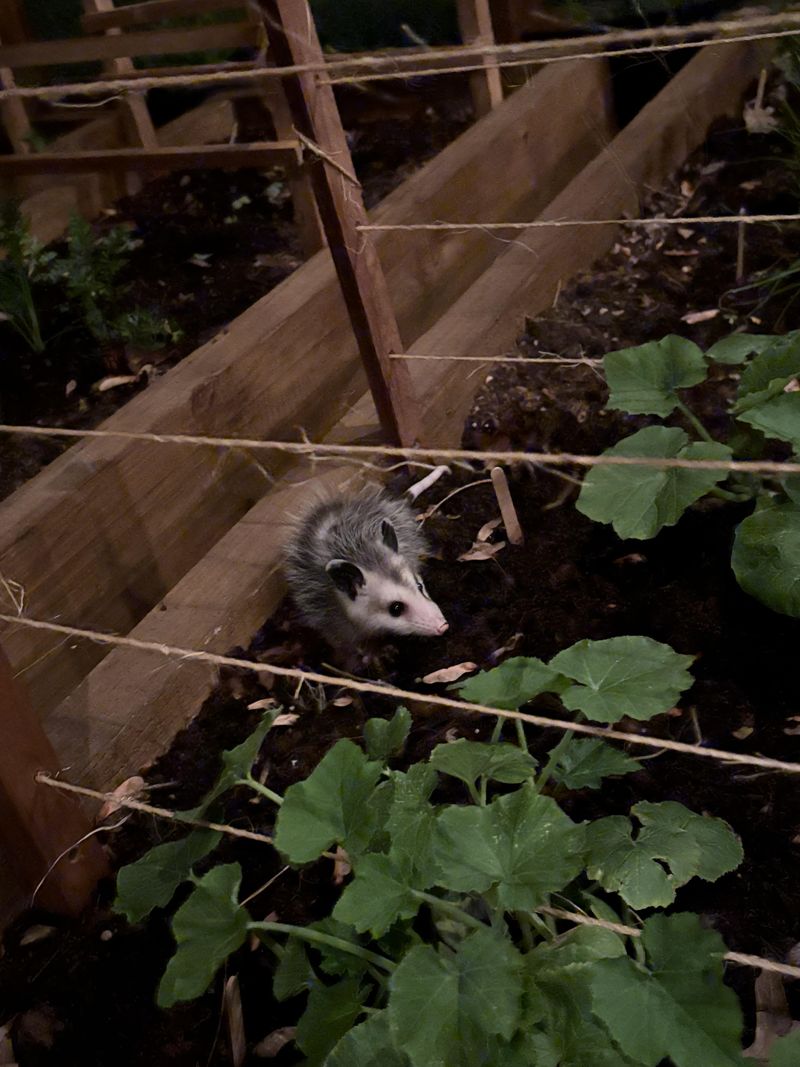
Call me stubborn, but I spent years blaming the opossum for every chewed hosta leaf in my shady flower bed. Turns out the real culprits were slugs, and my whiskered night visitor was happily snacking on them after sundown.
Opossums are omnivores with a long menu, eating slugs, snails, beetles, crickets, and plenty of fallen fruit on their rounds. Their appetite for soft-bodied pests can give tender lettuce and young bean seedlings a fighting chance during wet weather.
You may have heard that a single opossum eats thousands of ticks each season, which sounds like a gardener’s dream. A later 2021 study found ticks rarely show up in their diets, so treat that famous claim with some healthy doubt.
Snakes are another story, because opossums show strong resistance to venom from rattlesnakes and copperheads found across the region. They will occasionally eat snakes and mice, though they are mostly casual foragers rather than dedicated hunters of anything.
Carrion cleanup is their quiet specialty, and they tidy up roadkill and spoiled scraps that would otherwise attract flies and bigger scavengers. I think of them as the late-night janitors of the neighborhood, working while the rest of us sleep soundly.
Of course, they will also nibble ripe tomatoes and strawberries, so the benefits come with a little give and take. Picking produce promptly as it ripens keeps most of the harvest in your basket instead of their bellies.
Before setting a trap, ask yourself whether one shy marsupial is truly causing damage or simply passing through. Many visitors move on within a few days, and your slug population may notice the difference long after they leave.
3. A Mother Opossum May Be Carrying Babies In Her Pouch
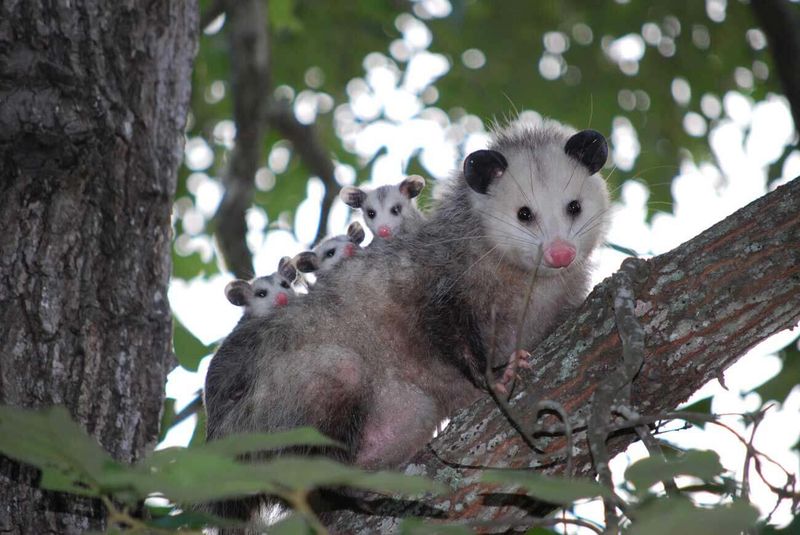
Nothing melted my heart faster than spotting a mother opossum waddling along my fence with six wide-eyed babies riding on her back. Moments like that remind me a trap set in the wrong season can separate a whole family.
Opossums in this part of the country usually breed from late winter into summer, sometimes raising two litters in a single year. Newborns crawl into the pouch right after birth, where they stay attached and growing for roughly two months.
Once they outgrow the pouch, the youngsters cling to their mother’s fur as she forages through gardens and wooded edges each night. Trapping her during this stretch can leave tiny babies stranded under a deck or inside a crawl space nearby.
I learned to check for little squeaks and scratching sounds before sealing any gap or setting a trap in spring. A trail camera aimed at a suspected den can reveal whether a mother is coming and going with her babies.
Found a lone baby wandering your yard? Young opossums under about seven inches long, not counting the tail, usually still need care and help.
Licensed wildlife rehabilitators can take orphaned joeys, and the state Fish and Wildlife agency keeps a list of volunteers by county. Raising them yourself without a permit is not allowed, and their special diets make home care surprisingly tricky.
Waiting until late summer or fall to address a problem often means the young have grown up and wandered off. A little patience spares you a guilty conscience and spares a small family plenty of unnecessary stress.
4. Hissing Opossums With Open Mouths Are Mostly Bluffing
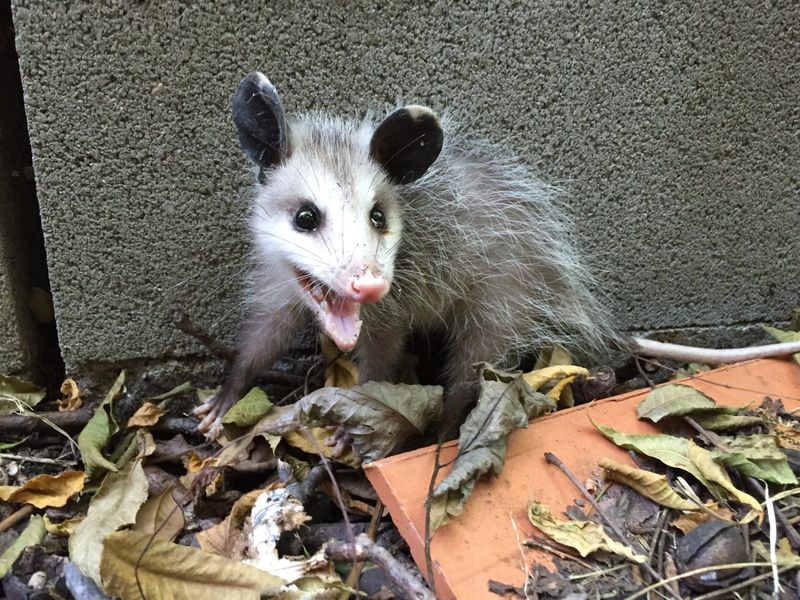
Fifty sharp teeth flashing in your flashlight beam is enough to make anyone jump back toward the porch door. Opossums have more teeth than any other North American land mammal, and they love to show them off when nervous.
Don’t laugh, but that toothy grin is mostly theater meant to make you leave without starting any real fight. A cornered opossum may hiss, drool, and growl, yet true attacks on people are quite rare according to wildlife experts.
When the bluff fails, some opossums slip into the famous state called playing possum, flopping over with their tongue hanging out. The response is involuntary, triggered by extreme fear, and it can last from a few minutes to several hours.
During that strange spell, the animal may release a foul smelling fluid that convinces predators the meal has gone bad. Many hungry dogs and foxes lose interest quickly, which explains why this odd strategy has worked for so long.
If you find one sprawled motionless on your lawn, back away and keep pets indoors for a while. Most will recover, look around, and shuffle off once the coast seems clear and the yard grows quiet again.
Poking or lifting the frozen animal only extends its fear and risks a defensive bite you would rather avoid. Gloves and a calm voice help if you must move nearby tools, but distance remains your best friend here.
I once watched a playing possum recover in about twenty minutes while I sipped coffee from my kitchen window. Seeing it stroll away unharmed felt better than any trap could have, and my dog eventually forgot the whole episode.
5. Opossum Droppings Can Carry Germs That Affect People And Horses
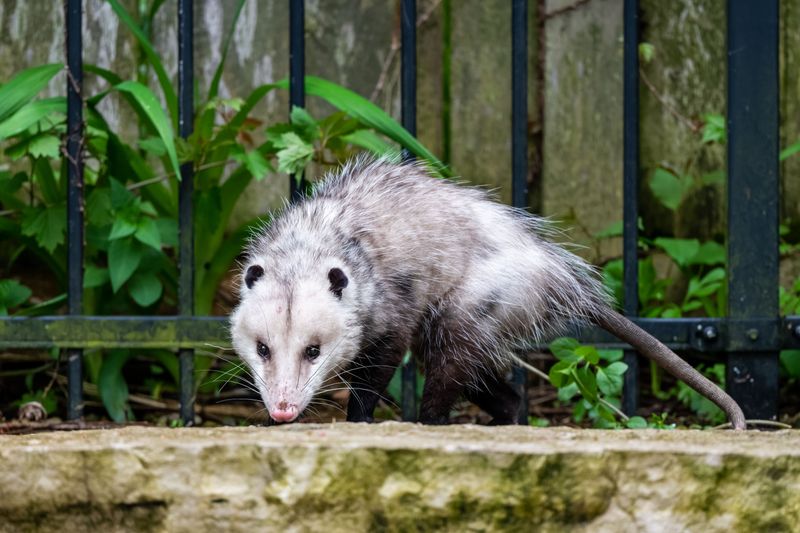
Rabies gets most of the headlines, yet opossums rarely carry it, partly because their body temperature runs a bit cooler than many mammals. That reassuring fact still leaves a few other health concerns worth knowing before you handle anything they leave behind.
Their urine can carry leptospirosis, a bacterial illness that affects dogs and people who touch contaminated soil or standing water. Fleas and ticks often hitch rides on opossums too, then hop onto curious pets sniffing around the porch or shed.
Horse owners face a special risk, because opossums are the main host for the parasite behind equine protozoal myeloencephalitis. Called EPM for short, this neurological disease spreads when horses eat feed or hay contaminated with opossum droppings.
Barns in horse country should store grain in sealed metal bins and keep water troughs clean and covered when possible. Closing feed rooms at night discourages late visitors that wander in looking for spilled pellets and easy snacks.
I’m the first to admit I used to clean under my deck barehanded, which makes me cringe now. Rubber gloves and a dust mask are cheap insurance whenever you scoop droppings or remove old nesting material.
Spray the area lightly with water before cleaning to keep dust from rising, then bag waste and wash your hands thoroughly. Laundering your work clothes afterward also helps keep tiny parasites from traveling indoors on sleeves or pant legs.
Keeping vaccines current for dogs and cats adds another layer of protection against leptospirosis and similar illnesses. Ask your veterinarian which shots make sense for your pets, especially if they spend evenings roaming the backyard.
6. Pet Food Bowls And Open Trash Cans Attract Hungry Opossums
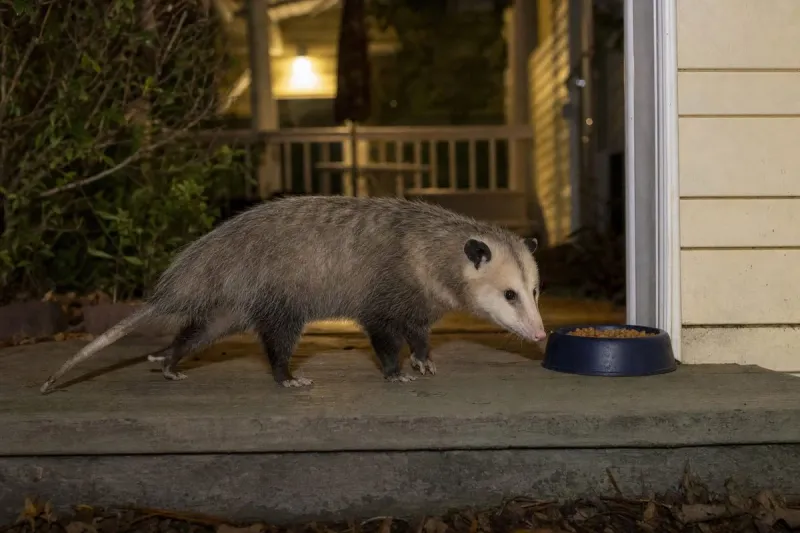
My cat’s dinner bowl on the back porch turned into the hottest restaurant in town one summer, and guess who showed up nightly. A plump opossum had figured out the schedule better than my cat and arrived right after sunset.
Opossums are opportunists that travel wherever easy calories appear, so a single unsecured food source can keep them coming back. Removing those snacks is often the simplest way to send a visitor wandering toward someone else’s woods.
Feed pets indoors or pick up bowls before dark, then wipe away crumbs that spill onto the porch floor. Even a few kibbles left behind can tempt a hungry visitor to return and check again the following evening.
Garbage cans with tight locking lids make a big difference, especially when stored inside a garage or sturdy shed overnight. Bungee cords stretched across the lids work well for gardeners who keep their trash cans outside next to the fence.
Bird feeders drop seed constantly, and opossums gladly clean up the leftovers below on their nightly rounds. Using a seed tray under the feeder or bringing it indoors at night trims that buffet down considerably.
Compost deserves attention too, because meat scraps and greasy leftovers draw scavengers from surprising distances. Sticking to fruit peels, coffee grounds, and leaves in a closed bin keeps the pile useful without inviting nighttime guests.
Fallen apples and pears under backyard trees work like a dinner bell during late summer and early fall. Gathering windfalls every few days protects your harvest and gives the local opossum fewer reasons to linger near your house.
7. Wire Mesh Over Crawl Space Gaps Keeps Opossums Out
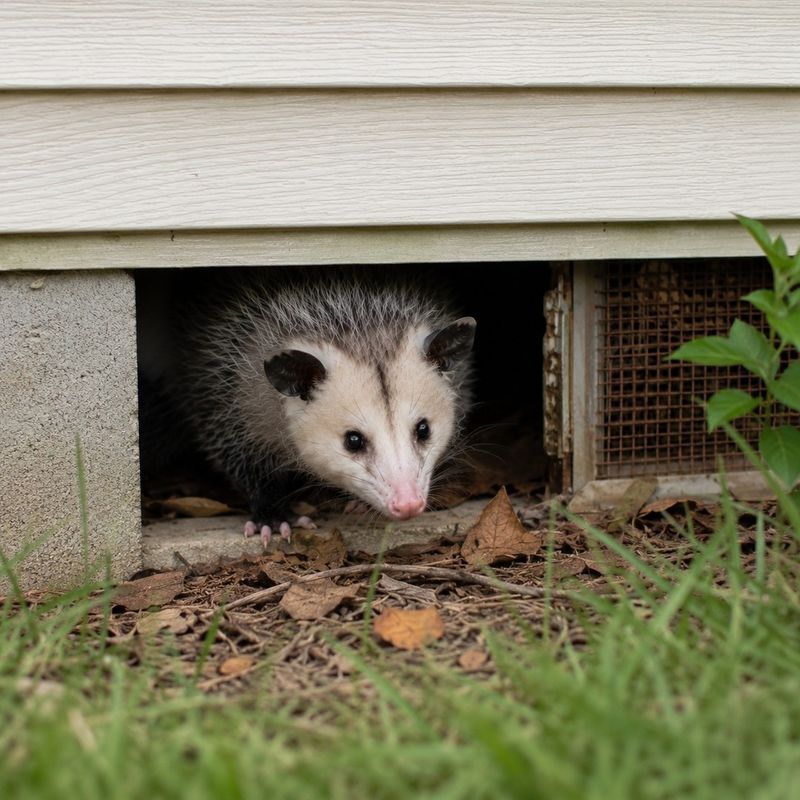
Opossums are terrible builders, so they borrow shelter wherever they find it, from brush piles to the cozy space under your porch. I discovered one napping beside my water heater once, and I still have no idea how it squeezed inside.
Walk around your home in daylight and look closely at foundation vents, loose skirting, and gaps beneath decks or steps. Openings as small as a few inches can welcome a determined visitor, especially when cold weather sends animals hunting for warmth.
Sturdy galvanized hardware cloth works well for covering vents and gaps, since flimsy window screen tears easily under claws. Burying an L shaped skirt of mesh several inches below ground helps stop animals from pushing underneath decks and sheds.
Before sealing anything, make sure nobody is still inside, especially during spring and summer when mothers may have babies hidden away. Loosely stuffing the hole with newspaper for a few nights shows whether something is pushing its way back out.
Licensed wildlife pros often install one way doors that let an animal leave but not return later. That method avoids trapping altogether and fits nicely with state rules that discourage moving wildlife off your property.
Trimming tree branches that hang over the roof cuts off another easy path, since opossums climb surprisingly well with gripping tails. Clearing old lumber stacks and tidying brush piles removes daytime hideouts that make your yard feel safe to them.
Motion activated lights or sprinklers can startle a curious visitor and encourage it to find a quieter neighborhood. Combining a few gentle deterrents with good repairs usually solves the problem for the long haul without a single trap.