More Than A Third Of Virginia Gardens Have Too Much Lime – Here’s How To Tell If Yours Does
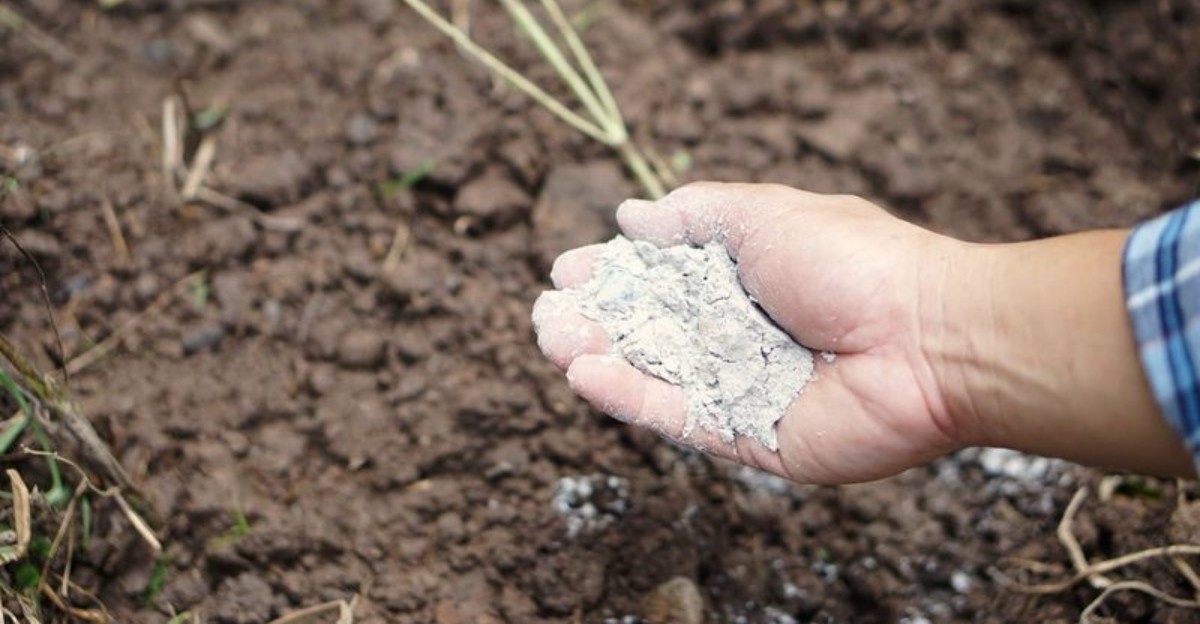
That bag of white powder meant to help your garden can quietly starve it instead. Soil scientists at Virginia Tech see this all the time.
Over a third of the garden samples sent to their lab show signs of too much of a well-loved soil sweetener.
Much of the state’s dirt starts out sour, often around pH 4.5 to 5.5 in the Piedmont. So gardeners reach for a fix, then reach again next spring, and again after that.
I get it, because I have done the same thing with good intentions.
The trouble hides in plain sight. Leaves turn yellow while their veins stay green, and plants shrug off the fertilizer you keep feeding them.
Could your beds be overdosed? I think a little detective work beats guessing every time.
A few plant clues and one inexpensive mail-in test will reveal the truth faster than you expect.
1. That Chalky White Lime Bag Might Be Doing More Harm Than Good
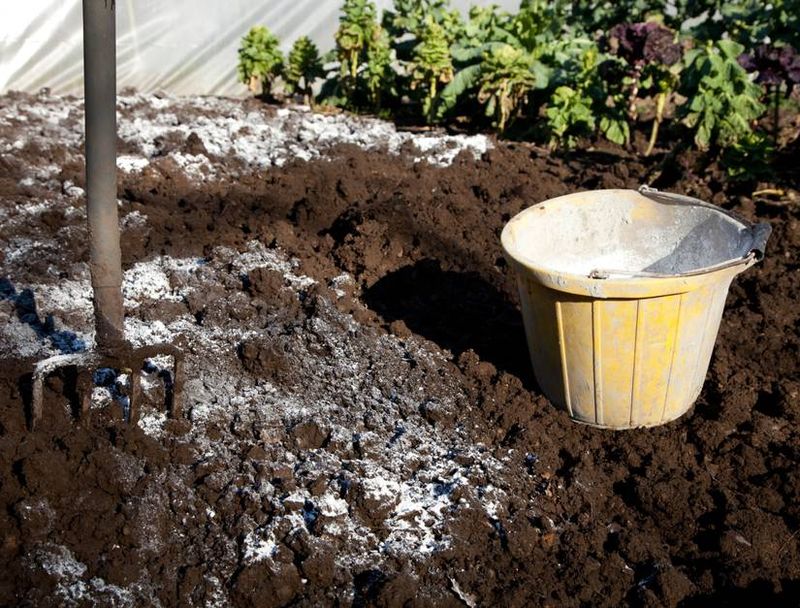
Lime has a sweet reputation in Southern gardens, and for good reason. Many soils across the Piedmont and Coastal Plain start out acidic, so a dose of ground limestone can raise pH and help plants feed better.
The catch is that lime works slowly and lingers for years. If you spread a bag every spring out of habit, those layers stack up.
The Virginia Tech Soil Testing Laboratory reports that more than a third of the garden samples it receives have been over-limed, pushing the soil past the comfy zone most plants enjoy.
Soil pH runs on a scale from 0 to 14, with 7 sitting at neutral. Most vegetables, flowers, and lawn grasses do their best between about 6.0 and 7.0.
Once readings creep above that range, trouble starts building quietly underground.
I find it a little funny that the problem often comes from the most careful gardeners. They want healthy plants, so they add a little extra just to be safe.
Unfortunately, soil chemistry rarely rewards generosity.
The takeaway here is simple. Lime is a tool, not a yearly ritual, and it should only go down when a test says your soil truly needs it.
2. Yellow Leaves With Green Veins Are Your Plants Waving A Flag
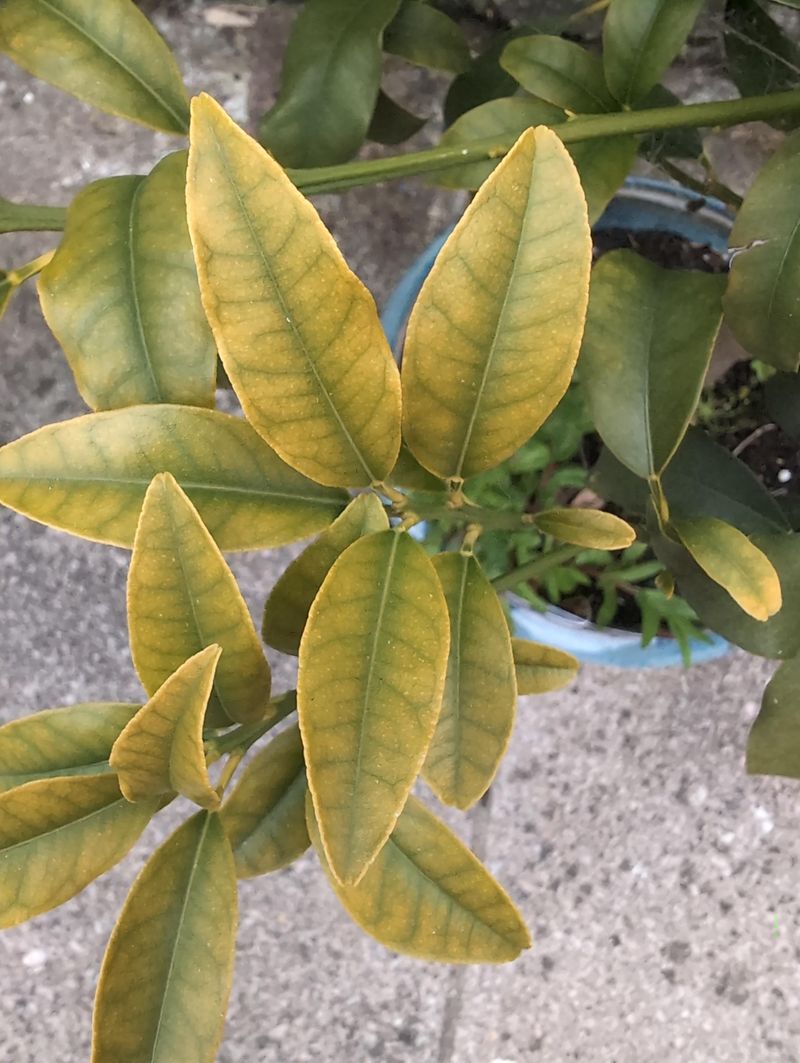
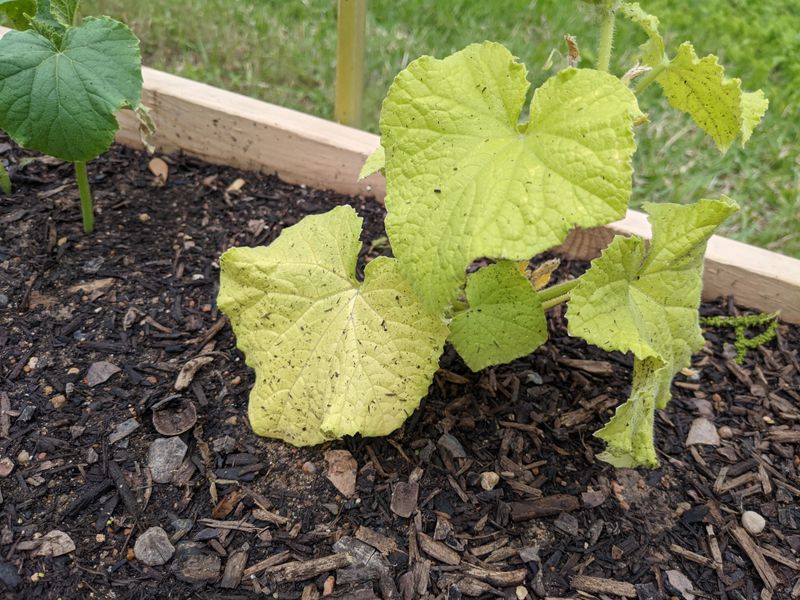
Your plants cannot talk, but they sure can signal. One of the clearest hints of high pH is a leaf that turns yellow between the veins while the veins themselves stay green.
Gardeners and scientists call this interveinal chlorosis.
That striped look usually points to an iron or manganese shortage. Often, those nutrients are sitting right there in the dirt, but alkaline conditions keep roots from absorbing them.
Iron trouble tends to show up on the newest leaves first, which can look pale or almost bleached.
Watch for a few other clues, too. Stunted growth, twisted or cupped young leaves, and plants that barely perk up after feeding can all hint at a pH problem.
You might even notice weeds that favor sweeter soil moving into your beds.
Still, I would not jump to conclusions from leaves alone. Yellowing can also come from soggy roots, compacted soil, nitrogen shortages, cold snaps, or certain diseases.
Think of these symptoms as a polite knock on the door rather than a final verdict. They tell you something is off.
A soil test tells you exactly what, so save your fixes until you have real numbers in hand.
3. A Virginia Tech Soil Test Kit Settles The Question For About The Price Of Lunch
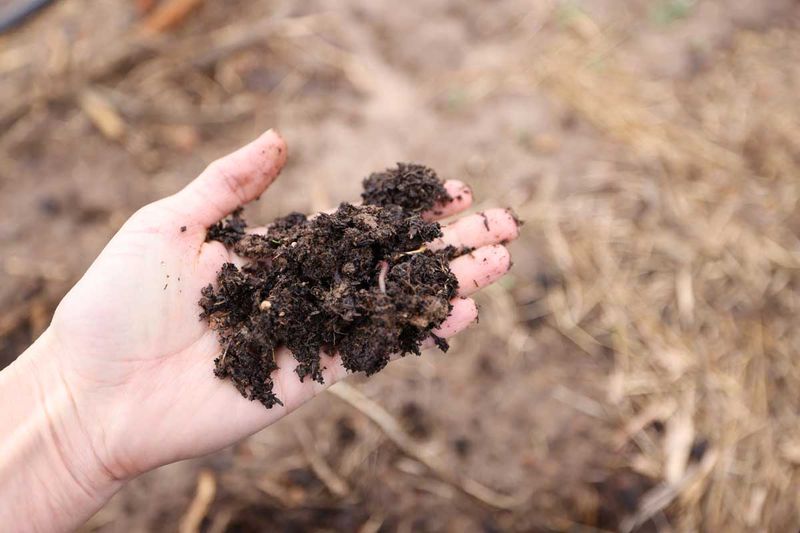
Honestly, this is my favorite bargain in all of gardening. For roughly $10 to $16, the Virginia Tech Soil Testing Laboratory will analyze your dirt and send back a detailed report.
Kits are easy to find. Your local Virginia Cooperative Extension office carries sample boxes and instructions, and many public libraries stock them too.
You fill the box, complete the form, and mail it to the lab in Blacksburg.
Results usually arrive within a few working days to about two weeks, depending on the season. Spring is the busiest stretch, so fall and late winter testing often brings faster answers.
The report gives you far more than a pH number. You will see levels of phosphorus, potassium, calcium, magnesium, and several micronutrients.
Best of all, it includes specific recommendations for lime, sulfur, or fertilizer based on what you plan to grow.
Home probe meters and color kits can be fun, but their readings vary a lot. A lab test removes the guessing and keeps you from adding the wrong product.
Considering what people spend on plants and amendments each year, a few dollars for real data feels like a smart deal. Your wallet and your tomatoes will both thank you.
4. Grab A Clean Plastic Bucket Before You Dig Those Soil Samples
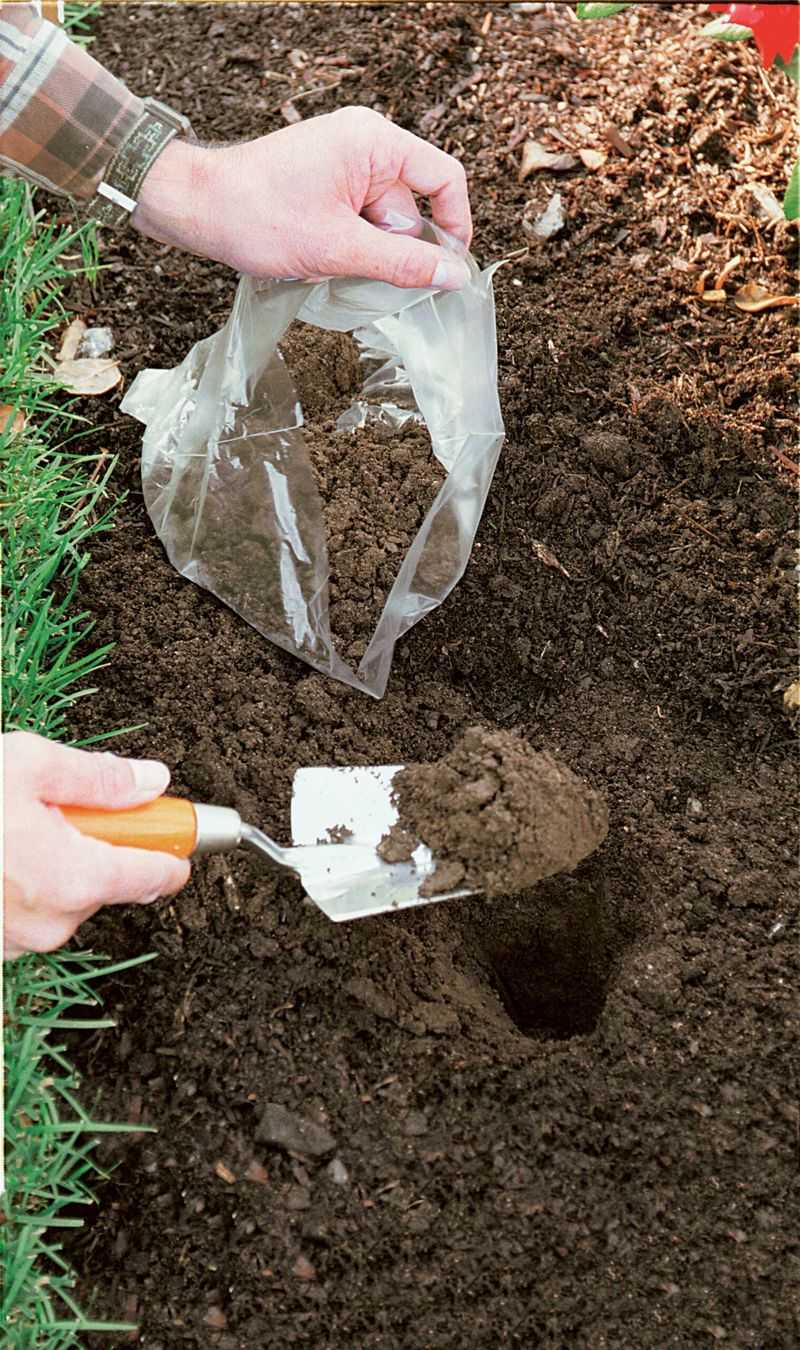
Sampling soil sounds boring until you realize one sloppy scoop can skew your whole report. A little care here makes every recommendation more trustworthy.
Start with a clean plastic bucket and a stainless steel or plastic trowel. Skip brass, bronze, and galvanized tools, since they can add metals like zinc or copper to your sample.
Old coffee cans can cause the same mix-up.
Next, wander around the bed and collect 10 to 20 small cores. Dig about 6 to 8 inches deep in gardens, or roughly 4 inches in lawns.
Taking many small samples gives a fair average instead of one odd hot spot.
Dump everything into the bucket and mix it well. Pull out rocks, roots, mulch, and bits of debris as you go.
If the soil feels wet, spread it on newspaper and let it air dry before filling the box.
Test separate areas separately. Your lawn, veggie patch, and azalea border probably have different histories, so each one deserves its own sample.
Finally, take the form seriously. Note what grew there before and what you plan to grow next.
That simple detail lets the lab tailor its advice to your actual garden.
5. Locked-Up Iron And Manganese Explain Why Fertilizer Stops Working
Here is a frustrating scenario many gardeners know well. You feed your plants faithfully, yet they stay pale and sluggish.
More fertilizer goes down, and nothing changes.
Soil pH acts like a gatekeeper for nutrients. When the reading climbs too high, iron, manganese, and zinc change into forms that roots struggle to absorb.
Phosphorus can also bind tightly with calcium, leaving less available for flowers and fruit.
In other words, your plants can go hungry in a pantry full of food. The nutrients are present, but they are locked behind a chemical door.
That is why piling on extra fertilizer rarely solves the problem. It mostly wastes money and can wash excess nutrients into nearby streams, which matters a lot in the Chesapeake Bay watershed.
I love sharing this explanation because it takes the blame off the gardener’s green thumb. Often, the plant is fine and the soil chemistry is the real culprit.
Spotting the link between high pH and poor feeding helps you fix the cause instead of the symptoms. Once pH moves back into range, those same nutrients often become usable again without any extra purchases.
6. Blueberries, Azaleas, And Hollies Feel High pH First
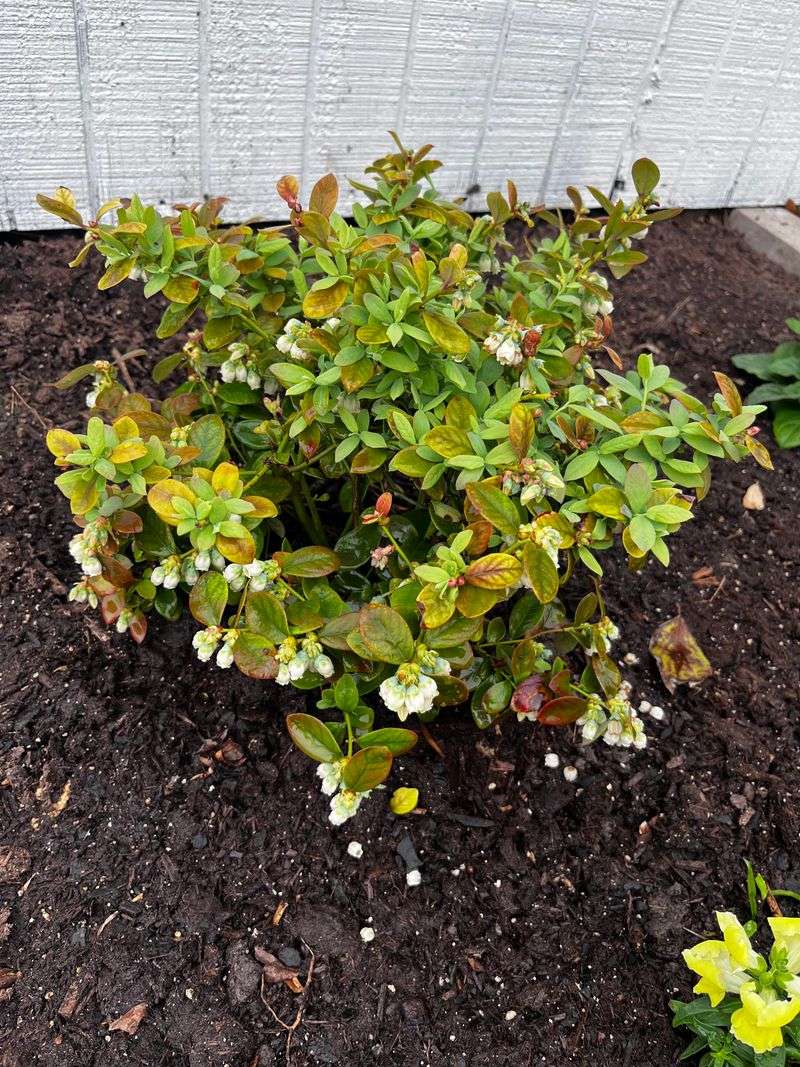
Some plants are the canaries in the coal mine of your yard. Acid-loving shrubs react to sweet soil faster and more dramatically than most vegetables.
Blueberries top the list, preferring a pH around 4.5 to 5.5. Azaleas, rhododendrons, mountain laurel, and many hollies also like acidic ground.
When lime drifts their way, their leaves often turn yellow with green veins and new growth looks weak.
Drift is sneakier than you might expect. Lime spread on a lawn can wash or get tossed into nearby shrub beds.
Concrete foundations, sidewalks, and driveways can also leach alkaline material into soil right next to them.
If your foundation azaleas look tired while the ones out back thrive, that pattern is a great clue. Plants closest to concrete or limed turf often struggle first.
Personally, I keep a mental map of which beds get lime and which never should. It saves a lot of headaches.
When planning a new planting, group acid-loving plants together and test that area by itself. You will find it much easier to manage pH for one cozy neighborhood than to balance competing needs across a whole mixed border.
7. Elemental Sulfur And Pine Bark Can Slowly Bring Your Soil pH Back Down
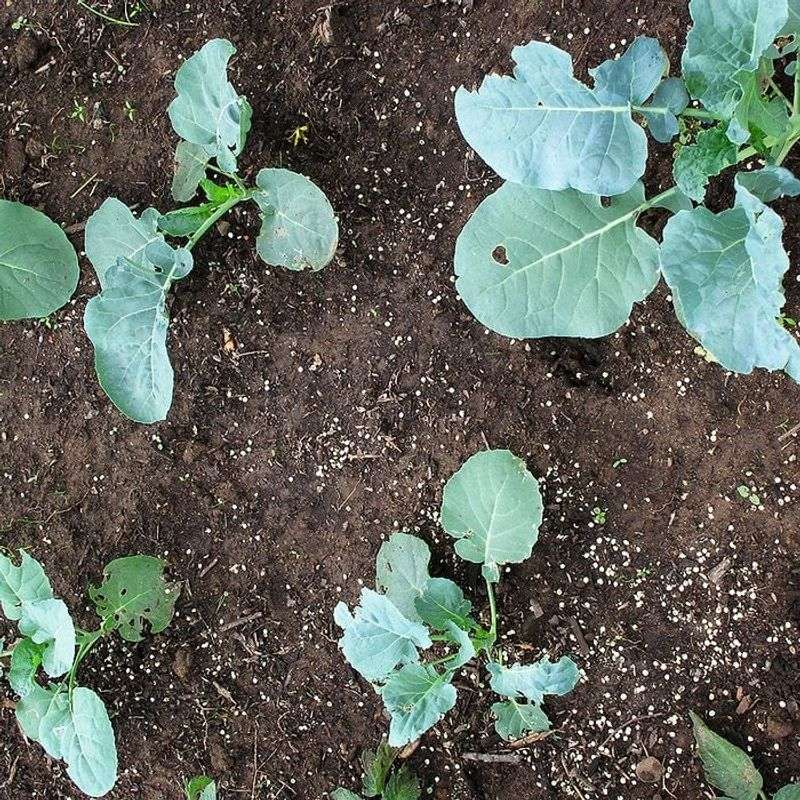
Patience is the secret ingredient for this fix. Lowering soil pH takes time, but it is very doable once your test confirms the problem.
Elemental sulfur is the go-to choice. Soil microbes slowly convert it into sulfuric acid, which nudges pH downward.
Expect several months to a year for the full effect, and warm, moist soil speeds the process.
Follow the amount listed on your soil report rather than eyeballing it. Too much sulfur can swing things the other way and create new nutrient problems.
Spreading smaller doses over time is safer than one big application.
Organic matter helps too. Compost, sphagnum peat moss, and pine bark mulch release mild acids as they break down.
The change is gentle and needs generous amounts, but it improves soil structure along the way.
Fertilizers containing ammonium sulfate or urea can also lower pH gradually with regular use.
One product I would skip is aluminum sulfate for most beds. It acts quickly, but extra aluminum can harm many plants, and it is generally not advised for vegetable gardens.
Above all, stop adding lime while you correct course. That single change makes every other effort work better.
8. Retest Your Garden Beds Every Three Years And Skip The Guesswork Liming
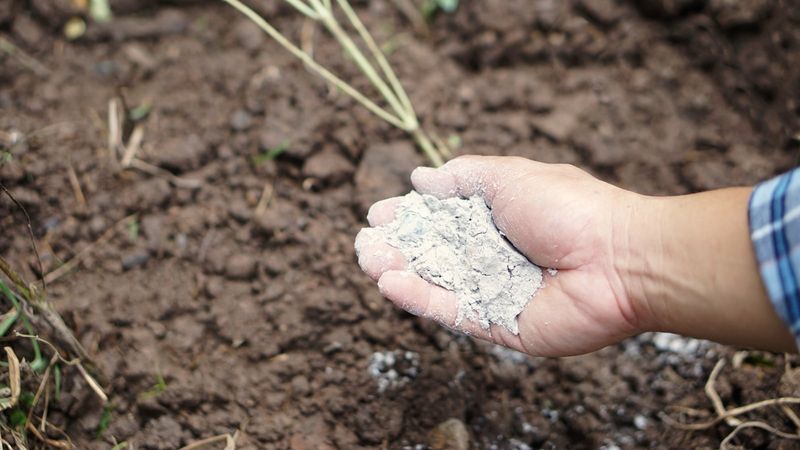
A healthy garden runs on good records more than good luck. Once you have corrected the pH, keeping it steady is surprisingly easy.
Virginia Cooperative Extension suggests testing soil every three to four years. That rhythm catches slow drift before plants start complaining.
If you are actively adjusting pH with sulfur, testing again after a year shows whether your efforts are working.
Keep each report in a folder or snap a photo on your phone. Over time, you will see trends that help you plan smarter.
Fall makes a great testing season across most of the state. Labs are less busy, and any lime or sulfur applied then has months to react before spring planting.
Here are a few habits worth adopting:
Only add lime when a test recommends it. Keep lime away from acid-loving shrubs.
Label different beds so you remember their needs.
I find real comfort in knowing exactly what my soil needs. No more tossing products around and hoping for the best.
With a cheap test, a little patience, and smart record keeping, you can join the gardeners whose soil stays balanced year after year.