Why California Gardeners Should Stop Fertilizing Shrubs In November
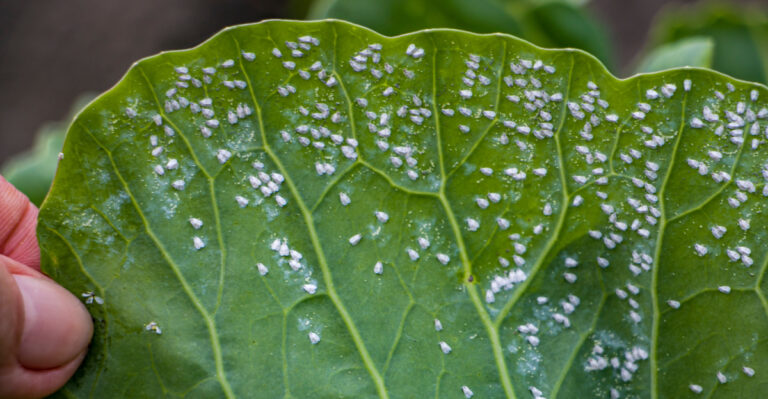
Aphids tend to crowd onto soft, nitrogen-rich shoots, and heavily fed plants often host bigger populations than moderately fed ones. Their sticky honeydew can then lead to sooty mold, a black coating that dulls leaves and blocks sunlight.
Shorter November days slow most shrubs down, and cool soil also slows the microbes that unlock many nutrients. Granules spread now can sit unused until winter storms wash them toward local creeks.
I’m still learning that the kindest gift for a sleepy shrub is often doing nothing at all. You might notice your hedges need far less trimming lately, which is a clue they’ve already shifted into rest mode.
A late autumn snack seems harmless, especially when the garden looks tired after a long summer. A few surprising details about winter flower buds, frosty citrus leaves, and lean-loving natives could change your feeding calendar for good.
1. Tender New Shoots Freeze On Chilly November Nights
Nitrogen acts like a starter pistol for leaves, telling a shrub to push out fresh green growth right away. That burst of soft foliage looks lovely for a week or two, until the first chilly night arrives.
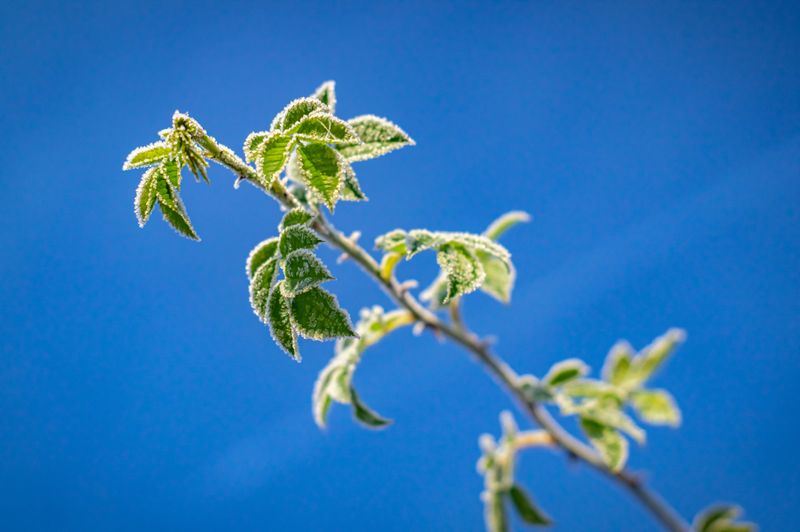
New shoots carry lots of water and thin cell walls, so they handle cold far worse than mature leaves. When temperatures dip near freezing, ice can form inside those cells and leave the tips brown and mushy.
Personally, I find this the most frustrating outcome, because the damage often shows up weeks after the feeding. You walk outside on a bright December morning and suddenly notice scorched, droopy tips across your favorite hedge.
Inland valleys and foothill areas see frost more often than mild coastal neighborhoods, yet surprise cold nights still happen near the ocean. Even a light frost can scar tender growth that a hardened branch would shrug off with ease.
Damaged shoots also become an open door for fungal problems once winter rains soak the garden for days. Cutting them back too soon can trigger even more tender growth, which starts the whole cycle again.
A smarter plan involves letting shrubs harden their existing stems naturally as daylight shortens through the fall months. Those tougher stems carry the plant safely through winter and set it up for a strong spring flush.
If frost does nip your shrubs, leave the browned tips in place until the danger passes in late winter. They actually shelter the healthy tissue below from the next cold snap that rolls through.
2. Shrubs Are Slowing Down For Their Winter Rest
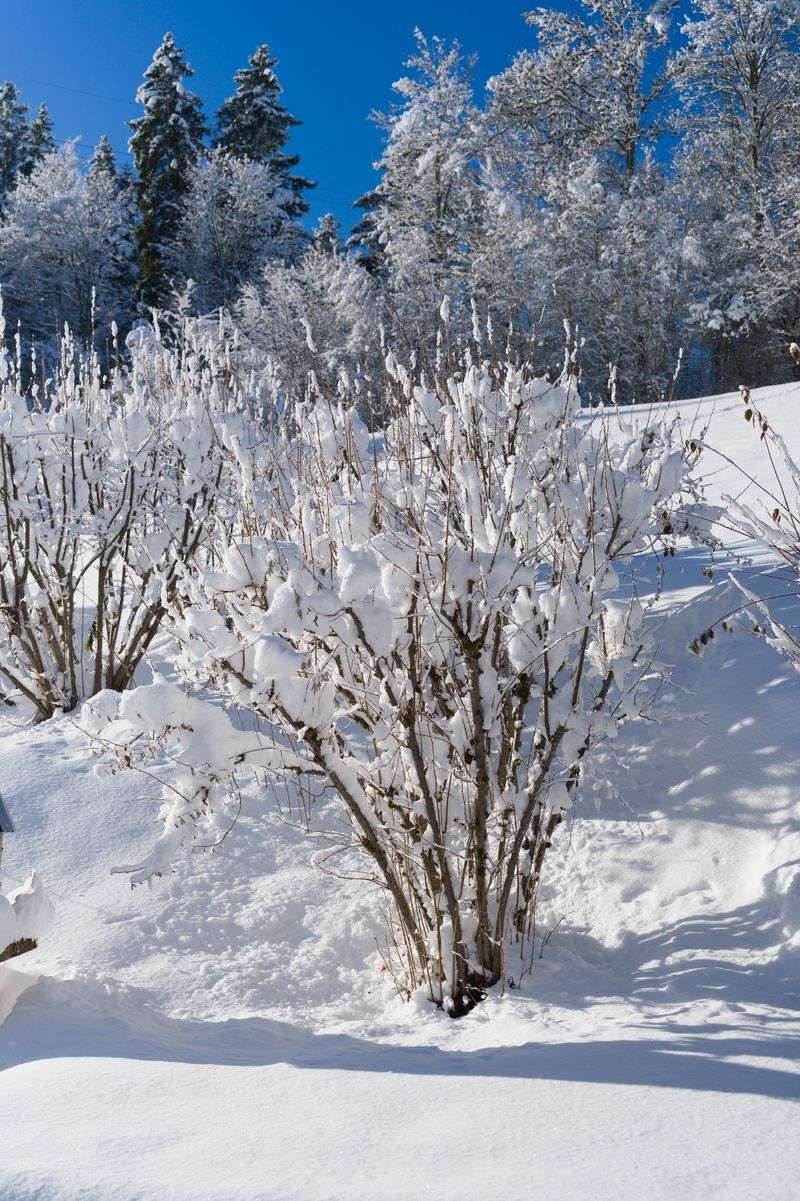
Shorter days work like a dimmer switch for shrubs, slowly turning down their growth as autumn settles into the garden. Many plants respond by shifting energy away from leaves and storing sugars in their roots and stems.
Deciduous shrubs such as hydrangeas, roses, and flowering quince start dropping leaves or toughening up their wood around now. Without active leaves pulling water upward, they simply cannot use a big dose of fresh nutrients.
I like to think of this season as bedtime for the garden, and nobody sleeps well after a giant meal. Feeding a resting plant mostly confuses it, and the nutrients just sit in the soil unused.
Evergreen shrubs slow down too, even though they keep their leaves and still look busy from the patio. Their roots may grow a little in mild soil, yet the top growth mostly pauses until spring warmth returns.
You can spot the slowdown by watching how rarely you need to trim hedges compared with summer. Fewer clippings mean the shrub is conserving energy instead of racing to produce new branches.
Respecting this natural rhythm keeps shrubs healthier over the long run and saves you a fair bit of money. Late winter or early spring, when buds begin swelling, makes a far better moment for feeding most landscape shrubs.
Mark a reminder on your calendar for February or March, depending on how warm your area gets. That timing lines up nutrients with the moment roots are hungry and ready to use them.
3. Winter Rains Wash Fertilizer Into Storm Drains
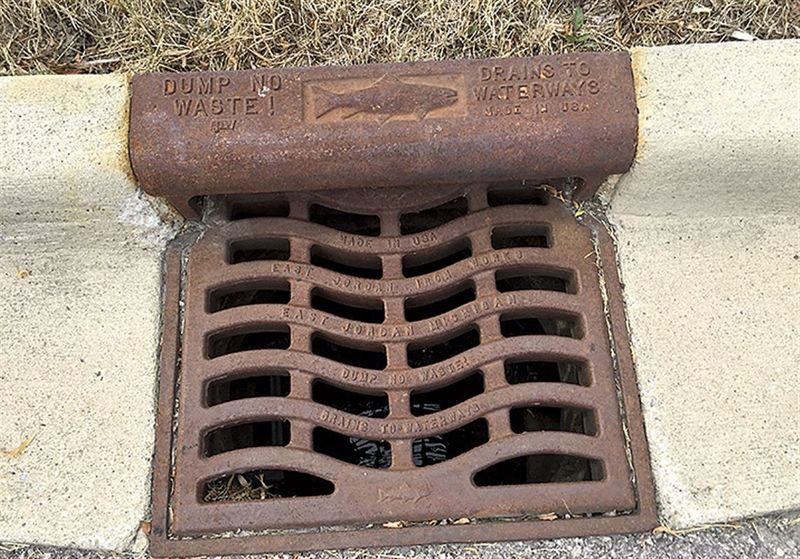
Every storm drain on your street leads somewhere, and in most cities that somewhere is a creek or the ocean. Unlike sewer water, storm drain water usually flows outdoors without any treatment along the way.
Late fall marks the start of the rainy season across much of the state, after months of dry summer weather. Granules spread across a shrub bed before a big storm can dissolve quickly and wash away with the runoff.
Extra nitrogen and phosphorus in waterways feed algae, which can grow into thick green mats on ponds and slow streams. When that algae breaks down, oxygen levels drop, and fish along with other aquatic life struggle to breathe.
What surprises me most is how a single yard seems harmless, yet thousands of yards together make a real impact. Watershed groups and county clean water programs regularly ask residents to skip feeding before predicted rain for this reason.
Slopes, hard clay soil, and beds next to driveways send runoff moving even faster toward the gutter. If your shrubs sit near pavement, any spilled granules should be swept back into the bed rather than hosed away.
Holding off until spring lowers the chance that heavy storms will carry your purchase straight into local water. Plants actually absorb what you give them then, and the creeks stay clearer for everyone downstream.
Checking the forecast before any feeding is a simple habit worth building for every season of the year. A dry, calm window gives nutrients time to settle into the root zone instead of the street.
4. Cold Soil Keeps Roots From Absorbing Nutrients
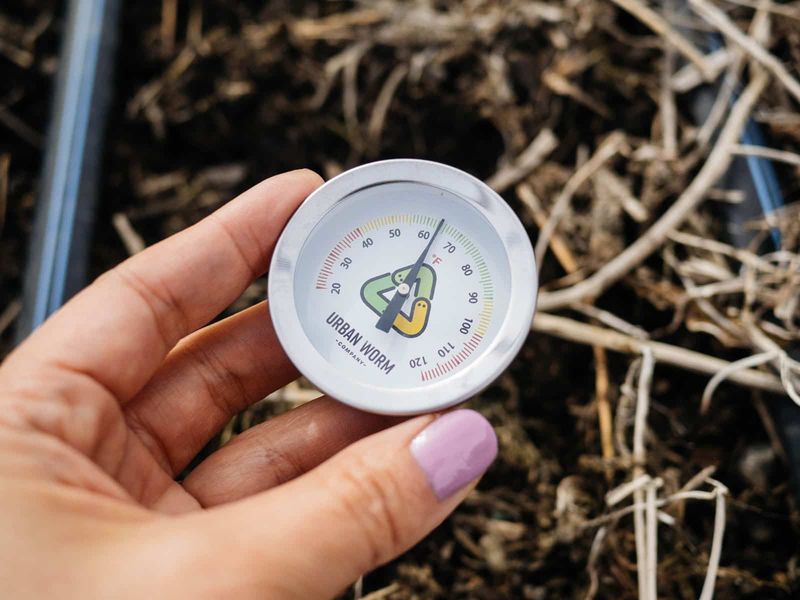
A soil thermometer tells a surprisingly useful story, and it costs less than a bag of plant food. Push one into your shrub bed this month and you will likely see readings far cooler than summer.
Roots work more slowly as soil cools, and the helpful microbes that break down organic fertilizers slow down too. Those tiny organisms convert many nutrients into forms roots can actually use, so their pace matters a great deal.
Slow-release and organic products depend heavily on warm soil to break down at a steady rate. In chilly ground, those pellets may linger for weeks before anything useful reaches the roots at all.
I believe this explains why so many gardeners see no difference after a fall feeding, which feels wasteful afterward. The plant simply was not in a position to make use of the meal on offer.
Wet winter soil adds another twist, because soggy ground holds less oxygen around the roots than drier soil. Roots short on oxygen absorb nutrients poorly, no matter how much fertilizer happens to be sitting nearby.
Spring changes everything, since warming soil wakes up both the roots and the microbes living around them. Nutrients applied then get processed efficiently and move into leaves, stems, and flower buds right when needed.
Watching soil temperature can become a fun seasonal ritual, especially if kids enjoy tracking numbers in a notebook. You will start to see clear patterns, and your feeding schedule will feel much less like guesswork.
5. California Native Shrubs Prefer Lean Soil
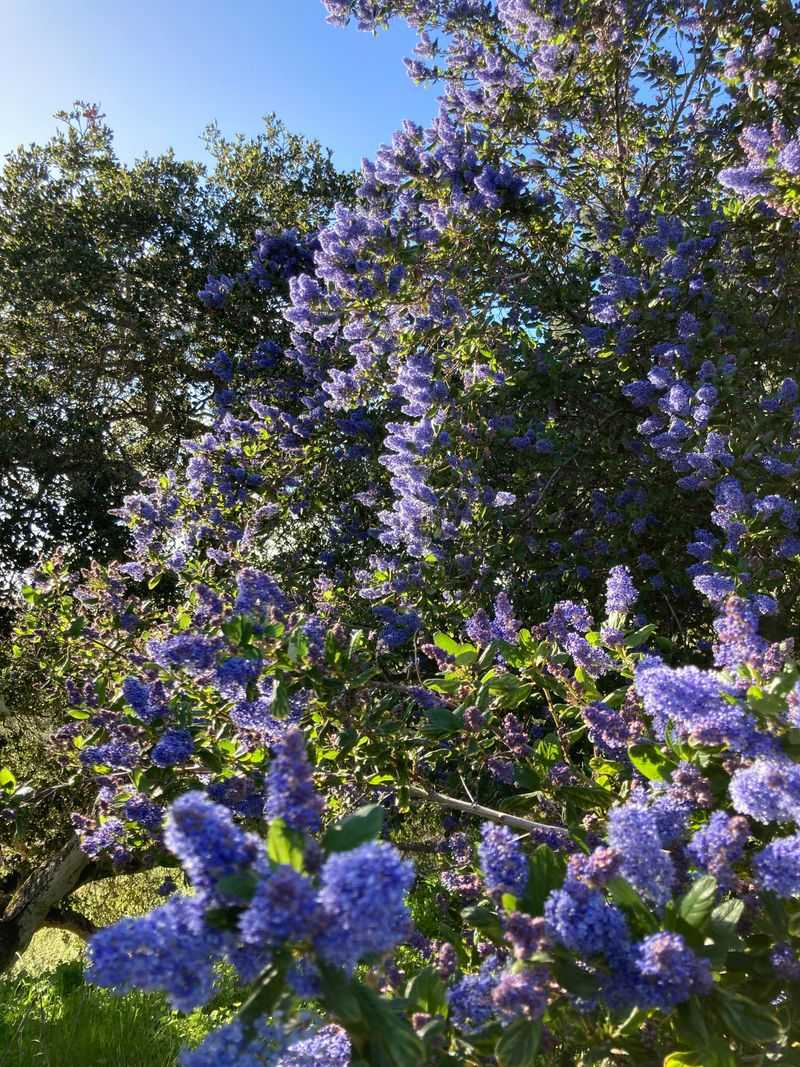
Manzanita bark glows a rich cinnamon red, and that showy plant evolved without anyone sprinkling fertilizer at its feet. Many native shrubs thrive in poor, rocky soil that would make a typical garden rose sulk.
Plants like manzanita, ceanothus, and toyon often grow slowly and steadily, matching the nutrient levels of their wild homes. Extra feeding can push weak, floppy growth and may even shorten the life of some species.
Ceanothus has a neat trick worth knowing, since its roots partner with bacteria that capture nitrogen from the air. That built-in supply means added nitrogen is mostly unnecessary and can upset the plant’s natural balance.
Many natives rest during the hot summer and begin growing again once cool fall rains arrive. UC Master Gardener programs generally advise skipping fertilizer for established natives, letting rainfall and leaf litter do the work.
I love how a native bed looks better each year with far less fuss than a thirsty lawn. You save time, money, and water, while local bees and birds enjoy the flowers and berries.
Fallen leaves under native shrubs act like a slow, natural pantry that feeds the soil over time. Leaving that litter in place supports helpful fungi that many native roots rely on for nutrients.
If a native shrub looks pale or struggling, check drainage and watering habits before reaching for any product. Overwatering in summer causes far more trouble for these plants than any shortage of nutrients.
6. Azaleas And Camellias Need A Different Schedule
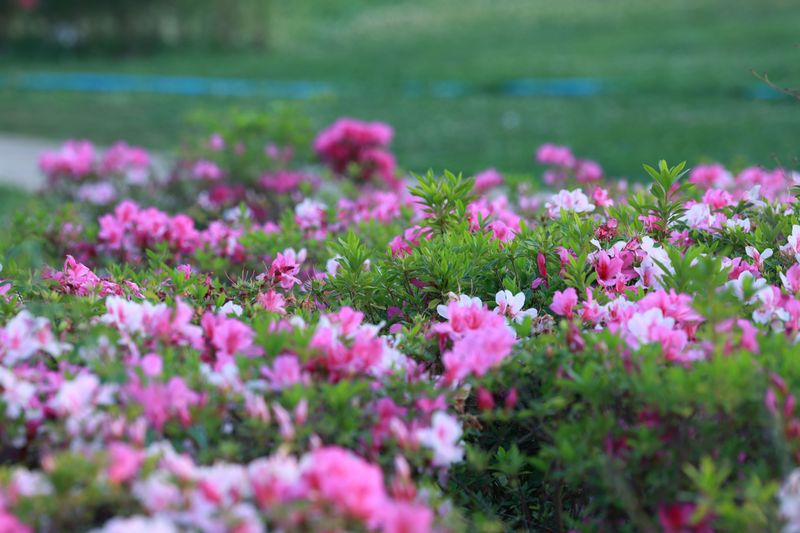
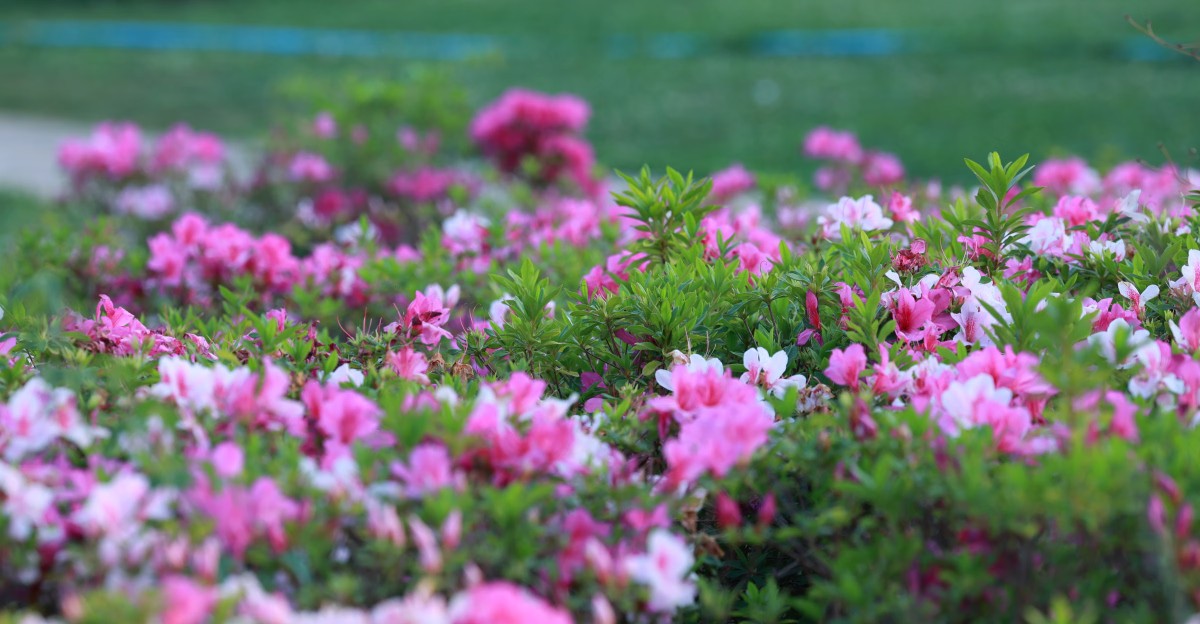
Camellias pull off a clever seasonal trick, setting flower buds months ahead and then opening them during the cool season. Many varieties bloom from fall through spring, so their buds are already formed by now.
Feeding them in late fall can encourage leafy growth when the plant should be focusing on those precious blossoms. Some gardeners notice bud drop or weak flowers after loading these shrubs with nitrogen at the wrong time.
Azaleas share similar habits, along with a love for acidic soil and shallow, sensitive roots near the surface. Too much fertilizer can burn those fine roots, leaving brown leaf edges that look like drought damage.
Personally, I treat both shrubs like picky houseguests who appreciate a careful, well-timed menu rather than generous portions. The best window usually comes right after blooming ends, when the plants begin pushing their fresh spring leaves.
An acid-loving formula applied lightly at that point supports new growth without overwhelming the delicate root system. Follow the label closely, because using more than suggested rarely improves results and often causes harm.
During the cool months, focus instead on steady moisture, since dry roots can cause buds to fall early. A layer of pine needles or shredded bark helps hold water while keeping soil slightly acidic.
Enjoying those winter camellia blooms becomes even sweeter when you know you gave the plant exactly what it needed. Patience now pays off with a fuller show and healthier leaves next season.
7. Frost-Tender Citrus Shrubs Struggle With Late Feeding
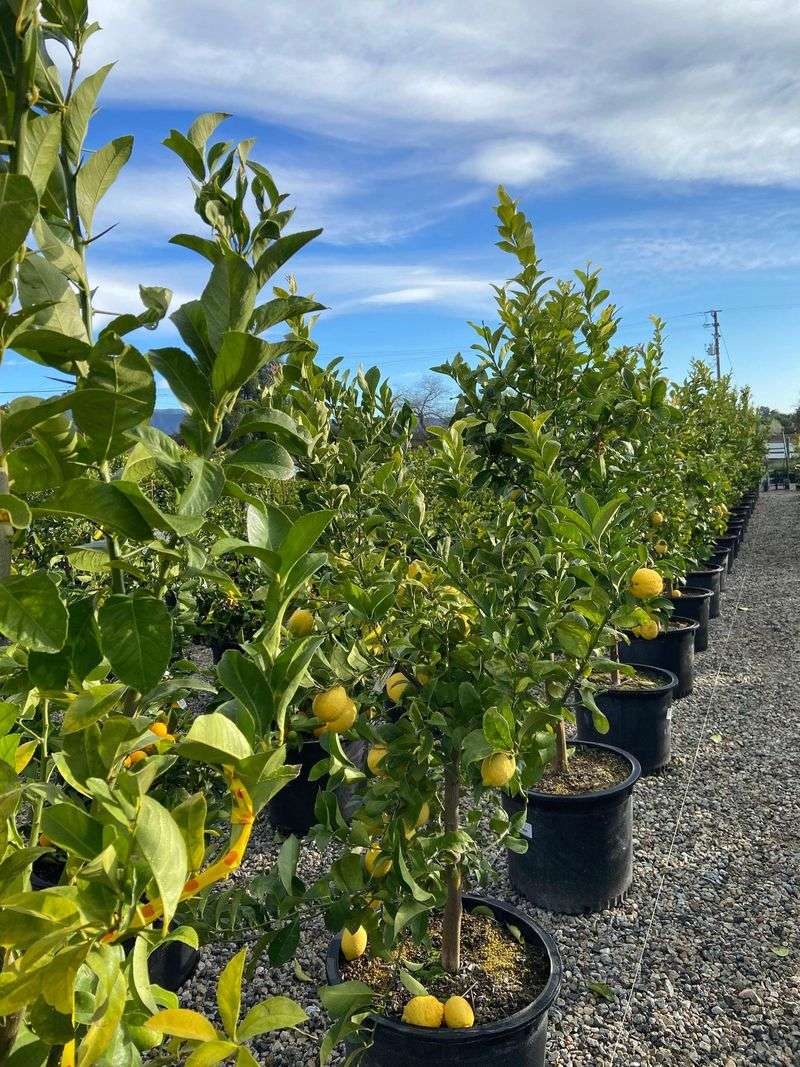
Lemons ripening on a backyard bush feel like pure sunshine, especially when the rest of the garden turns gray. Citrus and avocado plants come from warm regions, though, and their new growth bruises easily in cold air.
UC Cooperative Extension guidance generally recommends feeding citrus from late winter through early summer, not during fall. Late nitrogen can spark a flush of tender leaves that frost may scorch in colder inland areas.
Dwarf citrus and potted Meyer lemons often function as patio shrubs, so they belong in this conversation too. Container plants sit above ground, which leaves their roots more exposed to cold than plants growing in soil.
You need to watch these plants closely when nighttime temperatures dip toward freezing in your neighborhood. Covering them with frost cloth overnight offers far more protection than any extra fertilizer could provide.
Avocados carry similar risks, since young trees and fresh leaves are notably sensitive to frost damage. Feeding them now only invites soft growth at the exact moment you want them steady and calm.
I can’t imagine losing a season of fruit just because I rushed the feeding calendar by a few months. Waiting until February or March keeps plants on track for healthy spring blossoms and fruit set.
Watering also deserves attention, because moist soil holds warmth better than dry soil during cold snaps. A deep drink before a predicted frost can give citrus roots a small but helpful buffer.
8. Extra Leafy Growth Invites Aphids And Other Pests
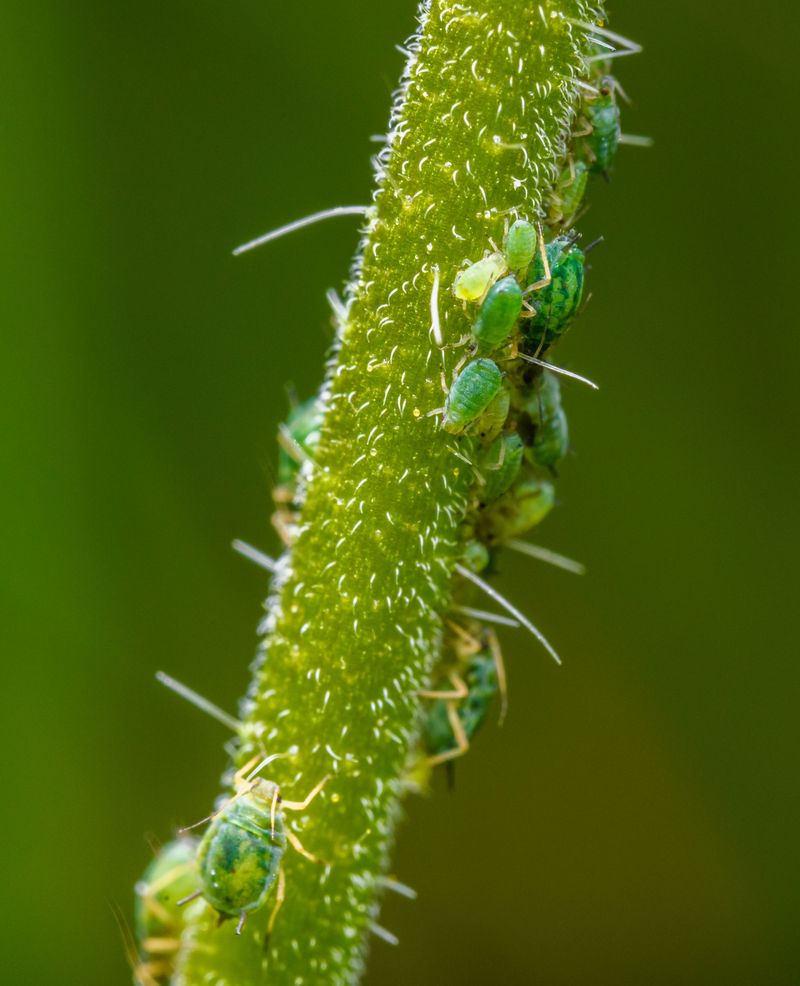
Aphids have impressive taste, and they head straight for the juiciest, softest shoots on any shrub in sight. Research shows plants loaded with nitrogen often host larger aphid populations than plants fed more moderately.
Soft, lush growth contains more of the nutrients these sap-feeding insects crave, making it an easy buffet. Whiteflies and scale insects also tend to favor stressed shrubs carrying tender, overfed foliage.
You’re in for a big surprise if you think pests vanish once the weather cools in milder coastal regions. Aphids can stay active through winter in many mild areas, especially on fresh growth sheltered from wind.
Sticky honeydew from these insects can lead to sooty mold, a black coating that dulls leaves and blocks sunlight. Ants often guard aphids for that sweet honeydew, which makes controlling the problem even trickier.
I have learned that the best pest control often starts with simply not feeding plants at the wrong moment. Steady, balanced growth gives ladybugs and lacewings a fair chance to manage small aphid groups naturally.
If you spot aphids, a strong spray of water from the hose usually knocks many of them off quickly. Repeat every few days, and avoid harsh sprays that also harm the helpful insects already on patrol.
Keeping a close eye on new shoots during weekly garden walks catches problems early, before they become overwhelming. Small, quick responses tend to work better than big rescue efforts later in the season.