Weak Christmas Cactus In Texas? Try These Simple Fixes In November
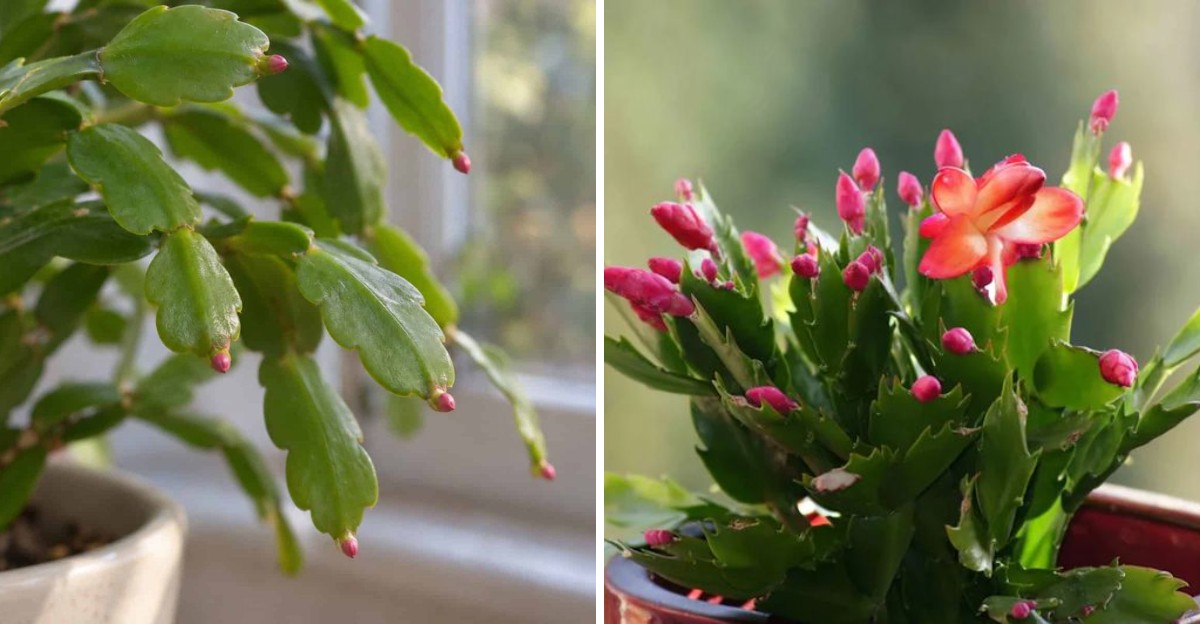
The holiday favorite on many Texas windowsills actually grows wild on mossy tree branches in Brazilian mountain forests. Those cool, misty slopes look nothing like our dusty backyards, so the plant often sulks when brought indoors here.
Believe it or not, it belongs to the cactus family yet craves moisture and filtered shade like a forest fern. Its flower buds also respond to long nights and cool air, which explains a lot about stubborn plants.
I have to admit that mine once looked limp and wrinkled every November, and I blamed the poor thing. Personally, I was the problem, because my Texas kitchen window baked it while my watering can drowned it.
You might notice droopy stems or tiny buds dropping onto the floor before they ever get a chance to open. So what small changes can turn a tired plant into a bloom machine by the holidays?
1. Let The Top Inch Of Soil Dry Before Watering Your Christmas Cactus
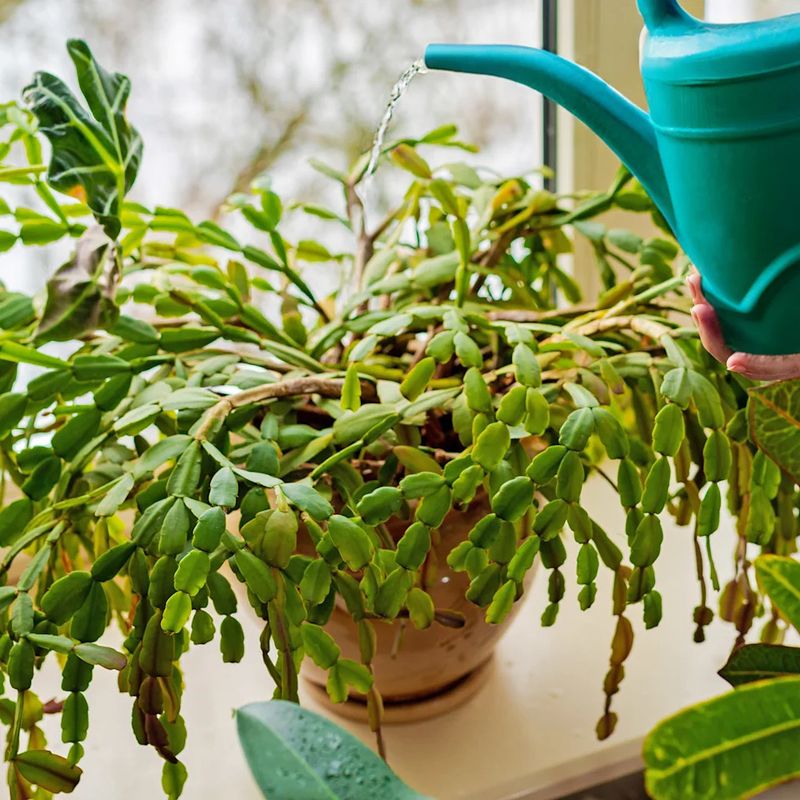
My finger is the best moisture meter I own, and it costs nothing at all to use daily. Push it into the soil up to the first knuckle, and water only when that top inch feels dry.
Soggy roots are the most common reason these holiday plants turn limp, according to many university extension guides. Roots sitting in wet soil run short of air, and root rot can follow surprisingly fast indoors.
Bone-dry soil causes trouble too, because thirsty segments wrinkle and buds may drop before they ever open. Your goal is steady, even moisture, especially once those little pink or red buds start showing up.
When you water, soak the pot until liquid runs from the drainage hole at the very bottom. Wait about ten minutes, then empty the saucer so the roots are not sitting in a puddle.
Indoor heaters start running more in November, so your watering schedule may shift from week to week. I check mine every few days instead of following a strict calendar, and the plant seems happier.
Pot weight offers another handy clue, since a dry container feels surprisingly light when you lift it. After a few rounds, you will know by feel whether your plant needs a drink or not.
Room-temperature water works best, because an icy splash from the fridge pitcher can shock tender roots. Tap water is usually fine, though letting it sit overnight is a harmless habit many longtime growers enjoy.
2. Move Your Christmas Cactus To A Bright Window Without Harsh Sun
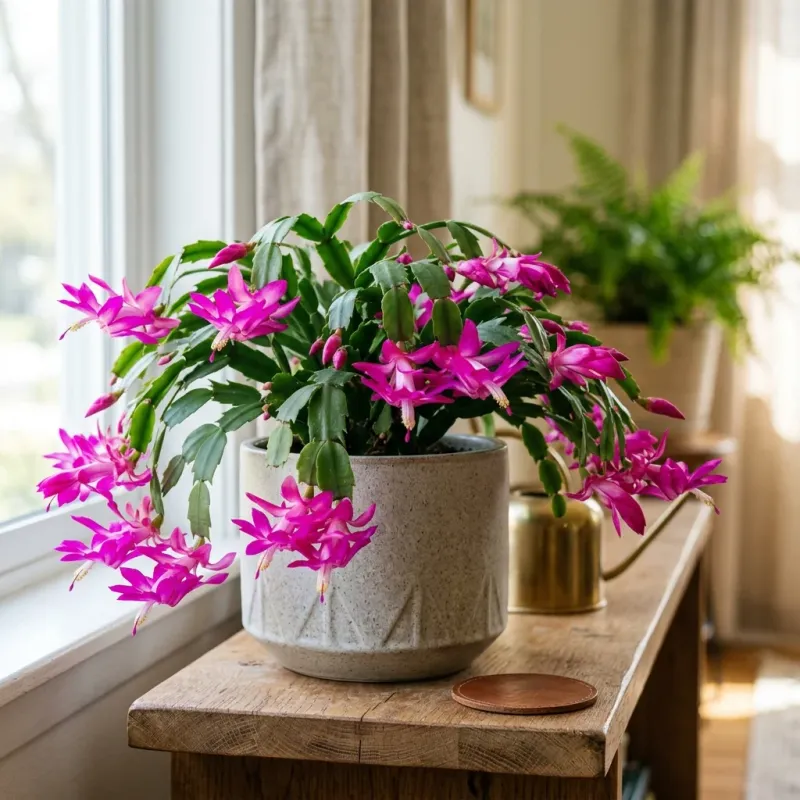
Reddish or purplish segments can look festive, but they often signal a plant getting more sun than it likes. In its Brazilian home, it grows under a leafy canopy where sunlight arrives soft and dappled all day.
An east-facing window works beautifully, offering gentle morning light before the strong afternoon heat kicks in each day. A south or west window can work too, as long as a sheer curtain softens the glare.
Texas sunshine stays strong even in late fall, so glass can heat up faster than you expect. I keep mine about a foot back from the pane, which seems to keep the segments green.
Too little light causes problems of its own, including thin, stretched growth and fewer flower buds. A dim hallway corner might feel cozy to us, but your plant will quietly sulk there.
Reddish color can also come from cold stress or low nutrients, so check those possibilities as well. Still, light is usually the easiest piece to fix, and the change often shows within a few weeks.
Once buds appear, try not to move the pot around much, since sudden shifts can trigger bud drop. Pick a good spot early this month and let the plant settle in for the season.
Turning the pot a quarter turn every week or so keeps growth even on all sides before buds form. After that, leave it facing the same direction, because the buds like to stay pointed toward the light.
3. Give Your Christmas Cactus Long Dark Nights To Set Buds
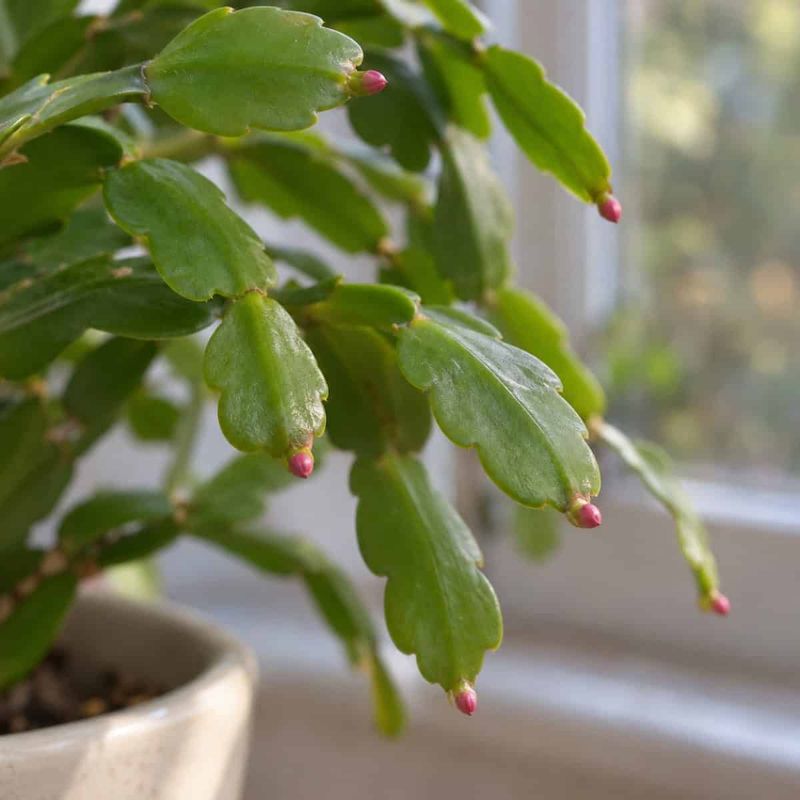
Flower buds on this plant are triggered by darkness, which feels like a backward trick from nature. Botanists call it a short-day plant, meaning longer nights tell it that blooming season has finally arrived.
Most extension guides recommend about twelve to fourteen hours of uninterrupted darkness each night for several weeks.
Cool nights help too, and the combination usually starts buds forming within roughly six to eight weeks.
A lamp switched on every evening in the living room can quietly confuse your plant’s internal seasonal clock. I learned that the hard way when my plant sat beside a reading chair and refused to bloom.
A spare bedroom with closed blinds makes a great hideout, as long as nobody flips the light on. Some growers slip a cardboard box over the plant at dusk and lift it off each morning before work.
Streetlights and porch lights count too, so check what shines through your bedroom window late at night. Even a glowing gadget nearby might be enough to delay buds on a particularly sensitive plant.
Daytime still matters, so make sure the plant gets several hours of bright, indirect light before nightfall. Darkness sets the buds, but daylight fuels the energy those flowers need to open fully later.
Once you see tiny buds forming at the segment tips, you can relax the strict darkness routine. Keep conditions steady after that, and you’ll wonder why you didn’t try this simple trick years ago.
4. Keep Your Christmas Cactus Away From Drafts And Heater Vents
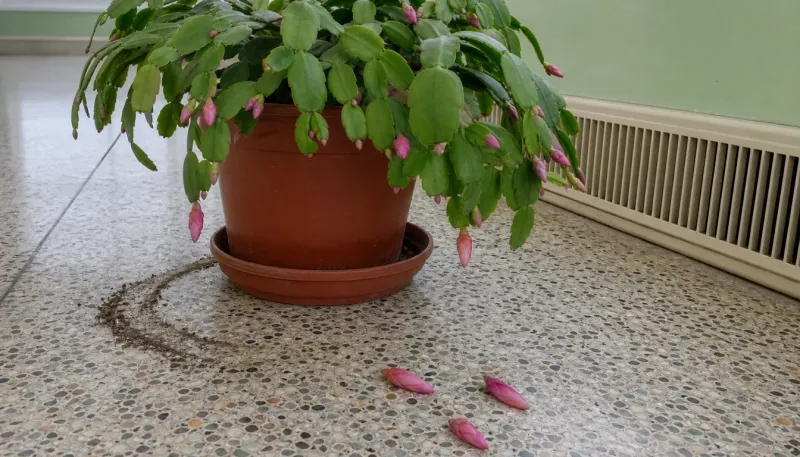
Cool nights around 50 to 55 degrees can be the secret handshake that coaxes stubborn buds into forming. Daytime temperatures in the upper 60s to low 70s feel comfortable for both you and your plant.
Sudden swings are a different story, and they rank among the top reasons buds fall off early. A blast of hot air from a vent or chilly air from a door can stress the plant quickly.
November weather in Texas can flip from shorts to jackets in a single afternoon when a front blows through. Those quick changes make a steady indoor spot even more valuable for a plant setting its buds.
If your plant spent summer on a shady porch, bring it inside before nights drop near freezing. Frost can damage the fleshy segments, and the plant is not built to handle a hard freeze.
Some gardeners leave their plants outside on mild fall nights to collect natural chill and darkness. Personally, I watch the forecast closely and carry mine indoors once lows dip below about 50 degrees.
Inside, take a slow walk around your home and feel for drafts near windows and exterior doors. A cool room away from the thermostat often makes a better home than the cozy, busy kitchen.
Space heaters and fireplaces dry the air and warm one side of the plant far more than the other. Give your cactus a calm, even spot, and it will reward you with buds that actually stay put.
5. Raise The Humidity Around Your Christmas Cactus With A Pebble Tray
Cloud forests in southeastern Brazil stay damp and misty, which is a far cry from a heated living room. Your plant remembers that heritage, and dry indoor air can leave its segments looking thin and shriveled.
Many growers aim for humidity around 50 percent, though most homes run drier once the heat comes on. A cheap hygrometer from the hardware store will tell you exactly where your room stands right now.
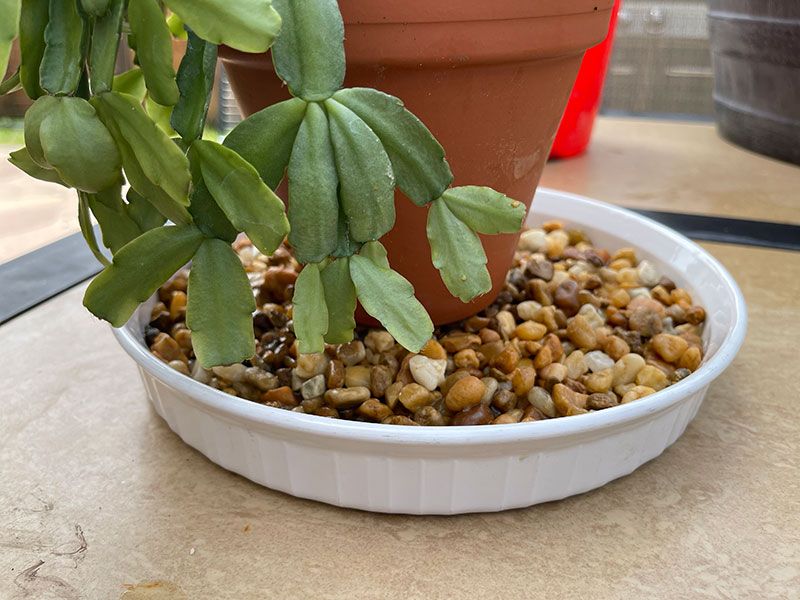
A pebble tray is my favorite low-effort fix, and it takes about five minutes to set up. Fill a shallow tray with gravel, add water below the top of the stones, and set the pot on top.
The pot should rest on the pebbles rather than in the water, or soggy roots will become a new problem. As the water slowly evaporates, it creates a small pocket of moister air right around the stems.
Grouping houseplants together helps as well, since leaves release moisture into the air as they breathe. I like how a little cluster of pots on one table looks like a tiny indoor jungle.
A small room humidifier gives the biggest boost, especially in areas of Texas where winter air turns crisp and dry. Place it a few feet away so the mist does not settle on the segments and stay wet.
Misting by hand feels helpful, yet its effect fades within minutes and does little for long-term humidity. Steady moisture in the air matters most when buds are swelling and getting ready to pop open.
6. Hold Off On Fertilizer While Christmas Cactus Buds Form
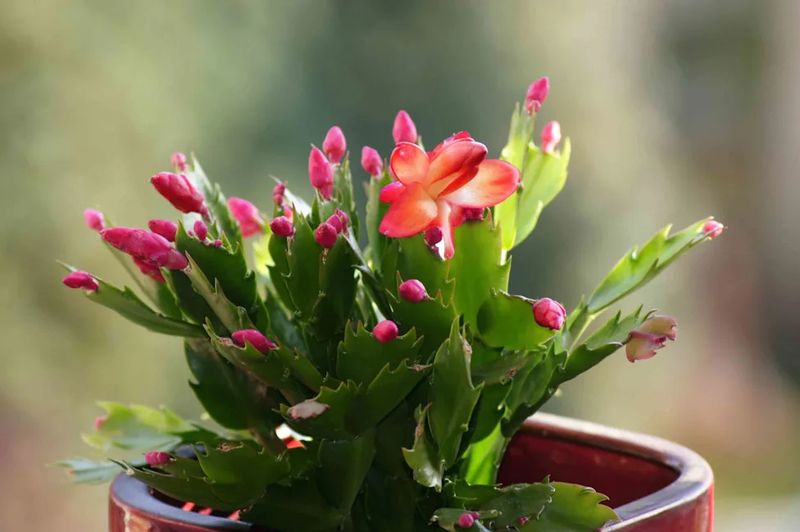
Feeding a struggling plant feels like the caring thing to do, but timing makes a huge difference here. Extra fertilizer in fall can push leafy growth when your plant should be focusing on flower buds.
Most extension guides suggest feeding from spring through summer, then tapering off by late summer or early fall. By November, a healthy plant usually needs no fertilizer at all until its blooming season finally wraps up.
I stopped feeding mine every October, and to my surprise, the buds started showing up earlier. Resting from fertilizer seems to help the plant shift gears from growing segments to making flowers.
Too much fertilizer can also leave salt crusts on the soil surface or along the pot rim. Those salts can burn tender roots, which makes an already weak plant look even more tired.
If you spot white crust, run plain water through the pot several times over the sink to flush it. Let it drain well afterward, then place it back in its bright spot without any extra feeding.
When spring growth returns, a balanced houseplant fertilizer mixed at half strength works well every few weeks.
Some growers add a little Epsom salt for magnesium, though they use it sparingly and only during active growth.
Think of this pause as a well-earned rest rather than neglect, because your plant is busy behind the scenes. Patience now usually pays off with fuller blooms once the holiday season rolls around in a few weeks.
7. Check Christmas Cactus Segments For Mealybugs And Root Rot
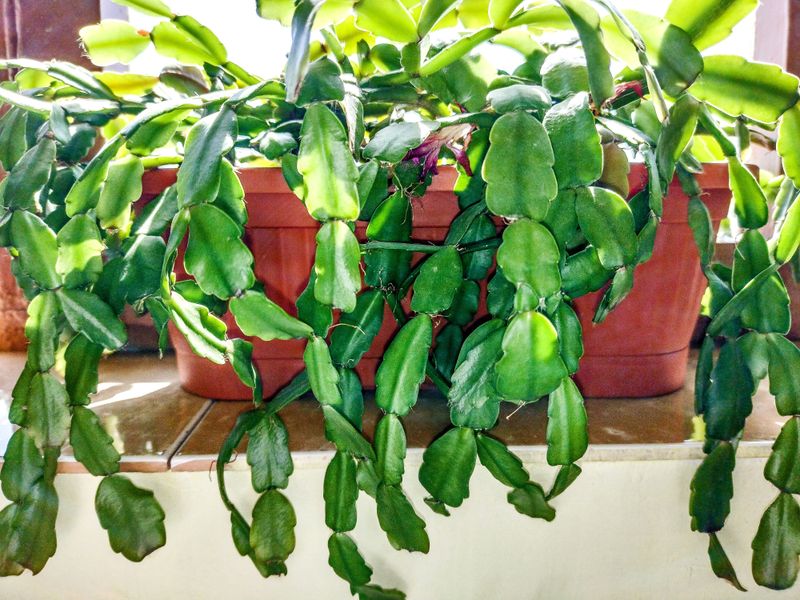
Those tiny tufts of white fluff tucked where the segments join are not holiday decorations, unfortunately. Mealybugs hide in those cozy joints and suck plant sap, which slowly weakens even a sturdy cactus.
Scale insects look like small brown bumps stuck to the stems, and they often leave sticky residue behind. Take a closer look with a flashlight, because both pests blend in surprisingly well on green stems at first.
For a light problem, wipe pests away with a damp cotton swab or a soft, clean cloth. Bigger infestations usually respond to insecticidal soap, applied carefully by following the label and repeated as directed.
Fungus gnats buzzing around the pot often point to soil that stays too wet for too long. Letting the top inch dry between waterings usually reduces their numbers without any chemical spray at all.
Root rot is the sneakier threat, showing up as limp segments even when the soil feels moist. Gently slide the plant out and check the roots, which should look firm and fairly light in color.
Mushy roots with a sour smell need trimming with clean scissors before the plant goes into fresh mix. Choose a fast-draining cactus or succulent blend, and use a pot with a working drainage hole.
Healthy segments snapped off during cleanup can root easily in moist soil, giving you a backup plant. Texas gardeners often share these cuttings, and I love how one rescued plant can turn into several gifts.