What Thanksgiving Vegetable Scraps Can Go In A California Compost Pile
Onion skins and root ends are welcome in an outdoor scrap pile, despite a popular myth that says otherwise. That warning mostly applies to indoor worm bins, where worms can turn up their noses at onion scraps.
Potato eyes on peels can sprout surprise plants in a cool pile, so tucking them near the warm center helps. Buttery or sugary leftovers, like candied casseroles, tend to attract critters and belong in the green cart instead.
To be fair, my kitchen pail fills up faster on Thanksgiving than on any other day of the year. You might notice your own counter disappearing under curly peels and leafy tops long before dessert arrives.
Many of those trimmings could feed next spring’s beds instead of riding away in a garbage truck. A few tricks with a knife, a fork, and some dry leaves could keep your pile humming through the holiday rush.
1. Mashed Potato Peels Belong In The Bin
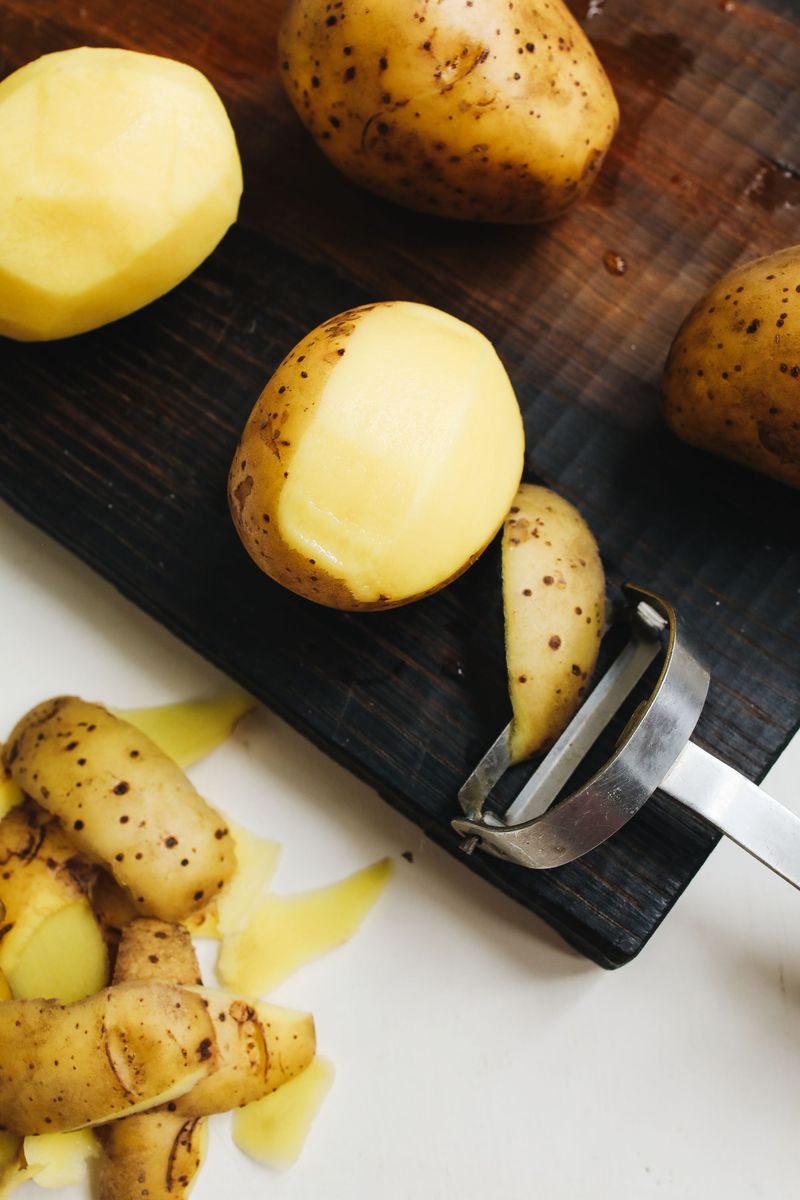
Every bowl of creamy mashed potatoes leaves behind a curly brown heap of peels on the counter. I love tossing that heap into my pile because it vanishes into dark soil within a few months.
Potato peels count as green material, which means they bring moisture and nitrogen to the microbes doing the work. Those tiny workers need nitrogen to grow, and peels deliver it in a soft form they handle easily.
One quirk catches many gardeners off guard, because potato eyes on the peels can sprout surprise plants. A cooler pile gives those eyes plenty of time to push out pale shoots and even little tubers.
You can prevent this by burying peels near the center, where heat builds up and discourages sprouting. Turning the pile every week or two also moves stray pieces into the warmer middle section.
Skip any potatoes that showed signs of late blight, the brown rot that also troubles tomato plants. University extension experts suggest bagging blighted tubers for the trash instead of risking spores in the garden.
Buttery peels from roasted potatoes are a different story, since fats slow decomposition and attract curious raccoons. Stick with raw peels trimmed before cooking, and save the greasy leftovers for your municipal green cart.
Personally, I chop larger peels into strips about two inches long before they hit the bin. Smaller pieces offer more surface area, so the microbes finish the job faster and your compost is ready sooner.
2. Sweet Potato Skins Add Color To The Heap
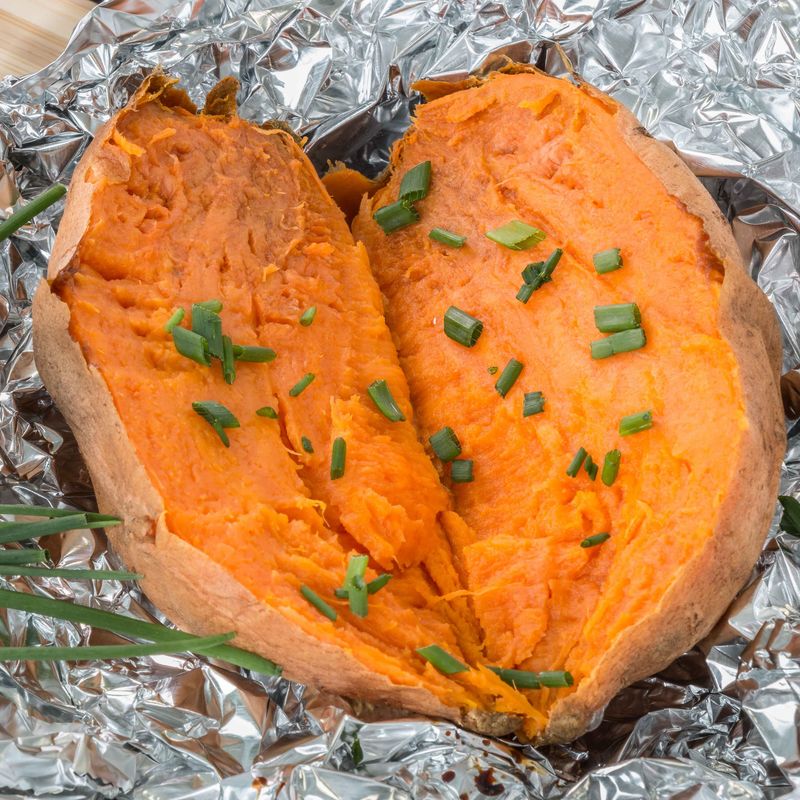
Those coppery sweet potato skins look almost too pretty to throw away after the casserole goes in the oven. You’re in for a treat, because they soften quickly and blend into the pile within weeks.
Sweet potatoes belong to the morning glory family, so they are only distant cousins of regular potatoes. That difference means their skins are less likely to sprout new plants inside your compost bin.
The thin skins are moist and tender, which makes them an easy meal for bacteria and fungi. I like adding them in a thin layer rather than dumping one big clump in a single spot.
Clumps of wet peels can mat together and squeeze out air, leading to a sour smell nobody enjoys. Mixing them with dry leaves or shredded paper keeps the texture loose and the odors much milder.
Candied leftovers with marshmallows and brown sugar should stay out of the backyard bin, however. Sugary, buttery dishes attract ants and rodents, so your city green cart is the better destination.
Raw ends and trimmed knobs can go right in alongside the skins without any special treatment. Cutting the hard ends into smaller chunks helps them break down at the same pace as the peels.
Fun fact for your dinner table, many grocery stores label orange sweet potatoes as yams by mistake. True yams come from a different plant family and are rarely sold in typical neighborhood supermarkets.
3. Stringy Pumpkin Guts And Seeds Feed Hungry Microbes
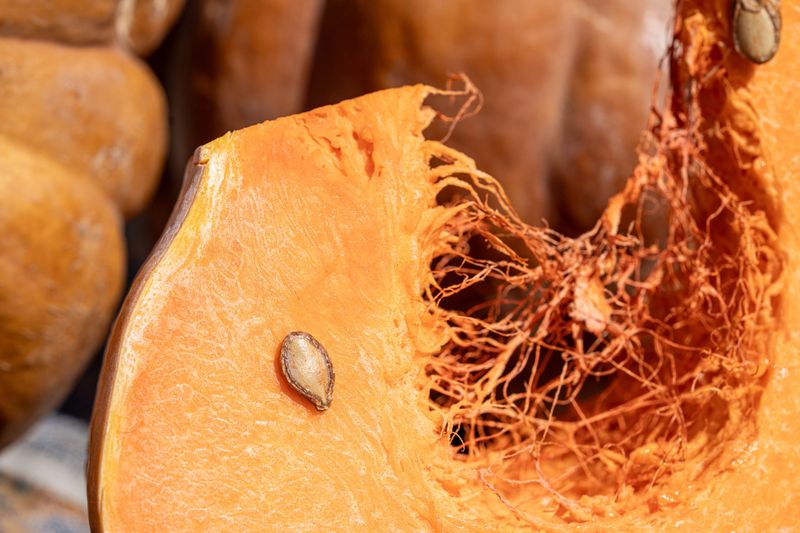
Scooping out a pumpkin for homemade pie leaves your hands slimy and your bowl full of orange strings. That gooey mess is pure fuel for a compost pile, so please resist the urge to bag it.
Pumpkin pulp holds plenty of water, which helps a dry autumn pile stay damp enough for microbes. Your pile should feel like a wrung-out sponge, and fresh pulp nudges it closer to that ideal.
Seeds bring one small risk, because they can survive a cool pile and sprout next spring. I once found a sprawling pumpkin vine growing from my bin, and it honestly made me laugh.
You can roast the seeds for snacks first, which removes the sprouting risk and gives you a treat. Hot piles that reach 130 to 160 degrees also reduce the chance of volunteer vines appearing later.
Leftover decorative pumpkins from the porch can join the pile once the holidays wind down. Smash them into smaller pieces with a shovel so the tough rind breaks down at a reasonable speed.
Painted or glittered pumpkins need to stay out, along with any carved ones sprayed with sealant. Those coatings add materials your garden soil does not need, so peel off decorations or skip them.
Moldy pumpkins are still fine for most home piles, since fungi are already part of composting. Bury them under a layer of leaves to keep fruit flies from turning your bin into a hangout.
4. Butternut Squash Peels Need A Quick Chop
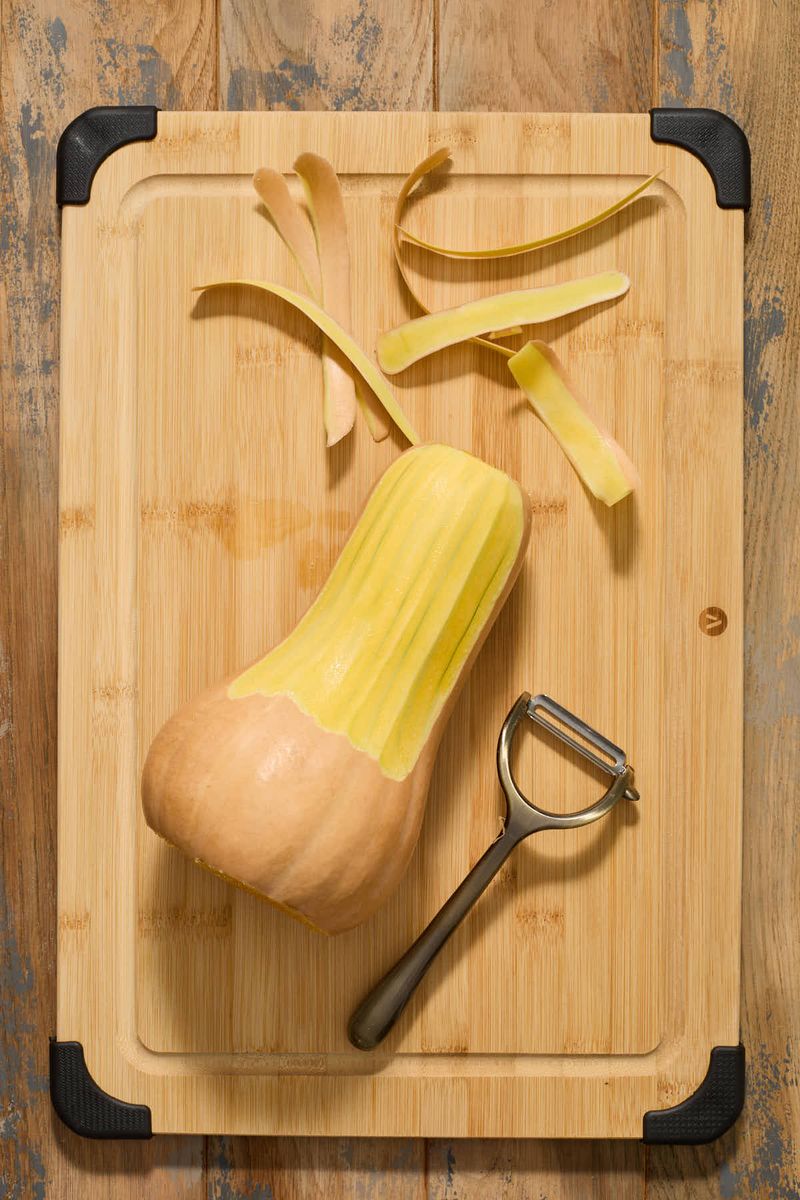
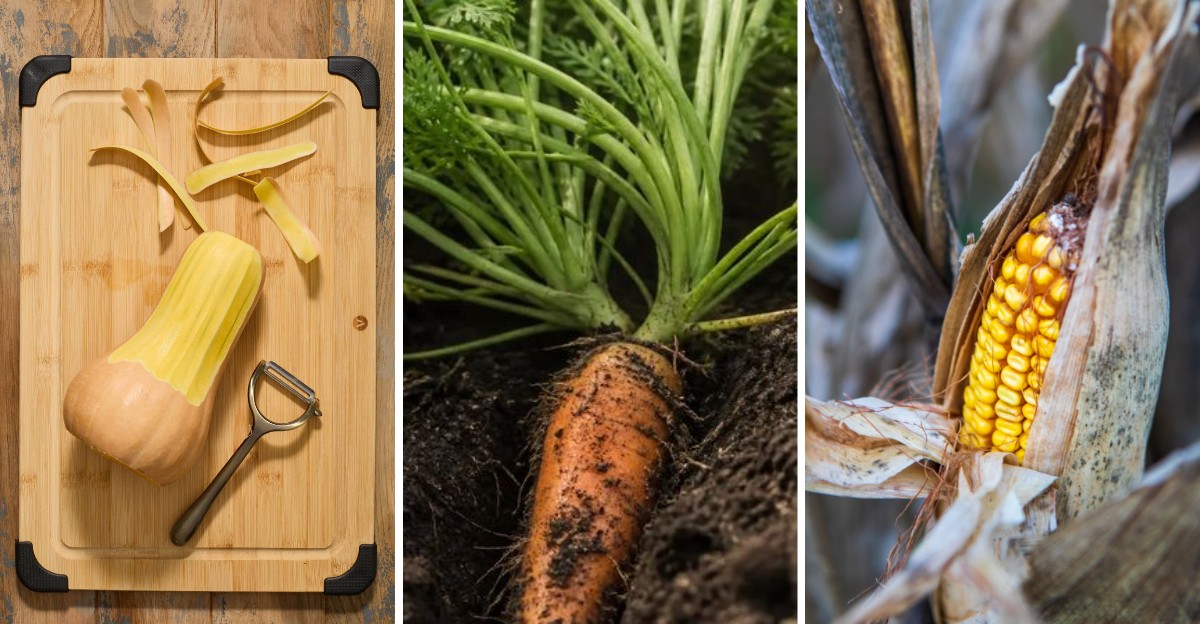
Peeling a butternut squash feels like wrestling a bowling pin, but the reward goes beyond the soup. Those tan ribbons of peel make excellent compost material once you give them a little help.
Squash skin is tougher than potato skin, so whole strips can linger in the pile for months. I cut mine into pieces about the size of a postage stamp, and they disappear much faster.
The seedy center works just like pumpkin pulp, adding moisture and quick energy for microbes. You might notice the pile warming up a few days after adding a big batch of squash scraps.
Acorn squash, delicata, and spaghetti squash trimmings follow the same simple rules in your bin. Raw scraps are welcome, while pieces roasted in butter or maple glaze are better suited for the green cart.
Many coastal gardens in this state stay mild enough in late autumn for piles to keep working. Inland valley piles may slow down on cold nights, so a bigger heap helps hold the warmth.
A pile roughly three feet wide, tall, and deep holds heat well, according to many extension guides. Smaller bins still work, though they usually take longer to finish and may need more frequent turning.
Squash seeds can sprout just like pumpkin seeds if your pile stays cool through winter. Pull any seedlings you find in spring, or let one grow if you have extra garden room.
5. Carrot Peels And Feathery Green Tops Break Down Fast
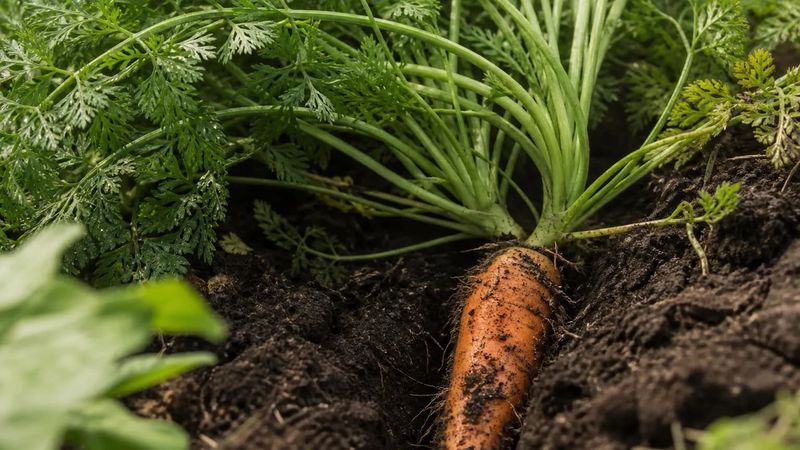
Glazed carrots usually start with a bunch of fluffy green tops that look like little ferns. Those tops and the orange peels are among the easiest scraps to compost in any home pile.
Carrot peels are thin and soft, so microbes break them down quickly without much effort from you. The leafy tops also decompose fast, adding nitrogen that helps balance woody materials in the bin.
Some cooks save carrot tops for pesto or soup stock before composting the leftovers. I like that idea, since the scraps still end up in the pile after giving you one extra meal.
Long, feathery tops can tangle into clumps, so a few quick snips with kitchen scissors help. Shorter pieces mix more evenly with leaves and stay airy enough for oxygen to reach the center.
Carrots shredded for salads leave behind stubby ends that work perfectly in the pile too. Toss those ends in raw, and avoid any pieces coated in butter, honey glaze, or heavy dressing.
You can collect peels in a lidded kitchen pail during the busy cooking day. Emptying the pail once the dishes are done keeps fruit flies from crashing your holiday gathering.
Planning a winter garden? Carrots grow well in cool months across much of this state, and your future compost will feed them. That full circle from scrap to seed bed feels wonderfully satisfying to me.
6. Celery Ends And Leafy Stalks Keep The Pile Moist
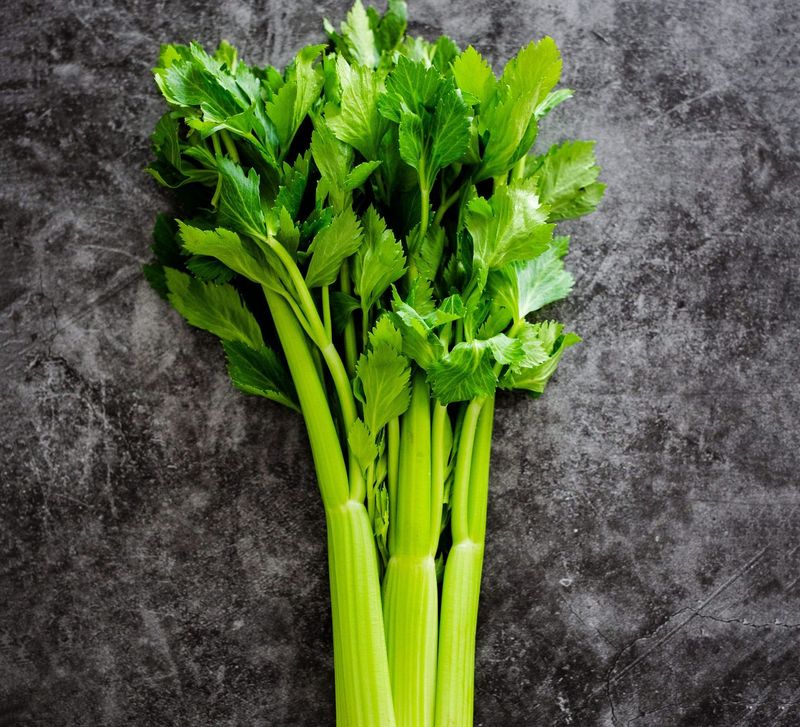
Stuffing recipes call for chopped celery, which leaves a pale root end and a pile of leafy tips. Those leftovers are mostly water, so they help keep a dry pile from stalling out.
Celery is about 95 percent water, which makes it a fantastic moisture boost during dry spells. You can balance that wetness by adding a handful of dry leaves or torn cardboard nearby.
The stringy fibers inside the stalks are the slowest part to break down in the bin. I slice ends into thin rounds, which cuts those fibers short and speeds things up nicely.
Some people regrow celery by setting the root end in a shallow dish of water. That fun kitchen project can keep kids busy, and the stub still goes into compost when finished.
Leafy celery tops have a strong flavor that some cooks prefer to save for broth. After simmering, the soft leftover vegetables can go into the pile as long as they are unsalted.
Celery stalks packed with cream cheese or peanut butter from the appetizer tray should skip the bin. Dairy and oily spreads can attract pests and create unpleasant smells in a backyard setup.
A pile receiving lots of wet scraps benefits from a weekly turn with a garden fork. Turning brings air into soggy spots and keeps the whole heap working at a steady pace.
7. Papery Onion Skins And Root Ends Are Welcome
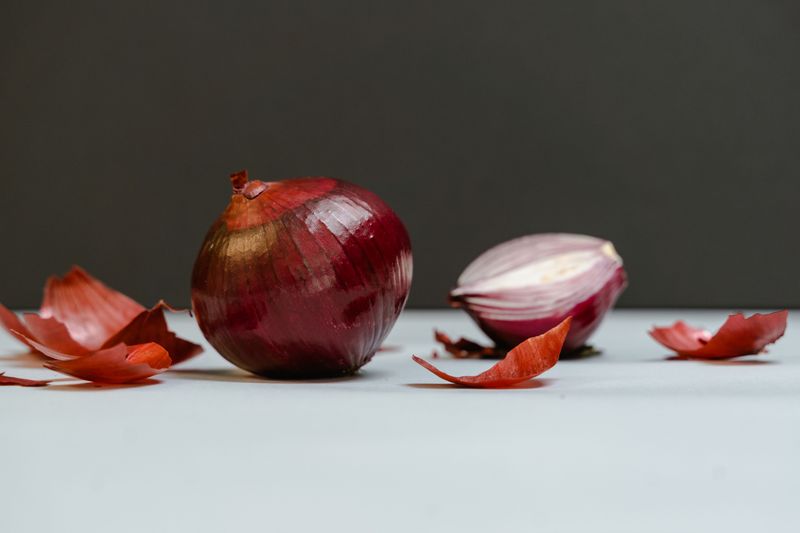
Onion skins crackle like autumn leaves when you peel them, and they pile up fast during holiday prep. Those golden layers belong in your outdoor compost heap, despite a popular myth suggesting otherwise.
Many people believe onions harm compost, but that concern mostly applies to indoor worm bins. Worms in small bins can dislike strong onion scraps, while an outdoor pile handles them just fine.
Dry skins act more like brown material, adding carbon that balances wetter kitchen scraps. I love how something so thin and crispy still contributes a useful role in the bin.
Root ends can sprout green shoots if left near the cooler edges of your pile. Chopping them in half or burying them toward the center reduces that sneaky regrowth quite a bit.
Whole rotten onions can smell strong while they soften, so cut them into smaller pieces. Covering them with leaves or finished compost helps keep odors from drifting toward your back porch.
Shallots, leeks, and green onion trimmings follow the same rules as regular onions in compost. Leek tops are tough and fibrous, so slicing them thin helps them break down sooner.
Fun fact, cooks have used onion skins for natural fabric dye for a very long time. You could try dyeing eggs or cloth with the skins first, then compost the leftovers afterward.
8. Garlic Papers And Clove Trimmings Go In Easily
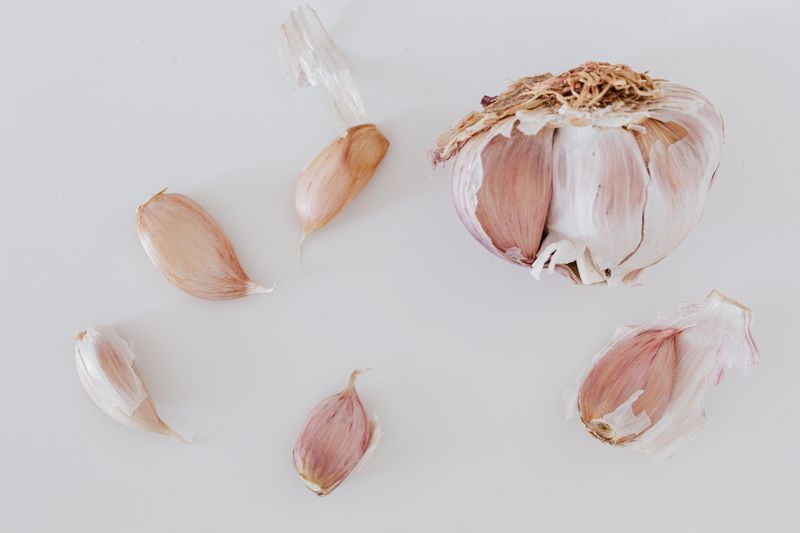
Garlic papers float around the kitchen like tiny white feathers whenever you peel a few cloves. Catching them all is tricky, but the ones you gather make a handy addition to compost.
The thin papers are dry and light, so they behave like brown material in the pile. They break down slowly on their own but disappear quickly when mixed with wetter vegetable scraps.
Some gardeners worry that garlic harms helpful soil life, yet small amounts in outdoor piles cause no trouble. Extension compost guides generally list garlic and onion scraps as acceptable for backyard bins.
Sprouted cloves that turned soft in the pantry can go in too, though they may regrow. I actually like planting a few sprouted cloves in a pot instead, because fresh garlic greens are delicious.
Autumn happens to be garlic planting season in many parts of this state, according to university gardening programs. If you grow garlic, spreading finished compost in the bed gives cloves a rich start.
Roasted garlic bulbs soaked in olive oil should go to the green cart rather than the pile. Oil coats scraps and slows microbes down, while also tempting neighborhood critters to dig around.
A small countertop pail with a tight lid makes collecting light papers much easier. You can line it with a sheet of newspaper, which composts right along with the garlic scraps.
9. Corn Husks And Chopped Cobs Bring Carbon
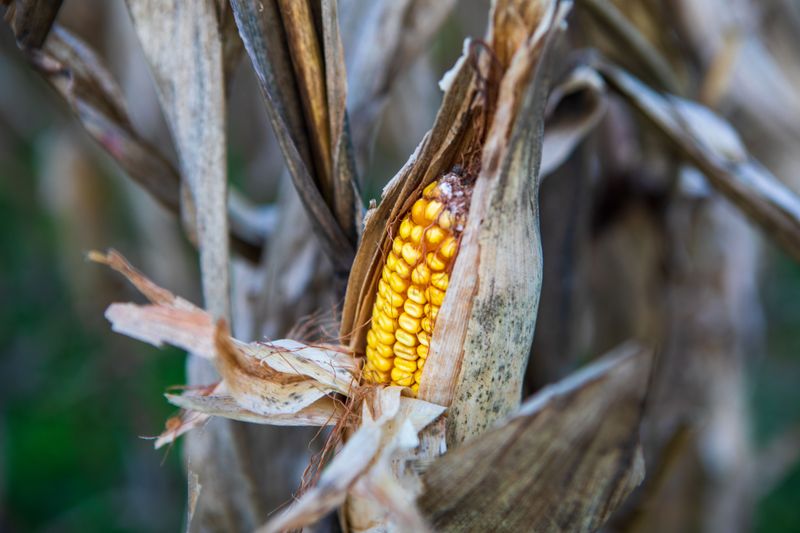
Shucking fresh corn leaves you with a rustling heap of husks and silky threads all over the counter. Husks and silk compost beautifully, while the chunky cobs need a bit more patience from you.
Fresh green husks count as green material, but dried husks lean toward the carbon side. Either way, tearing them into strips helps them blend with other scraps and break down faster.
Whole corn cobs are famous among composters for lingering in the pile for a year or more. I chop mine into small rounds with a sturdy knife, which shortens that waiting time considerably.
Some gardeners leave a few cob pieces in the pile on purpose to create small air pockets. Those pockets keep oxygen moving, which helps aerobic microbes stay active and keeps smells under control.
Leftover corn kernels from the side dish can go in if they are plain and unbuttered. Creamed corn and buttery cornbread are better sent to the municipal green cart instead.
Decorative dried corn from wreaths and table displays also composts well after the holidays. Remove wires, ribbons, and glue first, since those materials will not break down in a home pile.
Corn silk is surprisingly quick to vanish, often disappearing within a few weeks in a warm pile. You might notice it tangling around your fork, so mix it in with a gentle hand.
10. Snipped Green Bean Ends Are Tiny Compost Treasures
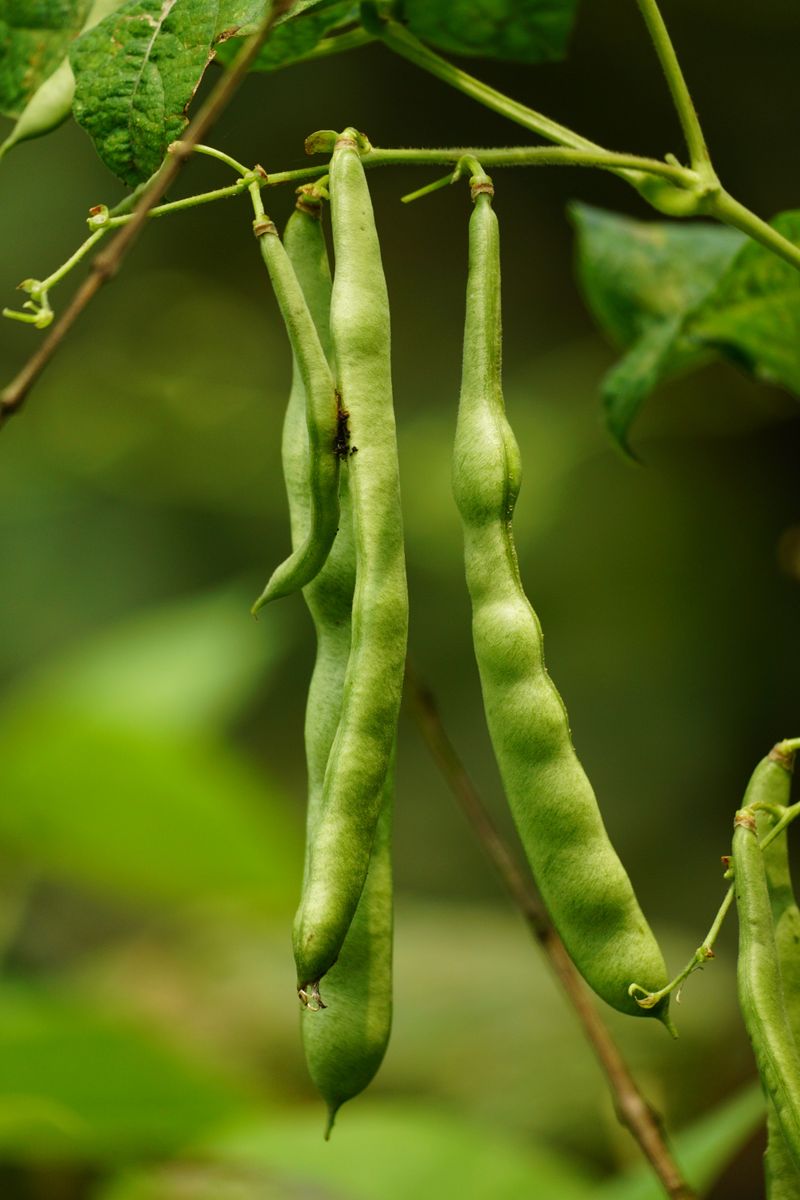
Snapping green beans is the kind of relaxing kitchen task that kids and grandparents both enjoy. All those little snipped tips add up to a nice green handful for your compost pile.
Bean ends are small, soft, and full of moisture, so they break down in just a few weeks. You won’t need to chop them, which makes them one of the easiest scraps on this list.
Beans belong to the legume family, and growing plants form partnerships with bacteria that fix nitrogen in soil. Composted bean scraps still release nitrogen as they decompose, which helps feed future garden beds.
Green bean casserole leftovers are a different matter, since creamy soup and fried onions add fat. Keep those rich leftovers out of your backyard bin and use the city green cart instead.
I collect bean ends in a bowl while cooking so they don’t scatter across the floor. Dumping that bowl into the pail takes seconds and keeps my holiday kitchen a little tidier.
Blanched or steamed plain beans that nobody finished can join the pile as well. Bury them a few inches deep so they don’t attract curious birds or squirrels to the bin.
Small scraps like these mix nicely with shredded autumn leaves raked from your yard. That pairing of green and brown material keeps the pile balanced and warm through the cooler months.
11. Brussels Sprout Leaves And Stalks Make Great Greens
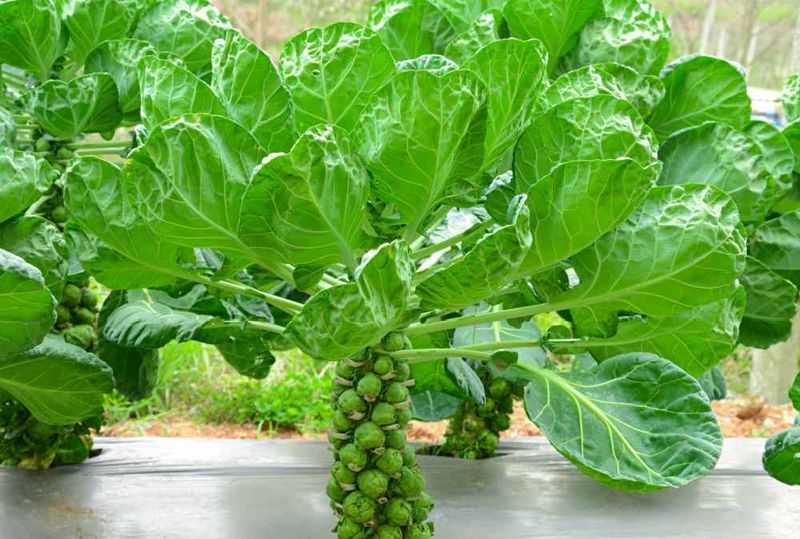
Brussels sprouts shed loose outer leaves like confetti when you trim them for roasting. Those crinkly leaves are perfect green material, and they soften in the pile almost overnight.
Some markets sell sprouts still attached to a tall, knobby stalk that looks almost like a club. That thick stalk is compostable too, though it needs chopping because the woody core breaks down slowly.
I split the stalk lengthwise, then cut it into short sections with a sturdy knife. You’ll be surprised how much faster those sections vanish compared with tossing the whole stalk inside.
Members of the cabbage family can smell strong as they rot, especially in a soggy pile. Mixing the leaves with dry browns helps soak up moisture and keeps odors from building up.
Brussels sprouts are a cool-season crop that grows well in coastal areas of this state. Gardeners often plant transplants in late summer, so compost from this year’s scraps could feed next season’s bed.
Leftover roasted sprouts tossed in bacon or balsamic glaze belong in the green cart. Fatty or sugary toppings bring unwanted visitors, so keep only the raw trimmings for your home bin.
Yellowed or spotted outer leaves are fine to compost if they simply look old. Any leaves showing heavy mold or insect damage can go in too when buried near the warm center.
12. Fragrant Sage And Thyme Stems Spice Up The Pile
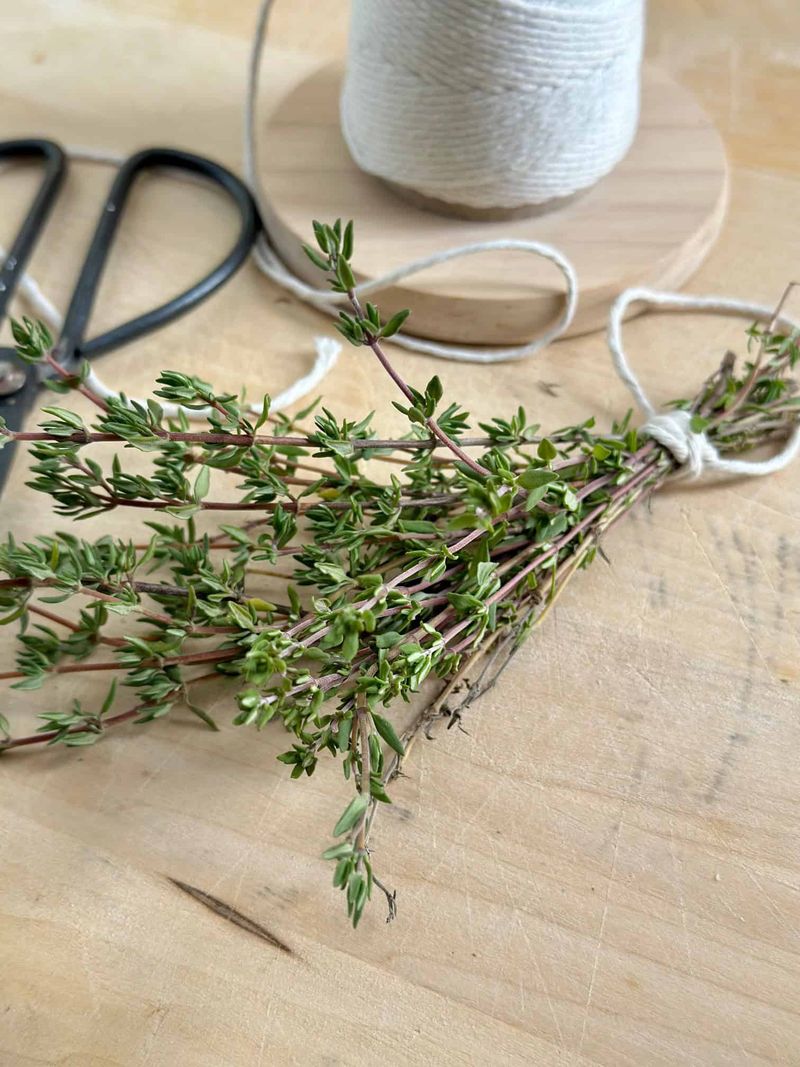
Stuffing smells amazing partly because of sage, and the leftover stems carry that same cozy aroma. Tossing them into compost makes the pile smell nicer for a day or two afterward.
Soft herb stems like parsley and cilantro break down quickly, adding a small dose of nitrogen. Woody rosemary and thyme stems take longer, so snapping them into short pieces really helps.
I sometimes save tough rosemary stems as skewers before they head to the compost bin. You could also dry sage stems for kindling, though composting them is simpler for most people.
Rosemary and sage grow wonderfully in many gardens here, thanks to the Mediterranean climate. Both plants enjoy well-drained soil, and a light layer of compost around them is usually plenty.
Herbs bought in plastic clamshells or with rubber bands need those extras removed first. Twist ties and stickers can sneak into the pile easily, so give each bundle a quick check.
Wilted lettuce and salad greens left over from the meal can join the herb stems. Plain greens compost quickly, while salads coated in dressing are better suited for the green cart.
Potted herbs that struggled indoors over the holidays can go in the compost too, minus the pot. Shake off the potting soil into the pile, since it adds helpful texture to the mix.