The Big Hairy Spider Racing Across Indiana Floors This Fall Isn’t The One To Worry About
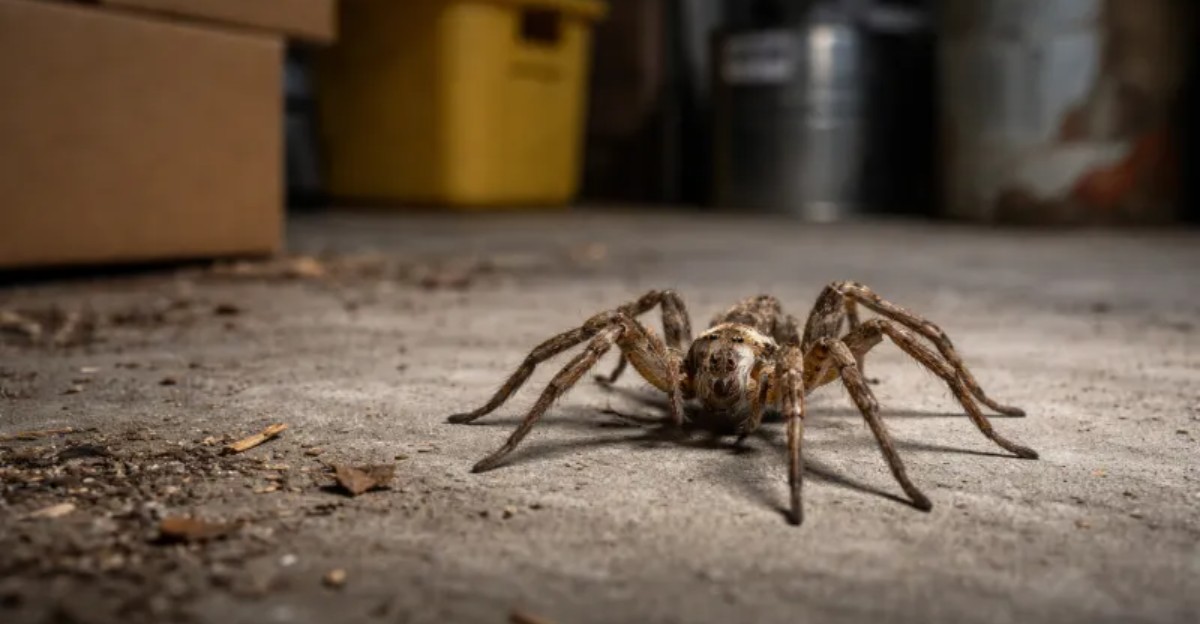
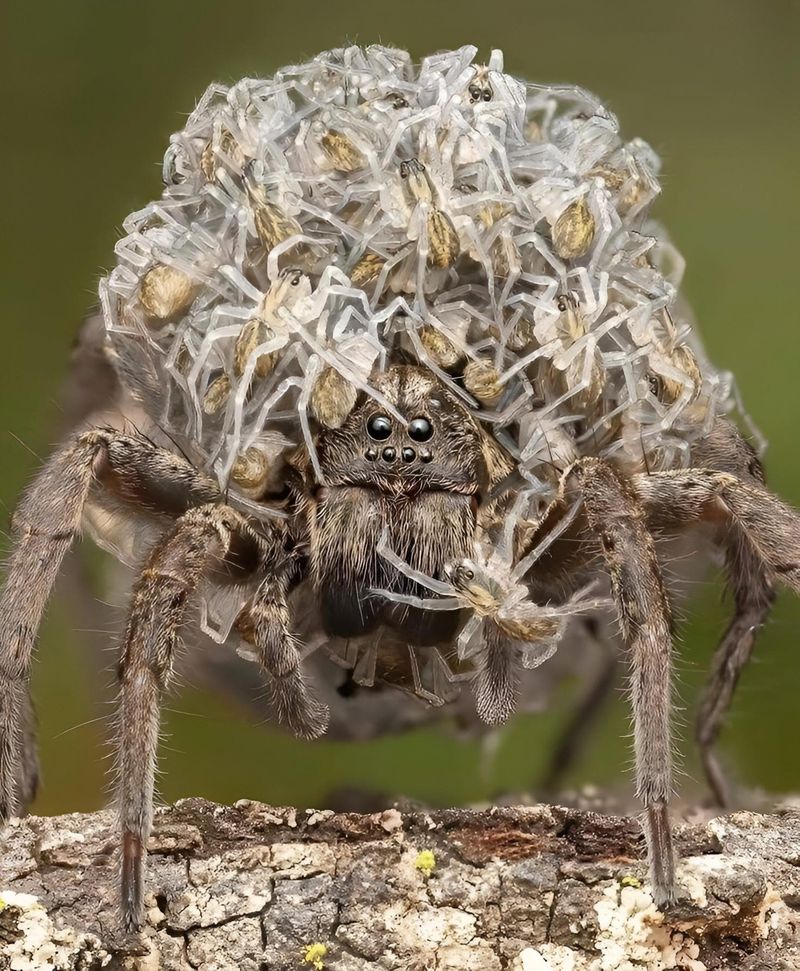
Some mother spiders in Indiana carry dozens of babies piled on their backs like a fuzzy backpack. That same mom might be the dark blur that just shot across your kitchen floor. Not going to lie, my first instinct was to grab a shoe.
Every fall, these fast runners slip inside right when the nights turn crisp. They can look as big as a half dollar with their legs spread out. Their eyes even shine back at you in a flashlight beam, like tiny green sparks in the grass.
I used to think the biggest spider in the room was the scariest one, but size tells you very little. The spider worth real caution is often small, shy, and hidden in a box you have not opened since summer.
Which one deserves a second look, and which one deserves a free ride back outside?
That Hairy Floor Sprinter Has A Name And A Job
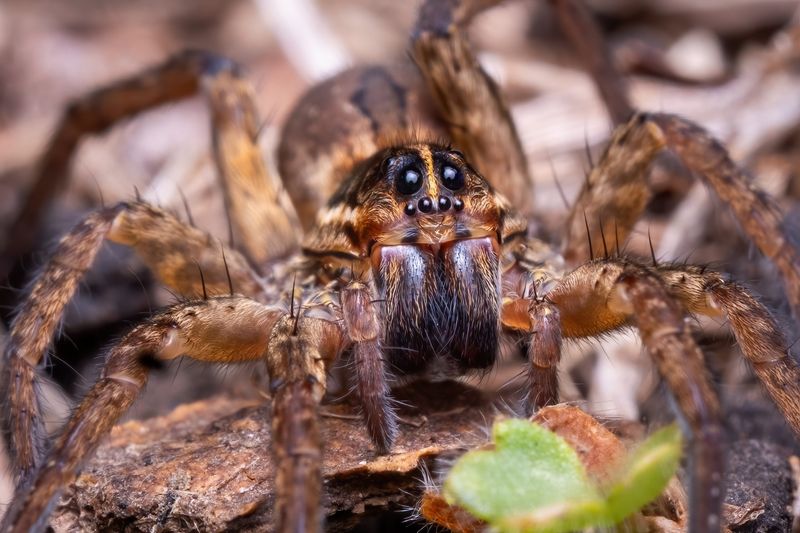
Most fall sightings of a big, hairy, fast spider zipping along the baseboards in Indiana turn out to be wolf spiders. They are brown, gray, or tan with striped or mottled patterns that blend into leaves and soil.
Unlike many spiders, wolf spiders do not build webs to catch food. They run down their prey using speed and excellent eyesight. Look closely and you will notice two big eyes facing forward in the middle row, which helps them spot movement in dim light.
Fun fact time. A female wolf spider drags her round egg sac behind her, attached to her spinnerets, and after the babies hatch, they ride on her back for days. It is one of the sweetest parenting moves in the bug world.
So why do they show up indoors in fall? Cooler nights push insects toward warmer spots, and the hunters follow the food. Many wander in by accident through gaps under doors or garage openings.
Most of them do not survive long inside because homes are dry and short on prey. That means a sudden sighting is usually a lost traveler, not the start of an invasion. A cup and a piece of paper can send it back to the garden.
A Wolf Spider Bite Is Rare And Usually Mild
Trust me on this one, wolf spiders would much rather run than fight. They bite people only when trapped, squeezed, or grabbed, like when one ends up inside a shoe or a pair of gloves.
Purdue University entomologists describe wolf spider venom as not medically serious for most people. A bite usually feels like a bee sting, with some redness, mild swelling, and soreness that fades within a day or two.
Simple first aid works well. Wash the area with soap and water, then use a cool compress to ease swelling. Keep an eye on it like you would any small wound.
There are exceptions worth knowing. People who have allergic reactions to insect stings should watch for trouble breathing, hives spreading beyond the bite, or swelling of the face. Those signs mean it is time to seek emergency medical care right away.
Kids and pets are curious, so a quick talk helps. Teach children to scoop spiders with a jar instead of grabbing them. Dogs and cats that paw at a wolf spider may get nipped, but the result is usually minor irritation.
Shaking out boots and gloves stored in the garage is an easy habit that prevents most surprise encounters.
The Small Brown Recluse Hiding In Your Storage Boxes Deserves More Caution
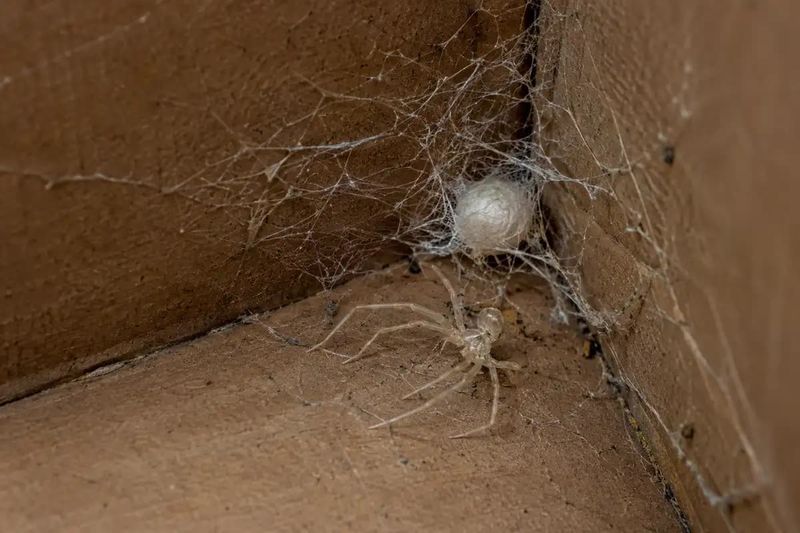
Here is the twist. The spider that truly deserves respect is smaller, quieter, and almost never seen racing across the floor in plain view.
The brown recluse lives mainly in the southern half of Indiana and becomes less common farther north, according to Indiana State University researchers. Its body is about the size of a pencil eraser, light to medium brown, with a darker violin shape on its back. The neck of that violin points toward the rear.
Another clue is the eyes. Recluses have six eyes arranged in three pairs, while most spiders have eight. You will need a magnifying glass to check, so do not handle a suspect spider bare-handed.
These spiders like dry, undisturbed places. Think cardboard boxes, closets, behind furniture, attics, and folded clothes left on the floor. They hunt mostly at night and stay hidden during the day.
Bites are uncommon and many cause only minor symptoms. Some, however, lead to a slow-healing sore that needs medical care. Anyone with a growing, painful wound should see a doctor.
Many spiders get mislabeled as recluses, so a clear photo sent to your county Extension office can settle the question fast.
Glossy Black Widows Prefer Woodpiles And Sheds Over Living Rooms
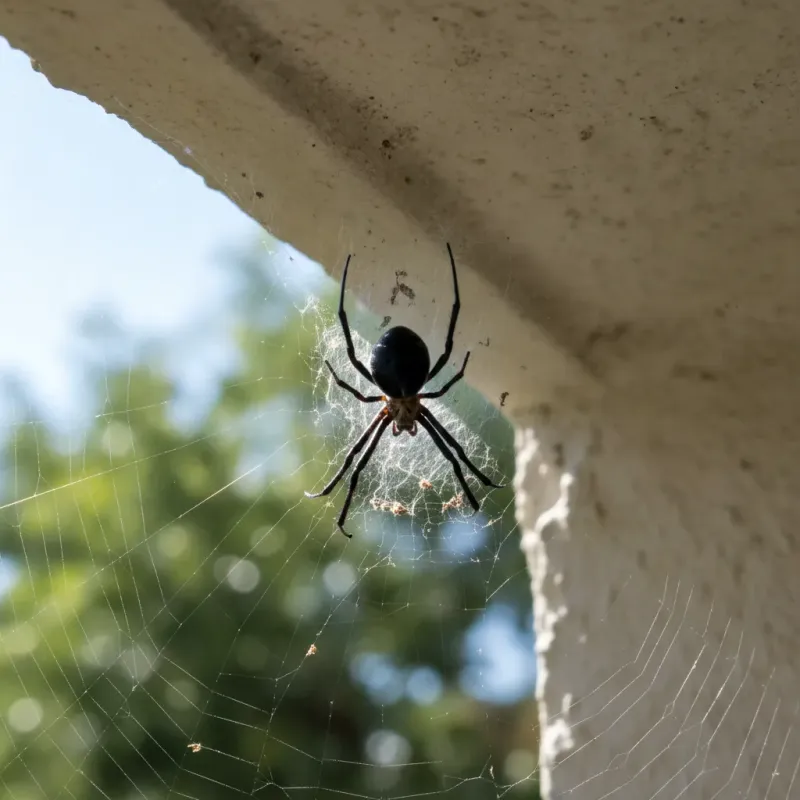
Grabbing firewood in October without gloves is a habit I broke years ago. Black widows love the dark gaps inside a stacked woodpile.
The southern and northern black widow both occur in Indiana. Females are shiny black with a red hourglass or red markings on the belly. Males and young spiders are smaller and often show lighter patterns, so they can be harder to recognize.
Widows build messy, tangled webs close to the ground. Common spots include sheds, garages, under decks, inside meter boxes, around patio furniture, and in rock piles. They seldom wander across open floors the way wolf spiders do.
Their venom affects nerves. A bite may bring sharp pain, muscle cramps, sweating, or nausea. Medical care is the right call for any suspected widow bite, especially for young children and older adults.
Simple habits lower the risk a lot. Wear thick gloves when moving wood, flowerpots, or stored garden tools. Keep firewood stacked away from the house and bring in only what you will burn soon.
A flashlight check under outdoor benches and bins takes seconds and pays off.
How To Tell A Harmless Hunter From A Recluse In Seconds
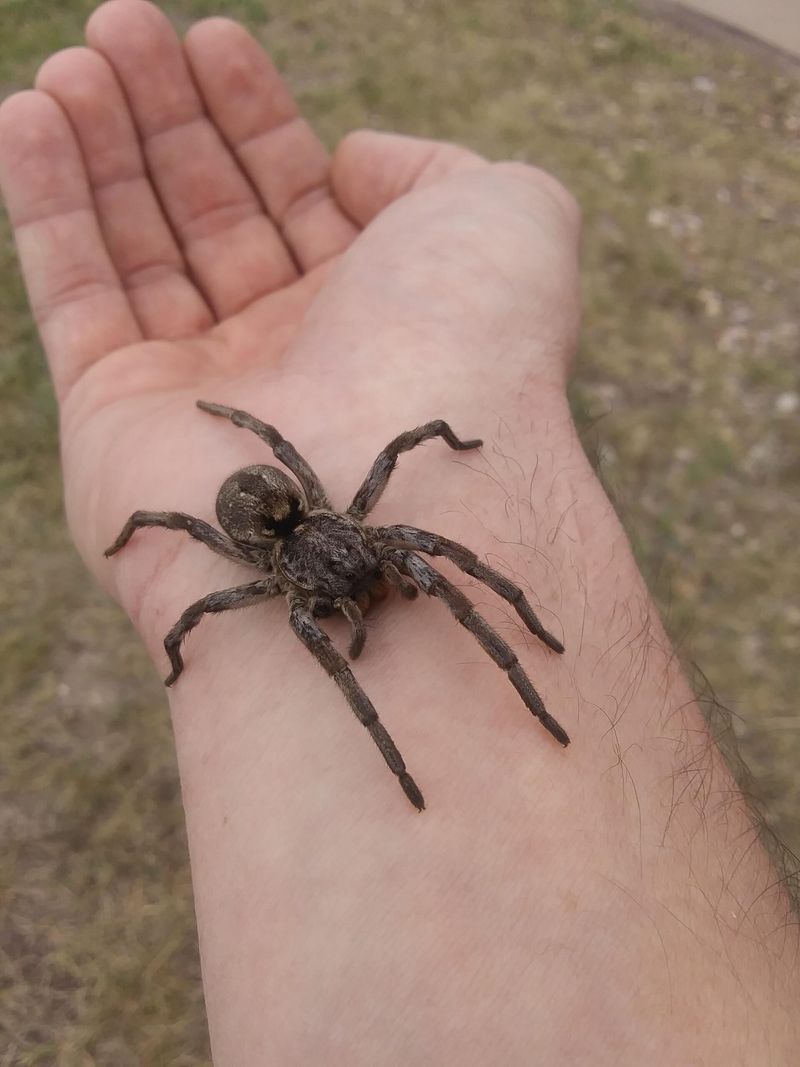
Size is your first quick clue. Wolf spiders often look big and chunky, with hairy legs and stripes or speckles. Brown recluses are smaller, more slender, and look smooth with no bold patterns on the legs.
Watch the behavior next. A spider sprinting boldly across an open floor in daylight is very often a wolf spider. Recluses tend to stay tucked away and come out mostly at night.
Check the back. Wolf spiders usually have long stripes running down the front body section. A recluse shows a single dark violin shape and otherwise plain coloring.
Try the flashlight trick outside at night. Hold a light near your eyes and scan the lawn. Tiny glowing green dots are often wolf spider eyes reflecting the beam, which is a fun way to see how many live in your yard.
When in doubt, trap it under a clear cup. Snap a close photo and send it to Purdue’s Plant and Pest Diagnostic Lab or your local Extension office.
Getting the name right saves worry and helps you skip harsh sprays you probably do not need.
Wolf Spiders Patrol Your Garden Beds For Free
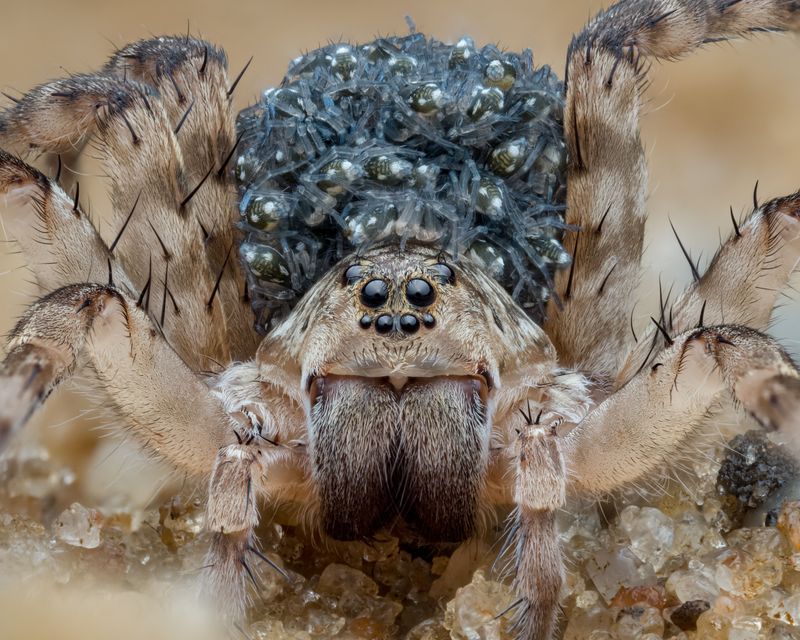
Gardeners, this part is for you. Those speedy spiders in the mulch are working the night shift in your beds.
Wolf spiders eat crickets, beetles, caterpillars, flies, and other small insects that wander across the soil. Research on farm fields has shown ground-hunting spiders help reduce plant-feeding insects, which makes them quiet allies in any vegetable patch.
Mulch, leaf litter, and low plantings give them cover. Leaving some leaves in perennial beds over winter offers shelter for spiders and many other helpful insects. Bare, heavily raked soil gives them very little to work with.
Broad pesticide sprays often harm spiders along with pests. Spot treatments, hand-picking, and targeted controls protect these predators while you deal with real problems.
Here is a quirky bit of trivia. The name wolf spider is often linked to how these spiders chase down prey like wolves, though the exact origin is debated. They hunt alone, not in packs.
So when you lift a pot and one darts away, let it go. Your tomatoes, beans, and fall greens get a little extra protection, and you get fewer chewed leaves next season.
Door Sweeps And Caulk Keep Fall Spiders On The Porch
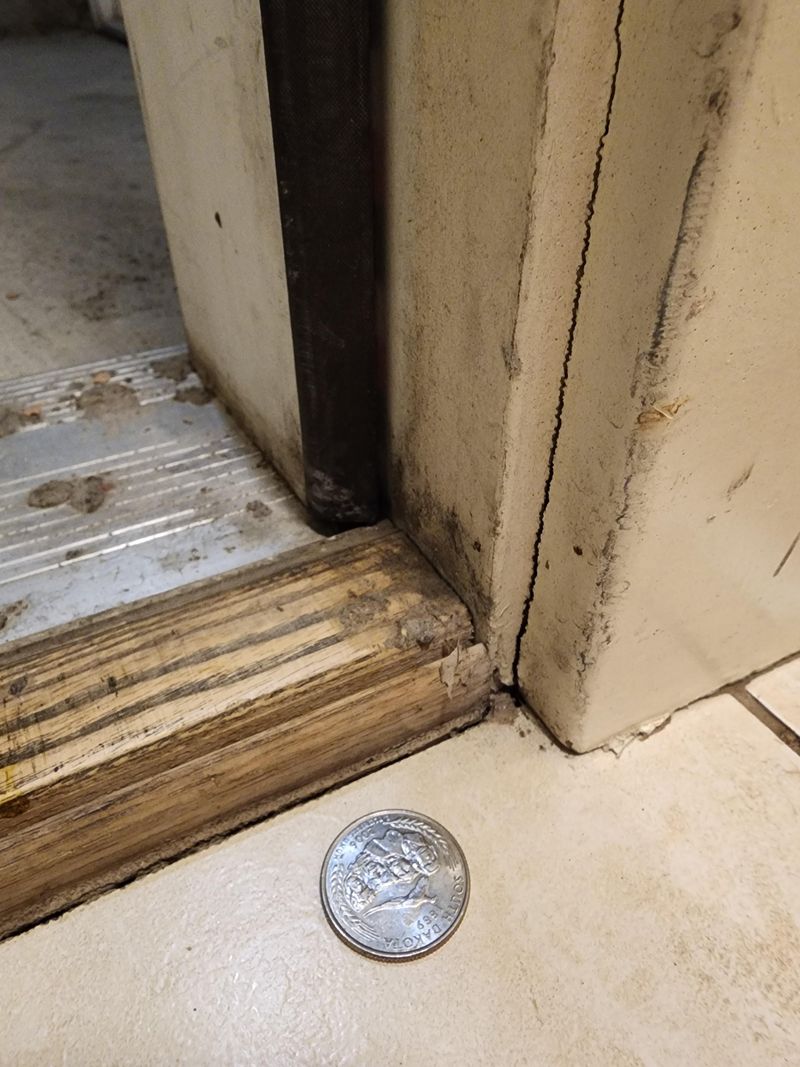
Sealing the house beats chasing spiders room to room. Most wolf spiders enter at ground level, so the bottom of your home is the best place to start.
Install door sweeps on exterior and garage doors. Check for daylight under the door, because if you can see light, a spider can fit through. Fix torn window screens and fill cracks around the foundation and utility lines with caulk.
Outdoor lights matter too. Bright porch lights attract moths and other insects, and hungry spiders follow the buffet. Yellow bug lights or motion-sensor lights cut down on the crowd.
Create a clear strip around the house. Pull mulch, leaf piles, and firewood a foot or two away from the foundation. That dry buffer zone makes your walls less inviting to crawling visitors.
Indoors, sticky traps placed along walls in basements and garages catch wandering spiders and show you what is around. They are also a handy way to collect a sample for identification.
Vacuuming corners and under furniture removes webs, egg sacs, and the small insects that keep spiders fed.
A Calm Plan Beats Panic Spraying Every Spider You See
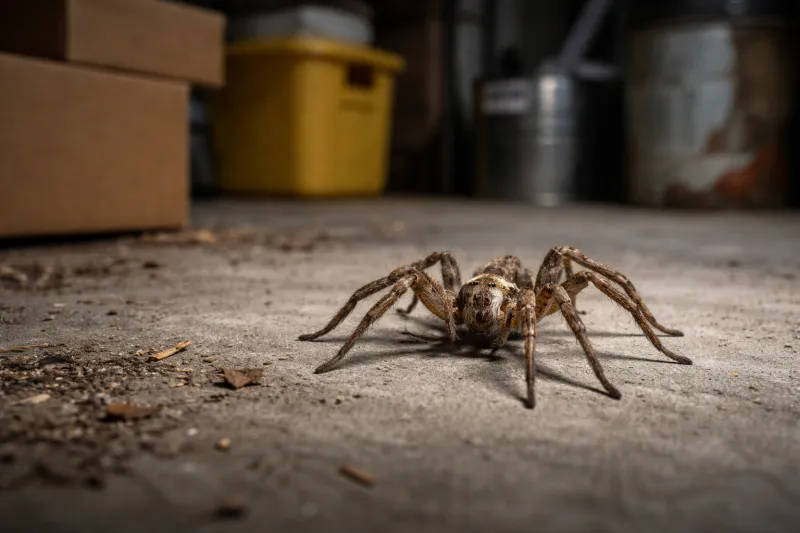
Panic spraying feels satisfying for about five seconds. After that, you are left with chemicals on the floor and the same cracks letting new spiders in.
Start with a simple routine. Catch wandering wolf spiders with a cup and paper, then release them near the garden. Shake out shoes, gloves, and clothing stored in garages or basements.
Swap cardboard boxes for plastic bins with tight lids. Keep stored items off the floor and away from walls. Clutter control makes a big difference for recluses, which love quiet hiding spots.
Know when to call for help. Repeated sightings of confirmed brown recluses indoors may need a licensed pest professional. Purdue Extension notes that recluse problems often take steady effort, including traps, cleanup, and targeted treatment.
Save medical worry for the right moments. Seek care for a painful, spreading wound or for symptoms like cramps and nausea after a suspected bite.
Every fall, a few eight-legged visitors will slip through. Learn the difference, give the hairy hunters a lift outside, and save your caution for the small, shy spiders hiding where you rarely look.