How To Keep Bird Feeders Clean In Wet California November Weather
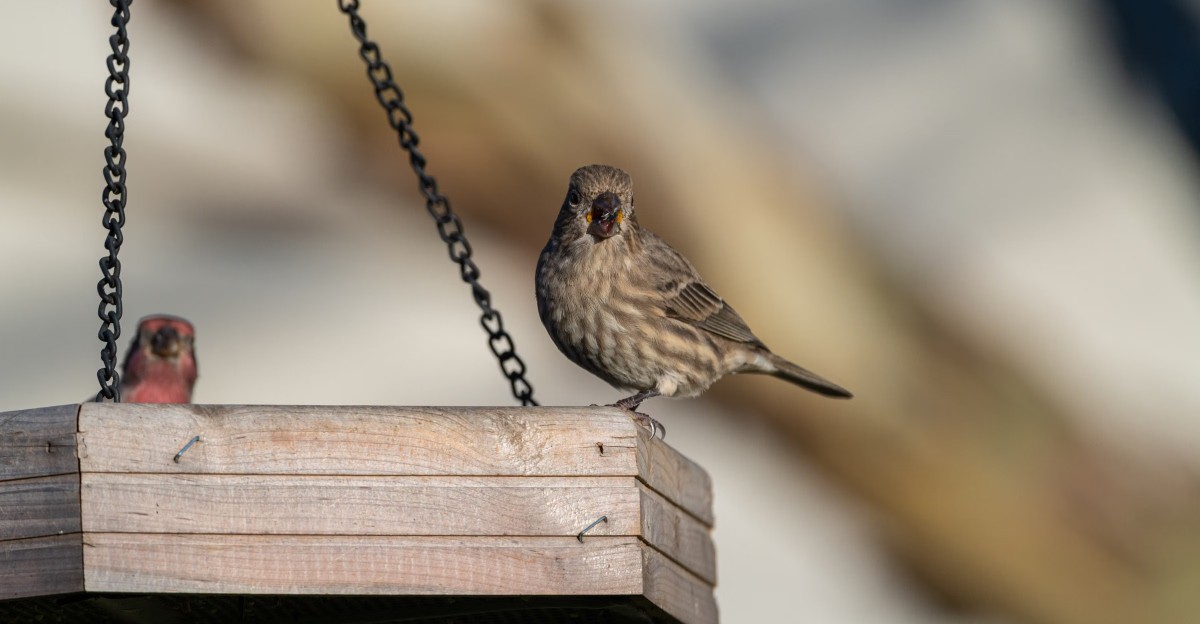
During some winter outbreaks, California wildlife officials have asked residents to take bird feeders down for at least two weeks. Spreading the birds out breaks up the crowds that help salmonella pass from one finch to the next.
Pine siskins and both kinds of goldfinches seem hit hardest, since they gather in big, busy flocks. Rain-soaked seed and dirty perches give those germs an easy head start during cool, damp November weeks.
Here’s my two cents: owning two feeders for each spot makes cleaning day far less stressful. You might notice the birds barely miss a beat while one feeder dries in the sun.
Plenty of us fill feeders to the brim out of kindness, especially when winter mornings turn gray. A few smarter habits with seed portions, drainage, and the ground below could keep your backyard flock healthier all season.
That Clumpy Wet Birdseed Is Hiding More Than Mold
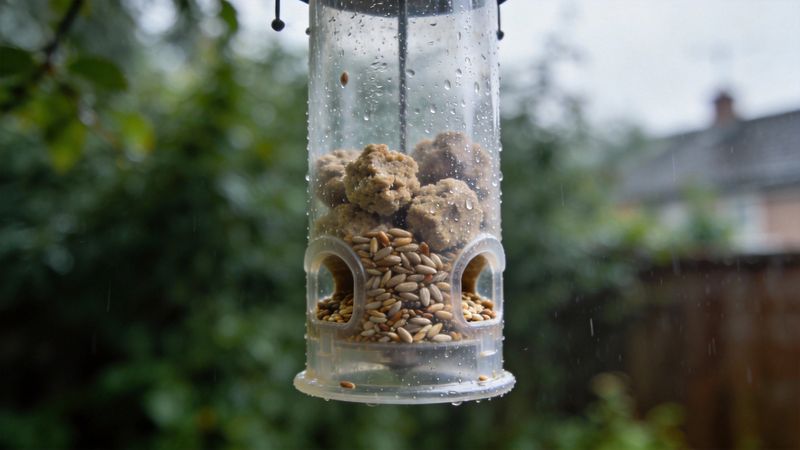
Rain soaks into seed faster than most of us expect. Once seed gets wet, mold and bacteria can start growing in the warm, damp middle of the pile. In a few days, a tidy feeder can turn into a germ hotel.
Moldy seed can carry toxins like aflatoxin, which can harm birds that eat it. Damp seed also mixes with bird droppings on trays and perches. That mess makes it easy for illness to pass from one visitor to the next.
The biggest worry in California is salmonellosis. The California Department of Fish and Wildlife has tracked winter outbreaks among pine siskins, lesser goldfinches, and American goldfinches. Birds pick up the bacteria from contaminated seed and feeder surfaces, then spread it as they crowd together.
Other illnesses travel the same way. House finch eye disease, also called mycoplasmal conjunctivitis, spreads on feeder ports. Avian pox can also pass through shared perches and surfaces.
I used to think a little clumping was no big deal. Now I treat it like a warning light on my car dashboard. If seed smells musty, sticks together, or looks fuzzy, it needs to go. Your birds will thank you with healthier, happier visits all winter long.
A Bucket, Gloves, And A Bottle Brush Do Most Of The Work
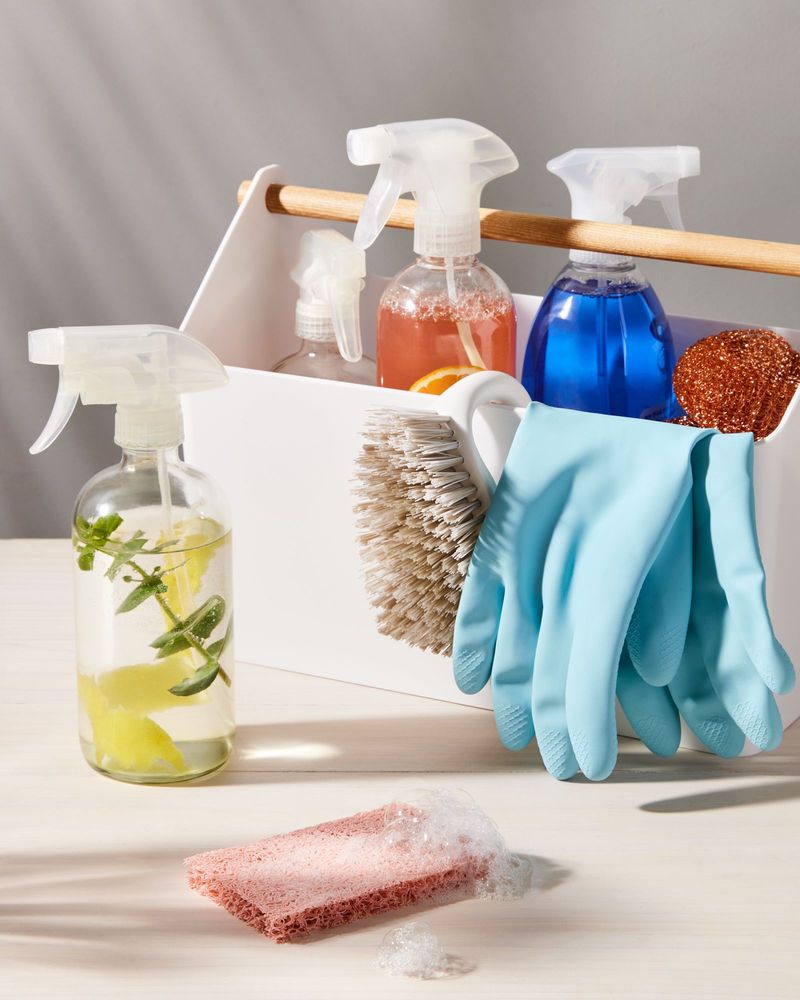
Good cleaning starts with a simple kit. Grab rubber gloves, a bucket or utility sink, a long bottle brush, and an old toothbrush for tight corners. Keep these tools only for bird gear, not kitchen dishes.
First, empty the feeder and toss old seed in the trash. Take it apart as much as you can. Scrub every surface in hot, soapy water to loosen grime and droppings.
Next comes disinfecting. Cornell Lab of Ornithology and many wildlife agencies suggest soaking feeders in a mix of one part bleach to nine parts water for about ten minutes. Some people prefer a vinegar and water mix for quick weekly cleanings, though bleach does a stronger job against germs.
Rinse well with clean water until no smell remains. Leftover cleaner can bother birds, so take your time on this step.
How often should you scrub? Experts often suggest every one to two weeks. In soggy November stretches, I bump that up to weekly, and right away after any storm soaks the seed. Honestly, a feeder cleaning session takes me about fifteen minutes. It feels like a small chore with a big payoff for the birds.
Let Your Clean Feeder Dry In The Sun Before Refilling
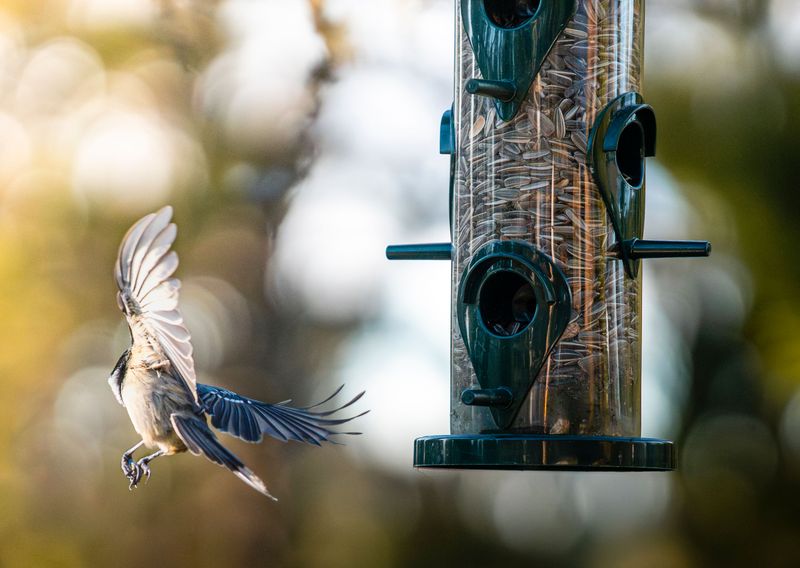
Patience pays off at this stage. A feeder that looks clean but stays damp inside can grow mold all over again. Putting fresh seed into a wet tube is like putting socks on wet feet.
After rinsing, shake out extra water and set every piece in a sunny, airy spot. Sunlight helps dry things fast and adds a little extra germ-fighting power. On cloudy days, I bring the parts indoors near a fan.
Wait until every corner is dry before you refill. Check the seed ports and the bottom of tube feeders, since water likes to hide there.
A smart trick is owning two feeders for each spot. While one dries, the other can stay in use. Your birds never lose their snack stop, and you never feel rushed.
During wet weeks, fill feeders with only a day or two of seed. Smaller servings get eaten before they can spoil. You also waste less money on seed that ends up in the trash.
Quick tip: store your seed bag in a sealed metal or plastic bin in a dry garage. Damp seed from storage causes the same trouble as rain-soaked seed.
Covered Hopper Feeders With Rain Baffles Keep Seed Drier
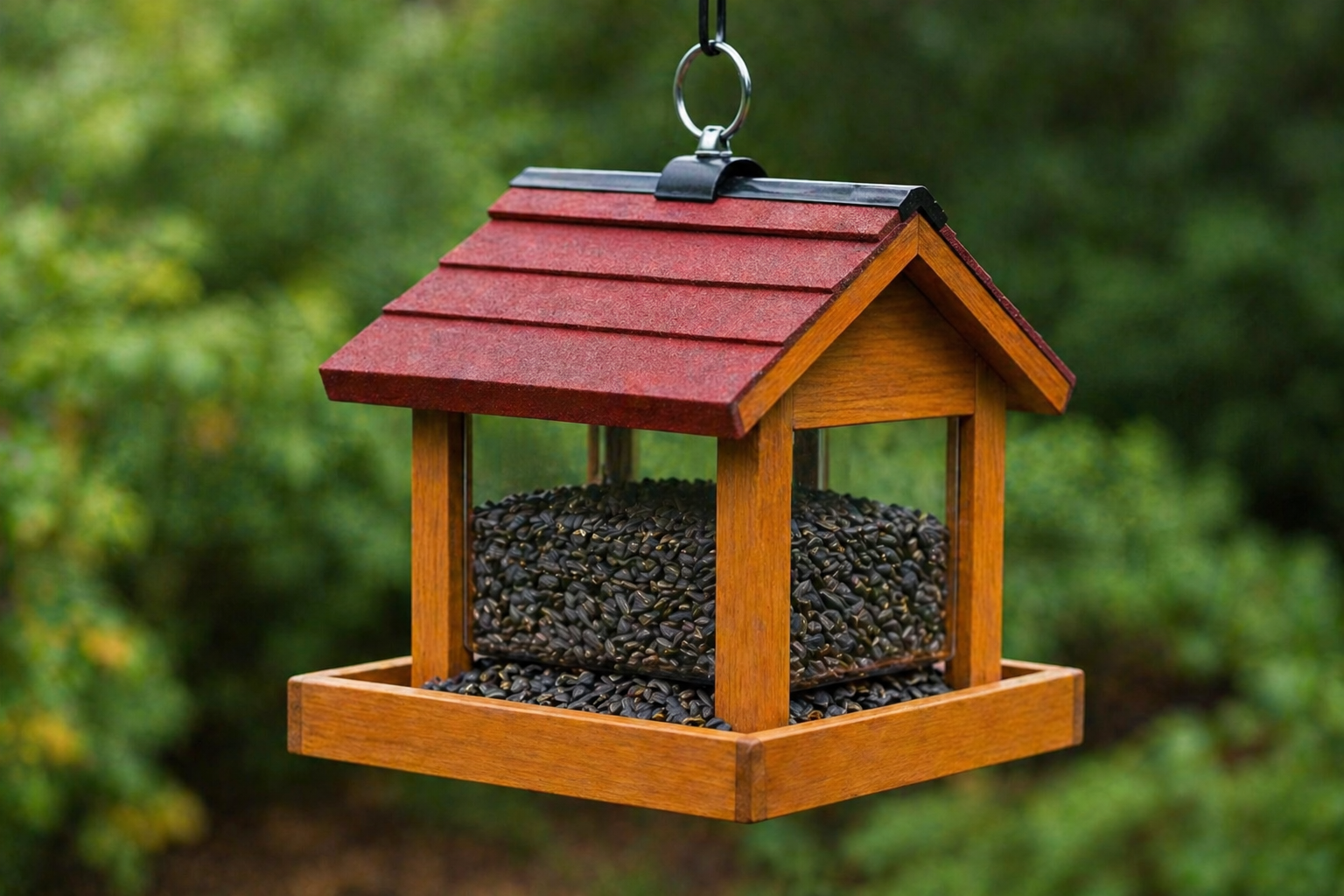
Some feeders handle rain like a champ, and others act like sponges. Open platform trays catch every drop, so seed turns to mush quickly. In rainy months, I save trays for dry spells or use ones with mesh bottoms that drain.
Hopper feeders with wide roofs are a solid choice. Tube feeders work well too, especially when you add a clear dome or weather guard on top. These covers act like a little umbrella over the ports.
Drainage holes matter more than people realize. Look for feeders with small holes in the base so water can escape. A solid bottom traps moisture right where seed sits.
Nyjer seed for goldfinches clumps fast in wet sock feeders. A hard tube with small ports often stays drier in winter storms.
Placement helps as well. Hang feeders where breezes can dry them, but away from spots where rain pours off the roof. A sheltered spot under a tree branch or patio edge can block the worst downpours.
Keep feeders within about three feet of a window or more than ten feet away. That spacing helps reduce window strikes, which is a nice bonus while you fight the rain.
Soggy Hulls Under The Feeder Need A Good Rake
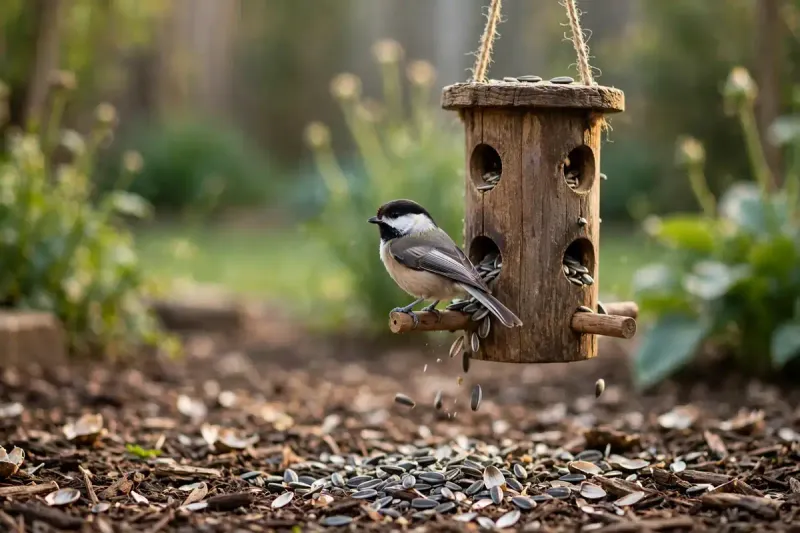
Look down for a second. The ground under your feeder probably holds a carpet of shells, spilled seed, and droppings. After a rainy week, that pile turns into a soggy mess.
Wet debris grows mold and bacteria just like seed in the feeder. Ground-feeding birds such as juncos, sparrows, towhees, and doves peck through it all day. That puts them right in the path of germs.
Leftover seed also draws rats, mice, and other pests. Nobody wants an evening visit from a rodent family looking for free snacks.
Rake or sweep the area every few days during wet weather. Bag the waste and put it in the trash, not the compost pile. I keep a small rake leaning against a nearby fence so I actually use it.
Moving feeders a few feet every couple of weeks helps too. That gives one patch of ground time to recover. A seed catcher tray under the feeder can also help, as long as you empty it often.
Hulled seed like sunflower hearts leaves far less mess behind. It costs a bit more, but cleanup gets much easier during November storms.
Fluffed Up Finches With Crusty Eyes Are Asking For Help
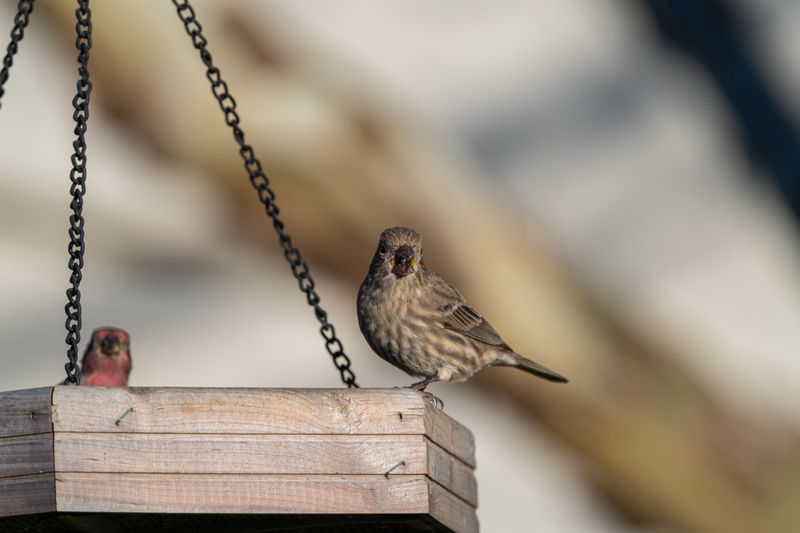
Healthy finches are busy little birds. They flit, squabble, and zip away when you open the back door. A sick one often acts very differently.
Watch for birds that sit puffed up and still for a long time. A finch that lets you walk right up close may be ill. Some sick birds stay on the feeder for hours, barely moving.
Salmonellosis often shows up as sluggish behavior and fluffed feathers. House finch eye disease is easier to spot. Look for red, swollen, or crusty eyes, sometimes nearly shut.
Pine siskins seem to struggle the most during California outbreaks. These streaky brown finches with yellow wing flashes often gather in big flocks, which helps germs travel. Lesser goldfinches and American goldfinches can be affected too.
Spotting a sick bird feels sad, but it gives you a chance to protect the rest of the flock. Please avoid catching or handling the bird yourself. Instead, note what you see and act on the feeder right away.
Many local wildlife rehab centers can give advice by phone. You can also report sick or deceased wild birds to the California Department of Fish and Wildlife online.
Taking Your Feeders Down For Two Weeks Can Save Finches
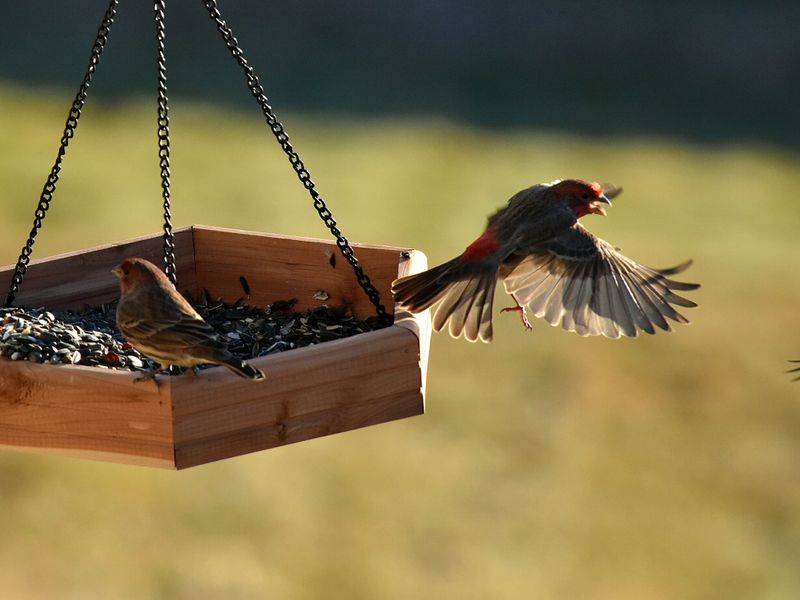
Sometimes the kindest move is to close the snack bar. When sick birds show up, cleaning alone may not stop an outbreak. Taking feeders down breaks up the crowds that spread germs.
The California Department of Fish and Wildlife has asked residents to remove feeders during salmonellosis outbreaks. Their advice is to take feeders and birdbaths down for at least two weeks. Some outbreak seasons call for even longer breaks.
Without the feeder, birds spread out and find natural food. Seeds from native plants, insects, and berries fill the gap. They do just fine on their own for a while.
While the feeders are down, give them a deep clean with the bleach soak. Toss any leftover seed. Rake the ground below and bag the debris.
Wear gloves the whole time. Salmonella can also make people and pets sick, so wash your hands well afterward. Keep cats indoors, since sick birds are easy targets.
Before you rehang anything, check local news or the state wildlife website for updates. I know it feels strange to stop feeding during winter. Still, a short pause can give your local finch flock a fresh, healthier start.