7 Things To Do In Your Texas Garden Before November Ends
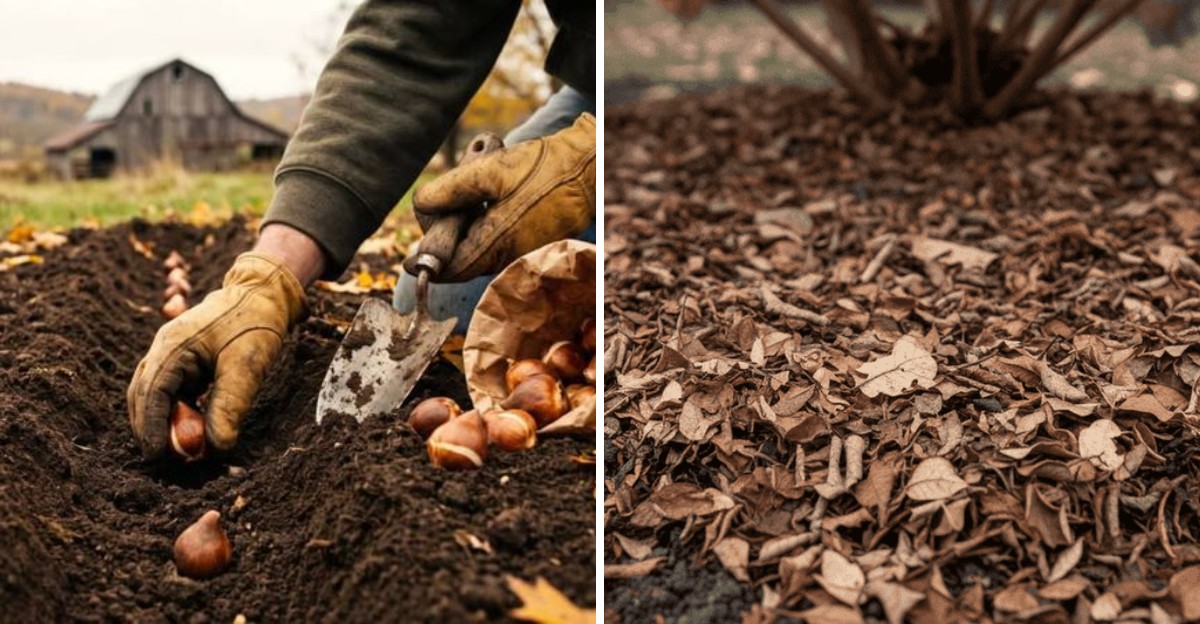
One famous sweet onion in Texas is named after a calendar date, the day its seeds should go in. Growers chose October 15, and that tiny detail says a lot about how backward our gardening calendar runs.
Northern gardeners are packing away their tools right now, but many of us are just hitting our stride. Warm soil and mild afternoons turn the late fall weeks into a surprisingly busy stretch across Texas.
I have to admit that I once treated this month like a long nap for my flower beds. Nobody warned me that the chores I skipped would show up later as weak roots and spotty spring blooms.
Grab your gloves, because a few small jobs now can shape how your yard looks next April.
1. Plant Cool Season Veggies Like Kale And Radishes
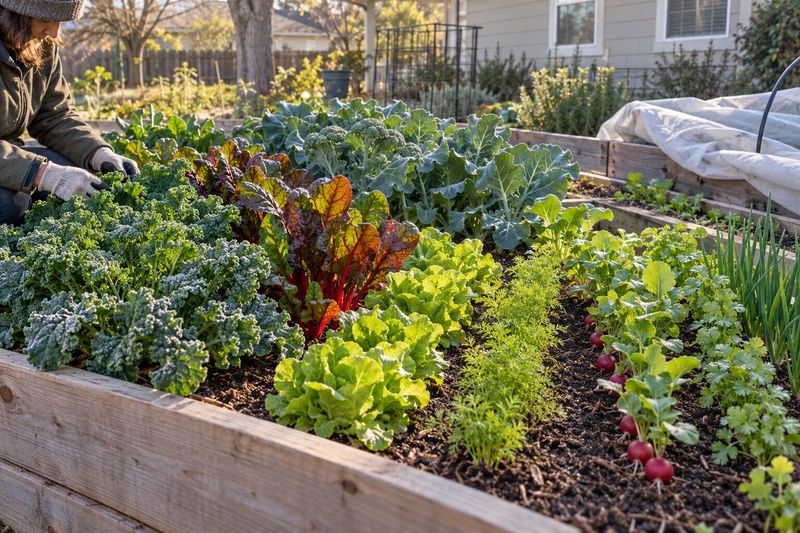
Radishes are the speed demons of the vegetable world, sometimes ready to pull in about a month. I love tugging one from cool soil and finding a bright red globe that snaps when I bite it.
Cool weather suits many leafy crops, and they often taste sweeter after a few chilly nights. Kale and collards handle light frost well, so you can keep picking leaves for many weeks.
Spinach and lettuce also enjoy this season, though a hard freeze may require a quick cover. Sow most seeds shallowly, following the packet depth, then keep the soil evenly moist until sprouts appear.
Herbs deserve a spot too, and cilantro is a favorite because it bolts quickly in summer heat. Parsley and dill grow happily now as well, and swallowtail caterpillars may show up to share them.
Here comes a fun bit of trivia that still makes me smile every time I plant onions. The Texas 1015 onion earned its name from an October 15 seeding date and became the state vegetable in 1997.
Onion transplants usually go into the ground later in winter, so mark your calendar now for that job. Meanwhile, garlic cloves can be tucked in this month in many areas for a harvest around late spring.
Feed young plants with a light dose of nitrogen fertilizer once they show several true leaves. Personally, I think a winter salad picked from my own bed beats anything sitting on a store shelf.
2. Sow Bluebonnet Seeds For Spring Color
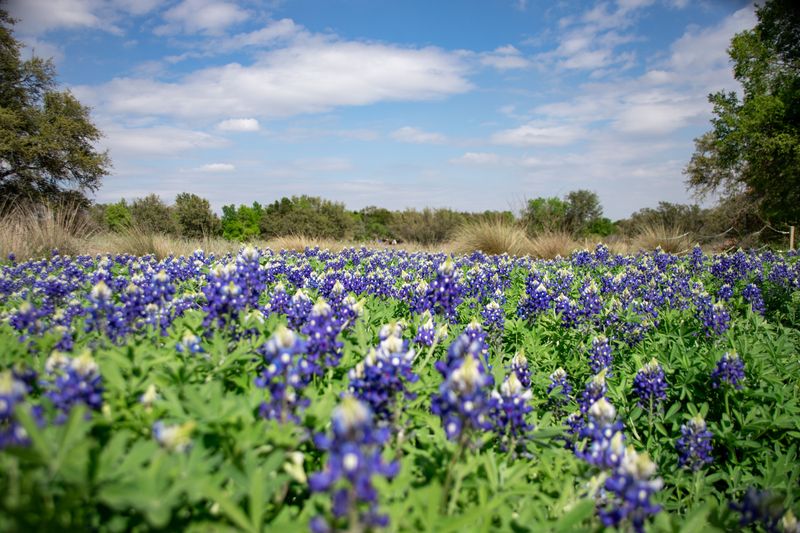
Bluebonnet seeds wear a coat so tough that many of them can wait years before sprouting. I find that sneaky survival trick charming, though it can test the patience of an eager gardener.
Fall sowing matters because the plants form a low rosette of leaves over winter before blooming. Those rosettes build roots during the cool months, which helps them push up blue spikes in spring.
Seed suppliers and wildflower experts suggest getting seeds down by early to mid-November for the best results.
Choose a sunny spot with good drainage, since soggy ground often causes the young plants to rot.
You can scratch the seed coat lightly with sandpaper to help more seeds absorb water and sprout. Press seeds firmly into bare soil instead of burying them deep, because good contact matters most.
Bluebonnets are not the only option, and many native wildflowers enjoy the same fall sowing window. Indian blanket and Drummond phlox add warm reds and pinks that pair beautifully with all that blue.
Water the area gently after sowing, then let normal fall rains handle most of the work. If weeks pass without rain, a light sprinkle every so often keeps those tiny seedlings going strong.
Believe it or not, the Texas Department of Transportation plants tons of wildflower seed along highways each year. Your own little patch will not stretch for miles, but it can still stop neighbors in their tracks.
3. Chill Tulip Bulbs And Plant Daffodils
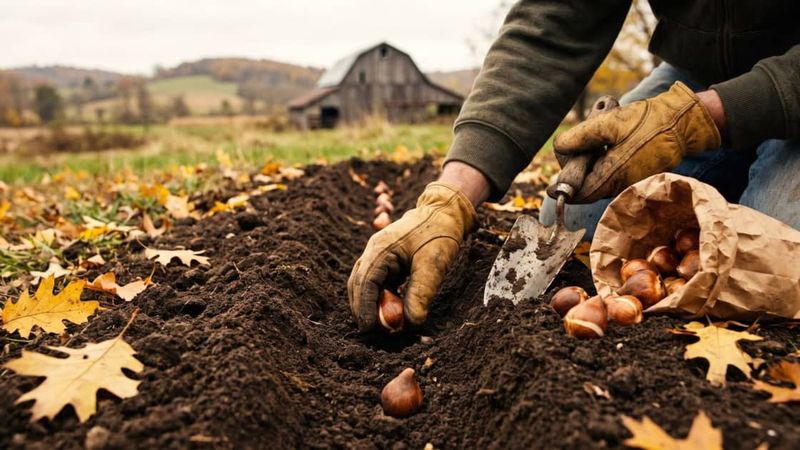
Tulips in a warm southern yard need a little trickery, and your refrigerator plays the starring role. Our winters rarely stay cold long enough to give the bulbs the chill they need for tall stems.
Experts at Texas A&M AgriLife suggest chilling tulip bulbs for about six to eight weeks before planting. Store them in a paper bag in the crisper drawer, and keep ripening fruit like apples far away.
Apples release ethylene gas, which can damage the tiny flower buds tucked away inside each tulip bulb. Once chilled, the bulbs usually go straight into the cool ground in late December or early January.
Starting the chill this month lines up nicely with that later planting window, so the timing works out. I have to admit, I love opening the fridge and seeing a bag of future flowers waiting there.
Daffodils are far easier, and many varieties need no special chilling in warmer parts of the South. Plant them soon after purchase, about twice as deep as the bulb is tall, with the pointy end up.
Grape hyacinths and paperwhites also handle mild winters well and often bloom reliably without much fuss at all.
Many daffodils can come back year after year, which makes them a smart long-term investment for a sunny bed.
Pick firm, heavy bulbs without soft spots or mold when you shop at the garden center. Bigger bulbs usually hold more stored energy, and that energy turns into larger flowers next spring.
4. Spread Shredded Leaf And Hardwood Mulch Over Garden Beds
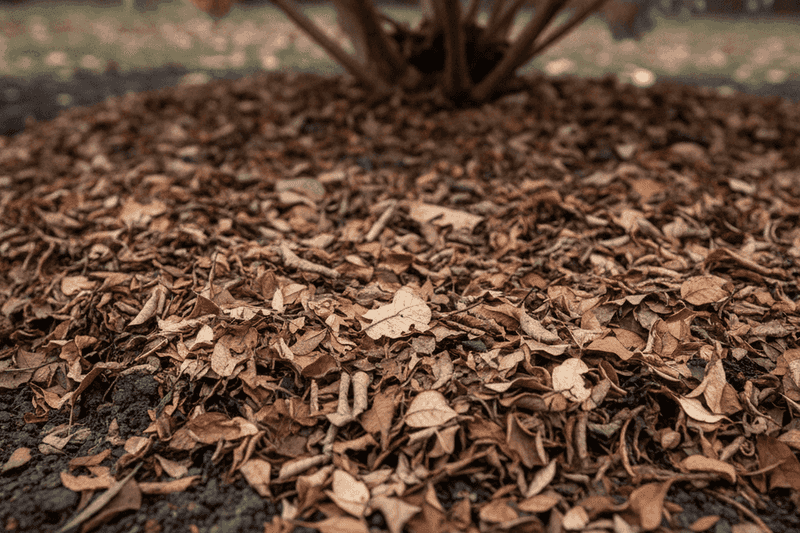
Bare soil in winter acts like a kid without a jacket, shivering through every cold snap. A fresh layer of mulch tucks your beds in and keeps root temperatures far more steady.
Most extension experts recommend spreading about two to four inches of organic mulch over garden beds. That depth helps hold moisture in the soil and makes it harder for weed seeds to sprout.
Shredded hardwood and pine straw both work well, but free shredded leaves might be my favorite choice. Run a mower over a pile of fallen leaves, and you have instant mulch at zero cost.
As organic mulch slowly breaks down, it feeds soil life and improves the soil structure over time. Earthworms love the extra food, and their tunnels help water and air reach down to deeper roots.
Many people worry that wood mulch attracts termites, but research suggests it rarely creates a real problem.
Still, keeping mulch several inches away from your house foundation is a smart and simple habit to follow.
Pull mulch back from tree trunks and plant stems too, since piled mulch can trap moisture there. Those so-called mulch volcanoes around trees invite rot and pests, so please skip that popular but harmful look.
I like to water the beds well before spreading mulch, which seals in that moisture nicely. Afterward, the whole garden looks tidy and dark, like it just got a fresh haircut for the holidays.
5. Cover Hibiscus And Tender Tropicals Before A Freeze
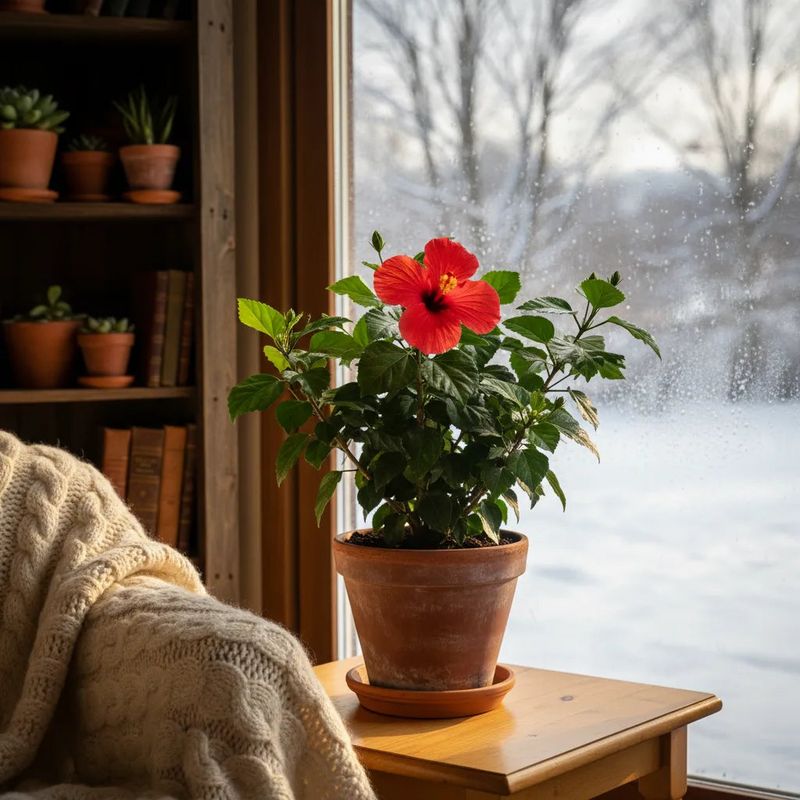
One night in late fall, a blue norther can drop temperatures by twenty degrees in a few hours. I learned that lesson the hard way when my potted hibiscus looked like soggy spinach the next morning.
Watching the forecast closely helps a lot, especially for tropical plants that struggle once temperatures dip near freezing.
Bougainvillea and hibiscus are common examples, along with tender succulents and houseplants that spent summer on the porch.
Water your plants deeply a day or so before a freeze arrives, because moist soil holds heat better. That stored warmth slowly rises during the night and gives roots a helpful little buffer against the cold.
Potted plants are the easiest to save, since you can roll them into a garage or onto a sheltered porch. Grouping containers together near a south-facing wall adds a bit more protection on those extra chilly nights.
For plants in the ground, drape frost cloth or an old bedsheet all the way down to the soil. The cover traps heat rising from the earth, so leaving gaps at the bottom weakens the effect.
Keep plastic sheeting from touching leaves directly, since cold passes right through it and can injure foliage.
Remove covers the next morning once temperatures climb, or plants may overheat under all that trapped sunshine.
If some leaves turn brown anyway, resist the urge to grab your pruners and trim them right away.
Damaged foliage can shield lower stems from later cold, so wait until spring growth appears before cleaning up.
6. Plant Redbud Trees And Native Shrubs In Native Soil
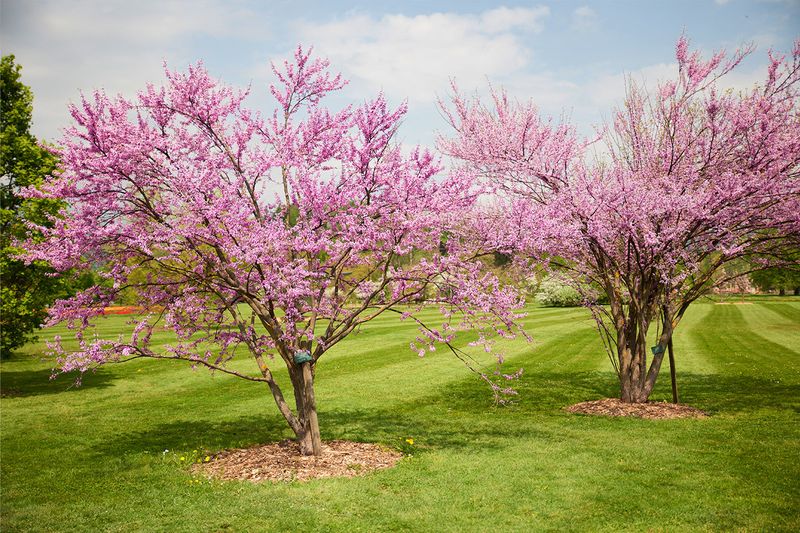
Ask any seasoned nursery owner about the best time to plant a tree, and you will likely hear fall. Cool air above ground and warm soil below create a sweet spot that young roots really enjoy.
While the top of the tree rests, roots keep growing through winter in our milder climate. By the time summer heat shows up, those roots are better prepared to find water on their own.
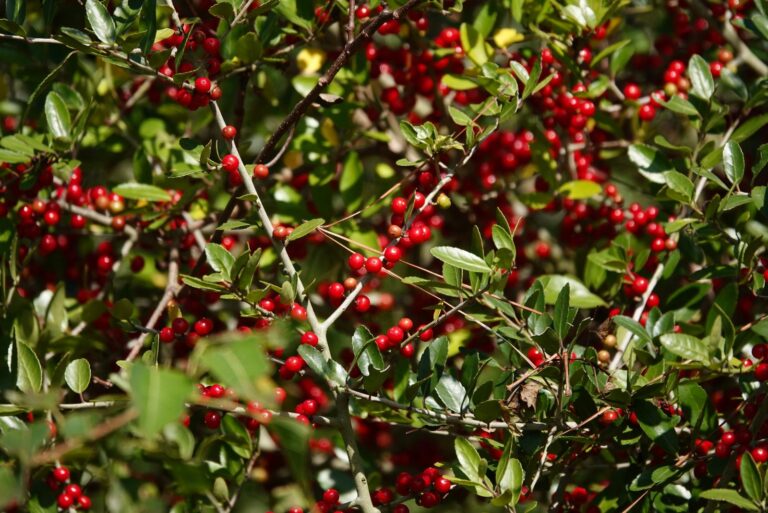
Native picks like Texas redbud and yaupon holly handle local soil and weather with impressive toughness.
Shrubs such as American beautyberry also feed birds later with clusters of bright purple berries each autumn.
Dig the hole two to three times wider than the root ball but no deeper than it is tall. Setting a tree too deep is one of the most common planting mistakes that experts see.
To my surprise, extension specialists advise against filling the hole with rich bagged soil or compost. Roots may circle in that cozy pocket instead of spreading out into the surrounding native ground.
Backfill with the same soil you dug out, then water slowly to settle it around the roots. Add mulch on top afterward, keeping it a few inches away from the base of the trunk itself.
New plantings still need regular water during dry winter spells, even when they look sleepy and bare. I truly believe a tree planted this month gives you a full season head start over spring planting.
7. Fill Bird Feeders With Sunflower Seeds For Cardinals
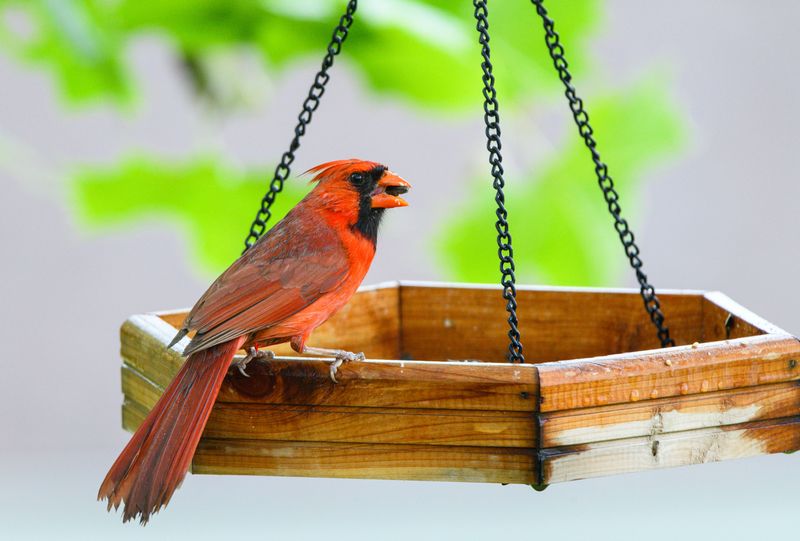
Cardinals look even redder against a gray winter sky, and they rarely turn down a sunflower seed. I can sit at my kitchen window for an hour just watching them crack open shells.
Many birds that spent summer up north arrive for the colder months, so backyard activity often picks up. Look for dark-eyed juncos and white-throated sparrows hopping under shrubs in many parts of the state.
Black oil sunflower seed is a favorite with birders because it attracts a wide variety of species. The thin shells are easy for small beaks to crack, and the seeds pack plenty of fat.
Mourning doves prefer eating on the ground, so scatter a little seed below your feeder for them. Blue jays go wild for peanuts in the shell, and watching them stash nuts is pure entertainment.
Suet cakes give woodpeckers and wrens extra energy on cold mornings when insects become harder to find. Choose no-melt suet blends if your afternoons still get warm, since regular suet can turn rancid.
Clean feeders every couple of weeks with hot soapy water to help prevent the spread of disease. A shallow birdbath matters just as much, because fresh water can be scarce during dry winter stretches.
Place feeders within three feet of windows or farther than thirty feet away to reduce window strikes.
Nearby shrubs give nervous birds a quick hiding spot whenever a hawk swoops through the yard.