8 Easy Houseplants for Beginners to Try This Winter in New York
On the shortest day of the year, New York City gets only about nine hours and fifteen minutes of daylight. That skimpy window of sun explains why so many windowsill plants sulk once the radiators start clanking.
Steam heat makes things worse, because it can pull indoor humidity down to levels that feel like a desert. Leaves curl, tips turn brown, and suddenly that bargain fern from the grocery store looks rather sorry.
Take it from someone who once lost three ferns in a single February to a hissing radiator. Looking back, I should have picked tougher plants that shrug off low light and forgetful watering.
Between you and me, a few easygoing houseplants actually seem to enjoy a cozy New York apartment in winter. Which one of these forgiving green roommates will end up claiming the spot by your window?
1. Snake Plant
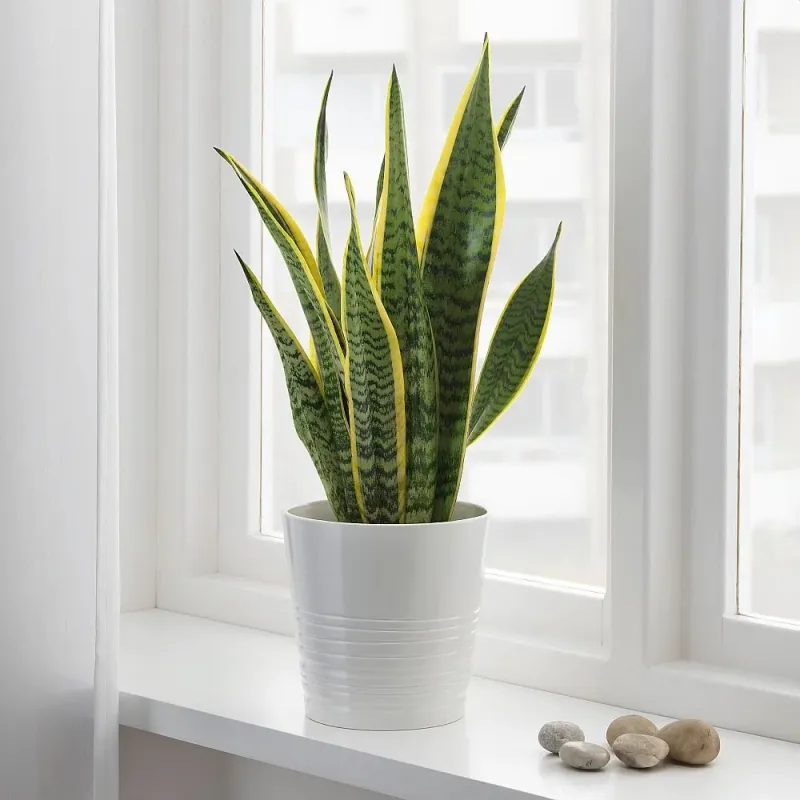
Few houseplants look this sharp while asking for so little, with stiff leaves rising like green swords from the pot. I keep one beside my radiator, and it has shrugged off three winters without a single complaint.
Botanists recently moved it from Sansevieria into the genus Dracaena, so you may see Dracaena trifasciata on plant tags. Most garden centers still sell it as snake plant or mother-in-law’s tongue, which makes shopping easy enough.
Those thick leaves store water, which explains why this plant handles forgetful owners better than almost anything else. During winter, growth slows down, so watering once every four to six weeks is usually plenty.
Check the soil with your finger before reaching for the watering can, and wait until it feels dry throughout. Soggy soil leads to root rot, which is the top reason these sturdy plants struggle indoors.
Light is flexible, since snake plants tolerate dim corners but grow faster near a bright window with filtered sun. A spot a few feet from an east or west window works nicely during short winter days.
Keep it away from icy drafts, because leaves can get damaged when temperatures drop below about 50 degrees. Pet owners should know the ASPCA lists snake plant as toxic to cats and dogs if chewed.
For what it’s worth, a heavy clay pot helps balance those tall leaves and stops tipping over. Use a gritty cactus mix, and your sword-shaped friend will happily stand guard until spring returns in New York.
2. ZZ Plant
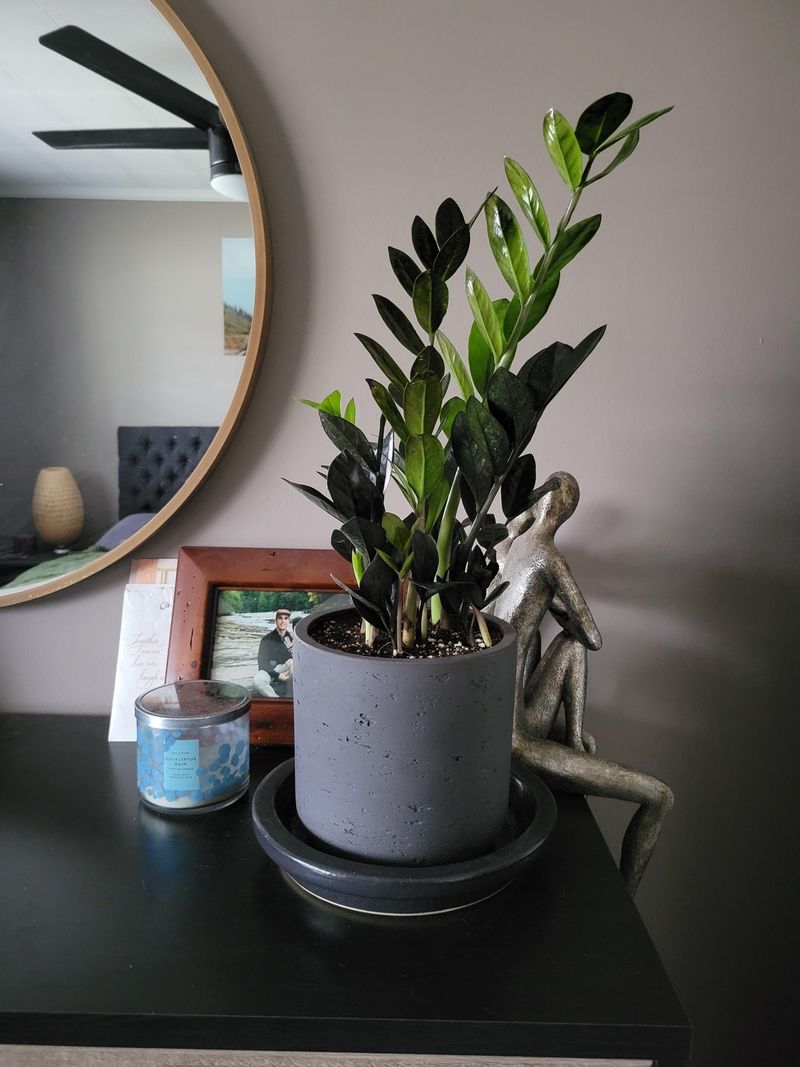
Glossy leaves on a ZZ plant shine so brightly that guests often reach out to check whether they are real. I fooled my own sister once, and she refused to believe it was alive until she saw new shoots.
Native to eastern Africa, Zamioculcas zamiifolia handles long dry spells by storing water in potato-like rhizomes underground. Those swollen roots act like a backup tank, which makes this plant wonderfully forgiving for busy beginners.
Winter watering should be rare, so let the soil dry out fully before giving it a thorough drink. For many homes, that works out to roughly once a month, though cool rooms may need even less.
Low light is where this plant really earns its reputation among apartment dwellers with north-facing windows. It grows slowly in dim spots, yet the leaves usually stay dark green and handsome all season.
Yellow leaves usually signal too much water, not too little, so resist the urge to fuss over it. Drainage holes matter a lot, and a sandy potting mix keeps those rhizomes from sitting in soggy soil.
All parts of the plant are toxic if eaten, so keep it on a shelf beyond curious paws and toddlers. Wearing garden gloves while repotting is a smart habit too, since the sap can irritate sensitive skin.
If you ask me, a ZZ plant is the closest thing to a houseplant that waters itself. Tuck it into a quiet corner, and it will reward your patience with fresh glossy stems by spring.
3. Golden Pothos
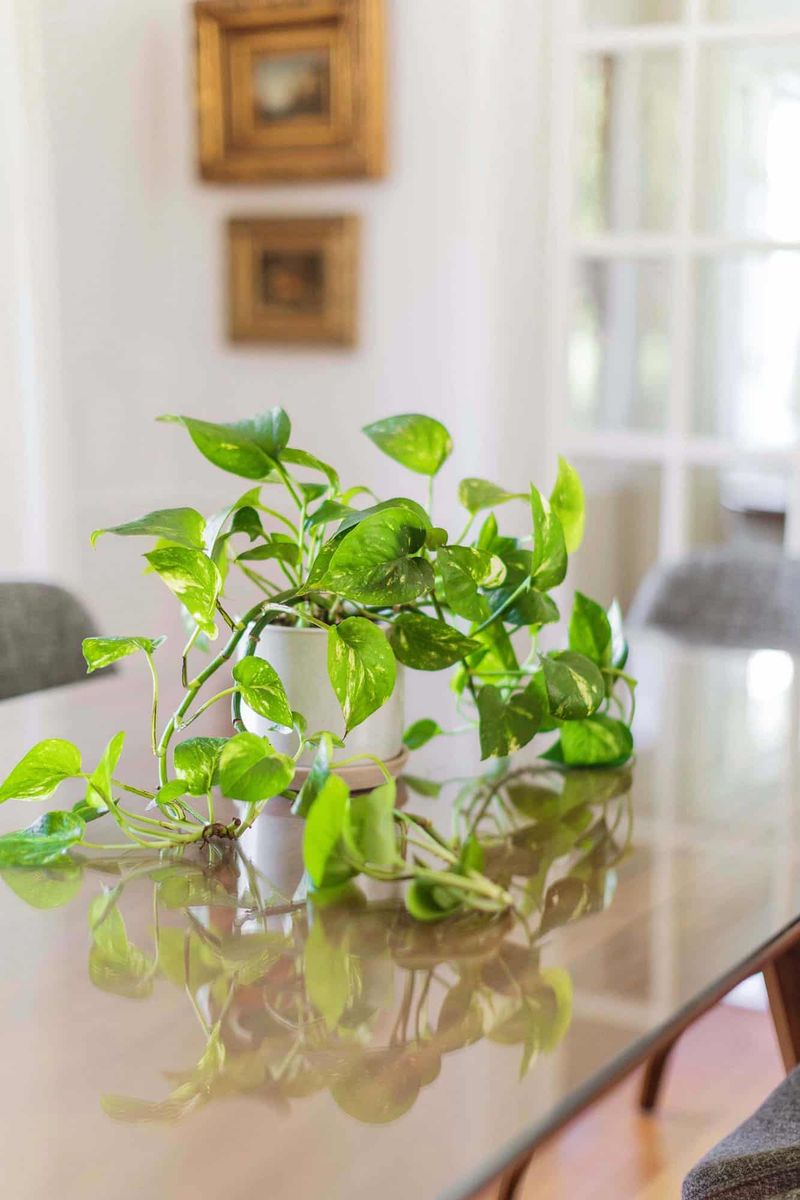
Trailing vines of golden pothos can stretch surprisingly long indoors, draping across bookshelves like a living green garland. Mine started as a tiny cutting from a coworker and now loops around half my kitchen window.
Its scientific name is Epipremnum aureum, and folks also call it devil’s ivy because it is so hard to discourage. In tropical places it climbs trees and grows huge leaves, but indoor plants stay much smaller and tamer.
Watering is simple, because the leaves droop a little when thirsty and perk up soon after a drink. In winter, wait until the top inch or two of soil feels dry before you water again.
Medium to bright indirect light keeps the variegation crisp, while dim rooms may turn the leaves mostly plain green. Short winter days can slow growth, so moving it closer to a window often helps a lot.
Propagation might be the most fun part, and it costs nothing more than a glass jar of water. Snip a stem just below a node, and roots usually appear within a few weeks on a sunny sill.
Pets and pothos do not mix well, since the leaves contain calcium oxalate crystals that irritate mouths. A hanging basket or high shelf keeps those tempting vines safely out of reach for cats and dogs.
Don’t make my mistake of letting the vines grow bare and stringy without ever trimming them back. Regular pinching encourages bushier growth, and every clipping can become a brand new plant for a friend.
4. Spider Plant
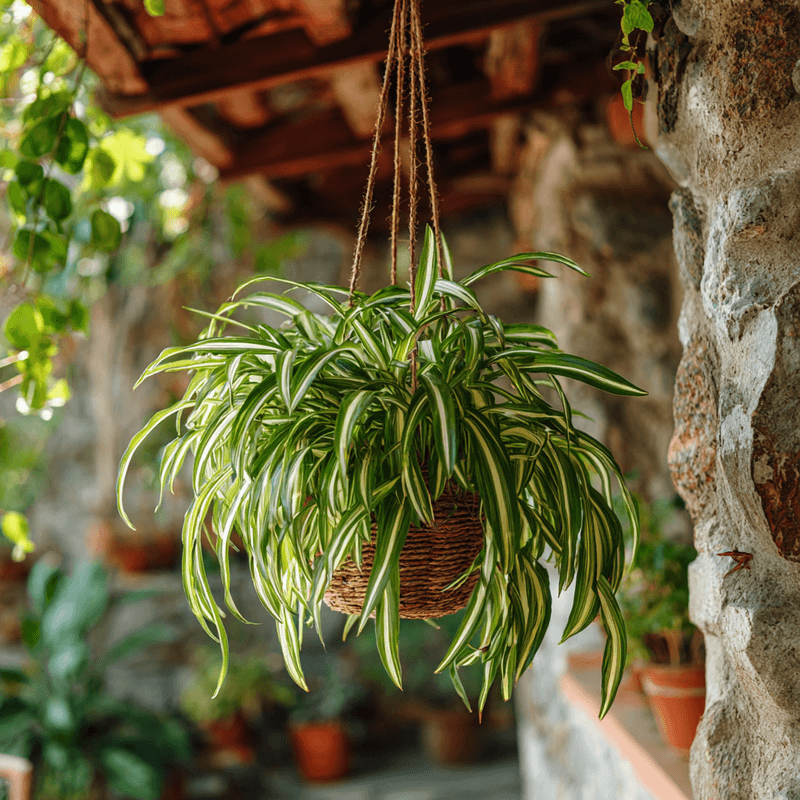
Baby plantlets dangling from long arching stems give spider plants a cheerful, slightly chaotic look that kids adore. My niece calls them plant parachutes, and honestly, the name fits those little hanging rosettes rather perfectly.
Chlorophytum comosum comes from southern Africa and has been a classroom favorite for generations thanks to its toughness. Thick, fleshy roots store water, which helps it bounce back when someone forgets watering duty for a week.
Pet owners love this one, because the ASPCA lists spider plants as nontoxic to both cats and dogs. Cats may still nibble the grassy leaves, so a hanging basket saves your plant from a chewed look.
Bright, indirect light keeps the white stripes bold, though the plant tolerates medium light during darker winter months. Let the top inch of soil dry before watering, and cut back a bit while growth slows down.
Brown leaf tips are common, and they often come from fluoride or salts in tap water building up. Using rainwater or filtered water can help, and trimming the brown edges with clean scissors keeps things tidy.
Dry radiator heat can make those tips worse, so a nearby humidifier gives your plant some welcome relief. Keep it away from frosty glass too, since cold drafts can leave leaves limp and discolored.
Propagating the babies is easy, because you simply pin a plantlet onto fresh soil until roots grab hold. Snip the runner afterward, and you suddenly have a free gift for a neighbor or coworker.
5. Peace Lily
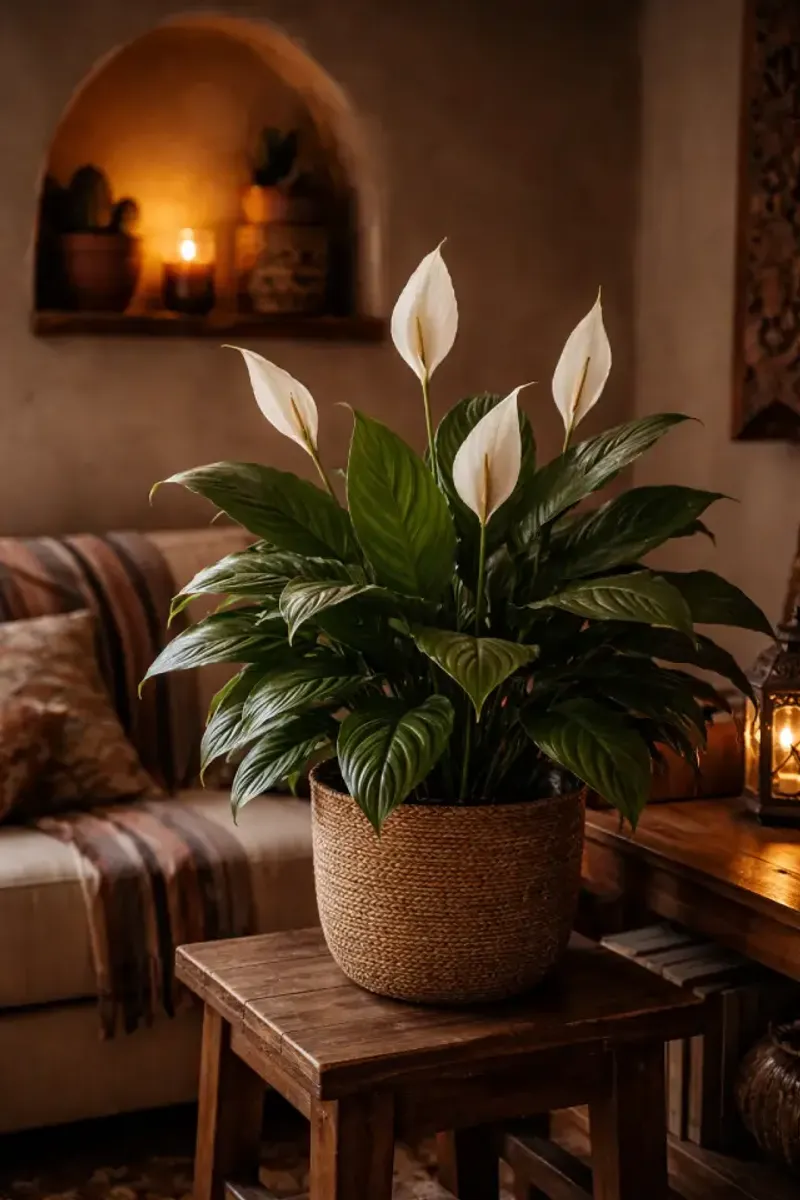
Few plants throw a dramatic fit quite like a thirsty peace lily, flopping its leaves as if fainting on stage. Give it a drink, and within hours it usually stands tall again like nothing ever happened.
Those white blooms are not true petals at all, but a leafy hood called a spathe surrounding a spike. Spathiphyllum species come mostly from tropical rainforests in the Americas, where they grow under shady jungle canopies.
That forest background explains why it handles lower light better than most flowering houseplants you can buy. Medium indirect light gives the best chance of steady blooms, while deep shade usually means just leaves.
Water when the top inch of soil feels dry, which often means about once a week in heated rooms. Wilting is a helpful signal, but letting it collapse too often can lead to yellow, crispy leaves.
Humidity matters more for this plant than for others on the list, especially when radiators run nonstop. Setting the pot on a tray of wet pebbles adds a little moisture without leaving the roots soggy.
In my own living room, grouping it with other leafy plants made a noticeable difference in leaf color. Wiping dust off the broad leaves every few weeks also helps them soak up the limited winter light.
Peace lilies are toxic to cats and dogs, so place them where curious noses cannot reach. Despite the name, they are not true lilies, but caution around pets still makes good sense.
6. Cast Iron Plant
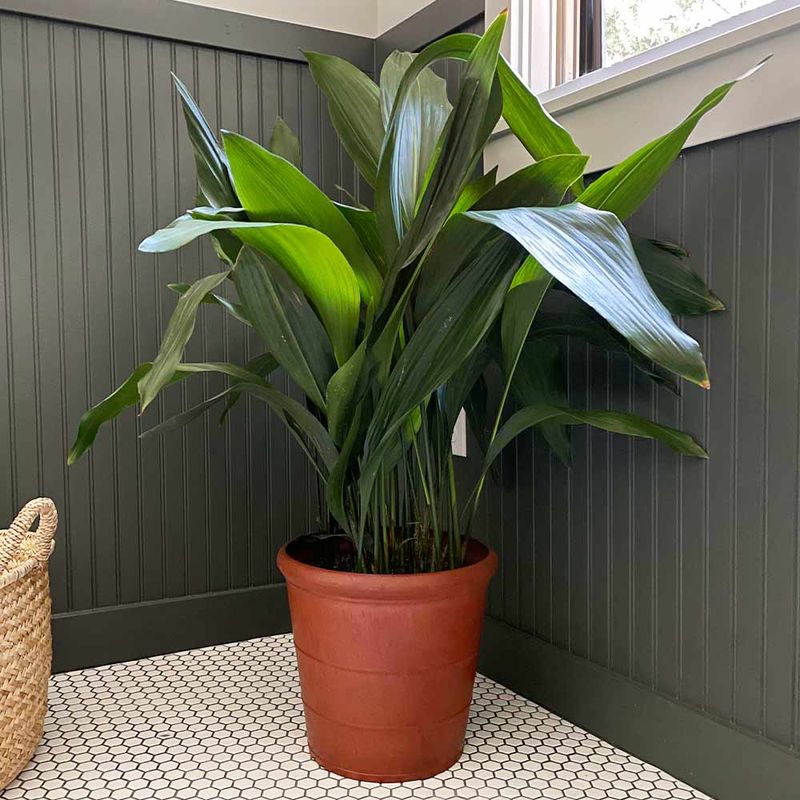
Victorian families grew this tough plant in dim parlors filled with smoky gas lamps, and it held up remarkably well. That history earned Aspidistra elatior its nickname, and the leafy survivor still lives up to the reputation.
Gardeners call it the cast iron plant, and the dark, leathery leaves can reach about two feet tall. It grows slowly, so buy the biggest pot you can afford if you want instant impact.
Low light suits it beautifully, which makes it a smart pick for a dim hallway or north-facing room. Direct sun can actually scorch the glossy leaves, so keep it back from bright, unfiltered southern windows.
Cool rooms do not bother it much either, and it handles temperatures in the fifties without fuss. That makes it a great match for drafty old apartments where other tropical plants start to sulk.
Water when the top couple of inches of soil dry out, and go lighter during the winter months. Overwatering causes more trouble than drought, especially if the pot lacks a drainage hole at the bottom.
Animal lovers can relax, since the ASPCA lists the cast iron plant as nontoxic to cats and dogs. My tabby rubs her cheeks against its leaves daily, and both of them seem perfectly content.
Let’s just say patience is the main skill this plant asks of you, since new leaves appear slowly. Dust the foliage now and then with a damp cloth, and it will look polished for many years.
7. Heartleaf Philodendron
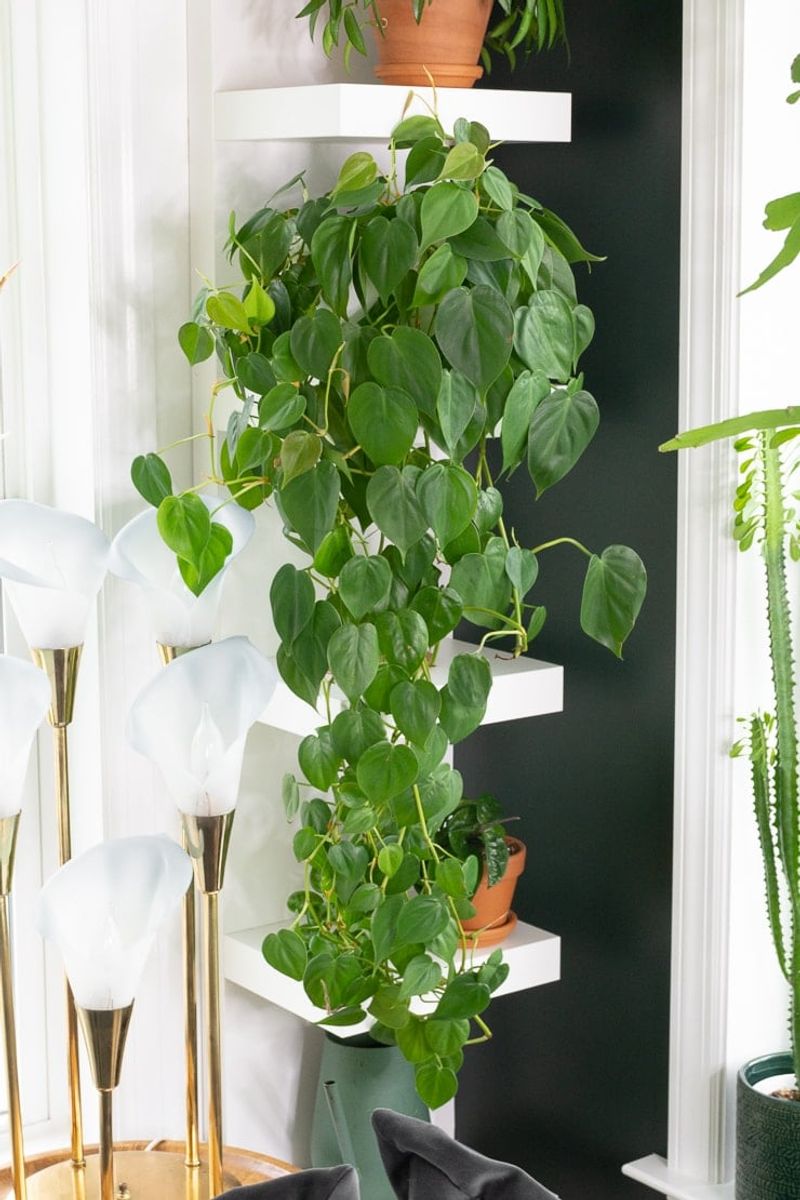
Heart-shaped leaves spilling over the edge of a pot make this vine feel like a small valentine that keeps growing. I bought mine during a gray January in Brooklyn, and it brightened that kitchen shelf right away.
Philodendron hederaceum hails from Central and South America, where it scrambles up tree trunks in humid forests. People often mix it up with pothos, but philodendron leaves are usually thinner and more sharply heart-shaped.
Medium to bright indirect light keeps it happy, though it tolerates lower light better than many tropical vines. In dim spots, the stems may stretch out with wider gaps between leaves, which looks a bit leggy.
Let the top inch or so of soil dry before watering, since soggy roots invite rot during slow winter growth. Droopy leaves can mean either too much or too little water, so check the soil before acting.
Chilly windowpanes are this vine’s biggest winter worry, because it prefers rooms that stay above about 60 degrees. Slide it back a foot or two from the glass on frigid nights to avoid cold damage.
Like pothos, this plant contains calcium oxalate crystals, so it can irritate the mouths of pets and children. A high shelf or hanging planter solves that problem while showing off those long trailing stems.
What surprised me most is that a simple moss pole lets the vine climb, and the leaves often grow larger. Pinch the tips occasionally if you prefer a fuller shape, and root the cuttings in water.
8. Christmas Cactus
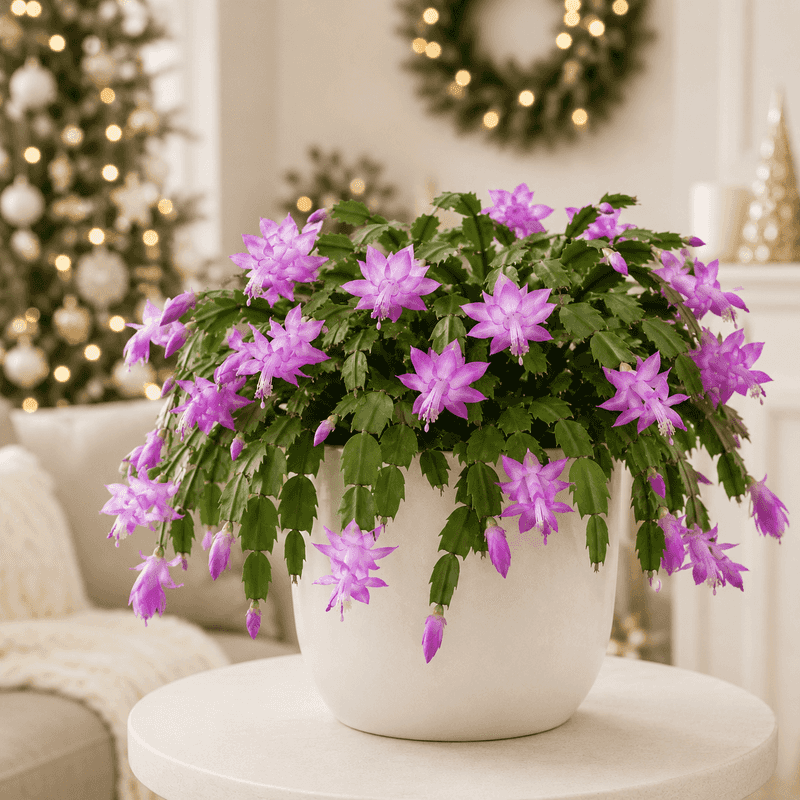
Plenty of cacti thrive in deserts, but this one grows wild on tree branches in the coastal mountains of Brazil. That surprising home explains why it prefers humidity and filtered light over blazing sun and gravel.
Plant tags say Schlumbergera, and many holiday plants sold in stores are actually Thanksgiving cactus, a close cousin. You can tell them apart by the leaf segments, since Thanksgiving types have pointy, claw-like edges.
Either version brings bold pink or red flowers right when most other houseplants are taking a winter break. My grandmother kept hers on a bright enclosed porch for decades, and it bloomed reliably almost every year.
Bud formation depends on long nights and cool temperatures, which usually happen naturally during fall in the Northeast. Once buds appear, avoid moving the pot around, because sudden changes can make the delicate buds drop off.
Bright, indirect light works best, so an east-facing window is a lovely winter spot for this plant. Keep it away from heat vents and cold drafts, since both can stress the flower buds quickly.
Water when the top inch of soil feels dry, and make sure extra water drains freely from the pot. After flowering ends, give it a short rest with less water before growth picks up in spring.
Pet households can breathe easier, because the ASPCA lists Christmas cactus as nontoxic to cats and dogs. Few gifts feel as cheerful as a cutting from your own plant, rooted and shared with friends next season.