What to Do If a Cottonmouth Bites You While Clearing Leaves Near a Florida Pond
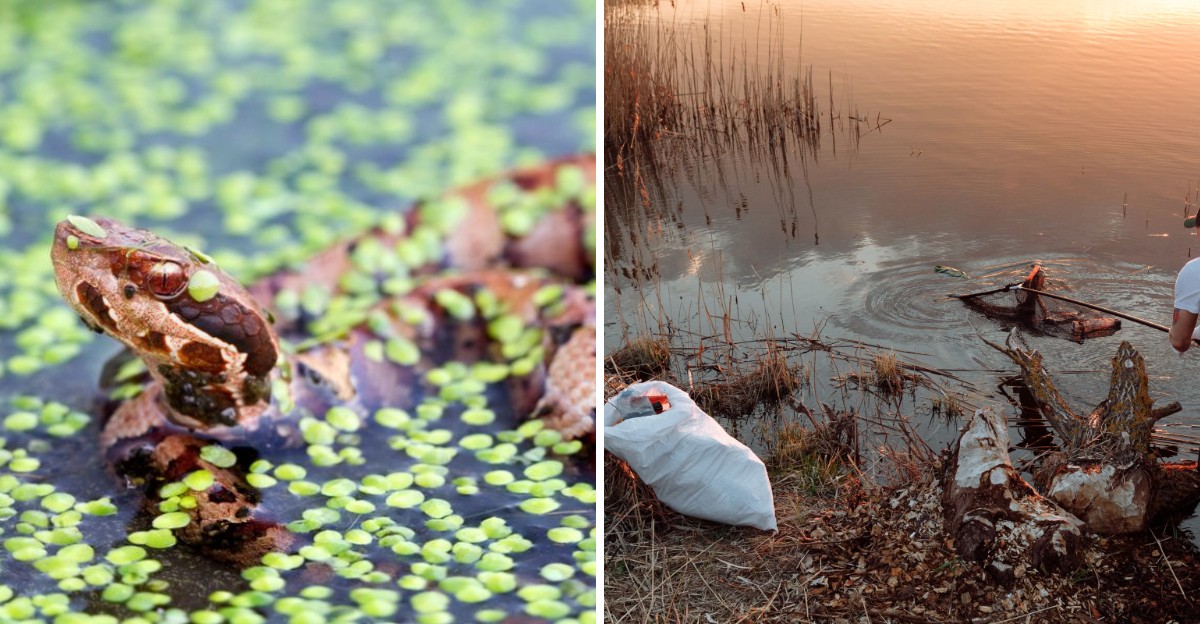
Baby water moccasins are born with bright yellow tail tips, and they wiggle them like tiny worms to lure frogs close. I find that detail charming and a little unsettling at the same time.
Now think about your rake sliding into a soggy leaf pile at the edge of your Florida pond. Those damp, shady layers are prime resting spots for a heavy-bodied snake that would rather stay hidden than meet you.
Most bites happen by accident, when a hand or foot lands where it should not.
I believe every pond-side gardener should know the right moves before trouble shows up. Some old-school tricks still get passed around at cookouts, and a few of them can make a bite worse.
Those first five minutes, with your heart pounding and your gloves still on, matter more than almost anything that comes after.
1. That Thick Brown Snake in the Leaf Pile Was Probably Just Resting
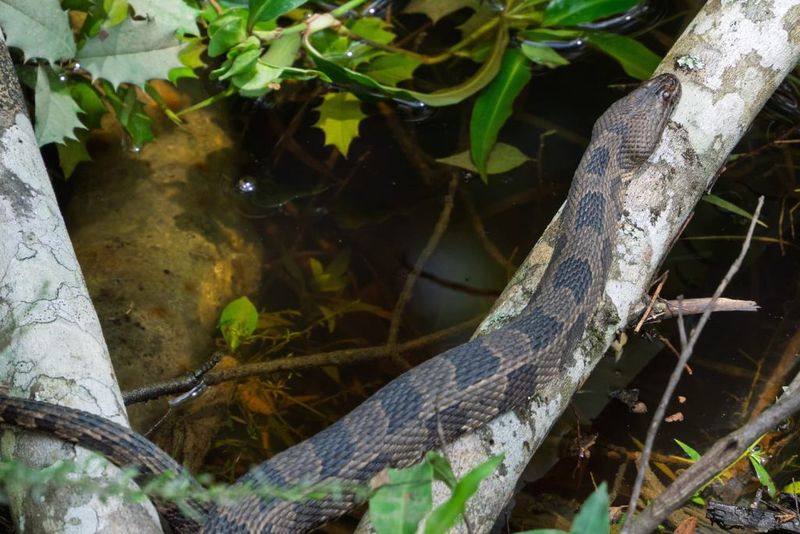
Cottonmouths are pit vipers, and they love the same shady, wet corners that pond gardeners do. They live across all of Florida, from Panhandle swamps to suburban retention ponds in the south.
According to UF/IFAS wildlife experts, these snakes usually freeze or flee when people come near. A cottonmouth may also open its mouth wide to flash that cotton-white lining.
That gaping display is a warning, not an attack, and it means the snake wants space.
Bites mostly happen when someone reaches into leaves, steps on a coiled snake, or tries to handle one. Leaf litter hides them well, because their dark, banded bodies blend right in with soggy oak leaves.
Still, a bite can happen to careful people too. I have scooped up armfuls of leaves without a second thought, and that habit is exactly what puts hands in harm’s way.
Fun fact: cottonmouths are good swimmers that float high on the water, with much of their body showing. Harmless water snakes tend to swim lower.
That clue helps, but identification from a distance is tricky, so treat any heavy-bodied pond snake with respect.
Knowing their habits makes the next steps easier to remember.
2. Back Away From the Water Moccasin and Call 911 Right Now
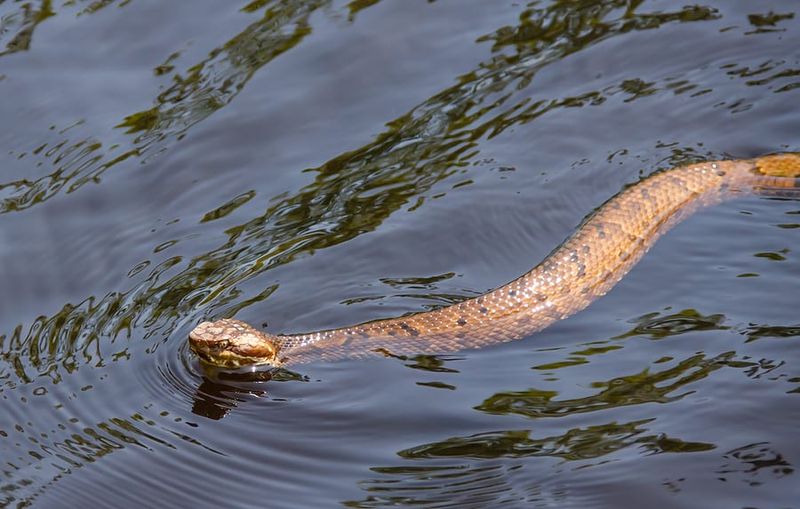
Step one is simple. Move away from the snake, at least several feet, so it cannot strike a second time.
Next, grab your phone and call 911. You can also reach the Florida Poison Information Center network at 1-800-222-1222, where trained specialists answer around the clock and can coach you while help is on the way.
Every venomous snakebite should be treated as a medical emergency, even if the pain seems mild at first. Doctors say cottonmouth venom can damage tissue and affect blood clotting, and symptoms can grow worse over hours.
Please skip the idea of driving yourself. Swelling, dizziness, or nausea can show up fast, and you do not want that happening behind the wheel.
If someone is home, have them drive you or wait with you for paramedics.
Take a few slow breaths while you wait. Staying calm keeps your heart rate lower and helps you think clearly enough to answer questions from the dispatcher.
Do not chase the snake or try to catch it. Hospitals in Florida treat pit viper bites with the same type of antivenom, so medical teams do not need the snake in a bucket to help you.
3. Keep That Bitten Hand Still and Slip Off Your Rings
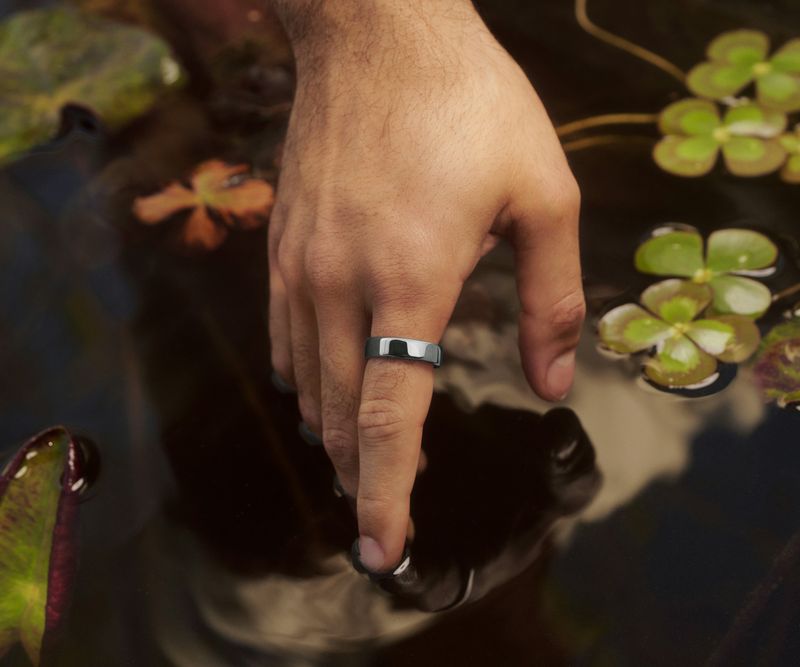
Swelling from a pit viper bite can sneak up quickly. Rings, watches, and bracelets that fit fine a minute ago may soon squeeze like a vise.
Take off jewelry and loosen tight sleeves or gloves on the bitten arm or leg right away. Untie shoelaces if the bite is on a foot or ankle.
Then sit down and keep the limb as still as you can. Poison control experts suggest resting it in a comfortable position, roughly level with your heart.
Moving around a lot may help venom travel.
Gently wash the bite with soap and water if that is easy to do. Cover it loosely with a clean, dry bandage, and leave it at that.
Here is a handy trick if you have a pen nearby. Mark the edge of the swelling on your skin and write the time beside it.
Emergency staff appreciate seeing how fast the puffiness is spreading.
A friend can snap a photo of the snake from a safe distance if it is still in view. Nobody should get close for that picture, because a second bite helps no one.
Small steps like these buy you comfort while help arrives.
4. Old Snakebite Kits and Tourniquets Belong in the Trash
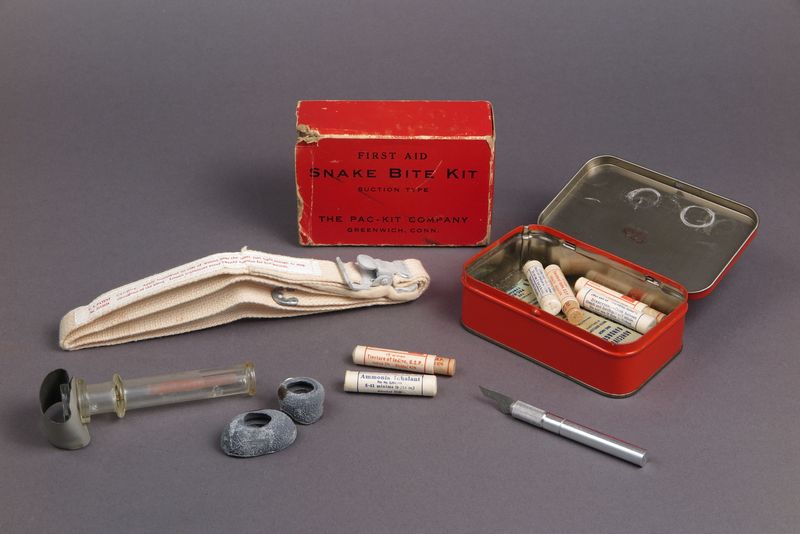
Grandpa might swear by a razor blade and a suction cup. Modern medicine politely disagrees.
Cutting the bite opens the wound to infection and can damage nerves and tendons. Sucking out venom, by mouth or with a pump kit, removes very little and wastes precious time.
Tourniquets are another big no. Cutting off blood flow can trap venom in one spot and cause serious tissue damage. That damage can sometimes lead to losing function in a finger or limb.
Ice packs sound soothing, yet cold can harm tissue that venom is already injuring. Heat is not helpful either.
Skip any pain reliever like aspirin or ibuprofen unless a doctor says otherwise. Those medicines can affect bleeding, and cottonmouth venom can already mess with clotting.
Electric shock was once a popular myth too, and studies found it does nothing useful. Herbal poultices, kerosene, and other home cures fall in the same bucket.
I get the urge to do something with your hands while you wait. The best thing those hands can do is hold your phone and keep the bitten limb resting quietly.
5. Swelling and Bruising Around Pit Viper Fang Marks Tell a Story
Ever wonder how doctors judge a bite’s severity? They watch the body’s reaction closely, often for many hours.
Cottonmouth bites usually cause strong, burning pain right away. Swelling tends to spread from the fang marks, and bruising, bleeding, or blisters can follow.
Some people feel sick to their stomach, sweaty, weak, or dizzy. A tingly or metallic taste in the mouth has also been reported with pit viper bites.
Not every bite delivers venom. These so-called dry bites still need a hospital visit, because nobody can tell right away whether venom was injected.
That is why emergency rooms often watch patients for around eight hours or more. Blood tests check clotting and muscle damage, and staff track that swelling line you marked earlier.
If symptoms grow, doctors give antivenom, often CroFab or Anavip in the United States. Florida hospitals see enough snakebites that many keep it on hand or can get it quickly.
Medical toxicologists say cottonmouth bites rarely end in loss of life when treated promptly. Lasting tissue harm is the bigger concern, which makes fast care your best friend.
6. Banded Water Snakes Fool Plenty of Florida Gardeners
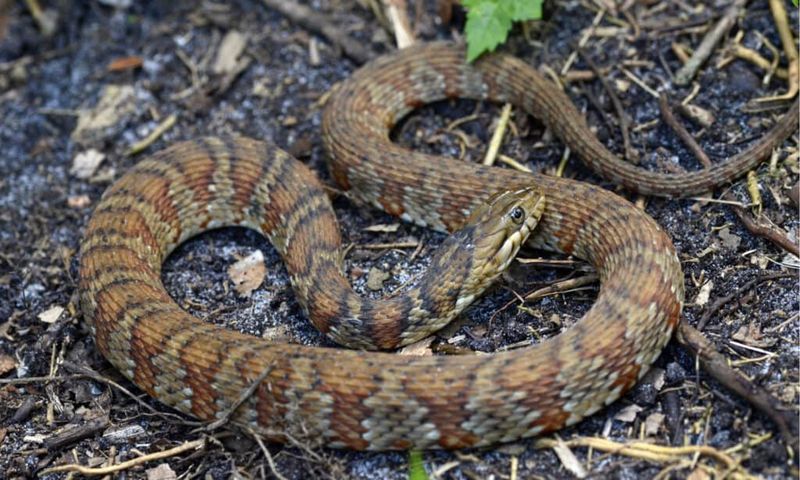
Here is a twist that surprises many pond owners. Lots of snakes called water moccasins are actually harmless water snakes.
Banded, brown, and Florida green water snakes share the same ponds and ditches. They can look dark, thick, and grumpy, and they may bite if grabbed, though they carry no venom.
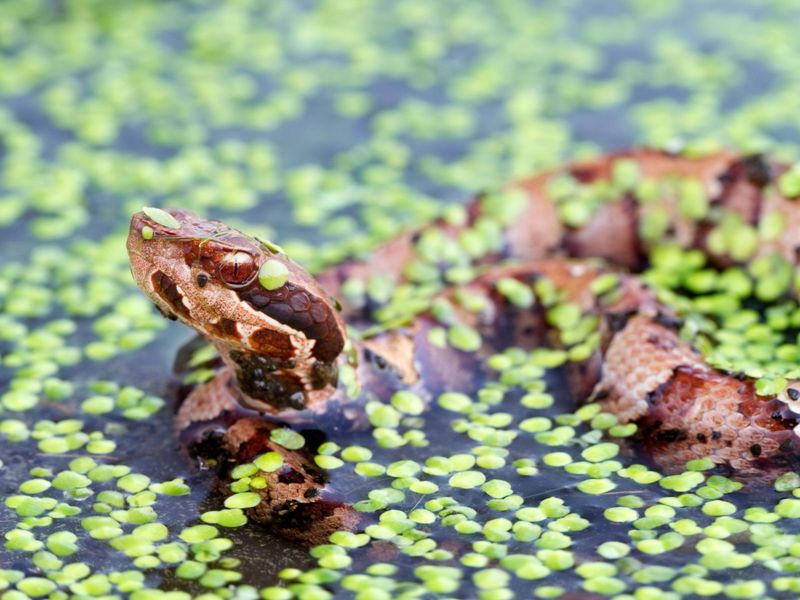
Cottonmouths usually have a blocky, triangular head and a dark stripe running through the eye. Their pupils are vertical slits, and they have a heat-sensing pit between eye and nostril.
Honestly, I would not get close enough to check pupils. Body shape, swimming style, and coloring overlap enough to confuse even experienced folks.
So treat any snake bite near water seriously until a medical team says otherwise. A harmless bite still needs cleaning, and a tetanus check is wise.
Learning the difference still pays off in daily life. When you spot a slim snake sunning on a branch over your pond, you may feel less panic and give it room to slide away.
Florida Fish and Wildlife Conservation Commission offers free photo guides online. Bookmark one and share it with family before the next big yard cleanup.
7. Gloves, Boots, and a Long Rake Make Pond Chores Safer
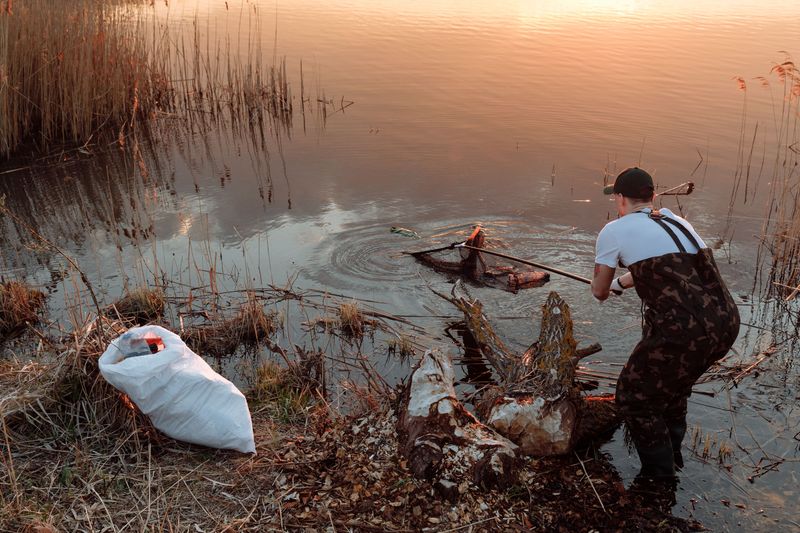
A long-handled rake might be the most underrated safety tool in your shed. It keeps your hands far from whatever is napping under those leaves.
Pull leaf piles toward you slowly with the rake first, then look before you pick anything up. Snakes usually slither off once they feel the disturbance.
Thick leather gloves and tall rubber or snake-resistant boots add another layer of protection. Long pants help too, even on sticky summer mornings.
Timing matters as well. Cottonmouths are often more active on warm evenings and nights, so daytime chores in good light give you better visibility.
In Florida, these snakes can stay active much of the year, especially in the warm south. Cooler months in North Florida may slow them down, though a sunny winter day can bring them out to bask.
Keep your phone in a pocket rather than across the yard. Let someone know when you are working near the water, especially if you live far from neighbors.
Personally, I also carry a flashlight for poking around shady corners. Simple habits like these turn a risky chore into a calm afternoon project.
8. A Tidier Pond Edge Gives Cottonmouths Fewer Hiding Spots
Snakes stick around where food and shelter are easy. Thin out those two things and your pond becomes a lot less inviting.
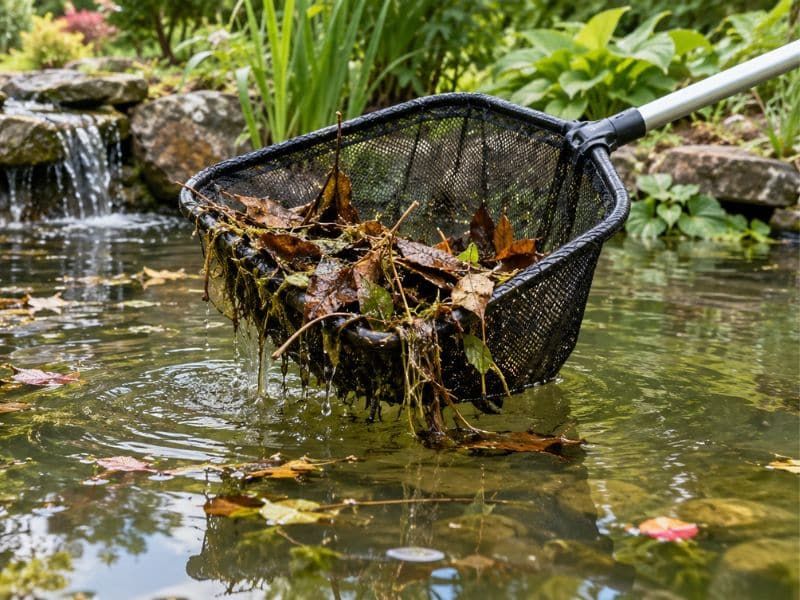
Clear leaf piles, brush heaps, stacked boards, and old pots from the water’s edge. Keep grass trimmed short around paths and seating areas so you can see where you step.
Frogs, fish, and rodents attract cottonmouths, so manage spilled birdseed and pet food that draws mice. Store firewood off the ground and away from the pond.
Native plantings can still thrive here. Choose spaced clumps of pickerelweed or Florida native grasses instead of dense, tangled mats that hide wildlife right where you walk.
Remember that cottonmouths play a role in wetland food webs. Florida law does not protect them like some species, but wildlife officials encourage leaving them alone or calling a licensed trapper instead of trying removal yourself.
Finally, save the poison control number in your phone today and teach kids to back away from any snake. A little preparation now means you can enjoy those peaceful pond afternoons with confidence and a clear plan if surprises ever show up.