The Sprinkler Head Problem That Creates Mysterious Brown Spots in Florida Lawns
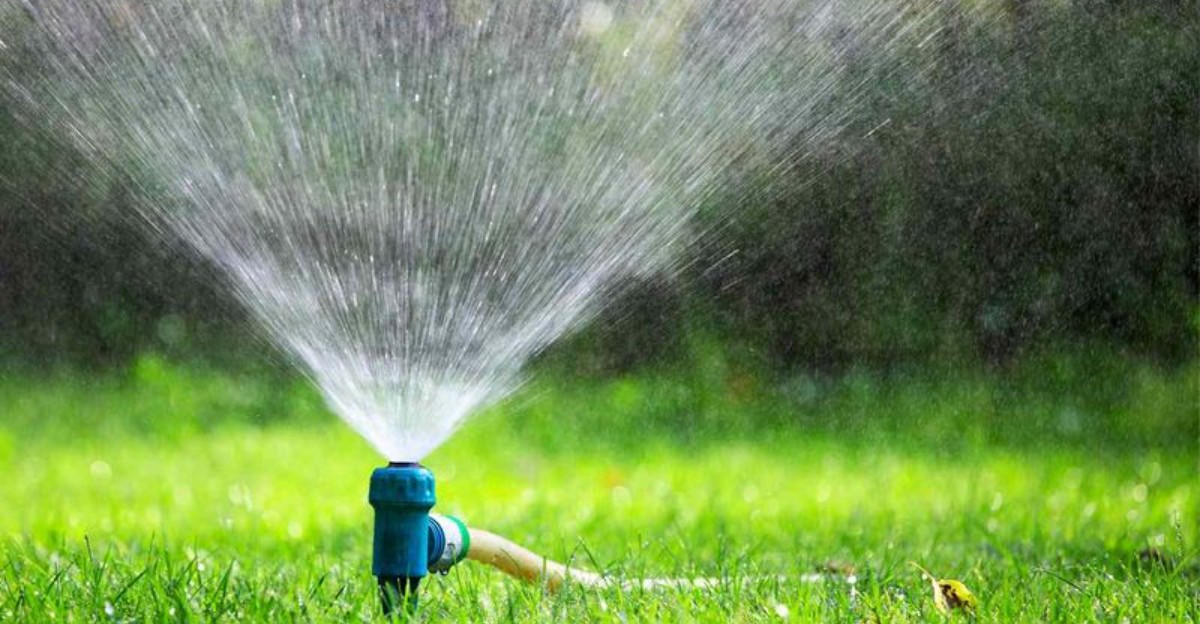
A single sprinkler head tilted just a few degrees can leave a crescent of crispy grass right beside a lush green strip. I find that oddly fascinating, because the system is running on schedule the whole time.
In Florida, our sandy soil holds very little water. Roots in a missed spot can start to struggle within days during a dry stretch.
Meanwhile, the grass a few feet away looks perfectly happy.
I used to blame bugs, fungus, or the neighbor’s dog. I’ll admit I wasted a whole summer tossing extra water at the problem.
The brown spots stayed put, and my water bill climbed.
You need to know that the answer often hides at ankle height. It might be buried under thatch, packed with sand, or quietly pointed at your driveway.
Your irrigation system might be getting into more mischief than you’d ever guess while nobody’s watching.
1. That Brown Crescent Near Your Sprinkler Head Has a Story
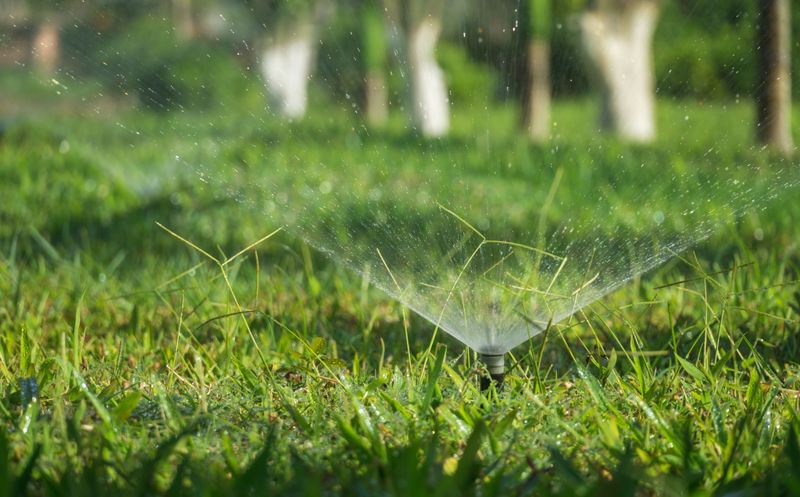
Brown spots that show up in the same place every year are rarely random. Turf experts often trace them back to a single sprinkler head that has drifted out of position.
Here is how it happens. A mower wheel bumps a head and twists it slightly.
A tire rolls over it and pushes it lower into the soil. Over a few seasons, St. Augustinegrass runners and thatch creep over the top, and the spray gets blocked before it ever reaches the lawn.
The shape of the damage gives clues. A half-moon of tan grass often means a head is pointed the wrong way.
A ring of brown around a healthy center can mean a head is sunk too low to spray outward. A long strip of dry turf between two heads usually points to a gap in coverage.
I love that the lawn basically draws you a map. Once you start reading those patterns, brown spots stop feeling like a mystery and start looking like a repair list.
Florida sand drains fast, so these small misses show up quickly. That speed is frustrating, but it also means fixes pay off fast.
2. Run Your Sprinkler Zones in Daylight and Watch Closely
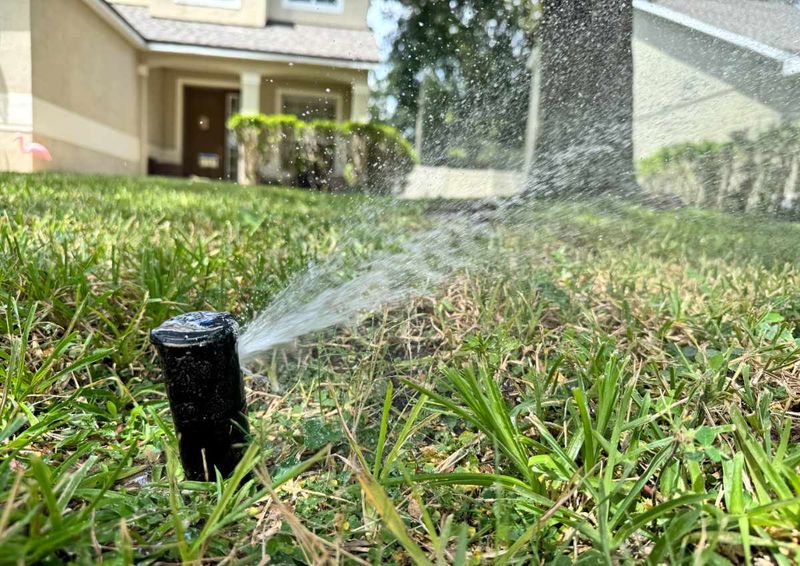
My favorite lawn detective trick costs nothing at all. Turn on each irrigation zone manually during the day and simply stand there and watch.
Most systems run around dawn, while we’re asleep. That means a broken nozzle can spray the sidewalk for months without anyone noticing.
As each zone runs, look for these trouble signs:
Heads that don’t pop up all the way. Streams that are weak, misty, or uneven.
Water hitting fences, walls, or pavement instead of grass. Puddles forming around one head, which can signal a leak.
Also check whether spray from one head reaches the next one. Irrigation pros call this head-to-head coverage, and it matters because the edge of each spray pattern gets less water than the middle.
For extra insight, set out a few empty tuna cans across the zone and run it for 15 minutes. Cans with much less water than others reveal your dry pockets clearly.
Take photos or quick notes as you go. By the end of one walk, you’ll likely have a clear list of which heads need attention and which ones are behaving nicely.
3. Clogged Nozzles and Sunken Heads Are Surprisingly Easy Fixes
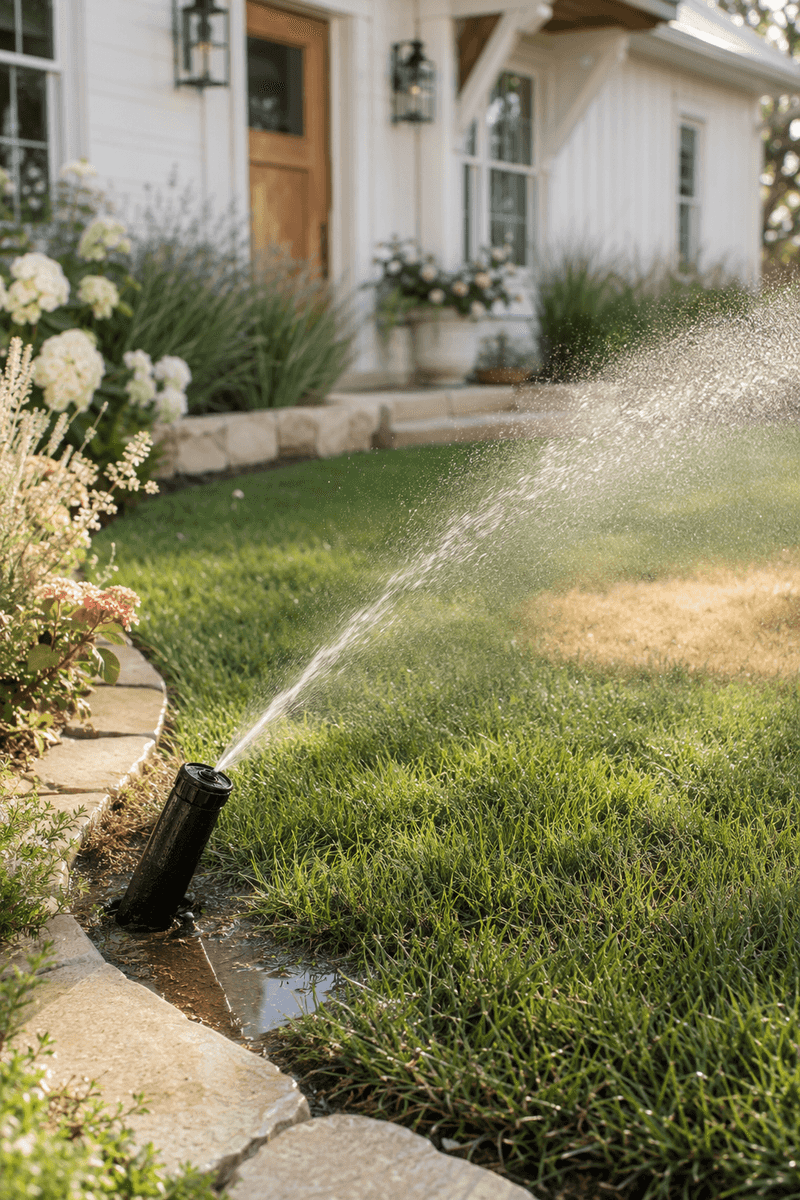
Sandy grit is the sneaky troublemaker inside many Florida sprinkler heads. A tiny bit of sand lodged in a nozzle can turn a smooth fan of water into a sad trickle.
Cleaning usually takes just a few minutes. Pull up the riser, unscrew the nozzle, and rinse it under the hose.
Check the small filter screen underneath too, since it often collects debris. A thin wire or paper clip can clear stubborn bits.
Sunken heads need a little digging. Gently remove soil around the head and raise it so the top sits level with the soil surface.
Some folks use a short extension riser for heads buried by years of thatch.
Tilted heads can be straightened by packing soil firmly around the body. Many spray nozzles also have an adjustment screw on top that controls distance, while rotor heads often have arc settings.
Replacement nozzles are inexpensive at most hardware stores. Try to match the brand and pattern so that zone keeps even output.
Honestly, it feels great to fix a brown patch with a paper clip. If you find cracked bodies or leaking pipes, though, a licensed irrigation contractor can help.
4. Overgrown Shrubs Can Block Your Sprinkler Spray
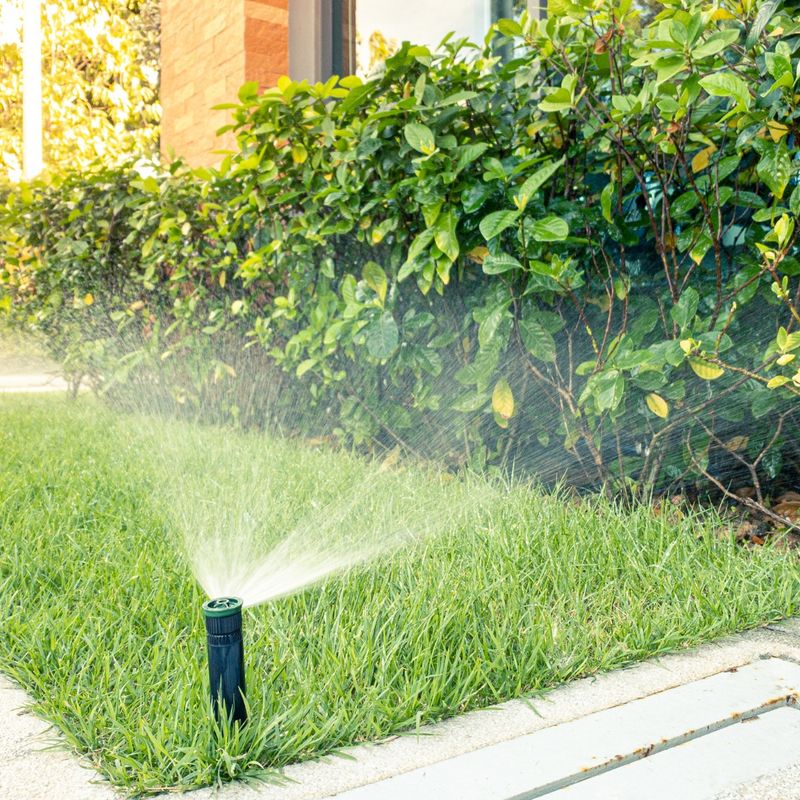
Landscapes grow, but sprinkler heads stay put. That simple mismatch causes plenty of brown edges along Florida flower beds.
A shrub that was knee-high when the system went in may now be wide and thick. When a spray head sits right behind it, the water slams into leaves and drips down in one spot.
The grass on the other side gets very little.
Tall grass blades can create the same issue on a smaller scale. Bahiagrass seed heads and long St. Augustinegrass around a short spray head can deflect water sideways.
A few solutions help:
Trim plants back from the spray path. Raise the head with a taller riser so water clears the foliage.
Move the head a short distance if trimming doesn’t work.
Mailboxes, pots, and garden decor can also block spray. I once found a brown wedge caused by a decorative frog statue, which was both embarrassing and funny.
Take a slow walk around beds and borders while a zone runs. Anything sitting in the water’s path deserves a second look, even if it seems too small to matter.
5. Soggy Grass Around a Leaking Sprinkler Can Turn Brown Too
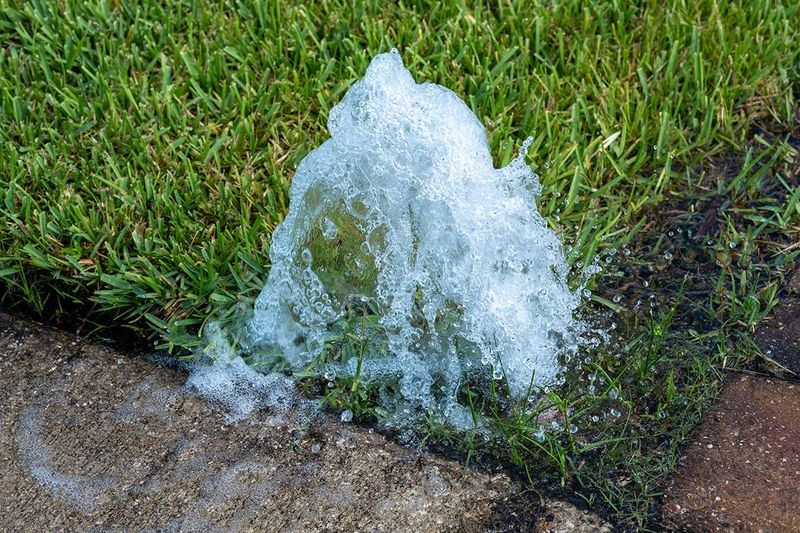
Strangely enough, some brown spots come from too much water rather than too little. A leaking head or broken pipe can keep one area soaked around the clock.
Roots need oxygen as well as moisture. When soil stays waterlogged, roots weaken and grass can yellow, thin out, and brown.
Constantly wet turf also gives fungal diseases a welcome mat.
Check a brown patch by pressing your fingers into the soil. Dry, hard sand points to under-watering.
Squishy, wet ground days after irrigation suggests a leak or poor drainage.
Other signs of trouble include water bubbling from the ground, a head that sputters, or a spot that stays green and lush right next to one that is struggling. Higher water bills can be a clue too.
A worn seal on a head often causes low-head drainage, where water seeps out after the system shuts off. Check valves can reduce that problem on sloped yards.
UF/IFAS turf specialists caution against adding extra water to fix every brown spot. If the soil already feels wet, adding more mostly makes the problem worse.
6. Early Morning Watering Keeps Florida Grass Happier
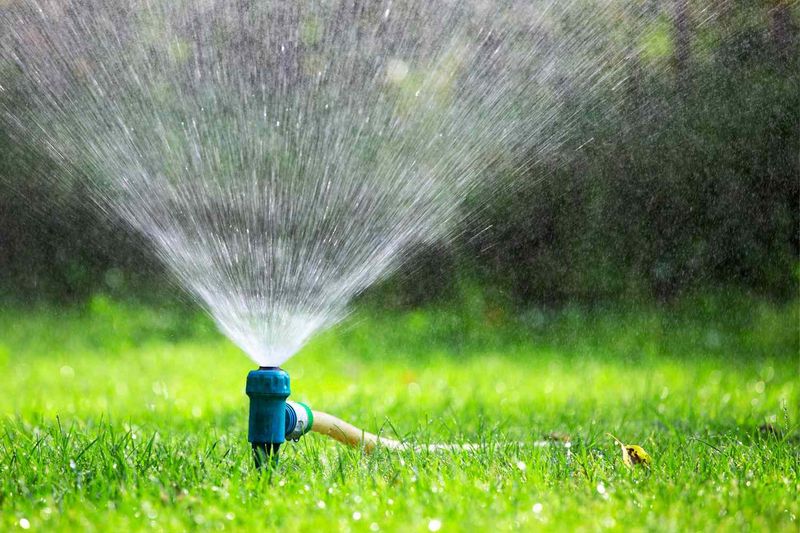
Timing can be just as important as coverage. UF/IFAS recommends watering in the early morning, roughly before 10 a.m., when wind and evaporation are low.
Evening watering leaves grass wet overnight. That extended leaf wetness raises the risk of fungal problems, especially in humid Florida weather.
Rather than short daily cycles, aim for deeper, less frequent watering. Extension guidance generally suggests about one-half to three-quarters of an inch per session, applied when the lawn shows thirst signs.
Look for folded leaf blades, a blue-gray color, or footprints that linger.
Many Florida counties and water management districts set watering day restrictions. These rules differ across the state, so check your local district before setting your timer.
Rain sensors are required on automatic systems under Florida law. They help skip cycles after a good soaking, which saves money and protects your turf.
I like adjusting my controller with the seasons too. Summer rains often cover much of the need, while dry spring months usually call for more help.
Matching the schedule to the weather keeps every head doing useful work.
7. Large Patch Fungus and Chinch Bugs Can Mimic Sprinkler Spots
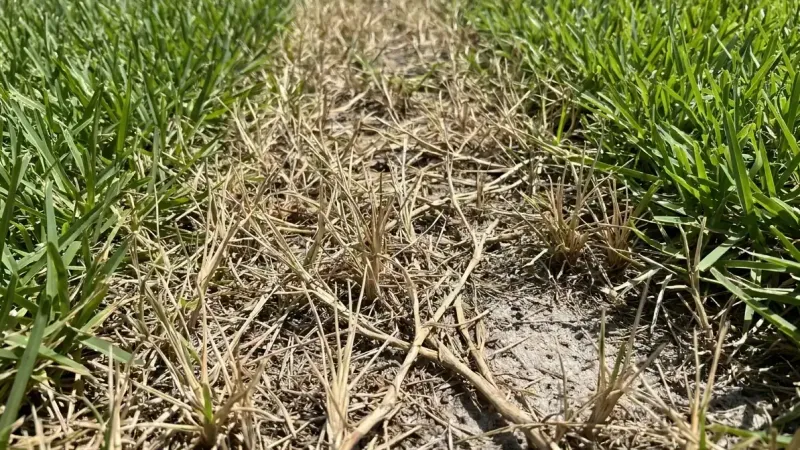
Sometimes a perfectly adjusted sprinkler still sits beside a brown patch. When that happens, it’s time to consider a few lookalikes.
Large patch is a common fungal disease of St. Augustinegrass and zoysiagrass. According to UF/IFAS, it shows up mostly in cooler, damp months, roughly November through May.
Look for circular patches with an orange or bronze ring and leaf blades that pull easily from their stems.
Southern chinch bugs are another frequent culprit, especially in sunny, hot spots of St. Augustinegrass during spring and summer. Damage often starts near pavement and looks a lot like drought stress.
Parting the grass at the edge of the patch may reveal tiny black-and-white insects.
Compacted soil, dog urine, and buried rocks or construction debris can also cause stubborn spots. Any of these keep roots from using water well.
When in doubt, bring a sample to your county UF/IFAS Extension office. Staff can help identify the problem before you spend money on the wrong treatment.
My takeaway is simple. Check the sprinkler first, since it’s the easiest fix, then look deeper if the grass still struggles.