Arizona Gardeners Keep Bagging Up the Best Free Soil Conditioner They’ll Ever Get
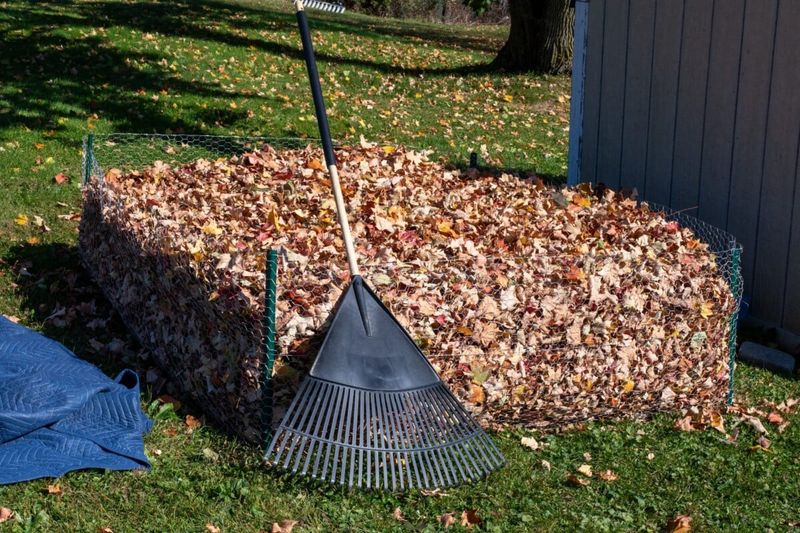
A bag of soggy leaves can turn into dark, crumbly stuff that smells like a forest floor. It happens slowly, and it asks for almost no work.
I love how a pile of yard litter can become something useful. Arizona yards drop plenty of leaves in the fall, so the raw material is often right outside your door.
Still, this trick is not for every yard. You need to know what it does, what it skips, and whether your plants even want it.
What Leaf Mold Can—and Cannot—Do
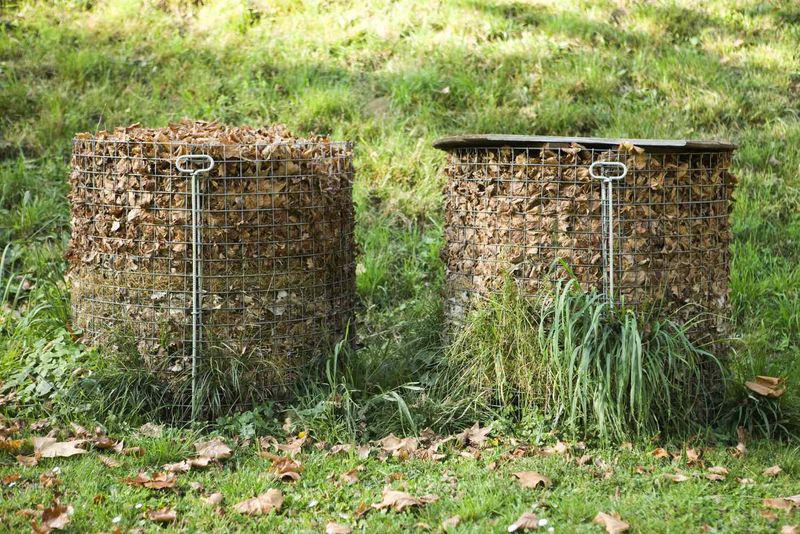
Leaf mold is simply leaves that have partly broken down. I like to think of it as the slow cousin of compost.
Compost is a managed mix that gets turned and fed, while leaf mold is just leaves left alone to soften over time.
Its real talent is texture. According to Iowa State Extension guidance, leaf mold can be used as mulch or mixed into garden soil, where it helps soil structure and moisture retention.
That is a modest, useful job.
What it does not do is feed your plants much. It carries little nutrition, so it will not replace fertilizer.
It also will not fix every soil problem you have.
Think of it as one optional conditioner, not a must-have for every Arizona garden. Some yards will benefit and some will shrug.
We will sort out which is which in the last section.
Choose Leaves With Care
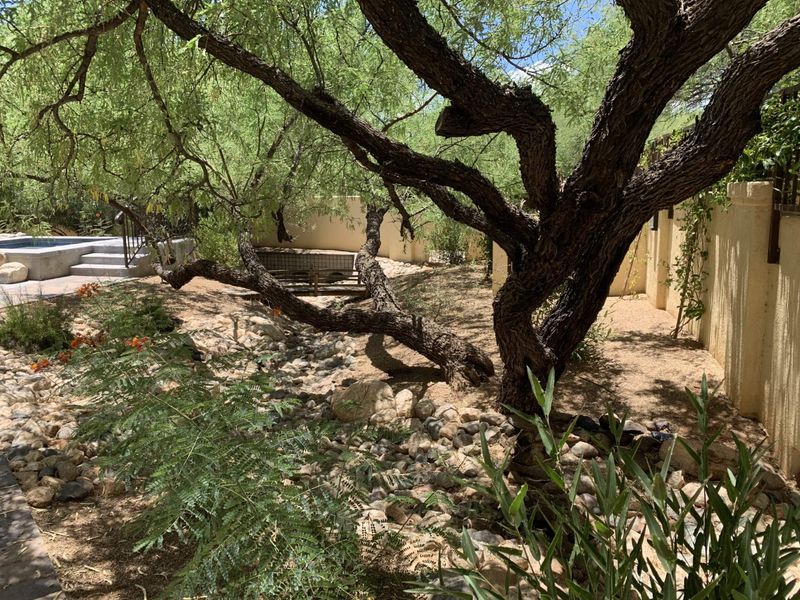
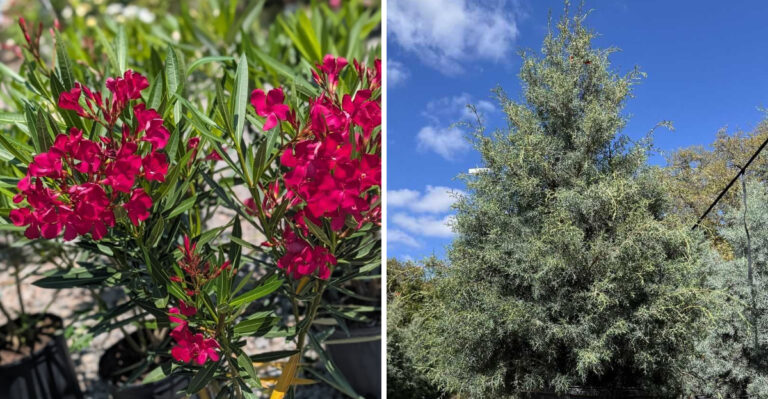
Mesquite, ash and sycamore leaves are all possible ingredients for a bag. None of them has been shown to be better than the others.
They may also break down at different speeds, so treat them as options and not winners.
Ash here means the tree, not fireplace wood ash. Please keep the two apart, because they are very different materials.
Some University of Delaware guidance says ash and certain other leaves may raise compost pH. That advice is not specific to Arizona or to every ash species, so test your soil before making any pH changes.
Sycamores need one extra look. Anthracnose is a fungal leaf disease, and Utah State Extension discusses sanitation for affected sycamore leaves.
A cool, unmonitored bag has not been shown to sanitize anything.
So leave visibly diseased sycamore leaves out of the bag. You can also follow your local disposal guidance for them.
Bag the Leaves, Then Keep Them Moist
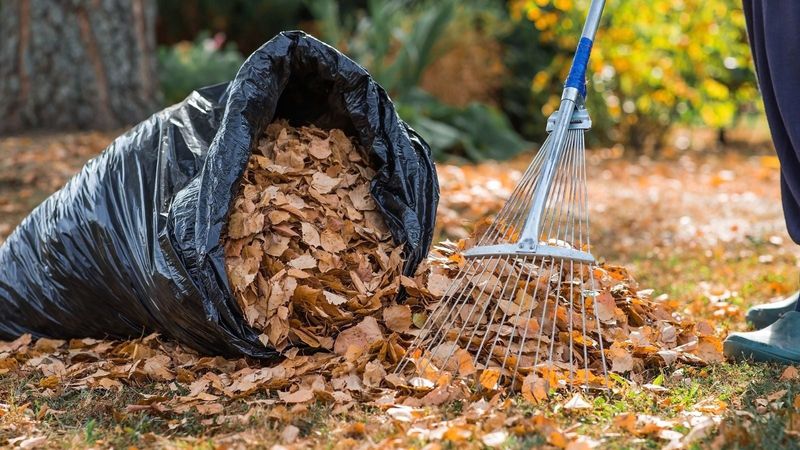
The method is pleasantly short. Stuff leaves into a bag, add water until they are damp, and close it loosely or poke some air holes.
Then park it in a shady spot. A UF/IFAS Extension guide describes a similar approach and suggests checking every few months.
This pile stays separate from your regular compost, and it does not need turning. But it is not maintenance-free.
Leaves that dry out simply sit there and wait.
Dry air makes this matter more here. University of Arizona compost guidance warns that compost tends to dry out too quickly in the state.
I would peek into the bag now and then and squeeze a handful. If the leaves feel dusty, add water.
There is no universal schedule, so let the leaves tell you.
Give the Pile Time to Break Down
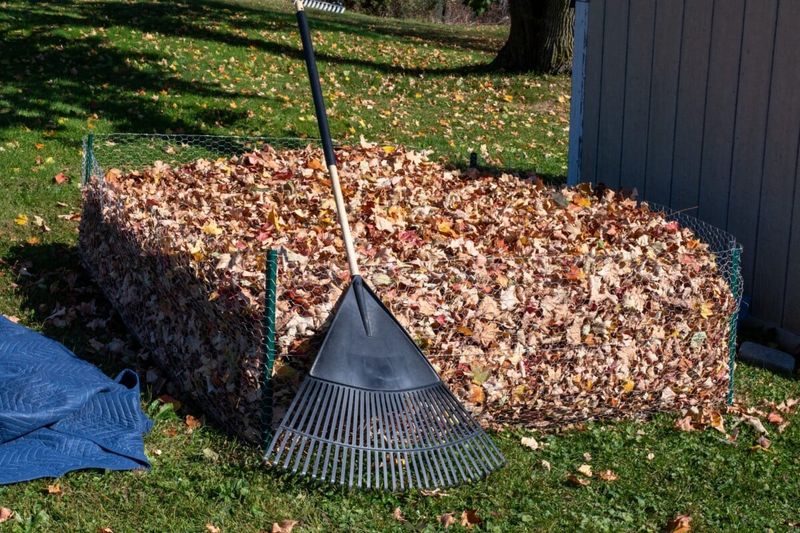
Patience is the main tool here. Sources put leaf mold at roughly six months to two years or longer.
Iowa State Extension describes it as a slow process, so please do not expect a spring finish.
Moisture, temperature and leaf type all change the pace. Shredding leaves may speed things up, as noted by a UF/IFAS Extension article.
It is optional, so a lazy gardener can skip it.
Forget the calendar and judge by touch. Finished leaf mold is dark, soft and crumbly.
You should see few whole leaves left.
If you open the bag and find flat, recognizable leaves, close it back up. Add a little water and check again in a few months.
Use Finished Leaf Mold Where It Fits
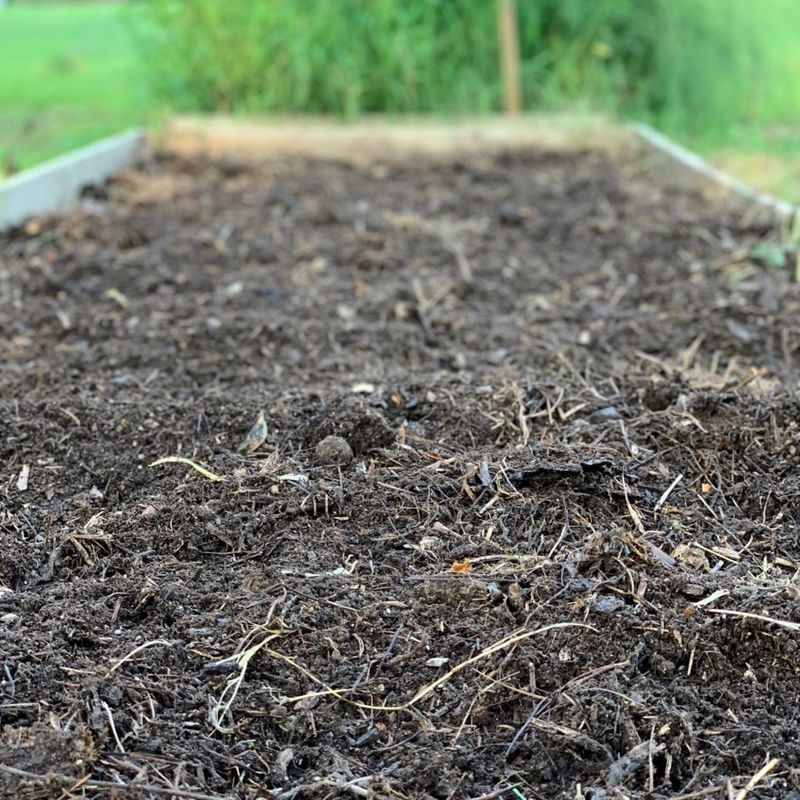
Once the bag turns dark and crumbly, you have two easy options. Spread it on the soil surface as mulch, or mix it into planting soil.
Iowa State Extension lists both uses. Either way, you are conditioning soil, not feeding it.
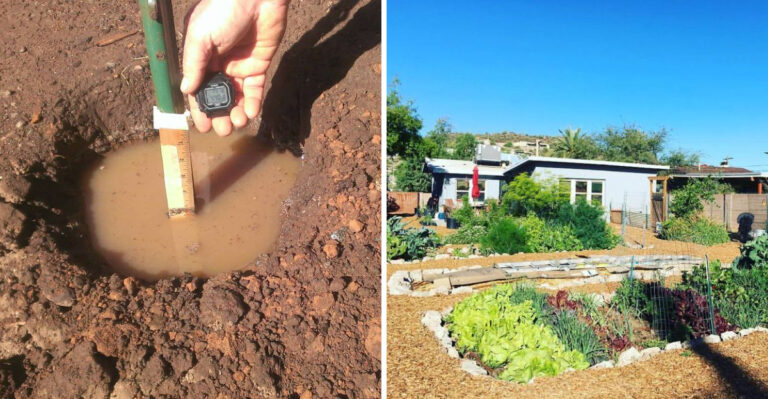
Water-harvesting basins are one place to be careful. An Arizona desert-community manual advises a fairly thin organic mulch layer there, so small rains can reach the soil.
That advice is for basins, not a depth rule for every bed.
Keep mulch clear of tree trunks, too. A little breathing room around the base is a good habit.
I would skip fancy application rates, since none are backed up here. Start small, watch how the soil behaves, and adjust.
Decide Whether Your Garden Needs It
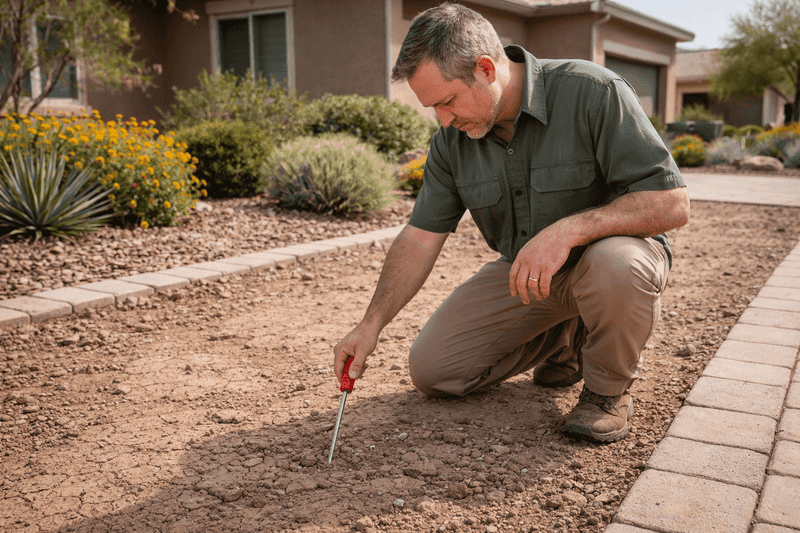
Arizona is not one big garden. A vegetable bed in Tucson, a native yard in Phoenix and a mountain lot near Flagstaff can each want something different.
Look at what you are growing before you start bagging.
According to University of Arizona Extension, native and other arid-adapted plants generally do not need added organic matter at planting. Organic matter can help some landscape soils, though.
Mulch may also help hold soil moisture even when you skip amendments.
So ask a simple question. Does this spot have tired, hard or fast-draining soil, and are the plants ones that like richer ground?
If so, a bag or two may help.
If you are growing desert natives, you can happily leave it out. A bag of leaves is a cheap, optional experiment, and your cactus will not mind either way.