The Best Time To Water Bougainvillea In Arizona During Summer Heat
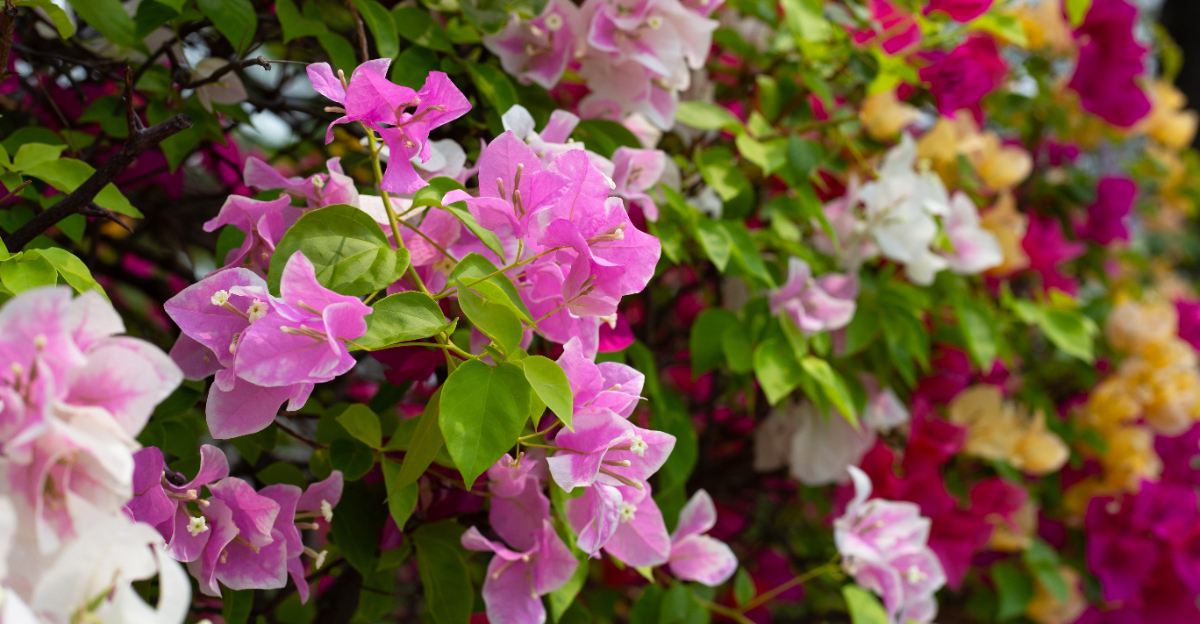
Bougainvillea is one of those plants that seems built for summer. When covered in colorful blooms, it can completely transform a yard and become one of the most eye-catching plants in the landscape.
That is why it can be frustrating when a healthy-looking plant suddenly starts dropping blooms or looking less vibrant during the hottest part of the season.
Many homeowners assume the solution is simply adding more water. Summer heat makes that seem like a logical response, especially when temperatures remain high for days or weeks at a time.
The reality is often a little more complicated.
Watering plays a major role in how bougainvillea performs, but timing can be just as important as the amount. Arizona gardeners frequently discover that a small adjustment to their routine can make a noticeable difference.
Understanding when to water can help keep plants healthier and looking their best through intense summer heat.
1. Early Morning Watering Reduces Moisture Loss
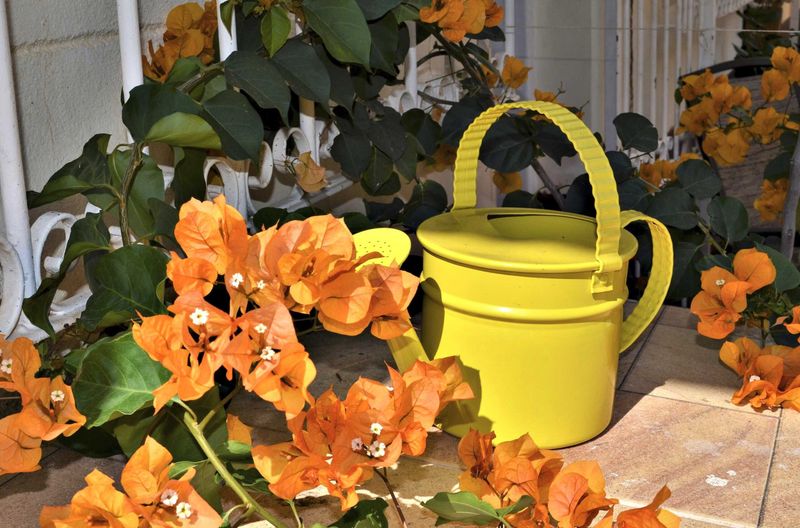
Before the sun climbs high, your garden is a completely different place. Morning air in the desert is cooler, winds are calm, and the soil is ready to absorb water without losing it to instant evaporation.
Watering between 5 a.m. and 8 a.m. gives moisture time to soak down to the roots before heat builds. Once temperatures hit 100 degrees or higher, water near the surface can evaporate within minutes.
Early watering avoids that waste entirely.
Wet foliage dries quickly in morning sunlight, which lowers the risk of fungal issues. Watering at midday or evening leaves moisture sitting on leaves longer, which can cause problems over time.
Bougainvillea roots run fairly deep once established. Morning watering lets the soil hold moisture at depth, where roots actually reach.
Shallow surface moisture that burns off quickly does very little for the plant.
Another benefit of early watering is that your water pressure is often more consistent before peak household demand kicks in. You get a steadier flow, which helps with deep, even soaking.
Starting your watering routine at sunrise is one of the simplest adjustments you can make for healthier bougainvillea through the hottest months of the year.
2. Deep Soaking Reaches The Entire Root Zone
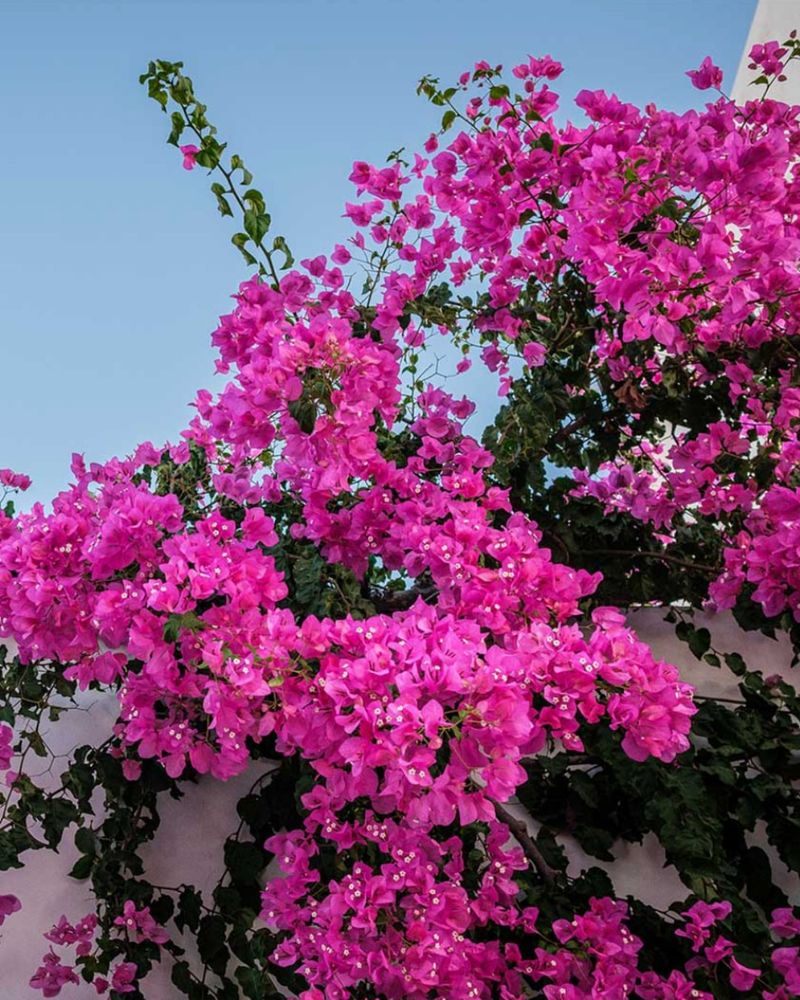
A quick splash of water on the surface does almost nothing for bougainvillea. Roots need moisture to reach them, and shallow watering never gets the job done in hot, dry conditions.
Deep soaking means letting water run slowly at the base of the plant until it penetrates at least 12 to 18 inches into the soil. That depth is where the bulk of established root systems live.
Drip irrigation set to run for 30 to 60 minutes works well for this.
Fast watering creates runoff, especially in compacted or clay-heavy soils. Slow, steady delivery gives the ground time to absorb before water escapes.
A soaker hose or low-flow drip emitter placed near the base is far more effective than overhead spraying.
In intense summer heat, even deep moisture can disappear faster than expected. Checking soil depth with a screwdriver or moisture probe after watering tells you whether the water actually reached the root zone or stopped near the surface.
Your Arizona Garden Changes Every Week. Your Plan Should Too.
Gardening in Arizona changes quickly throughout the season. Every Friday you’ll receive a simple weekly plan showing exactly what to plant, prune, fertilize, harvest, and protect so you never miss the right timing.
Bougainvillea is drought-tolerant once established, but that tolerance only works when the root system is well-hydrated at depth. Frequent shallow watering actually trains roots to stay near the surface, making the plant more vulnerable during dry stretches.
One thorough deep soak every few days outperforms daily light sprinkles every single time.
3. Dry Soil Several Inches Down Signals It Is Time To Water
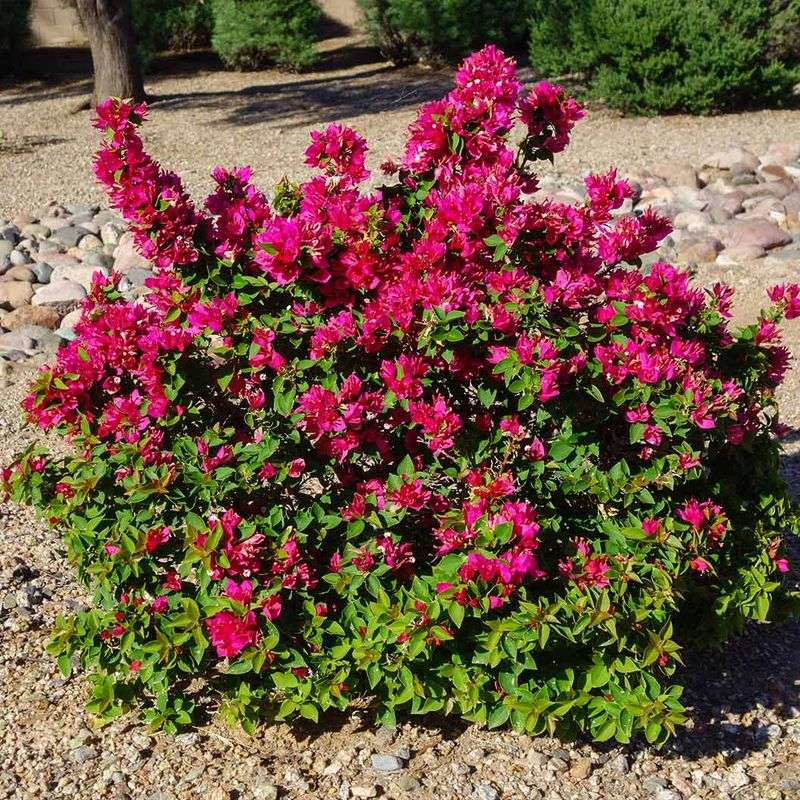
Forget watering on a strict calendar schedule. Soil conditions change constantly depending on heat, wind, and recent rain, so checking the ground directly is far more reliable than guessing.
Push a wooden dowel, screwdriver, or your finger about three to four inches into the soil near the base of the plant. If it comes out dry with no soil sticking to it, watering is needed.
If it pulls out slightly damp or with soil clinging to it, hold off another day.
Bougainvillea actually performs better with a dry-down period between waterings. Keeping soil consistently wet stresses the roots and can cause yellowing leaves or reduced blooming.
A brief dry period before the next watering encourages stronger root development.
During peak summer in the Sonoran Desert, soil can dry out completely within two to three days. In cooler microclimates or shadier spots, that same soil might stay moist for four to five days.
Location within your yard matters more than most people realize.
Checking soil by hand takes about ten seconds. It removes all the guesswork and prevents both overwatering and underwatering at the same time.
Once you build this habit into your routine, you will start to notice patterns in how quickly your specific soil dries out, and your watering schedule will become much more precise and effective.
4. Wilting Leaves Do Not Always Mean More Water Is Needed
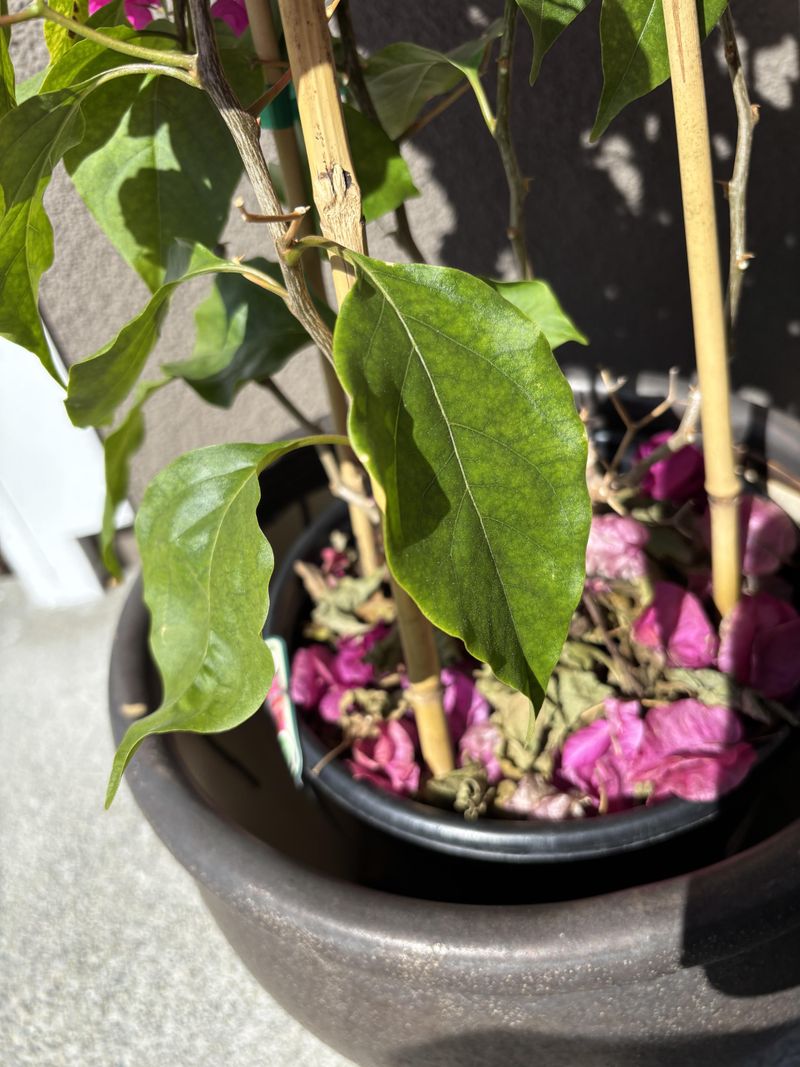
Wilting in the afternoon heat is not always a cry for water. Bougainvillea, like many desert plants, will droop slightly during the hottest part of the day as a natural response to extreme temperatures.
It is a survival mechanism, not a sign of dehydration.
Adding water every time you see drooping leaves is a fast path to overwatering. Overwatered bougainvillea develops root problems, drops leaves, and produces fewer blooms.
Too much water is often more damaging than too little for this particular plant.
Check the soil first before reaching for the hose. If the soil at depth is still moist, the wilting is heat-related, not drought-related.
Wait until evening and observe whether the plant perks back up on its own. Most of the time, it will.
Genuine drought stress looks different. Leaves curl tightly, turn crispy at the edges, and do not recover after sunset.
Soil will be bone dry several inches down. That combination signals it is actually time to water.
Learning the difference between heat wilt and drought stress saves water and protects plant health. Afternoon drooping is common during summer and usually resolves once temperatures drop in the evening.
Trust the soil check over what you see on the surface, and your bougainvillea will stay healthier through the entire season.
5. Established Plants Need Less Water Than New Plantings
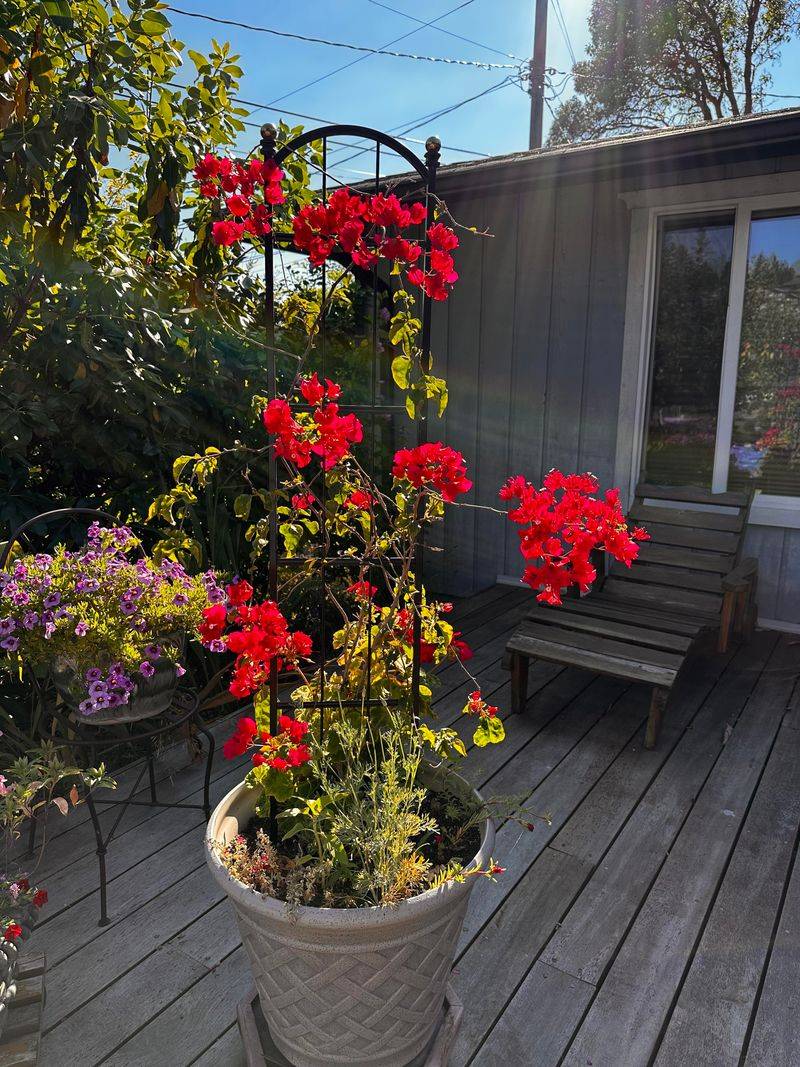
A bougainvillea planted three or more years ago is a completely different beast compared to one you put in the ground last spring. Established root systems run deep and wide, pulling moisture from a much larger area of soil.
New plantings need consistent moisture to help roots develop and anchor into the surrounding soil. During the first summer, watering two to three times per week may be necessary to keep a young plant stable and growing.
Skipping waterings too early can set back establishment significantly.
Established plants, on the other hand, often thrive with one deep watering every five to seven days during peak summer. Some do fine with even less, depending on soil type and placement.
Overwatering a mature plant actually reduces blooming because the plant focuses energy on foliage rather than flowers.
Transitioning from frequent new-plant watering to a reduced mature-plant schedule happens gradually over the first two to three growing seasons.
Cutting back too fast stresses a still-developing root system, but holding on to heavy watering too long prevents the plant from building drought resilience.
Pay attention to how your plant responds each season. Healthy green foliage, firm stems, and consistent blooming are all signs that your watering frequency is appropriate.
Adjust gradually rather than making sudden changes, and let the plant guide you toward the right routine over time.
6. Heavy Soil Stays Moist Longer Between Waterings
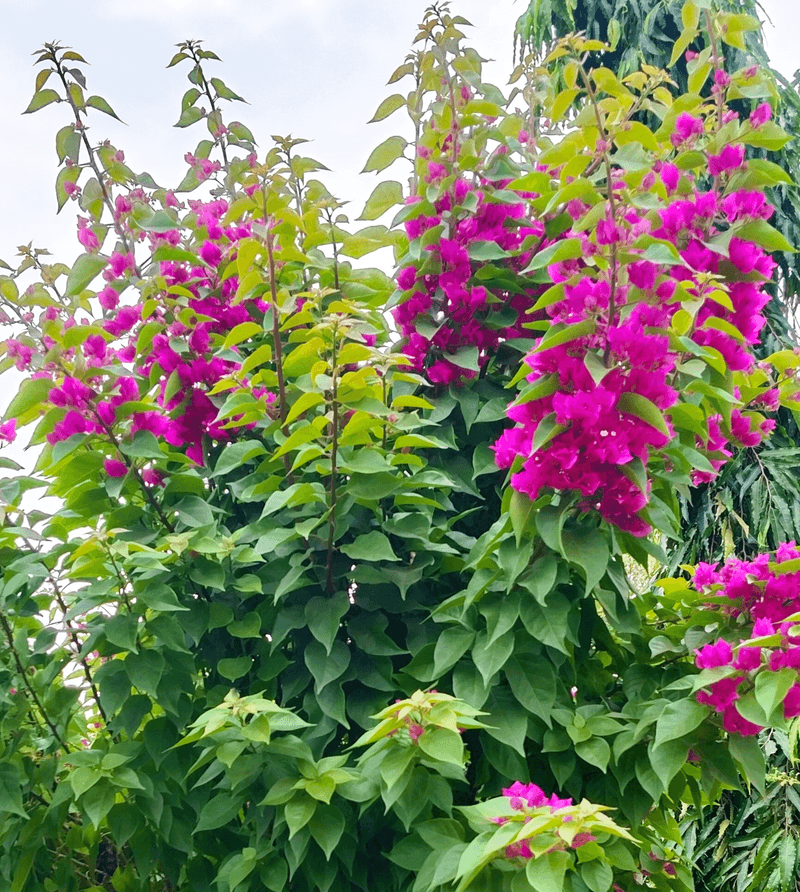
Soil type controls how fast or slow moisture moves through your garden. Heavy clay-based soil holds water much longer than sandy or gravelly desert soil, and that difference should directly affect how often you water.
Watering bougainvillea on a fixed schedule without accounting for soil type leads to problems. In heavy soil, water applied too frequently never fully drains, leaving roots sitting in damp conditions for extended periods.
That can stress or weaken root systems over time.
Sandy, fast-draining soil behaves the opposite way. Water moves through quickly, sometimes within hours, which means the plant needs more frequent watering to stay adequately hydrated during extreme heat.
Neither extreme is ideal without adjustment.
Amending heavy soil with coarse sand, perlite, or decomposed granite improves drainage and helps prevent waterlogging.
Bougainvillea naturally grows in well-draining conditions and performs best when soil does not stay soggy between waterings.
A simple jar test tells you a lot about your soil. Fill a jar with soil from your garden bed, add water, shake it, and let it settle for 24 hours.
Clay-heavy soil will show a thick layer of fine particles at the top. Sandy soil settles fast and clear.
Knowing your soil type removes the guesswork from your watering schedule and helps you set realistic intervals that actually match what your bougainvillea needs.
7. Monsoon Rain Should Change Your Watering Schedule
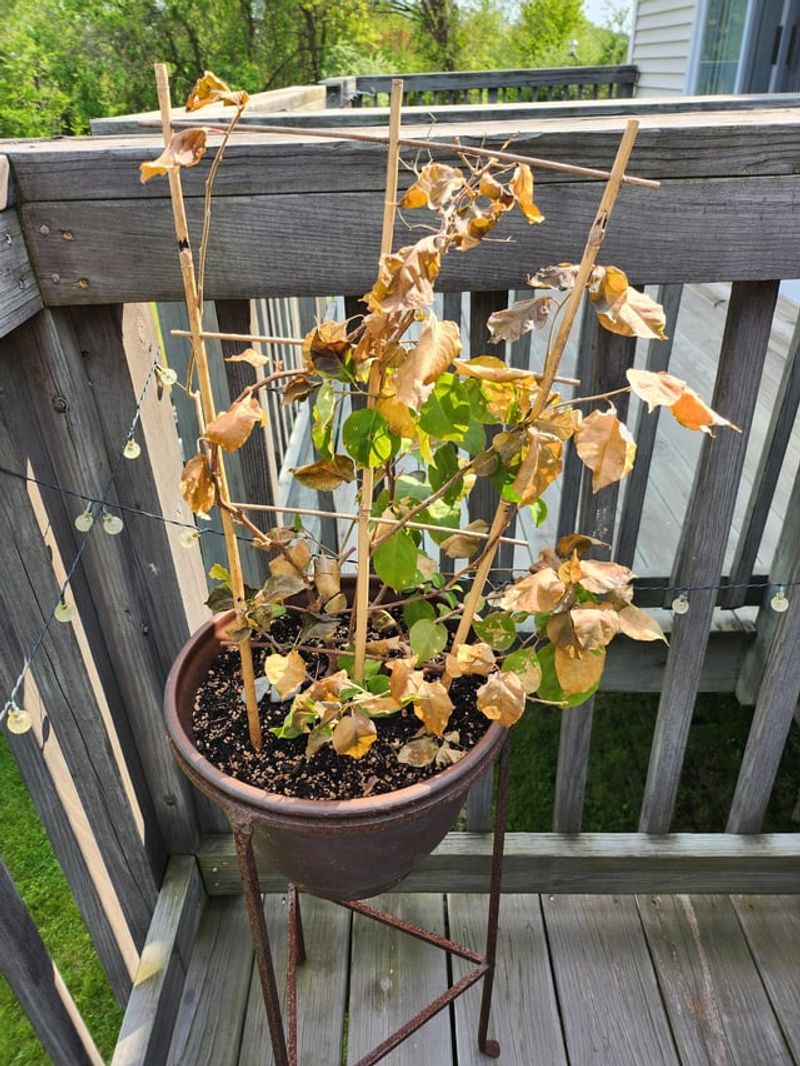
Monsoon season in the desert Southwest brings a dramatic shift in humidity and rainfall. From roughly July through September, storms can drop significant rain in short bursts, and ignoring that input leads to overwatering without realizing it.
After a monsoon rain that delivers half an inch or more, skip your next scheduled watering entirely. Check the soil depth before resuming your normal routine.
Soil that received a strong storm can stay moist for several days, especially in areas with heavier ground composition.
Monsoon rain is not always evenly distributed. One side of your yard might get soaked while another stays nearly dry depending on how storms track through your area.
Checking multiple spots in the garden gives a more accurate picture than relying on rainfall totals alone.
High monsoon humidity also slows evaporation compared to dry summer conditions. Water lingers in the soil longer when humidity is elevated, which means your normal watering interval may need to stretch by a day or two during active monsoon weeks.
Bougainvillea actually responds well to the monsoon cycle. Warm rain combined with summer heat often triggers a fresh flush of blooms.
Reducing supplemental watering during this period does not stress the plant. It allows the natural rain cycle to do the work while you avoid piling on extra moisture the soil cannot absorb.
Adjusting your schedule around monsoon activity is one of the smartest seasonal habits you can build.