The One Place Arizona Gardeners May Want To Avoid Planting This Fall
That open spot beside your house may seem perfect for a new plant this fall. Look closer before you start digging, because appearances can be misleading.
Some planting locations quietly make life harder for roots, even when everything else seems right. Arizona gardeners can run into this issue without noticing the cause.
You might choose the right plant, prepare the soil carefully, and still watch it struggle. Sometimes the location itself is working against all that effort.
Fall gives new plants a valuable chance to settle in before harsher conditions return. Choosing where they begin that process matters more than many gardeners expect.
One familiar part of the yard deserves extra scrutiny before planting begins.
Know which spot to reconsider now, and you may save yourself plenty of frustration later.
1. Low-Lying Areas Can Be Risky For Fall Planting
Picking the wrong spot in your yard can quietly set your entire fall garden back. Low-lying areas look harmless at first glance, but they often collect water in ways that can stress or harm young plants.
When rain falls on a sloped or uneven yard, water naturally moves toward the lowest point. That means low spots receive not just their own rainfall, but runoff from surrounding areas too.
Water piles up faster than the soil can absorb it.
In fall, Arizona does receive occasional rainfall, especially in some regions still experiencing the tail end of monsoon patterns. A low spot that seems dry in summer can become waterlogged quickly after even a moderate rain event.
Newly planted roots need both moisture and oxygen to get established. When soil stays saturated for extended periods, oxygen gets pushed out of the pore spaces.
Roots struggle to function properly under those conditions.
Experienced gardeners often notice that plants placed in low spots look wilted even when the soil is wet. That can seem confusing, but it usually means the roots are under stress from too much moisture rather than too little.
2. Rainwater May Collect In These Spots For Too Long
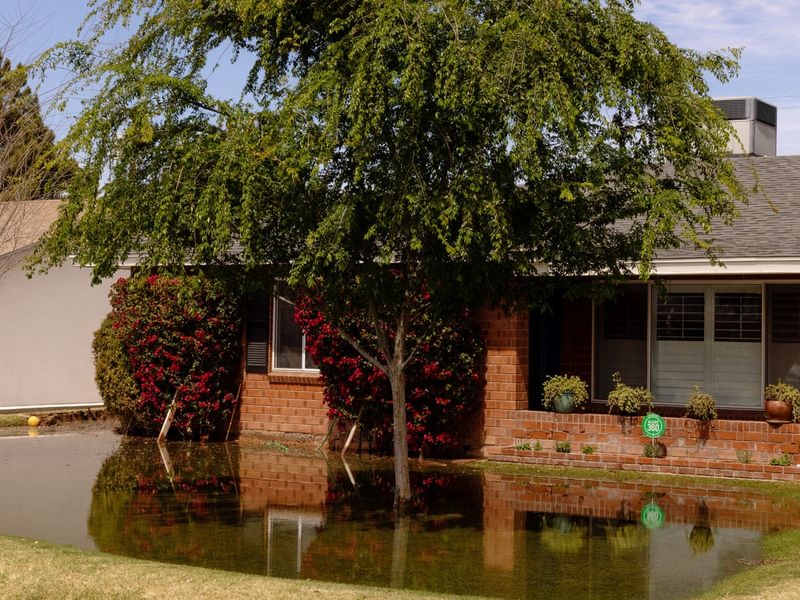
Standing water is not something most desert gardeners expect to deal with, but it happens more often than people realize. Low spots in a yard can hold water for hours or even days after a rainstorm.
Fall rains in the desert Southwest can be unpredictable. Some days bring light showers, and other times a single storm drops a surprising amount of water in a short window.
Low areas absorb the impact first and drain last.
When water sits on the soil surface for too long, it creates conditions that most vegetables and flowering plants cannot handle well. Roots sitting in saturated soil for extended periods can develop rot, and young transplants are especially vulnerable.
Soil that looks dry on top can still be soaked several inches down. Planting in a low spot without checking below the surface is a common mistake that catches many gardeners off guard after the first good rain.
A simple way to check is to dig down about six inches and feel the soil. If it feels cool and dense rather than slightly moist and crumbly, drainage may already be limited in that spot.
Your Arizona Garden Changes Every Week. Your Plan Should Too.
Gardening in Arizona changes quickly throughout the season. Every Friday you’ll receive a simple weekly plan showing exactly what to plant, prune, fertilize, harvest, and protect so you never miss the right timing.
Choosing a planting location where water drains away within an hour or two after rain is a reasonable goal.
3. Poor Drainage Can Work Against Newly Planted Roots
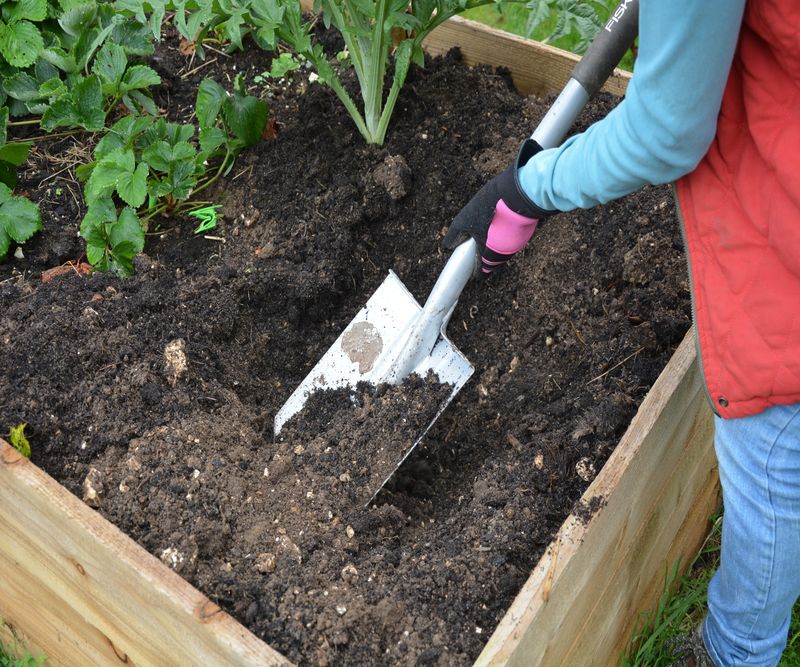
Roots need room to breathe, and poor drainage takes that away faster than most people expect. A spot that drains slowly can quietly stress plants even when the weather feels perfect above ground.
When soil lacks the structure to move water through it efficiently, moisture lingers in the root zone well beyond what plants can use. That excess moisture fills the tiny air pockets in the soil, leaving roots with little oxygen to work with.
Young plants are particularly sensitive to this during their first few weeks in the ground. Establishment takes energy, and roots that are working against waterlogged conditions have less capacity to take up nutrients and anchor themselves properly.
Fall planting is popular because cooler temperatures reduce heat stress on new transplants. But that benefit gets cancelled out quickly if the planting site has poor drainage.
Wet roots in cool soil can struggle just as much as roots baking in summer heat.
Signs of drainage problems are not always obvious right away. Yellowing leaves, slow growth, or a plant that never seems to perk up after watering are worth paying attention to.
Poor drainage is often behind those symptoms.
4. Heavy Clay Can Make Moisture Slow To Escape
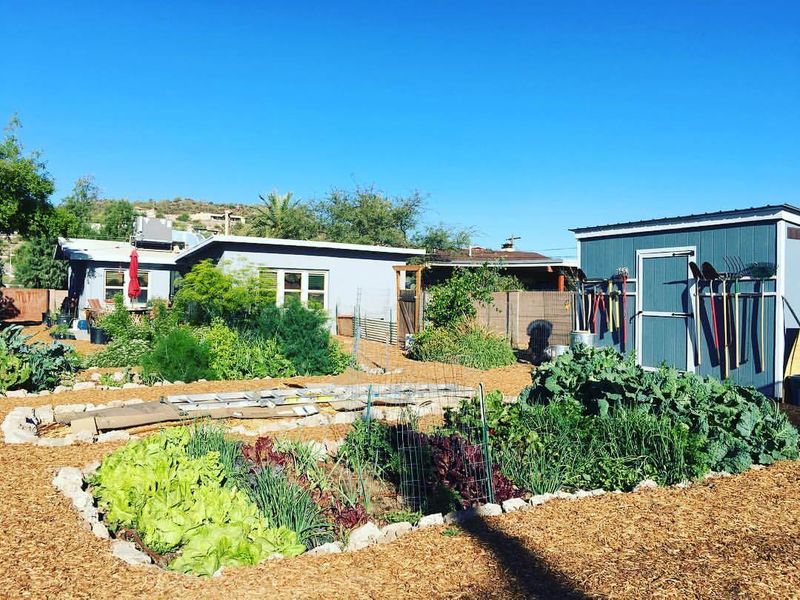
Clay soil has a reputation for being difficult, and in many parts of the desert Southwest, that reputation is well earned. Heavy clay holds moisture tightly, and water moves through it at a frustratingly slow pace.
Unlike sandy or loamy soils that allow water to pass through relatively quickly, clay particles are tiny and pack together tightly. That tight structure limits the space water needs to drain away, so moisture lingers much longer than plants prefer.
During fall, when rains can catch gardeners off guard, a clay-heavy planting bed can stay wet for days. Roots sitting in that moisture for extended periods face conditions that limit their ability to function and grow properly.
Amending clay soil with organic matter like compost can improve its structure over time. But one season of amendments rarely transforms heavily compacted clay into well-draining soil.
Improvement tends to happen gradually with consistent effort.
A quick way to identify clay-heavy soil is to wet a small handful and roll it between your palms. If it forms a smooth, sticky ribbon without crumbling, clay content is likely high.
That soil will drain slowly and hold moisture longer than most plants want.
5. Caliche May Create A Hidden Barrier Below The Soil
Caliche is one of those things Arizona gardeners learn about quickly, often after their plants start struggling for no obvious reason.
It is a hardened layer of calcium carbonate that forms naturally in arid soils, and it can sit just inches below the surface without showing any sign from above.
Water cannot pass through a solid caliche layer easily. When rain or irrigation water hits that barrier, it backs up in the soil above it.
Roots get trapped in that saturated zone with nowhere to go.
Low-lying areas are especially risky when caliche is present. Water already collects there naturally, and a caliche layer underneath makes drainage nearly impossible.
That combination creates conditions that most plants cannot handle for long.
Spotting caliche before planting saves a lot of trouble. Dig down about twelve to eighteen inches and look for a pale, chalky, or rock-hard layer.
It can range from a thin crust to a solid barrier several inches thick.
Breaking through caliche with a pickaxe or soil auger is one option for small planting areas. Filling the broken section with amended soil can improve drainage noticeably, though it takes some physical effort.
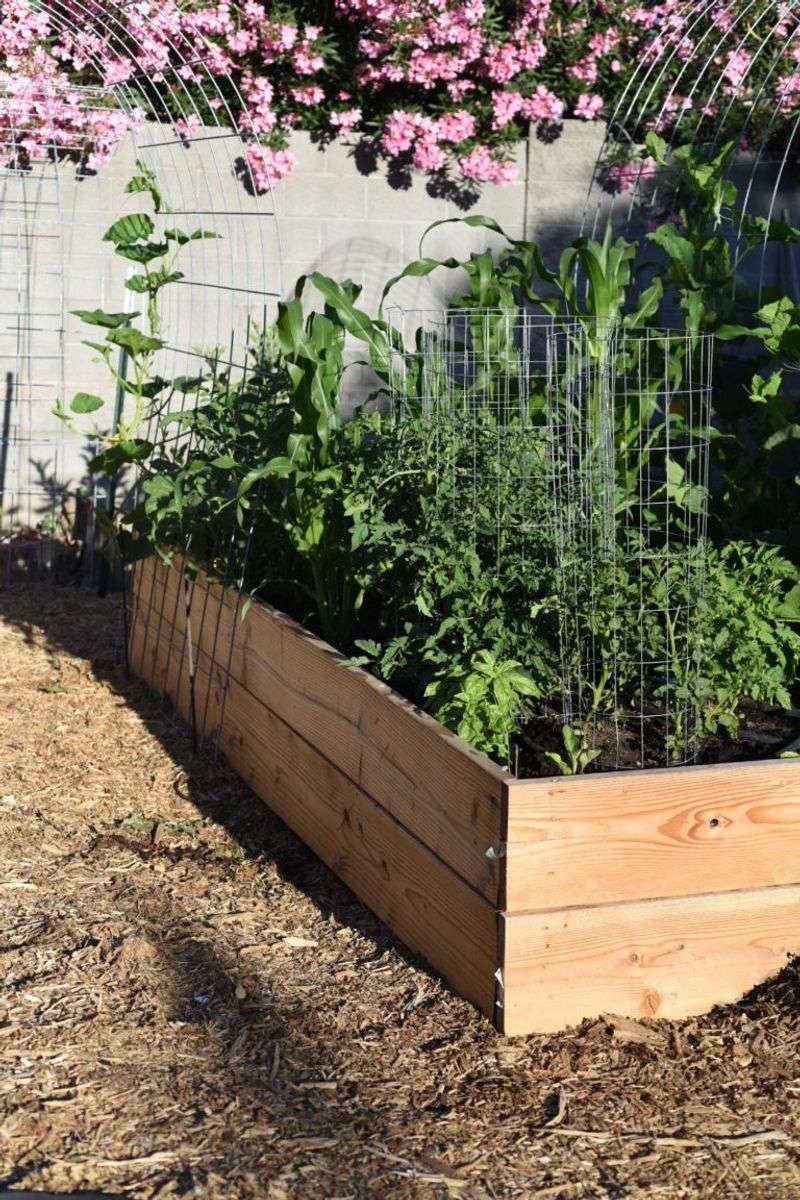
Raised beds placed over caliche-heavy ground are another practical solution.
6. A Drainage Test Can Show Whether The Site Is Suitable
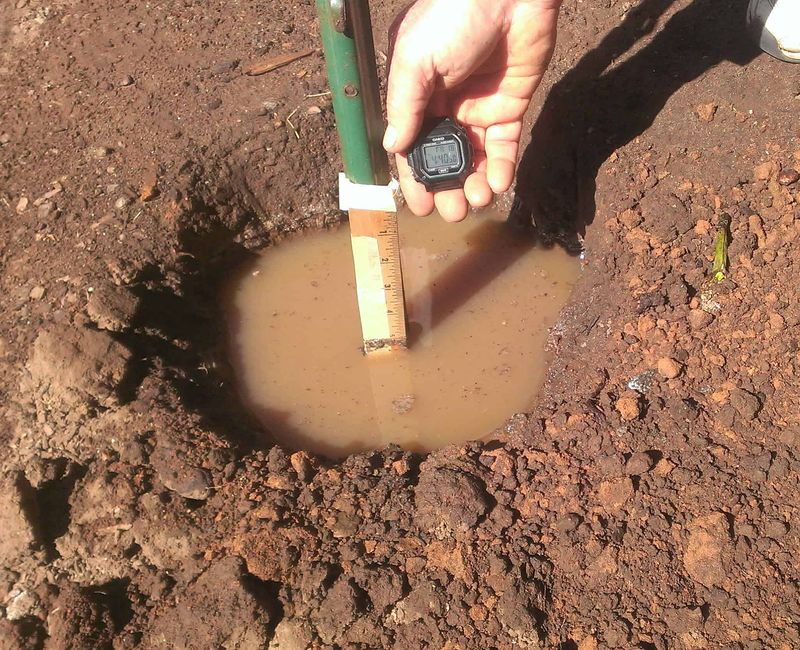
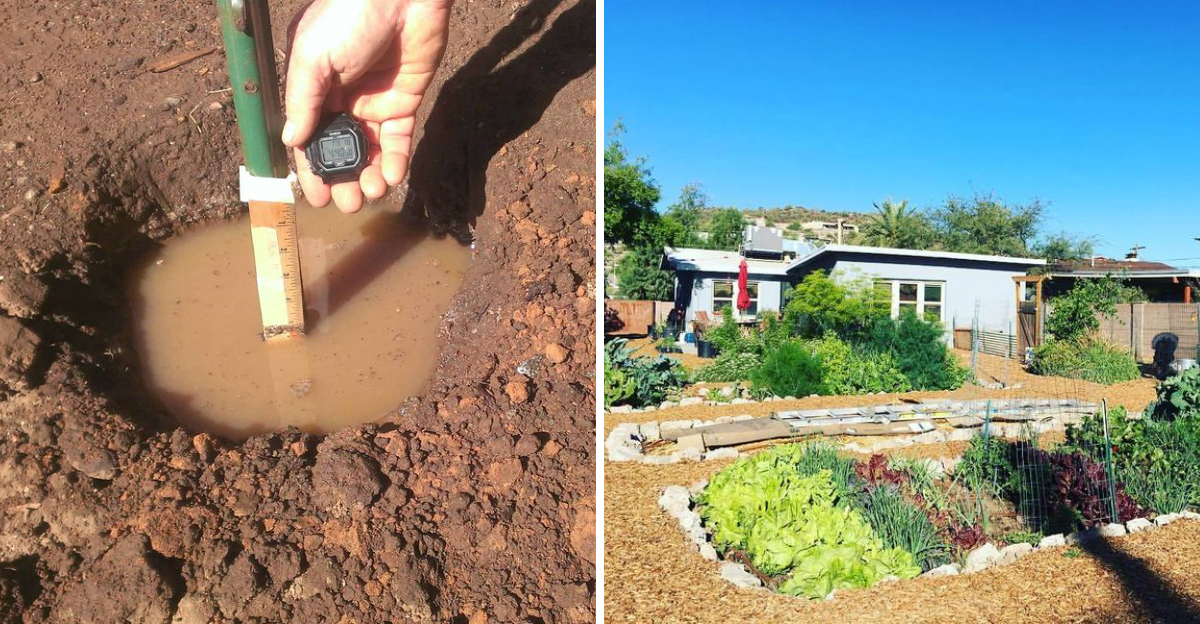
Before committing to a planting spot, a simple drainage test can tell you a lot. It takes less than an hour and requires nothing more than a shovel and some water.
Dig a hole about twelve inches deep and twelve inches wide. Fill it with water and let it drain completely.
Once empty, fill it again and watch how long the second fill takes to drain away.
Well-draining soil typically moves water through at a rate of about one to three inches per hour. If the water is still sitting in the hole after several hours, drainage in that spot is likely too slow for most vegetables and flowering plants.
Performing this test in a few different spots around your yard can reveal surprising differences. One area might drain quickly while another just a few feet away holds water much longer, especially if the soil composition or grade changes between them.
Fall is actually a good time to run this test because soil conditions are closer to what plants will experience after seasonal rains. Testing in dry summer conditions can give misleading results since the soil may absorb water faster when it is extremely dry.
If a spot fails the drainage test, that does not mean it cannot be used at all.
7. Choose A Well-Drained Location Before You Start Planting
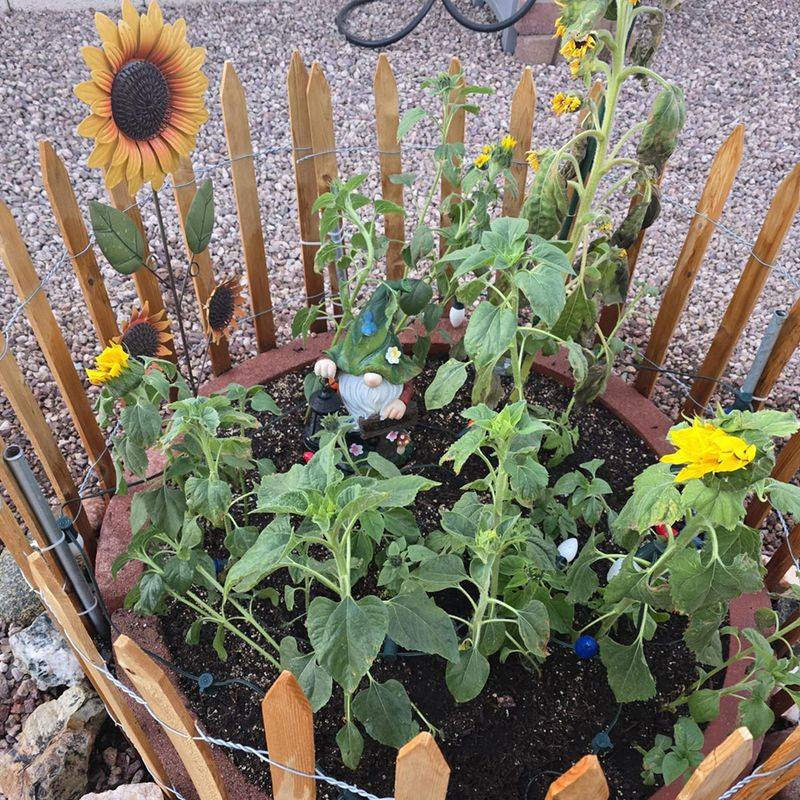
Picking the right spot is arguably the most important decision you make before fall planting begins. Soil prep, seed selection, and watering schedules all matter, but none of them can fully compensate for a poorly drained location.
A well-drained site does not need to be perfectly level or specially built. Natural slopes that direct water away from the planting area work well.
Even a gentle grade of a few inches across several feet can make a real difference in how quickly water moves away from roots.
Look for spots where the soil surface dries out within a reasonable time after rain or irrigation. Soil that stays visibly wet for more than a day after watering may not drain fast enough for most fall crops.
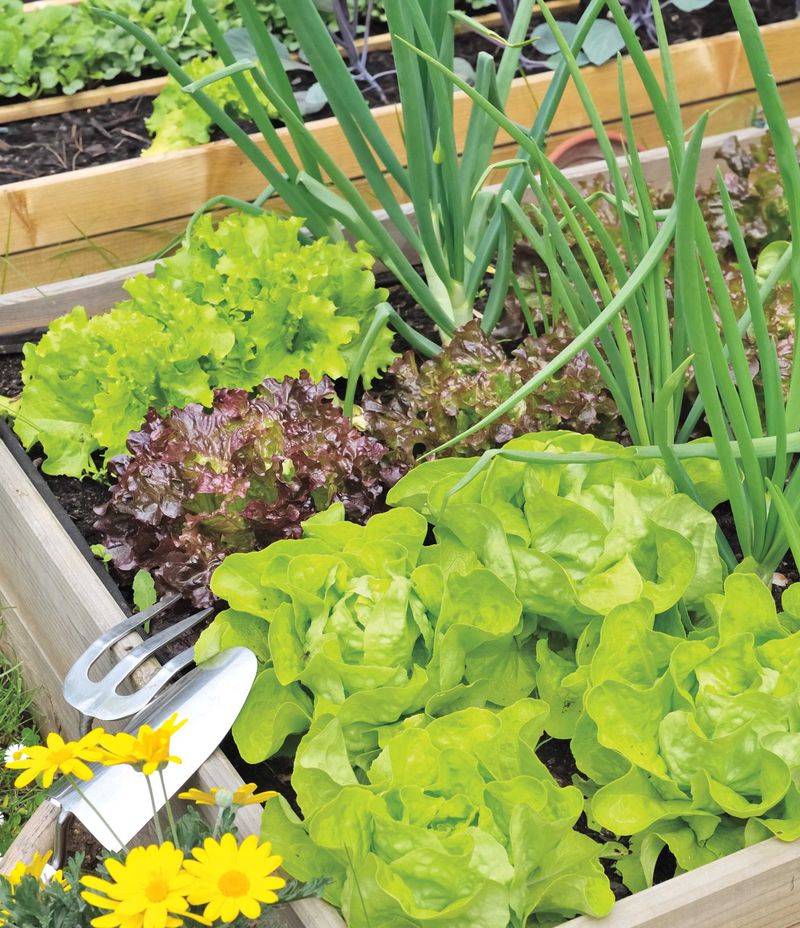
Raised beds are a popular solution across the region, and for good reason.
Filling them with a quality mix of compost, topsoil, and other organic material gives roots a consistently well-drained environment regardless of what the native soil is doing below.
Container gardening is another option worth considering if your yard has widespread drainage challenges. Containers placed on patios or elevated surfaces drain freely and can be moved if conditions change.
Starting with the right location sets the tone for the entire growing season.