How to Make a Holiday Wreath From Things Already in an Ohio Garden
Cutting a few branches in December can actually be good for some shrubs. Careful winter pruning often helps them grow fuller come spring, so your holiday decor doubles as yard care.
I love that the best wreath supplies near me cost nothing. They are sitting in plain sight, wearing a light coat of frost, waiting for someone with pruners and a little patience.
Ohio gardens hold more color in winter than most folks notice. Red berries glow against gray bark, dried seed heads stand tall like tiny sculptures, and certain stems turn a shade of crimson that looks almost painted.
I think a homemade wreath smells better than any candle. You get the fresh, piney scent of your own backyard every time you open the front door.
Some of the prettiest wreath materials might already be growing right outside, just waiting to become part of your holiday decorations.
1. Those Backyard Evergreens Are Hiding a Free Wreath

Walk around your yard with fresh eyes and you will probably spot a pile of free wreath greenery. Most Ohio landscapes have at least one evergreen tucked by a porch or along a fence.
White pine gives soft, long needles that look elegant and full. Spruce and fir hold their needles well and smell wonderful.
Arborvitae, also called Northern white-cedar, offers flat, lacy sprays that fill gaps quickly.
Boxwood is another favorite, with tiny glossy leaves that stay green for weeks after cutting. Holly adds shine and structure, and junipers bring a blue-gray tone that looks lovely next to darker greens.
Eastern red cedar, a native tree found across much of the state, has a spicy scent many people adore.
Mixing two or three types makes a wreath look rich and layered. I like pairing one soft green, like pine, with one stiff green, like boxwood or holly.
One caution is worth sharing. Yew is common in Ohio foundation plantings, and its needles and seeds are toxic to people and pets.
If you use yew, hang the wreath out of reach of kids, dogs, and cats, and wash your hands after handling it.
2. Snip Your Greens the Smart Way After a Hard Frost
Timing makes a huge difference in how long your wreath looks fresh. Late November through mid-December works well in Ohio, once several hard freezes have pushed shrubs into winter rest.
Cold, dormant branches hold moisture better and drop fewer needles. Try to cut on a day when temperatures sit above freezing, since frozen stems can snap or bruise.
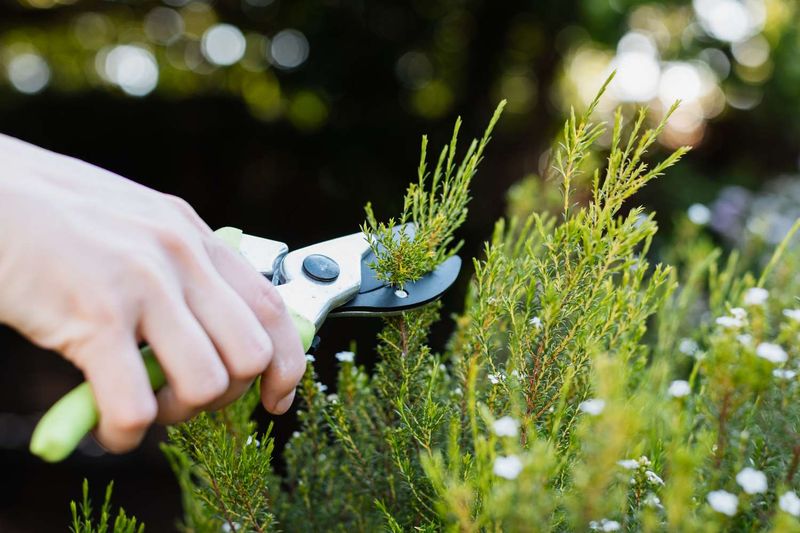
Use clean, sharp bypass pruners and cut just above a side branch or bud. That way the shrub keeps a natural shape instead of looking chopped.
Take pieces from the back or inside of the plant, where small gaps will not show.
A good rule from extension experts is to remove no more than about one quarter of a plant at once. Spread your cuts across several shrubs rather than stripping one bare.
Right after cutting, plunge the stems into a bucket of cool water. Let them soak overnight in a garage or shaded spot so they can drink up as much as possible.
Honestly, that overnight soak is the step people skip most. It can add a week or more to your wreath’s life, which feels like a pretty great trade for zero effort.
3. Winterberry Holly Brings the Brightest Red Berries
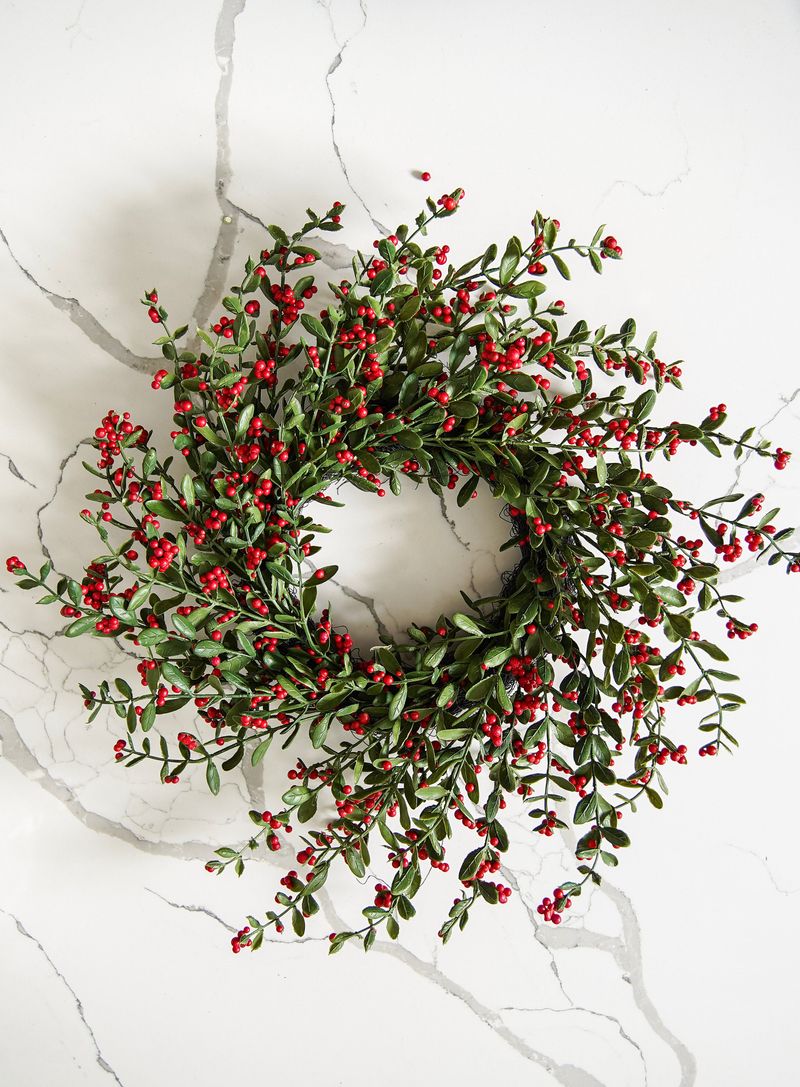
Few sights in a December garden beat a winterberry shrub glowing red after its leaves fall. Winterberry holly, or Ilex verticillata, is native to Ohio and loves damp spots that frustrate other plants.
Unlike evergreen holly, it drops its leaves in autumn. That leaves bare stems packed with shiny berries, perfect for tucking into a wreath.
There is a catch worth knowing. Only female plants make berries, and they need a male plant nearby to get pollinated.
If your shrub flowers every year but stays bare, a missing partner is the likely reason.
Cut berry stems a little longer than you think you need. Short sprigs can be hard to wire in, while longer ones let you angle them neatly.
Other red accents might already be growing in your beds. Native viburnums often hold colorful fruit, and small crabapples can add cheerful dots of red or gold.
Red-twig dogwood stems also bring vivid color without any berries at all.
Leave some fruit on the shrubs for birds. Robins, cedar waxwings, and bluebirds rely on winter berries, and watching them feast is half the fun of growing these plants.
4. Red-Twig Dogwood Stems Add Color Without a Single Leaf
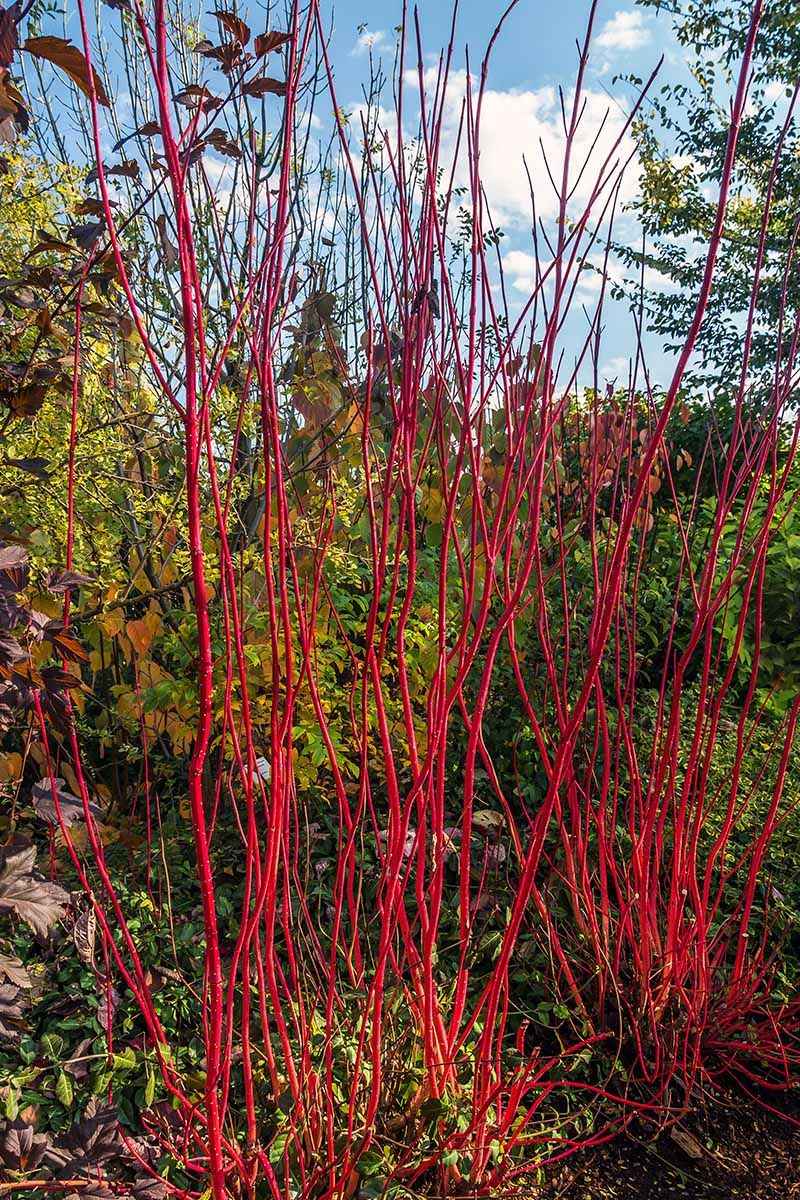
Some shrubs save their best show for winter. Red-twig dogwoods, including the native redosier dogwood, develop bright red young stems after their leaves drop, while gray dogwood typically has grayish stems.
Those stems are flexible when fresh, which makes them handy for wreaths. You can poke straight pieces outward for a starburst look or bend thinner ones along the curve of the ring.
Cutting them actually helps the plant. The brightest color shows up on stems one to three years old, so trimming older wood encourages fresh, colorful growth next season.
Yellow-twig types exist too, and mixing red with gold stems looks fantastic against dark greens. A few pieces go a long way, so start small and add more only if the wreath needs extra drama.
I find dogwood especially useful when berries are scarce. Birds may strip a winterberry bush overnight, but those stems stay put until you decide to cut them.
Store extras upright in a bucket of water outside. They keep their color for weeks and can later decorate porch pots or a window box for the rest of the winter.
5. Dried Coneflowers, Hydrangeas, and Grasses Bring Surprise Texture
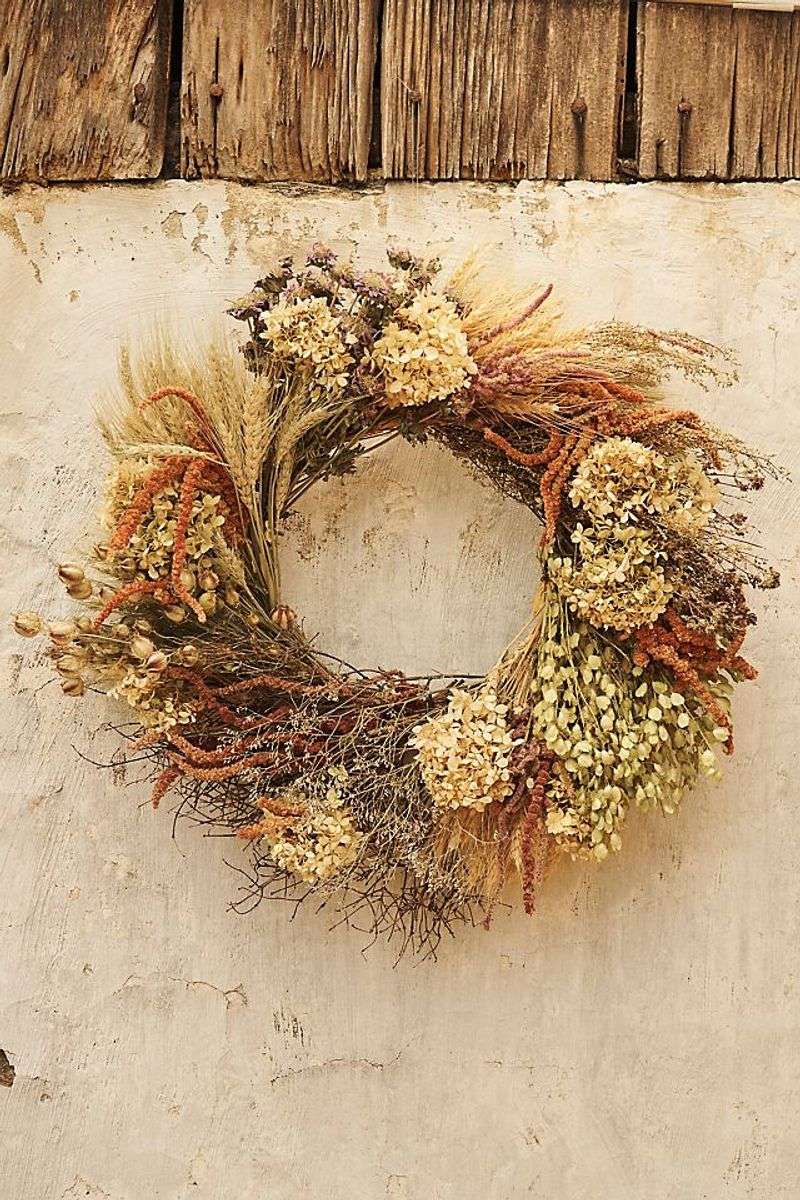
A messy fall garden might be your secret craft store. Those plants you skipped cutting back are full of shapes that make a wreath look one of a kind.
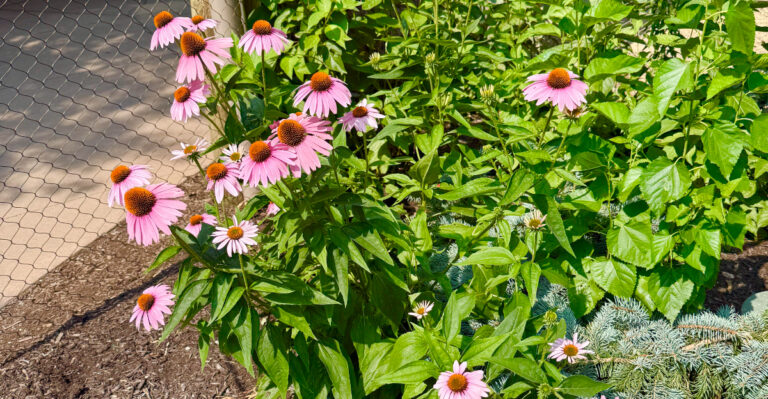
Purple coneflower seed heads look like tiny dark pincushions. Black-eyed Susan heads are smaller and add neat little dots.
Both work beautifully tucked between greens.
Dried hydrangea blooms bring a soft, papery look in shades of tan, rose, or antique green. Panicle and smooth hydrangeas often hold their flower heads all winter, so a few snips will not hurt the show outside.
Native grasses like switchgrass and little bluestem have airy seed sprays that catch light and move in a breeze. Clip a handful and bundle them for a wild, meadow feel.
Pinecones from your own trees finish the look. White pine cones are long and slender, while spruce cones are small and tidy.
Leave plenty of seed heads standing, though. Goldfinches eat coneflower seeds, and many helpful insects spend winter inside hollow stems.
Taking a few for your door while leaving the rest feels like a fair deal for everyone in the yard.
6. Grapevine Trimmings Make a Sturdy Wreath Base
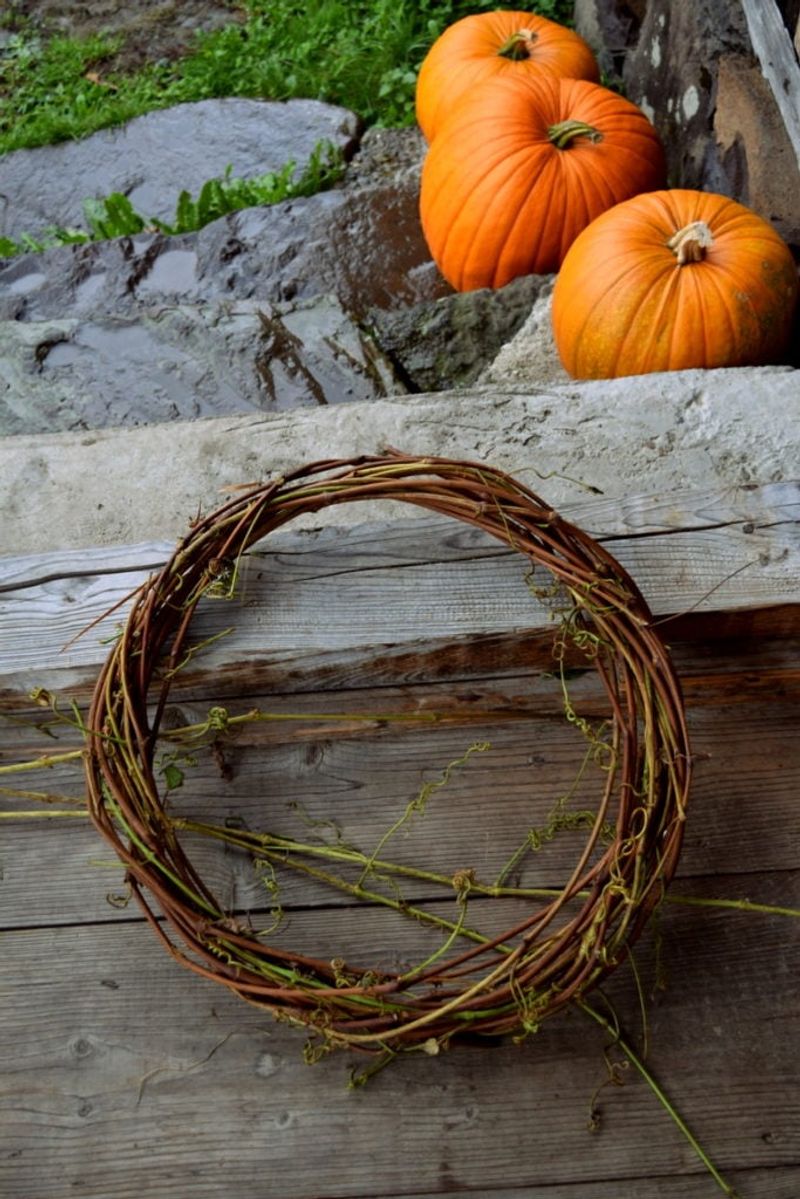
A wire frame from the craft store works fine, but your garden may hand you something better. Grapevine prunings are long, bendy, and practically beg to be twisted into a circle.
Winter is the normal time to prune grapes in Ohio, so the timing lines up nicely. Soak stiff vines in warm water for an hour or so if they crack when you bend them.
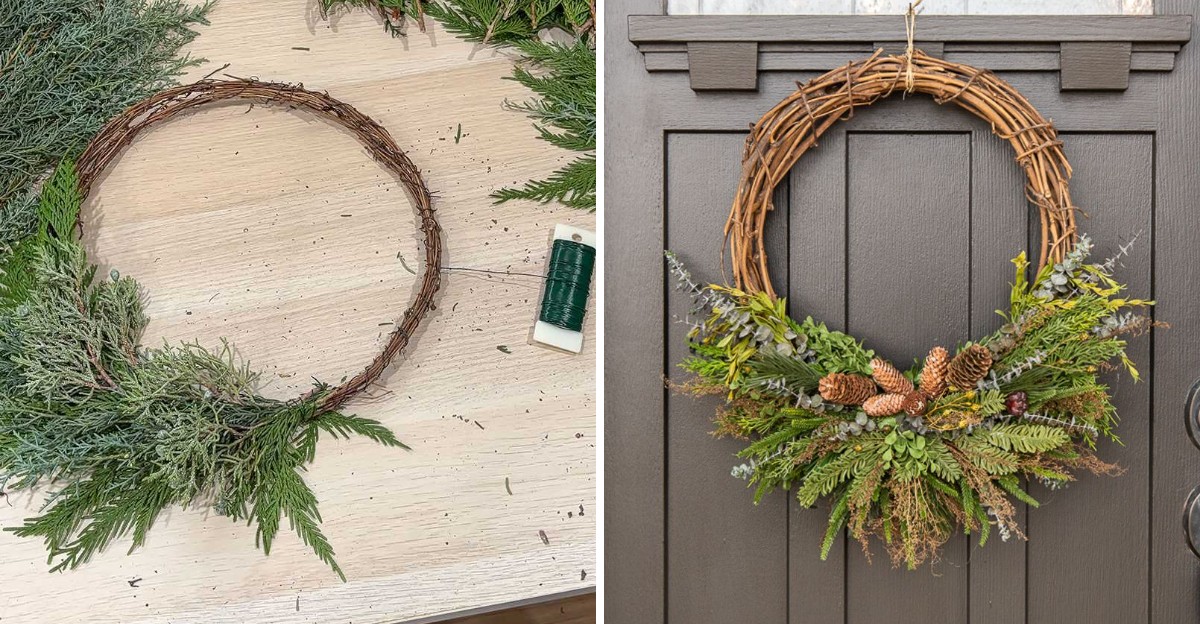
Start by forming one long vine into a ring about 14 to 18 inches across. Wrap a second vine around it, weaving in and out, and keep adding pieces until the base feels thick and strong.
Tuck loose ends into the weave or secure them with a twist of floral wire.
Wisteria and Virginia creeper vines can work too, if you already have them. Please skip anything you cannot identify, and wear gloves around unknown vines, since poison ivy can hide in winter tangles.
Removing invasive bush honeysuckle or Oriental bittersweet? Using those stems is fine, but strip off every berry first.
Birds spread those seeds, and a cute wreath should not help invasives spread across your neighborhood.
A homemade base looks rustic even with spots showing, which takes pressure off perfection.
7. Small Evergreen Bundles Make Wiring Your Wreath Easy
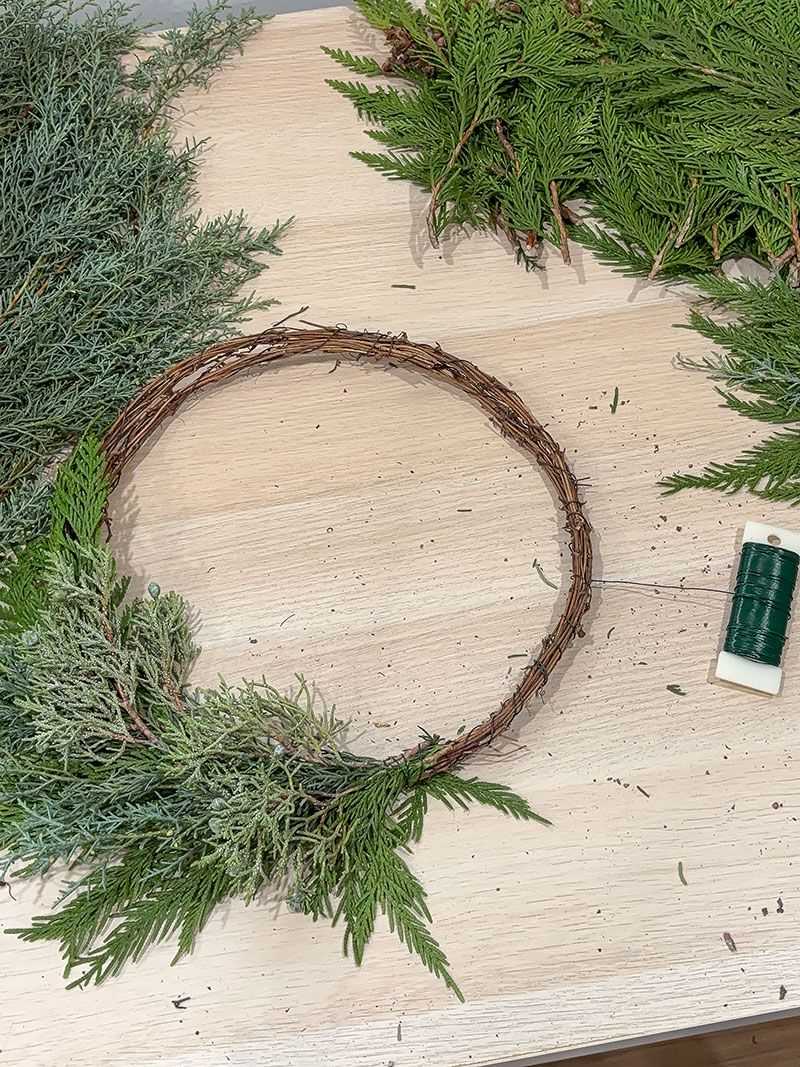
Building a wreath is a lot like shingling a roof. Each bundle overlaps the last one, hiding the stems and wire underneath.
Grab a spool of 22 or 24 gauge paddle wire and your pruners. Cut greens into pieces about 6 to 8 inches long, then gather three to five sprigs into a small bundle.
Mix textures in each bundle so the finished wreath looks full from every angle.
Lay the first bundle on the base and wrap wire tightly around the stems two or three times. Place the next bundle so its tips cover the stems of the first.
Keep going around the ring, working in the same direction.
When you reach the start, lift the first bundle gently and slide the last stems under it. Tie off the wire on the back and twist a loop for hanging.
Now comes the fun part. Wire in berry stems, dogwood, seed heads, and cones, spacing them in groups of three for a natural look.
Step back often while you work. Hanging it on a door and checking from across the room helps you spot bare patches fast.
8. A Shady Front Door Keeps Your Garden Wreath Fresh Longer
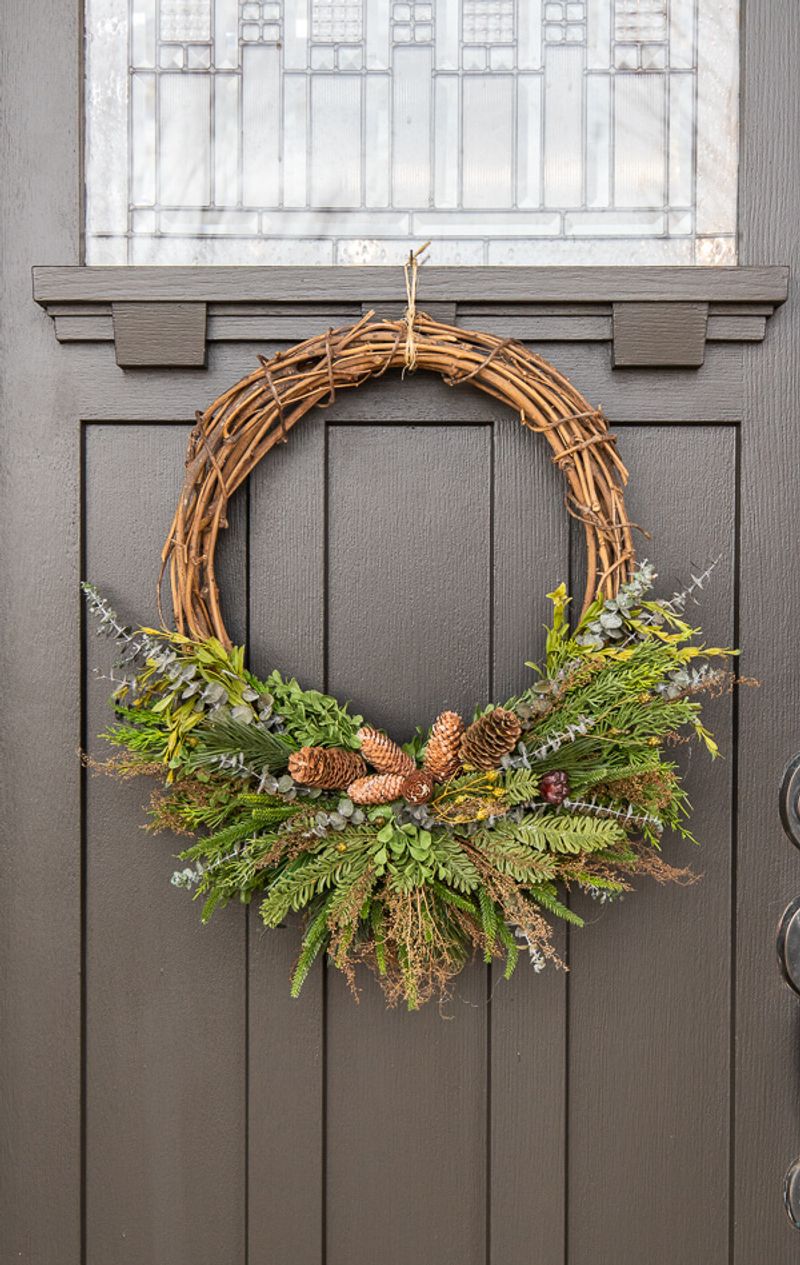
Ohio winters do a lot of the work for you. Cold air acts like a giant refrigerator, so outdoor wreaths can stay fresh for four to six weeks or more.
Hang your wreath on a north or east facing door if you can. Bright afternoon sun and harsh winds pull moisture from needles faster than you might expect.
Storm doors can trap heat on sunny days, so watch for browning there.
Indoor wreaths dry out much quicker. Keep them away from heat vents, fireplaces, and sunny windows.
Misting with water every few days helps, and anti-transpirant sprays sold at garden centers can slow moisture loss.
Watch for shedding needles or crunchy berries. Pull out tired pieces and swap in fresh clippings from the yard, which is the best perk of growing your own supplies.
When the season ends, compost the greens and save the grapevine base for next year. Seed heads can go back outside for the birds.
My favorite takeaway is simple. Jot down which plants worked best this year, then consider adding a winterberry or dogwood next spring so your future wreaths grow even more colorful.