Why Indiana Homeowners Keep Finding Snakes In Their Basements This Time Of Year
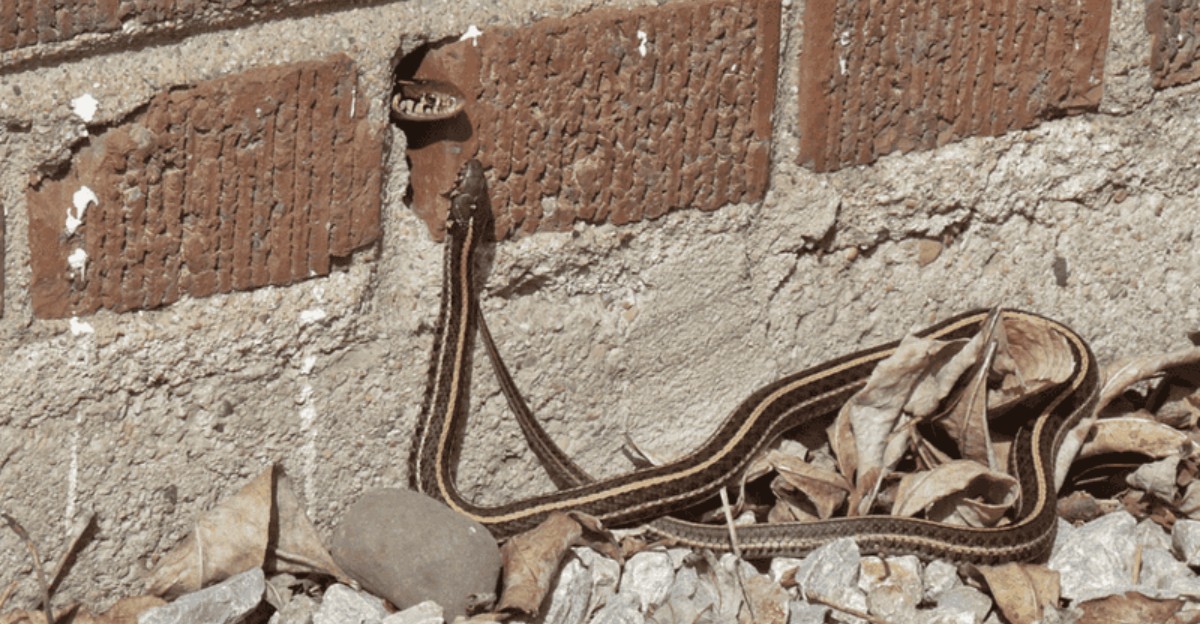
Certain cold-blooded neighbors return to the same winter den year after year, sometimes piling in by the dozens. A tiny crack in your foundation can feel a lot like that den to a chilly reptile.
I didn’t expect my first basement surprise to show up in October. I was hauling tomato cages downstairs when something slim and striped slid behind the water heater. Not going to lie, I yelped loud enough to wake the dog.
Across Indiana, fall visits like mine pick up for a simple reason. Cooler nights tell these animals to find shelter, and youngsters born in late summer are out wandering too. Your house just happens to sit along the route.
What makes a basement such a tempting spot, and how do you politely show these guests the door? The answers are mostly simpler than you’d guess, and a few surprised me.
Those Basement Snakes Are Chasing Something Your Warm Foundation Offers
Snakes can’t make their own body heat, so a cold snap hits them hard. When fall nights drop into the 40s and 50s, they start hunting for a winter hideout where the ground stays above freezing.
Biologists call this winter rest brumation. It works a bit like hibernation, though snakes may stir on warm days and even sip water. To make it through, they need a spot below the frost line, which in central Indiana can reach roughly 2 to 3 feet deep in a hard winter.
Natural choices include old rodent burrows, rotting stumps, rock crevices, and crayfish holes. Your foundation, however, offers something similar. Soil hugging a heated basement wall stays warmer than open ground, and cracks lead right toward that warmth.
Many snakes are simply trying to get under or beside the house, not into your laundry room. A few just push a little too far and end up on the wrong side of the wall.
Timing tends to peak from September through early November. A second, smaller wave sometimes shows up in spring when snakes wake and wander back out.
Fall rains can speed things along too, since soggy burrows push snakes to look for drier, steadier ground nearby.
Pencil-Sized Baby Snakes Are Out Exploring In Early Fall
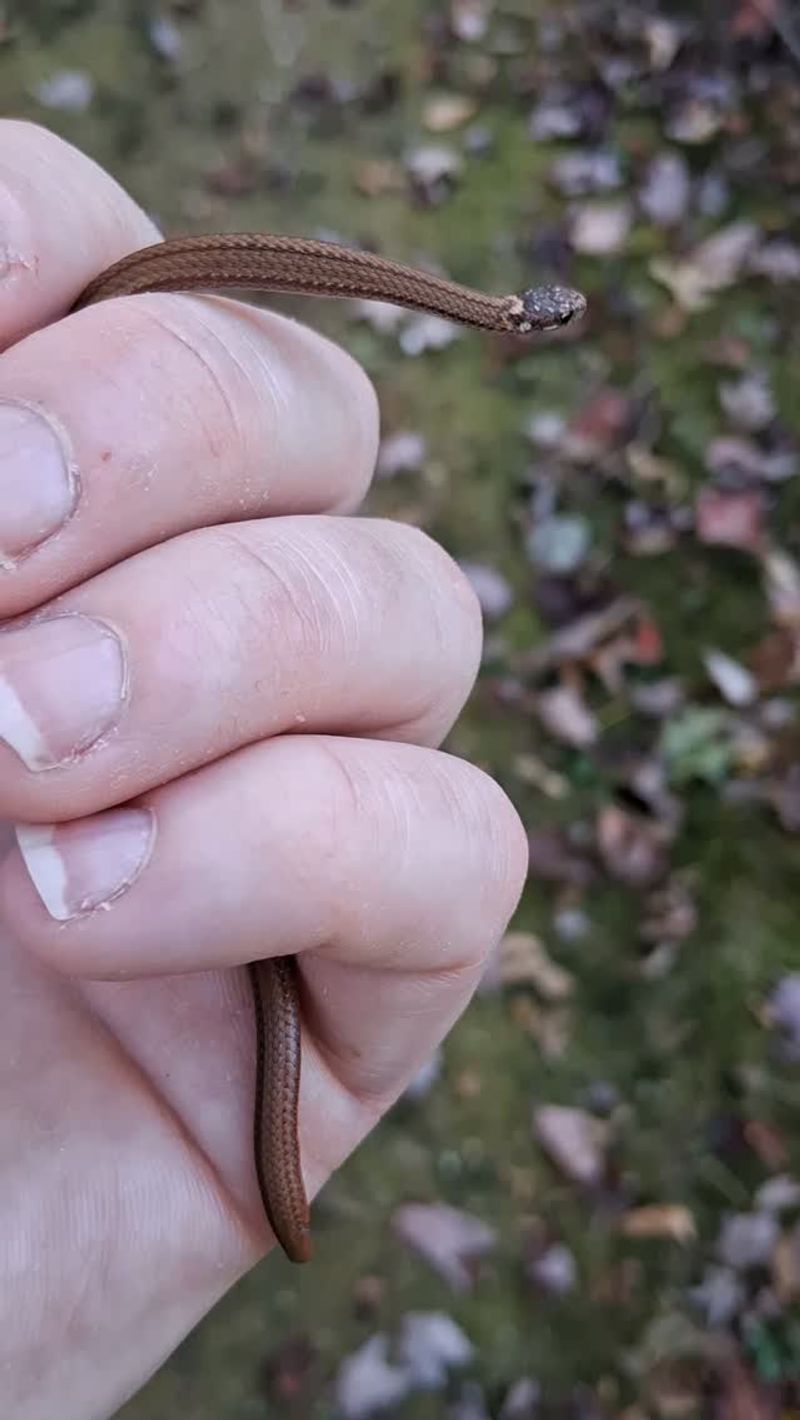
Last September I found three tiny snakes in one week, each barely longer than a pencil. That pattern makes sense once you know the calendar.
Gartersnakes and brownsnakes give birth to live young in late summer, often in August. A single gartersnake can have a dozen or more babies at once. Egg-laying species like ring-necked snakes, milksnakes, and ratsnakes hatch from late summer into early fall.
Those youngsters get no help from mom. They head out alone, looking for food and a place to spend winter, and they have zero experience picking a smart spot. A hatchling ring-necked snake can squeeze through a gap you’d struggle to slide a coin into.
That’s why small snakes often outnumber big ones in fall basement sightings. They wiggle under doors, slip past loose floor drain covers, and tuck themselves under boxes and laundry piles.
Don’t panic about babies equaling a nest under the floor. Most snakes don’t stay with their young, so one baby rarely means a hidden family reunion downstairs.
Gently scoot the little one into a container and release it near brush or a woodpile away from the house. It’ll have a much better shot at finding real shelter outdoors.
Striped Garter Snakes And Little Brown Snakes Top The Basement Guest List
Take a deep breath before you grab the shovel. The snake by your furnace is very likely one of the small, mild-mannered species that live in yards across the state.
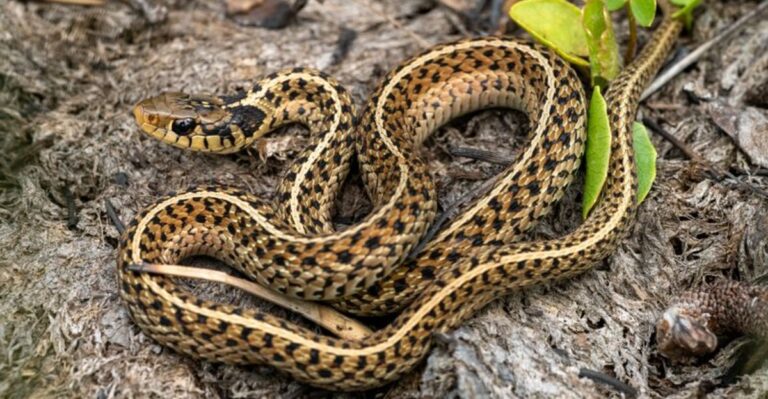
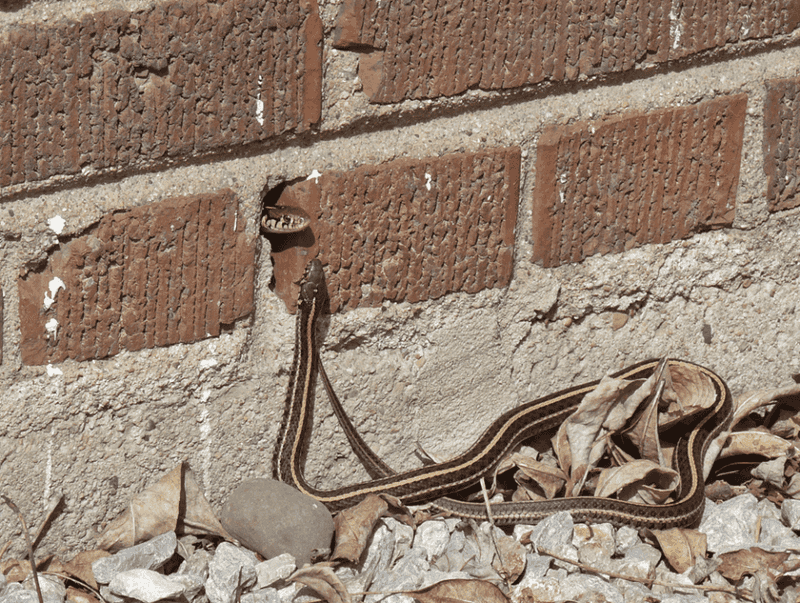
The eastern gartersnake leads the pack. Look for three yellowish stripes running down a dark body, often with a checkered pattern between them. Adults usually stretch 18 to 26 inches.
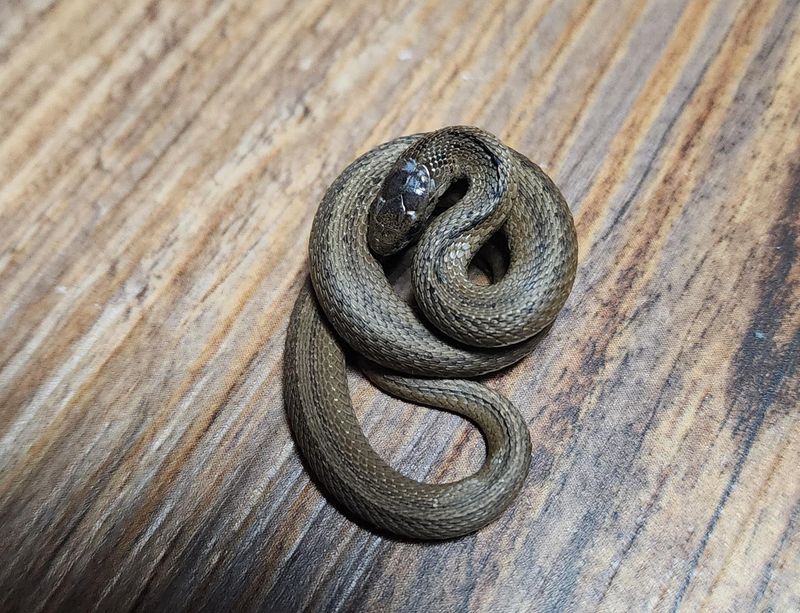
DeKay’s brownsnake is the other frequent visitor. It rarely tops a foot long, wears a brown or grayish coat with two rows of dark spots, and spends its days eating slugs and earthworms. Gardeners should honestly thank it, since slugs are no friend to hostas.
Ring-necked snakes show up too. They’re slate gray with a bright yellow or orange collar and a matching belly, and they’re shy enough to hide under a box for days.
Indiana has 32 native snake species, and only four are venomous. Those four, the copperhead, timber rattlesnake, eastern massasauga, and cottonmouth, live mostly in specific southern or wetland habitats and are rare in typical basements.
Snap a photo from a safe distance if you’re unsure. The Indiana DNR and groups like the Hoosier Herpetological Society can help with identification.
Mice In The Basement Can Lure Hungry Ratsnakes And Milksnakes Inside
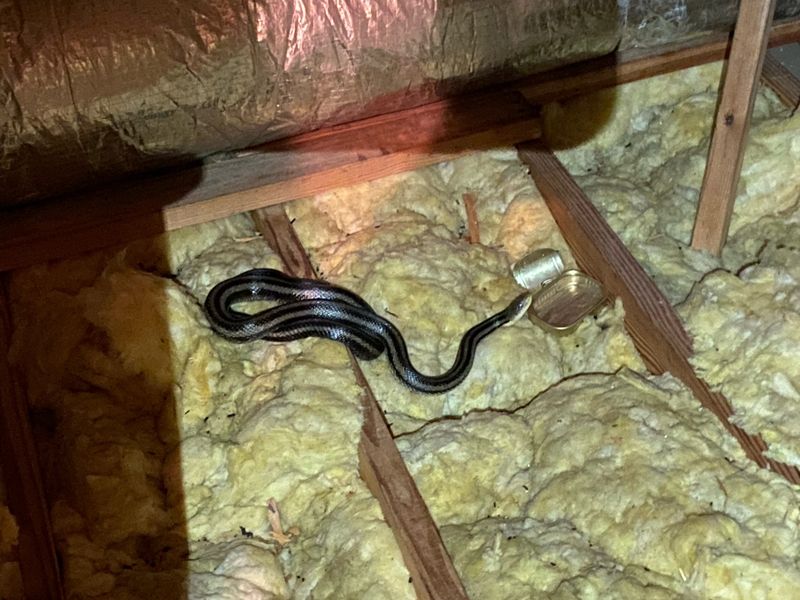
Snakes go where dinner goes. If mice have moved into your basement for the winter, a hunter may follow the scent trail right behind them.
Eastern milksnakes earned their odd name from an old myth that they sipped milk from cows in barns. The truth is less charming. They hung around barns because mice did, and they’ll hang around your house for the same reason.
Gray ratsnakes, sometimes called black ratsnakes, are big climbers that can top 5 feet. They’re more common in southern and central parts of the state and are skilled at following rodents through gaps, sill plates, and attached garages.
Smaller snakes have their own menu. Brownsnakes and ring-necked snakes go after slugs, earthworms, and soft-bodied insects that thrive in damp corners.
So a snake sighting can double as a clue. Look for droppings along walls, chewed bags of birdseed or grass seed, and greasy rub marks near gaps.
Store pet food, birdseed, and garden seed in metal or thick plastic bins with tight lids. Set snap traps for mice and run a dehumidifier to dry out damp spots. Fewer meals downstairs means fewer reasons for a snake to visit.
Foundation Cracks And Pipe Gaps Are Snake-Sized Doorways
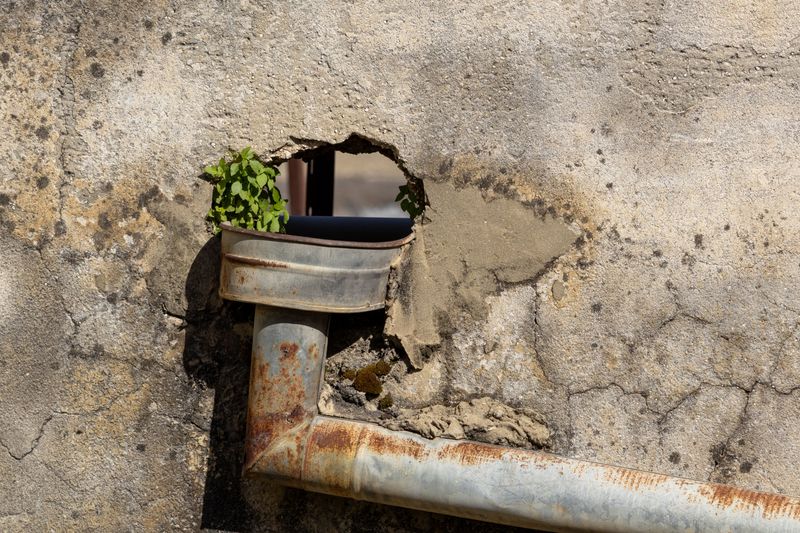
Snakes are flexible to a degree that seems unfair. Many small species can slip through an opening about a quarter inch wide, roughly the thickness of a pencil.
Houses settle over the years, and that movement opens hairline cracks in block and poured walls. Mortar crumbles, sill plates shrink, and caulk around old windows dries out.
The sneakiest gaps hide where utilities come through. Check spots where water lines, gas pipes, dryer vents, AC lines, and cable wires pass into the foundation. Builders often leave extra space there, and it rarely gets sealed well.
Crawl space vents deserve a close look too. Torn screens and warped access doors give snakes, mice, and chipmunks the same easy path.
Grab a flashlight and walk your foundation on a sunny afternoon, then repeat from inside the basement at night with the lights off while a helper shines a light outside. Any glow sneaking through shows you a gap.
Patch masonry cracks with mortar or concrete patch. Fill small holes around pipes with copper mesh plus sealant, and cover vents with eighth-inch hardware cloth. Sweeps on basement doors and garage doors close the last easy routes.
Window Wells Can Trap Wandering Snakes Right Outside Your Basement
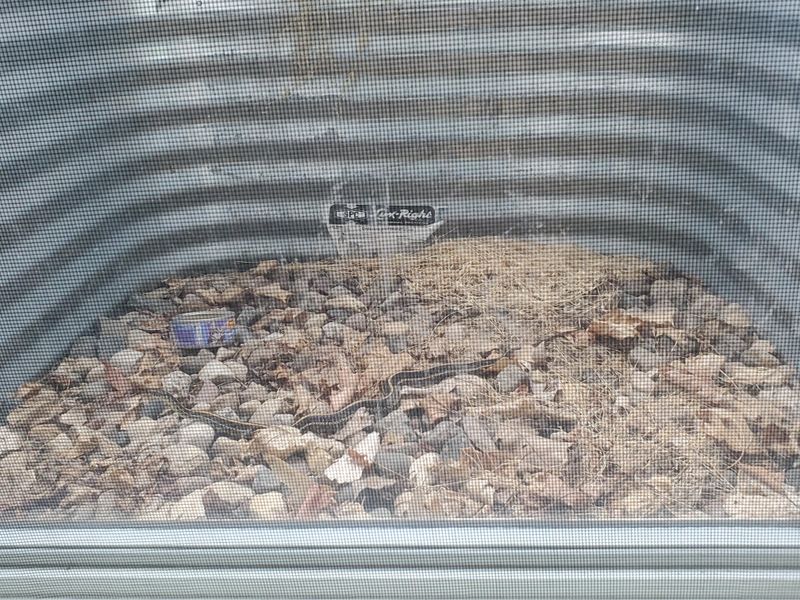
Window wells are basically pitfall traps with a nice view. A snake cruising along the foundation slips over the edge, lands on the gravel, and can’t climb the smooth metal sides back out.
Frogs, toads, and crickets fall in the same way, which turns the well into a snack bar. Leaves pile up too, creating a cozy, damp hideout. Before long, a trapped snake starts probing every crack around the window frame.
Older basement windows often have loose sashes, gaps along the bottom edge, or torn screens. That’s all a determined snake needs to go from stuck outside to lounging on your storage shelves.
A clear, sturdy well cover solves most of this. Pick one that fits snugly and still lets light in, and check that egress windows keep a cover you can open easily from inside for fire safety.
Clean out leaves and debris each fall, ideally in September before snakes start roaming. While you’re down there, recaulk the window frame and replace damaged screens.
Already found a snake in a well? Lean a rough board or a branch against the side as a ramp. Most will climb out on their own overnight. Then install that cover so the next one stays out.
A Broom And A Plastic Bin Beat Panicking When A Snake Shows Up Downstairs
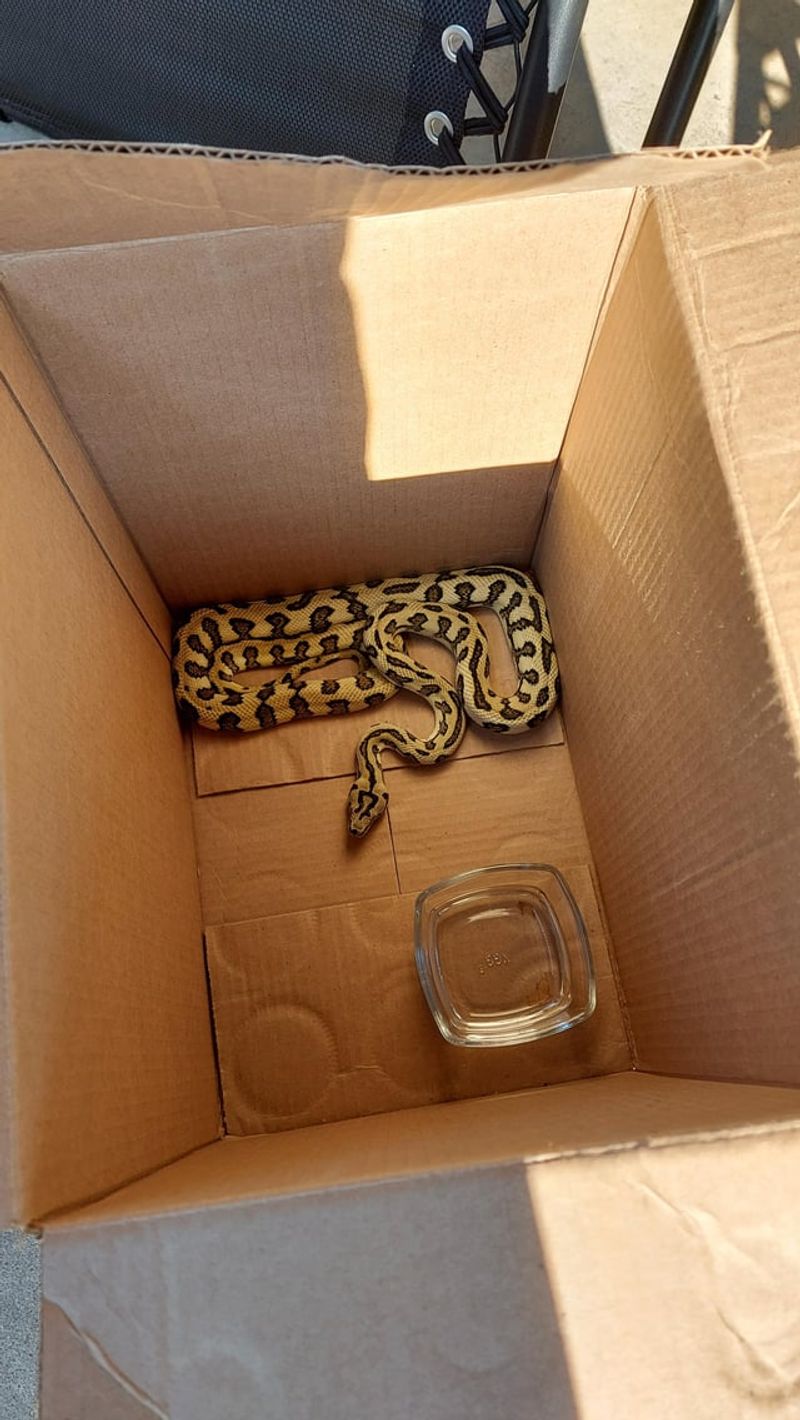
My first instinct was to scream for help. My second, wiser instinct was to grab a broom and a tall plastic bin.
For harmless species, gently sweep the snake into the bin, set the lid on loosely, and carry it outside. Release it near brush, a woodpile, or a garden edge at least a short walk from the house. Thick gloves help, since even nonvenomous snakes may nip or release a smelly musk when scared.
Skip glue traps. They often trap pets, birds, and other wildlife, and they cause long, cruel suffering. Mothballs and most store-bought snake repellents also fall flat in tests, and using mothballs outdoors goes against their label.
Leave any snake you can’t identify alone. Close the door to that room, stuff a towel under it, and call a licensed wildlife control operator.
Native reptiles are protected under Indiana law, and some species, like the timber rattlesnake and Kirtland’s snake, are state endangered. Harming one can bring real trouble, so relocation is the friendlier and safer move.
Late fall adds a twist. A snake released into freezing weather might struggle, so letting it go on a mild afternoon near good cover gives it a fair chance to tuck in somewhere.
Trimmed Grass, Raised Woodpiles, And Sealed Gaps Keep Next Fall Snake-Free
Every spring I make a short promise to myself: fix it before the leaves turn. Prevention is far easier than playing snake wrangler every October.
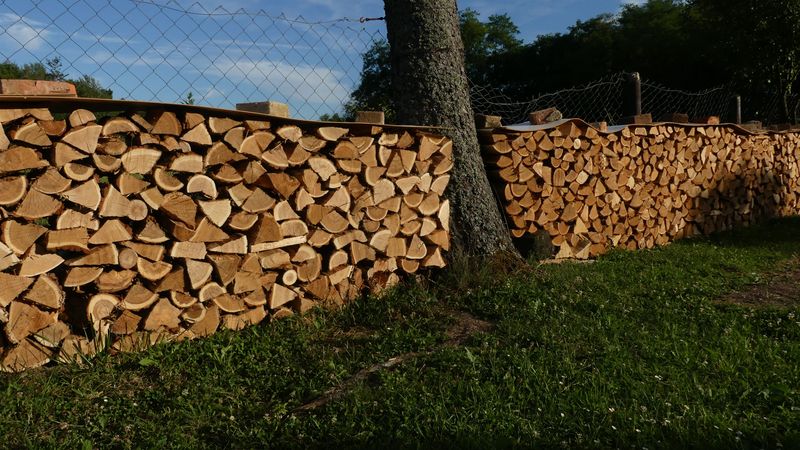
Start with the yard. Keep grass mowed near the house, pull mulch back a few inches from the foundation, and move rock piles, lumber, and brush away from walls. Stack firewood on a rack at least 18 inches off the ground and well away from the house.
Foundation plantings matter too. Dense groundcovers hugging the siding give snakes and mice a sheltered highway straight to your walls, so leave a narrow strip of gravel or bare edging there.
Next, finish the sealing projects from summer. Late August and early September make a great deadline, since snakes start moving soon after.
Keep the rest of the yard snake-friendly, though. A brush pile or rock garden at the far edge of your property gives garter snakes a better winter option than your basement, and they’ll keep eating slugs in your vegetable beds.
Indiana’s snakes play a real role in controlling rodents and garden pests. With a few smart tweaks, you can enjoy that free help outdoors while keeping your basement a people-only zone.