8 Lowcountry Native Plants Worth Adding To Pennsylvania Yards
Hummingbirds heading north each spring can sip from the same red trumpet flowers in South Carolina and Pennsylvania. A surprising number of plants from the steamy Low Country coast also grow wild much farther north than expected.
Their natural ranges stretch along the Atlantic coastal plain, then creep inland toward rocky hillsides and creek banks. Some even appear on state lists of rare native species, hiding in wetlands near the Delaware River.
I used to think southern charm meant tender plants that sulk through every frosty January in my yard. To my surprise, many of these coastal beauties shrug off winters in Pennsylvania with barely a complaint.
You get flowers that feed hummingbirds and bees while asking for surprisingly little fuss in return. So which sunny southern natives deserve a spot near your porch, and which one will steal the show?
1. Coral Honeysuckle
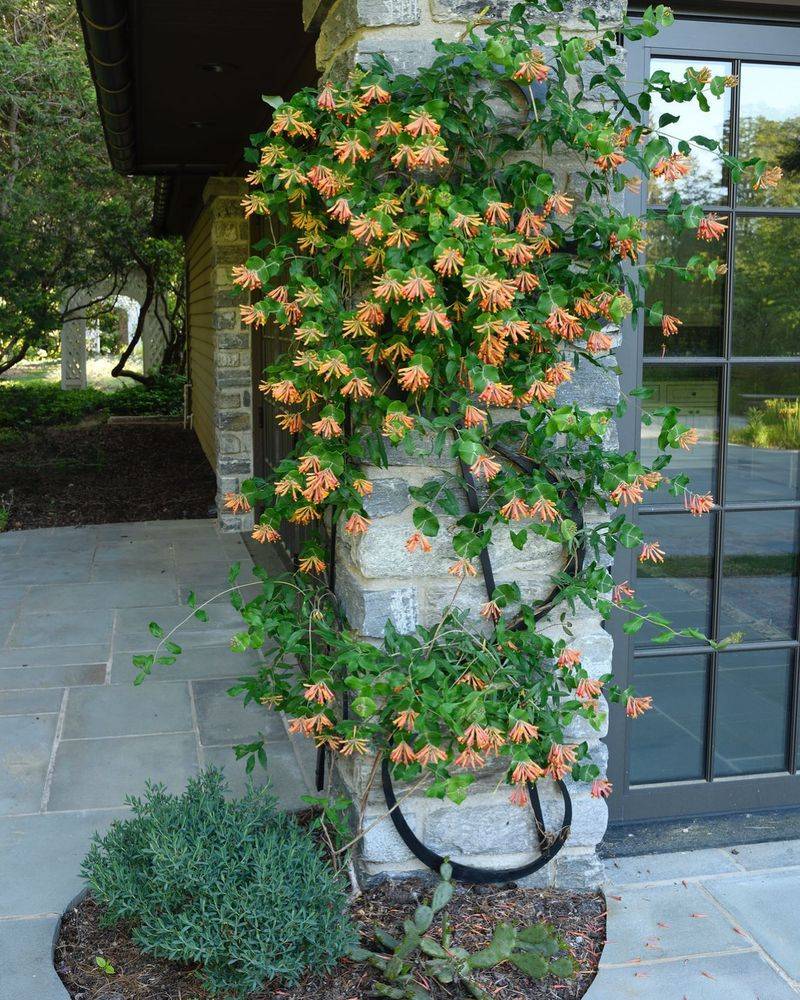
Ruby-throated hummingbirds treat coral honeysuckle like a roadside diner, zipping in for nectar the moment buds open. I love how those slim red trumpets glow against the blue-green leaves on a cloudy spring morning.
Known to botanists as Lonicera sempervirens, this twining vine grows wild from the Carolina coast into southern New England. It handles USDA zones 4 through 10, so cold snaps across our region rarely bother it much.
Please do not confuse it with Japanese honeysuckle, the pushy invader that smothers fences and woodland edges.
Our native cousin behaves politely, climbing about 10 to 20 feet without racing off into the neighbors’ trees.
Flowers carry very little scent, which surprises people who expect that sweet honeysuckle perfume from childhood summers. Hummingbirds care more about color than fragrance anyway, and the red tubes suit their long bills perfectly.
Blooms peak in late spring, then return in smaller flushes through summer and sometimes into early fall. Small red berries follow, and you might notice catbirds or robins picking them off later in the season.
Give the vine full sun for the heaviest flowering, although it will tolerate partial shade with fewer blossoms. Well-drained, slightly acidic soil keeps roots happy, and a sturdy trellis or arbor gives twining stems something to grab.
Powdery mildew or aphids sometimes show up, especially in crowded spots with poor airflow around the leaves. Prune lightly right after the first big bloom, and you’ll often enjoy a bonus round of color.
2. Purple Passionflower
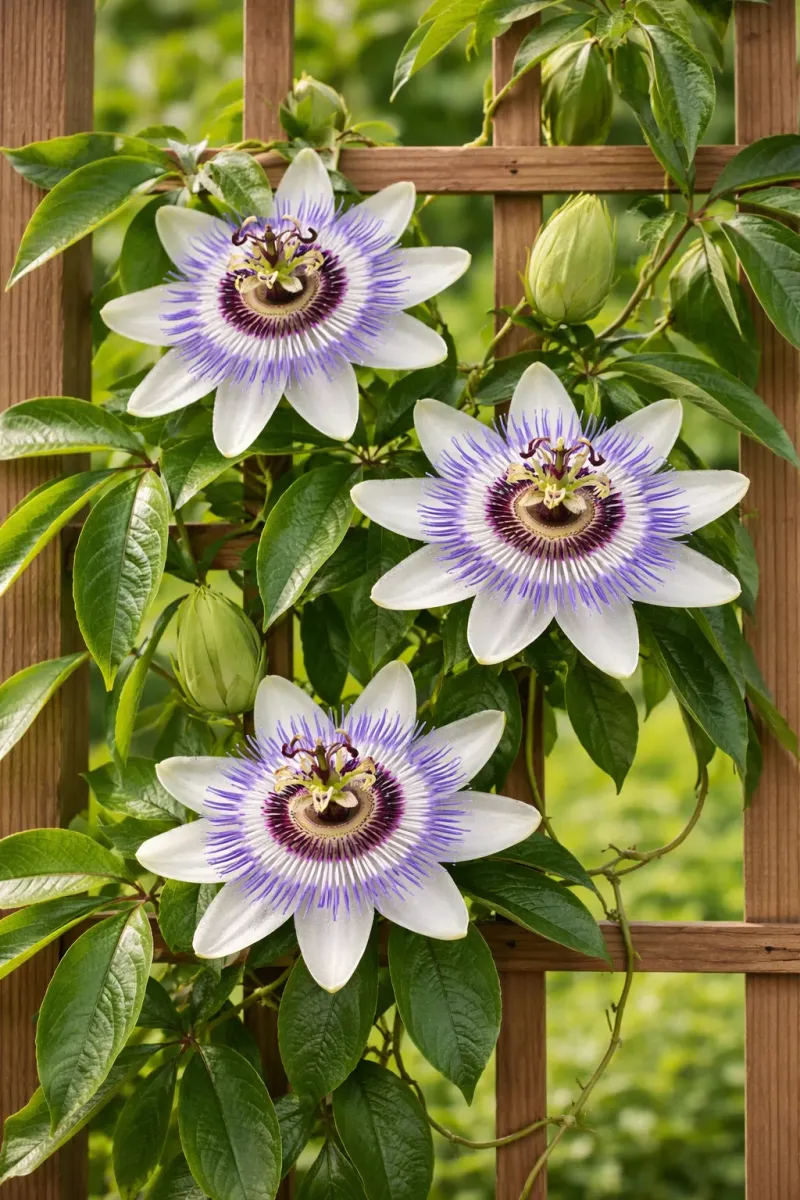
Kids in the South have called this fruit maypop for generations, because squeezing the ripe pods makes a satisfying pop. The flowers look almost unreal, with a frilly purple crown that resembles something from a science fiction movie.
Passiflora incarnata is the hardiest member of its tropical family, growing wild across the Southeast and coastal plain. It survives in zones 5 through 9, though a thick layer of winter mulch helps colder yards.
Roots often stay underground for weeks in spring, so do not panic when nothing appears by early May. Shoots usually emerge once soil warms, then race upward with curly tendrils that grab almost anything nearby.
Vines can reach 12 to 25 feet in one season before winter frost knocks the tops back again. Fragrant blooms appear from early summer into fall, and bumblebees and carpenter bees are frequent visitors.
Butterfly fans have another reason to plant it, since fritillary caterpillars munch on the leaves for food. Variegated fritillaries visit our area, so a few chewed leaves mean you are raising future butterflies.
Egg-shaped green fruits turn yellow as they ripen, and the pulp inside tastes sweet and slightly tangy. Pick only fully ripe fruits that wrinkle a bit, and confirm the plant’s identity before eating any.
Full sun and well-drained soil suit it best, and dry spells rarely cause much trouble once established. Fair warning, root suckers can pop up several feet away, so plant it where wandering shoots are welcome.
3. Black-Eyed Susan
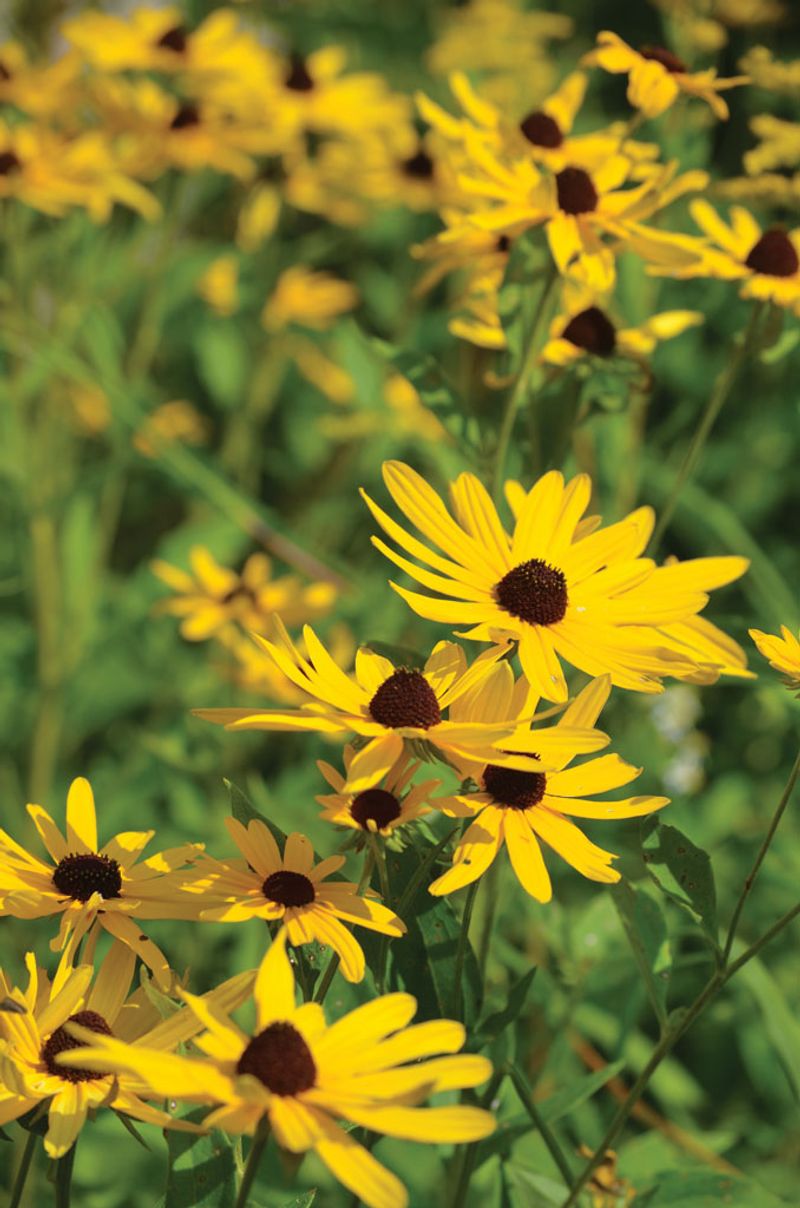
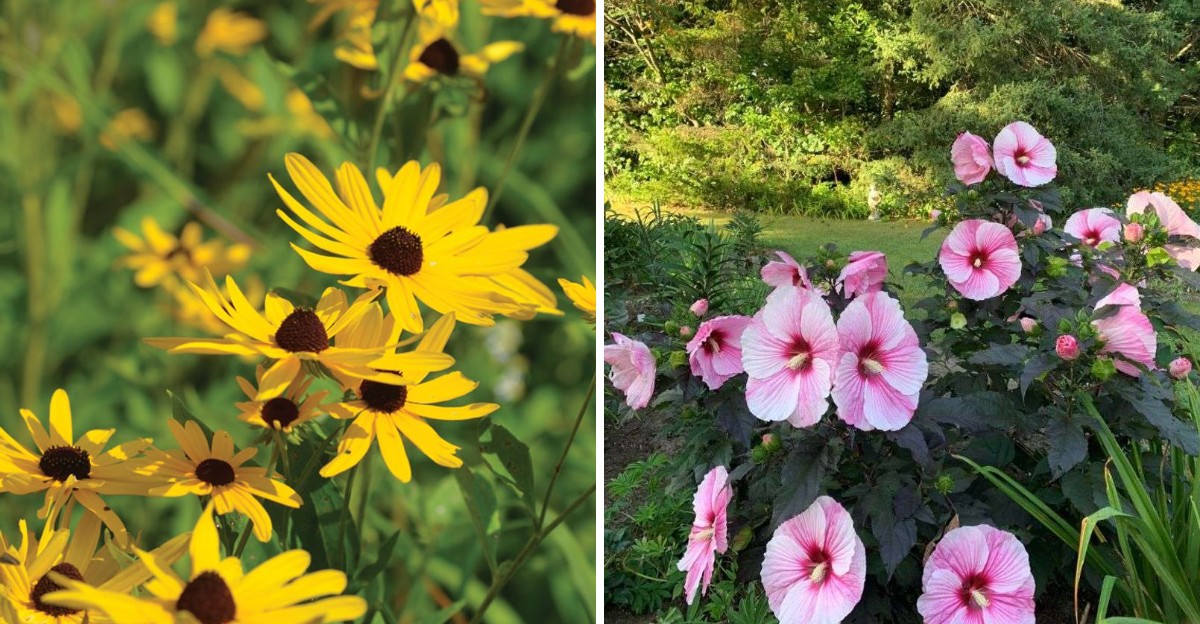
Few flowers say summer quite like a ditch full of golden petals circling chocolate-brown centers along a country road. Black-eyed Susan grows wild from the Low Country all the way north into Pennsylvania meadows and roadsides.
Rudbeckia hirta is often short-lived, sometimes acting like a biennial that blooms hard and then reseeds itself. I have to admit, I enjoy the surprise of finding new seedlings popping up in fresh spots each spring.
Plants usually reach one to three feet tall, with bristly leaves that feel a bit like fine sandpaper. That fuzzy texture helps discourage nibbling, so deer and rabbits tend to leave clumps mostly alone.
Flowers start around June and keep going into fall, giving you months of cheerful color with little effort. Bees and butterflies crowd the blooms, while small native bees seem especially fond of the dark central cone.
Full sun brings the most flowers, although partial shade works fine in spots that get a few bright hours. Clay, loam, or sandy soil all suit it, as long as water drains instead of puddling around the crowns.
Leave seed heads standing after bloom time, because goldfinches love perching on stems to pick seeds in autumn. Those seeds also drop and sprout, keeping your patch going even though individual plants rarely last many years.
Sow seeds in fall or early spring right on bare soil, pressing them lightly so they touch the ground. You’ll wonder why you didn’t try this sooner, since it costs almost nothing and fills empty corners fast.
4. Buttonbush
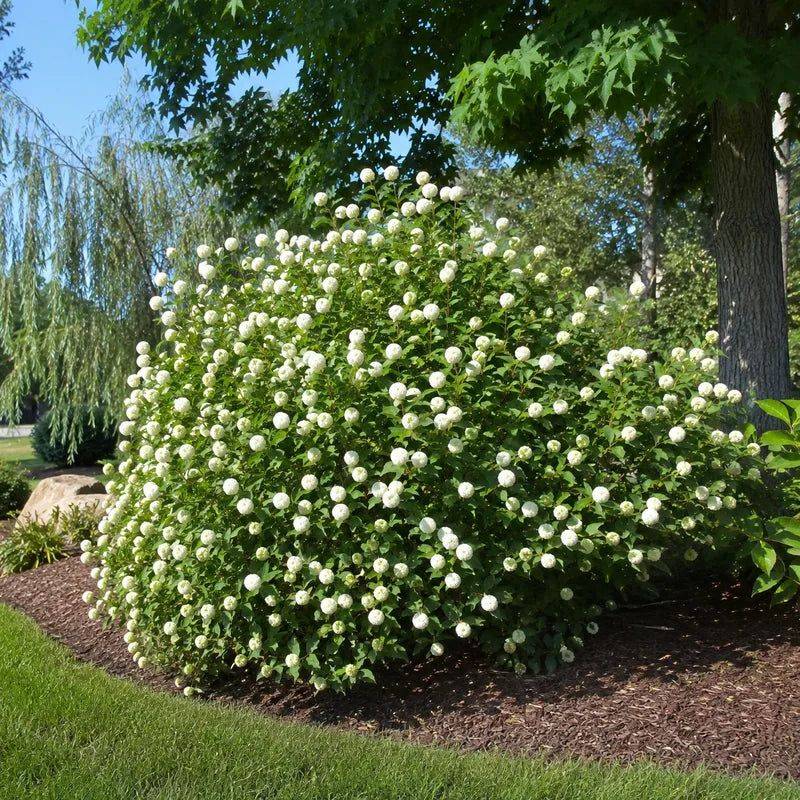
Spiky white balls the size of ping pong balls cover buttonbush in midsummer, looking like tiny fireworks frozen mid-burst. Some folks call them pincushions, and honestly I think that description fits the fuzzy flowers perfectly.
Cephalanthus occidentalis grows naturally along swamp edges in the Low Country and beside ponds and streams up north. It is native here as well, handling chilly winters far better than its southern swamp roots might suggest.
That soggy corner where grass sulks and puddles linger might be the perfect home for this shrub. Buttonbush handles wet feet, even shallow standing water, which makes it a natural fit for rain gardens.
Expect a multi-stemmed shrub about 5 to 12 feet tall, with glossy leaves that emerge fairly late in spring. Don’t worry if it looks bare when other shrubs leaf out, because it simply wakes up on its own schedule.
Summer blooms attract eastern tiger swallowtails, and bumblebees often bounce from one round flower head to the next. Later, the spheres turn into reddish-brown seed balls that ducks and other waterbirds sometimes eat in autumn.
Full sun to partial shade works, though more sun usually means more flowers and a tidier shape. If the shrub gets leggy, cut stems back hard in late winter, and fresh growth will fill in nicely.
Keep it away from areas where pets or kids chew on plants, since the leaves are considered mildly toxic. Otherwise, it ranks among the easiest wetland shrubs you can grow, especially if soggy soil frustrates you.
5. Virginia Sweetspire
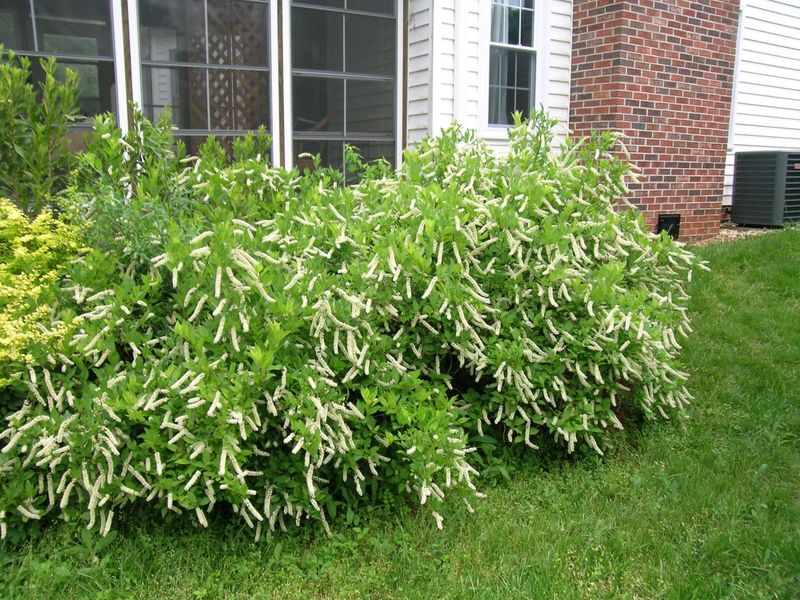
Every June, Virginia sweetspire drapes its arching branches with fragrant white flower spikes that look like fluffy bottlebrushes. Walk past on a warm evening, and that honey-like scent catches you before you even spot the blooms.
Itea virginica thrives in Low Country swamps, yet a few wild populations also hold on in southeastern Pennsylvania.
Wild plants are rare in our state, which makes growing nursery-raised shrubs a small gift to local biodiversity.
Shrubs usually reach 3 to 6 feet tall and spread wider over time through underground suckers. That spreading habit works beautifully on slopes, where the roots help hold loose soil in place.
Bees and butterflies work the flowers busily, and the nectar keeps pollinators fed during the early summer stretch. Small seed capsules follow later in the season, giving birds a modest snack before cold weather arrives.
Autumn might be the real showstopper, since the leaves turn deep burgundy and scarlet that lingers for weeks. In mild years, some foliage clings well into early winter, adding color when most shrubs look bare.
Plant it in sun or shade, although fuller sun usually brings stronger fall color and more flowers. Moist soil suits it best, but established shrubs handle occasional dry spells better than you might expect.
Deer usually browse other plants first, which earns sweetspire bonus points in suburban yards with hungry visitors. Choose a compact cultivar like Little Henry if space is tight, or let the straight species roam freely.
6. American Fringe Tree
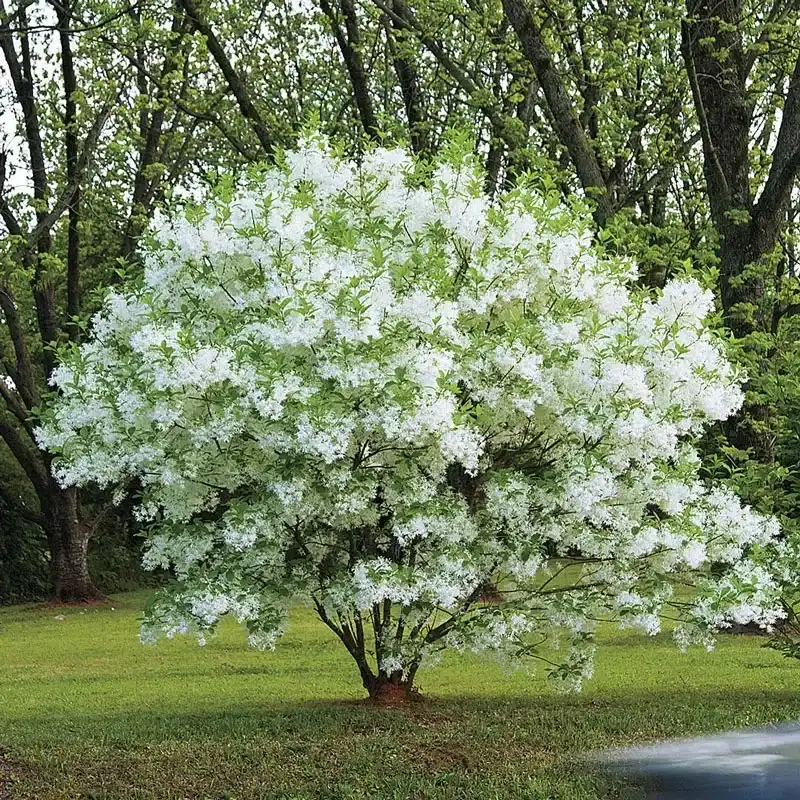
Old-timers in the South nicknamed the fringe tree Grancy Graybeard, and one look at its flowers explains why.
Clouds of shaggy white petals dangle from every branch in late spring, like a beard blowing in the breeze.
Chionanthus virginicus grows naturally from northern Florida up into southern Pennsylvania, where wild trees are considered fairly uncommon.
It handles zones 4 through 9, so harsh mountain winters and humid coastal summers both suit it fine.
Most specimens stay between 12 and 20 feet tall, making this a perfect small tree for modest yards. I like how it fits near patios, where you can enjoy that sweet, lightly spicy fragrance up close.
Leaves often arrive fashionably late, sometimes appearing after most other trees have fully leafed out across the neighborhood. Don’t assume your new tree is struggling, because patience usually rewards you with healthy green growth.
Male and female flowers grow on separate trees, and males often produce slightly showier and fuller blooms.
Female trees form dark blue fruits resembling small olives, which birds happily gobble up in late summer.
Give it full sun to partial shade, since more sun generally means a heavier flower display each spring. Moist, well-drained soil is ideal, though established trees tolerate clay and short dry spells reasonably well.
Fall color is a clear butter yellow, adding one last bright moment before the leaves drop. Watch for emerald ash borer reports, because researchers found this pest can attack fringe trees in some areas.
7. Sweetbay Magnolia
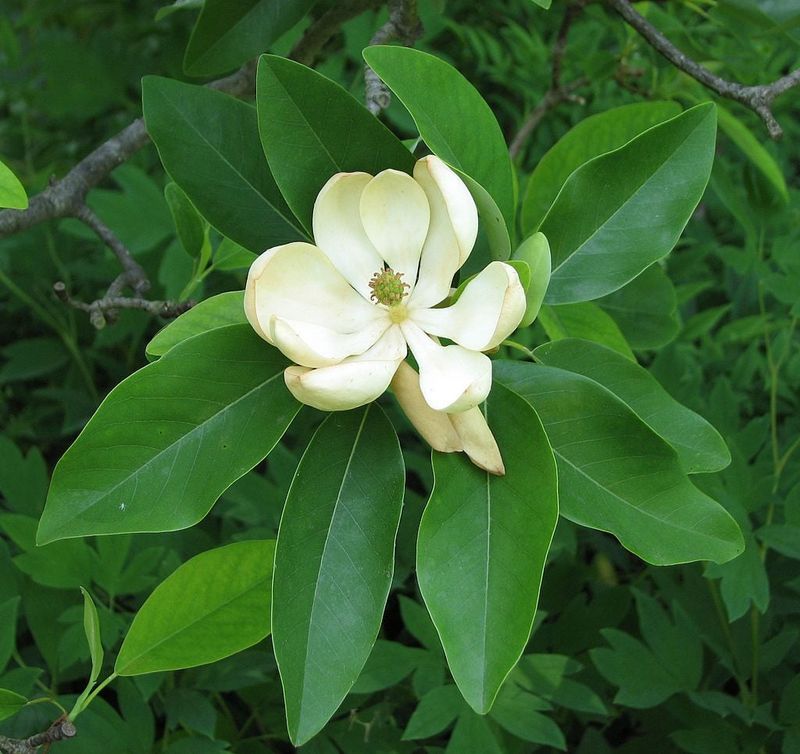
Flip a sweetbay magnolia leaf over, and the silvery underside flashes in the wind like a hidden mirror. Add creamy white flowers smelling of lemon and vanilla, and you have a tree that feels downright luxurious.
Magnolia virginiana grows wild in Low Country swamps, and historic records place it as far north as Massachusetts. It grows well in zones 5 through 9, so most yards across our region can support one.
Up here, it usually behaves as a multi-stemmed small tree around 10 to 20 feet tall. Leaves often drop in colder winters, while southern trees tend to stay mostly evergreen year round.
Flowers open in late spring and early summer, then pop up sporadically for several weeks afterward. Bright red seeds dangle from cone-like fruits in late summer, and birds like mockingbirds snap them up.
Wet, acidic soil suits it beautifully, which makes it a great match for low spots that stay damp. Unlike many magnolias, it tolerates soggy ground surprisingly well, a nod to its swampy southern beginnings.
Plant in full sun to partial shade, and shelter it from harsh winter wind in exposed northern yards. Young trees appreciate mulch and regular watering during their first couple of summers while roots settle in.
Sweetbay also feeds eastern tiger swallowtail caterpillars, so you might spot green larvae with fake eye spots.
Personally, I think a tree that smells wonderful and raises butterflies earns a place in any garden.
8. Swamp Rose Mallow
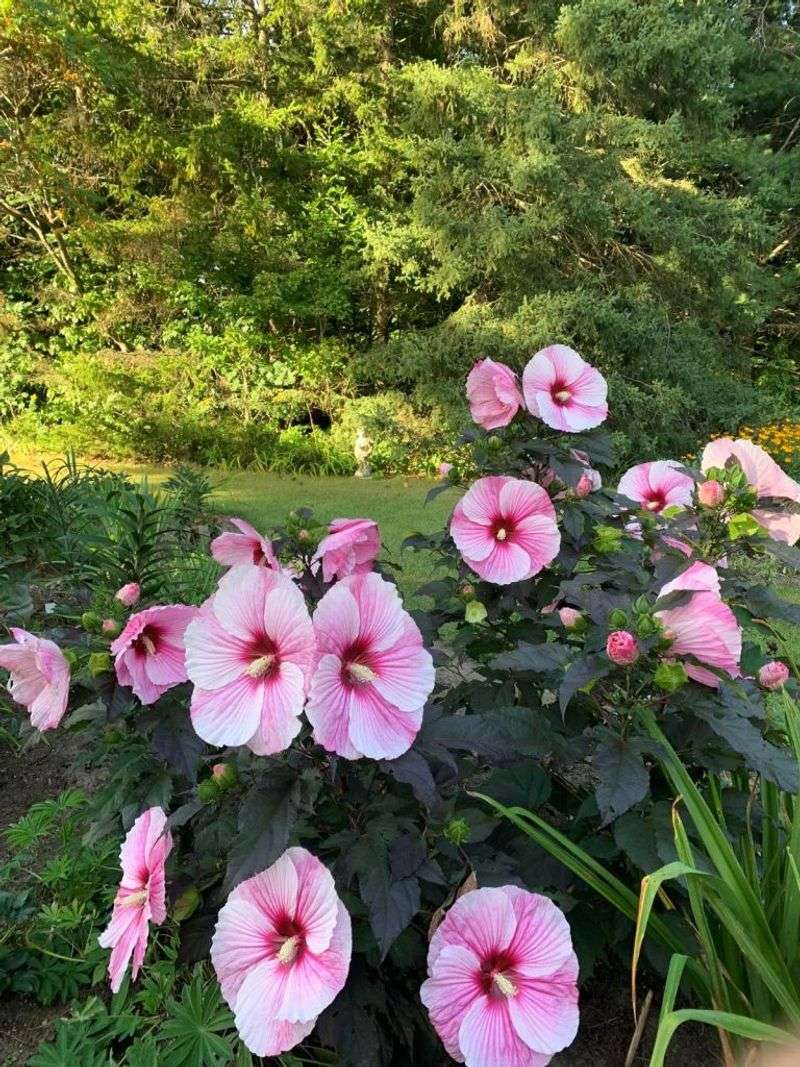
Dinner-plate flowers up to eight inches wide make swamp rose mallow look like it escaped from a tropical resort.
Believe it or not, this showy hibiscus is native from coastal South Carolina marshes up into Pennsylvania wetlands.
Hibiscus moscheutos is a herbaceous perennial, so stems freeze back each winter before regrowing from tough roots. It thrives in zones 5 through 9, handling cold winters far better than tropical hibiscus ever could.
Expect plants around three to seven feet tall, with blooms in white, pink, or soft red shades. Each flower lasts only a day or so, but new buds keep opening from midsummer into early fall.
Spring patience is required, because shoots emerge late, often well after other perennials are already growing. Mark the spot with a stake so you don’t accidentally dig into the crown while planting nearby.
Moist or even wet soil suits this plant, making it a natural choice for rain gardens and pond edges. Regular garden beds work too, as long as you water during hot, dry stretches of summer weather.
Full sun brings the biggest show, while too much shade leads to floppy stems and fewer flowers. Bumblebees often tumble right into the huge blooms, coming out dusted with pale pollen from head to toe.
Japanese beetles and sawfly larvae sometimes chew holes in leaves, so check plants regularly during early summer.
Hand-pick beetles into soapy water in the morning, and the plant usually bounces back without much trouble.