Why Do Ohio Evergreens Turn Brown in Winter and How Can You Prevent It
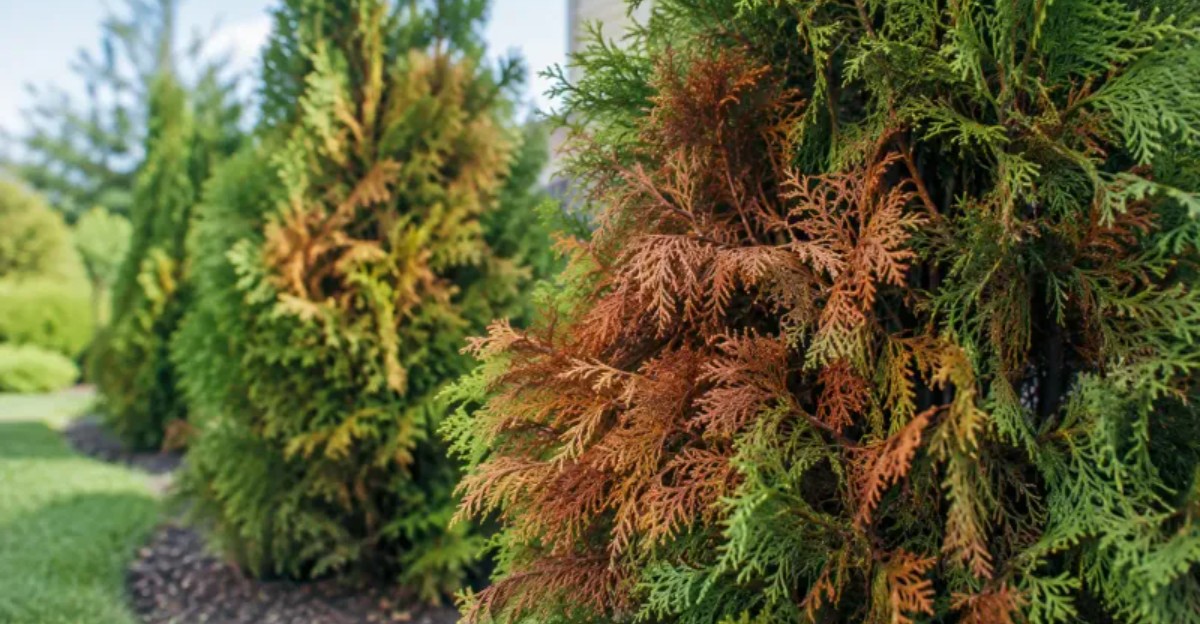
A pine needle can lose water on a sunny January afternoon even while the soil below it is frozen as hard as a sidewalk. That quiet thirst is behind a lot of the rusty, scorched patches showing up on shrubs right now.
Here in Ohio, the damage often hides until late winter or early spring. A plant can look fine in December and then turn the color of a paper bag by March.
I remember my first time spotting it on a row of arborvitae by my driveway. I was sure I had lost all of them, and I was wrong.
You deserve better than guessing every winter. Brown foliage has a few common causes, and most of them are surprisingly easy to outsmart with a hose, some mulch, and good timing.
Odds are one side of your yard takes the hardest hit, and knowing which one changes everything.
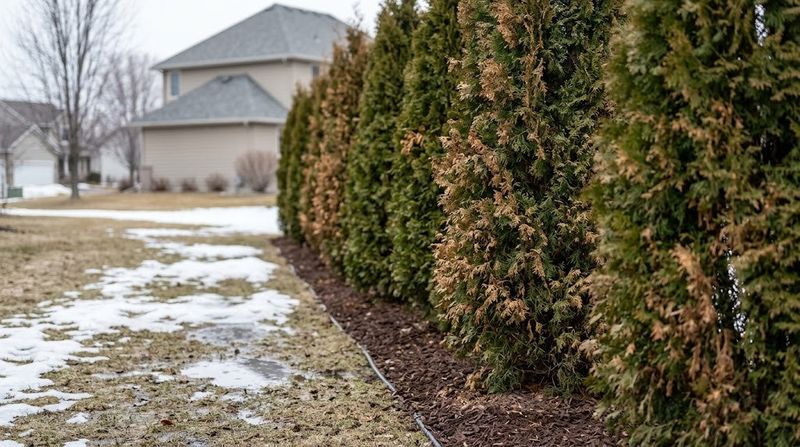
1. Those Rusty Arborvitae Needles Are Telling a Thirsty Story
Evergreens keep working all winter long. Their needles and leaves still release water vapor through tiny pores, a process called transpiration.
Trouble starts when the ground freezes. Roots cannot pull water from frozen soil, so the plant keeps losing moisture without any way to replace it.
Extension experts at Ohio State and Penn State call the result winter burn or winter desiccation.
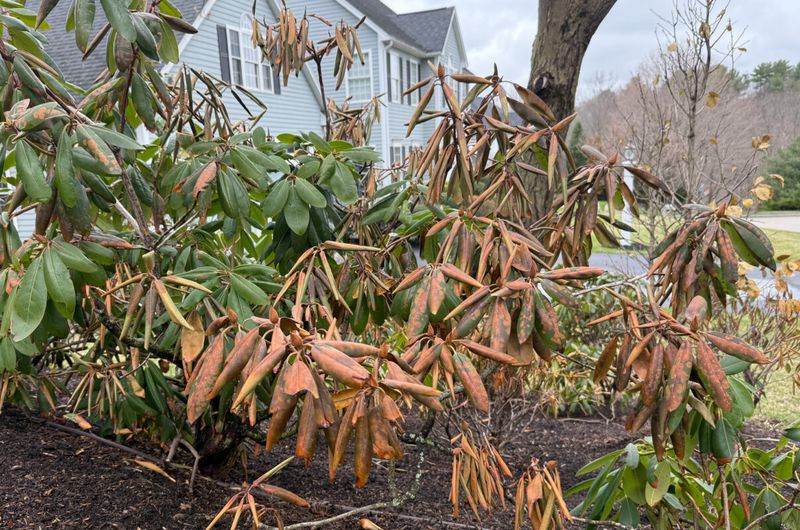
You can spot it by the pattern. Browning usually shows up on the tips first, then spreads inward.
It is often worst on the south, southwest, or west side of a plant, where afternoon sun and prevailing winds hit hardest.
Fun fact for curious gardeners: the damage usually happens in January or February, but you may not see it until March or April. Warmer days finally reveal what the cold weeks quietly did.
Arborvitae, yews, boxwood, hollies, and rhododendrons show the problem often. Young plants and those set out in the past year or two struggle most because their roots have not spread far yet.
Knowing the cause matters. It means most browning is a water problem, not a mysterious disease, and water problems are something you can actually plan around before the next cold snap arrives.
2. A Long Fall Drink From the Garden Hose Makes a Huge Difference
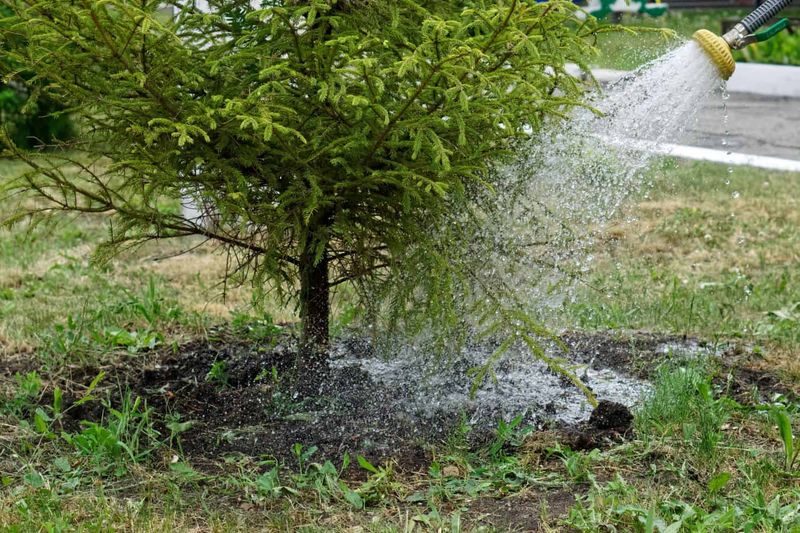
Honestly, the best winter protection happens in October and November. A well-watered evergreen enters the cold months with moisture stored in its tissues and in the soil around its roots.
Aim for about one inch of water per week from rain or the hose until the ground freezes. Dry autumns are the sneaky ones, so keep an eye on rainfall totals, especially after a hot summer.
Slow, deep watering works far better than a quick sprinkle. Let a hose trickle at the base for a while, or use a soaker hose, so water soaks down into the root zone.
Newly planted shrubs need the most attention. Their small root balls dry out fast, and they have less stored water to lean on.
Winter thaws give you a bonus chance. If the soil thaws during a mild stretch and temperatures stay above freezing, a midday drink helps refill the tank.
I keep one hose out until Thanksgiving for exactly this reason. Disconnect it afterward so the spigot does not freeze.
It feels like a small chore, yet it may save you from staring at crispy brown shrubs come spring.
3. A Thick Ring of Bark Mulch Keeps Evergreen Roots Comfortable
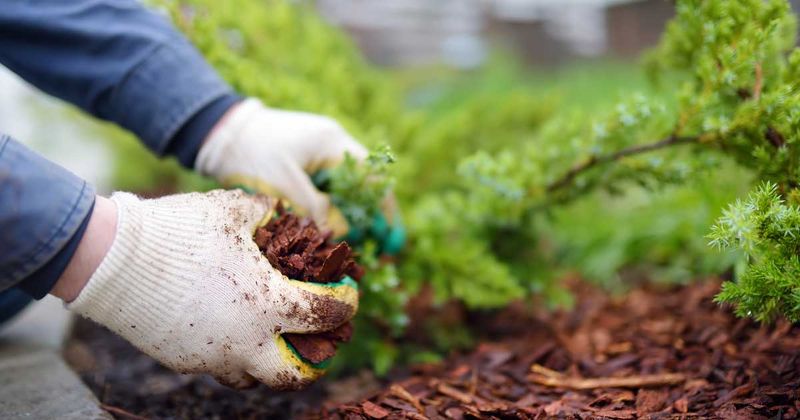
Mulch acts like a winter coat for the soil. A layer of 2 to 4 inches of shredded bark, wood chips, or chopped leaves holds in moisture and evens out soil temperatures.
That steadier soil matters a lot here. Freeze and thaw cycles can heave shallow roots and stress plants, and mulch softens those swings.
Spread it wide, ideally out toward the drip line where the branch tips end. The root zone of most shrubs reaches farther than people expect.
Keep mulch a few inches away from the trunk or main stems, though. Piling it up like a volcano traps moisture against the bark and invites rot, insects, and hungry voles looking for a cozy winter home.
Timing is flexible. Many gardeners add mulch in late fall after the soil has cooled, which also helps keep rodents from nesting too early.
One easy trick saves money. Run over fallen leaves with your mower and scoop them around your shrubs.
They break down into rich organic matter by next summer, and your evergreens get free protection made right in your own yard.
4. Burlap Screens Block the Wind That Dries Out Boxwood and Yews
Winter wind works like a hair dryer on your shrubs. It pulls moisture off foliage much faster than still air does.
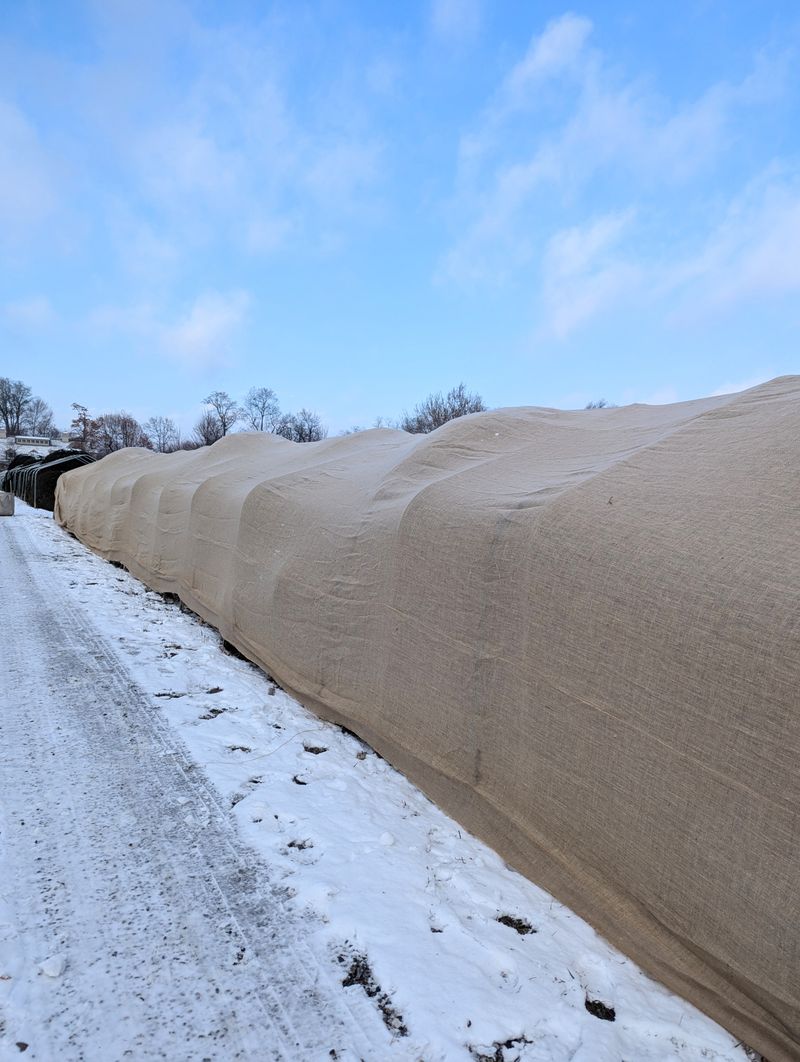
A simple burlap screen can cut that drying effect. Drive a few wooden stakes on the windy side of the plant, usually west or northwest, then staple burlap to the stakes.
Leave a gap of several inches between the fabric and the branches. Wrapping burlap tightly around a shrub can trap moisture and heat, and it barely helps with wind anyway.
Screens help the most for broadleaf evergreens like boxwood, rhododendron, and holly. These plants have bigger leaves with more surface area to lose water.
Shrubs near driveways and sidewalks gain a second benefit. A screen catches road salt spray, which can also cause browning that looks a lot like winter burn.
Put screens up in late fall before the ground freezes, since pounding stakes into frozen soil is no fun. Take them down in early spring once harsh winds settle.
Sure, the yard looks a little like a construction zone for a few months, but a green shrub in April is worth it.
5. Antidesiccant Spray on Holly and Rhododendron Leaves Can Buy Some Time
Some garden centers sell sprays called antidesiccants or antitranspirants. They leave a thin waxy coating on leaves that slows water loss.
Research results are mixed. Extension specialists generally say these products offer modest help at best, so treat them as a backup, not your main defense.
They tend to work better on broadleaf evergreens such as holly, rhododendron, mountain laurel, and boxwood. Results on needled conifers vary more, and some sources warn against using them on blue spruce because they can strip the bluish coating.
Timing makes or breaks the effort. Apply in late fall after plants have gone dormant, on a dry day when temperatures sit above about 40 degrees and stay there for several hours.
Many products wear off during winter. Read the label, since some suggest a second application during a mild spell in January or February.
Personally, I save spray for one or two prized shrubs in brutal spots. If you have a rhododendron by a windy corner, it might be worth a try.
Water and mulch still do the heavy lifting, though, so skip the spray before skipping those basics.
6. Late-Summer Pruning Shears and Fertilizer Can Backfire on Your Shrubs
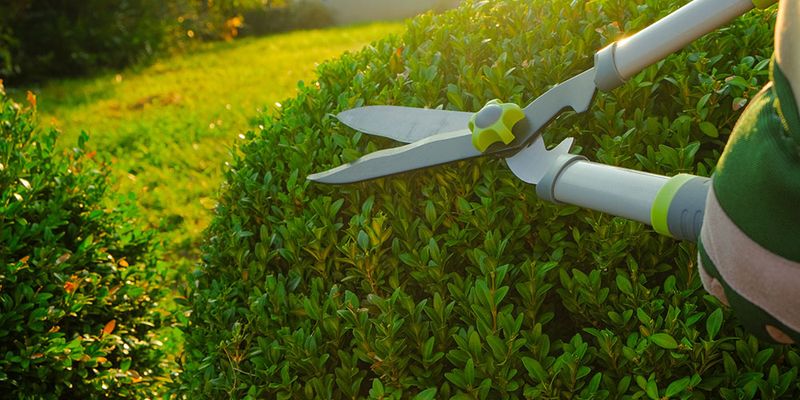
Kindness can sometimes cause harm. Feeding or heavily trimming evergreens in late summer or early fall may push out fresh, tender growth.
That soft new foliage needs weeks to toughen up, a process gardeners call hardening off. Growth that starts in September may not be ready when the first hard freeze arrives in Ohio, usually around mid to late October.
Tender shoots brown quickly in cold, dry wind. They hold more water and lack the thicker protective layers that mature needles develop.
A safer schedule is easy to follow. Fertilize in early spring if a soil test shows a need, and do major pruning in late winter or early spring before new growth starts.
Light shaping of hedges is fine by early summer. After about mid-August, let the shears rest.
A soil test through your county extension office can tell you whether fertilizer is even needed. Many established evergreens do fine without much feeding at all.
Holding back saves you money and keeps your shrubs focused on getting tough for winter instead of sprouting soft leaves that cannot handle the cold.
7. Not Every Brown Pine Needle Means Winter Burn
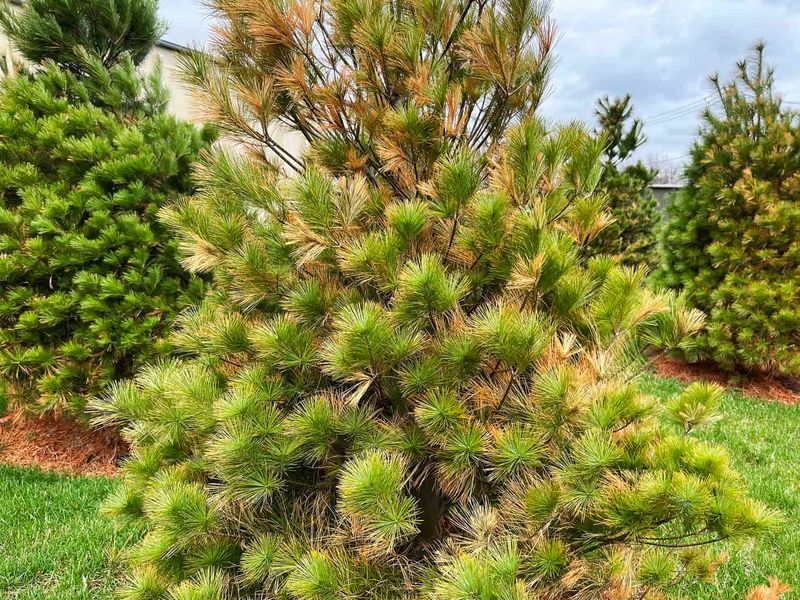
Plot twist time. Some browning has nothing to do with winter thirst.
Natural needle drop happens every fall. White pines, arborvitae, and many other conifers shed their oldest inner needles, which turn yellow or brown before falling.
The outer tips stay green, and that pattern is perfectly normal.
Road salt causes another kind of trouble. Shrubs along streets and driveways often brown on the side facing the pavement, with damage appearing in spring.
Diseases and pests deserve a look too. Spruce needle cast, Rhizosphaera, and bagworms can all cause brown foliage, and Ohio State Extension notes that some problems build over several seasons.
Watch the pattern. Winter burn usually hits the sunny or windy side and the tips first.
Disease often starts low on the tree and moves upward, while salt damage lines up with roads.
Drainage plays a role as well. Soggy clay soils, common across much of the state, can rot roots and leave plants unable to take up water even in summer.
If the cause seems unclear, snap a few photos and bring a sample to your county extension office. Their diagnostic help is often free or cheap.
8. Scratch Test Those Brown Branches Before Grabbing the Saw
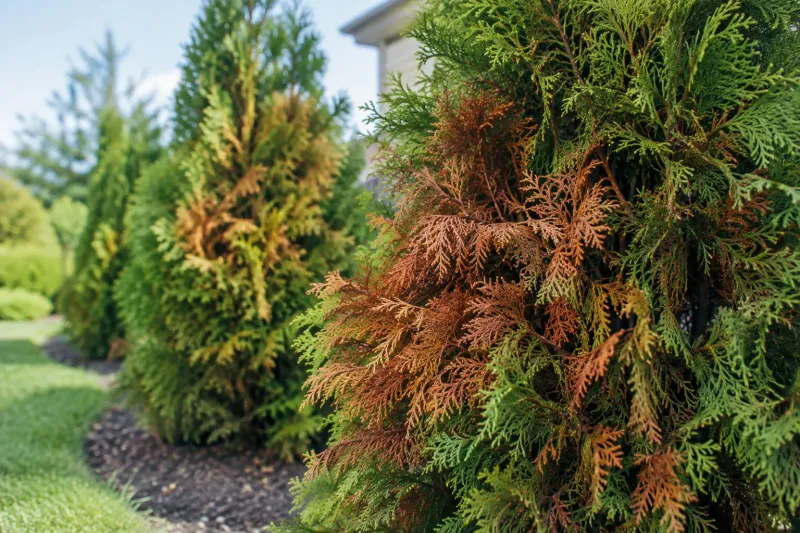
Patience is your best friend in spring. Brown foliage that took winter damage usually will not turn green again, but the buds and branches underneath often survive.
Try a quick scratch test. Gently scrape a twig with your thumbnail, and if you see moist green tissue, that branch is still alive.
Wait until new growth appears in late spring before pruning. Many shrubs push fresh shoots by May or June, and it becomes obvious which sections are gone for good.
Then trim back only the brittle, lifeless parts. Make cuts just above a live bud or side branch so the plant can fill in.
Keep watering during dry spring spells to support recovery. Skip heavy fertilizer, which can stress a plant that is already rebuilding.
For the long run, think about placement. Choose tough, hardy species for windy, exposed spots, and plant sensitive broadleaf evergreens on the east or north side of the house.
Every winter teaches something. Jot down which shrubs browned and where, and next fall you will know exactly which plants need extra water, mulch, or a burlap screen before the cold sets in.