These Are The Ohio Native Ecoregion Plants That Perform Best Depending On Where In Ohio You Garden
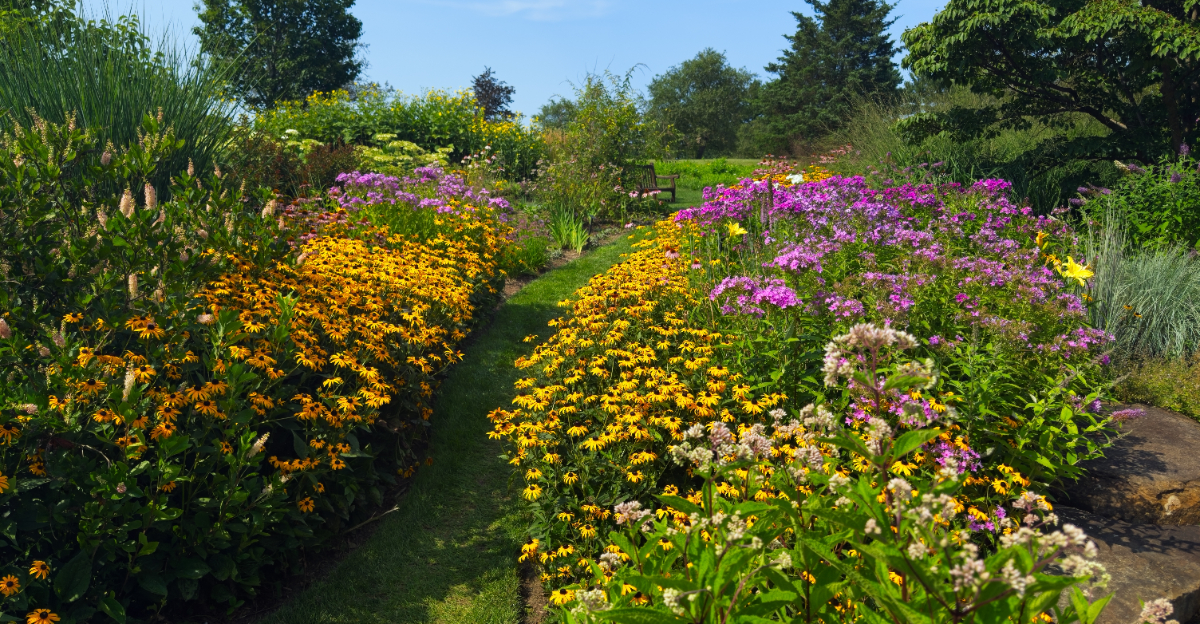
Ohio is not one gardening zone and treating it like one is where a lot of plant choices go sideways. The state spans multiple distinct ecoregions.
Each has its own soil profile, moisture patterns, and native plant community that evolved for those conditions. A plant that thrives in the glaciated plains of western regions can struggle in the unglaciated hill country of the southeast.
Something perfectly suited to the lake plains near Erie behaves completely differently an hour south. Most gardening advice written for the state ignores this entirely and hands out plant recommendations as though the whole state gardens the same way.
It does not. Matching plants to the specific ecoregion your yard sits in is one of the more useful shifts any gardener can make, and the results tend to show up fast.
So where in Ohio do you actually garden, and what does that mean for your plant list?
1. Lake Plain Gardens Need Plants That Handle Moisture And Wind
Flat land, lake-effect weather, and heavy clay soils define many yards across the northern lake plain, and choosing the wrong plant here can set a garden back for years.
The good news is that several Ohio native plants are genuinely built for these conditions and will reward you once they settle in.
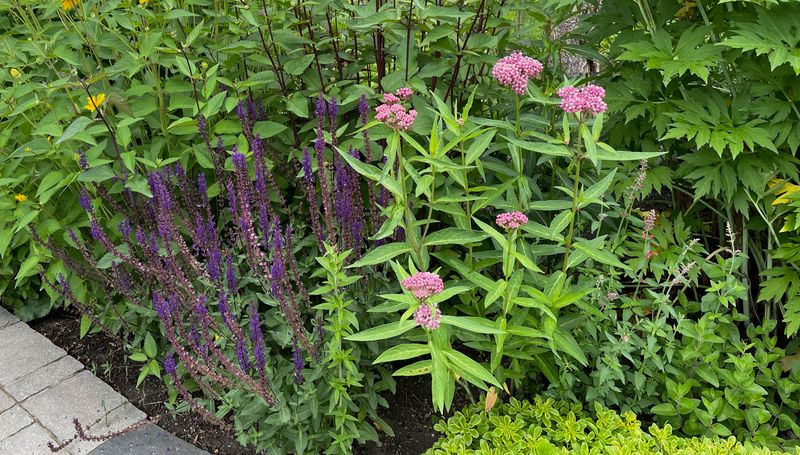
Swamp milkweed is a standout for wet or moist clay pockets. It handles periodic waterlogging better than most milkweeds and supports monarch butterflies during their migration.
Blue flag iris is another strong performer in low, moist spots and thrives in the heavier soils common to this region.
Joe-Pye weed grows tall and bold in open, moist sites and handles wind exposure well once established. Cardinal flower brings vivid red color to wet edges and draws hummingbirds through late summer.
Fox sedge works beautifully as a groundcover in wet or seasonally flooded low spots.
Keep in mind that not every lake plain yard is wet. Some sites drain quickly despite clay surface soil, and a dry-looking slope near the lake may need a different plant list entirely.
Always check your actual drainage before choosing moisture-loving plants. OSU Extension recommends observing how long water sits after a heavy rain before selecting species for wet-site planting.
2. Till Plains Yards Reward Prairie Plants With Sun And Clay Tolerance
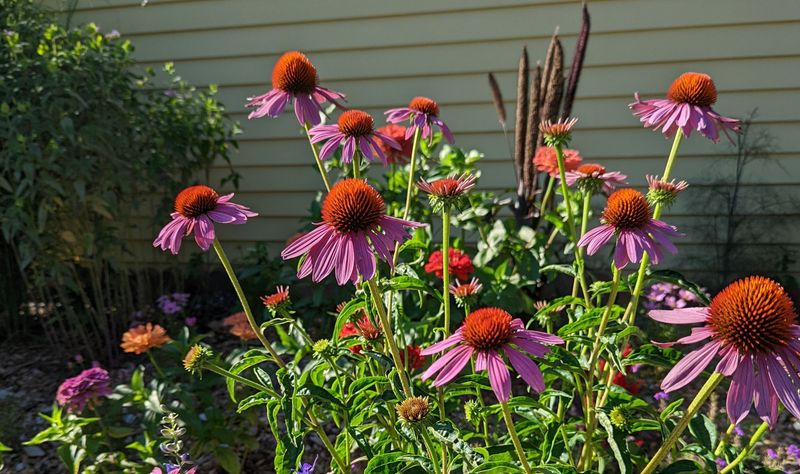
Central and western regions of this state sit on broad till plains left behind by glaciers. Many suburban yards here share the same basic profile: full sun, clay-heavy soil, and open growing conditions.
That combination frustrates gardeners trying to grow finicky plants, but it is practically ideal for prairie and meadow-style natives.
Purple coneflower is one of the most reliable performers in these yards. It tolerates clay, handles dry stretches after establishment, and draws bees and goldfinches from summer into fall.
Black-eyed Susan is equally tough and blooms earlier in the season, giving you color from midsummer onward.
Little bluestem is a native grass that earns its place in till plains gardens with its drought tolerance, fall color, and winter seed heads that birds love.
Your Ohio Garden Changes Every Week. Your Plan Should Too.
Gardening in Ohio changes quickly throughout the season. Every Friday you’ll receive a simple weekly plan showing exactly what to plant, prune, fertilize, harvest, and protect so you never miss the right timing.
Prairie dropseed forms tidy, fine-textured clumps and works well at the edge of a border without spreading aggressively.
Butterfly weed, a native milkweed species, prefers dry to medium soil and full sun, making it a natural fit for the open, sunny sites common across this region.
Wild bergamot rounds out a practical till plains plant list with its lavender blooms and tolerance for both clay and dry conditions.
One caution: avoid placing prairie plants in low, soggy spots or shaded corners, because they need sun and drainage to perform well.
3. Glaciated Plateau Gardens Suit Woodland Edges And Mixed Moisture
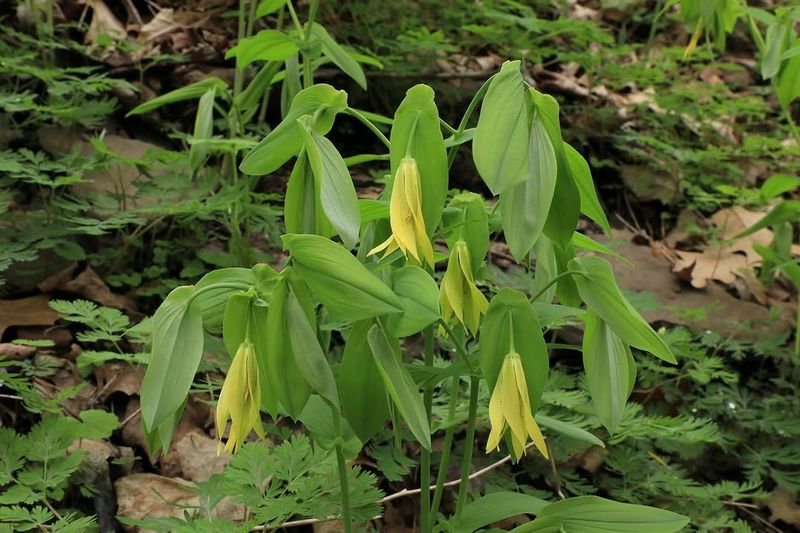
Rolling hills, woodland edges, and variable moisture levels make northeastern and east-central gardens some of the most interesting planting sites in the state.
Gardeners here often have a mix of open sunny patches and shaded spots under trees, which means the plant list can be more varied than in flatter regions.
Wild geranium is a reliable native for these transitional spaces. It blooms in spring, handles both sun and part shade, and fills in nicely under shrubs or along woodland paths.
Foamflower is a low-growing groundcover that does well in moist, shaded spots and spreads gently without becoming a problem in most gardens.
Woodland phlox brings a carpet of lavender-blue blooms in spring and thrives under light tree canopy with decent soil moisture.
Serviceberry is a small native tree or large shrub that performs beautifully at woodland edges, offering spring flowers, summer fruit for birds, and excellent fall color.
Ninebark is a tough native shrub that handles a range of soil conditions and provides structure along borders.
Smooth hydrangea is another practical choice for part-shade sites with decent moisture, and it tolerates the heavier soils found across this region. The most important reminder here is that slope and drainage matter more than the broad regional label.
A dry, sunny south-facing slope in this region needs completely different plants than a moist, shaded north-facing hillside just a few yards away.
4. Unglaciated Plateau Yards Favor Tough Plants For Slopes And Thin Soil
Southeastern and Appalachian-influenced areas of this state have a character all their own. The land is hilly, the soils are thinner and sometimes rocky, and slopes can dry out quickly in summer.
Gardeners in these areas need plants that handle lean conditions, drainage pressure, and the occasional dry stretch without much fuss.
Eastern redbud is a native understory tree that genuinely belongs to this region. It thrives on slopes and well-drained sites, and its early spring bloom is one of the most striking displays in any native planting.
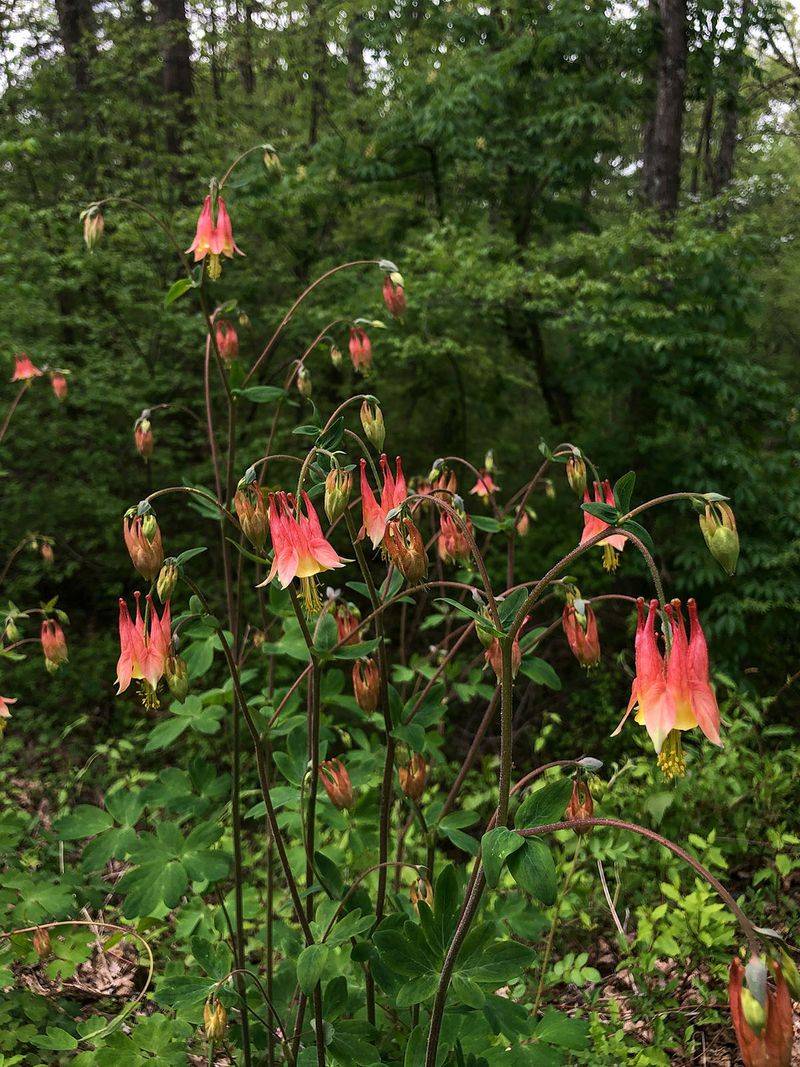
Wild columbine is a smaller-scale plant that tucks beautifully into rocky, dry spots and blooms in mid-spring, drawing early hummingbirds.
Aromatic aster is a late-season bloomer that handles dry, exposed slopes with real toughness. It stays relatively compact compared to other asters and works well on sunny hillsides where moisture drains away fast.
Little bluestem is equally at home on dry, rocky, or thin-soil sites and provides warm reddish color through fall and winter.
Black-eyed Susan is a practical filler for sunny, well-drained areas and establishes quickly on disturbed or lean soil.
Avoid placing moisture-loving plants like cardinal flower or swamp milkweed on hot, dry slopes in this region unless you can irrigate consistently and amend the soil.
Matching plants to the actual slope and drainage is what makes Appalachian-influenced gardens succeed.
5. River Valley Gardens Perform Best With Floodplain-Friendly Natives
Yards near rivers, creeks, and drainage swales face a gardening challenge that most plant labels do not address. These areas can have periodic flooding, silt deposits, and moisture swings from soggy to dry within a single season.
Plants that handle these shifts reliably are worth their weight in the garden.
Buttonbush is one of the most flood-tolerant native shrubs available to Buckeye State gardeners. It can handle standing water for extended periods, attracts pollinators with its round white flower clusters, and provides seeds that waterfowl depend on.
It grows large, so give it space at the back of a planting area.
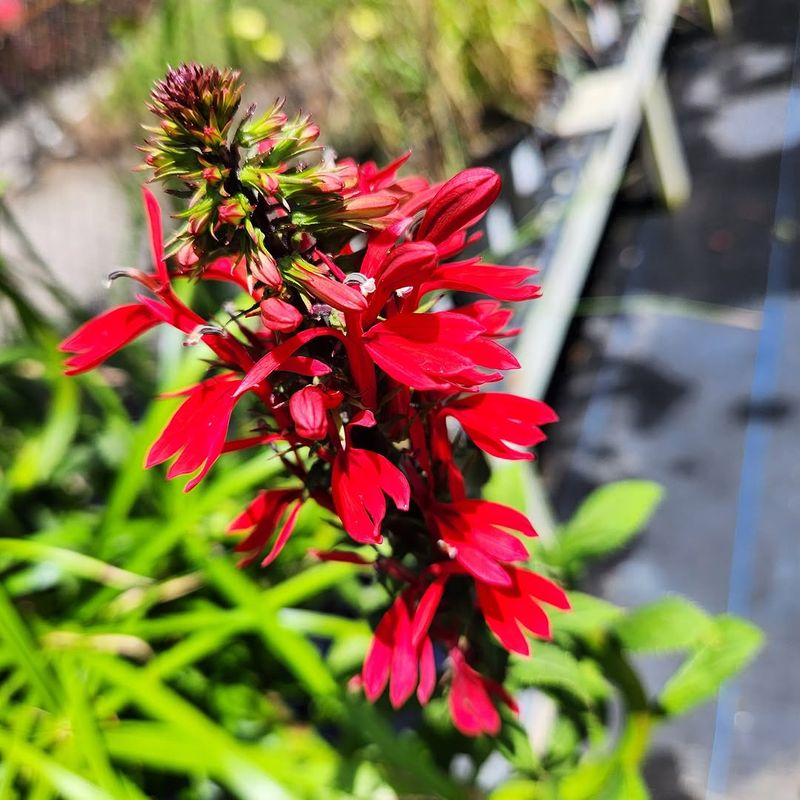
Swamp milkweed is another solid performer near water, handling both wet and moist soil conditions through the growing season. Cardinal flower thrives at the edges of streams and wet ditches, blooming in late summer when hummingbirds are still active.
Blue flag iris handles wet to moist conditions and naturalizes well along creek banks.
River oats is a native grass that does well in moist, partly shaded floodplain conditions and provides excellent texture and movement in the garden. Sedges like fox sedge or common lake sedge can stabilize moist or wet soil along drainage edges.
One caution worth repeating: floodplain-friendly does not mean suitable for permanently standing water unless the plant is specifically adapted to aquatic conditions. Check drainage patterns across all four seasons before planting.
6. Urban Heat Islands Need Hardy Natives That Handle Stress
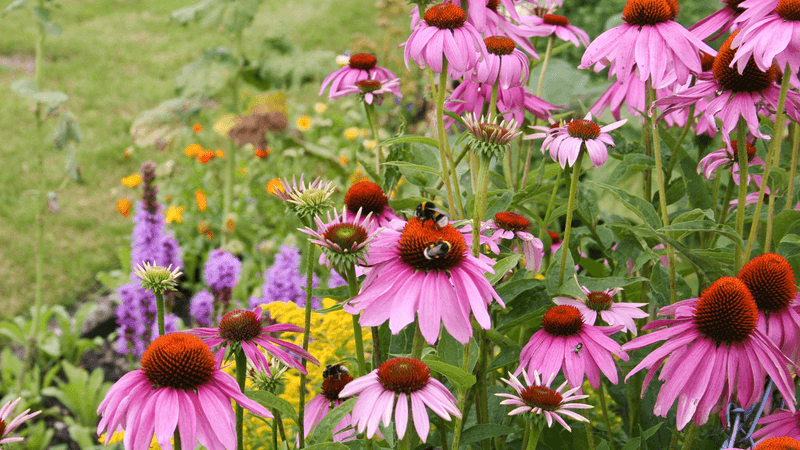
City and suburban lots can be surprisingly hostile growing environments. Pavement radiates heat, soil gets compacted from foot traffic and construction, and road salt drifts into planting beds.
Small garden strips also leave little room for large root systems. Even native plants need the right match to handle these conditions.
Little bluestem is one of the toughest natives for urban sites. It tolerates heat, drought after establishment, and poor soil better than most ornamental grasses, and it stays compact enough for narrow beds.
Prairie dropseed is similarly well-suited to warm, dry urban conditions and forms tidy clumps that look polished in a smaller space.
Purple coneflower handles urban heat and moderate drought well once its roots are established, and it blooms for a long stretch through summer. Black-eyed Susan is fast to establish, tolerates reflected heat, and fills in bare spots in a new planting.
Common milkweed can work in urban gardens where there is enough space, but its spreading habit means it needs room and is not ideal for very narrow beds.
Soil preparation matters more in urban yards than in most other situations. Compacted or fill-heavy soil should be loosened and amended before planting.
Water new plants consistently through the first growing season, because drought tolerance only kicks in after roots have had time to spread. Choose smaller species where bed depth is limited to avoid root crowding against pavement or structures.
7. Shady Woodland Lots Call For Plants Built For Leaf Litter And Roots
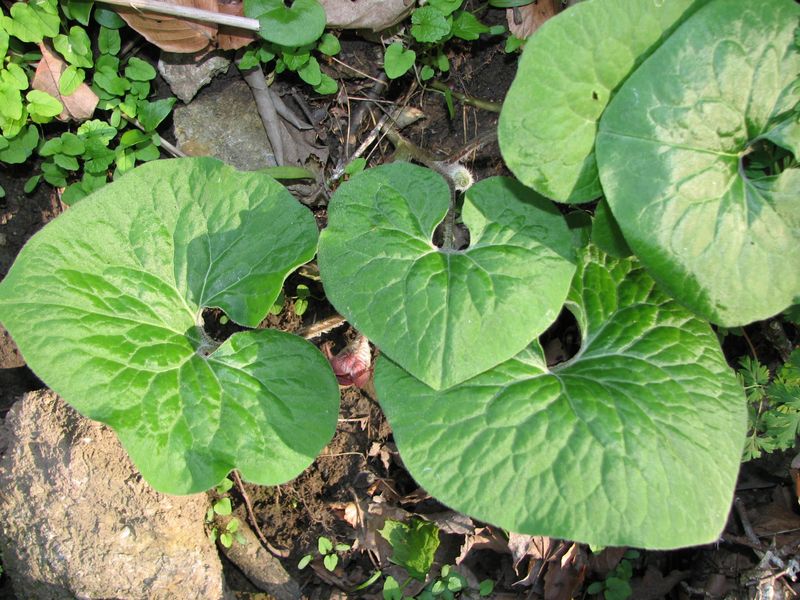
Mature trees create a whole different set of conditions that many gardeners underestimate. Root competition, reduced light, dry pockets under dense canopies, and thick leaf litter all shape what can actually grow and persist in a shaded lot.
The right native plants treat these conditions as home rather than a challenge.
Wild ginger is a low-growing native groundcover that spreads slowly under trees and handles both dry and moist woodland shade. It stays evergreen in mild winters and forms a dense, attractive mat that suppresses weeds once established.
Foamflower is another excellent choice for moist woodland shade, with delicate white spring blooms and attractive foliage through the season.
Woodland phlox blooms in spring before tree canopies fully close and handles the filtered light that follows. Virginia bluebells are spring ephemerals that bloom brilliantly in moist woodland shade.
They go dormant by early summer, so plant them with summer-foliage companions to fill the gap. Wild geranium bridges the gap between spring and summer and tolerates a range of shade levels.
Sedges like Pennsylvania sedge or lax sedge work as low groundcovers in dry to moist shade and hold up well under root competition from maples and beeches.
Dry shade under dense maple canopies is the hardest situation, and even shade-tolerant natives may need supplemental water during the first couple of summers.
Start with plants known to handle root competition before experimenting with more sensitive species.
8. Prairie Pocket Gardens Thrive With Deep-Rooted Sun Lovers
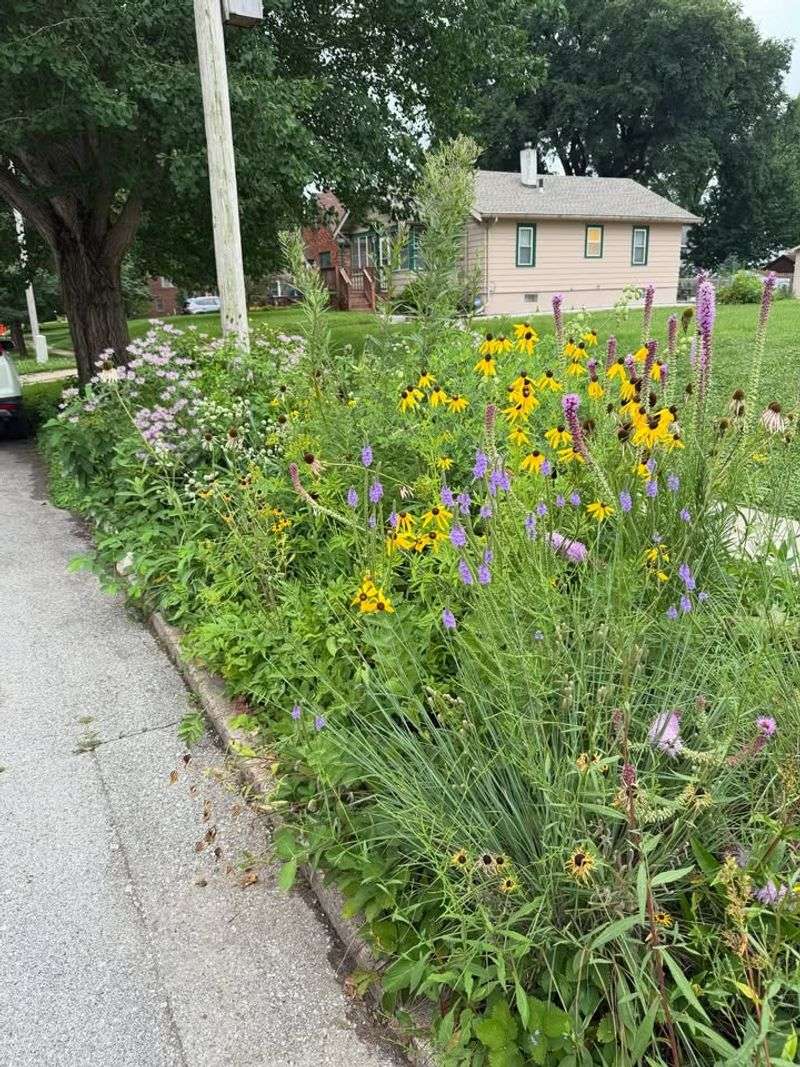
You do not need acres of land to grow a prairie-style garden. A sunny corner, a curb strip, a south-facing slope, or a patch of former lawn can become a productive native planting.
Once established, it can support pollinators and handle summer dry spells. The key is matching deep-rooted species to the site and managing weeds carefully in the first couple of years.
Butterfly weed is a must for sunny prairie pockets. It blooms bright orange in early summer, supports monarch caterpillars, and tolerates dry soil after establishment better than almost any other native milkweed.
Wild bergamot brings lavender blooms in midsummer and is loved by native bees, bumblebees, and butterflies across this state.
Blazing star, also called liatris, sends up tall purple spikes in late summer and draws migrating monarchs and native bees. It grows from a corm and tolerates dry, well-drained soil very well once settled.
Prairie dropseed forms fine-textured, arching clumps and stays compact enough for smaller spaces, making it a practical choice for curb strips or narrow beds.
Purple coneflower and little bluestem round out a solid small-scale prairie planting with long seasons of interest and reliable wildlife value.
Weed pressure is the biggest challenge in the first two growing seasons, so plan to hand-pull or mulch carefully until plants fill in.
Choose shorter cultivars or straight species that fit the scale of your space rather than planting tall species in tight spots.