The Meaning Behind Seeing A Red-Breasted Nuthatch At Your Ohio Feeder
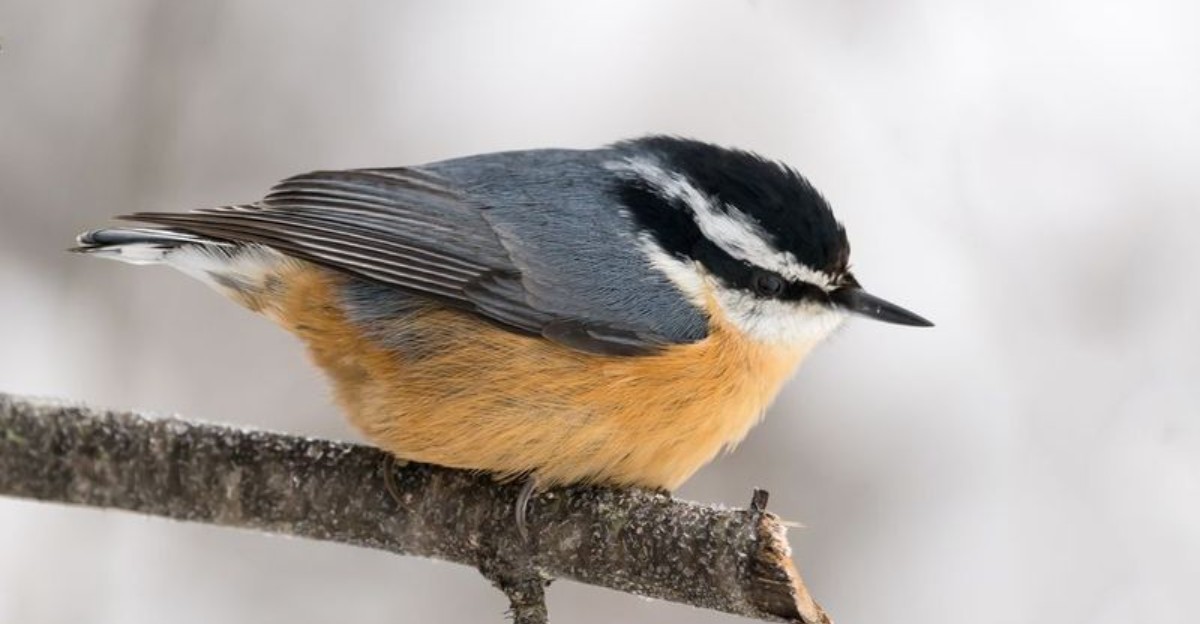
A tiny bird with a rusty chest lands on your Ohio feeder, and it’s carrying a message about the whole winter ahead.
Red-breasted nuthatches don’t show up in Ohio every single year. Their presence tracks with something happening much further north, tied to food supply in places most people never think about when they’re just watching a feeder in their own backyard.
A big showing one winter can mean something entirely different from a quiet season with none at all.
Birdwatchers who’ve tracked this pattern for years use it almost like a forecast, reading an early fall sighting as a clue that more northern birds may be heading south this winter.
Watch your feeder a little closer this week. That small bird might be telling you more about the months ahead than you’d expect from something so easy to miss.
1. Meet The Red-Breasted Nuthatch, Ohio’s Tiny Winter Visitor
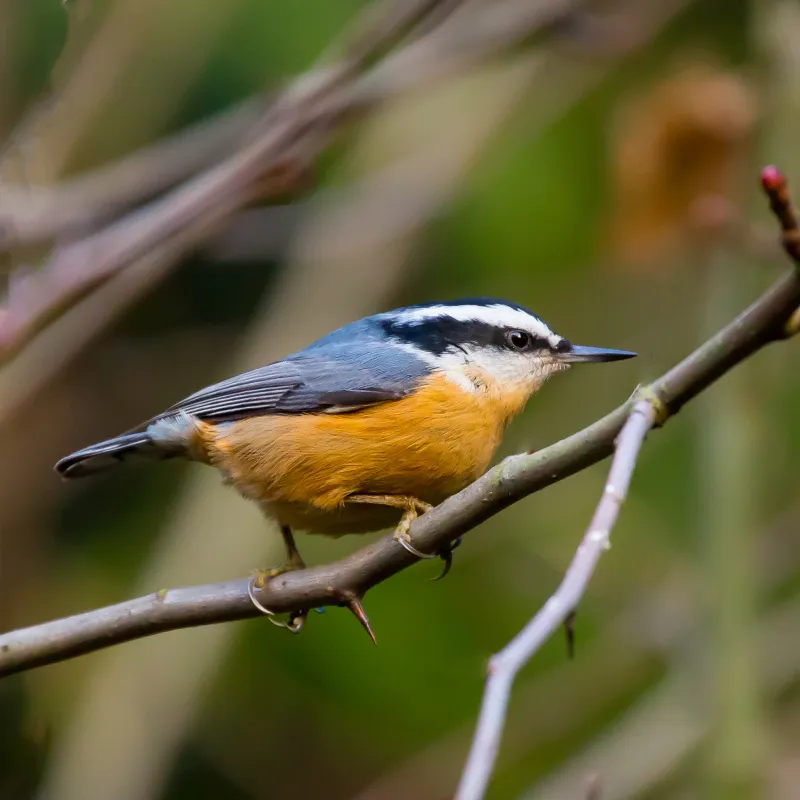
Hold a few quarters in your palm, and you have roughly the weight of this bird. A Red-breasted Nuthatch weighs only about 0.3 to 0.5 ounces.
It measures around 4.3 to 4.7 inches from beak to tail.
Small as it is, this bird has a big personality. It calls with a nasal yank-yank sound that many people compare to a tiny tin horn.
Once you learn that sound, you will start noticing it in pine trees and parks.
Most of these birds nest in the cool boreal forests of Canada and the northern United States. Ohio is not their main home.
Instead, they show up here as irregular winter visitors and migrants.
That word irregular matters. Some winters, you may spot several nuthatches in your yard.
Other winters, you may not see a single one.
Their visits are tied closely to evergreen trees like spruce, pine, and fir. If your neighborhood has plenty of conifers, your chances go up.
Parks with pine groves are also good places to look.
So when one of these birds pops onto your feeder, consider it a special guest. You are seeing a traveler from the north woods.
Take a moment to watch it, because it may not stay all season.
2. Its Arrival Can Signal A Shift In Seasonal Movement
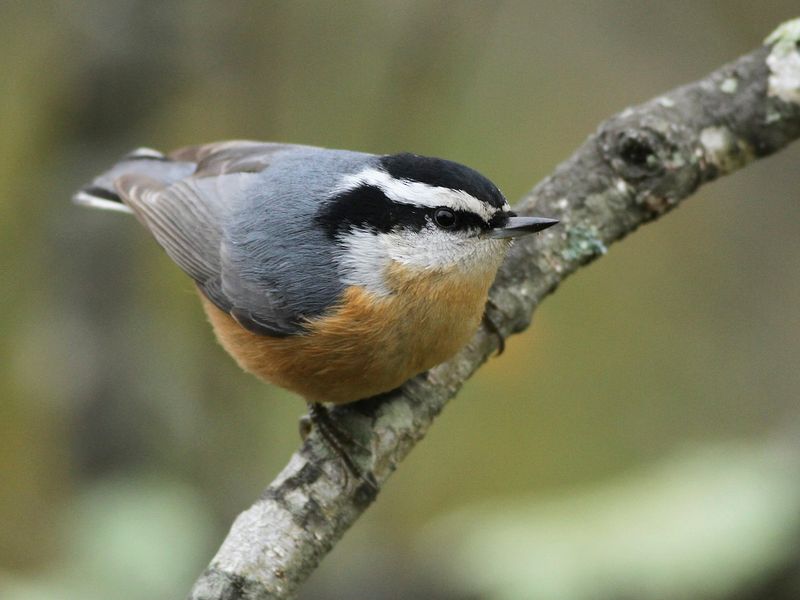
Here is a fun twist. Many nuthatches stay put all year, but the Red-breasted Nuthatch is a real traveler.
It migrates, and its winter address can change a lot from year to year.
Think of it like a family that picks a new vacation spot each winter. One year they head south in big numbers.
The next year they might stay near home in the north.
Why the change? It mostly comes down to food.
When their northern forests run low on seeds, these birds pack up and fly south. Some travel hundreds of miles past their usual range.
For Ohio bird watchers, that makes an early fall sighting pretty exciting. A nuthatch showing up in September or October can be a clue. It may mean more of its buddies are on the move too.
Your Ohio Garden Changes Every Week. Your Plan Should Too.
Gardening in Ohio changes quickly throughout the season. Every Friday you’ll receive a simple weekly plan showing exactly what to plant, prune, fertilize, harvest, and protect so you never miss the right timing.
You can use this as a handy seasonal signal. When you spot the first one, check your feeders and fill them up.
Keep an eye out for other northern birds, such as Pine Siskins, which sometimes move for similar reasons.
Keeping a simple notebook helps too. Write down the date you first see a nuthatch each year.
Over time, you will build your own record of how nature shifts across the seasons.
3. Cone Crops Often Shape Where These Birds Wander
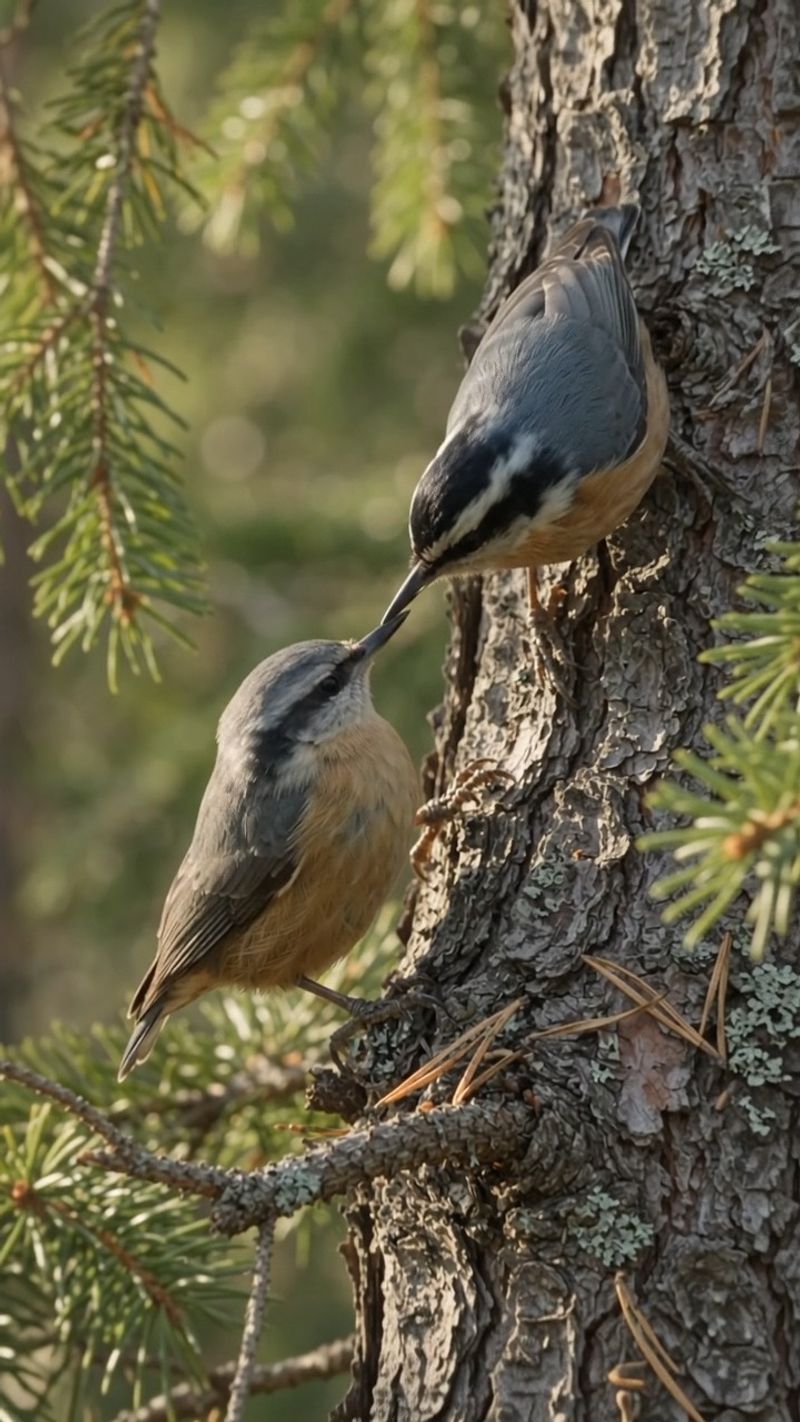
Believe it or not, a pinecone can decide where a bird spends its winter. For Red-breasted Nuthatches, cone crops are a big deal.
Seeds from spruce, fir, and pine trees make up a key part of their cold-weather diet.
Trees do not grow the same amount of cones each year. Some years bring huge crops, with branches loaded down.
Other years bring only a few scattered cones.
When the northern forests have a poor crop, the birds cannot find enough to eat. So they head south looking for other food.
When the crop is great, many of them stay up north all winter.
Scientists have noticed these big moves tend to happen about every two to four years. That rhythm follows the ups and downs of cone production.
It is a neat example of how plants and animals are linked.
Some bird groups even publish a winter finch forecast each fall. These reports look at cone crops in Canada and predict which birds may head south.
Searching for one online is a smart move for curious Ohio birders.
So the next time you see a nuthatch, picture a forest far away. Its tiny body carries news about trees you may never visit.
4. Black-Capped Heads Set Them Apart From Other Nuthatches
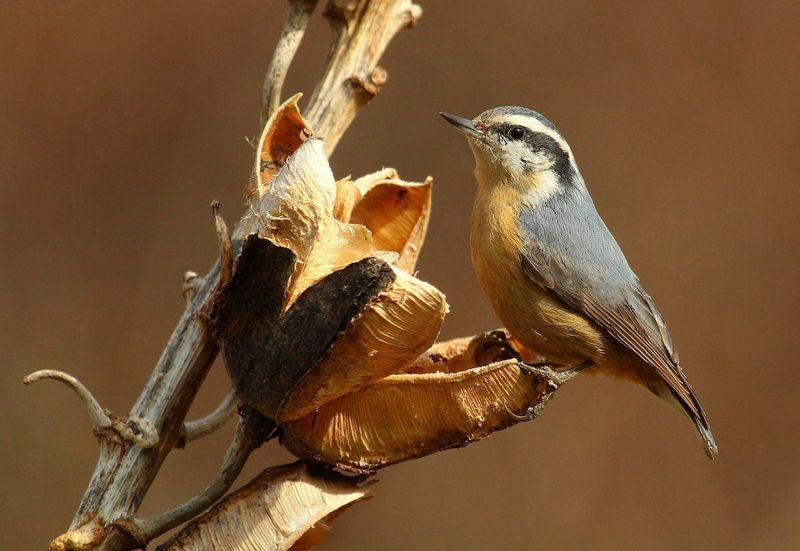
Ever mixed up two birds that look almost alike? Nuthatches can fool beginners.
Luckily, the Red-breasted Nuthatch wears a clear set of markings you can learn quickly.
Start with the head. It has a black cap, a bold black stripe running through the eye, and a crisp white stripe above that.
It almost looks like the bird is wearing a tiny bandit mask.
Next, check the colors. The back is a soft bluish-gray.
The belly shows a warm buffy-orange or rusty-red shade, which gives the bird its name.
Males and females look a little different. Males usually have a darker, deeper black cap.
Females often have a grayish or bluish-black cap and paler bellies.
Now compare it to the White-breasted Nuthatch, the more common kind in Ohio. That bird is noticeably bigger.
It has a white face with no black eye stripe and a clean white belly.
Here is a quick trick to remember. Small, masked, and orange means Red-breasted.
Bigger, white-faced, and plain means White-breasted. Keep a pair of binoculars by the window, and you will soon tell them apart in seconds.
5. They Forage Headfirst Along Tree Trunks
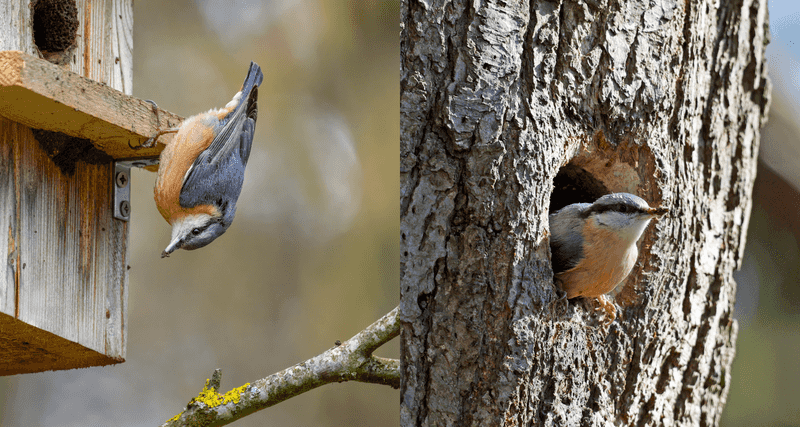
Upside down and totally unbothered, that is the nuthatch style. Most birds climb up a tree trunk.
This little acrobat happily scoots down headfirst.
Watching it feels a bit like seeing a gymnast warm up. The bird zips up, down, and sideways across bark and branches.
It seems to ignore gravity entirely.
There is a good reason for the upside-down trick. Heading down gives the nuthatch a different view of the bark.
It can spot insects and spiders that climbing birds, like woodpeckers, might miss.
The bird pokes its sharp bill into cracks and under loose flakes of bark. It hunts for tiny bugs, eggs, and spiders hiding inside.
That makes it a helpful neighbor for your trees.
Here is another cool detail. Woodpeckers lean on their stiff tails for support when they climb.
Nuthatches do not use their tails that way. They grip with strong feet and move with quick hops.
Want a fun activity for kids? Sit quietly near a tree with rough bark and count how many times the bird flips direction in one minute.
You might be surprised by the number. It is a simple way to learn patience and observation.
6. Sunflower Seeds Can Bring Them To Feeders
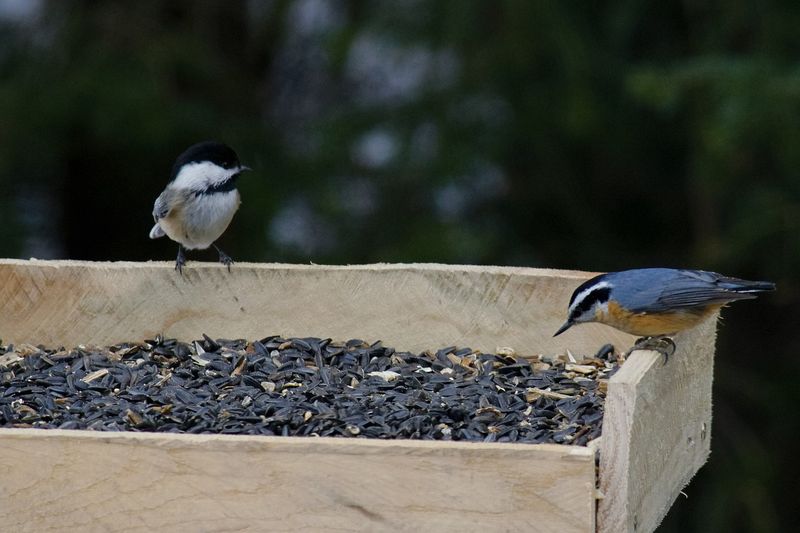
Grab, fly, repeat. That is how a Red-breasted Nuthatch treats a feeder full of black oil sunflower seeds.
It darts in, snatches one seed, and zooms away.
In colder months, these birds eat more seeds than bugs. That makes backyard feeders a welcome snack bar.
Besides sunflower seeds, they enjoy shelled peanuts, peanut chips, suet, and even peanut butter.
Watch closely after the bird leaves your feeder. Often it wedges a big seed into a crack in tree bark.
Then it hammers the shell open with its strong bill.
That hacking habit is actually how the nuthatch got its name. Long ago, people called it a nut hacker.
Over time, the name shortened to nuthatch.
These birds also plan ahead. They hide extra seeds and nuts under bark to eat later.
So if one visits again and again, it may be stocking a secret pantry.
Want to attract them? Try a tube feeder with black oil sunflower seeds.
Add a suet cage for extra energy on chilly days. Place feeders near trees so the birds have a quick escape spot.
Keep feeders clean and filled, and your tiny guest may become a regular.
7. Evergreen Trees Offer Valuable Winter Shelter
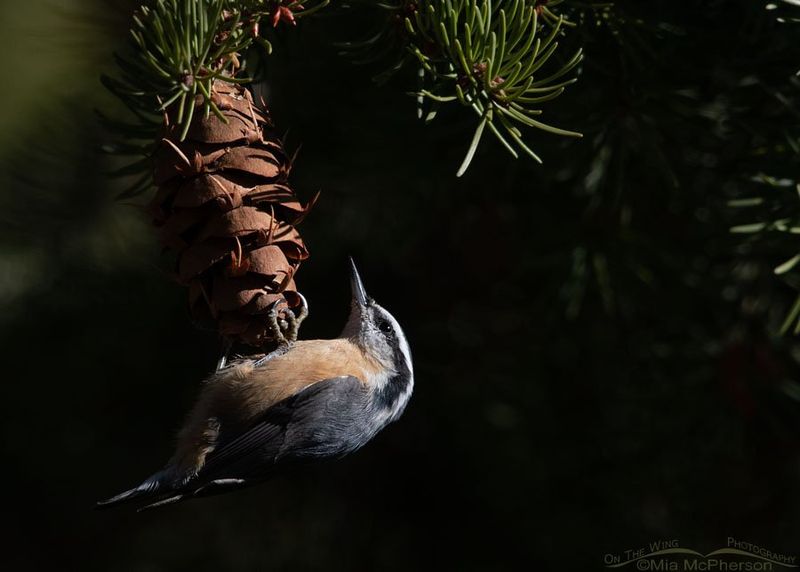
When icy wind howls across Ohio, a thick spruce feels like a warm blanket to a tiny bird. Red-breasted Nuthatches love conifers.
Spruce, fir, pine, and hemlock are among their top picks.
Evergreens keep their needles all winter. That dense cover blocks wind and snow.
It also hides small birds from hawks and other hunters.
These nuthatches nest in tree cavities, too. They often carve their own holes in old, soft tree stubs called snags.
Leaving a safe snag standing in your yard can help many kinds of wildlife.
One of their strangest habits involves sticky tree sap. They smear resin around the entrance to their nest holes.
Experts think it may keep out predators or rival birds.
On very cold nights, nuthatches may crowd together inside tree holes. Sharing body heat helps them stay warm until morning.
Dense shrubs and bushes can also give them a cozy hiding place.
If you want to help, think about planting a few evergreens. Even a small cluster of pines or a hemlock hedge makes a difference.
Over time, your yard can become a winter hotel for birds. It also looks lovely against fresh snow.
8. Irruptions Can Send More Nuthatches Into Ohio Yards
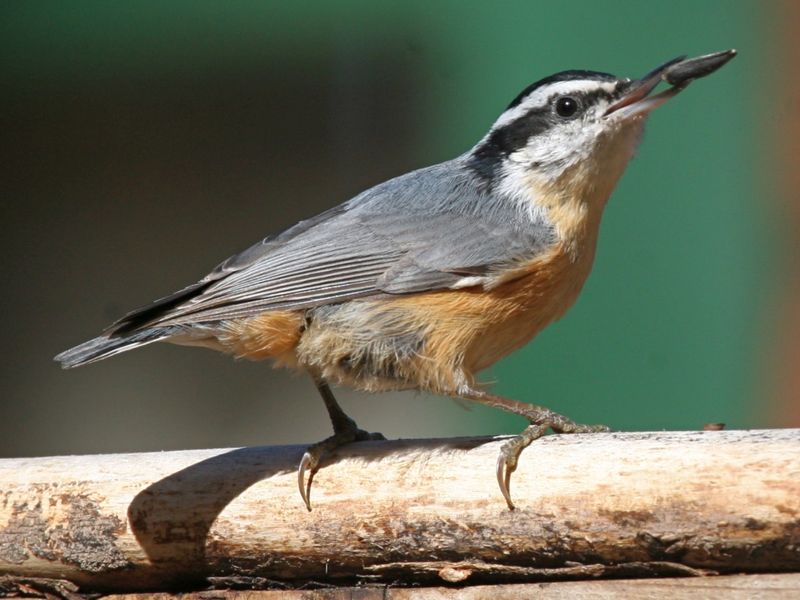
Some winters feel like a surprise party for Ohio bird lovers. Suddenly, Red-breasted Nuthatches seem to be everywhere.
Scientists have a special word for this event: irruption.
An irruption happens when lots of birds move into an area they do not usually visit in big numbers. It is not the same as regular migration.
Instead, it is driven by a shortage of food back home.
For these nuthatches, the trigger is usually a poor cone crop in the north. With not enough seeds to go around, many birds head south together.
Ohio often ends up on their travel route.
During an irruption year, you might see two, three, or more nuthatches at once. Your feeders may get busier than usual.
Other northern birds, like Pine Siskins or redpolls, may join the crowd.
These events are hard to predict. They do not follow a strict schedule, and each winter brings its own surprises.
That uncertainty is part of the fun.
Here is a tip for making the most of it. Join a community science project like Project FeederWatch or eBird.
Reporting your sightings helps researchers track these movements. Your backyard counts can add to real bird science.
9. A Feeder Visit Reveals More Than Just Hunger
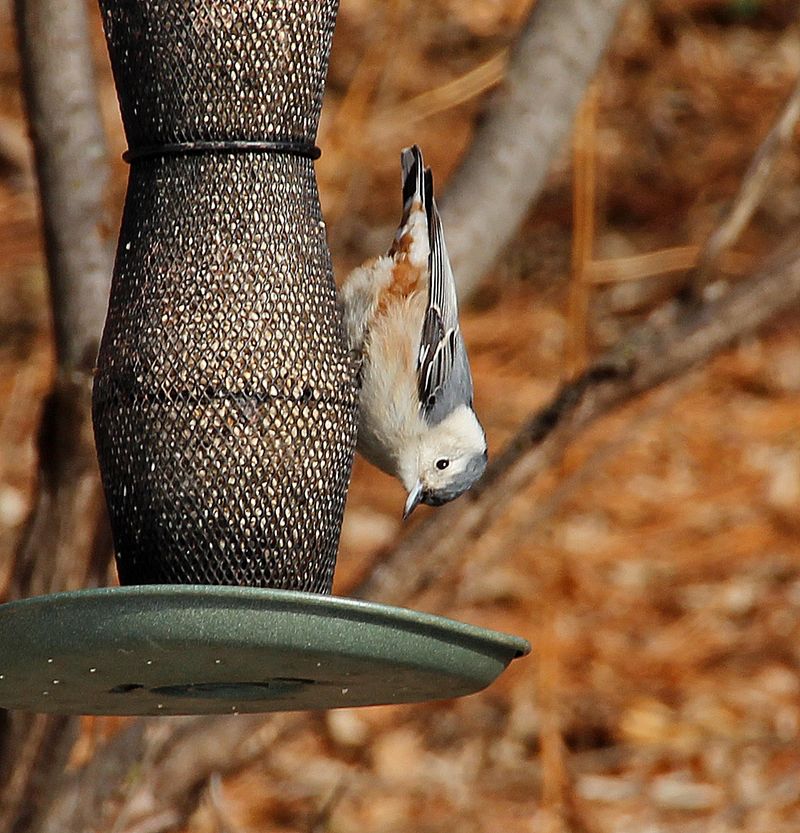
My neighbor once swore a nuthatch stared her down while she refilled the feeder. She was not imagining it.
These birds are famous for being curious and surprisingly fearless around people.
On the practical side, a visit tells you something about nature. During an irruption year, it suggests food is scarce up north.
Your feeder is helping a small traveler get through a hard season.
There is also plenty to enjoy just by watching. The headfirst climbing, quick hops, and seed-hacking make every visit a mini show.
It is a great way to slow down on a busy day.
Many people also find deeper meaning in these birds. Nuthatches often stand for resourcefulness, adaptability, and persistence.
They remind us that a little courage can take us far.
Their upside-down habit carries a lesson, too. Looking at things from a new angle can help us solve problems.
Sometimes the best view comes from flipping your point of view.
Finally, a nuthatch can remind you how connected everything is. Far-off trees, cold winds, and your backyard all link together.
So when this little bird stops by, smile and say hello. It chose your yard as a safe place to rest.