9 Ways to Use Leftover Holiday Greenery in an Arizona Garden
Phoenix and Tucson both run seasonal programs that grind used Christmas trees into mulch instead of sending them to landfills. That means the tree glowing in your living room could end up cooling the soil around somebody’s desert shrubs.
I love how a little planning now in October can turn those future holiday leftovers into real garden helpers. Once the wrapping paper is gone, which of these nine clever ideas will your Arizona yard try first?
1. Pine Needle Mulch Around Desert Shrubs
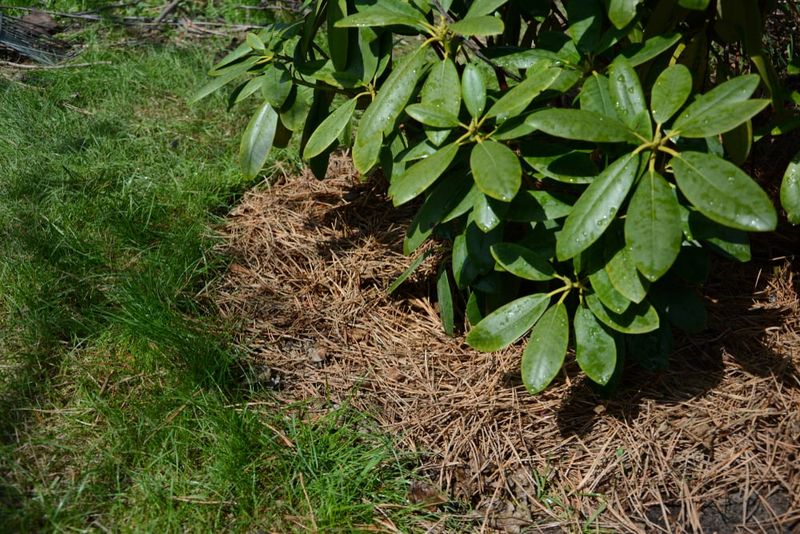
Those needles that sneak into your carpet for weeks have a much better job waiting outside. Spread around shrubs, they form a loose, airy blanket that slows moisture loss from thirsty desert soil.
Personally, I like stripping needles by shaking the tree over a tarp once the decorations come down. The pile looks small at first, yet it covers a surprising amount of ground around roses or salvias.
Aim for a layer about two to three inches deep across the root zone of each plant. Keep it a few inches away from stems so trunks stay dry and healthy through cooler months.
Many gardeners worry that pine needles will turn their soil sour and acidic over time. University extension research shows the effect is small, and alkaline desert soils barely budge from a needle layer.
Dry needles do catch fire easily, so skip using them right against walls, patios, or wooden fences. A gravel strip near the house paired with needles farther out keeps the yard both tidy and safer.
You might notice fewer weeds popping up where the needles sit, which saves your knees some work. Refresh the layer each year with the next tree, and your shrubs will thank you during spring warmups.
2. Chopped Boughs In The Compost Pile
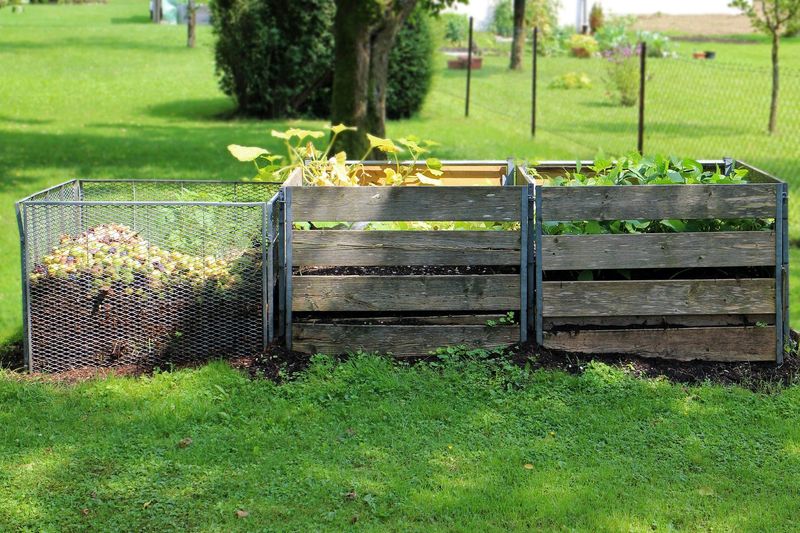
Your compost pile in the desert often runs short on carbon once summer heat bakes everything into crumbs. Chopped evergreen boughs fill that gap nicely, giving kitchen scraps the brown partner they badly need.
Size matters a lot here, so grab pruners and cut branches into pieces no longer than your hand. Smaller bits break down faster, while whole boughs can linger in the pile for a surprisingly long time.
I have to admit that needles feel slow and stubborn compared to soft lettuce leaves or coffee grounds. Mixing them in gradually, rather than dumping everything at once, keeps the pile working at a steady pace.
Moisture is the tricky part in our dry air, so sprinkle the heap whenever it feels like a crisp cracker. A damp sponge texture is the target, and a shady corner helps the pile hold that moisture longer.
Skip any greenery that was flocked, painted, or sprayed with flame retardant before it came home with you. Those coatings have no business in soil that will someday feed your tomatoes or your peppers.
Finished compost helps loosen tight desert clay and gives roots an easier path through the ground. That dark, crumbly reward makes chopping branches on a cool January afternoon feel completely worthwhile and satisfying.
3. Brush Pile Shelter For Quail And Lizards
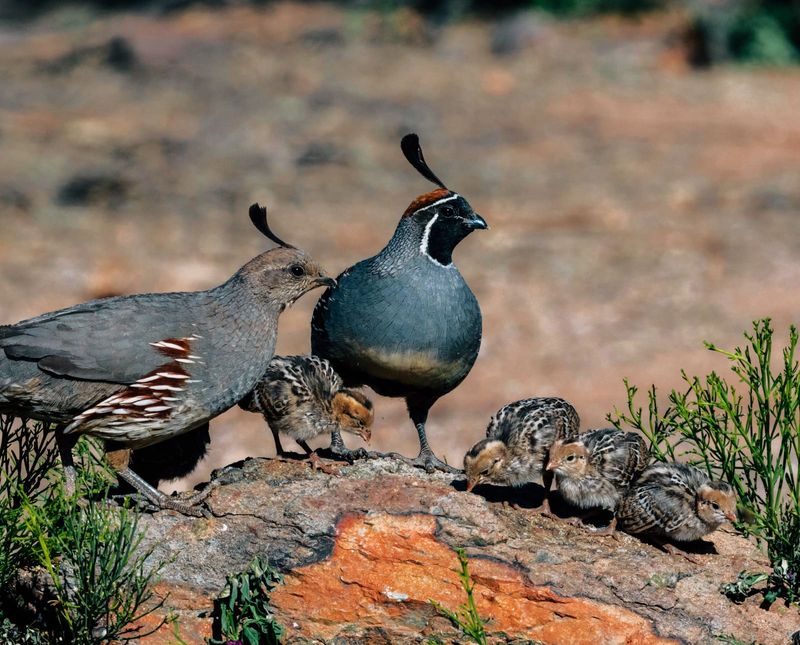
Gambel’s quail dash for cover the moment a hawk shadow crosses the yard, and they need somewhere to hide. A low pile of old evergreen branches gives them a quick refuge right in your landscape.
I love watching a covey slip under branches, then peek out with those bobbing topknots a minute later. Lizards also bask on the outer edges, snapping up insects that wander past the sunny side.
Placement matters more than size, so tuck the pile near native shrubs where birds already feel comfortable. Keep it small and loose, roughly waist high, so air moves through and the branches settle naturally.
Scorpions and pack rats also like sheltered clutter, so keep any brush pile well away from your house. A distance of twenty feet or more keeps those visitors outdoors instead of inside your garage or walls.
Remove every scrap of tinsel, hooks, and wire before stacking anything, since birds can tangle in leftover decor. Plain branches are the safest option, and they blend into the desert scene far more gracefully anyway.
Over the following year, the needles drop and the branches soften into the soil beneath the pile. Add the next tree on top when the holidays return, and your quail hideout keeps going strong.
4. Evergreen Boughs Over Frost Tender Succulents
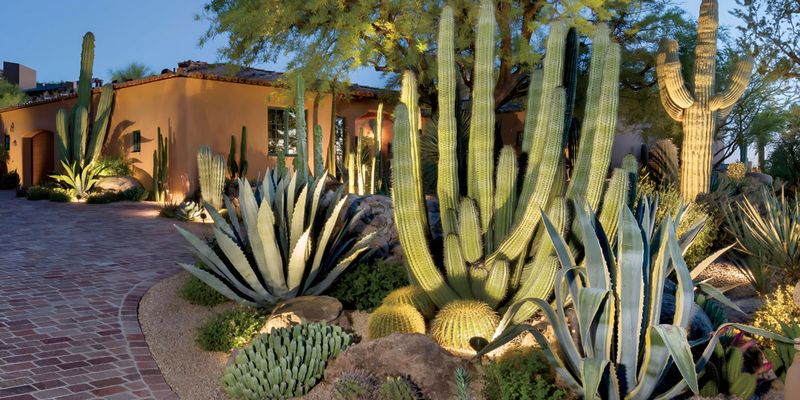
Clear desert nights can dip below freezing in winter, even after afternoons that feel like spring. Frost-tender aloes and young agaves often show mushy, scarred leaves after just one hard overnight chill.
Fir and pine boughs make a handy loose cover when a cold snap shows up in the forecast. Laid gently over low plants, they trap a bit of ground warmth and block frost from settling.
I believe this trick works best on small succulents rather than tall citrus or big columnar cactus. Larger plants need proper frost cloth that reaches the ground, since boughs alone cannot hold enough heat.
Remove the branches once mornings warm up so your plants get sunlight and fresh air again. Leaving them on for days invites soggy spots and fungus, especially after a rare winter rain shower.
Store a few bundles in a shady corner after the holidays so they are ready when temperatures drop. Fresh boughs work better than brittle ones, since the needles stay attached and cover more space.
Higher elevation gardens in Flagstaff or Prescott face longer cold spells than the low desert valleys do. Up there, boughs also help shield perennials and bulbs from harsh drying winds during the coldest stretch.
5. Branch Mats On Bare Desert Slopes
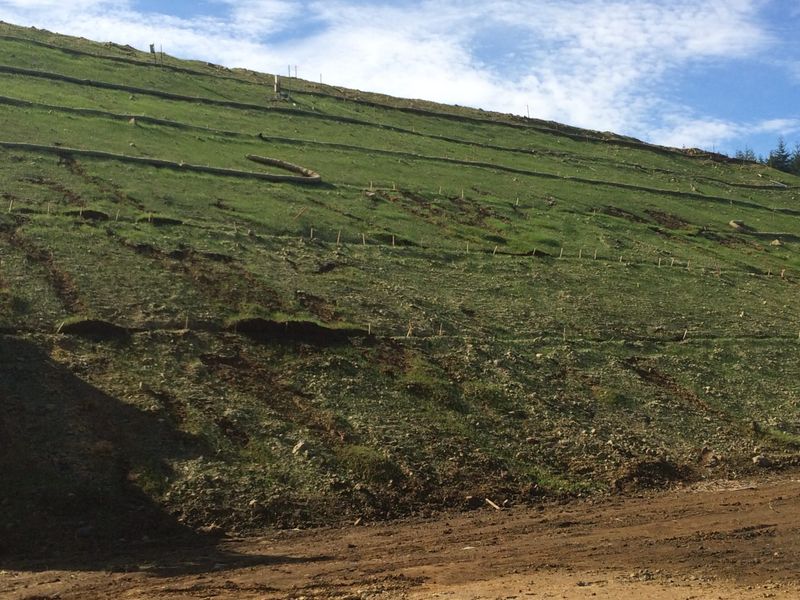
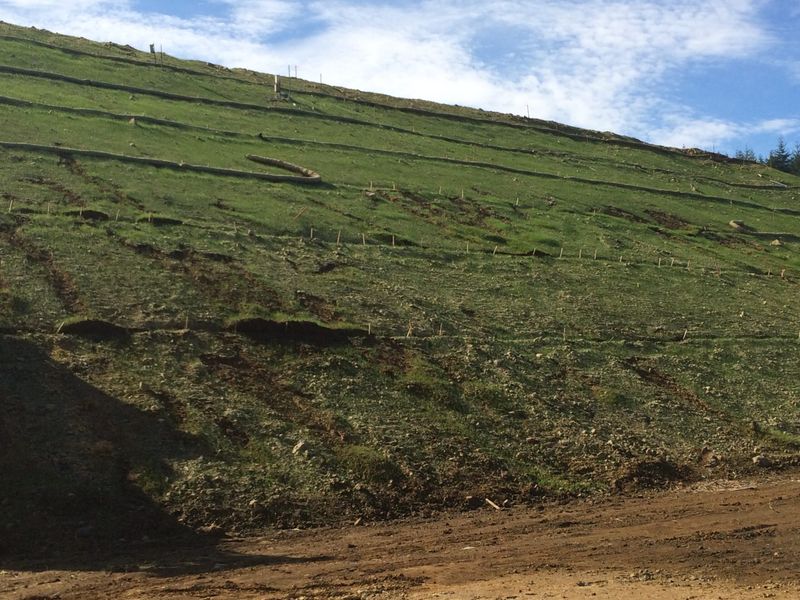
Monsoon storms can carve little canyons into a sloped yard in one wild summer afternoon. You probably saw fresh gullies form a few months ago, carrying topsoil straight toward the sidewalk.
Laying evergreen branches across bare slopes slows that rushing water so it soaks in rather than racing downhill. Place them sideways, following the contour of the slope, like small speed bumps for rain.
Personally, I pin each branch with a few rocks or garden staples so wind cannot drag it away. The needles snag loose soil and seeds, which helps native plants find a foothold over time.
Pine needles tend to knit together on slopes better than many other loose mulches, according to garden researchers. That interlocking habit is one reason forestry crews sometimes use pine straw on hillsides after construction.
Pair the branches with a few deep-rooted natives like brittlebush or desert marigold once spring arrives. Roots grip the soil long after the branches soften, giving you a much sturdier slope going forward.
Keep branch mats away from any spots where water needs to drain freely toward a wash or culvert. You want to slow runoff gently, not create a dam that floods your patio during the next storm.
6. Tree Trunk Hugelkultur Raised Beds
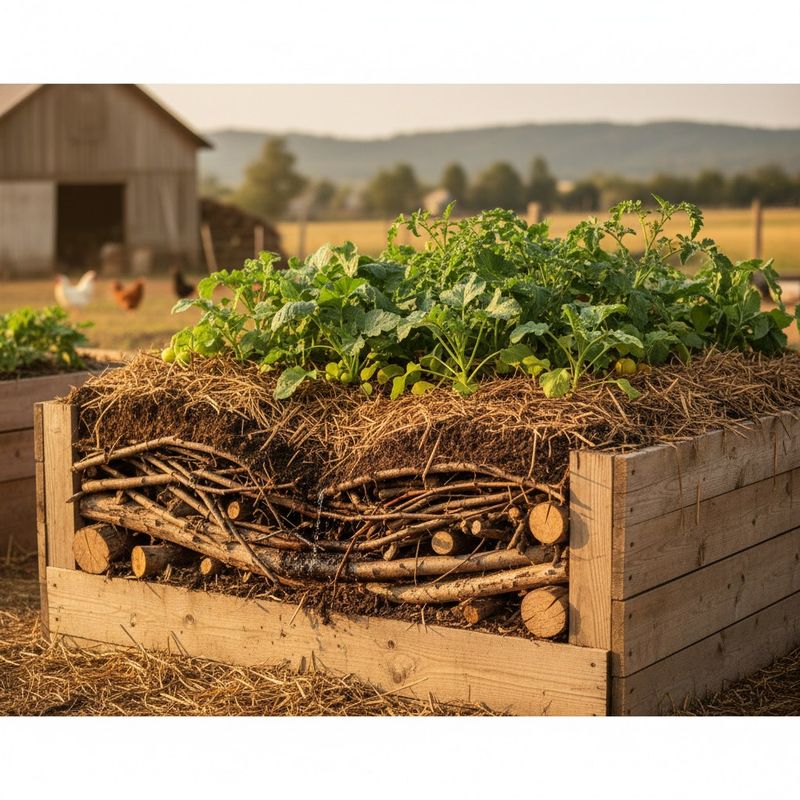
Filling a deep raised bed with bagged soil can cost more than the lumber holding it together. Buried logs and branches take up space at the bottom, and they slowly feed the bed over the years.
The idea comes from hugelkultur, a European method that stacks rotting wood under compost and soil. In our dry climate, buried wood acts a bit like a sponge that holds water after irrigation.
Cut the trunk into short sections and lay them in the bottom six to twelve inches. Fill gaps with smaller branches, then add a thick layer of compost before topping with good garden soil.
You need to know that fresh wood borrows nitrogen from the soil while it breaks down underground. A little extra compost or slow-release fertilizer during the first season helps your vegetables stay green and vigorous.
The soil level may sink a few inches as the wood decays, which is perfectly normal behavior. Top it off with compost each fall, and the bed gets richer with every planting season afterward.
What surprises me most is how fluffy the soil becomes once the wood softens over time. Carrots and beets seem to enjoy that loose texture, growing straighter roots than they do in hard ground.
7. Trunk Rounds As Rustic Pathway Edging
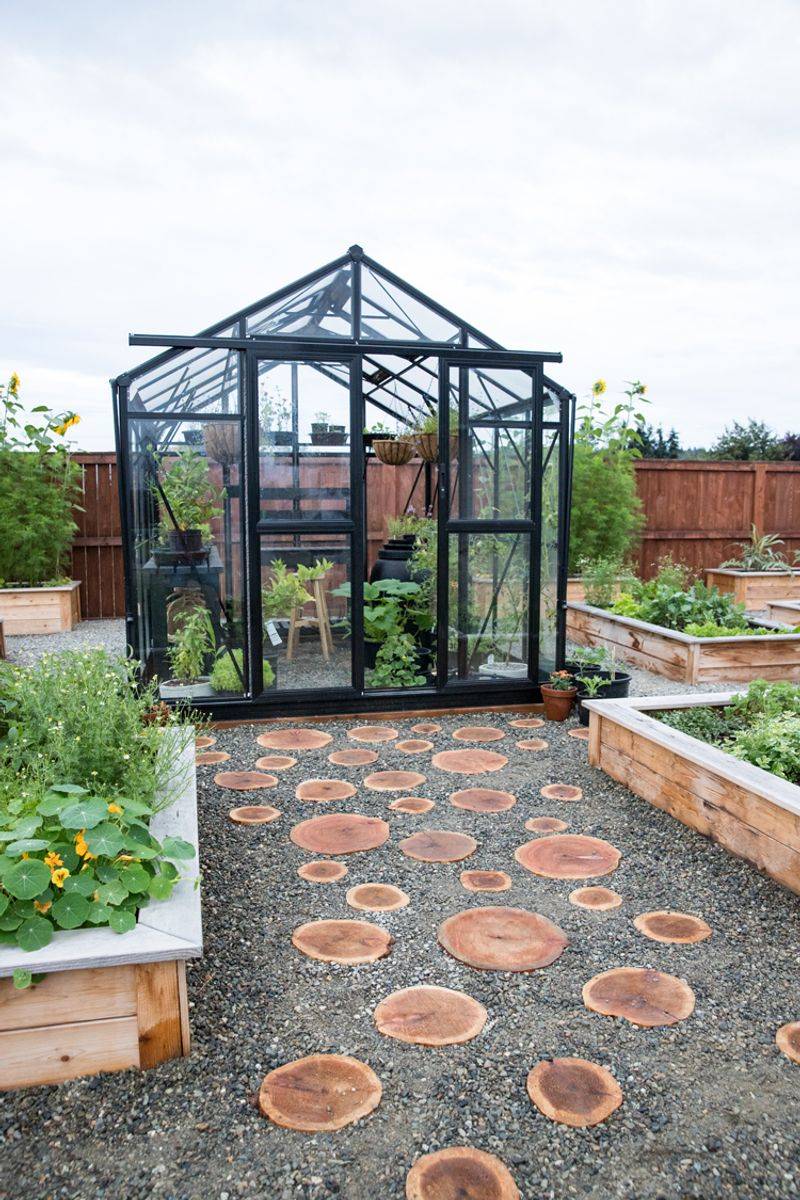
A plain Christmas tree trunk hides a surprisingly handsome pattern of rings once you saw it into slices. Lined up along a path, those rounds give a gravel walkway a cozy, woodland feel in the desert.
Cut rounds about two inches thick for flat stepping accents or longer pieces for upright edging. A pruning saw handles most trunks, though a friend with a chop saw makes the job much quicker.
Set upright pieces halfway into the soil so they stand firm when someone brushes past them. Flat slices work nicely as stepping spots between potted herbs or beside a seating area under a mesquite.
Desert subterranean termites love buried wood, so keep these features well away from your foundation and wooden structures. I treat wood edging as a temporary accent, not a permanent border near the house.
Expect the rounds to crack and gray within a year or two under our intense sunshine. Many gardeners enjoy that weathered look, and the softened pieces can move to the compost or brush pile later.
You might notice beetles and pill bugs gathering underneath, which mostly helps break down the wood naturally. Lift a slice now and then to check, and enjoy the tiny ecosystem you created by accident.
8. Stripped Branches As Pea And Bean Trellises
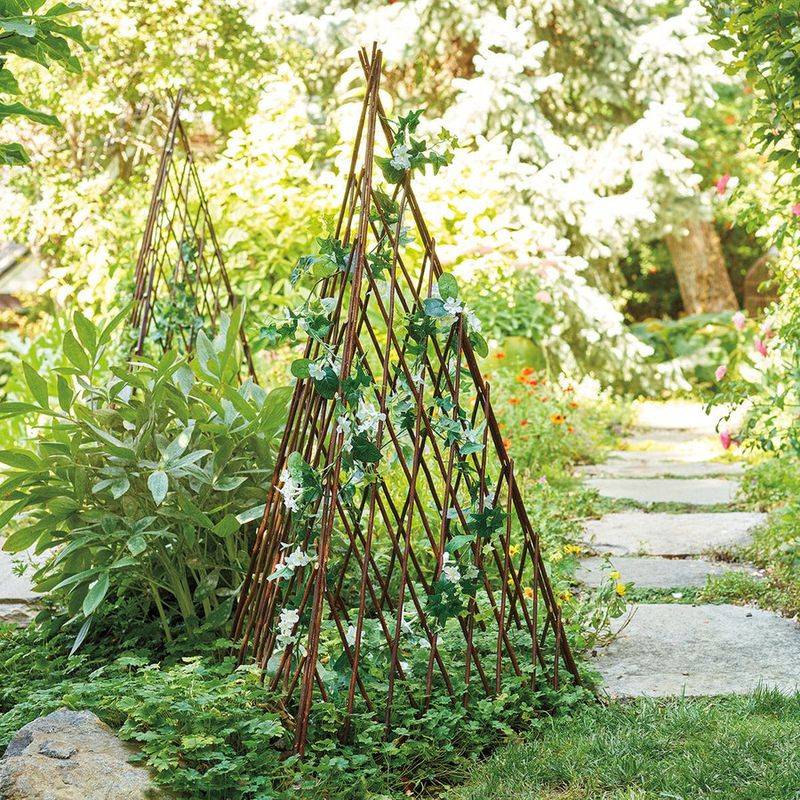
Snap peas in the low desert grow best through the cooler months, and they love something to climb. A teepee of stripped evergreen branches gives those curling tendrils a sturdy place to grab on.
Once needles are gone, side branches become rough little ladders that peas cling to easily. That bumpy texture often works better than smooth store-bought stakes, which tendrils sometimes struggle to grip.
Gather four or five of the straightest branches and push their bases several inches into the bed. Tie the tops together with garden twine, then plant seeds around the base of each leg.
October is a fine time to plan this setup, since many low-desert gardeners sow peas between fall and early winter. When your tree comes down after the holidays, the trellis can support a later planting.
The trunk itself works as a tall stake for indeterminate tomatoes once spring planting begins in February. Sink it deep, since desert winds can push top-heavy plants sideways faster than you might expect.
I can’t imagine buying fancy supports when a free tree delivers so many usable branches at once. Save the needles for mulch, and nearly every part of that tree finds a second career outdoors.
9. Pinecone Bird Feeders For Winter Visitors
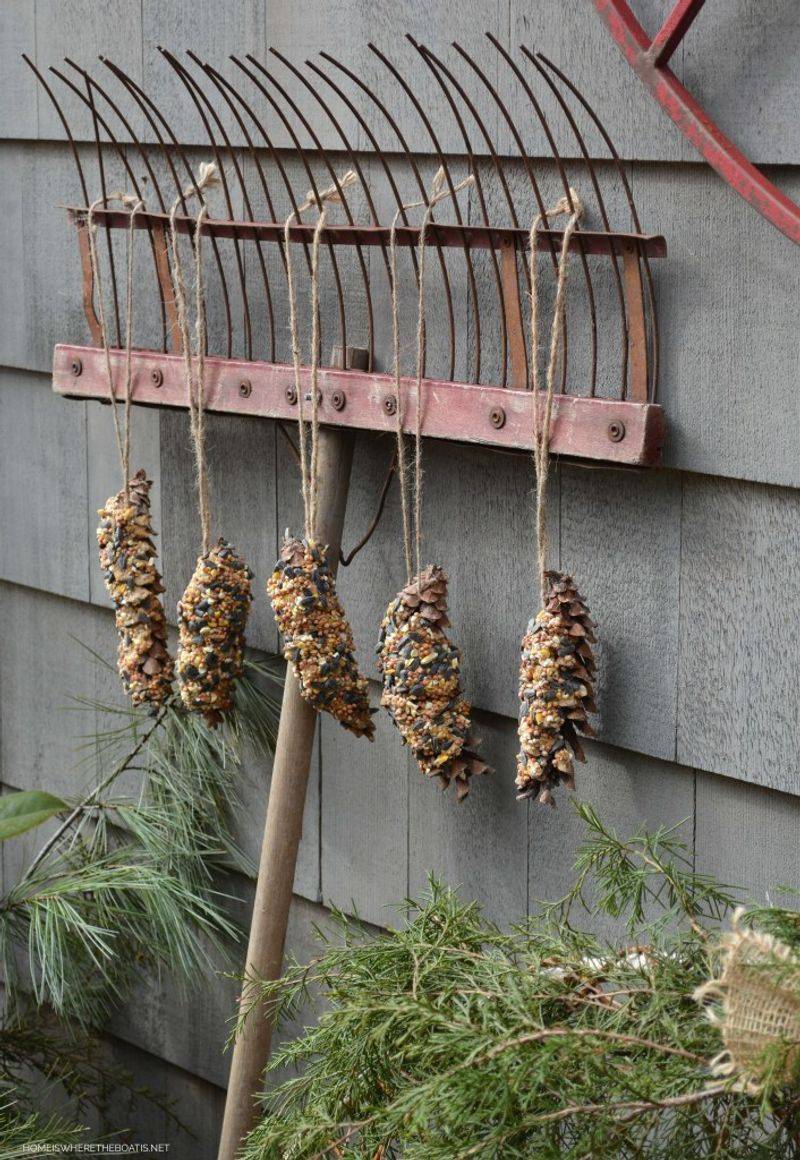
Winter brings white-crowned sparrows and dark-eyed juncos into desert yards after summers spent farther north. A pinecone stuffed with seed makes a cheerful welcome for these seasonal guests.
Collect cones from your tree or wreath, then smear them with a little vegetable shortening or seed butter. Roll each cone through birdseed until the scales look packed and fuzzy with tasty little bits.
Hang the cones in shade, since even winter sunshine here can soften fatty spreads by early afternoon. A spot under a mesquite or palo verde gives birds cover from hawks while they snack.
Children love this project, and I like how it keeps the holiday spirit going after the decorations go back in storage. Skip any cones that were painted or glittered, since birds will peck at every surface.
Leave some bare cones and branches tucked around shrubs too, because insects shelter in those crevices. Verdins and other small birds often pick through that natural clutter for meals you cannot see.
Clean up leftover seed beneath feeders now and then so rodents do not move into the neighborhood. A tidy feeding spot keeps your birds healthy, and your yard stays a pleasant place for everyone.