8 November Agave Jobs Arizona Homeowners Shouldn’t Skip
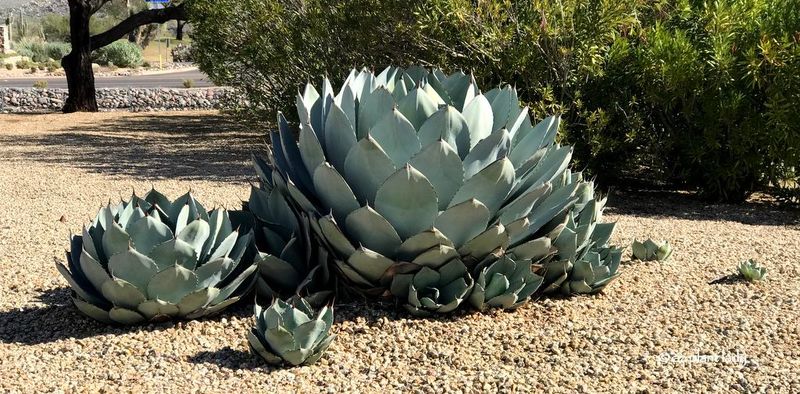
A spiky desert succulent can spend ten to thirty years growing before sending up one giant flower stalk. Some of those stalks shoot upward several inches a day, like asparagus spears built for a giant.
That slow, patient lifestyle makes these plants tough, yet November in Arizona can still catch them off guard. Chilly nights and soggy winter soil can sneak up on them while we are busy with holiday plans.
I have to admit I once ignored my own spiky beauties until a slumped rosette taught me a lesson. You might notice warning signs late, because these plants hide trouble inside their thick leaves for weeks.
October is the perfect month to plan ahead, so your Arizona yard heads into winter ready for anything. Which of these eight surprisingly easy jobs have you been quietly putting off in your own backyard?
1. Cut Back Agave Watering As Nights Cool
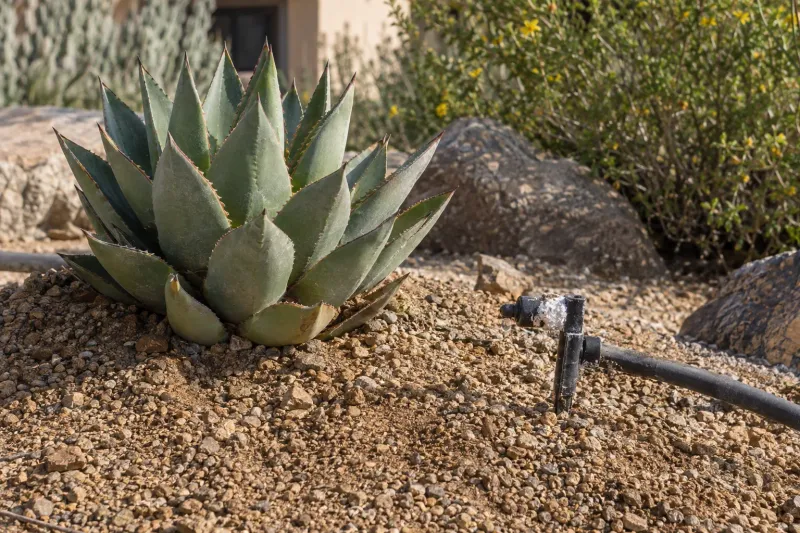
Agave leaves work like living canteens, holding summer moisture long after the monsoon storms drift back toward Mexico. I love how a healthy rosette stays plump and firm in fall, even when the soil feels bone dry.
Cooler soil slows root activity, so the plant sips far less water in November than it gulped in July. Extra irrigation now mostly sits around the roots, and that soggy setting invites rot organisms to move in.
Many desert nurseries suggest watering established in-ground agaves about once a month or less during the cool season. Plants that have lived in the ground for a few years often manage on winter rain alone.
You need to check the soil before reaching for the hose, pushing a probe several inches down. Water only when that deeper layer feels dry, then soak thoroughly so moisture reaches the full root zone.
Drip emitters on automatic timers deserve a quick look in October, since summer schedules often keep running unnoticed. Personally, I switch agave lines to manual mode and turn them on only when the plants truly need it.
Container agaves dry faster than in-ground plants, but they still need far less water once daytime highs drop. Let the pot dry most of the way down, and empty saucers so roots are not sitting in puddles.
2. Check Agave Crowns For Snout Weevil Damage
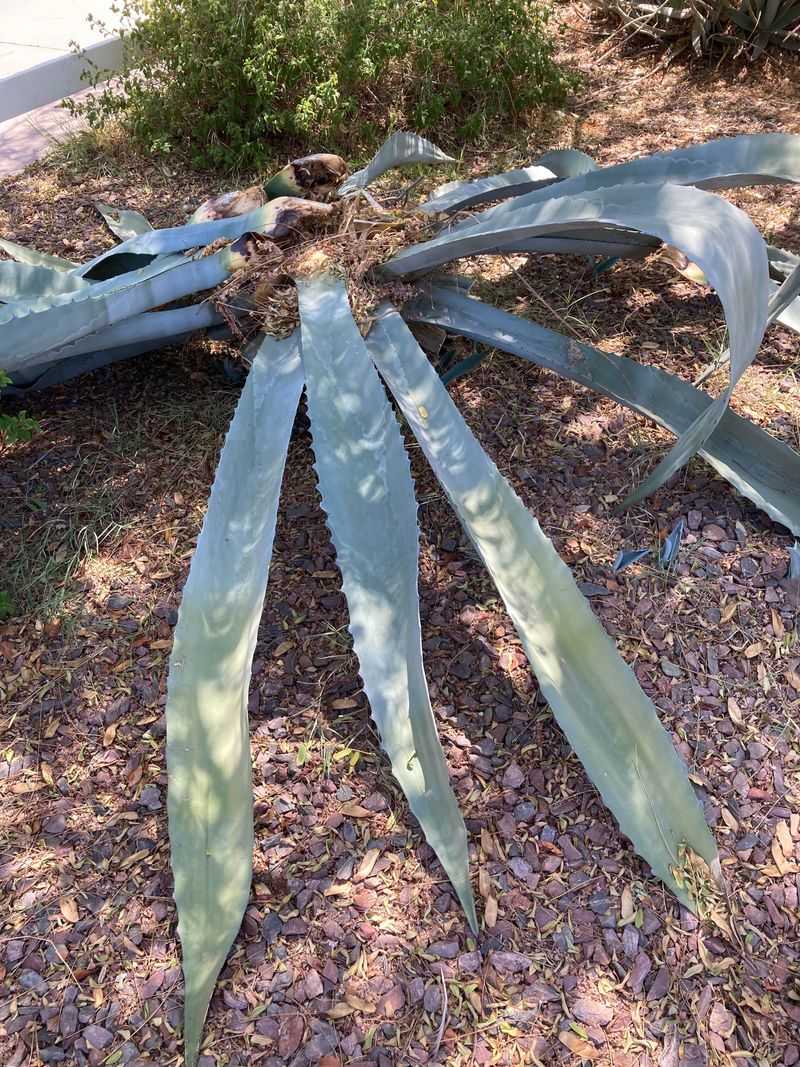
A beetle smaller than your thumbnail can bring down a giant agave, and the agave snout weevil does it quietly. Females chew into the base and lay eggs, and the hatching grubs tunnel into the heart of the plant.
Bacteria ride along with the feeding, so the core softens and the rosette may suddenly lean or collapse. By the time leaves wilt and flop outward, the damage inside is usually far along and hard to reverse.
November inspections help you catch trouble early, while you are already outside enjoying the mild weather. Look closely where the lowest leaves meet the trunk, checking for soft tissue or a sour, rotten smell.
Remove a collapsed plant promptly, including the mushy core, and bag it rather than tossing it in the compost pile. Leaving rotting tissue behind gives emerging adults a perfect launch pad toward your healthy agaves nearby.
Preventive soil treatments with imidacloprid are often timed for spring, when adult weevils become active and start searching for hosts. Follow the label carefully, and keep in mind this product can harm bees visiting nearby flowers.
Shopping for new plants this fall? I recommend inspecting the base before purchase, because infested nursery stock can carry grubs straight into your yard.
3. Remove Crowded Agave Pups
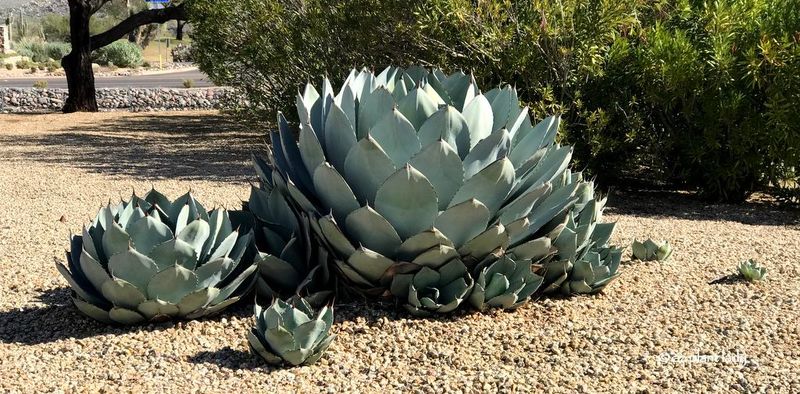
Some agaves act like proud parents with very large families, sending out pups on underground runners in every direction. Agave americana, the classic century plant, is famous for ringing itself with dozens of spiky little offsets.
Crowded clumps look charming at first, but tight quarters trap moisture and leaf litter right at soil level. Those dense pockets also make cleanup harder, and they give weevils and scorpions extra places to hide.
Cool fall days are a comfortable time for this job, because handling spiny plants in summer heat is miserable. Wear thick gloves and long sleeves, since the sap of some agaves can irritate bare skin.
You need to dig gently around each pup until you find the runner connecting it to the mother plant. A clean cut with a sharp knife or pruning shears frees the youngster with minimal harm to either plant.
Set the pups in a dry, shaded spot for several days so the cut ends can form a protective callus. Then plant them in fast-draining cactus mix and wait a week or so before giving the first drink.
Extra pups make wonderful gifts for neighbors, and I like how one healthy mother plant can supply a whole street. Native Parry’s agave fits easily into small yards and feeds pollinators when it eventually blooms.
4. Cover Tender Agaves Before Frost
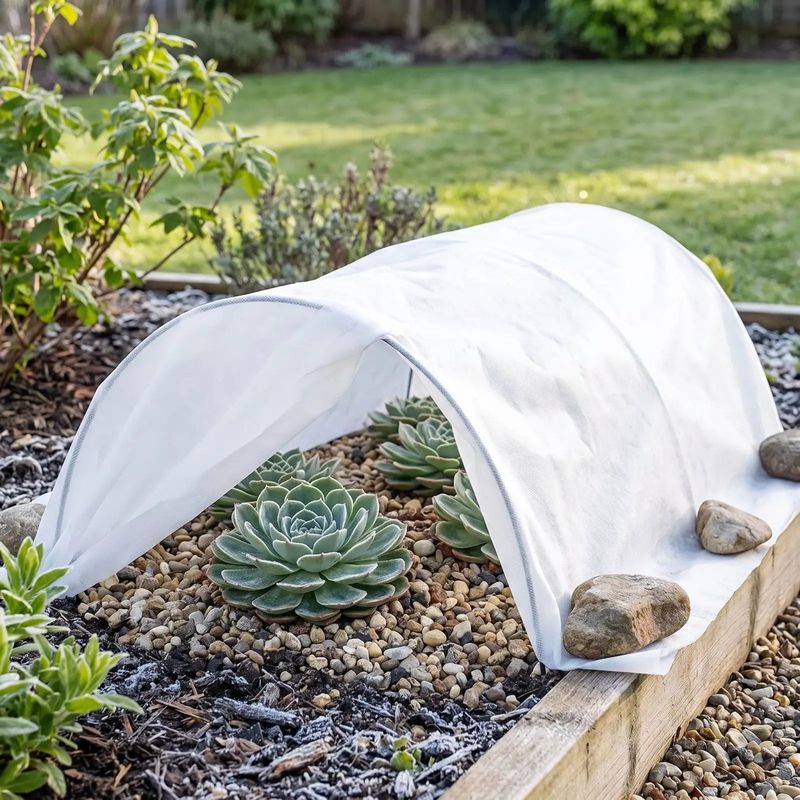
Desert winters can flip from sunny afternoons to frosty mornings, especially on the Tucson outskirts and in higher towns like Prescott. Not every agave shrugs that off, and the softer leaved species often show cold damage first.
Foxtail agave, Agave attenuata, is a popular example, and its smooth leaves can scar when temperatures dip below freezing. Parry’s agave sits at the tougher end, handling hard freezes that would flatten many tender relatives.
October is the moment to gather supplies, before the first frost forecast surprises you on a busy weeknight. Keep frost cloth and a few sturdy stakes together in one handy bin near the garage door.
Drape covers so they reach the ground, trapping warmth rising from the soil beneath the plant overnight. Use stakes to keep fabric off the leaf tips, then remove the cloth once the morning sun warms things up.
Potted agaves are easier, since you can roll them under a patio cover or against a south facing wall. I believe a little planning beats scrambling outside in pajamas with a flashlight at midnight.
Leaves may look blotchy or mushy after a cold night, but resist the urge to cut them right away. Wait until spring growth begins, because those leaves still shield the crown from later frosts.
5. Fix Soggy Soil Around Agave Roots
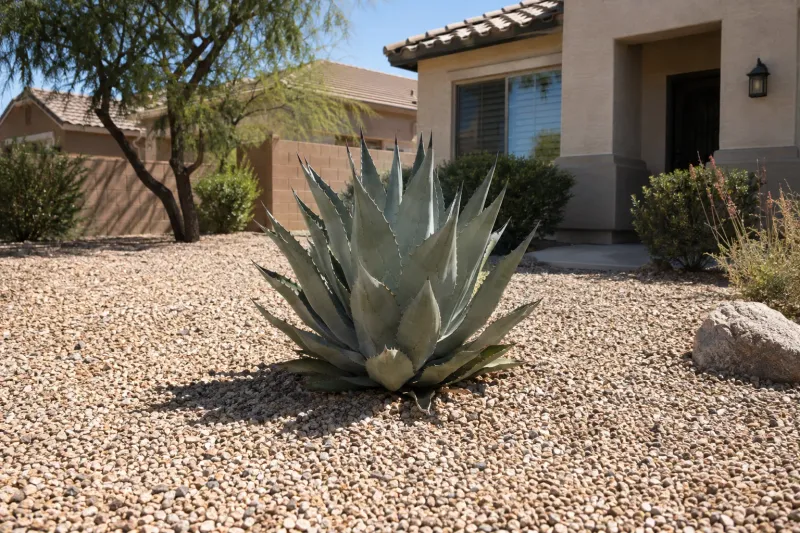
Agaves handle blazing sun with ease, yet cold, waterlogged soil can quickly undo all that toughness. Wet roots in winter are among the most common reasons gardeners lose these sturdy desert plants.
Many Phoenix-area yards sit on dense clay or hard caliche layers that hold water like a bathtub. Rain may pool for hours after a winter storm, soaking the root zone and the base of the rosette.
A simple test answers the question quickly, and you only need a shovel and a garden hose. Dig a hole about a foot deep, fill it with water, and see how long it takes to drain.
Water lingering for many hours means trouble, especially for agaves planted in low spots or beside downspouts. Redirecting gutters and building shallow channels can pull runoff away before winter storms arrive.
Personally, I like planting agaves on gentle mounds or berms, so the crown sits slightly above the surrounding grade. Mixing coarse gravel or decomposed granite into the planting area also helps loosen heavy native soil.
Skip thick organic mulch right against the trunk, because it stays damp much longer during cool weather. A light layer of gravel dries quickly and keeps the base of the plant looking tidy.
6. Rake Debris From Under Agave Rosettes
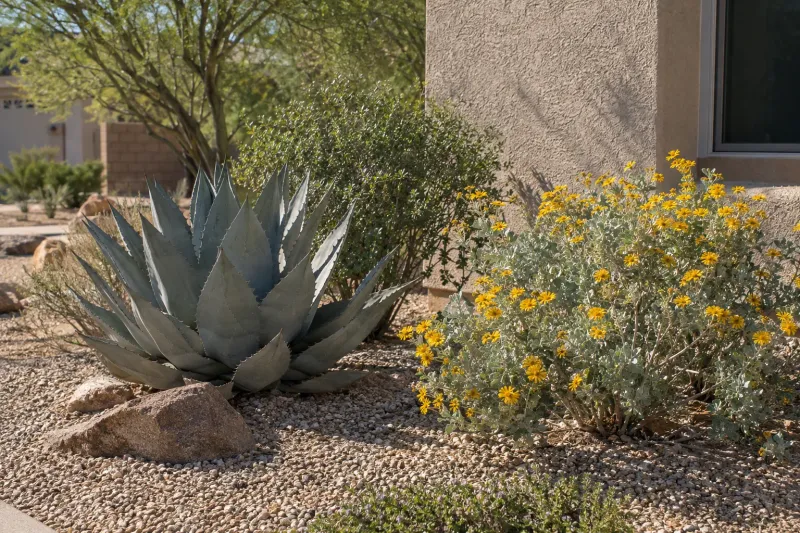
Arizona bark scorpions love tight, shady hiding spots, and a pile of old agave leaves fits that description perfectly. Withered lower leaves and blown-in litter can turn a handsome rosette into a scorpion apartment complex.
Clearing debris in fall pays off twice, because it reduces pest shelter and lets the soil dry between rains. Wear sturdy gloves and use a long-handled rake, since surprise visitors could be hiding under that litter.
Dry, brown leaves hugging the base can be trimmed carefully with a sharp pruning saw or serrated knife. Cut close to the trunk without nicking living tissue, because fresh wounds can welcome rot organisms and weevils.
Leave the green leaves alone, since overtrimmed agaves look like pineapples and lose valuable protection for the crown. Removing only the dried material keeps the plant natural looking while still cutting down hiding places.
You might also enjoy a bonus from a tidy yard, because roadrunners and lizards hunt more easily in open ground. Greater roadrunners are known to eat scorpions, so giving them clear sightlines works in your favor.
A black light flashlight on a warm evening reveals scorpions glowing blue green, which makes checking your cleanup surprisingly fun. I find it reassuring to see fewer glowing visitors once the clutter is gone.
7. Deal With Spent Agave Flower Stalks
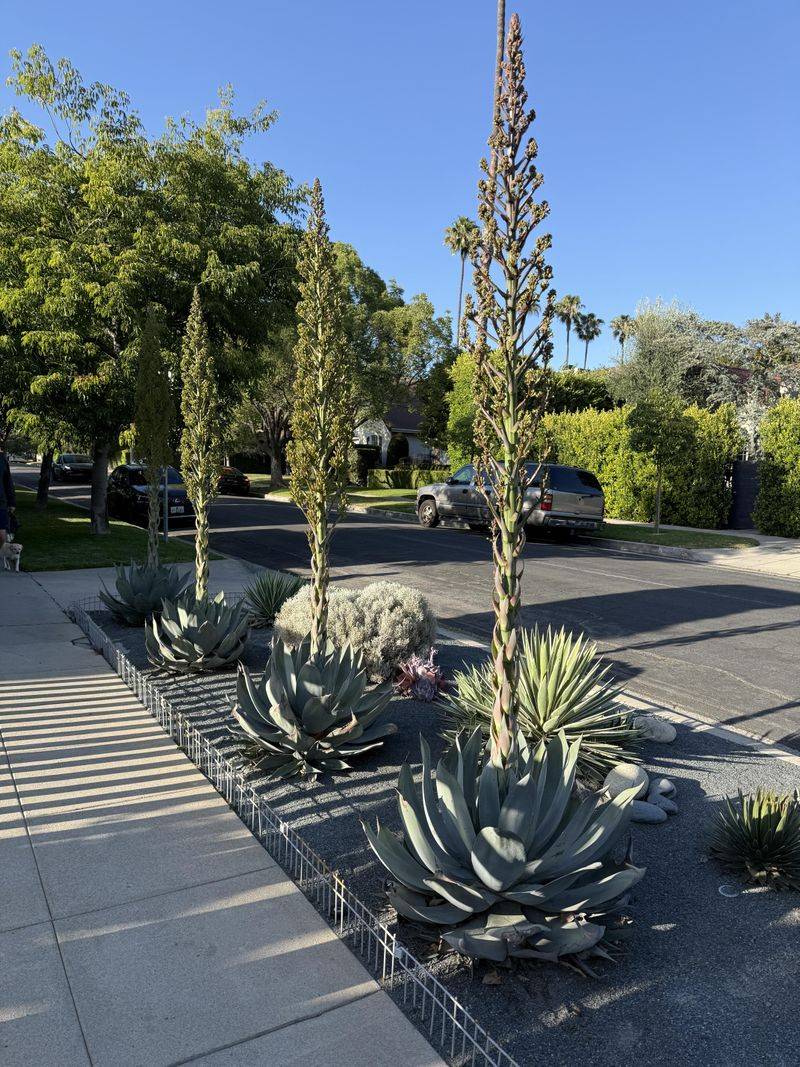
Few garden moments rival watching an agave launch a flower stalk taller than a basketball hoop. Many species are monocarpic, which means the mother rosette blooms once and then slowly declines afterward.
Lesser long-nosed bats help pollinate agaves in southern Arizona, and hummingbirds visit the tall blooms too. Supporting those pollinators is a lovely reason to let a bloom finish its show before you clean up.
Once the stalk dries out, it becomes top-heavy and sometimes leans toward roofs, fences, or sidewalks. A strong windstorm can topple it, so November is a smart month to decide whether it stays or goes.
Cutting it down safely calls for a pruning saw and a helper who can guide where the heavy top lands. Clear the area first, and keep pets and children well away until the stalk is on the ground.
The declining rosette should come out too, since its softening tissue can attract snout weevils hunting for breeding sites. Check underneath for pups, because many agaves leave offsets that will happily carry on the family line.
I have to admit I sometimes save a dried stalk for a rustic trellis or garden sculpture. Seeds and bulbils on some species can be shared, so you keep enjoying that plant for years.
8. Move Spiny Agaves Away From Walkways
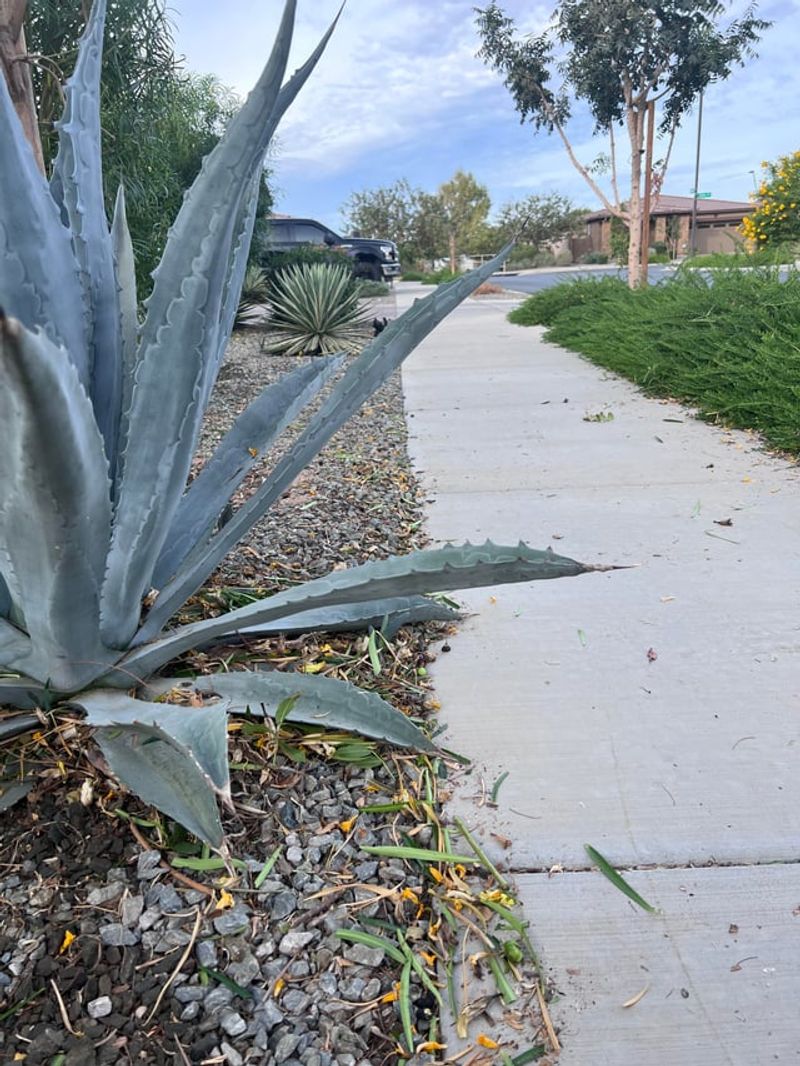
Agave leaf tips were traditionally used as sewing needles, with the attached leaf fibers serving as ready-made thread. That clever design is less charming when it pokes a child’s leg near your front walk.
Growing rosettes slowly creep outward, so plants that fit nicely years ago may now crowd paths and driveways. Delivery drivers and guests rarely watch their step around landscaping, which makes those sharp tips a real hazard.
Fall cleanup is a great time to walk your property and note every agave brushing against high-traffic areas. Pay special attention to spots near pool decks and play areas where people often move quickly.
Some gardeners snip just the terminal spine with sharp clippers, reducing the risk without removing the whole leaf. Many experts prefer relocating the plant instead, since clipped tips can look awkward and the toothy edges remain.
You need sturdy leather gloves and safety glasses for this job, because stiff leaves can snap back unexpectedly. Wash your tools afterward, as the sap of some species may irritate skin for sensitive people.
Moving smaller agaves during mild fall weather gives roots time to settle before summer heat returns next year. I love how a simple shift of a few feet can make a yard feel both safe and welcoming.