Snakes Spotted on Warm November Days in New York Yards? Here’s Why They Come Out
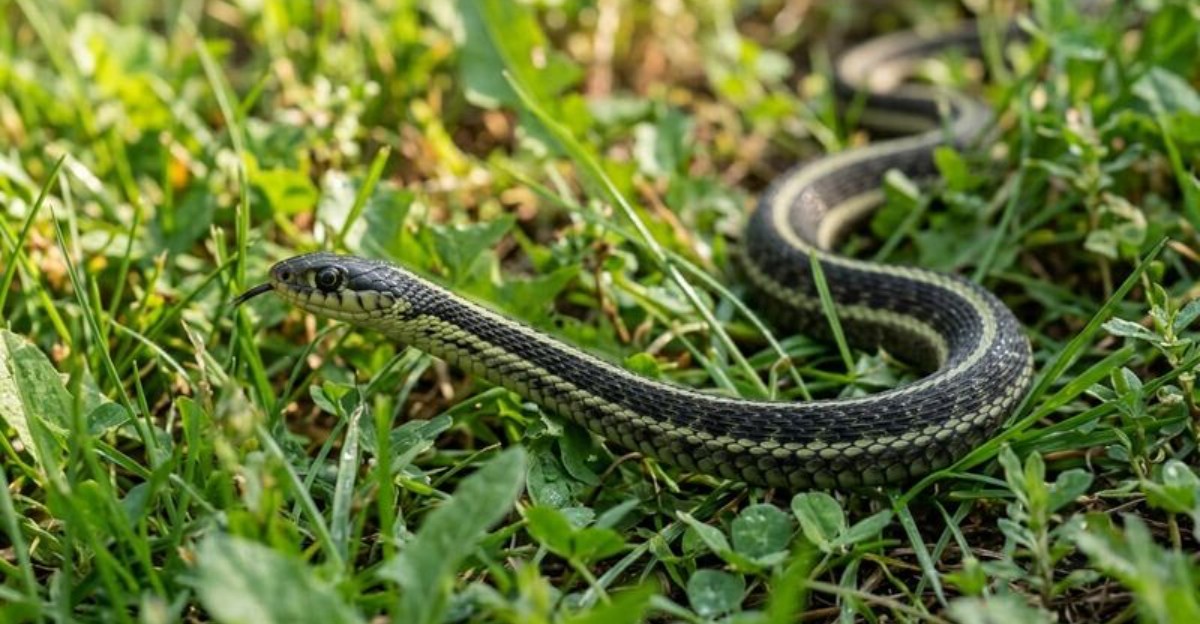
A snake’s heart can slow to just a few beats per minute in winter, yet one sunny afternoon can get it moving again.
I learned that the hard way last fall. I was raking leaves by my stone wall in a T-shirt, of all things, when something long and striped slid past my sneaker.
Between you and me, I yelped loud enough to startle the neighbor’s cat. It was mid-November in New York, and my brain insisted every cold-blooded critter should be snoozing underground by then.
Here’s what caught my attention later. The calendar means very little to these animals, while a patch of warm sunlight means a great deal.
So what pulls a sleepy, scaly neighbor out of its hideaway when the maples are already bare?
That Sleepy Garter Snake Isn’t Fully Asleep After All
Most of us picture snakes curled up like tiny bears in a winter den. The truth is a bit stranger.
Snakes go through brumation, a lighter kind of winter rest that runs on outside temperatures instead of an internal clock.
During brumation, a snake’s metabolism slows way down. Its heart rate can drop to only a few beats per minute, and it barely moves for weeks.
Still, the animal stays partly aware of its surroundings, which is the key to those surprise November sightings.
A brumating snake can shift its position, crawl toward a warmer spot, or slip out for a sip of water when conditions allow. Bears in deep hibernation mostly stay put, but snakes keep the door cracked open.
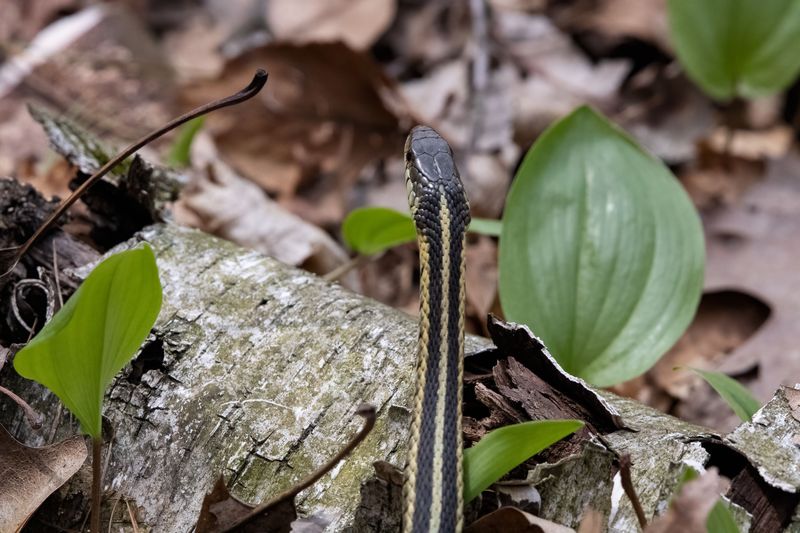
In my own yard, the most common late-season visitor is the eastern garter snake. Garter snakes are famously cold-tolerant and are often among the last snakes active in fall and the first ones out in spring.
So when one shows up on a mild afternoon, nothing has gone wrong with nature. The snake is doing what its body was built to do, responding to a temporary change in the weather.
For what it’s worth, knowing this made me a lot calmer. A November snake is mostly a confused-looking visitor, not a sign of some strange local problem.
A Sunny Rock Works Like a Charging Station for Cold-Blooded Snakes
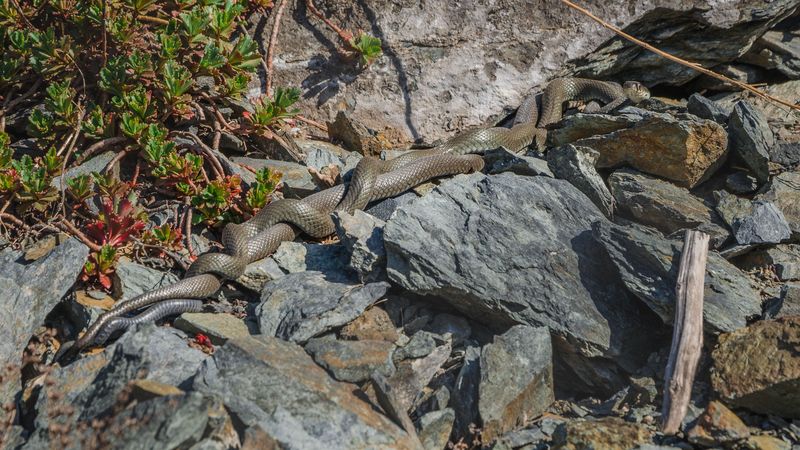
Sunshine is the real alarm clock here. Snakes are ectotherms, which means their body heat comes from the world around them, not from food they burn the way we do.
When a warm spell rolls in and afternoon temperatures climb into the upper 50s or 60s, a snake’s body can finally warm enough to work properly. Muscles respond faster, and the animal can move with some purpose again.
That is why you often find them stretched out in the exact spots that soak up heat. Think flat stones, south-facing slopes, sunny patches of mulch, concrete steps, or the base of a brick foundation.
Dark surfaces help even more. A stone that has baked in the sun since noon can feel noticeably warmer than the air, and a snake lying on it absorbs that stored heat like a phone on a charger.
Don’t make my mistake of assuming a basking snake is settling in for good. Most of these outings are short.
As soon as the sun drops and the air chills, the snake usually heads right back to shelter.
If you want to spot one safely, check sunny edges between about noon and mid-afternoon on the warmest days. That window is when November snakes are most likely to show themselves.
Steady Cold, Not the Calendar, Sends Snakes Underground
Calendars are a human invention, and snakes didn’t get the memo. Their move into winter shelter depends on sustained cold, not a date like November 1.
As fall days shorten and temperatures drop consistently, snakes head toward safe underground spots. Wildlife experts generally point to long stretches of weather below roughly 50 to 60 degrees as the push that sends them down for the season.
That word “sustained” matters a lot. A few chilly nights in October might drive snakes into cover, but a run of mild days afterward can coax them back out for a while.
New York weather loves this kind of back-and-forth. Long Island and New York City often stay milder later into fall, while the Adirondacks and higher spots in the Catskills usually lock into cold much earlier.
So a gardener in Brooklyn might see a snake well into November. Someone near Lake Placid is far less likely to, simply because warm afternoons are rarer there by then.
If you ask me, this is the most useful thing to remember. A November snake sighting tells you more about that week’s weather than anything unusual about the snakes themselves.
Once true winter cold settles in for weeks, those sightings fade until spring warms things up again.
Woodpiles and Stone Walls Make Tempting Snake Hideaways
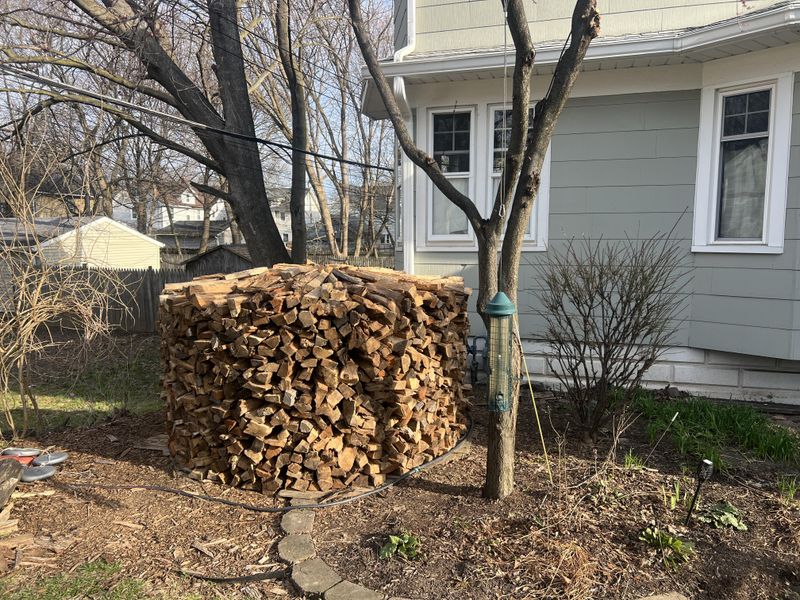
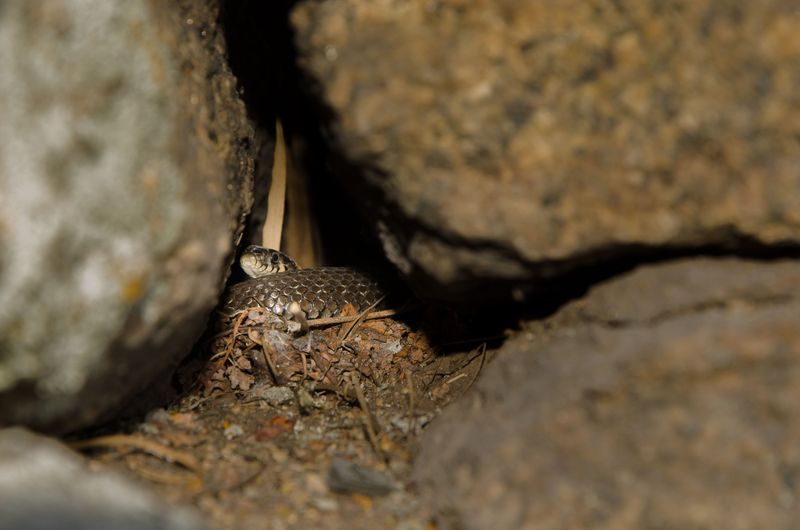
My old fieldstone wall turned out to be prime real estate. Snakes look for protected places that stay above freezing, and many backyards offer exactly that.
Natural options include rock crevices, old rodent burrows, rotting stumps, and hollow root systems. Deep piles of leaves and brush also hold warmth surprisingly well once they settle.
Human-made spots count too. Woodpiles, stacked lumber, gaps under sheds and decks, cracked foundations, and window wells can all look cozy to a snake searching for a winter home.
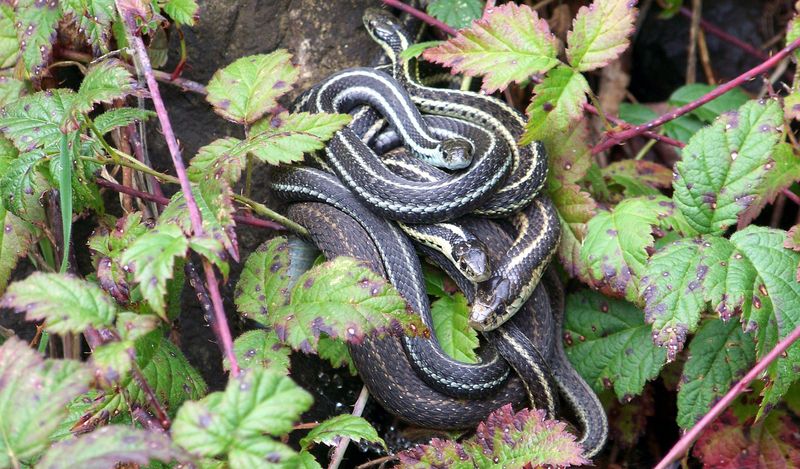
Some species even share a den, called a hibernaculum. Garter snakes are known for gathering in groups, sometimes alongside other snake species, inside the same rocky crevice or underground space.
This explains why snakes sometimes appear close to houses on warm days. An animal that tucked into your foundation gap in October might poke out on the first sunny afternoon that heats your siding.
Let’s just say I check the woodpile a little more carefully now before grabbing a log. Wearing gloves and lifting wood toward you, rather than reaching blindly underneath, is a smart habit any time of year.
Knowing where snakes like to hide helps you predict where you might meet one. That alone takes a lot of the surprise out of the experience.
Your November Snake Probably Isn’t Hunting Anything
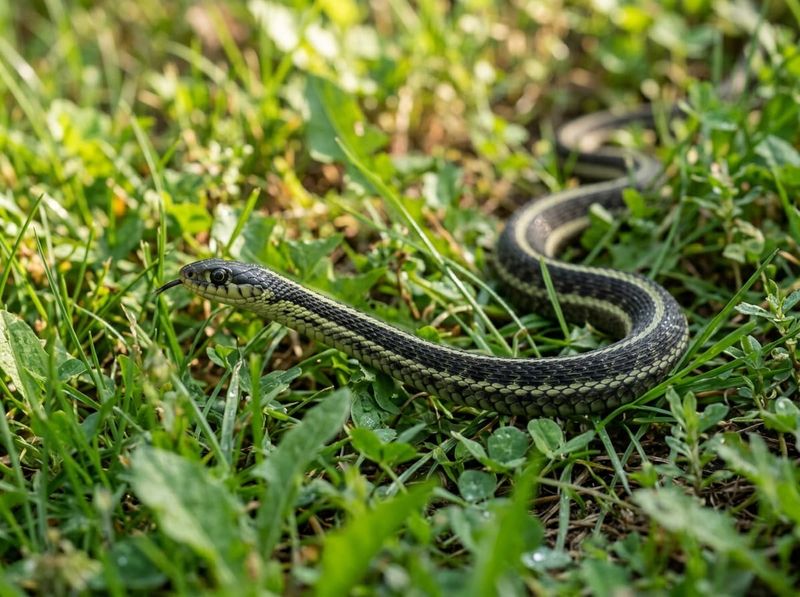
Funny thing about late-season snakes. They come out looking alert, but food is usually the last thing on their minds.
Digestion depends on body temperature. A snake needs steady warmth for days to break down a meal, and a single sunny afternoon in November rarely provides that.
Eating right before a cold snap can actually cause trouble. Food sitting undigested in a chilled snake’s stomach can spoil, so many snakes stop eating well before winter.
What they do want is heat and moisture. Brumating snakes can slowly lose water over the winter, so a warm day offers a chance to bask and grab a drink from a puddle, dewy grass, or a damp patch of soil.
For gardeners, this is reassuring. That snake near your raised beds isn’t hunting your pets or prowling for trouble.
It is warming up, maybe hydrating, and heading back to bed.
In my own yard, I’ve watched one sit nearly motionless on a sunny paver for an hour. It barely flicked its tongue, then slid back under the deck once the shadows grew long.
Brief, quiet outings like that are typical. If you give the snake space, it will most likely disappear on its own before dinnertime.
Most Backyard Snakes in New York Are Harmless Neighbors
Seventeen snake species live in New York, according to the state’s Department of Environmental Conservation. Only three are venomous: the timber rattlesnake, the eastern massasauga, and the northern copperhead.
Those three are uncommon and tend to live in specific habitats. Timber rattlesnakes favor rocky, wooded hillsides, copperheads stick mostly to parts of the lower Hudson Valley region, and massasaugas survive only in a couple of wetland spots.
The snakes most gardeners meet are far less dramatic. Eastern garter snakes, northern brown snakes, red-bellied snakes, milk snakes, and ring-necked snakes show up in yards and gardens across much of the state.
Many of them are useful helpers. Garter snakes eat slugs, earthworms, and insects, while little brown snakes and red-bellied snakes munch on slugs that chew holes in your hostas and lettuce.
Milk snakes often get mistaken for copperheads because of their reddish blotches. A quick photo from a safe distance can help you identify the snake later with a field guide or the DEC website.
My garden taught me that knowing the locals beats panicking. Once I learned to recognize the stripes of a garter snake, those sightings went from scary to kind of charming.
Spot a Snake on the Patio? Give It Room and Let It Go
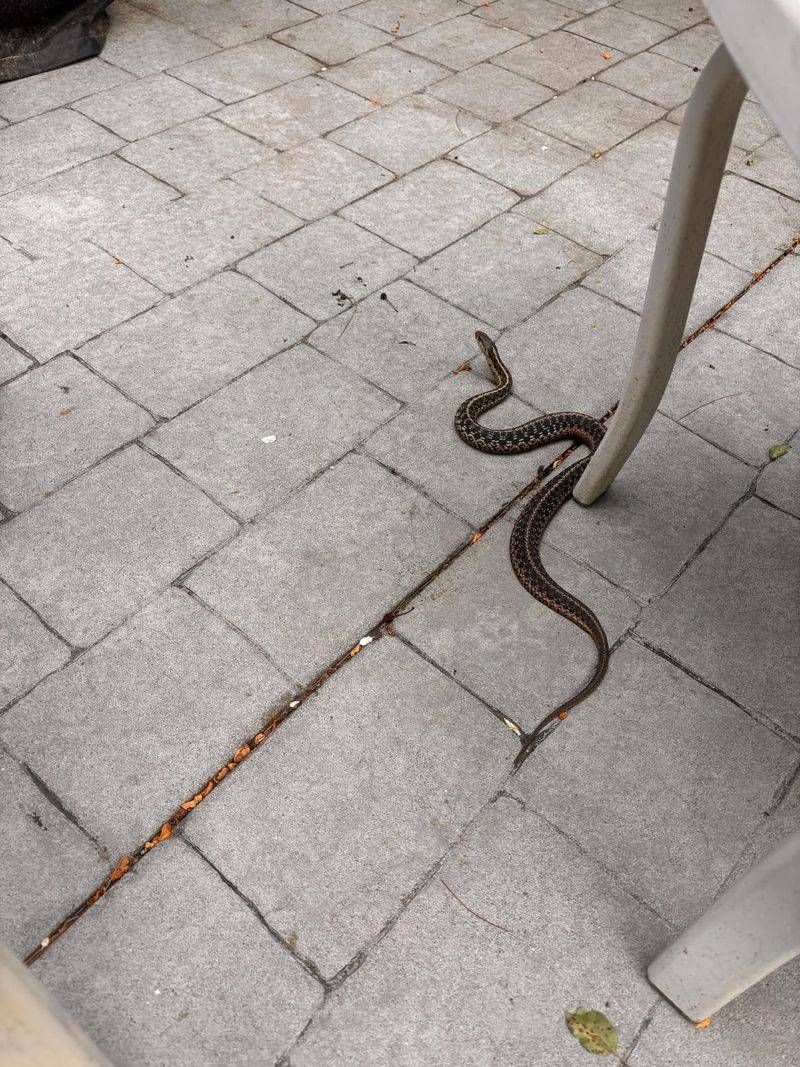
Stay calm, step back, and enjoy the moment from a few feet away. That simple plan handles nearly every November snake encounter.
Even a sluggish, chilly snake can bite if it feels cornered or grabbed. Most bites happen when people try to pick up, move, or swat at a snake, so the safest choice is hands off.
Keep kids and pets at a distance too. Curious dogs are especially likely to sniff around, so leash them or bring them indoors until the visitor moves along.
The law also backs up a hands-off approach. New York protects its native snakes, and harming or collecting them is generally prohibited, with the rare venomous species receiving extra protection.
If a snake ends up somewhere it truly can’t stay, like inside your garage, open a door and let it find its own way out. For anything you suspect is venomous, or a snake inside your living space, call a licensed nuisance wildlife control operator listed through the DEC.
Looking back, I should have just watched that first garter snake instead of shrieking. It slid off within minutes, perfectly happy to avoid me as much as I wanted to avoid it.
Tidy Woodpiles and Sealed Foundations Mean Fewer Surprise Visitors
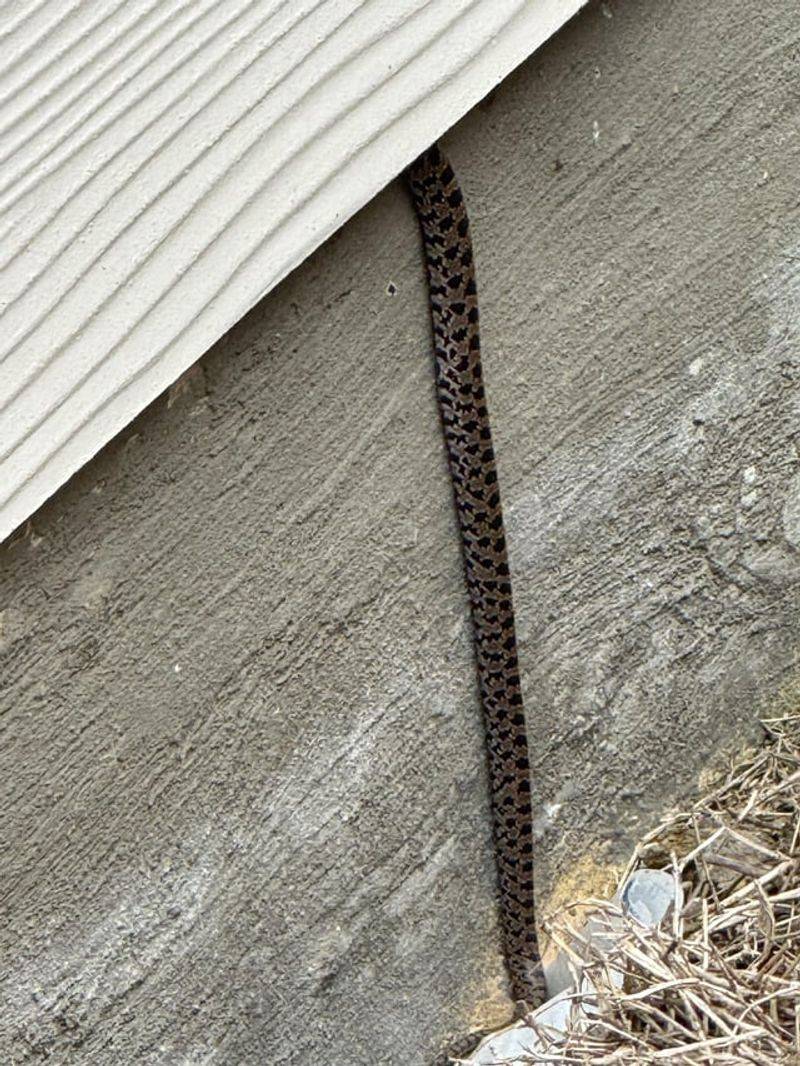
Prevention is mostly about housekeeping. Snakes visit places that offer shelter, warmth, and food, so reducing those things near your home makes a real difference.
Start with the foundation. Walk around your house and seal cracks, gaps around pipes, and openings under doors with caulk, mesh, or weatherstripping.
Fall is a great time for this job since it keeps out mice too.
Fewer mice means fewer reasons for rodent-eating snakes, like milk snakes, to hang around. Store birdseed and pet food in sealed containers to help with that.
Move firewood off the ground on a rack and keep it away from the house walls. Clear brush piles and heavy leaf heaps close to doors, sheds, and decks.
Here’s a balanced idea, though. You don’t need to strip your whole yard bare.
A brush pile or leaf layer at the far edge of your property still helps pollinators, toads, and other wildlife through winter.
In my own yard, I keep a wild corner out back and a neat zone near the house. The snakes seem to agree with the arrangement, and I rarely meet one by the back steps anymore.
That balance lets you share space with helpful garden neighbors while keeping November surprises to a minimum.