8 Fragrant Vines Arizona Homeowners Are Training Along Their Fences For Shade And Scent
A bare block wall in July can soak up heat all day and throw it back at your patio all night. Many Arizona homeowners are fixing that problem with living green curtains that smell amazing and feed hummingbirds, bees, and butterflies.
The right vine can cool a fence line, soften a harsh view, and turn a plain yard into a small habitat. Here are eight sweet-scented climbers that can handle desert life when you give them the right spot.
1. Snail Vine
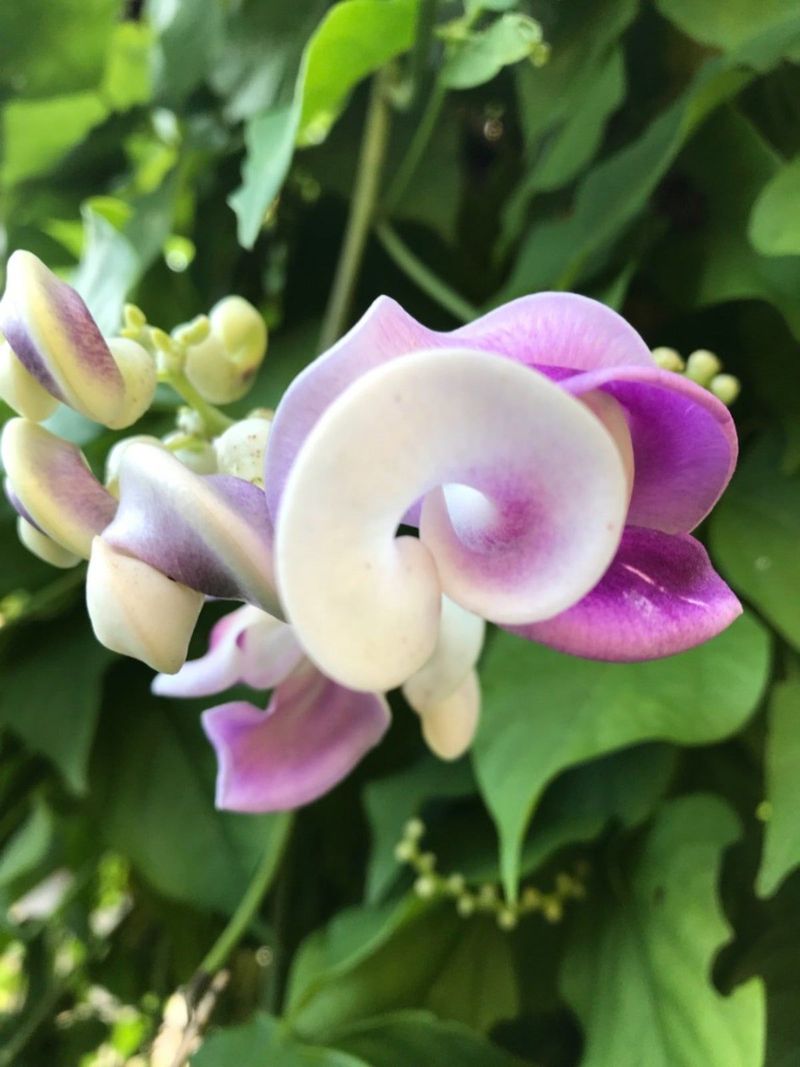
Picture a flower that looks like a tiny seashell somebody carved out of lavender candy. That is the snail vine, and neighbors walking past your fence will almost always stop to ask what it is.
Its coiled buds slowly unwind into purple and cream blooms from summer into fall, and they carry a soft, sweet perfume.
Growth is fast, often reaching 15 to 20 feet tall and 8 to 12 feet wide. That size makes it a handy shade maker on a pergola or along a chain link fence that faces a hot patio.
Bees visit the flowers often, which adds buzz and life to a quiet corner.
In the low desert, snail vine does best with morning sun and some afternoon relief during June and July. An east-facing fence is a smart pick.
It needs regular watering, so place it near a drip line instead of out in a far gravel bed.
Plant in early spring once frost danger passes, or in early fall so roots can settle before winter. Snipping off faded flowers can encourage more blooms.
A light frost may knock it back, but roots often push new growth when warm weather returns.
2. Hall’s Honeysuckle
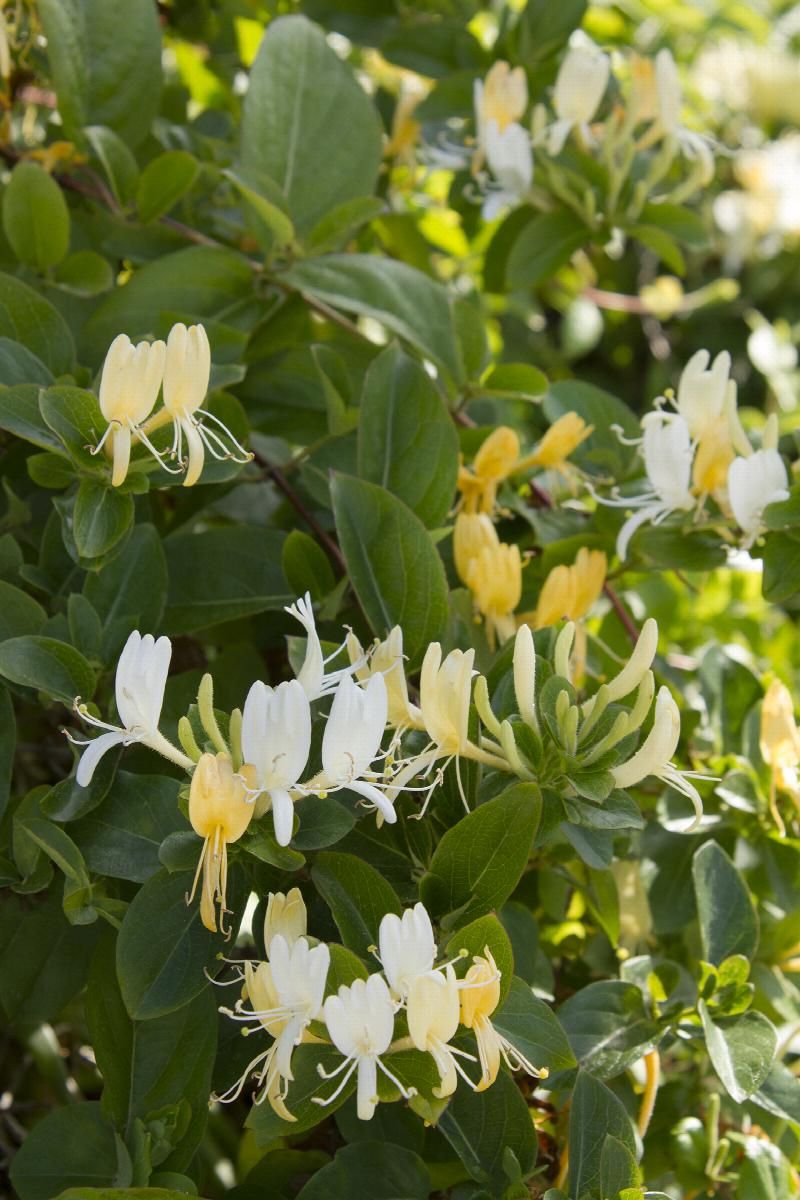
Grandma’s porch smell, anyone? Hall’s honeysuckle brings back that classic sweet scent many of us remember from childhood summers.
Its creamy white flowers fade to buttery yellow, and they fill the evening air in spring with a perfume you can catch from across the yard.
As a woody climber, it can stretch up to 30 feet if you let it. That kind of reach makes it great for hiding long stretches of block wall or chain link.
In our dry desert climate, it tends to stay much better behaved than it does in wetter parts of the country.
Hummingbirds treat the tubular blooms like a refueling station. You may also notice more small birds tucking into the dense tangle for cover during the heat of the day.
That shelter can make your yard feel far more alive.
Expect it to drop some leaves in the low desert, since it is semi-deciduous here. Give it moderate water through a drip emitter, deeper in summer.
Fall planting gives roots a head start before spring bloom. Trim it back after flowering to keep it tidy and away from gutters or roof lines.
3. Pink Trumpet Vine
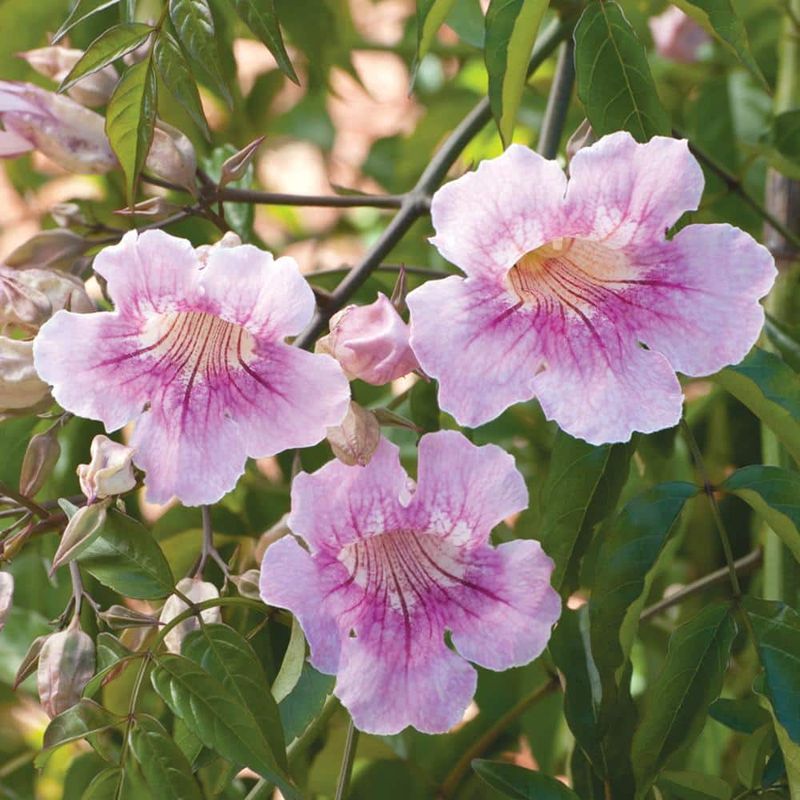
Some plants sulk when Phoenix hits 110 degrees. Pink trumpet vine seems to wake up and smile.
Its rosy trumpet flowers, striped with fine red veins, keep coming through the warm months and give off a light, pleasant fragrance.
Your Arizona Garden Changes Every Week. Your Plan Should Too.
Gardening in Arizona changes quickly throughout the season. Every Friday you’ll receive a simple weekly plan showing exactly what to plant, prune, fertilize, harvest, and protect so you never miss the right timing.
Patience pays off with this one. It can start slow in year one, then take off once roots settle in, reaching around 20 feet tall and 10 feet wide.
Guide new stems onto posts, wires, or a sturdy trellis, because it climbs best with a little help from you.
Water use is low once established, which makes it a solid fit for homeowners trying to trim their summer bills. Deep, occasional soaks work better than frequent sprinkles.
It handles winter dips down to about 25 degrees, though a hard freeze may nip back tips.
Pollinators love it. Bees and other flying visitors work the blooms throughout the season, turning a bare fence into a busy little feeding zone.
Plant it in fall or early spring along a south or west fence where few other vines can take the sun. Prune lightly in late winter to shape it and remove any frost-nipped growth.
4. Queen’s Wreath
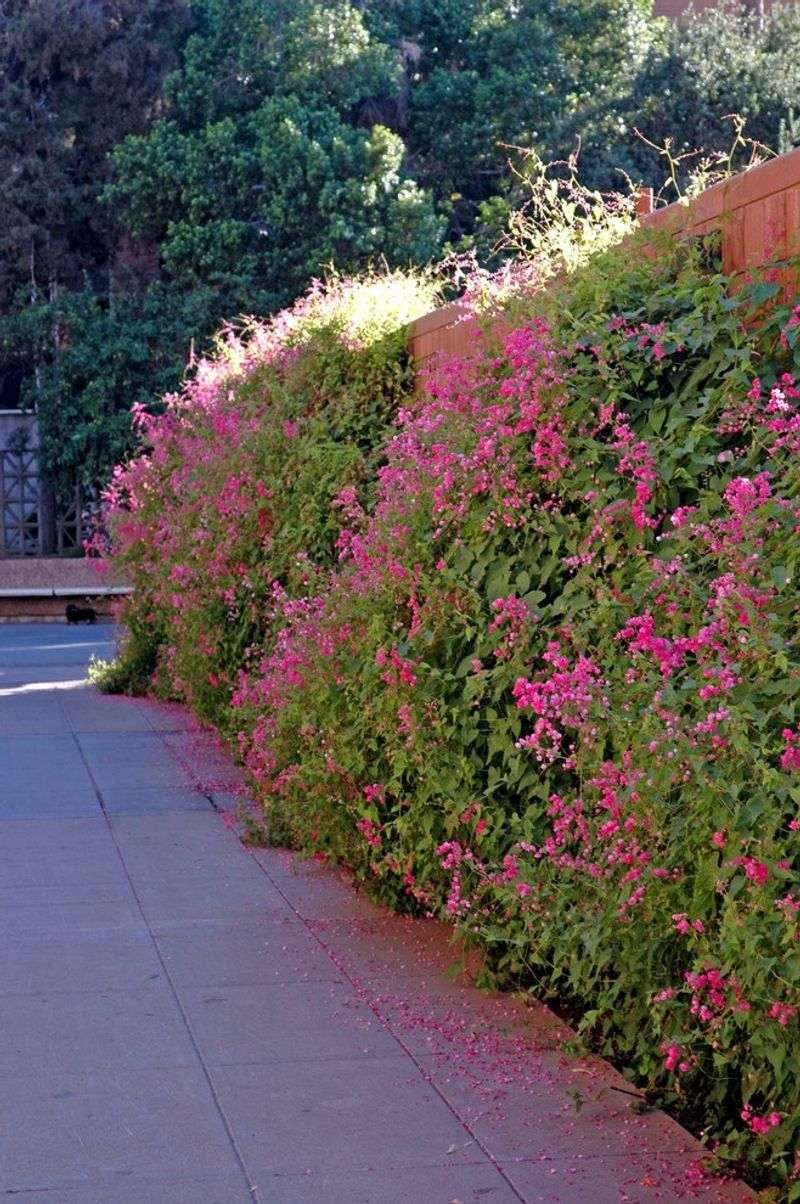
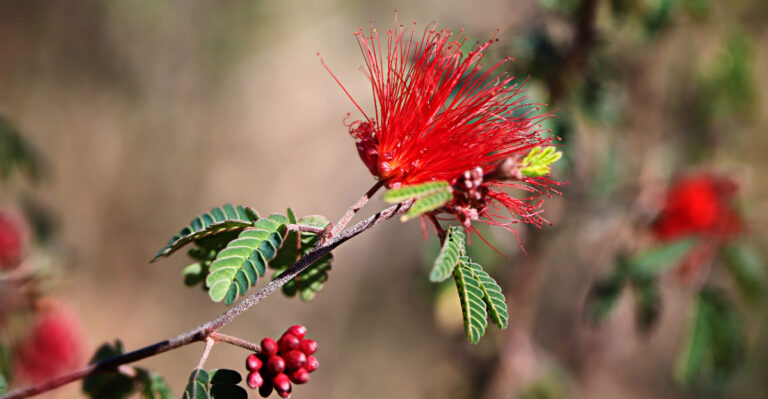
Ask an old-time Tucson gardener about their favorite summer vine, and there is a good chance they will say queen’s wreath. Also called coral vine, it comes from Mexico, so desert heat feels like home to it.
From summer into fall, it covers itself in lacy sprays of pink, red, or white flowers with a soft scent.
Here is where it really shines: wildlife. Hummingbirds, butterflies, and native bees swarm the blooms, especially during monsoon season when the vine is at its peak.
If you want a fence that doubles as a pollinator buffet, this is a strong choice.
Once roots are established, queen’s wreath is quite drought tolerant. Extra water during long dry stretches keeps it lush and blooming.
Heart-shaped leaves form a thick screen that can cast welcome shade on a patio or west wall.
Fair warning, it grows with enthusiasm. Many homeowners cut it back to the ground in early spring, and it returns quickly once soil warms.
Winter frost often browns the top growth, which is normal. Plant in spring after frost or during monsoon, and keep an eye on any self-sown seedlings.
5. Graber Firethorn Pyracantha
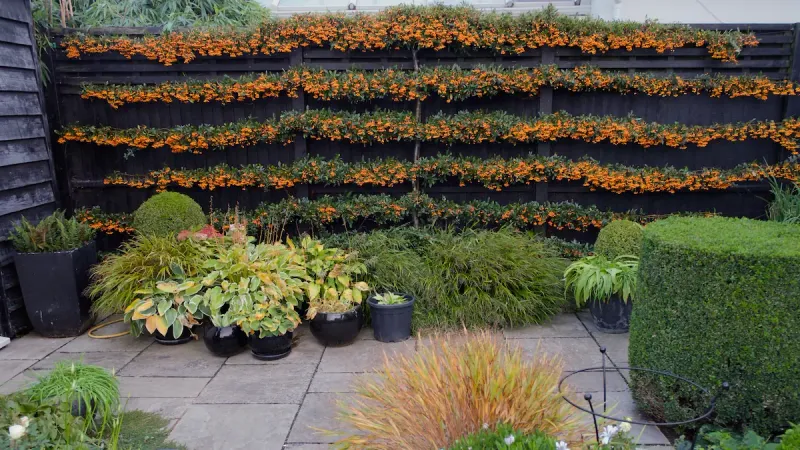
Need a fence plant that looks pretty and also says keep out? Graber firethorn does both.
Trained flat against a wall or fence, this flexible evergreen pyracantha acts like a vine, and its sharp thorns create a living barrier that people tend to avoid.
In spring, it bursts with clusters of small white flowers that carry a sweet scent and pull in bees. By winter, those flowers become bright red or orange berries.
Birds such as mockingbirds and robins often feast on them during cooler months, so your fence turns into a seasonal bird feeder.
Plants can reach 10 feet tall and wide, sometimes more, giving you a dense, year-round screen. Since it stays green through winter, it blocks views and softens hard walls in every season.
That makes it a good choice along property lines or near side gates.
Care is simple. It loves full sun and handles heat well once established.
Water deeply but not often, letting soil dry between soaks. Plant in fall for the best start.
Wear thick gloves when you tie stems to wires, and prune right after flowering to keep berries coming later.
6. Carolina Jessamine
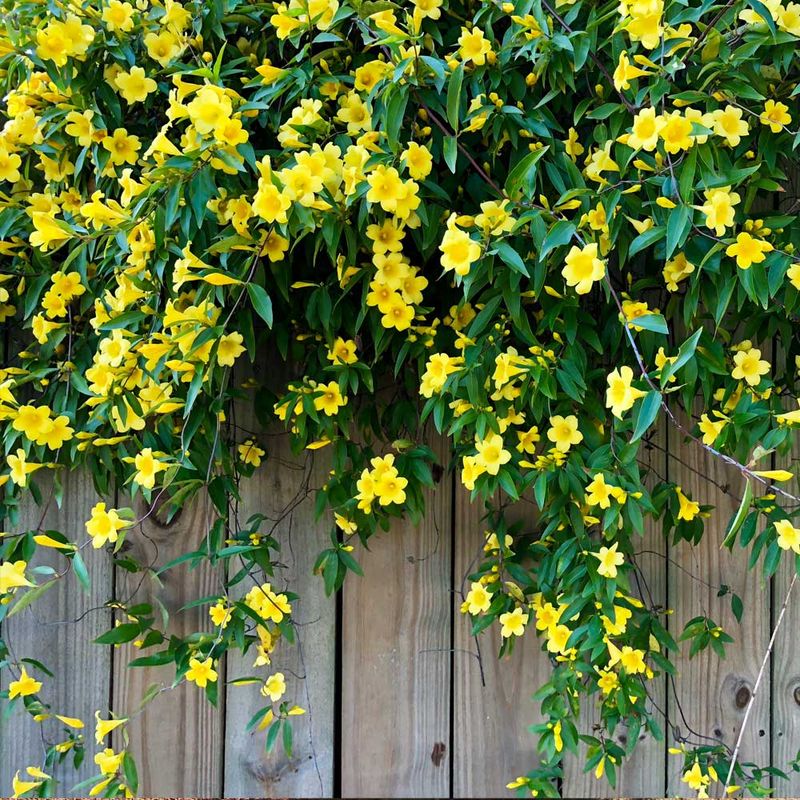
While most of the country is shoveling snow, Arizona yards can glow yellow. Carolina jessamine blooms in late winter and early spring, covering its glossy evergreen leaves with bright golden trumpets.
The fragrance is honey-sweet and especially noticeable on calm, warm afternoons.
Its timing is a big plus. Early blooms give hummingbirds a food source when many other plants are still resting.
Anna’s hummingbirds, which live here year-round, often check these flowers daily.
Location matters a lot with this vine. It does best with morning sun or filtered light, plus shade from the harsh afternoon sun.
A north or east fence, or a spot under a mesquite canopy, is ideal. Too much reflected heat off a west wall can scorch leaves.
Water needs are moderate once roots settle in. A drip emitter with deep weekly watering in summer and less in winter usually works well.
Since it stays green all year, it creates a reliable privacy screen along wrought iron or wire fences.
One safety note: all parts of the plant are toxic if eaten, so keep it away from spots where pets or small kids might chew. Prune lightly right after spring bloom.
7. Coral Honeysuckle
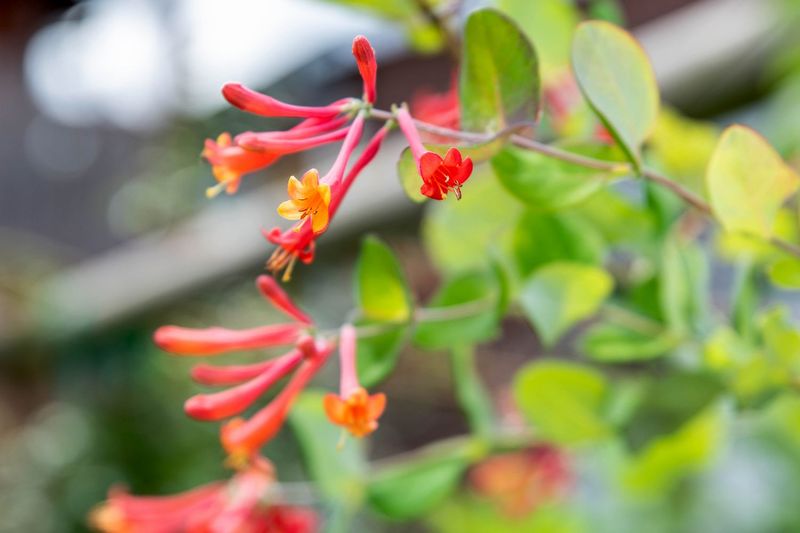
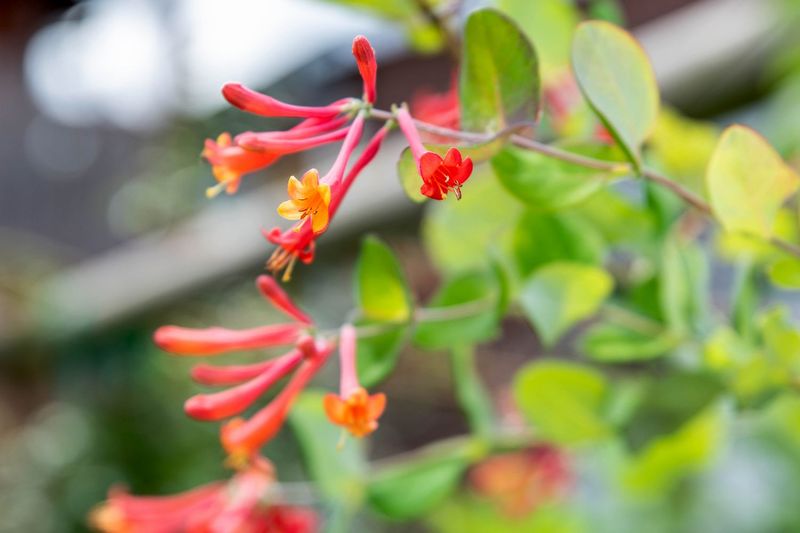
Hummingbird watchers, this one is for you. Coral honeysuckle produces clusters of red and orange trumpet flowers that seem made for a hummingbird’s long beak.
Plant it near a window or patio chair, and you may get front-row seats to tiny aerial battles over the blooms.
Unlike its Asian cousins, coral honeysuckle is native to North America, which is a win for gardeners who care about habitat. Its scent is lighter than Hall’s honeysuckle, but its value to wildlife is huge.
Bees and butterflies also visit, and songbirds may pick at its small red berries later in the season.
It is fairly adaptable and copes with dry conditions once established. In the low desert, give it a spot with morning sun and afternoon shade for the best leaves and flowers.
Regular deep watering during summer keeps it from looking stressed.
Growth is moderate and polite, so it will not swallow your fence or creep into the neighbor’s yard. That makes it great for smaller spaces or decorative trellises.
Plant in fall or early spring. A light trim after its main bloom flush helps keep it full and encourages more flowers.
8. Chinese Wisteria
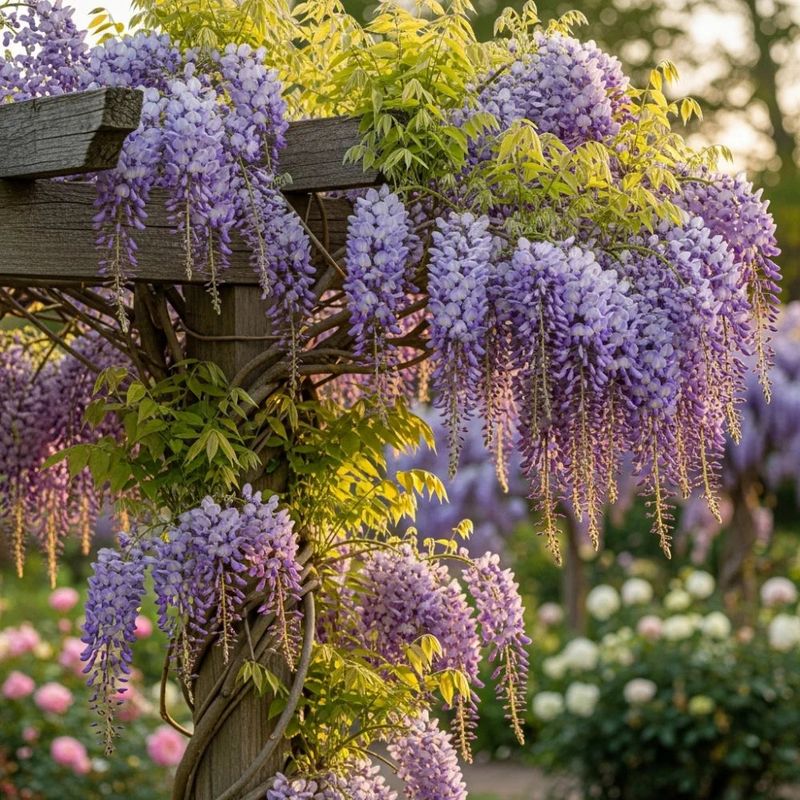
Few sights match a fence dripping with long lavender flower clusters in spring. Chinese wisteria is famous for its grape-like scent and dreamy cascades, and yes, some Arizona homeowners do pull it off.
The key is choosing the right spot and keeping expectations realistic.
Honestly, this is the most challenging vine on the list for the low desert. It wants morning sun or filtered light with afternoon shade, plus moderate, steady water.
An east-facing fence or a pergola beside the house often gives the best results. Mulch helps keep roots cool and reduces water loss.
When it is happy, the payoff is real. The thick, leafy canopy can cast deep summer shade over a seating area, which may lower patio temperatures noticeably.
Spring flowers attract bees and other pollinators looking for early nectar.
It is a heavy, woody climber, so give it very sturdy support, like thick posts or a metal frame. Plant in fall or late winter.
Prune twice a year, once in summer to control runners and again in winter to shape it. With steady care, it can become the scented centerpiece of your yard.