8 Ways To Use Oak And Pecan Leaves To Improve Georgia’s Red Clay
The famous red color in Georgia dirt comes from iron oxide, which is basically the same stuff as rust.
Your garden beds sit on clay formed from slowly weathered rock that stains every pair of gloves you own.
That clay often tests between pH 4.5 and 5.5, which leans quite sour for many vegetables. Wet days turn it into sticky glue, and dry spells bake it so hard it feels like brick underfoot.
I have to admit that I spent years buying bagged soil before noticing the free treasure piling up outside. You probably rake that same treasure every autumn and drag it to the curb in paper bags.
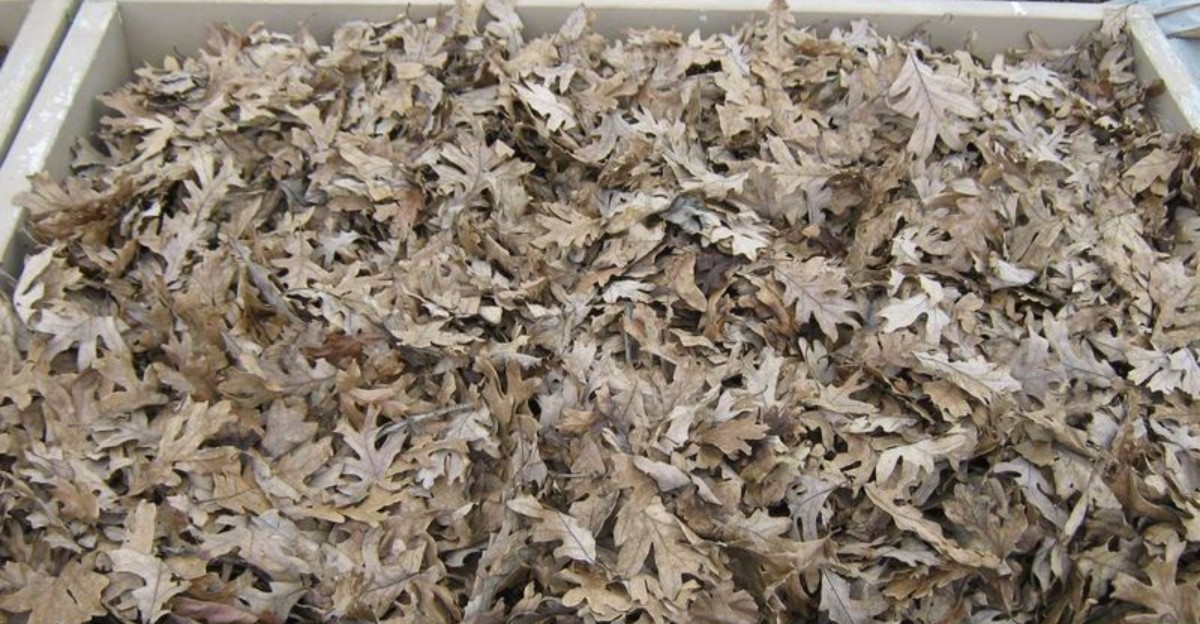
Those crunchy brown piles hold the carbon your clay is craving, and local trees drop plenty of it.
Instead of sending that soil-building gift away, you could put it to work improving your garden before next spring.
1. Toss Shredded Oak And Pecan Leaves Into A Compost Pile
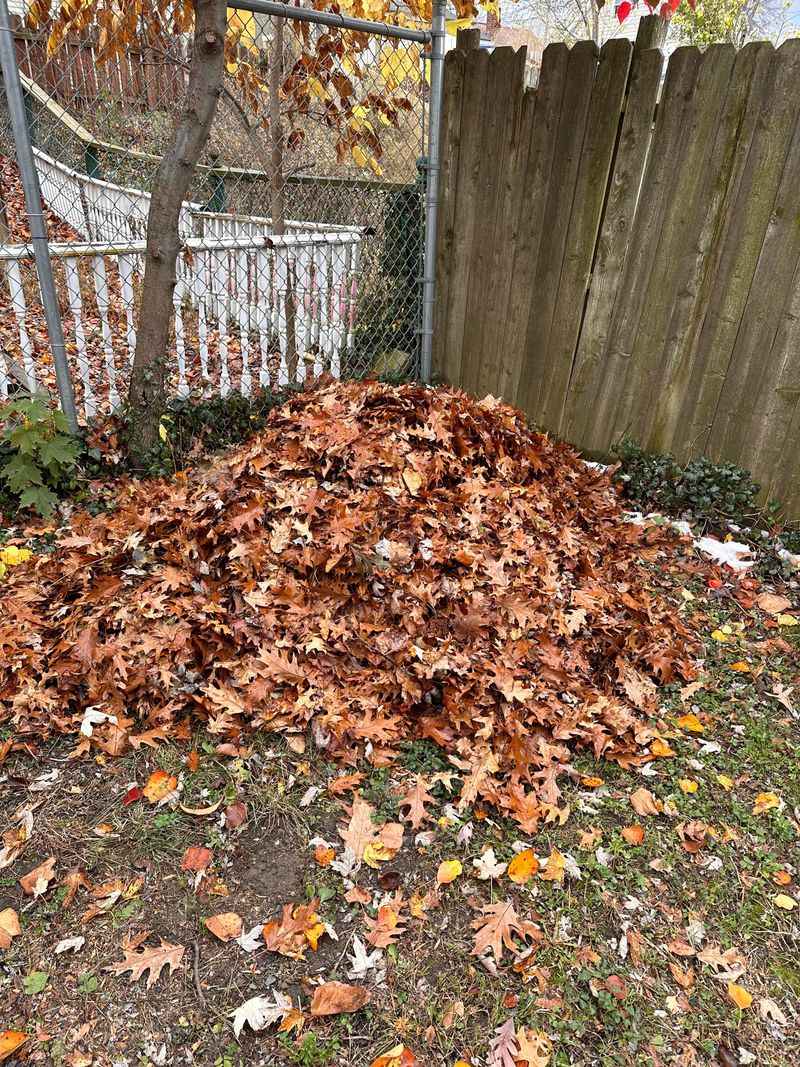
A whole oak leaf can sit in a pile for over a year, tough and leathery as an old boot. Run that same leaf through a mower, and the microbes suddenly have thousands of edges to chew.
I love how a single pass with the bagging mower shrinks a mountain of leaves into a tidy heap.
Smaller pieces break down much faster, so your finished compost can be ready several months sooner than expected.
Leaves are rich in carbon, so they need a partner packed with nitrogen to keep the pile cooking. Fresh grass clippings and coffee grounds work beautifully as that green partner in a busy backyard pile.
A common rule of thumb calls for roughly two or three parts brown leaves to one part green material. Mix them in layers, then sprinkle each layer with water until it feels like a wrung-out sponge.
Pecan leaves carry a small amount of juglone, the same natural chemical found in black walnut trees.
Composting breaks that compound down, and the finished product is generally considered safe for garden beds.
Turn the pile with a pitchfork every couple of weeks to feed oxygen to the hard-working bacteria. You might notice steam rising on cool mornings, which signals the pile is heating up nicely.
Once the compost turns dark and crumbly, spread a couple of inches over your clay beds each season. Personally, I think that rich, earthy smell beats any bagged product sold at the garden center.
2. Spread A Fluffy Layer Of Leaf Mulch Around Shrubs And Trees
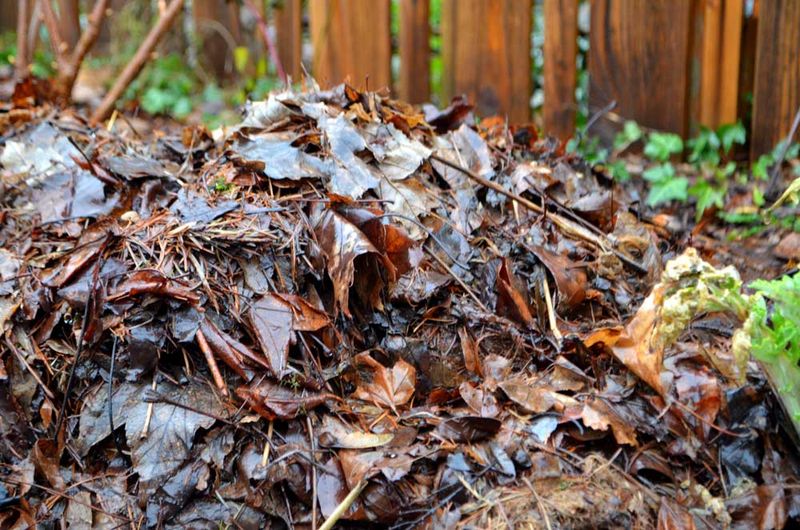
Forests have mulched their own floors with fallen leaves for millions of years, with no receipts involved. Copying that trick around your shrubs is one of the easiest favors you can do for stubborn clay.
Shred the leaves first, because whole oak leaves tend to mat down into a soggy, water-shedding blanket.
Chopped pieces knit together loosely, letting rain slip through while still blocking sunlight from weed seeds.
Aim for a layer about two to four inches deep across the bed, then rake it smooth. Keep the mulch a few inches away from tree trunks and shrub stems to discourage rot and rodents.
Summer heat in Georgia can bake bare clay until it cracks like an old parking lot. A leafy blanket keeps the surface cooler and slows evaporation, so your plants stay comfortable between storms.
Earthworms adore this setup, and they will tug bits of leaf down into the clay at night. Their tunnels act like tiny drainage pipes, letting air and water reach roots that once felt smothered.
I like how pecan and oak leaves blend together, giving beds a natural woodland look instead of dyed chips.
Neighbors rarely guess that the mulch cost nothing except a little raking and some mower time.
Top off the layer each fall as the old mulch sinks and softens into the soil below. Over a few seasons, you should feel the clay under that layer become darker and easier to dig.
3. Turn Bagged Oak Leaves Into Crumbly Leaf Mold
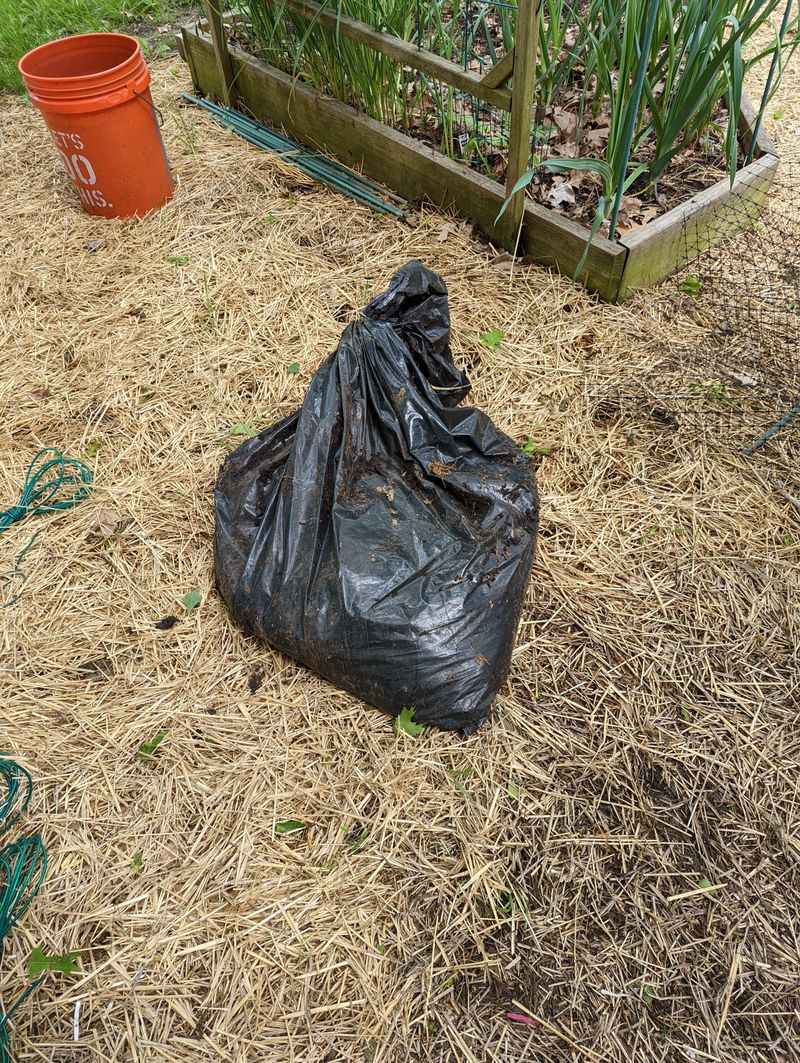
Gardeners in England have prized leaf mold for generations, and many call it brown gold for good reason.
This dark, spongy material forms mostly through fungi rather than the bacteria that power a hot compost pile.
Some sources report that finished leaf mold can hold several times its own weight in water. That sponge-like quality helps clay beds stay evenly moist instead of swinging between soggy and rock hard.
Making it could hardly be simpler, and I believe it suits anyone who dislikes turning compost. Stuff moist shredded leaves into black trash bags, then poke a dozen holes in each one with a screwdriver.
Tuck the bags behind the shed or along a shady fence, where they can sit quietly for months. Check them now and then, adding a splash of water if the leaves feel dry inside.
Oak leaves are slower than most, so expect six months to a year before they turn crumbly.
A simple wire cage holding an open pile works too, though it may take a little longer.
What surprises me most is the smell when you finally open a bag, like a forest floor after rain. The texture should resemble dark chocolate cake crumbs, with only a few recognizable leaf bits left.
Work it into planting holes, or use it as a seed-starting mix ingredient for spring vegetables. Your clay will gain a softer, airier structure that roots seem to explore with real enthusiasm.
4. Dig Chopped Leaves Straight Into New Garden Beds
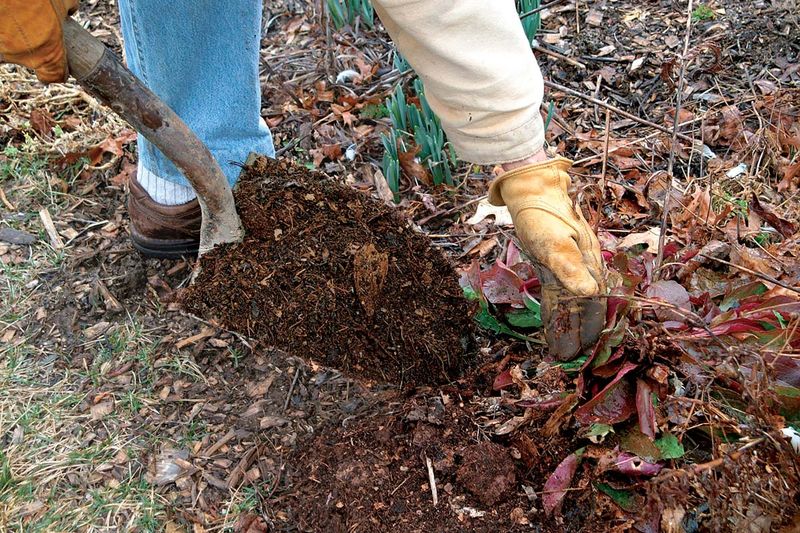
Red clay can feel like modeling dough on a rainy afternoon, and your shovel comes up wearing half the bed.
Chopped leaves worked right into the ground give that sticky mess something to hold onto besides itself.
Fall is the ideal time for this method, especially for beds you plan to plant next spring. Fresh leaves need a few months to soften, and winter rains help speed things along underground.
Spread a few inches of shredded leaves over the bed, then mix them six to eight inches deep. A garden fork or broadfork does the job, though a tiller makes quick work of bigger spaces.
You need to wait until the clay is only slightly damp before digging, or you will create bricks. Grab a handful and squeeze it, and if the ball crumbles apart easily, your timing is just right.
Raw leaves in the soil can briefly tie up nitrogen while microbes feed on all that carbon. A light sprinkle of a nitrogen source, like blood meal or composted manure, helps balance the menu.
Skip the urge to add sand, because sand mixed into clay can create something closer to concrete.
Organic matter is what extension experts at the University of Georgia recommend for loosening heavy Piedmont soil.
I can’t imagine starting a new bed without this step now, since the difference shows up fast. By spring, your shovel should slide in more easily, and young roots can spread without fighting so hard.
5. Feed Hungry Earthworms And Soil Fungi With Fallen Leaves
A single teaspoon of healthy soil can hold more microorganisms than there are people on Earth.
Those tiny workers need steady meals, and fallen leaves serve up a buffet they nibble through the cooler months.
Bacteria and fungi break leaf tissue into simpler pieces, releasing sticky substances as they steadily work underground. Those natural glues help bind clay particles into small, stable crumbs that soil scientists like to call aggregates.
Aggregates matter because the gaps between those crumbs become little highways for air and moving water.
Without them, heavy clay packs into a solid mass that tender young roots struggle to push through.
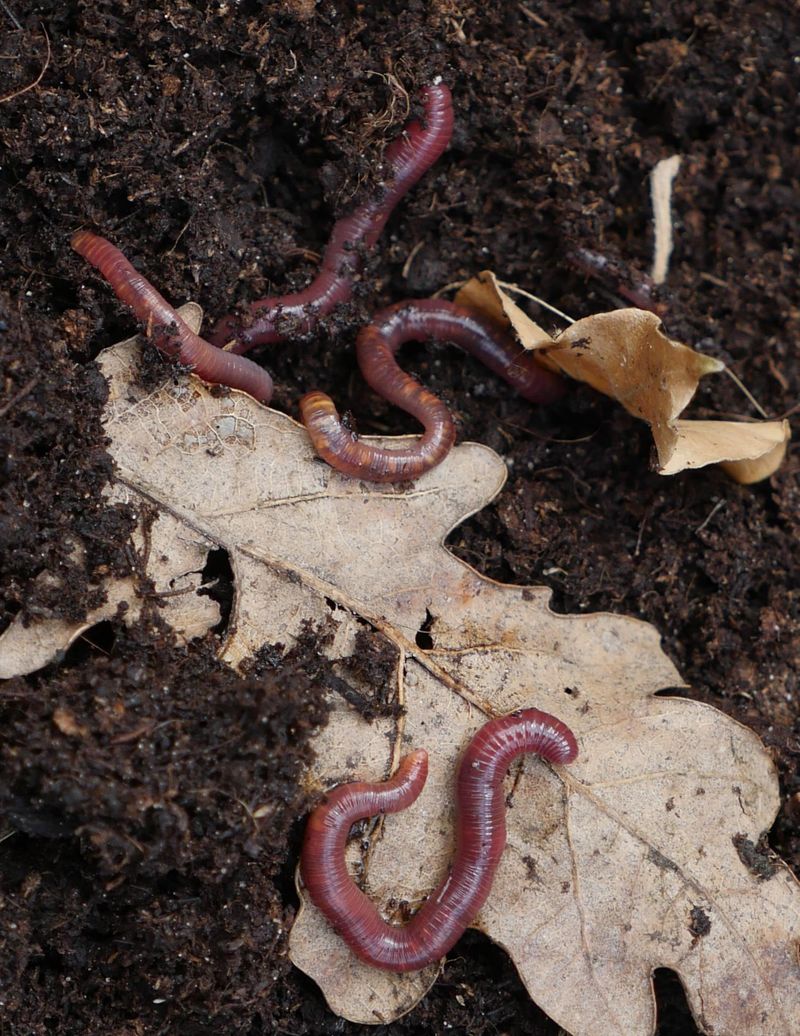
Earthworms join the party by pulling leaf bits underground and leaving behind castings rich in plant nutrients. I love how a bed that once had zero worms can show dozens after a couple of leafy seasons.
Fungi especially enjoy oak leaves, which contain lots of tough lignin that bacteria handle slowly on their own. Their threadlike strands weave through the soil like netting, holding crumbs together and carrying moisture around.
Keep this underground crew happy by leaving a leafy cover on beds instead of raking everything bare. Avoid heavy tilling every year too, since constant digging can break apart the fungal networks you built.
You might notice white, cottony threads when you lift a patch of old leaf mulch on a damp morning. Relax, because that fuzzy growth is usually a sign of helpful fungi doing exactly what you hoped.
6. Help Soggy Clay Drain Better With Leafy Organic Matter
Clay holds water so tightly that puddles can linger in flower beds for days after summer storms. Strangely enough, the same leaves that help soil drain faster also help it store more moisture for later.
That sounds like a riddle at first, but the answer comes down to the size of pores underground.
Clay particles are so tiny that the spaces between them are microscopic, so water seeps in painfully slowly.
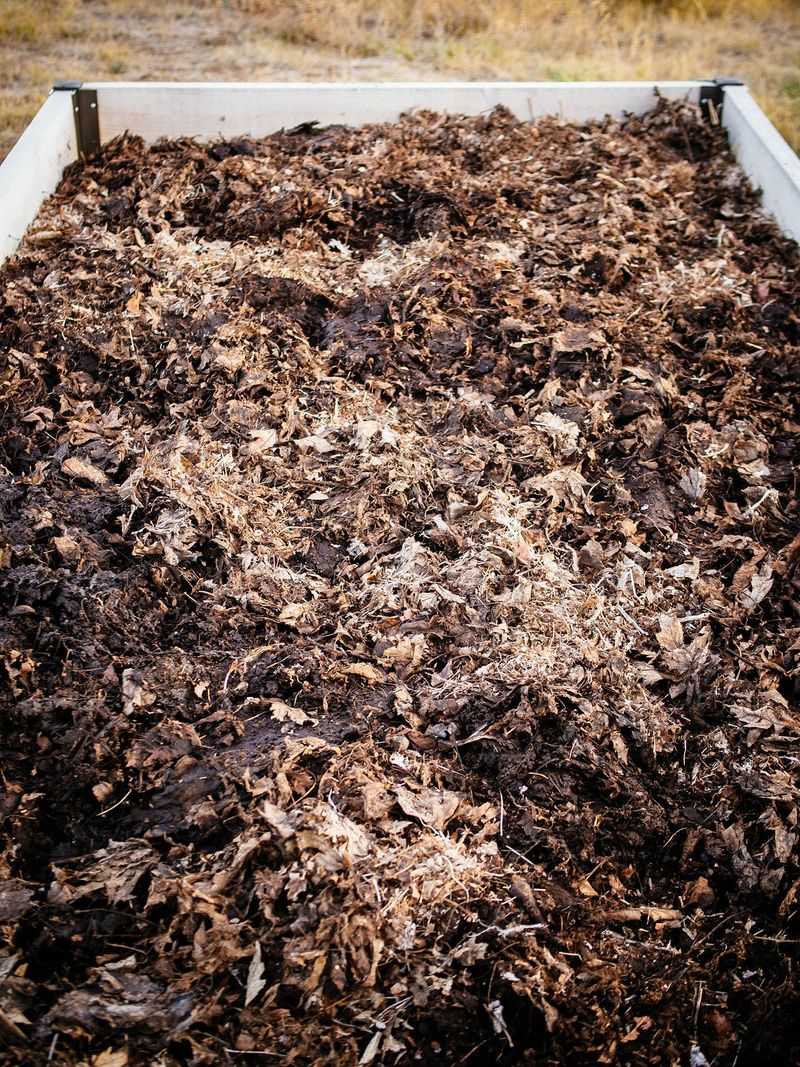
Decomposing leaves create larger openings that let excess rain drain down and let fresh air move in. Meanwhile, the organic matter itself soaks up moisture and releases it gradually to thirsty roots during dry weeks.
Personally, I find this two-way benefit the most satisfying part of working leaves into heavy ground. Beds that once flooded and then cracked can slowly start absorbing rain instead of pooling it around stems.
For a problem spot, build a raised mound by mixing leaf compost generously into the top foot of clay. Raising the root zone even a few inches can make a noticeable difference for plants that dislike wet feet.
Rosemary and lavender especially appreciate this treatment, since both tend to struggle when their roots sit in waterlogged soil.
Blueberries also benefit greatly, and they happen to enjoy the acidic conditions that red clay already provides.
For a quick drainage test, dig a hole one foot deep and fill it with water. If it still holds water after several hours, that spot deserves extra leaves and maybe a raised bed.
7. Let Decaying Oak And Pecan Leaves Release Slow Nutrients
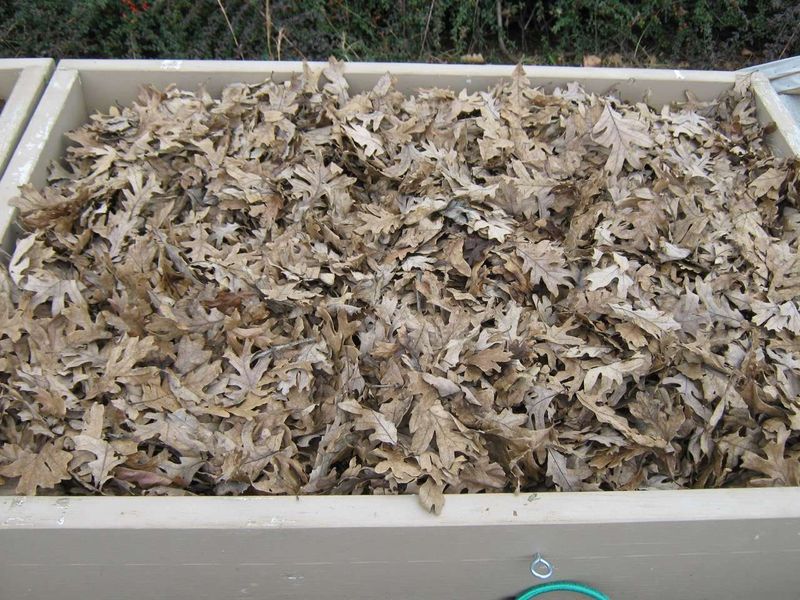
Trees pull minerals from deep in the ground, store some in their leaves, then drop that stash at your feet. Raking them away means tossing out a free, slow-release fertilizer delivered right to your yard every autumn.
Fallen leaves contain modest amounts of nitrogen and potassium, plus other minerals like calcium and magnesium.
Those nutrients trickle out slowly as microbes break the leaves down over many months in the soil.
I believe that slow pace is a hidden strength, especially in a place with heavy rainfall like Georgia. Quick synthetic fertilizers can wash away during storms, while leaf nutrients stay tucked inside organic matter.
Leaves are not a full replacement for fertilizer, so think of them as a steady background supplement. Hungry crops like corn and tomatoes may still need an extra boost during their busiest growing weeks.
Clay has a quiet talent of its own, since its particles grab onto nutrients rather than letting them leach. Adding leaves builds on that talent, giving the soil even more storage space for valuable plant food.
Pecan leaflets are thinner than most oak leaves and often soften sooner, so mixing them staggers the release.
The pecan bits feed plants earlier, while tougher oak pieces keep supplying nourishment well into the following year.
A yearly soil test through your county Extension office shows how your nutrient levels change over time. You’re in for a big surprise when organic matter readings start climbing after a few seasons of leaf use.
8. Test Your Soil Before Worrying About Acidic Oak Leaves
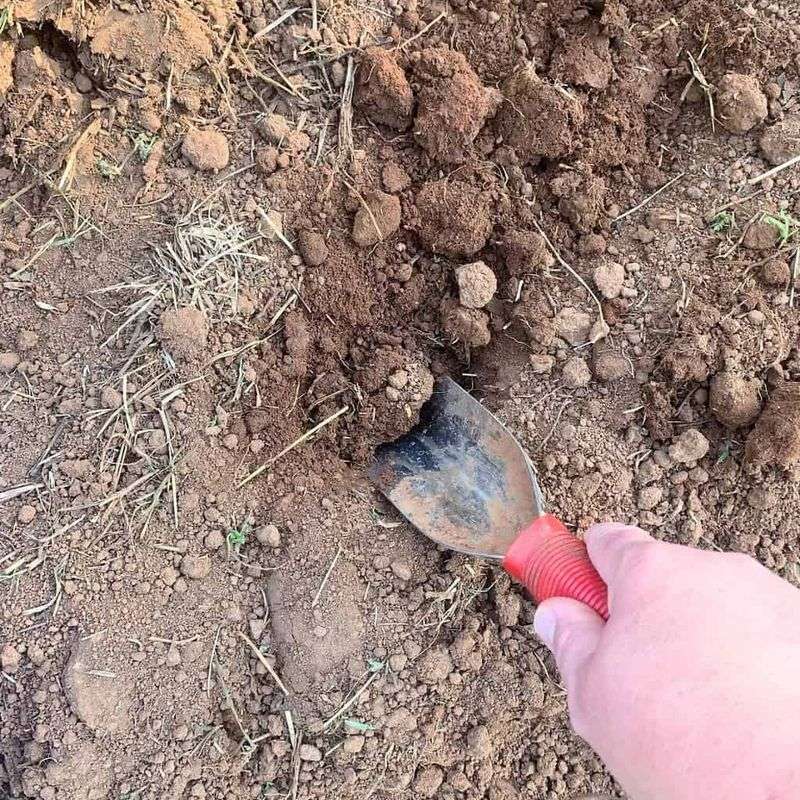
Plenty of folks swear oak leaves will turn a garden sour, yet research tells a calmer story. Fresh oak leaves do start out acidic, but that acidity mostly fades as the leaves decompose.
Several studies have found that regularly adding leaves to gardens rarely causes a lasting shift in soil pH.
Honestly, I worried about this myth for years before learning how little the leaves actually change.
Red clay in the Piedmont already tends to be acidic, often landing somewhere between 4.5 and 5.5 on the scale. Most vegetables prefer something closer to 6.0 to 6.5, so many gardens need a nudge upward.
That nudge usually comes from garden lime, not from avoiding leaves, and the right amount depends on test results.
Guessing can push pH too high, which locks up nutrients like iron and causes yellow leaves.
UGA Extension offers affordable soil testing, and you can drop a sample at your local county office. The report explains your current pH and recommends how much lime your particular bed or lawn needs.
Fall and early winter make a smart window for liming, because lime reacts slowly with clay. Applying it months ahead gives the soil time to adjust before spring vegetables go into the ground.
Over time, steady additions of leafy organic matter help clay resist sudden pH swings, acting like a gentle cushion. So keep hauling those oak and pecan leaves into the garden, and let the soil test guide everything else.