This Edible Fall Plant Can Bring Unexpected Purple Color To Georgia Gardens
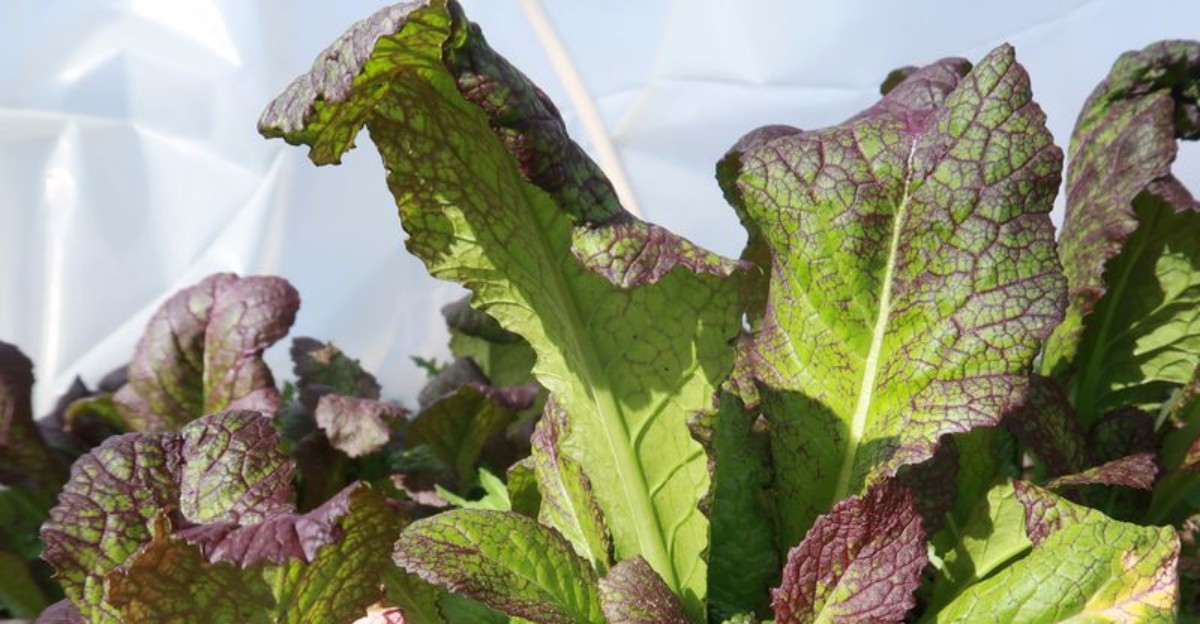
Purple leaves can make a vegetable bed look surprisingly colorful in fall, especially when most summer plants have already faded.
Some edible crops offer more than a harvest. Their rich foliage can bring ornamental appeal to garden spaces that might otherwise look plain.
Purple mustard greens are one example, combining colorful leaves with a peppery flavor that works in several dishes.
Cooler temperatures often suit mustard greens, making fall a practical growing season. In Georgia, planting success still depends on your location and the timing of colder weather.
Choose a spot with adequate sunlight and soil that drains well before planting.
You can enjoy the foliage while allowing the leaves to reach a useful harvesting size. That combination makes purple mustard greens worth considering when planning an attractive, productive fall garden.
1. Deep Purple Leaves Bring More Than Color To Fall Garden Beds
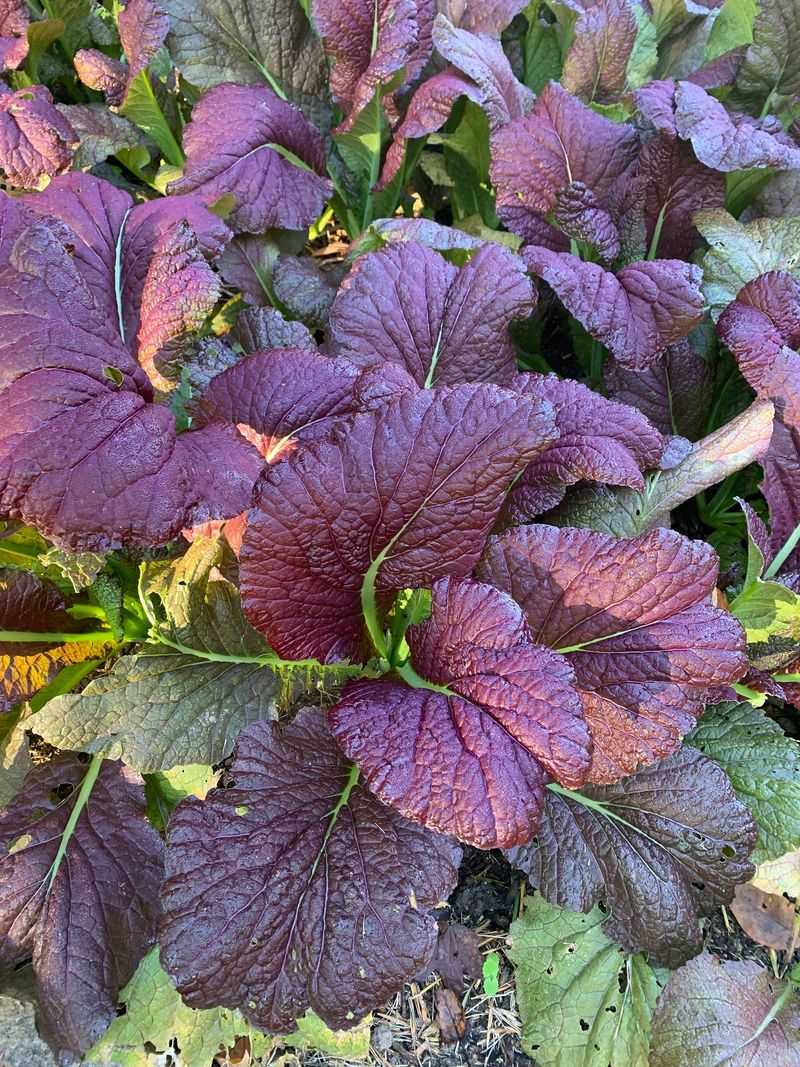
Purple is not a color most people expect from a vegetable patch in October. Red Giant mustard greens change that with broad, crinkled leaves washed in deep burgundy and purple.
Its botanical name is Brassica juncea, and it belongs to the same plant family as cabbage, kale, and collards.
Color on the leaves often shows up most strongly on the upper surface, while the veins and undersides may stay greener. Sunlight and cool temperatures tend to bring out richer shades, though the exact tone can vary from plant to plant.
Gardeners in Georgia can use this plant in a few smart ways.
You can tuck it into flower borders, mix it into containers with pansies, or line the edge of a vegetable bed. Each spot gives you something pretty to look at and something useful to pick.
Mature plants can reach roughly one to two feet tall, depending on growing conditions and how often you harvest.
That size makes them a good middle layer in mixed plantings. Shorter flowers can sit in front, while taller grasses or shrubs fill in behind them.
Best of all, the leaves are edible from start to finish. You are not just decorating a bed, you are growing a real crop.
2. Cooler Fall Weather Creates Better Conditions For Leafy Growth
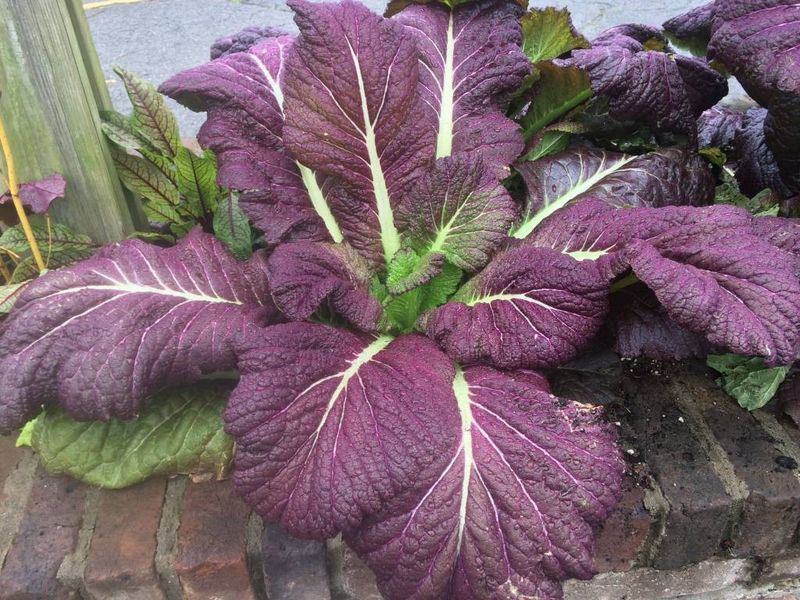
Heat is the enemy of tender mustard greens. In summer, these plants often rush to flower, a process called bolting, and the leaves can turn tough and harsh.
Fall flips that script by giving the plants mild days and cooler nights.
Shorter days and lower temperatures generally slow bolting, so the plant puts more energy into its leaves. That usually means a longer harvest window and a milder flavor than you might get in late spring.
Timing matters, and it depends on where you live in Georgia.
Gardeners in the mountains usually plant earlier, often in late summer, because frost arrives sooner there. In middle and south parts of the state, planting can often continue into early fall.
Your local Extension office can share planting dates for your county.
Light frost is usually not a problem for mustard greens.
Your Georgia Garden Changes Every Week. Your Plan Should Too.
Gardening in Georgia changes quickly throughout the season. Every Friday you’ll receive a simple weekly plan showing exactly what to plant, prune, fertilize, harvest, and protect so you never miss the right timing.
Some gardeners even feel a touch of cold sweetens the leaves a bit. A hard freeze can damage them, though, so keep an eye on the forecast once winter gets close.
A simple frost cloth or row cover can help on very cold nights. Just remove or vent it on sunny days so plants do not overheat.
3. Peppery Leaves Add A Bold Flavor To Fresh And Cooked Dishes
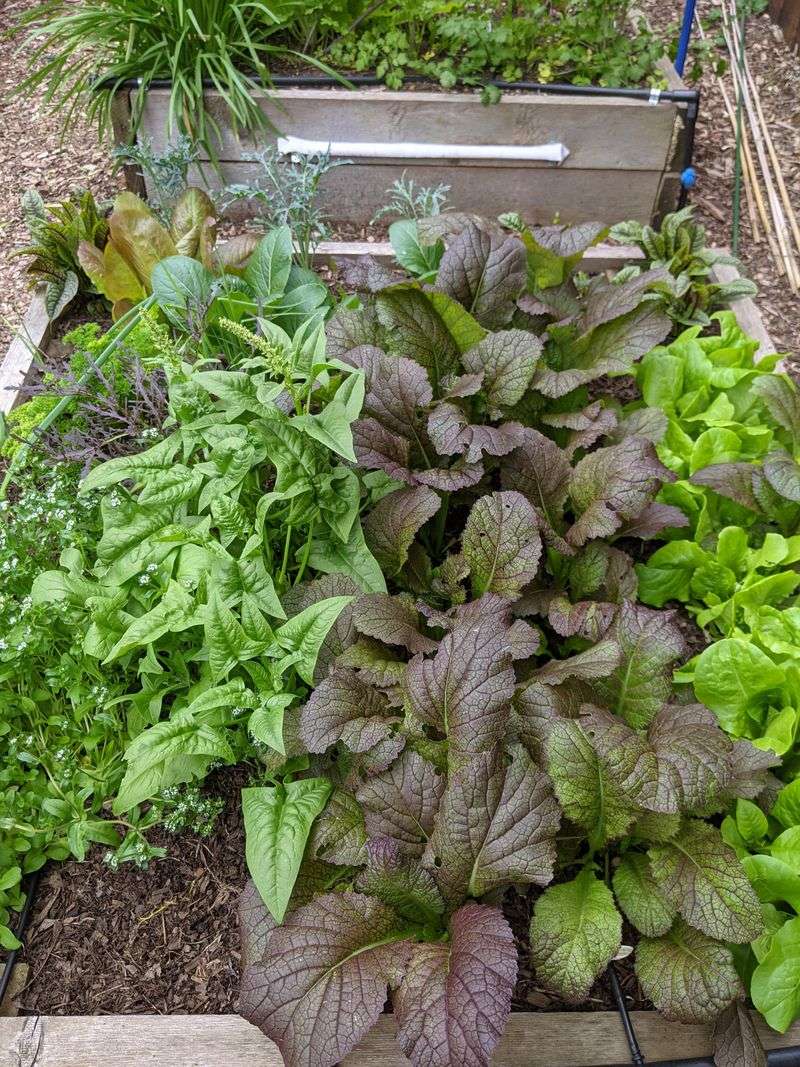
One bite tells you right away that these greens have attitude. Red Giant mustard carries a spicy, peppery kick that some people compare to horseradish or wasabi.
Young leaves tend to be milder, while older, larger leaves usually pack more heat.
If you enjoy a little zing, chop baby leaves into a mixed salad. They pair nicely with sweeter greens like lettuce, which helps balance the spice.
Cooking softens the flavor quite a bit.
Sauteing the leaves with garlic and olive oil is one easy option. In Georgia kitchens, plenty of cooks simmer mustard greens the classic Southern way, often with onions and a bit of smoked meat or broth.
You can also add chopped leaves to soups, stir-fries, or pasta near the end of cooking.
Expect the purple color to fade or darken when heated.
Cooked leaves often turn a duller green or brownish shade, which is normal. If you want to show off that color, serve some leaves raw as a garnish.
Wash the leaves well before using them, since the crinkled surface can trap soil. A salad spinner makes the job quick and keeps the greens crisp.
4. Purple Foliage Stands Out Among Traditional Fall Flowers
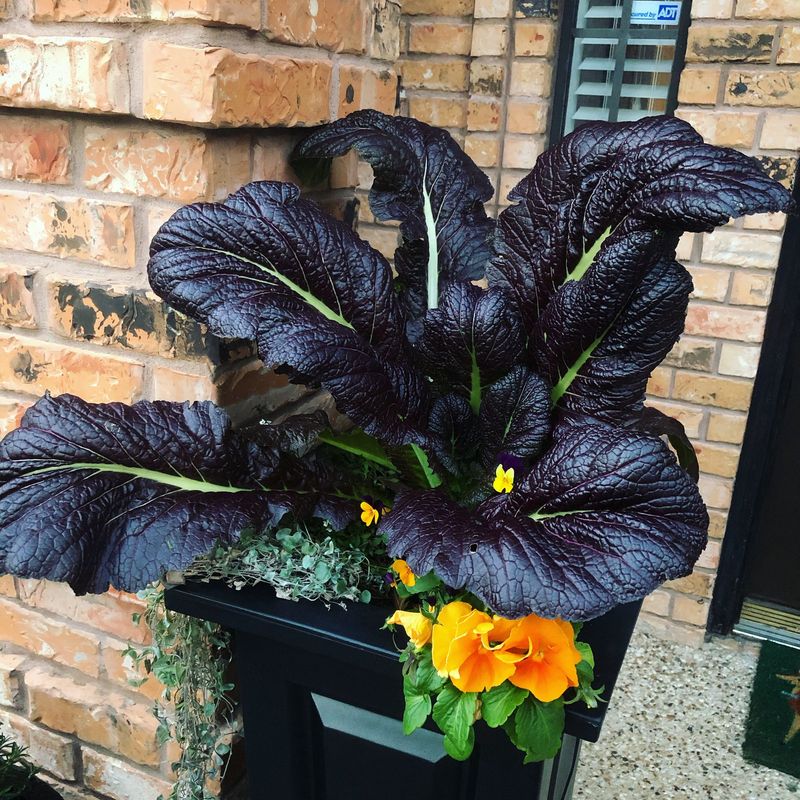
Picture a porch full of orange mums, then add a splash of deep purple. Suddenly the whole display looks richer and more interesting.
Red Giant mustard works well as a foliage plant because its dark leaves contrast with warm fall colors.
Yellow and orange pansies look especially bright next to the purple leaves. White violas, ornamental kale, and silver dusty miller are other good partners to try.
Containers make this kind of pairing easy.
Choose a pot with drainage holes and fill it with quality potting mix. Place the mustard toward the center or back, then surround it with smaller flowers.
Across Georgia, fall containers often stay attractive for weeks, though cold snaps can change how long they last.
You can still harvest a few leaves from container plants without ruining the look. Just pick from the outer edges and leave the center full.
Garden beds offer even more space to play.
Try repeating clumps of mustard along a walkway so the purple shows up in a steady rhythm. Grouping three or more plants together usually makes a stronger visual impact than scattering single plants around.
5. Seeds Can Be Sown Directly Into Prepared Garden Soil
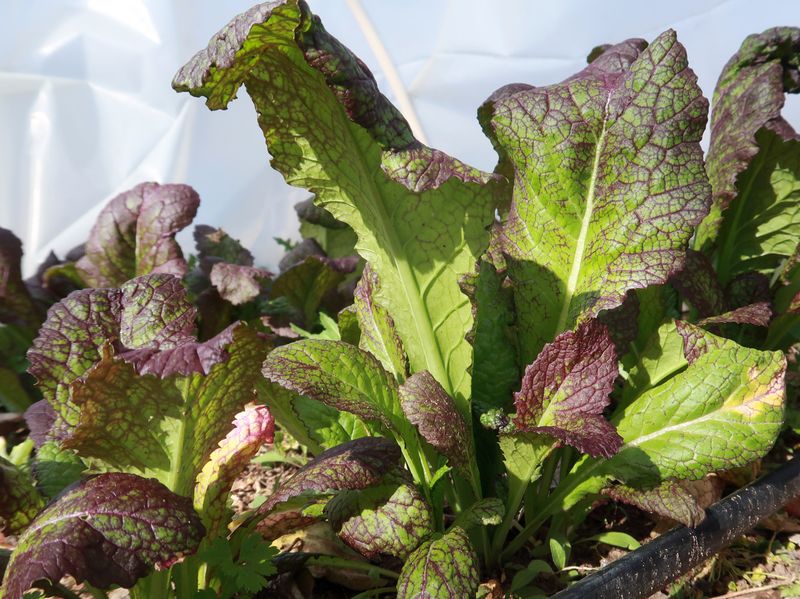
Good news for busy gardeners, you do not need to start these indoors. Mustard seeds usually sprout quickly when sown straight into the garden.
Start by preparing a sunny spot that gets at least six hours of light.
Loosen the soil and mix in some compost to improve texture and nutrients. Clay soil, which is common in parts of Georgia, often benefits from added organic matter to help with drainage.
A soil test is a smart step before planting.
Your county Extension office can test a sample and tell you if lime or fertilizer is needed. That way you add only what your soil actually lacks.
Sow seeds about a quarter to half inch deep, following the spacing on your seed packet. Keep the soil evenly moist until seedlings appear.
Thinning comes next, and it is easy to skip but worth doing.
Crowded plants compete for water and light, which can lead to smaller leaves. Pull extra seedlings so each plant has room to spread, and toss the thinnings into a salad.
Planting small batches every couple of weeks can stretch out your harvest. That steady approach helps you avoid having too many greens at once.
6. Harvesting Young Leaves Lets The Plant Continue Producing
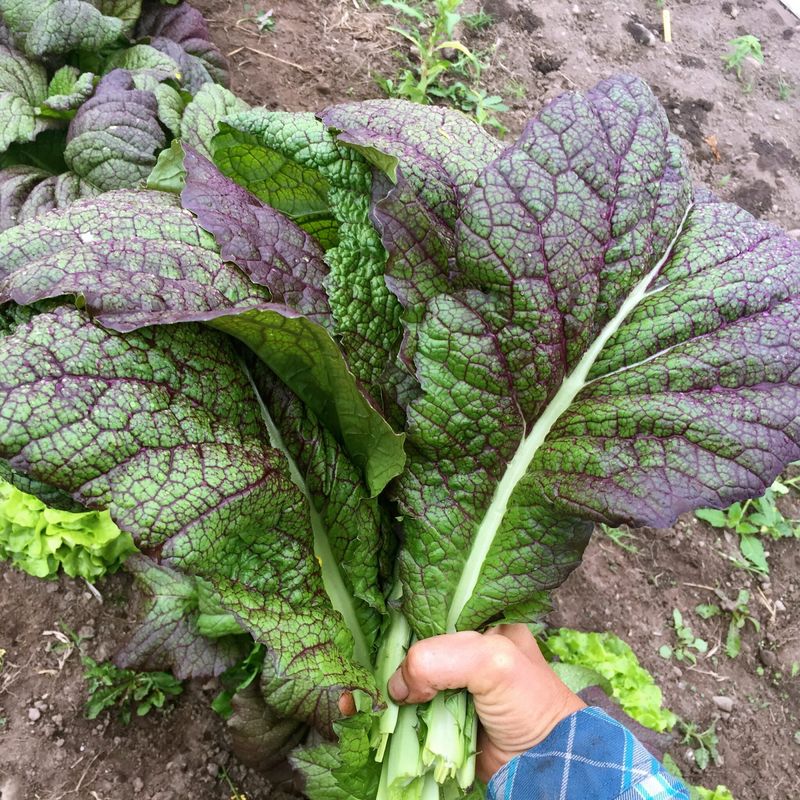
Patience pays off, but so does picking early. Baby leaves can often be harvested within a few weeks of sowing, depending on weather and soil.
Larger leaves usually take longer, often around six weeks or so.
Instead of pulling the whole plant, try the cut-and-come-again method. Snip the outer, older leaves and leave the center growing point alone.
New leaves will keep forming from the middle as long as conditions stay favorable.
Clean scissors or garden snips make neat cuts that heal quickly. Tearing leaves by hand can sometimes damage the stem or loosen the roots.
Morning is a good time to pick.
Leaves are usually crisp and full of moisture before the afternoon sun warms them. Store them in a bag in the refrigerator and use them within several days for the best texture.
Eventually, longer days and warmer weather in late winter or spring will push the plant to flower. In Georgia, that shift can come earlier in southern areas than in the mountains.
Once bolting begins, leaves often get tougher and spicier.
At that point, you can pull the plant or let the yellow flowers bloom for pollinators to enjoy.
7. Cabbage Worms And Flea Beetles Are Worth Watching For
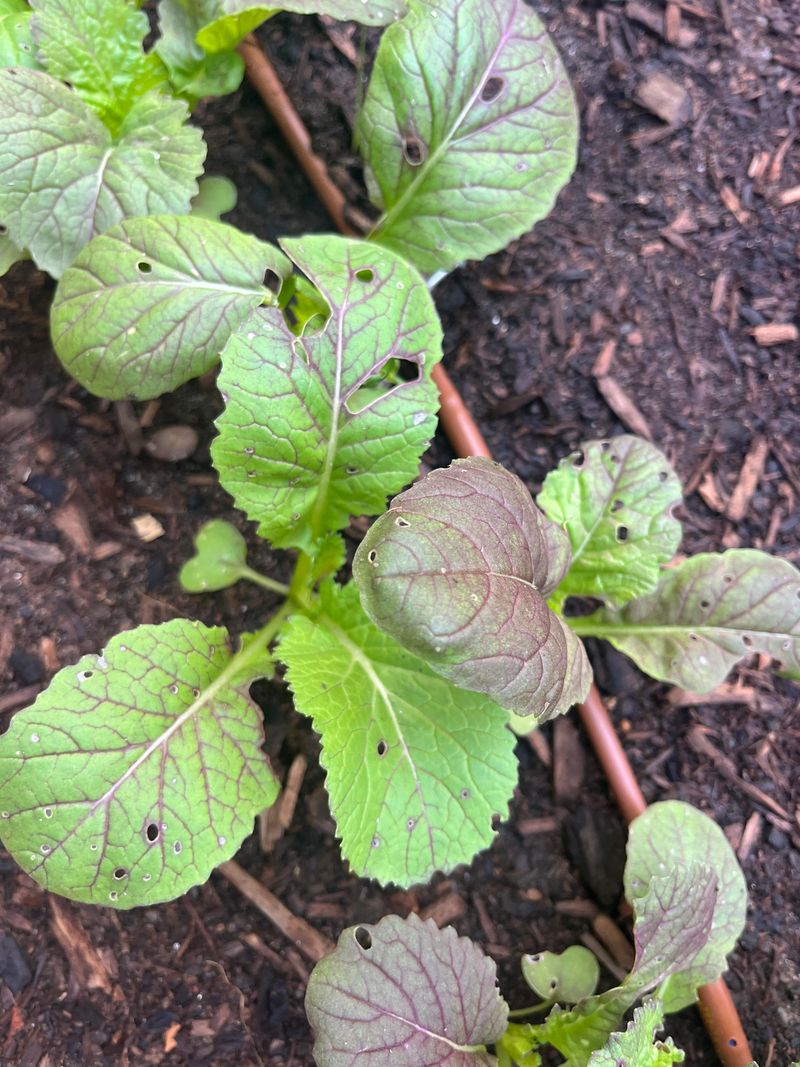
Tiny holes in your leaves are a clue, not a crisis. Two common pests of mustard greens are flea beetles and cabbage worms.
Flea beetles are small, shiny insects that jump when disturbed.
They chew little pits and holes, often hitting young seedlings hardest. Older plants can usually handle light feeding without much trouble.
Cabbage worms are green caterpillars that blend in with leaves and stems.
Look for white or pale yellow butterflies fluttering around your garden, since they lay the eggs. Check leaf undersides regularly and pick off any caterpillars by hand.
Lightweight row covers can act as a simple barrier after planting.
Secure the edges well so insects cannot crawl underneath. Because mustard does not need pollination for a leaf harvest, covers can stay on for much of the season.
Pest pressure in Georgia often eases as temperatures drop, though it can vary by year and location.
If damage becomes heavy, ask your local Extension office about options. Products containing Bt are commonly suggested for caterpillars, but read and follow label directions carefully.
Healthy, well-watered plants tend to recover better from feeding. A quick look every few days keeps small problems small.