8 Things Virginia Renters Can and Can’t Do in Their Yards
Some Virginia counties can actually fine a resident when running bamboo creeps across the property line next door. That rule surprised me, because I once rented a house where the previous tenant planted bamboo for privacy.
State rental law says surprisingly little about lawns and gardens, so your lease ends up calling most of the shots. Local rules and homeowner association guidelines can pile extra requirements on top of whatever your landlord already wrote.
Between you and me, renting does not mean giving up on dirt under your fingernails or tomatoes in August. It simply means asking a few smart questions before you grab the shovel and start digging up the lawn.
Plenty of Virginia renters learn the rules the hard way, usually when a security deposit comes back lighter. So which yard projects are fair game, and which ones could land you in hot water with your landlord?
1. Mowing And Hedge Trimming Duties Often Fall On Renters
My first rental came with a rusty push mower in the shed and a lease clause I barely skimmed. Two weeks later, the grass was ankle high and my landlord sent a polite but very firm text.
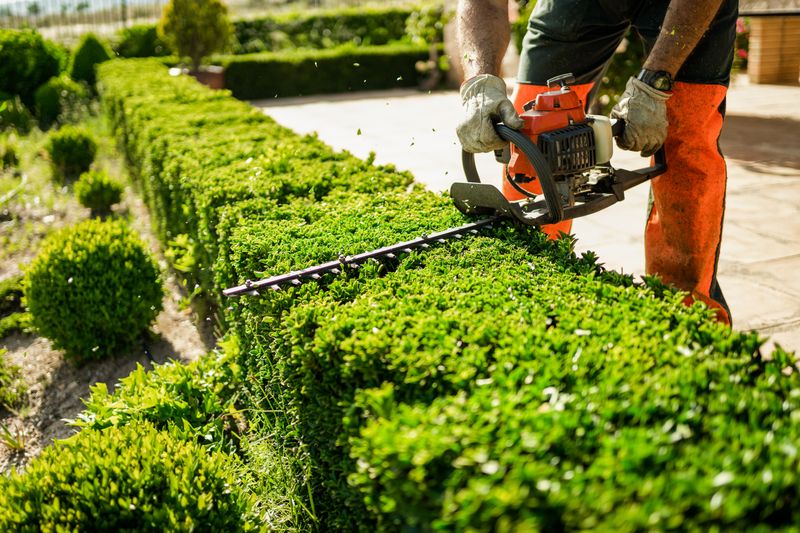
Many single-family leases in the state hand basic yard care to the tenant, including mowing and hedge trimming. Leaf removal and snow shoveling often show up in those same clauses, so read every line before signing.
If your lease says you mow, plan on keeping cool-season fescue around three inches tall or slightly higher. Taller grass shades out weeds and holds moisture better during those sticky summer stretches we know so well.
Some landlords even reward tenants for optional extras, like small rent discounts or gift cards for added yard work. Asking costs nothing, and a friendly landlord may appreciate a tenant who keeps the curb appeal looking sharp.
For what it is worth, I now keep a simple calendar note for mowing days and seasonal hedge trims. That small habit keeps neighbors happy and saves me from awkward conversations about overgrown shrubs by the mailbox.
Ask who supplies the equipment too, since some landlords leave a mower while others expect you to bring one. Get that answer in writing so nobody argues about broken blades or missing gas cans next spring.
Clear expectations up front make lawn care feel like a routine chore instead of a looming source of stress. Your future self, and your security deposit, will thank you for reading that yard clause twice.
2. Ripping Out Flower Beds Needs Your Landlord’s Written Okay

Those tired azaleas by the porch might tempt you, but pulling them out counts as an alteration to the property. Most leases require written landlord consent first, and state law bars tenants from removing parts of the premises.
Looking back, I should have asked before I swapped a scraggly boxwood hedge for a row of cheerful coneflowers. My landlord liked the result, yet he reminded me that a quick email first would have been much smarter.
Skipping permission can backfire, because your landlord may require you to restore the yard to its original look. You could also pay for damage to buried irrigation lines or established shrubs that cost real money to replace.
Permanent improvements you add without a clear agreement usually become the landlord’s property once your lease ends. That means your gorgeous new perennial border may stay behind, even after you spent weekends building it.
Send a short written request describing the plants you want and the exact spot where they will go. Photos of the current bed help too, since they show both sides how the space looked before work began.
Ask whether the landlord wants new plants left behind or dug up and taken with you at move out. Getting that answer early keeps your deposit safe and avoids a last-minute scramble with a borrowed trowel.
If you ask me, most landlords appreciate thoughtful tenants who improve the yard instead of neglecting it. A respectful conversation often turns a firm no into a happy yes, sometimes with plants they help pay for.
3. Raised Vegetable Beds Can Thrive With Clear Permission

Nothing beats a sun-warm tomato picked fresh from your own backyard, even when that backyard technically belongs to someone else. Renters can grow gorgeous vegetables, but raised beds and in-ground plots usually need written landlord approval first.
Digging up turf for a garden counts as a property change, much like reshaping a flower bed or patio. Talk with your landlord before buying lumber or soil, because surprise projects rarely land well with property owners.
In my own yard, I have found that freestanding raised beds make landlords far more comfortable than tilled plots. They sit on top of the grass and can be removed later, leaving only a patch to reseed.
Put the garden agreement in writing, including who keeps the beds and whether the lawn must be restored. Without that clarity, permanent garden structures may legally become the owner’s property after you move out.
Containers offer another easy path, since pots on a patio rarely count as alterations under most lease terms. Peppers and compact tomato varieties do well in large containers with good drainage and at least six hours of sun.
Virginia Cooperative Extension suggests planting warm-season crops like tomatoes after the last spring frost has safely passed. Frost dates vary across the state, so check your local extension office before setting out tender seedlings.
Funny thing is, a well-kept vegetable garden often impresses landlords once they see your careful work in person. Sharing a basket of ripe tomatoes with them certainly does not hurt your chances of renewing next year.
4. Backyard Sheds And Fences Need Approval Before Building

A tidy little shed sounds like the perfect home for your mower, but building one without permission invites trouble. Sheds and fences count as major alterations, and most leases require explicit written consent before any construction starts.
Take it from someone who once eyed a cheap prefab shed online and nearly clicked the order button. A quick call to my landlord revealed buried utility lines right where I planned to set the foundation.
Play equipment falls into the same category, especially swing sets that need anchors dug deep into the ground. Kids love them, yet landlords worry about lawn damage and liability if a structure fails during use.
Without prior agreement, you could be required to remove the structure and repair the ground when you leave. Damage caused during installation or removal may also come out of your deposit or require separate payment.
Unapproved additions often become the landlord’s property at lease end, which feels painful after spending hundreds of dollars. Clarify ownership in writing so you know whether that shed travels with you or stays with the house.
Local rules can matter too, since many counties require permits for fences above certain heights or larger sheds. HOA guidelines may also limit colors or placement, so ask your landlord for those community documents.
Freestanding options like portable greenhouses or deck boxes sometimes slip through with simpler approval from cautious landlords. Still, get a yes in writing first, because a friendly verbal okay can be forgotten surprisingly quickly.
5. Mosquitoes And Mice Near Your Rental Call For Teamwork
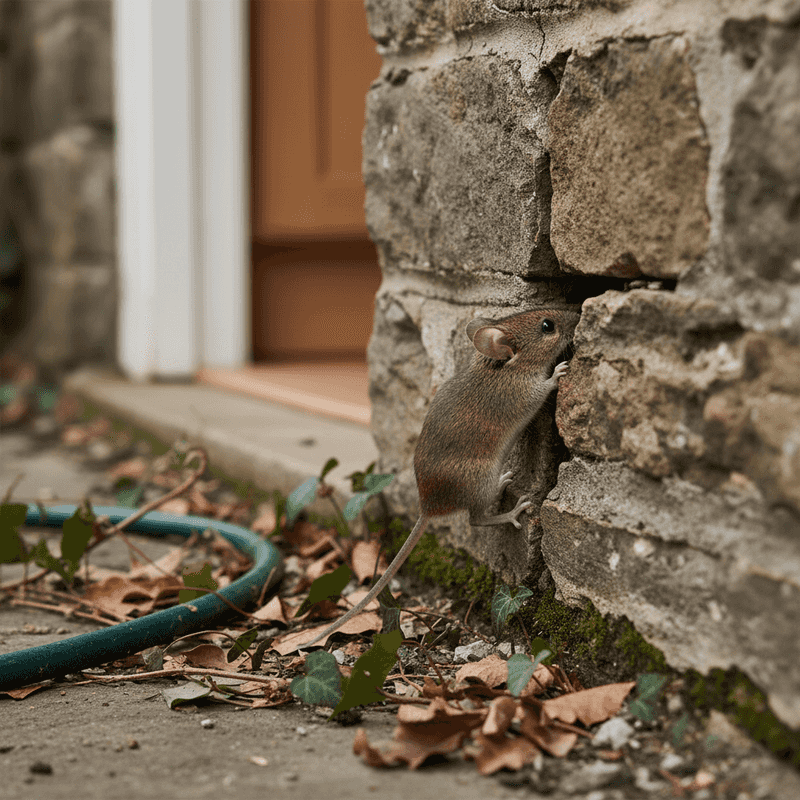
Standing water in a forgotten flowerpot saucer can produce mosquitoes in about a week during warm weather. That surprising speed makes tenants an important first line of defense against backyard pests at rental homes.
Tenants are generally responsible for keeping the areas they use clean and reasonably free of pest problems. Dump water from buckets and toys after rain, and keep trash cans tightly closed to discourage hungry rodents.
Landlords must hand over a pest-free property at move in, and you should report infestations promptly. Write that notice down and keep a copy, since written records protect you if disagreements come up later.
In apartment communities and other multifamily buildings, landlords typically handle pest control unless the lease says otherwise. Single-family rentals can differ, so check the clause covering insects and rodents before calling an exterminator yourself.
If unsanitary conditions you created lead to an infestation, your landlord may charge you for treatment costs. Piles of pet waste or open compost with food scraps can attract unwanted visitors pretty quickly.
My garden taught me that simple habits help, like trimming tall weeds away from the foundation each month. Stacking firewood off the ground and away from the house also gives mice fewer cozy hiding spots.
Before spraying any pesticide, ask permission and read the label carefully, especially around pets and children. Some landlords prefer licensed pros, and following their wishes keeps everyone safe and on the same page.
6. Running Bamboo And Other Invasive Plants Stay Off Limits
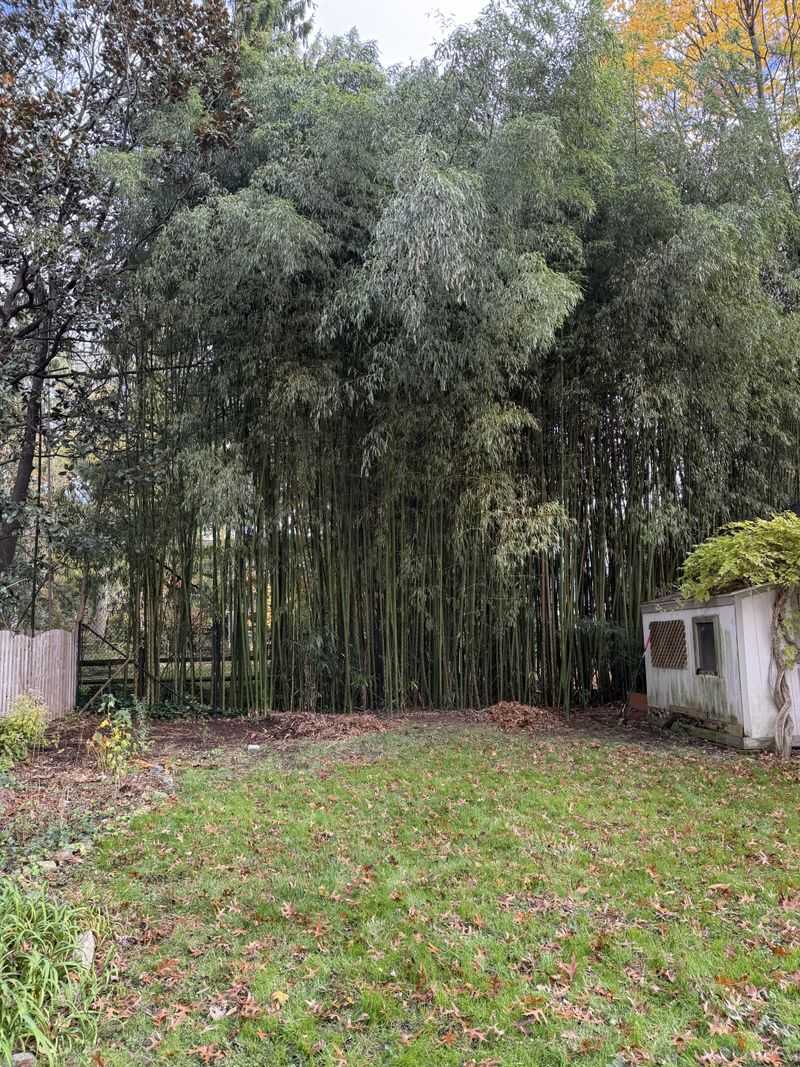
Running bamboo can push underground shoots well past a fence line, popping up in a neighbor’s lawn surprisingly fast. Virginia law allows localities to regulate running bamboo, and Fairfax County requires owners to contain it on their property.
Even if your lease says nothing about invasive plants, planting them still counts as an unauthorized property change. Your landlord could face neighbor complaints or local penalties, and those costs may land right back on you.
Between you and me, plenty of invasive plants still turn up for sale, which makes them easy mistakes. English ivy and Japanese honeysuckle appear on the state invasive plant list despite their popularity in older landscapes.
Many homeowner associations restrict invasive species too, and your landlord must follow those community rules no matter who planted them. Breaking HOA guidelines could trigger fines that your lease lets the landlord pass along to you.
Native plants make a smarter choice, and the Plant Virginia Natives campaign offers regional guides for easy picks. Black-eyed Susans and butterfly weed attract pollinators while staying politely where you plant them in the garden.
Before adding anything new, run your plant list past your landlord and get approval in a quick email. Mention that your choices are native, since many owners appreciate low-maintenance plants that will not spread aggressively.
For what it is worth, I swapped my bamboo dreams for a row of native switchgrass along the fence. It gave me privacy by midsummer, and my landlord happily signed off without a single worried question.
7. Garden Hoses And Water Bills Come With Rules Too
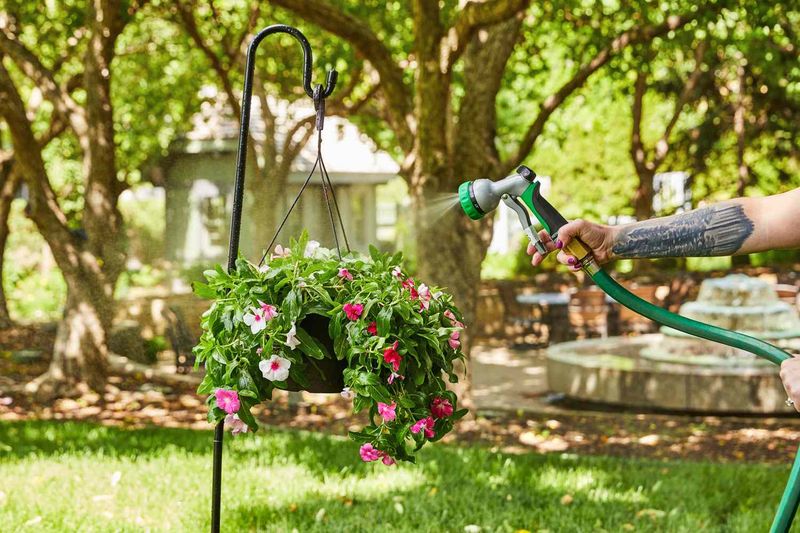
A thirsty lawn can soak up about an inch of water per week during hot summer stretches. That adds up fast on a water bill, so knowing who pays matters before you turn the spigot.
If your lease assigns you yard care and utilities, you are generally expected to water plants and grass as needed. Your lease should spell out who covers the water bill, especially in single-family homes with separate meters.
Let’s just say I learned this when a brown lawn showed up in my move-out inspection notes. A few deep waterings each week would have kept the grass healthier than my occasional quick sprinkles.
Local water restrictions and drought rules apply to everyone, whether you own the home or simply rent it. Some localities limit lawn watering to certain days during dry spells, so watch for notices from your utility.
Watering early in the morning reduces evaporation and helps leaves dry before evening, which discourages fungal diseases. A simple rain gauge shows how much nature delivered, so you can skip watering after a good storm.
Rain barrels can help too, but ask first, since attaching one to a downspout may count as an alteration. Soaker hoses tucked under mulch deliver water right to the roots and waste far less than spray nozzles.
Cool-season lawns often slow down and turn tan during summer heat, then recover when cooler fall weather arrives. Talk with your landlord about expectations, since some prefer a little summer dormancy over a hefty water bill.
8. Overgrown Lawns Can Lead To A Cure Or Quit Notice

Letting the lawn turn into a jungle feels harmless until a formal notice shows up taped to your door. Under state law, landlords can send a cure or quit notice for fixable lease violations like neglected yard work.
That notice usually gives you 21 days to correct the problem, such as mowing overgrown grass or clearing debris. If you fail to fix it, the lease can end 30 days after the notice was delivered.
Don’t make my mistake of assuming a busy summer excuses a shaggy yard, because landlords notice quickly. Neighbors notice too, and many localities enforce tall grass ordinances that can lead to fines for property owners.
Landlords can often pass along costs for fixing neglected yards, including fines from local authorities or HOAs. You may also face charges for hiring a crew if your inaction made that professional help necessary.
Life happens, so contact your landlord quickly if illness or broken equipment keeps you from mowing on time. Most property owners would rather hear from you early than discover the problem during a drive-by inspection.
Hiring a neighborhood teen or a local lawn service for a few weeks can keep things tidy. Keep receipts and photos of the finished work, since that proof helps if questions come up later.
Looking back, a little steady attention takes far less effort than one frantic weekend of catching up. Your landlord and your bank account both stay happier when routine yard care stays comfortably on schedule.