Bitten By A Copperhead While Raking Leaves In Georgia? Here’s What To Do
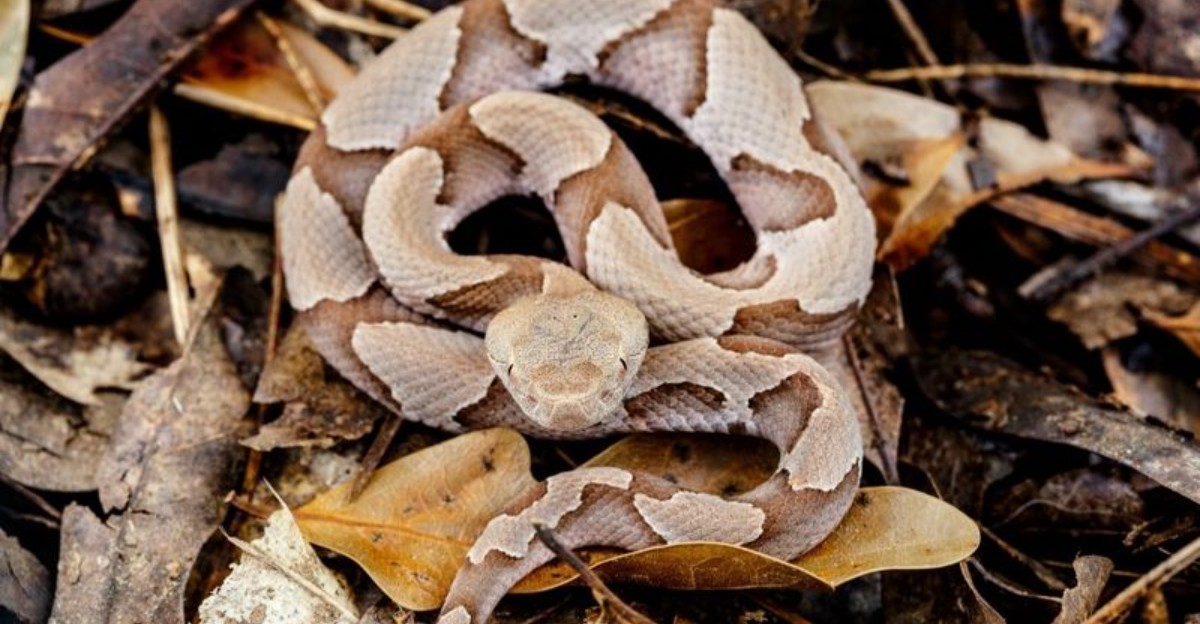
Baby copperheads are born with a sulfur-yellow tail tip that they wiggle like a tiny worm to lure frogs close. Nature gave a leaf-colored snake its own fishing lure, and I find that both brilliant and a little unsettling.
Those same snakes wear a pattern that melts into fallen oak and hickory leaves. You can stare right at one in a brown leaf pile and see nothing but autumn.
I now rake with a lot more respect than I used to.
Here in Georgia, fall yard work puts our hands and feet right where these quiet neighbors like to rest. Most bites happen by accident, when a rake, glove, or shoe lands on a hidden coil.
I believe knowing the right moves ahead of time beats guessing in a panic.
The first few minutes after a copperhead bite matter, and knowing exactly what to do could help you avoid making a dangerous situation worse.
1. That Sharp Sting In The Leaf Pile Has A Likely Culprit
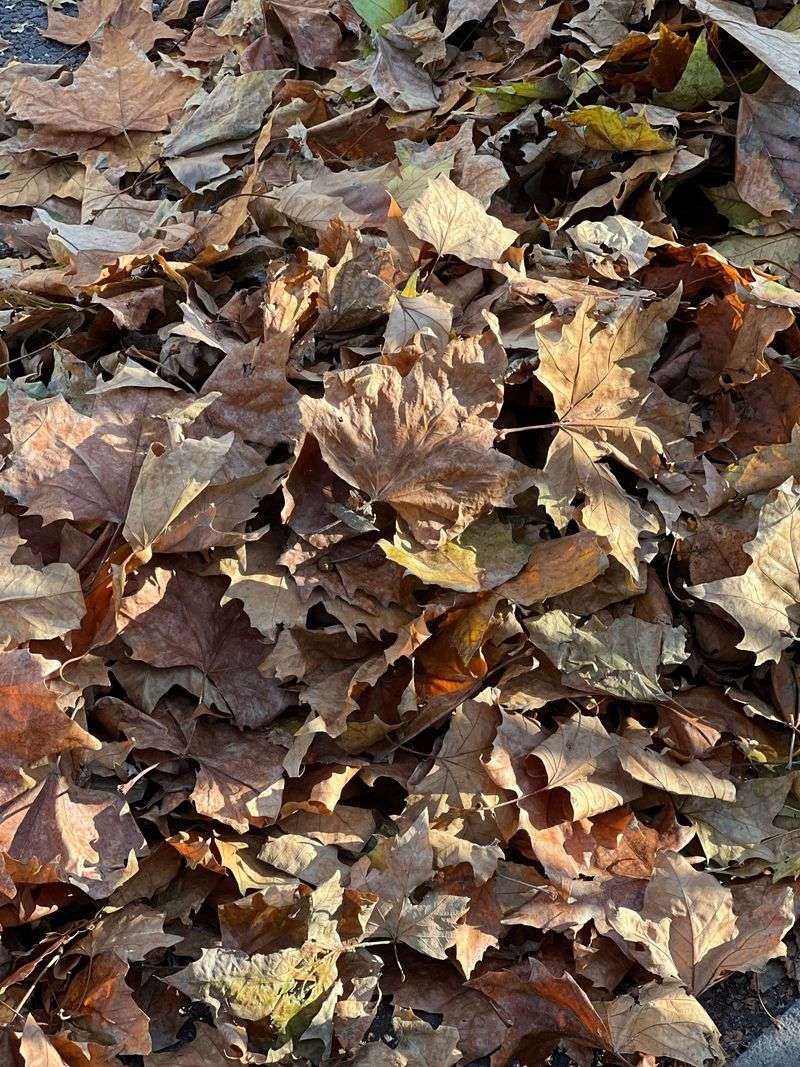
Copperheads are the venomous snake Georgians bump into most often, and leaf piles are a big reason why. Their tan and coppery bodies blend so well with dry foliage that many people never see the snake before the bite.
These pit vipers are not looking for trouble. When something big comes near, a copperhead usually freezes and trusts its camouflage instead of fleeing.
That habit works well against hawks, but it backfires when a rake or a gloved hand lands right on top of it.
Fall adds another twist. As nights cool off, copperheads often shift to daytime activity and bask in sunny spots, including warm leaf litter near patios, fences, and woodpiles.
Georgia’s season for active snakes runs roughly from March through October, and warm stretches in November can keep them moving.
The bite itself usually feels like a sudden, burning pinch. You may notice one or two small puncture marks, followed by swelling and pain that can spread over the next hour.
Not every bite injects venom, and copperhead venom is milder than a rattlesnake’s. Still, there is no way to judge a bite’s severity at home.
Treat every possible copperhead bite as a medical emergency.
2. Call 911 And Stay Calm After A Snakebite
Your phone matters more than any first aid trick right now.
Call 911 or get someone to drive you to the nearest emergency room, and do not wait to see whether symptoms get worse.
Try not to drive yourself if you can avoid it. Pain, dizziness, or nausea can show up quickly, and the last thing you need is a car accident on top of a snakebite.
While help is on the way, sit down and keep as still as you can. Moving around raises your heart rate, and staying quiet may help slow how fast venom spreads.
Keep the bitten arm or leg at a comfortable, relaxed position, roughly level with your heart.
Slow breathing helps more than you might expect. I like to remind folks that copperhead bites are rarely life-threatening for healthy adults, and that thought alone can calm a racing mind.
Children, older adults, and people with health conditions need care even faster. A small body or a weaker system can react more strongly to the same amount of venom.
Georgia also has a poison center at 1-800-222-1222. Save that number in your phone today, so you never have to search for it with a swelling hand.
3. Slip Off Rings And Mark The Swelling On Your Arm
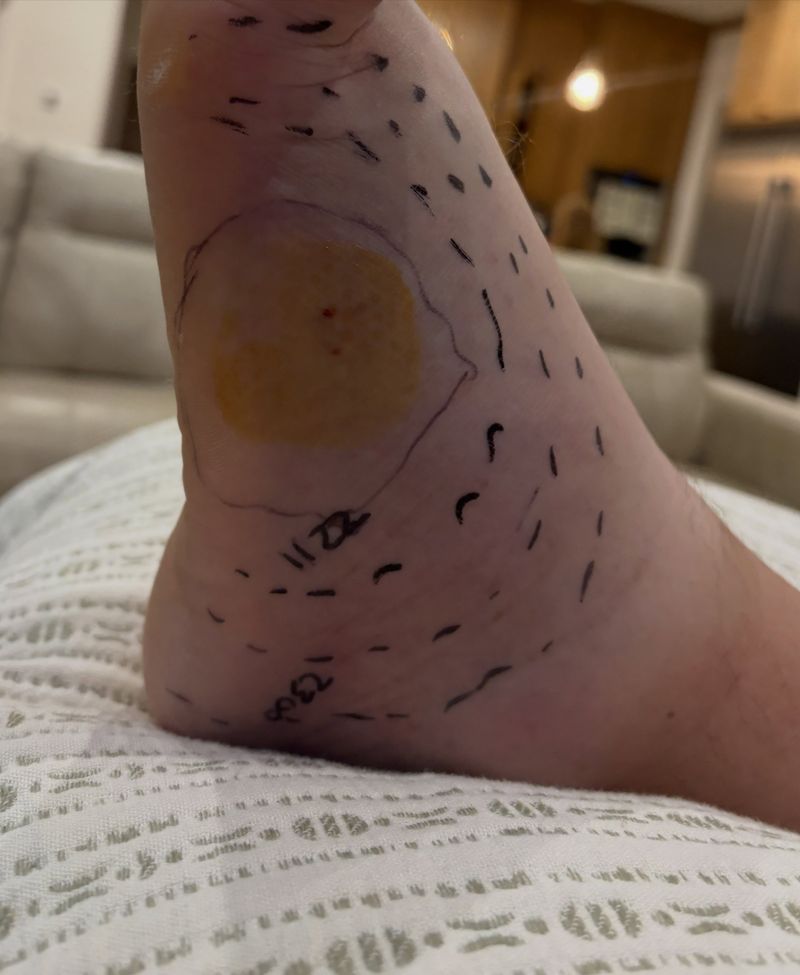
Rings can turn into a real problem within minutes. Copperhead venom often causes fast swelling, so pull off rings, bracelets, watches, and tight sleeves on the bitten limb right away.
Shoes count too. If the bite is on your foot or ankle, loosen or remove that shoe before the swelling makes it painful or hard to take off.
Next, gently wash the bite with soap and water if it is handy.
Cover it loosely with a clean, dry cloth or bandage, and avoid wrapping it tight.
One clever move makes doctors very happy. Grab a pen or marker and draw a line at the edge of the swelling or redness, then write the time beside it.
Repeat that every 15 to 30 minutes if you can. Those lines show the medical team how fast things are spreading, which helps them decide on treatment.
Snap a quick photo of the bite area as well. It creates a simple timeline that travels with you, even if the ink smudges on the drive.
All of this takes only a minute or two. None of it should delay getting to the hospital, so do these steps while you wait or ride.
4. Old Snakebite Remedies Like Tourniquets And Ice Do More Harm
Grandpa’s snakebite kit belongs in a museum, not your first aid drawer. Many old remedies sound brave, but medical experts agree they make injuries worse.
Skip the tourniquet. Cutting off blood flow traps venom in one spot and can seriously damage tissue in the arm or leg.
Please do not cut the wound or try to suck out venom. Those moves add infection risk and extra injury, and they remove almost no venom.
Suction pumps sold in kits have the same problem.
Ice feels like a smart idea for a swollen, burning bite. Unfortunately, it does not stop venom and may add to tissue harm, so leave the cold packs in the freezer.
Watch what you swallow too. Avoid caffeine and pain relievers like aspirin, ibuprofen, and naproxen, since they can raise bleeding risk.
Acetaminophen is generally considered a safer choice if you need something for pain, but ask the medical team first.
Electric shock, herbal pastes, and other internet tricks also have no proven benefit. The plain truth is simple: the best snakebite remedy is a hospital with antivenom on the shelf.
5. Antivenom And Hospital Monitoring Do The Heavy Lifting
Walking into the ER after a snakebite feels scary, but the staff has a clear game plan. They will check your breathing, pulse, and blood pressure first, then look closely at the bite.
Expect them to trace the swelling with a marker, just like you did at home. Blood tests are common too, since venom can affect clotting, though serious clotting trouble is uncommon with copperheads.
Antivenom is the main treatment when symptoms become significant. Two products used for North American pit vipers are CroFab and Anavip, and both are given through an IV.
Not every copperhead bite needs antivenom.
Some people only need pain control, wound care, and careful watching. Doctors decide based on how quickly swelling spreads and how your body responds.
Many patients stay for observation, often around a day or more. Recent research suggests antivenom can help limbs recover faster, so do not argue against it if your doctor recommends it.
Ask about a tetanus shot if yours is not current. Also ask what follow-up signs to watch for at home, since swelling and soreness can linger for days or even a few weeks.
6. Those Hershey’s Kiss Bands Help You Identify A Copperhead
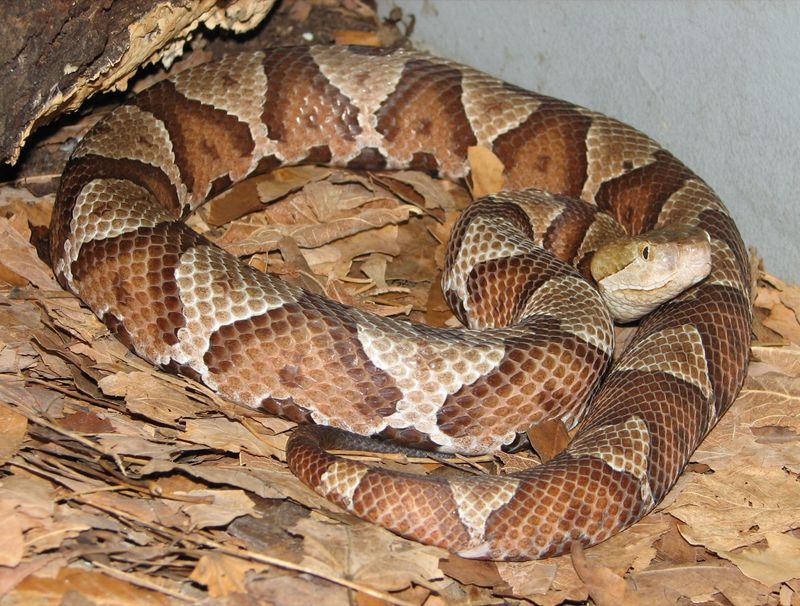
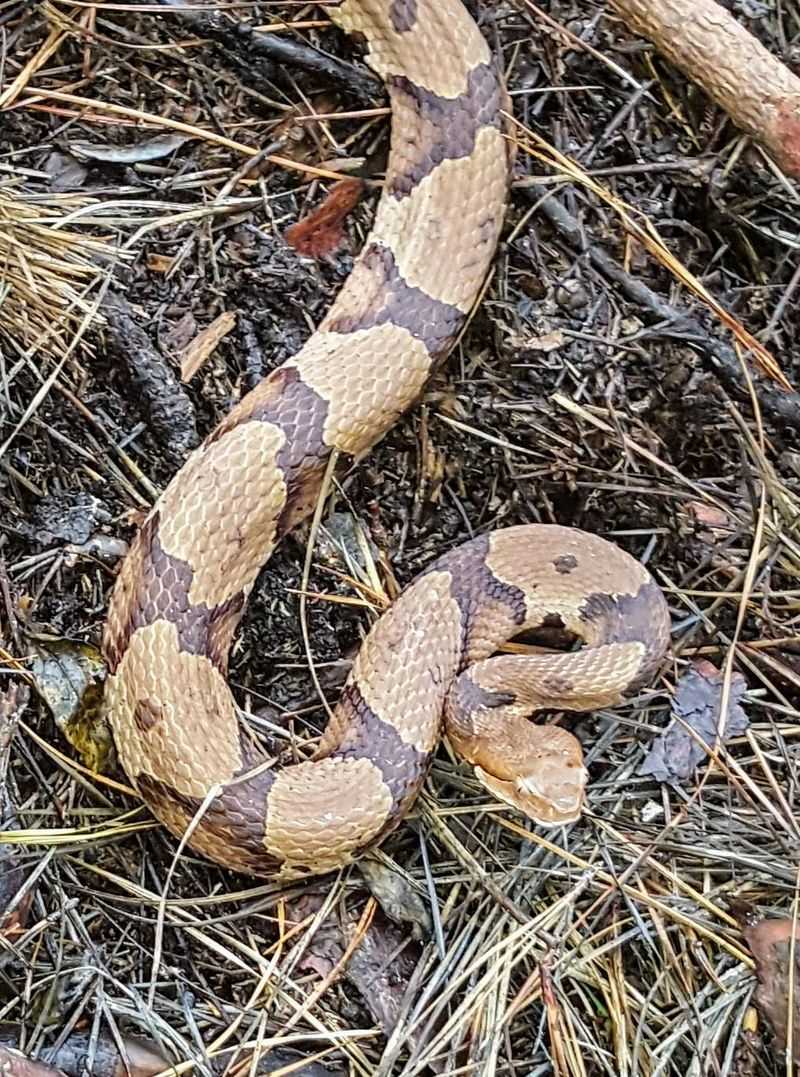
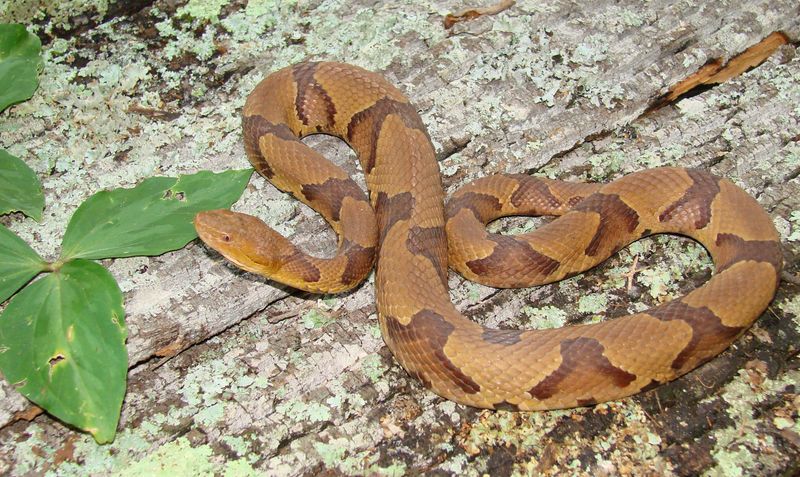
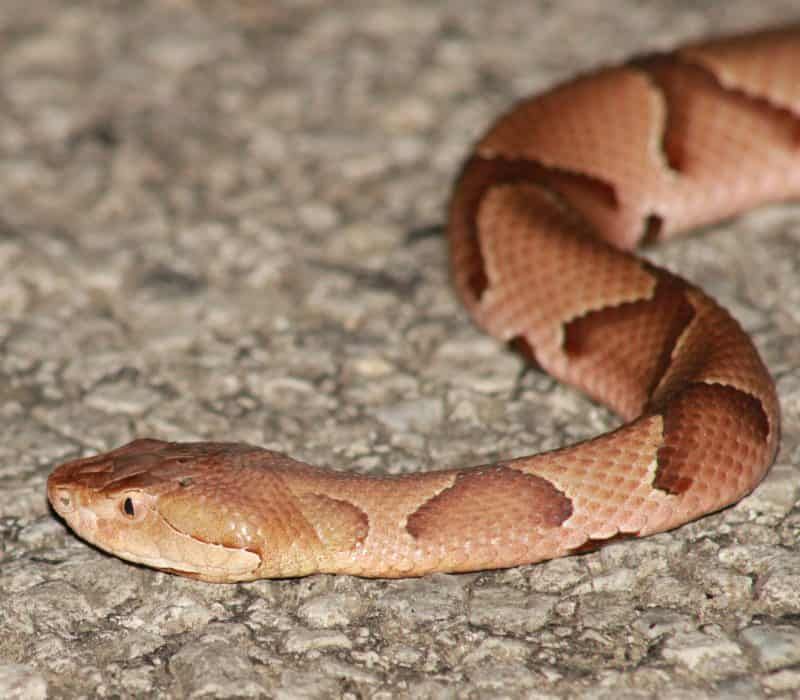
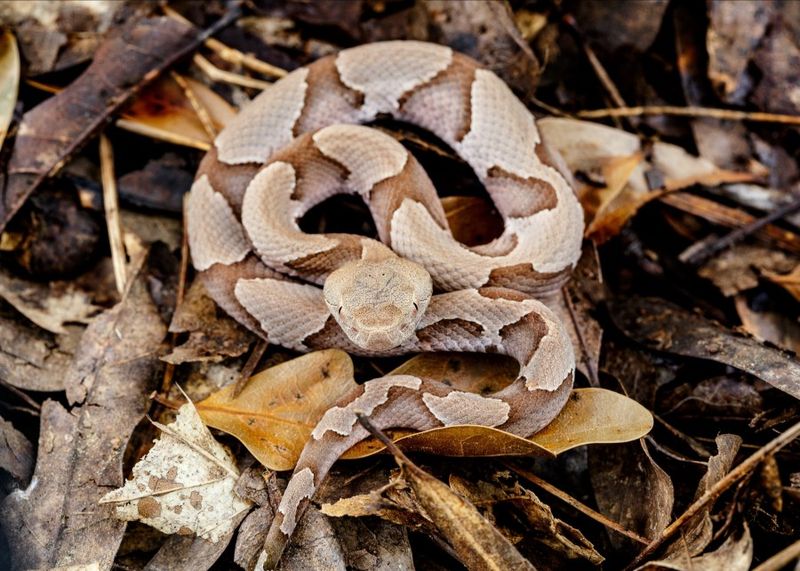
Chocolate lovers have a head start here. Copperheads wear dark crossbands shaped like an hourglass, and from the side many look like Hershey’s Kisses.
The bands are narrow along the spine and wide along the sides. The head is usually plain coppery tan, and the pupils are vertical like a cat’s eye.
Young ones add a fun detail. Babies have a bright yellow or greenish tail tip that fades as they grow.
Georgia has several harmless lookalikes, including corn snakes, young rat snakes, and banded water snakes.
Corn snakes have blotches outlined in black, while water snakes have bands that are widest along the back instead.
Doctors do not need the snake to treat you. Treatment for copperheads, rattlesnakes, and cottonmouths relies on the same type of antivenom and on your symptoms.
So never chase, catch, or bring in the snake, even one that seems lifeless. Many second bites happen during that exact mistake, and a severed head can still reflexively bite.
A photo from a safe distance is plenty. Remember that copperheads are protected under Georgia wildlife regulations, so leave the snake alone and let it move along.
7. Gloves, Boots, And A Leaf Rake With A Long Handle Keep You Safer
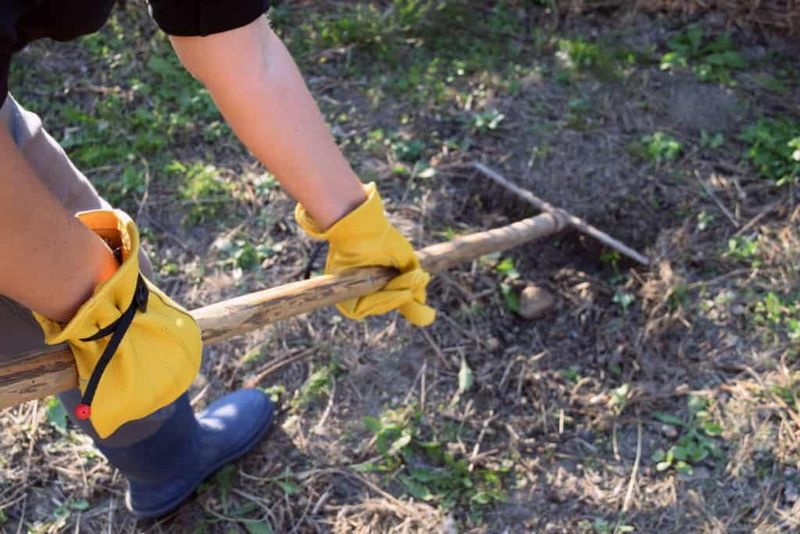
My leaf-raking outfit changed after I learned how many bites land on hands and feet.
Now I treat thick gloves and sturdy boots like part of the job, not optional gear.
Leather work gloves offer a solid barrier for grabbing leaf bundles. Tall boots or heavy shoes beat sandals by a mile, and long pants add one more layer.
Use your rake as a scout. Fluff the edges of a pile gently before reaching in, and give any snake a chance to slide away.
Avoid scooping leaves with bare arms. A tarp or leaf grabber keeps your hands farther from hidden coils.
Pay attention around logs, rock edges, stumps, and the base of shrubs. Copperheads favor those cozy margins where leaves collect.
Evening work needs a flashlight, since copperheads are often active at night in warmer weather. A headlamp leaves both hands free.
Finally, teach kids to look first and never poke at snakes. If you spot one, back off slowly and let it go on its way.
8. Tidy Woodpiles And Fewer Mice Make Your Yard Less Snake Friendly
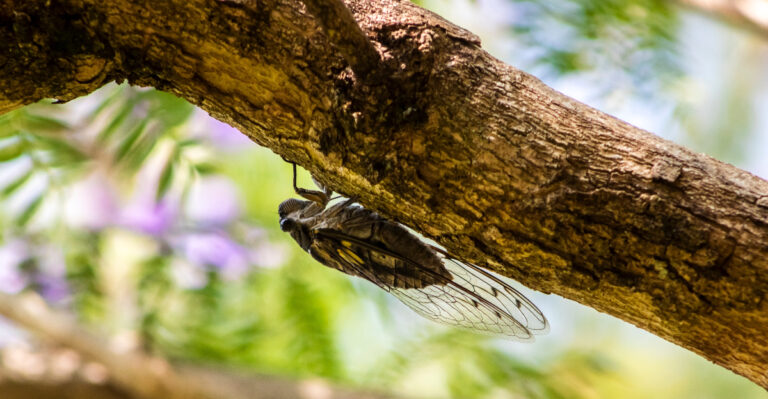
Copperheads follow the menu. Mice, voles, frogs, and even cicadas draw them in, so cutting off the buffet is your best long-term plan.
Spilled birdseed attracts rodents fast. Move feeders away from the house, sweep up seed, and store pet food in sealed bins.
Cover trash cans tightly and clean grill drippings. Little changes like these leave fewer meals around your doors.
Next, look at hiding spots. Stack firewood on a raised rack away from the house, and remove old boards, brush piles, and rock heaps.
Keep grass mowed and thin dense groundcover near walkways. Bag leaves or compost them in a bin rather than leaving big piles for weeks.
Skip mothballs and commercial snake repellents.
University of Georgia experts note they are not reliable, and mothballs used that way violate label laws.
Copperheads still play a useful role by eating rodents. Your goal is simply to make your yard less inviting, then enjoy fall knowing exactly what to do if a bite ever happens.