American Holly And Berry Shrubs That Make A Georgia Yard Look Festive
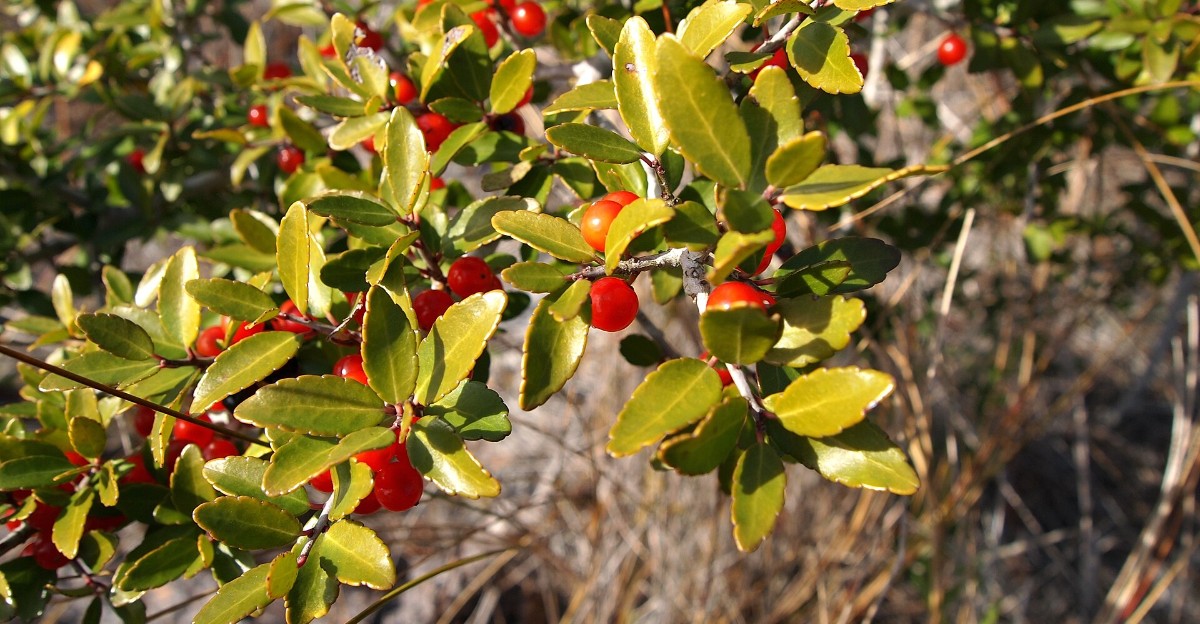
North America has only one native plant packed with caffeine, and it grows wild along the Georgia coast. Coastal tribes brewed its leaves into a strong ceremonial tea long before anyone here drank coffee.
That same shrub also covers itself in glossy red berries that hang on through the coldest weeks.
Its cousins do the same trick, and a few relatives even drop their leaves to show off fruit.
I love how a winter yard can glow with color when most flower beds look brown and tired. You need plants that feed hungry birds and still look tidy when your holiday guests pull into the driveway.
I think a festive landscape starts with the right female plant and a helpful male neighbor nearby. Which of these berry beauties will earn a sunny spot near your front door this year?
1. Miss Helen American Holly
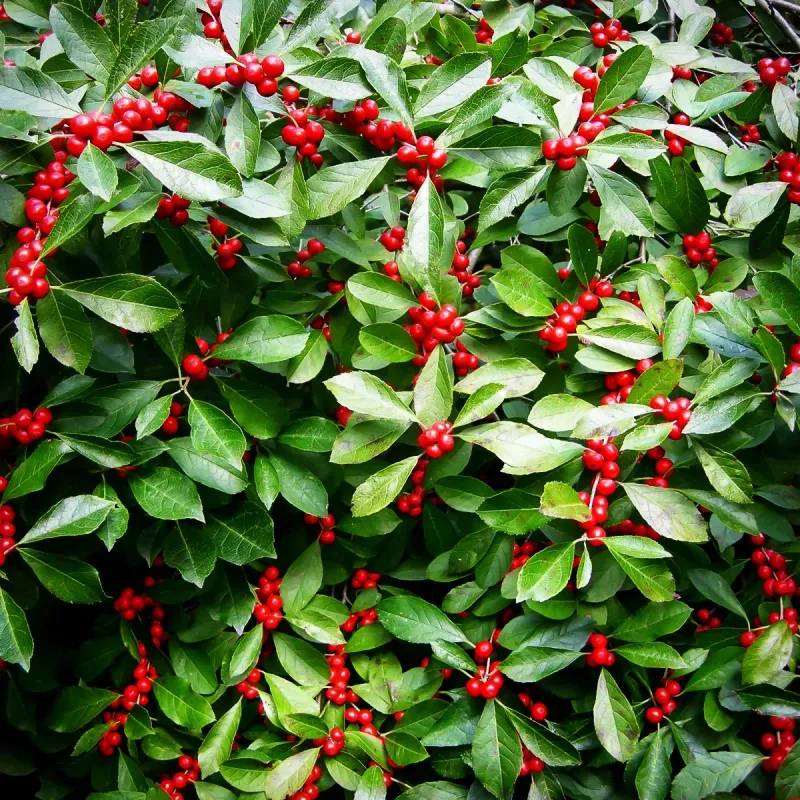
Some hollies look a little scraggly in summer, but Miss Helen keeps a full, tidy cone shape all year. I like how her deep green leaves make every red berry pop like a tiny ornament.
This female cultivar of American holly, Ilex opaca, often reaches 15 to 30 feet tall with time.
She grows slowly at first, so a young plant stays manageable near a house for several years.
Bright red berries ripen in fall and usually hang on well into winter if birds leave them alone. You will need a male American holly within a few hundred feet to get that heavy crop.
Your neighbor may already have a male tree, since bees carry pollen farther than most people expect. Still, I prefer planting my own male holly so I am not counting on luck each spring.
Miss Helen likes acidic, well-drained soil, which many yards across the Piedmont and coastal plain can offer. Heavy red clay can work if you loosen a wide area and avoid planting the root ball too deep.
Give her full sun to light shade for the thickest branches and the best berry show. Deep shade makes her open and leggy, and fruit numbers usually drop off quite a bit.
Water young plants weekly during their first summer, then let established roots handle most dry spells alone.
Late fall through early spring works well for planting, since cool weather helps new roots settle in.
2. Satyr Hill American Holly
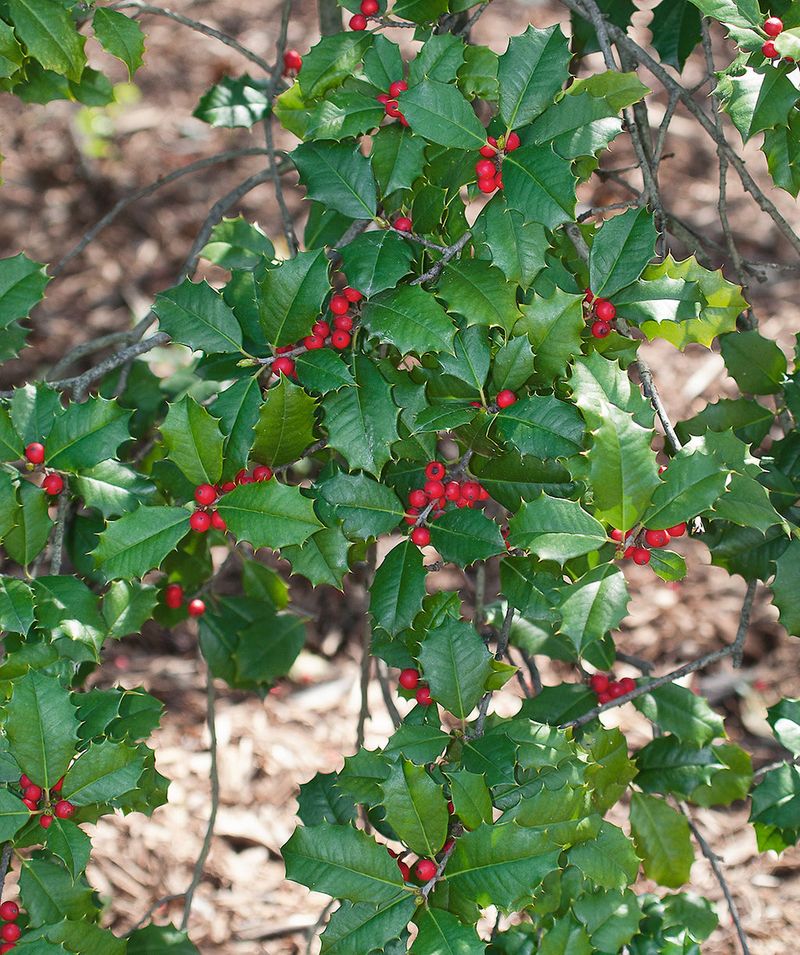
Satyr Hill once earned the title Holly of the Year from the Holly Society of America, and it shows. Bunches of large scarlet berries cover the branches so thickly that the tree almost glows on gray mornings.
This American holly was found as a wild seedling in Maryland and later named for its home area.
Its dark glossy leaves carry sharp spines, so keep it away from paths where kids run barefoot.
I have to admit those prickles come in handy along a property line where you want privacy. Planted in a row about eight feet apart, several trees knit together into a thick evergreen screen.
Expect a dense pyramid that can climb past 20 feet, though growth stays moderate in most yards. The berries color up in fall and often stay put until hungry robins arrive in late winter.
Satyr Hill is female, so plant a male American holly nearby if you want that famous berry load. One male can serve several females, which keeps costs down when you are building a hedge.
Full sun gives the heaviest fruit, but afternoon shade helps in the hottest parts of south Georgia.
Spread a few inches of shredded pine bark mulch over the roots to keep the soil cool and moist.
Prune lightly in early winter and you can bring the clipped berry branches indoors for mantel decorations. Skip heavy fertilizer, since a light spring feeding for acid-loving plants is plenty for this tough tree.
3. Jersey Princess American Holly
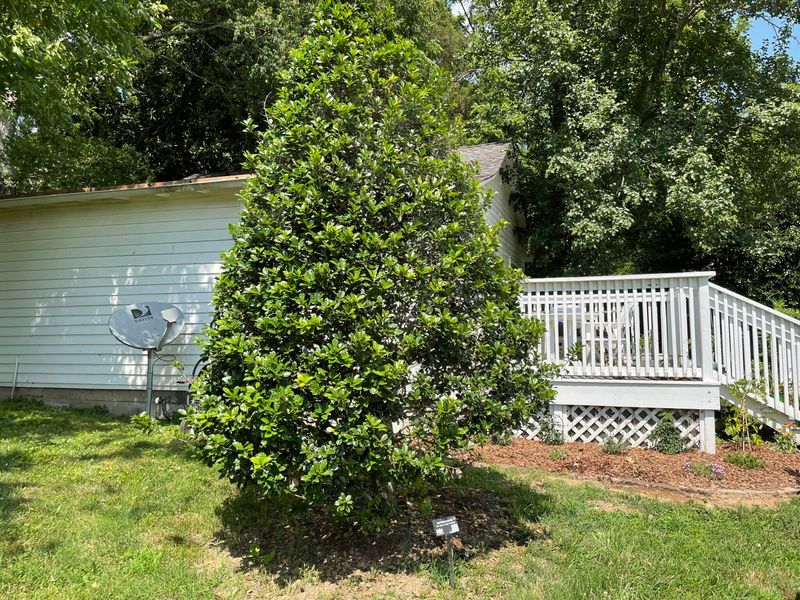
Most American hollies have dull, olive-tinted leaves, so the shine on Jersey Princess catches people off guard. Her foliage looks almost polished, and the bright red berries sit against it like candy on a cake.
Rutgers University introduced this female cultivar through the long breeding work of holly expert Elwin Orton.
He also released a matching male named Jersey Knight, which makes pollination planning pretty simple for home gardeners.
I believe that pairing is one of the easiest shortcuts in holly shopping, especially for beginners. Ask your nursery for both plants at once, then set them within sight of each other in the yard.
Jersey Princess forms a neat pyramid that can reach 20 to 30 feet tall over many years. Her dense branching makes her a lovely specimen tree in a front lawn or a corner bed.
Like other American hollies, she prefers acidic soil that drains well but does not dry out fast. Yellowing leaves with green veins often signal soil that is too alkaline, so test before you plant.
Sun for at least six hours a day keeps the branches full and the berry crop generous. She handles cold well, so gardeners in the north Georgia mountains can grow her without worry.
Leaf miners sometimes leave squiggly tan trails on holly leaves, but they rarely cause serious trouble.
Pick off the worst leaves in spring and let nature handle the rest, which saves you time and spray.
4. Croonenburg American Holly
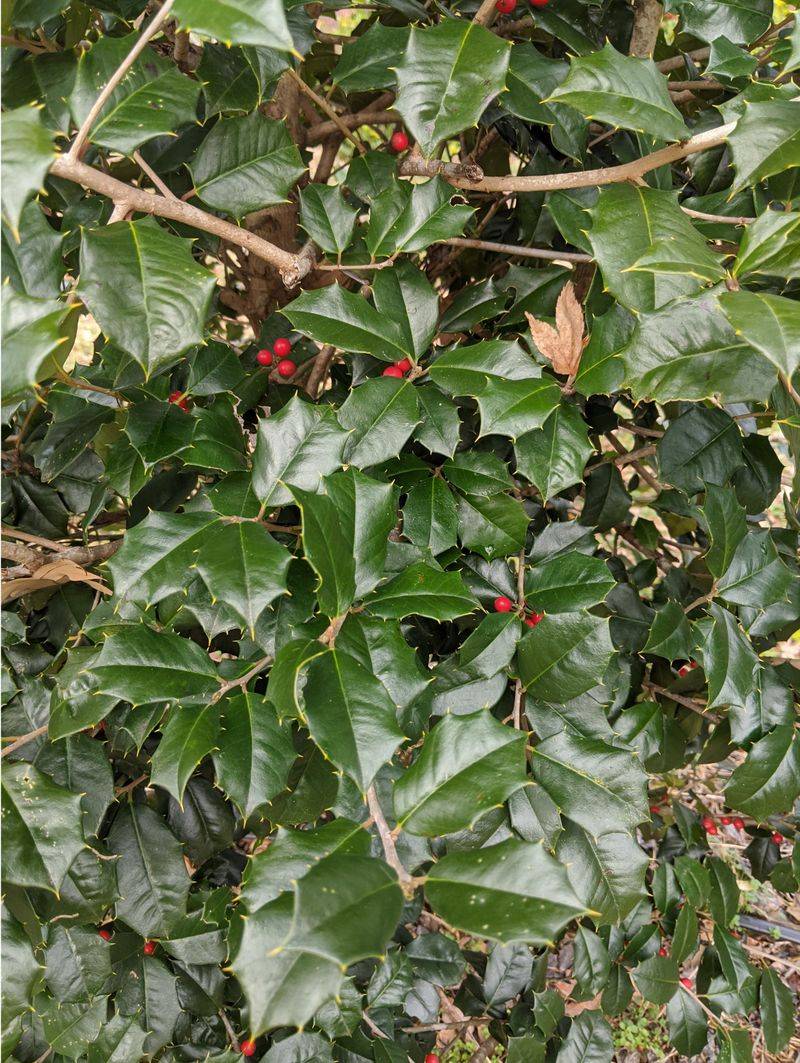
Croonenburg pulls off a neat trick that most hollies cannot, since one tree can bear both male and female flowers. That means a single plant can set red berries without a partner, which suits small yards with limited space.
I love how this one solves the classic holly headache of hunting down a matching male plant.
You still get more fruit with another American holly nearby, so a second tree remains a smart bonus.
Croonenburg grows into a narrow, upright pyramid, often reaching around 20 to 30 feet at maturity. Its slim shape fits beside a driveway or between houses where a wide holly would feel crowded.
The leaves are dark green and less spiny than many American hollies, so pruning feels a bit friendlier. Berries ripen to red in fall and add cheerful dots of color right through the holiday season.
Plant it in acidic, well-drained soil with steady moisture, much like the native hollies in local woodlands. Dig the hole twice as wide as the root ball but no deeper, so the crown sits level.
Full sun to partial shade works, though the berry count usually climbs as sunlight increases through the day.
Newly planted trees appreciate a slow, deep soaking once a week until their roots spread out.
Birds like cedar waxwings and mockingbirds often visit holly berries once winter food starts running low. Personally, I enjoy watching them feast, even if it means my festive red display shrinks a bit by February.
5. Winterberry Holly
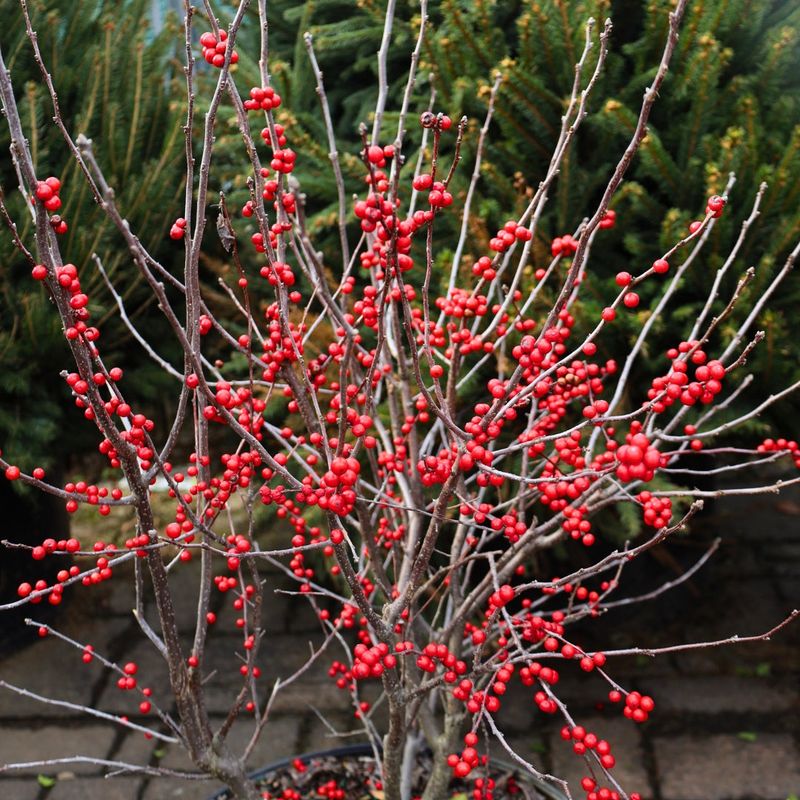
Winterberry drops every leaf in fall, then reveals bare stems so packed with red berries they look painted on. Honestly, it feels like the shrub saved its best party outfit for the coldest part of the year.
This deciduous native holly, Ilex verticillata, grows wild in swamps and stream banks in parts of Georgia.
Most garden plants stay between 3 and 12 feet tall, depending on the cultivar you choose.
You need at least one male plant for every several females, and the bloom times should match. Southern Gentleman is a popular male partner for Winter Red, a female known for heavy crops.
Soggy spots that drown other shrubs suit winterberry just fine, which makes it handy near downspouts and rain gardens. It also grows in regular garden soil, as long as the ground stays acidic and fairly moist.
Plant it in full sun if you can, because shade means fewer flowers and far fewer berries. Over time it spreads slowly by suckers, forming a loose thicket that birds love to hide inside.
I like cutting a few berry stems for a door swag or a vase on the kitchen table.
The cut branches often hold their color for weeks indoors, even without water in a cool room.
Prune older stems at ground level in late winter to keep the shrub young and full of fruit. Berries form on last year’s growth, so heavy summer pruning can cost you next season’s show.
6. American Beautyberry
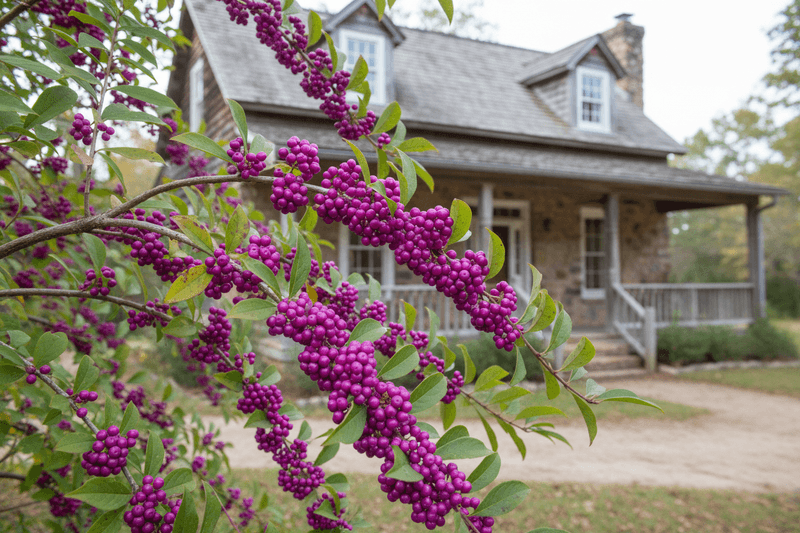
Bright purple berries look a bit unreal, and beautyberry wraps them around its stems in tight, glossy clusters. Neighbors walking past in early fall often stop to ask if someone glued candy onto the branches.
Callicarpa americana is a native shrub found in woods and old fields across much of the Southeast.
Unlike hollies, a single beautyberry sets fruit by itself, so you can plant just one and enjoy the color.
Tiny pink flowers appear along the stems in summer, and native bees happily buzz around them. Berries follow in late summer and stay showy into fall, sometimes lingering after the leaves turn yellow and drop.
Birds like mockingbirds and brown thrashers gobble the fruit, so the display often fades by midwinter. Pair it with evergreen hollies and you get purple early in the season and red later on.
Old-time farmers reportedly crushed the leaves and tucked them under harness straps to keep biting insects away. USDA scientists later found natural compounds in the leaves that helped repel mosquitoes during laboratory tests.
Beautyberry blooms and fruits on new growth, so cutting it back hard in late winter actually helps. I trim mine to about a foot tall, and it bounces back fuller and loaded with berries.
Give it full sun to part shade and average soil, including the heavy clay common around Georgia.
Once established, it shrugs off dry summers better than many fussy ornamentals you might find at big box stores.
7. Yaupon Holly
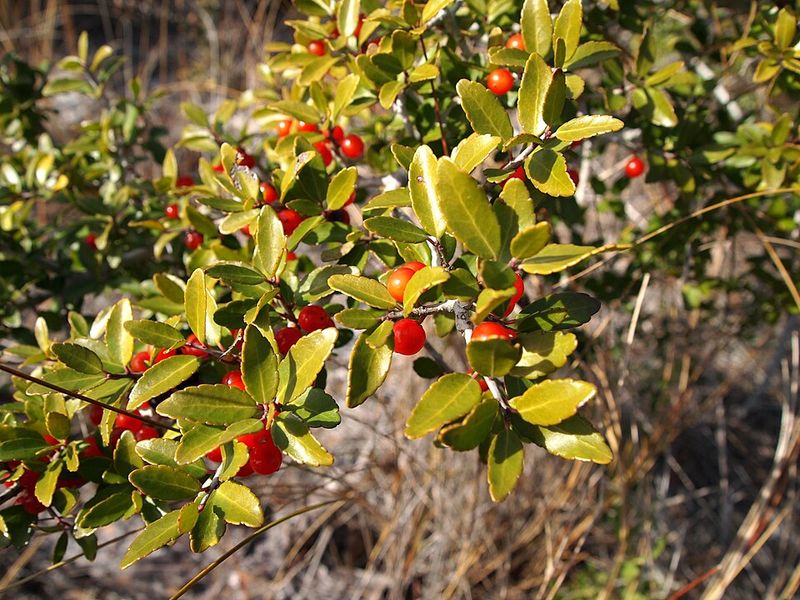
Yaupon carries a wild name, Ilex vomitoria, but the story behind it is mostly a historical mix-up. Its leaves hold caffeine, and native peoples brewed them into tea, a drink that small farms sell again today.
This tough evergreen grows naturally along the coast, where it handles sandy soil and salty breezes with ease.
It also tolerates wet spots and dry ones, which makes it one of the most forgiving hollies around.
Leaves are small, smooth-edged, and glossy, so you can prune yaupon into tidy hedges without getting scratched up. Upright types reach 10 to 20 feet tall, while weeping forms droop gracefully like green fountains in a garden.
You might notice many popular dwarf yaupons rarely set berries, since several are male or simply shy fruiters. For a festive look, choose a female tree form and keep a male yaupon within reasonable distance.
Female plants produce heavy clusters of tiny, shiny red berries that last into winter on the branches.
Songbirds such as cedar waxwings and eastern bluebirds often stop by to snack once colder weather arrives.
I believe yaupon is a great pick for sunny lots in south Georgia where many shrubs struggle. It thrives in full sun or partial shade, and established plants handle long dry spells quite well.
Prune in late winter after enjoying the berries, or trim lower limbs to reveal the pale gray bark. Female trees limbed up this way make striking small accent trees beside a patio or entry walk.
8. Possumhaw Holly
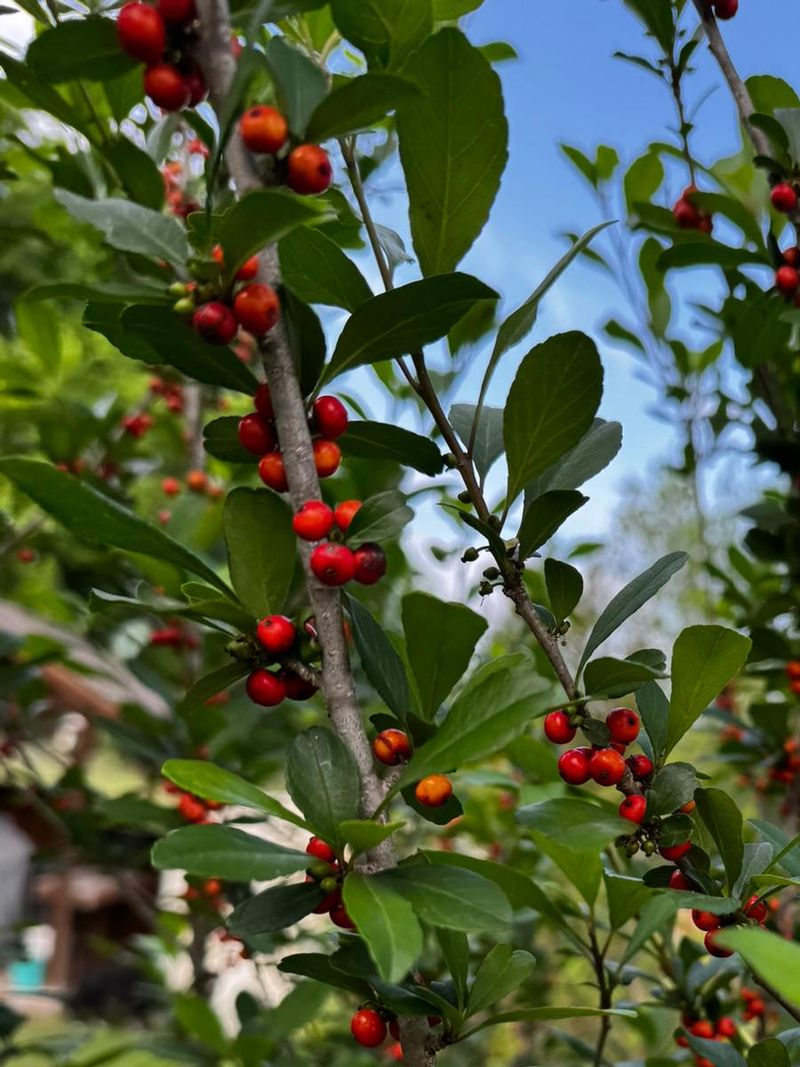
Possumhaw sounds like something from a folk song, and the name supposedly comes from critters nibbling its fruit. Once its leaves fall, the slender gray branches show off red berries that shine against winter skies.
Ilex decidua is a native deciduous holly that grows in floodplains and woodland edges across the Southeast.
It usually forms a large shrub or small tree around 7 to 15 feet tall, sometimes taller.
I have to admit this one is my favorite for tricky spots where soil swings between soggy and dry. Heavy clay and sandy loam both work, which makes it more flexible than winterberry in many yards.
Look for female selections such as Warren’s Red, which is prized for heavy crops of glossy red fruit. A male possumhaw planted nearby will boost that crop, and bees handle the pollen delivery for you.
Berries ripen in fall but often stay on the branches until late winter, when other food is scarce. That timing makes possumhaw a welcome pantry for robins and bluebirds when hungry flocks pass through.
Plant it in full sun for the best berries, though it tolerates some shade at the woodland edge. Prune off low suckers in late winter if you want a tree shape instead of a bushy thicket.
You can tuck it behind evergreen shrubs so the bare berry branches stand out like a living holiday card.
A small grouping looks especially charming along a fence line or back property border.