That Old Fence Between You And Your Neighbor Carries More Legal Weight In Georgia
Seven years. That is how long it can take for a line of old posts to start acting like an official property boundary in Georgia, even when the survey says otherwise.
I learned this while planning a new bed of native azaleas along the back of my yard with coffee in hand. Suddenly that weathered wood I barely noticed felt a lot more important.
Who knew?
The law here cares about how neighbors behave, not just what the deed says. A shared nod, a mowing habit, or decades of quiet acceptance can all count.
Courts in this state have even ruled on barriers built purely out of spite.
That sagging boundary in your yard could mean more for your garden plans than you realize. Your property line might sit somewhere unexpected.
And your neighbor might have a say in what happens to it next.
1. That Weathered Wood Fence on the Line Might Not Be Just Yours
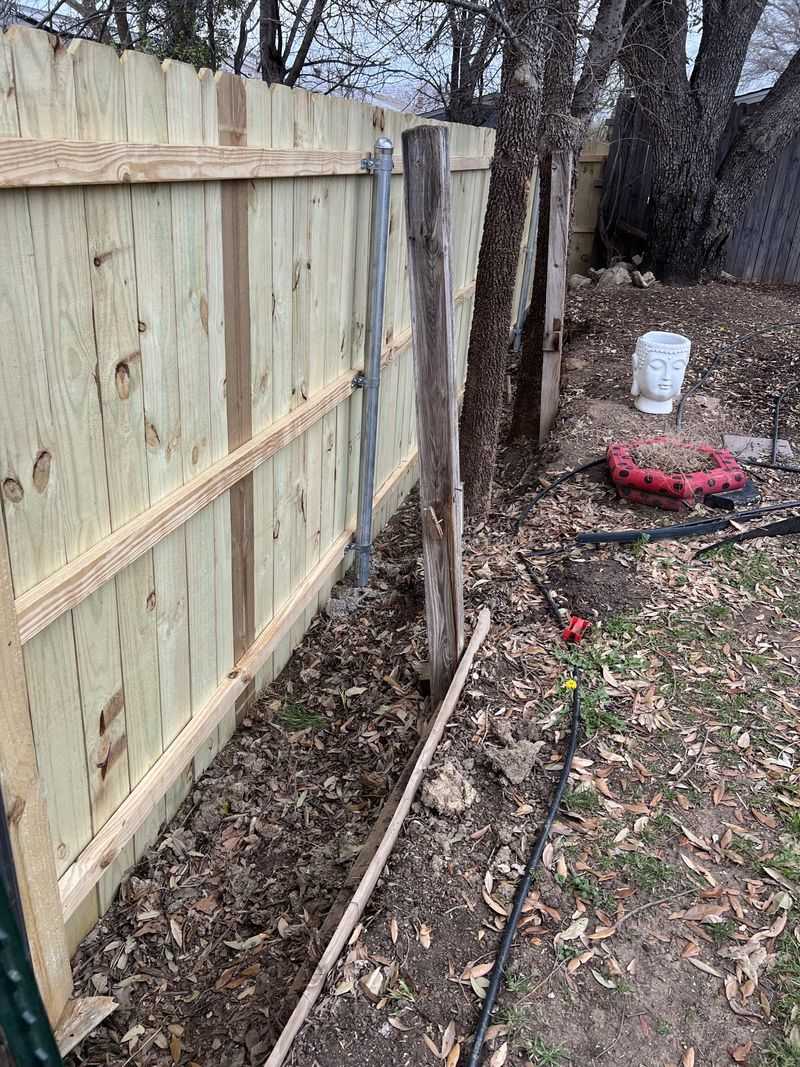
Ask most homeowners who owns the fence out back, and they will point to whoever paid for it. The answer gets fuzzier when the posts sit right on the property line.
A fence built directly on a property boundary is not automatically jointly owned in Georgia.
Ownership and maintenance responsibilities depend on property rights and any applicable agreements.
That can hold even if only one household bought the boards. Both sides usually have a say in what happens to it.
So tearing it down, swapping chain link for cedar, or painting your side bright teal can turn into a joint decision. Making big changes without asking can spark a dispute, or even a claim for damages.
Upkeep often falls to both owners too. If a storm knocks a section loose, splitting the repair is a fair starting point for that backyard conversation.
I like to treat a shared fence the way I would treat a borrowed wheelbarrow. You use it, you respect it, and you check in before changing anything.
A written agreement helps a lot. Jot down who handles repairs, who pays, and what changes need approval, then both sign it.
Exact rules can vary with your deed, so a quick chat with a local real estate attorney is smart.
2. Seven Years of Mowing Up to the Fence Can Settle the Boundary
A quirky bit of state law surprises a lot of gardeners. Under O.C.G.A. 44-4-6, neighbors can establish a dividing line through their own acts or declarations if they treat it as the boundary for seven years.
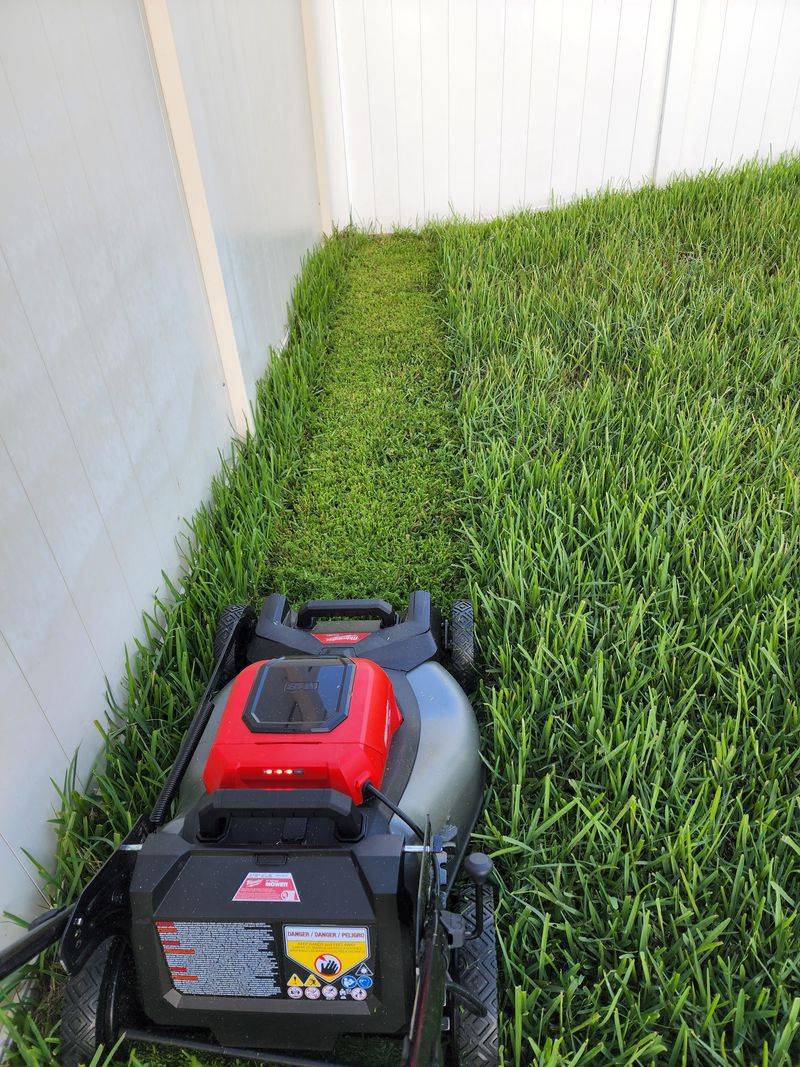
That old fence matters here. If you and the folks next door have mowed, planted, and raked right up to it for years, both acting like it marks the line, a court may agree that it does.
That can happen even when a fresh survey puts the true line a few feet away.
Courts look at real behavior. Did both families plant shrubs on their own side?
Did anyone object? Small habits like those can become evidence.
The rule cuts both ways. You could gain a strip of lawn, or quietly lose the spot where your tomato bed sits.
Personally, I think this is the best reason to pay attention to old boundaries. If a fence looks crooked compared to your plat map, raise it early and kindly.
Getting a signed boundary line agreement recorded with the county can lock in what you both agree on. That paper trail beats relying on fuzzy memories of who mowed where back in 2012.
3. A Survey Crew With Stakes and Orange Flags Ends the Guesswork
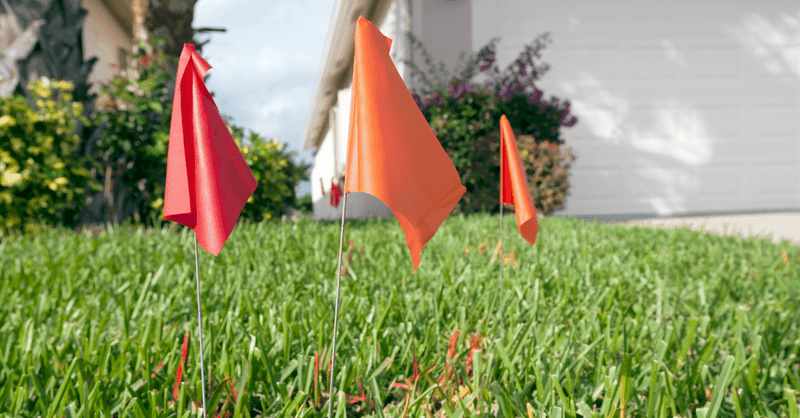
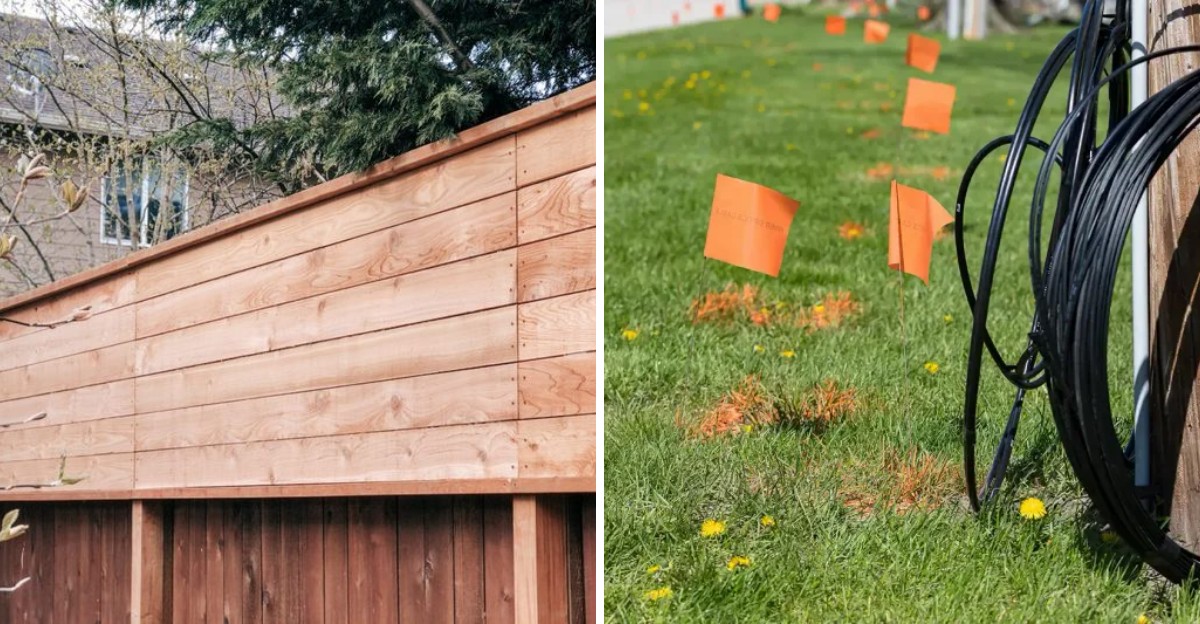
A single orange flag in the grass can save years of headaches. Before you dig a post hole, add a garden bed, or argue over that leaning fence, get a professional boundary survey.
Land surveyors in Georgia must be licensed by a state board, and a good one will locate your corners, mark the lines, and point out easements. Easements are strips where utility companies or others may have access rights, so planting a hedge there can be risky.
Old deeds and plat maps can be vague. Some still mention trees, creeks, or an old road as markers, and those landmarks can shift or vanish over the decades.
Survey costs vary depending on lot size, terrain, and how much research the crew must do. A wooded mountain parcel usually takes more work than a tidy suburban lot.
Ask for quotes from two or three local firms.
I cannot imagine planting a row of blueberries before knowing exactly where they will land. Ask the surveyor for a stamped copy, keep it with your home records, and share it with your neighbor if questions come up.
Clear facts make friendly conversations much easier.
4. Building Your New Fence a Foot Inside the Line Keeps It Yours
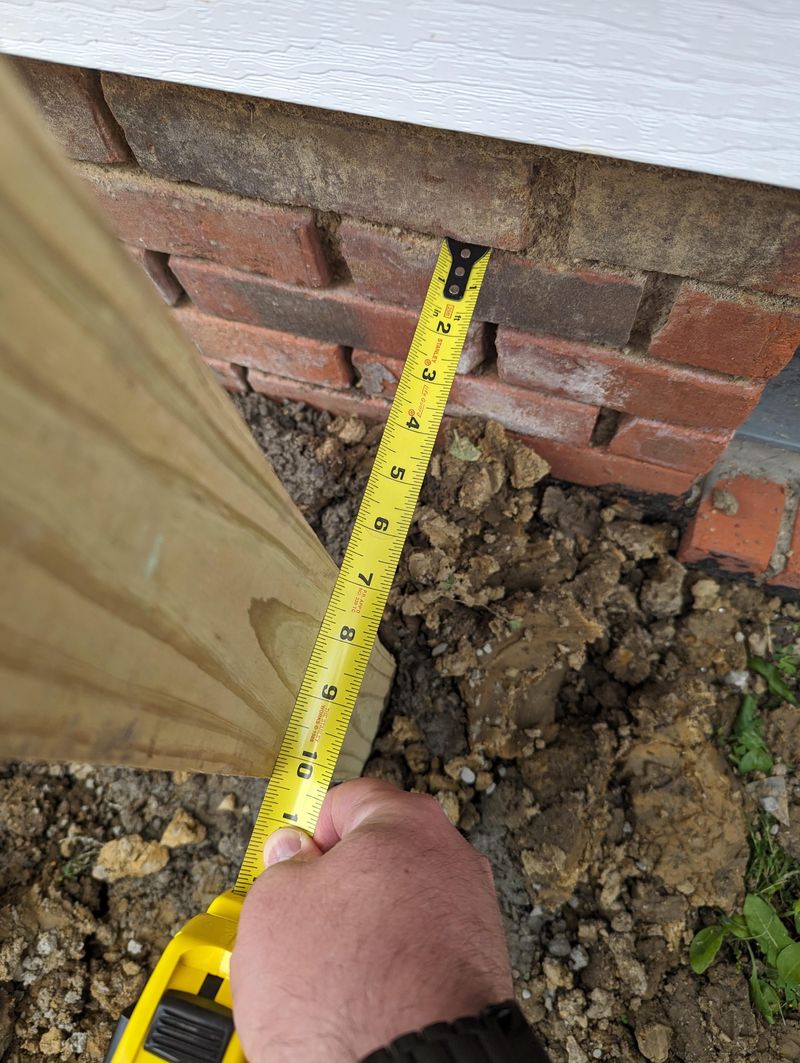
Want full control over your next fence? Building it a little inside your own line is the simplest move, and many fence pros suggest a setback of about a foot or two.
That small gap keeps the fence clearly yours. You pick the height, the style, the stain color, and the repair schedule without needing anyone’s sign-off.
Check your local code first, since some cities and counties set their own minimum setbacks. Your HOA may also have rules.
One catch deserves a mention. That strip of grass on the far side still belongs to you, so you will want to mow or tend it now and then.
I like to tell neighbors about the setback early. Leaving the strip ignored for years, with them treating it as theirs, could invite the same seven-year acquiescence issue mentioned earlier.
The strip can also be useful. A narrow bed of low native groundcovers like creeping phlox or green and gold works nicely there, and they will not block your access for repairs.
Finally, keep receipts and a copy of your survey showing where the fence sits. Good records make selling your home smoother down the road.
5. A Neighbor’s Fence Creeping Into Your Yard Needs Attention Early
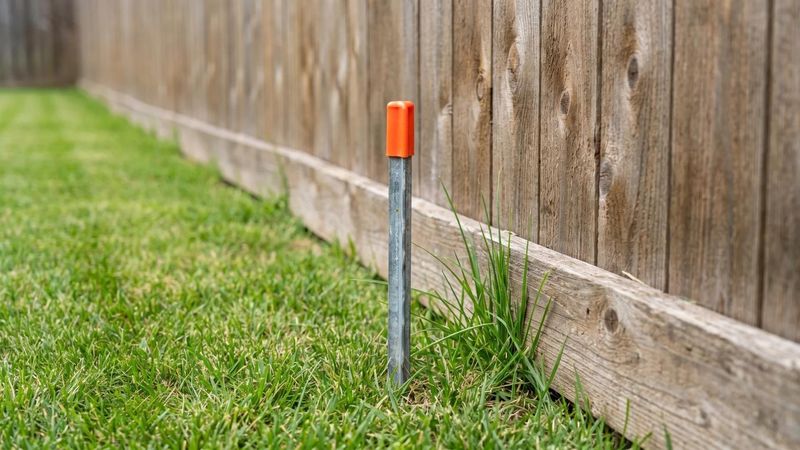
Spotting your neighbor’s new fence two feet onto your lawn feels a little like finding someone else’s hose in your flower bed. Deal with it early.
Georgia law allows adverse possession claims. Someone who openly and continuously holds land as their own for 20 years can claim title, and that drops to 7 years if they hold it under color of title, such as a flawed deed.
The possession must be public, peaceful, uninterrupted, and claimed as a right, not by permission. A fence is one of the clearest ways to show that kind of claim.
Start with a survey and a friendly talk. Many encroachments are honest mistakes made by an installer working from a guess.
If moving the fence is not practical, consider a written permission agreement. Possession by permission generally does not count toward an adverse claim, which protects you.
Should talks stall, a Georgia real estate attorney can explain options like a demand letter, a boundary agreement, or court action. Disputed lines can also be settled through processioning, where county processioners walk and mark the boundary.
6. A Towering Spite Fence Can Land You in Court
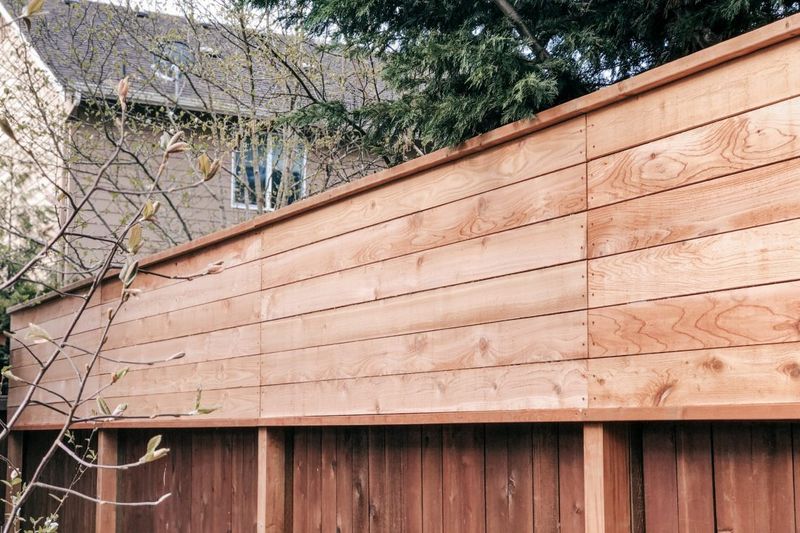
Back in 1941, the Georgia Supreme Court weighed in on a bitter neighbor feud in Hornsby v. Smith.
The court recognized that a structure built only out of malice, with no real benefit to its owner, could be treated as a nuisance and stopped.
That case still gets cited today. It is a reminder that owning land does not give you unlimited freedom to make a neighbor miserable.
Most privacy fences are fine. Blocking a view of the trash cans, keeping a dog home, or creating a cozy patio are all legitimate reasons.
Trouble starts when the motive is purely spite. A towering wall of plywood that shades a neighbor’s vegetable garden and serves no other purpose could draw legal attention.
Height limits in many local codes also cap backyard fences, often around six to eight feet.
Personally, I would much rather plant a screen. A mix of native shrubs like wax myrtle, yaupon holly, or American beautyberry softens a view and feeds birds too.
If emotions are running high, cool down before buying lumber. A mediator or community dispute center can often help neighbors reach a calmer solution.
7. Permits, HOA Rules, and an 811 Call Come Before the Post Hole Digger
Picking out pickets is the fun part, but a little paperwork comes first. Many cities and counties set limits on fence height, materials, and placement, and some require a permit.
Front yard fences often face lower height caps than backyard ones, and corner lots may have sight line rules so drivers can see traffic. Check with your local planning or zoning office before ordering supplies.
HOAs can be even stricter. Covenants may spell out colors, styles, and approval steps, and a city permit does not override an HOA rule.
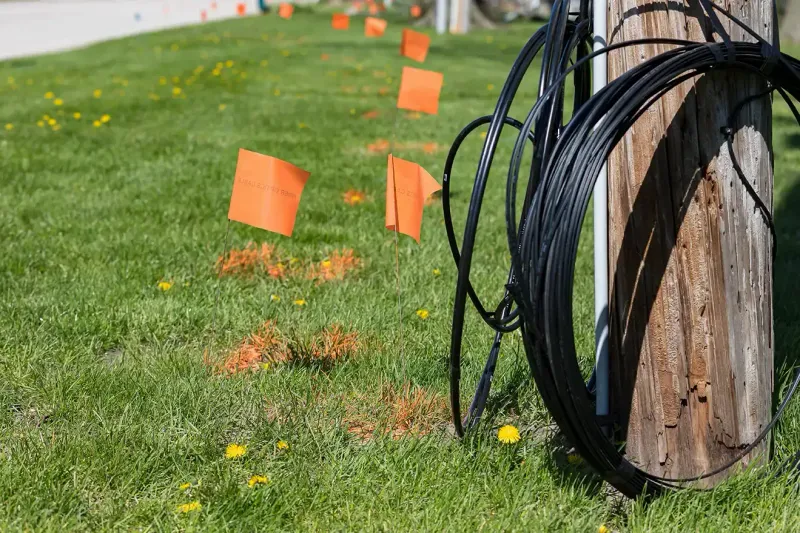
Then make the call that protects your yard and your safety. State law requires you to contact 811 a few business days before digging, and the free service sends locators to flag buried utility lines.
Those colorful paint marks and flags are worth respecting. Hitting a gas or fiber line with a post hole digger is costly and dangerous.
My favorite final step is simple. Knock on your neighbor’s door, show them the survey and the plan, and ask if they have concerns.
A shared fence, a careful setback, and a friendly heads up do more to keep the peace than any legal document.
Good fences really do make good neighbors when everyone talks first.