Why Some Peace Lily Leaves Turn Black Instead Of Brown In Georgia Homes
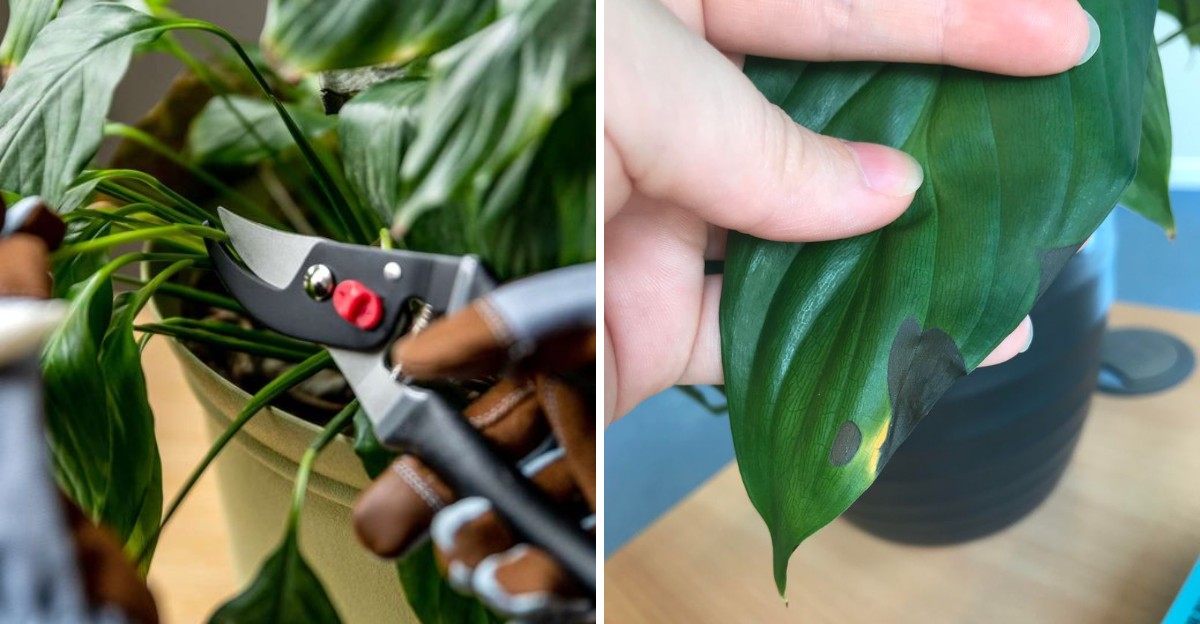
One leaf can go from glossy green to inky black in a single night. Brown damage usually creeps in slowly, but black damage often shows up like a surprise guest you never invited.
I find that difference fascinating, because the color is a real clue. Black, soft tissue usually means cells burst from cold or broke down from rot, while dry brown edges point to slower stress like thirst or mineral buildup.
Georgia homes add their own twist to the mystery.
Humid summers keep potting soil wet longer, and winter brings drafty windows, chilly floors, and air vents blasting cold air at houseplants.
You need to look closely at texture, timing, and location before you grab the watering can. Those small clues can help you figure out what’s causing the black leaves and what your plant needs next.
1. That Inky Peace Lily Leaf Is Sending A Different Message Than Brown
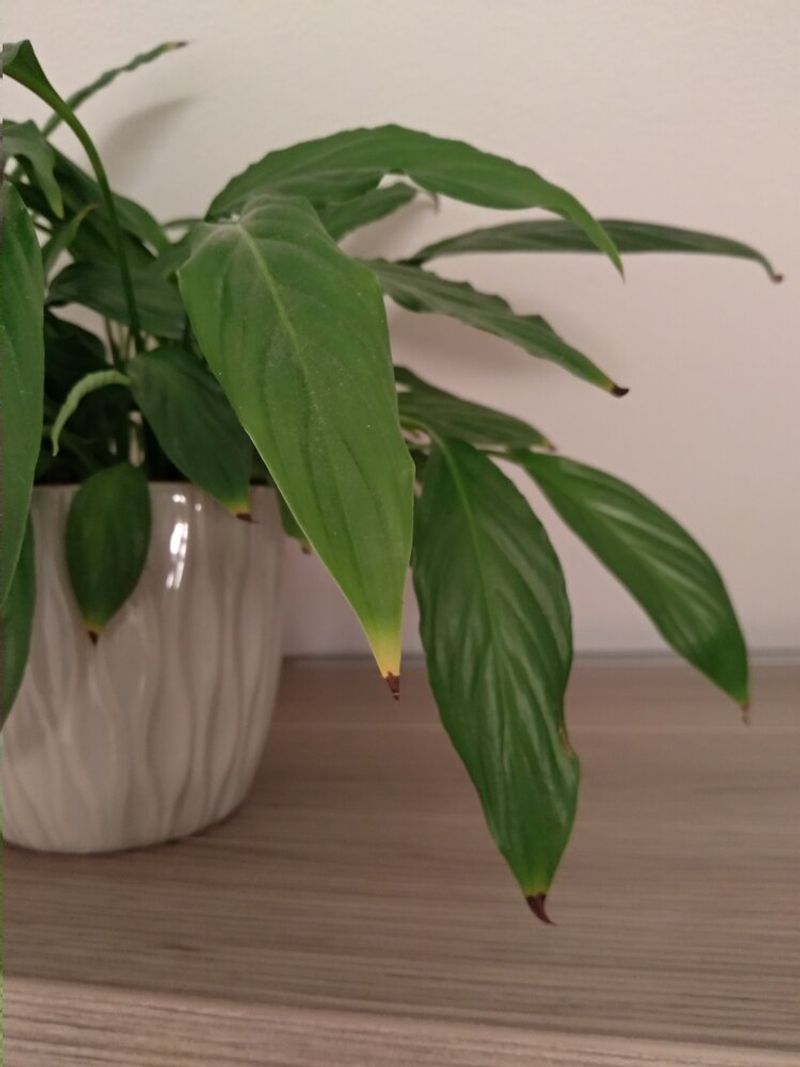
Color tells you a lot more than most people realize. On a peace lily, brown and black damage usually come from very different problems, so reading the shade is your first clue.
Brown, crispy tips and edges tend to form slowly.
They often point to dry air, uneven watering, too much fertilizer, or salts and minerals collecting in the soil over weeks or months.
Black damage is usually quicker and wetter. When leaves or stems turn dark, soft, and slimy, the tissue has often broken down from cold injury or from rot that started down in the roots.
Try a quick touch test. Dry and papery tissue leans toward the brown camp, while mushy, water-soaked tissue that seems to spread leans toward the black camp.
Location matters too. A leaf that blackened right after a cold night beside a window tells a different story than a plant sitting in soggy soil for weeks.
I like to note when the damage appeared, where the pot sits, and how wet the mix feels. Those three details usually narrow things down fast, and they keep you from fixing the wrong problem with the wrong cure.
2. Cold Drafts From Windows And Vents Can Blacken Peace Lily Leaves Overnight
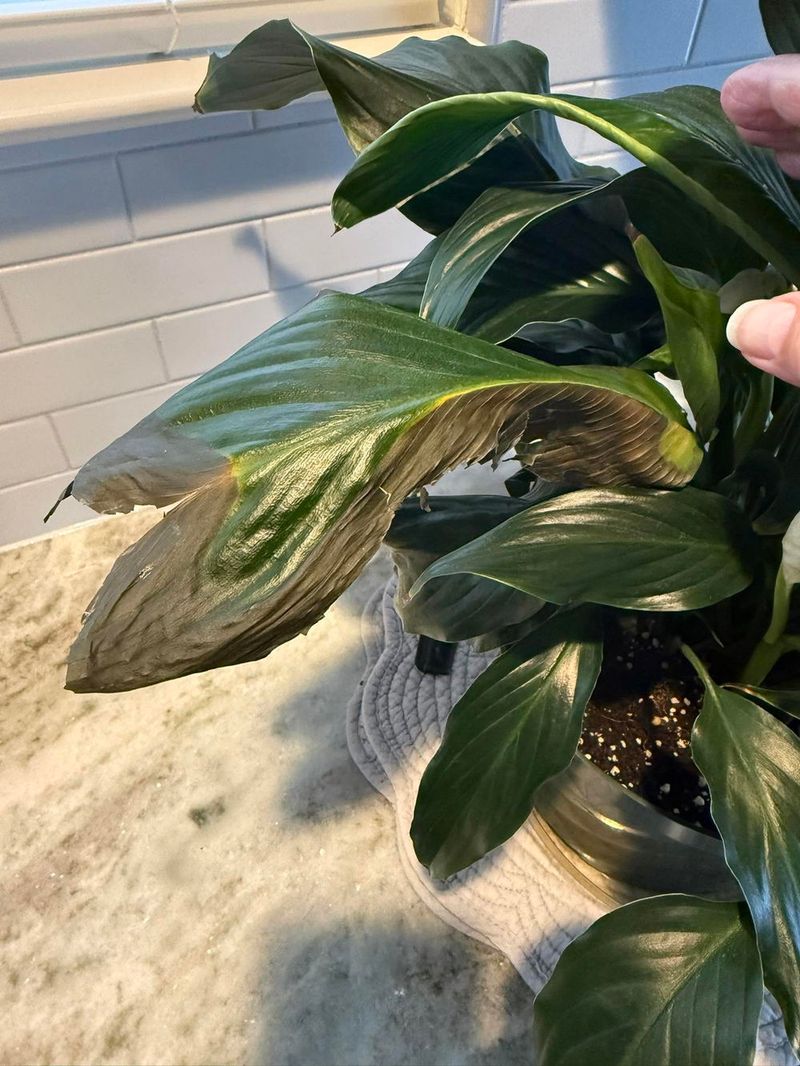
Peace lilies come from tropical forests in Central and South America, so chilly air hits them hard.
Many care guides note leaf damage once temperatures drop below roughly 55 to 60 degrees Fahrenheit.
Cold injury often looks dramatic. Leaves may turn dark, limp, and water-soaked within a day, because ice-cold air damages the plant cells and they collapse.
In Georgia, winter nights can dip below freezing, especially in the north Georgia mountains and around Atlanta. A pot pressed against a single-pane window can feel far colder than the rest of the room.
Summer brings its own risk. An air conditioning vent blowing straight onto foliage for hours can chill leaves more than you would expect.
Car rides matter as well. A plant carried from the garden center on a cold January day can suffer harm in just a few minutes.
Personally, I keep my peace lilies a few feet back from glass from late fall through early spring. Aim for steady indoor temperatures between about 65 and 80 degrees, and keep pots away from doors, drafty hallways, and vents that blow directly on the leaves.
3. Mushy Peace Lily Roots Often Hide Beneath Blackened Stems
Sometimes the real trouble lives underground. Root rot is one of the most common reasons peace lily stems and leaves turn black, especially when the base feels soft.
Wet soil pushes out the air that roots need. Water molds such as Pythium and Phytophthora thrive in those soggy conditions, and they break down roots until the plant can no longer move water upward.
Oddly enough, a rotting plant often droops like it is thirsty. That tricks many owners into adding even more water, which speeds up the problem.
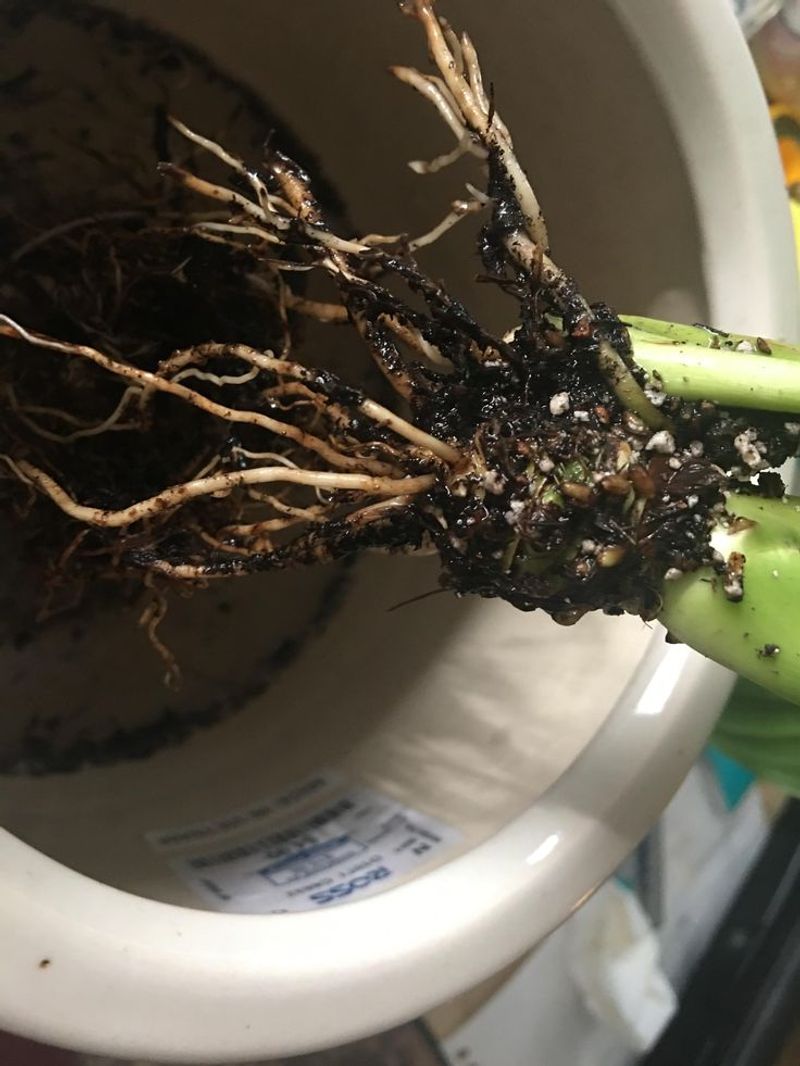
Checking is simple. Slide the plant out of its pot and look at the roots, since healthy ones are firm and white or light tan.
Rotted roots look dark brown or black, feel slimy, and may smell sour. They often slip apart when you pinch them gently.
If you find rot, trim the damaged roots with clean scissors and repot into fresh, well-draining mix. Choose a container with drainage holes that is only slightly larger than the remaining root ball, then water lightly until new growth appears.
4. Your Watering Can Might Be Loving That Spathiphyllum A Little Too Much
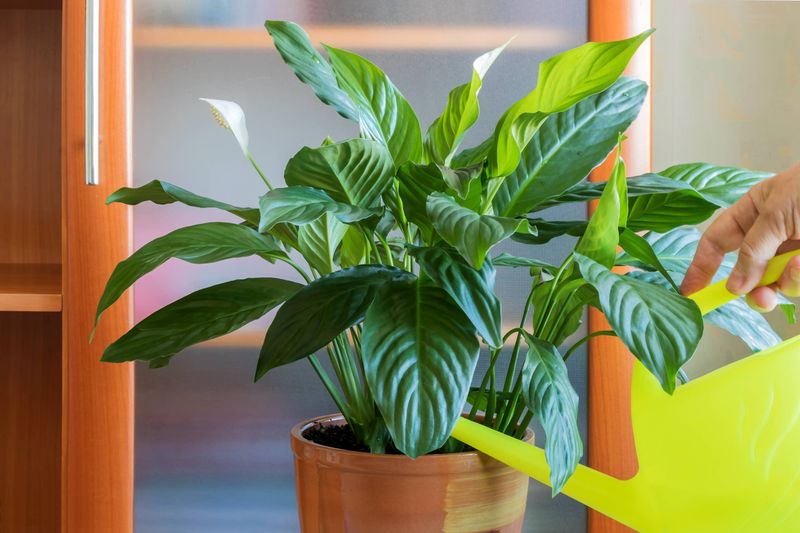
Peace lilies have a reputation for dramatic wilting, and that reputation leads to plenty of overwatering. They like evenly moist soil, but they do not like sitting in a puddle.
A simple routine works well. Push a finger about an inch into the mix and water only when that top layer feels dry.
Then water thoroughly until it drains from the bottom. Empty the saucer or cachepot within half an hour, since standing water keeps the root zone soaked.
Seasons change the schedule in a big way.
Plants grow more slowly in winter and use less water, so a weekly habit that worked in July may drown roots in January.
Georgia summers can fool you as well. Humid air slows evaporation, which means soil in a cool, air-conditioned room may stay damp longer than you expect.
A light pot is often a clue that watering time has arrived. I find lifting the container a quick way to judge moisture without guessing, and it builds a feel for your plant over time.
5. Fungal And Bacterial Leaf Spots Can Darken Peace Lily Foliage
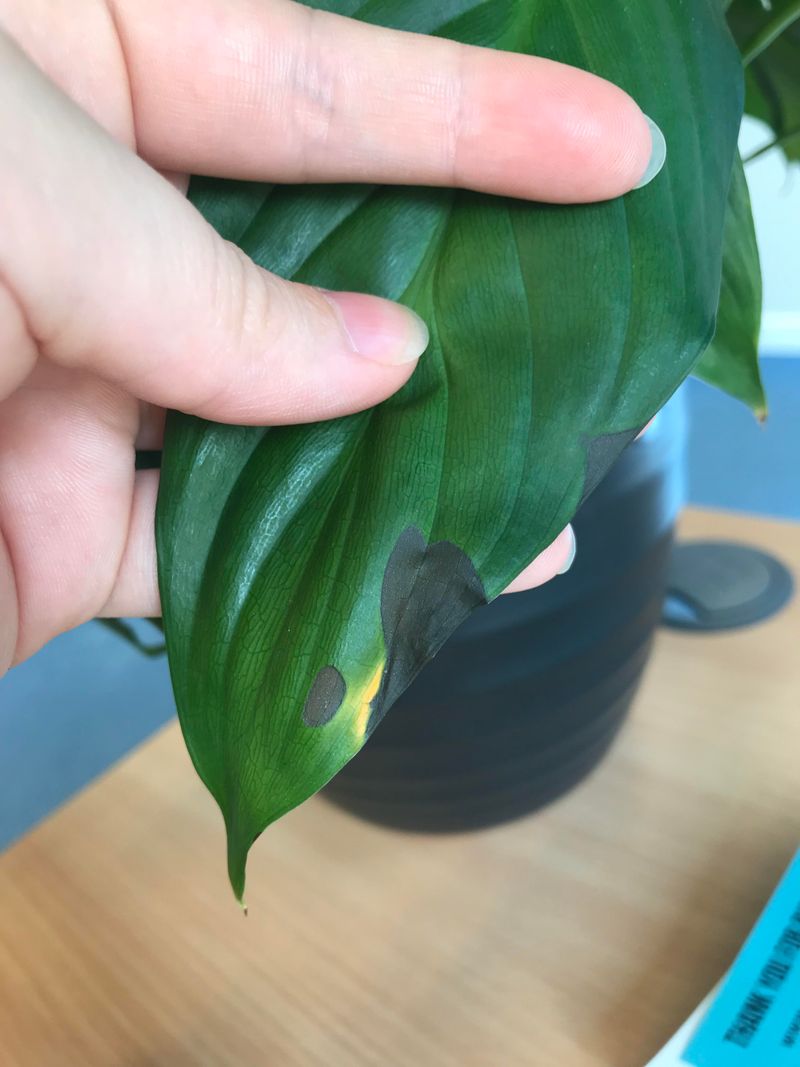
Not every black mark comes from cold or rot. Leaf spot diseases caused by fungi or bacteria can create dark patches on peace lily foliage too.
These spots often start small and look water-soaked. They may grow larger, merge together, and sometimes show a yellow ring around the edges.
Moisture usually helps them spread. Splashing water on leaves, crowded plants, and still air create damp conditions where these organisms multiply.
Georgia’s sticky summer humidity makes this more likely on porches or in rooms with poor airflow.
Indoor plants moved outside for summer are especially exposed to rain splash.
Start by removing affected leaves at the base with clean, sharp scissors. Clean the blades between cuts so you do not carry the problem to healthy foliage.
Water the soil instead of the leaves, and give the plant some breathing room from its neighbors. A small fan on low nearby can improve air movement nicely.
If spots keep spreading after cleanup, your local county Extension office can help identify the culprit. Accurate diagnosis beats guessing with random sprays.
6. Tap Water Minerals Usually Leave Brown Peace Lily Tips Behind
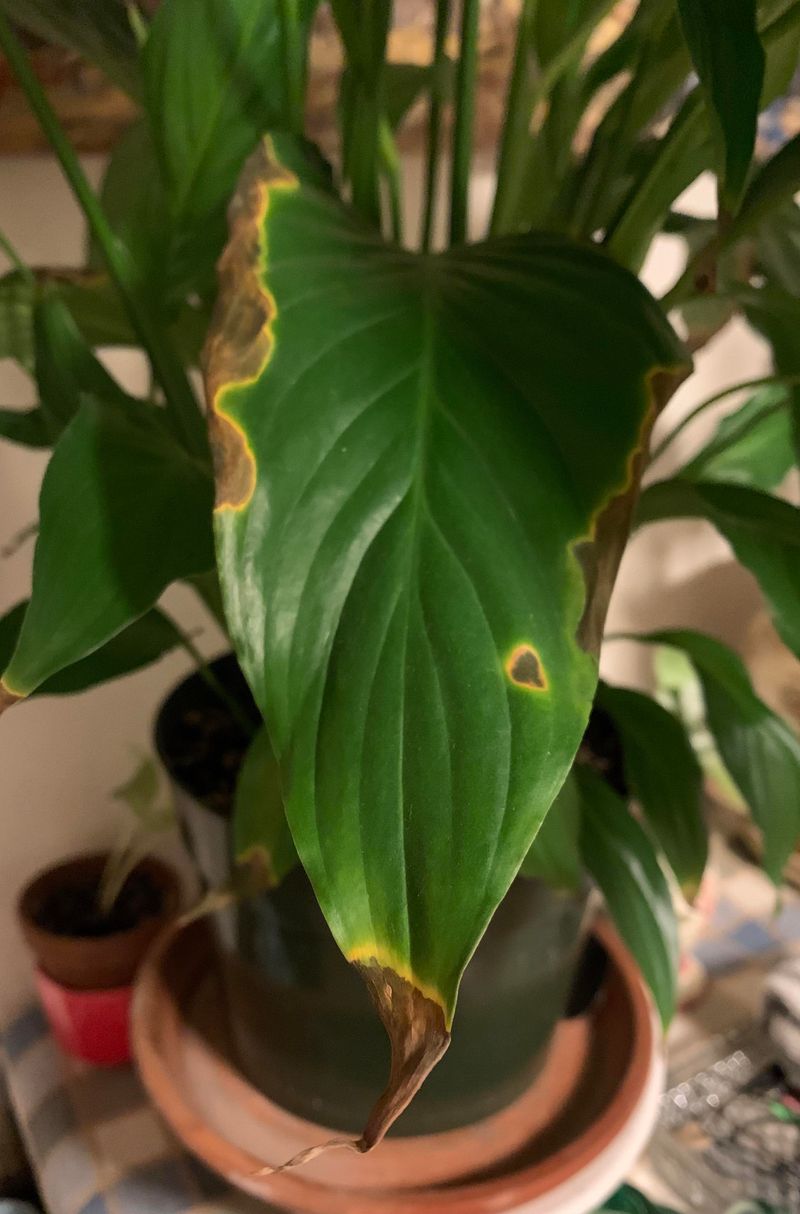
Plenty of advice online blames tap water for every leaf problem. The truth is a bit more modest, and it mostly connects to brown tips rather than black leaves.
Fluoride, chlorine, and dissolved salts can build up in potting soil over time.
Peace lilies are somewhat sensitive, and that buildup often shows as dry, brown tips and edges.
A white crust on the soil surface or pot rim is a common sign. Heavy fertilizer use adds to the same salty load.
Flushing helps a lot. Every few months, run plenty of water slowly through the pot and let it drain fully to rinse out extra salts.
Some growers switch to rainwater, distilled water, or filtered water. Letting tap water sit out overnight can help chlorine escape, though it does not remove fluoride.
Feed lightly during spring and summer with a diluted houseplant fertilizer, and skip feeding in winter. If your plant shows crispy brown edges with no mushiness, minerals or dry air are far likelier suspects than rot or cold.
7. Trimming Blackened Peace Lily Leaves Helps New Growth Take Over
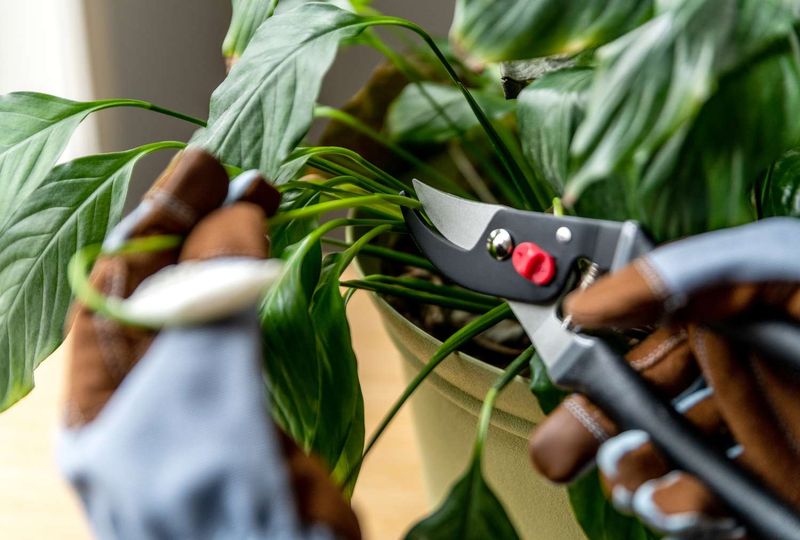
Once a leaf turns black, it will not turn green again. That sounds discouraging, yet the rest of the plant can often recover nicely with some prompt care.
Begin with the obvious step. Cut damaged leaves off near the base of the stem using clean scissors or pruners.
Removing soft, rotting tissue keeps it from inviting more problems. It also lets the plant direct energy toward fresh leaves rising from the center.
Next, fix the cause.
Move a cold-damaged plant to a warmer spot, and let soggy soil dry partway before watering again.
Hold off on fertilizer while the plant recovers. Stressed roots handle extra salts poorly, so wait until you spot healthy new leaves.
Patience pays off here. Peace lilies are vigorous growers, and a plant with firm, healthy roots usually pushes out new foliage within several weeks during warmer months.
If only a few healthy roots remain, consider dividing off the strongest crown and repotting it. A smaller, healthier plant beats a large one that keeps declining.
8. A Cozy Spot With Bright Indirect Light Keeps Peace Lilies Green Year Round
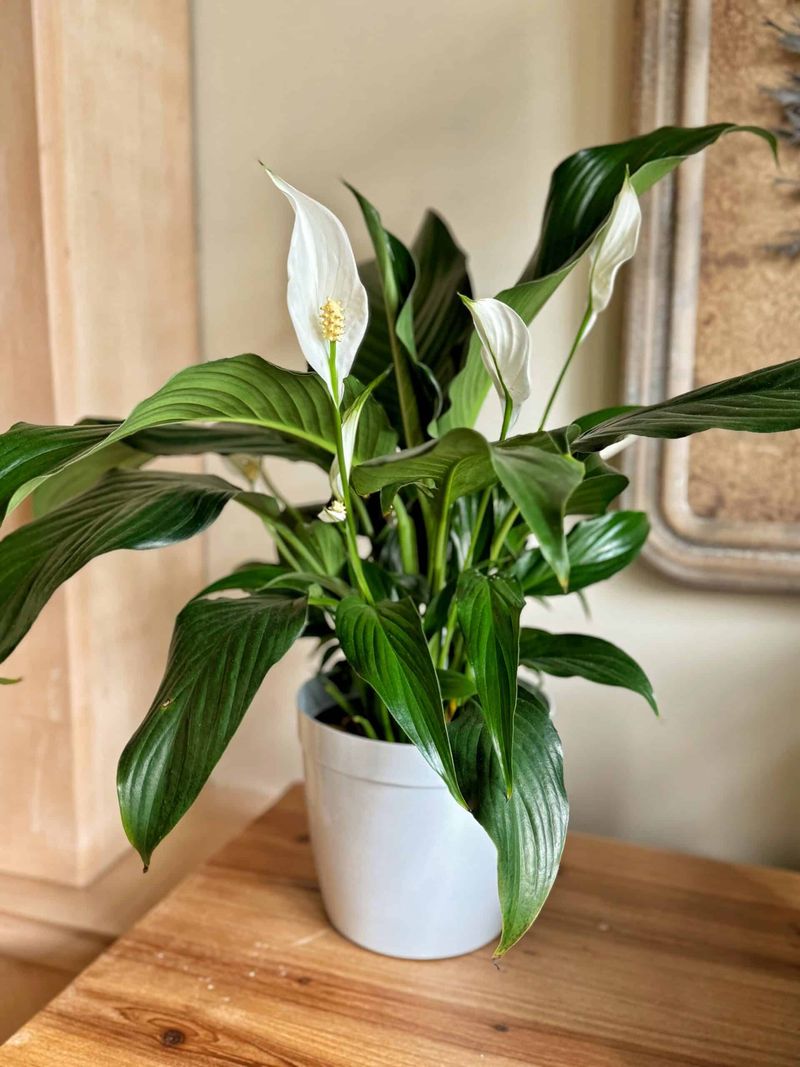
Prevention is far easier than rescue. A well-placed peace lily with sensible watering rarely surprises you with blackened leaves.
Choose a spot with bright, indirect light, such as a few feet from an east or north window.
Strong afternoon sun can scorch leaves, while deep shade slows growth and keeps soil wet longer.
Steady warmth matters just as much. Keep the plant away from exterior doors, cold glass, fireplaces, and vents throughout the year.
Use a pot with drainage holes and a light, airy mix. Many growers add perlite or bark to standard potting soil for better airflow around roots.
Watch the seasons in Georgia closely. Shift pots back from windows when nights cool in late fall, and slow your watering as growth slows.
I believe a quick weekly check works wonders. Look at leaf color, feel the soil, and lift the pot to gauge its weight.
That small habit catches trouble early. Your peace lily will reward the attention with glossy foliage and those graceful white blooms.